

What Is a Decoction? A Complete Guide to Herbal Decoctions
There is a particular kind of patience that comes with root cellars and simmering pots, and decoction is where that patience pays off. If you have ever steeped a cup of chamomile tea and wondered why the same trick does not work for a piece of dried burdock root or a chunk of cinnamon bark, you have already bumped into the reason decoction exists. Some plant material simply refuses to give up its medicine to a quick soak in hot water. It needs heat, time, and a longer conversation with the pot.
A decoction is an herbal preparation made by simmering the tougher parts of a plant, roots, bark, seeds, berries, or dried mushrooms, in water for an extended period to pull out their water-soluble constituents. Unlike an infusion, which is closer to steeping a cup of tea, a decoction asks for real cooking. According to Wikipedia’s overview of the technique, decoction is the most common preparation method across many traditional herbal medicine systems worldwide, and it typically involves drying the plant material, cutting or mashing it to expose more surface area, then boiling it in water to draw out oils, volatile compounds, and other constituents.
Related: How to Make Cinnamon – Ginger Salve
This guide walks through what a decoction actually is, how it differs from other herbal preparations, which plant parts call for this method, the standard ratios and simmer times, safety considerations you genuinely need to know before you start, and a working list of herbs commonly prepared this way.
Decoction vs. Infusion, Tincture, and Maceration
Herbalists have several ways of pulling medicine out of a plant, and each method suits a different kind of plant material. Understanding where decoction fits helps you choose the right technique for the herb in front of you rather than defaulting to whatever is fastest.
Related: I Will Never Buy OTCs Again. (Here’s Why!)
Decoction vs. Infusion
An infusion is made by pouring hot water over soft plant parts, leaves, flowers, and aerial stems, and letting them steep for five to fifteen minutes, similar to brewing a standard cup of tea. Decoction is reserved for the tough, dense parts of a plant that will not release their constituents through steeping alone. As the Herbal Academy explains, infusions work with the softer parts of a plant and a shorter soak, while a decoction is used when you need to pull constituents out of hard or woody material such as roots, bark, seeds, berries, or mushrooms.
You might want to learn how to make: Moon Milk
Decoction vs. Tincture
A tincture uses alcohol, or sometimes vinegar or glycerin, as the solvent instead of water, and the plant material soaks for weeks rather than minutes. Tinctures extract a different range of constituents than water can reach, including many resins and alkaloids, and they last for years rather than days. Decoctions are water-based, quick to prepare, and meant for near-term use.
Related: Fennel Tea: A Soothing Brew with Ancient Roots and Modern Benefits
Decoction vs. Maceration
Maceration is a cold or room-temperature soak, often used for mucilage-rich herbs like marshmallow root that can actually lose some of their soothing properties if exposed to heat. If you are working with a demulcent root for its slippery, coating quality rather than its stronger constituents, a cold maceration may serve you better than a decoction.
You also want to learn about: Speedwell
Which Plant Parts Call for a Decoction
Decoction is built for the parts of the plant that infusion cannot crack open. Per ScienceDirect’s clinical reference, the material used for decoction is generally the tough parts of the plant, meaning stems, bark, needles, roots, and seeds, and the simmer time runs longer than a tisane because more time is needed to break down these dense tissues.
- Roots: dandelion, burdock, echinacea, astragalus, ginger, turmeric, ashwagandha, valerian
- Bark: cinnamon, willow, slippery elm, wild cherry
- Berries and seeds: hawthorn berries, rosehips, elderberries, fennel seed, milk thistle seed
- Resins and dense rhizomes: certain hardened gums and thick rhizome cuts that resist steeping
- Mushrooms: reishi, chaga, and other medicinal fungi, which need extended simmering to break down their tough cell walls
Soft aerial parts, leaves, flowers, and delicate stems, generally belong in an infusion instead. Boiling them tends to drive off the very volatile oils that make them valuable and can leave the tea tasting flat or bitter.
Equipment You Will Need
- A pot made of a non-reactive material, such as stainless steel, glass, or enamel
- A lid, since decoctions are best simmered covered to keep volatile compounds from escaping into the air
- A fine mesh strainer or cheesecloth for straining the finished liquid
- A kitchen scale or measuring spoons for consistent ratios
- A heat-safe jar or container for storage
Avoid aluminum cookware. Some herbalists prefer to skip it because certain plant acids can react with the metal, and it is simple enough to reach for stainless steel or glass instead.
How to Make a Basic Decoction, Step by Step
The standard ratio most herbalists reach for is about one teaspoon, roughly 10 grams, of dried root or bark per 250 milliliters (one cup) of water, though many home herbalists prefer a heartier one tablespoon per cup for a stronger brew. Adjust based on the herb and your intended use.
- Measure your water into the pot first, then add the herb. Some herbalists prefer to start the herb in cold water so the plant tissue softens gradually as the temperature climbs, rather than shocking it straight into a boil.
- Cut, crush, or coarsely grind the root or bark just before you start. Do this right before simmering rather than in advance, since pre-cutting the material well ahead of time allows some of its volatile constituents to dissipate.
- Bring the water to a boil, then reduce to a gentle simmer and cover with the lid.
- Simmer for 20 to 45 minutes for most roots and bark, and up to 60 minutes or longer for very dense material like tough mushrooms or thick bark. Simmer times of 5 to 60 minutes are typical depending on the density of the plant part.
- Some traditions simmer until the liquid reduces by about a quarter to concentrate the dose, then remove from heat.
- Strain through a fine mesh strainer or cheesecloth into a heat-safe container, pressing gently on the spent material to release the remaining liquid.
- Allow to cool slightly before drinking, or refrigerate for later use.
Also read: Kudzu: The Vine That Ate the South… and More
A note on covering the pot: keeping the lid on during simmering helps prevent volatile, heat-sensitive compounds from escaping as steam, which matters most when the plant material carries aromatic oils alongside its tougher constituents.
Extended and Double Decoctions
Traditional Chinese herbal medicine often relies on longer, more concentrated decoctions than most Western home preparations. A common approach involves simmering the herbs, covered, for around 30 minutes or until the water volume reduces by roughly half, then straining and sometimes repeating the process on the same spent herbs with fresh water to pull out any remaining constituents before combining both batches. This double-decoction approach is especially useful for tough roots and bark where a single simmer may not fully exhaust the material.
You should also learn about: Pheasant Back
If a formula calls for both tender and tough plant parts, some herbalists decoct the harder roots and bark first, then add the more delicate leaves or flowers near the end of the simmer for only a few minutes, protecting their more fragile constituents from prolonged heat.
Also Read: Nature’s Prednisone
Safety Warnings Before You Start
Important Safety Warning:
Never decoct a root, bark, or seed you cannot positively identify. Some toxic plants, including certain look-alike roots, are dangerous even in small amounts and boiling does not neutralize their toxicity.
Do not exceed recommended simmer times or concentrations for potent herbs. Concentrating a decoction by prolonged boiling increases the strength of active constituents, and this includes compounds that are safe at normal doses but harmful at high ones.
Licorice root deserves particular caution. Regulatory bodies including the World Health Organization recommend limiting glycyrrhizin intake, the compound responsible for licorice’s sweetness and much of its potency, to no more than 100 milligrams per day, and habitual high intake has been linked to elevated blood pressure and low potassium levels.
Pregnant and breastfeeding women should avoid licorice root decoctions altogether, along with several other roots and barks traditionally considered emmenagogue or uterine-stimulating, unless a healthcare provider has specifically approved their use.
If you take prescription medication, especially blood pressure medication, diuretics, blood thinners, or anything metabolized by the liver, check with your healthcare provider before adding a new root or bark decoction to your routine, since concentrated water extracts can carry meaningful herb-drug interactions.
Discard any decoction that smells sour, looks cloudy or discolored, or has been left unrefrigerated for more than a few hours. Because decoctions are water-based with no natural preservative, bacterial growth can happen quickly.
Dosage Guidelines
Because decoctions can be more concentrated than infusions, dosage matters more than it might for a casual cup of tea. As a general starting point, most adult herbal references suggest one 4 to 8 ounce cup, taken once to three times daily, though the appropriate dose depends heavily on the specific herb, its potency, and the reason you are using it.
- Gentle nutritive roots, such as dandelion or burdock, are often taken more freely, up to 2 to 3 cups per day
- Stronger or more potent roots and bark, such as licorice or valerian, are typically taken in smaller, divided doses, sometimes only a few ounces at a time
- Children, older adults, and anyone with a chronic health condition should use a reduced dose and only under the guidance of a knowledgeable practitioner
If you are new to a particular herb, start with a smaller amount than the reference suggests and observe how your body responds before working up to a full dose.
Storage and Shelf Life
Decoctions are perishable. Because they are water-based with no alcohol or other preservative, most references recommend refrigerating a finished decoction immediately and using it within 24 to 72 hours, with 48 hours being a common middle-ground recommendation among clinical herbalists.
- Refrigerate in a sealed glass jar as soon as the decoction has cooled to room temperature
- Label the container with the herb and the date it was made
- Reheat gently on the stovetop rather than microwaving, which can heat unevenly
- Freeze leftover decoction in ice cube trays for longer storage, then transfer the cubes to a sealed freezer bag; frozen decoctions are generally best used within a few months
- Discard immediately if you notice mold, an off smell, or a change in color or texture
If you want a preparation with a longer shelf life, consider reducing the decoction further and combining it with honey to make a syrup, or converting the herb into an alcohol-based tincture instead, both of which extend usability well beyond what a plain water decoction allows.
Common Herbs Traditionally Prepared as Decoctions
The following herbs are frequently prepared by decoction because their medicine lives in tough, fibrous, or dense tissue that resists a simple steep. This list is not exhaustive, and always research any herb thoroughly, including its safety profile and interactions, before using it.
- Dandelion root, for gentle liver and digestive support
- Burdock root, traditionally used for skin health and as a nutritive tonic
- Echinacea root, used at the first sign of seasonal immune challenges
- Astragalus root, a longer-term immune and vitality tonic in Chinese herbal tradition
- Ginger root, for digestive comfort and warming circulation
- Turmeric root, for its anti-inflammatory reputation, often combined with black pepper for absorption
- Licorice root, for soothing the throat and digestive tract, used cautiously and in moderation
- Cinnamon bark, both a flavorful addition and a traditional circulatory support
- Willow bark, historically used for discomfort and inflammation
- Hawthorn berries, a traditional cardiovascular tonic herb
- Elderberries, simmered into syrups for immune support during cold and flu season
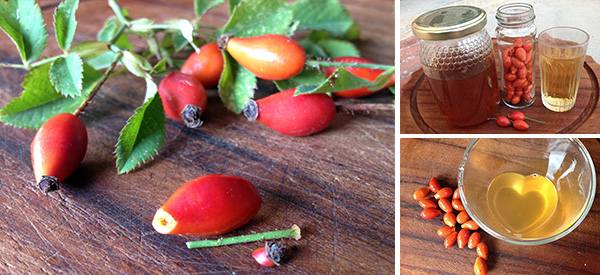
- Rosehips, valued for their vitamin C content and tart flavor
- Reishi and chaga mushrooms, requiring long simmers to break down their tough structure
Troubleshooting Common Decoction Problems
The decoction tastes overly bitter or harsh
This usually means the simmer ran too long or the herb-to-water ratio was too strong. Reduce the amount of herb next time, shorten the simmer, or balance the flavor with a bit of honey or a milder herb like cinnamon or licorice root, keeping the licorice dose modest.
The liquid reduced too much and became syrupy
Keep the lid on more consistently during simmering, or lower the heat further. If it reduces further than intended, you can simply dilute it with a bit of hot water before drinking.
Sediment or grit remains in the finished decoction
Strain twice, once through a mesh strainer and once through a layer of cheesecloth or an unbleached coffee filter, for a cleaner finished liquid.
The decoction spoiled faster than expected
Warm kitchens and inconsistent refrigeration speed up spoilage. Cool the decoction fully before sealing it in the fridge, and consider making smaller batches more frequently rather than one large batch meant to last a week.
How to Decide: Decoction or Not?
When you are staring at a jar of dried herb and are not sure which preparation method to reach for, ask a few quick questions:
- Is the material a root, bark, seed, berry, or dried mushroom? Lean toward decoction.
- Is the material a leaf, flower, or soft aerial part? Lean toward infusion.
- Do you need the preparation to last for months rather than days? Consider a tincture or syrup instead of, or in addition to, a plain water decoction.
- Is the herb primarily valued for a mucilaginous, soothing quality, such as marshmallow root? Consider a cold maceration to preserve that quality rather than simmering it away.
There is no rule that says you cannot combine methods within the same blend. Many herbalists decoct the roots and bark of a formula first, then add delicate flowers or leaves for a brief infusion at the end, capturing the strengths of both techniques in a single pot.
🌿 Build a Home Apothecary That Actually Works
Reading about decoctions is one thing. Knowing which herbs to grow, harvest, dry, store, and prepare for dozens of common situations is another.
That’s exactly why I recommend Forgotten Home Apothecary.
Inside, you’ll discover:
- 🌱 Over 250 medicinal plants with detailed identification guides
- 🏡 Step-by-step instructions for creating herbal teas, decoctions, tinctures, salves, syrups, poultices, and more
- 📖 Traditional remedies passed down through generations of herbalists
- 🌿 Which part of each plant to use, when to harvest it, and how to prepare it safely
- ⚠️ Important safety notes, dosage guidance, and preparation methods for beginners and experienced herbalists alike
Whether you’re just learning what a decoction is or building a complete herbal medicine cabinet, this book makes it easy to turn knowledge into practical skills you can use at home.
Bringing It Back to the Kitchen
Decoction is one of the oldest tricks in the herbalist’s kitchen precisely because it works. Roots and bark hold their medicine tightly, and a patient simmer is often the simplest, most accessible way to coax it free without special equipment or solvents. Start with a familiar, well-documented root, respect the dosage and storage guidelines above, and let the process become as routine as brewing your morning tea. The plants that ask for a little more time from you tend to reward that patience.
This guide is educational and does not replace individualized advice from a qualified herbalist or healthcare provider. When in doubt about an herb’s safety, identification, or appropriate dose, consult a professional before use.
You may also like:
Our Facebook Community Is Accepting New Members!
1 Cup Before Bed Shrinks Belly Fat All Night (Video)
DIY Cinnamon Bark Decoction For a Younger Heart
Good Syrup for Dry Cough – What Actually Soothes, and How to Make It
How to Make Natural Shampoo at Home – The Complete Guide
This is so incredibly helpful! Thank you for making it