

DIY Cinnamon Bark Decoction For a Younger Heart
Your heart doesn’t feel young anymore. You notice it in small ways.
Climbing stairs leaves you winded. Your blood pressure creeps higher each year. Your doctor mentions your cholesterol, your blood sugar, your triglycerides—numbers that keep drifting in the wrong direction despite your best efforts.
You’re eating better. You’re moving more. You’re doing everything they tell you to do. But your heart still feels… older. Strained. Like it’s working harder than it used to.
Here’s something most people don’t realize: a younger heart isn’t about turning back the clock. It’s about reducing the daily strain on your arteries and heart muscle so they don’t have to fight uphill all day long.
And there’s a simple, warming daily ritual that may help support exactly that: a cinnamon bark decoction.
Not a cure. Not a miracle. Just a gentle, repeated nudge in the right direction for the numbers that tend to age your heart faster: blood pressure, blood sugar, cholesterol, inflammation.
Let me show you what the research actually says, how to make it, and when it makes sense to try.
What Cinnamon Actually Does for Your Heart
Cinnamon won’t cure heart disease or replace your medications. But research shows it may help with the exact numbers your doctor keeps watching.
Studies show cinnamon can improve fasting blood sugar, HbA1c, triglycerides, LDL cholesterol, total cholesterol, blood pressure, waist circumference, and C-reactive protein (inflammation).
You won’t drop 50 points of cholesterol overnight. But your heart doesn’t need dramatic fixes. It needs consistent small improvements that add up over time.
Related: How to Make Cinnamon – Ginger Salve
Cinnamon may help keep your blood sugar steadier, your cholesterol from climbing, your blood pressure from creeping higher, and inflammation from wearing down your arteries. It gives you something active to do for your heart every single day instead of just worrying about the next test results.
According to the CDC and American Heart Association, herbs work best alongside healthy eating and proper medical care. Cinnamon fits right there, giving your heart every advantage you can.
You also want to learn about: Persimmon

What is a Decoction?
A decoction is a stronger herbal preparation used for tough plant parts like bark, roots, and berries. Unlike a tea (where you steep delicate leaves), a decoction requires simmering the plant material in water for 10-20 minutes to extract deeper medicinal compounds. The result is richer, more concentrated, and more therapeutic than a simple tea.
Also Read: What Happens If You Add Cinnamon To Your Honey Jar
I learned how to make different types of herbal preparations: decoctions, tinctures, salves, capsules, and syrups from plants I didn’t even know could help me.
I learned how to identify the most powerful painkilling plant growing in most backyards, how to make the “Doxycycline of the Woods” from a lichen most people ignore, and how to create remedies that have kept people alive during the hardest times in history.
If you want to follow the same herbal course I did, Nicole teaches you hands-on, in the field and in the kitchen, so you learn by doing, the way your grandmother would have taught you. Click here to discover all remedy-making hacks.
Additional Heart-Strengthening Herbs
If you want to support your heart beyond cinnamon, here are three herbs with strong research backing:
Bilberry strengthens capillaries and blood vessels, making them more resilient against high blood pressure. It’s particularly helpful for improving circulation to the eyes and extremities. Studies show bilberry’s anthocyanins protect blood vessels from oxidative stress and inflammation.
Hawthorn is one of the most researched heart herbs. It improves blood flow to the heart muscle, helps regulate blood pressure, and supports overall cardiovascular function. Hawthorn has been used for centuries in traditional medicine for heart weakness, irregular heartbeat, and poor circulation.
Reishi mushroom is an adaptogen that helps your body handle stress—one of the biggest contributors to heart disease. Reishi supports healthy blood pressure, reduces inflammation, and protects against the oxidative damage that ages your cardiovascular system. It’s been called the “mushroom of immortality” for good reason.
Related: Why You Should Put Usnea in Your Socks
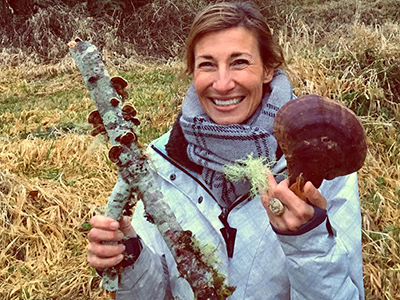
Here’s the thing about reishi: you can’t find this mushroom commonly, and even if you do, preparing it properly takes hours of simmering to extract the beneficial compounds. Most people never get the full benefit because they don’t extract it long enough.
That’s why a professionally extracted Reishi Tincture makes sense.
You just take a few drops, and you don’t even have to think about what’s inside. Even if you’re not a “mushroom person,” Nicole’s Reishi double-extracted tincture gives life.
How to Make Cinnamon Bark Decoction
Because cinnamon is bark (not a delicate leaf), it needs a stronger preparation called a decoction. You bring it to a boil, then simmer it so more of the beneficial compounds move into the water.
The result? Richer, deeper, more medicinal than a quick tea steep.
Ingredients:
- 1-2 Ceylon cinnamon sticks
- 2 cups water
- Optional but powerful: 3-5 drops of Reishi Tincture added to your finished decoction
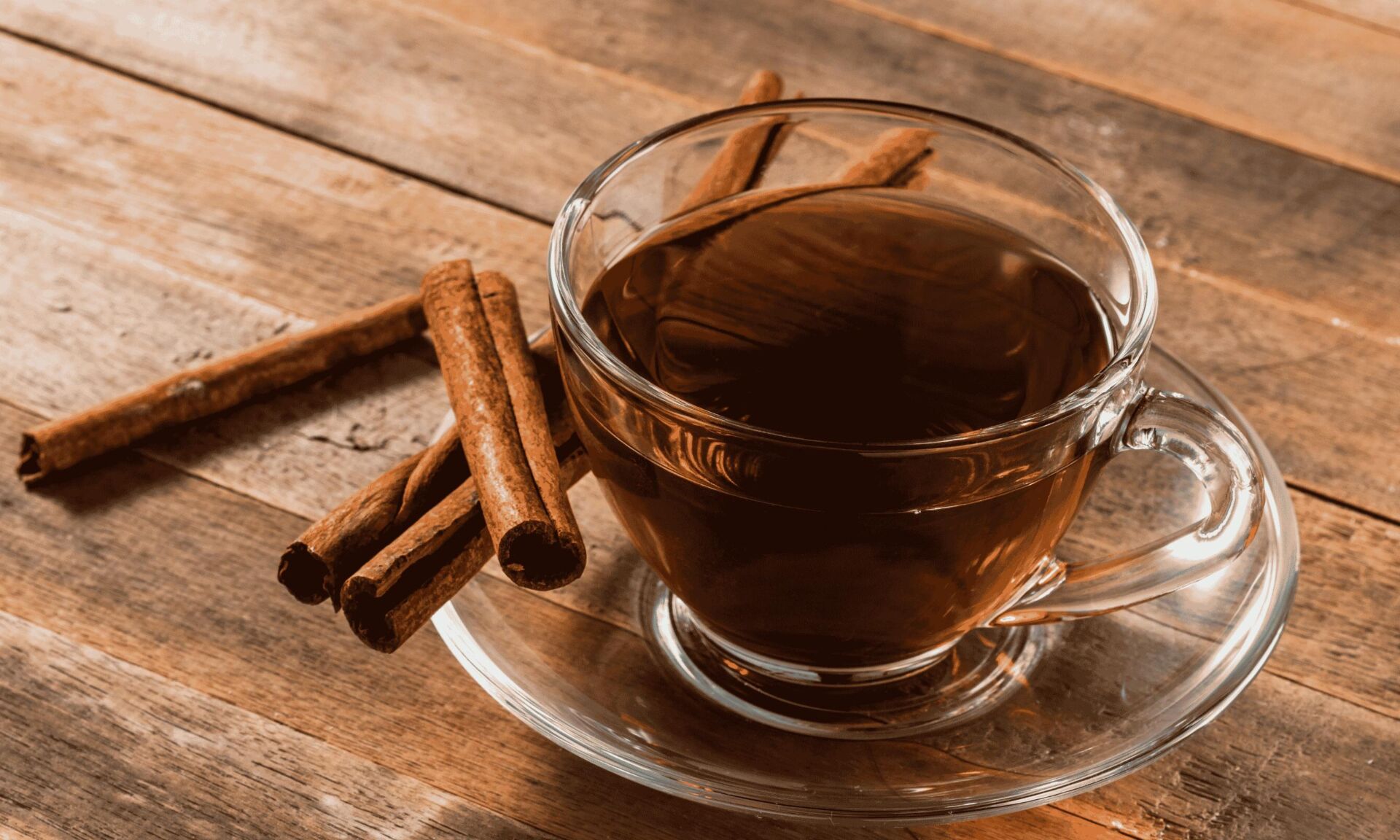
Instructions:
- Bring the water to a boil in a small pot.
- Add the cinnamon sticks, lower the heat, and let simmer gently for 10-15 minutes.
- Cover briefly, then strain into a mug.
- Sip warm.
- The flavor should be full and comforting, not harsh. This isn’t meant to be a punishment drink. It should feel like something you’d actually want to come back to tomorrow morning.
How often: Many people drink 1-2 cups daily, ideally in the morning or with meals.
The Better Alternative
However, if you don’t have the time, the tools, or the place where you can source your ingredients from, you can get the Heart Health Blend Tincture here, with the remedies mentioned above, the perfect synergetic blend of hawthorn, bilberry, tulsi, and fenugreek. It’s made by one of America’s top herbalists, and all the herbs in it are either wild-harvested or organically grown, which not a lot of supplements can claim!
This tincture might just become one of the most-sought remedies once a crisis strikes, pharmacies get looted, and hospitals overcrowded.
Related: Why Put Onions in Your Socks Before Sleeping
Ceylon vs. Cassia: Why It Matters
If you’re making this a regular habit, Ceylon cinnamon is the better choice.
Here’s why: Most cinnamon sold in North America is Cassia cinnamon. It naturally contains more coumarin, a compound that can stress the liver when intake gets high or prolonged.
Ceylon cinnamon contains much less coumarin, making it safer for repeated daily use.
If this is going to become your daily ritual, choose the gentler bark. Your liver doesn’t need extra drama.
Where to find it: Look for “Ceylon cinnamon” or “true cinnamon” on the label. It’s slightly more expensive but worth it for regular use.
How to Use It Wisely
Cinnamon is generally safe in ordinary food amounts. But the safety picture gets less friendly when people start pushing large amounts for long periods or using concentrated supplements.
Moderation matters. A steady, moderate routine (1-2 sticks simmered daily) is the smart path. More isn’t better; it just increases risk of side effects like digestive upset or allergic reactions.
Quality matters too. The FDA has issued alerts about some ground cinnamon products containing elevated lead levels. Whole, clearly labeled bark from trusted sellers is the cleaner choice.
If you want to use remedies safely, without guessing at dosages, combinations, or preparation methods, you need a guide that’s already done the work for you.
The Forgotten Home Apothecary has an entire Cardiovascular System shelf with remedies specifically formulated for heart health: 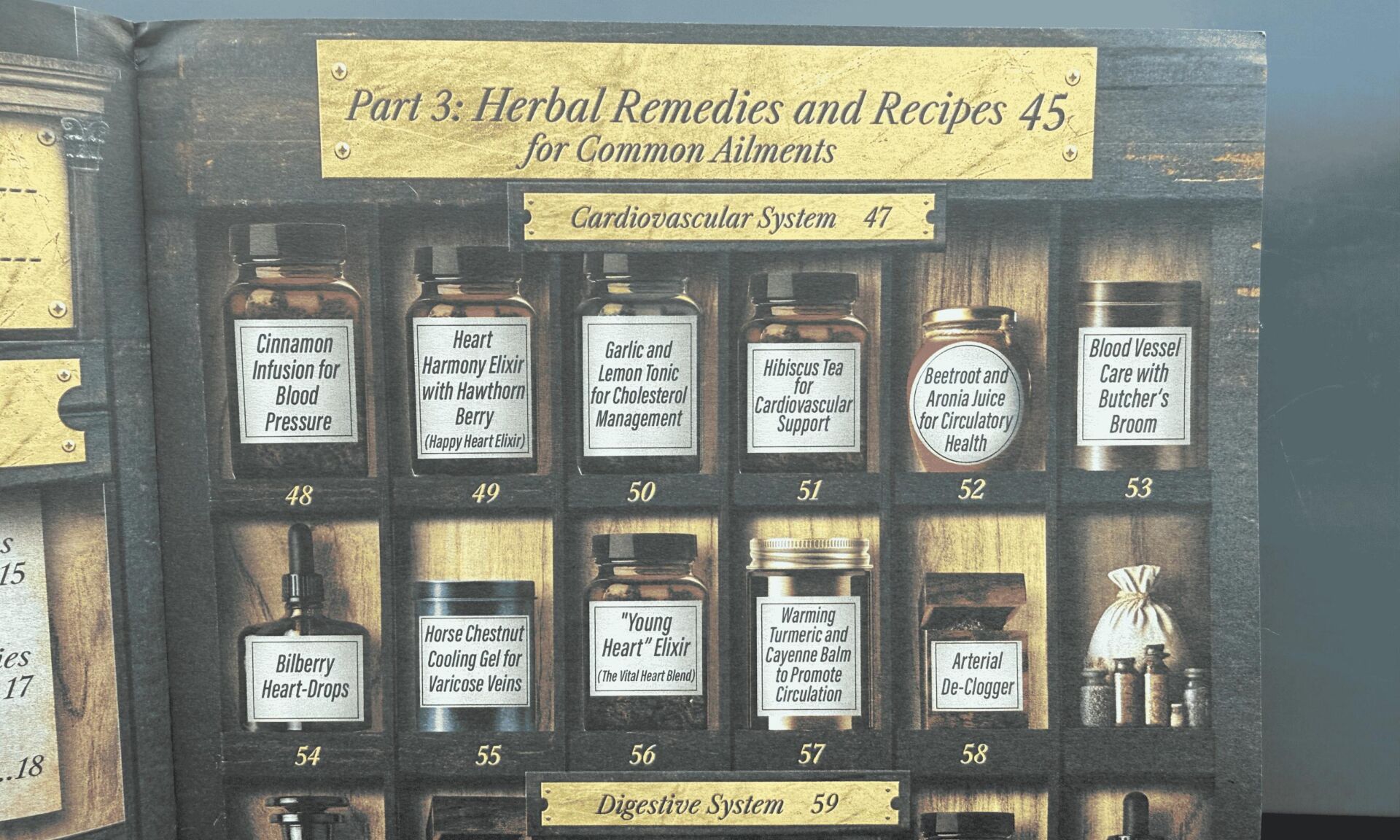
- Young Heart Elixir
- Arterial De-Clogger
- Bilberry Heart-Drops
- Circulation Reboot Tonic
- Clot-Dissolving Syrup
- And many more
Every recipe includes step-by-step instructions, exact measurements, safety warnings, and what it’s used for. No guessing. No harm. Over 400,000 people trust this book because it tells you what works and what not to combine. Get your copy here.
Cinnamon Safety Warnings (It’s Powerful)
Talk to your doctor first if you’re pregnant, breastfeeding, have liver disease, or take prescription medications — especially blood thinners, diabetes drugs, or heart medications. Cinnamon can interact with these drugs. “Natural” doesn’t mean consequence-free.
This ritual makes the most sense if your blood sugar, cholesterol, triglycerides, or blood pressure keep creeping up despite your efforts, or if you carry weight around your middle. It’s also perfect if you simply want a comforting daily practice that feels intentional and supportive.
Cinnamon works best alongside the basics: daily movement, better sleep, less sodium, wiser food choices, and medical treatment when needed. It’s complementary support, not a replacement for your cardiologist.
If you want safe, effective remedies already made, not something you have to source, measure, extract, and hope you got right—here’s the reality: it would take you months to make all the heart-supporting remedies mentioned in this article. Finding the right suppliers, extracting properly, storing correctly, knowing what combines safely, it’s a lot.
Or you could get them from the most reputable herbalist in the US who makes her remedies in small batches with the highest quality standards.
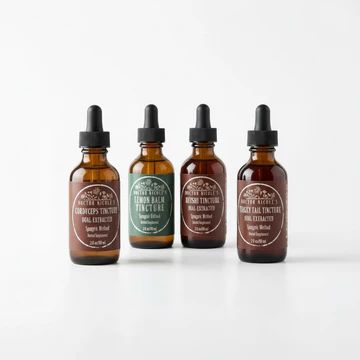
Nicole’s Complete Heart Bundle includes Cordyceps for circulation and stamina, Reishi for stress and inflammation, Turkey Tail for immune support, Lemon Balm for calming your nervous system (because stress wrecks your heart), and the heart blend with Hawthorn, Tulsi, Fenugreek, and Bilberry. The exact herbs research shows support healthy blood pressure, cholesterol, and blood sugar.
All wild-harvested or organically grown. All professionally extracted. All ready to use.
Your heart has been working for decades. Give it the support it deserves. Get the Complete Heart Bundle here.
The Bottom Line
No herb reaches into your chest and turns back time overnight.
But small, repeatable habits can make your heart’s job easier. A daily cinnamon bark decoction is one of those habits: simple, inexpensive, comforting, and potentially helpful for the same pressure points that age your heart fastest.
Just keep the promise honest.
Let it support your routine, not replace the real pillars of heart health and proper medical care. That’s how a humble cup stays both hopeful and believable.
Your heart has been working hard for decades. Maybe it’s time to give it a little extra support in your own kitchen.
You may also like: 
The ‘Nerve Oil’ You Should Use For Shaky Hands
Nicole’s Apothecary Gift Card For Your Loved Ones

Can I use the powdered Ceylon cinnamon in a decoction?