
How to Make Natural Shampoo at Home – The Complete Guide
Most commercial shampoos are built around a small handful of harsh sulfate surfactants, thickeners, and synthetic fragrance, formulated to produce a big lather and a pleasant scent rather than to work with your hair’s natural chemistry. Making your own shampoo lets you decide exactly what touches your scalp, and once you understand a few basic principles, it is far simpler than most people expect.
This guide covers three real, workable methods, from the gentlest traditional plant-based option to a modern pH-balanced bar, along with the herbs worth adding for specific hair and scalp concerns, how to make an herbal infusion properly, and the shelf life and safety details that most DIY recipes skip entirely.
Why Your Hair Needs Something Different From a Bar of Soap
Before choosing a method, it helps to understand the one variable that makes or breaks a homemade shampoo: pH. Hair and scalp sit at a naturally acidic pH of roughly 4.5 to 5.5. When the hair cuticle meets this acidic environment, the overlapping scales that make up the outer layer of each strand lie flat, which is what creates smooth, glossy, tangle-free hair.
Soap, including the castile soap so many DIY recipes recommend, is alkaline, typically sitting between pH 8 and 10. At that pH the cuticle lifts and separates rather than lying flat, which is why soap-based hair washes can leave hair feeling rough, tangled, or straw-like over time, especially with repeated use. The American Academy of Dermatology notes that consistent, non-irritating product choices make the biggest difference in long-term hair and skin condition, which is exactly why the pH of what you are washing with matters so much.
Related: DIY Anti Dandruff Calendula Oil
This does not mean soap-based shampoo is off the table. It means every method below needs to be matched with the right follow-up step, and it is worth knowing the tradeoffs before you commit a batch of ingredients to one approach.
Method One: Soapwort, the Original Plant-Based Shampoo
Long before synthetic surfactants existed, soapwort (Saponaria officinalis) was the plant people reached for to wash hair, delicate fabric, and even museum textiles. Its roots, leaves, and stems contain saponins, natural glycosides that create a gentle, low foam when agitated in water. A comparative study on skin-mimetic models found that soapwort’s saponin-rich extract behaved differently on skin cell models than synthetic anionic surfactants such as sodium lauryl sulfate, supporting its reputation as a milder cleansing option.
Soapwort does not lather the way a commercial shampoo does. It produces a light, silky foam rather than big bubbles, and it cleanses without stripping the scalp’s natural oils, which makes it a good starting point if your goal is the gentlest possible wash.
Related: The Super Herb That Destroys Candida
Soapwort Herbal Shampoo Recipe
You will need:
- 1 cup dried soapwort root, chopped (fresh root works too, use double the amount)
- 3 cups distilled or filtered water
- 2 tablespoons dried rosemary, nettle, or chamomile, depending on your hair goal
- 1 teaspoon vegetable glycerin (optional, adds slip and mildness)
Combine the soapwort root and water in a saucepan. Bring to a gentle simmer, cover, and let it simmer on low for 20 to 30 minutes, do not let it boil hard or the saponins can break down. Add your chosen herb for the final 10 minutes of simmering. Remove from heat, let it cool to room temperature, then strain through cheesecloth into a clean bottle. Stir in the glycerin if using. To wash, shake well and pour a small amount over wet hair, massage into the scalp, and rinse thoroughly. This infusion is water-based and perishable, see the preservation section below before deciding how you will store it.
Method Two: Castile Soap Shampoo, Simple But Not Without a Catch
Liquid castile soap is the most commonly recommended DIY shampoo base, and it does have real advantages: it is inexpensive, biodegradable, and made from just a few plant oils and lye. The catch is the pH issue described above. Castile soap typically registers between 8 and 10, well above your scalp’s natural acidity. Used on its own and rinsed with plain water, it tends to leave hair feeling coated, dull, or frizzy over time, and the effect is worse in hard water areas where soap molecules bind with calcium and magnesium to form a residue.
Related: Magnesium: What’s the Best One for You?
The fix is straightforward: always follow a castile soap wash with a diluted acidic rinse. This single step is what separates a castile shampoo that works from one that ruins your hair over a few months.
Castile Soap Shampoo Recipe
You will need:
- 2 tablespoons liquid castile soap
- 1 cup distilled water
- 1 teaspoon jojoba oil or sweet almond oil
- 10 drops rosemary or lavender essential oil (optional)
Combine all ingredients in a squeeze or pump bottle and shake gently before each use, since the oil will separate. Apply a small amount to wet hair, massage in, and rinse well.
Immediately after rinsing, follow with an acidic rinse: 1 tablespoon apple cider vinegar diluted in 1 cup of water, poured over the hair and scalp, left for a minute, then rinsed out. This step rebalances the hair’s pH, closes the cuticle back down, and removes any soap residue. Skipping it is the single most common reason people give up on castile soap shampoo.
Method Three: Solid Syndet Shampoo Bars, the Closest to Salon Quality
If you want a plastic-free, travel-friendly option that is actually formulated to match your hair’s natural pH rather than fighting against it, a syndet bar is the strongest choice. Syndet is short for synthetic detergent, but do not let the name put you off. These bars use mild, coconut-derived surfactants such as sodium cocoyl isethionate (SCI) and sodium lauryl sulfoacetate (SLSA), both naturally derived, biodegradable, and formulated at a pH close to your hair’s own 4.5 to 5.5 range, without any need for a follow-up rinse.
Basic Syndet Shampoo Bar Recipe
You will need:
- 100 g SCI powder or flakes
- 30 g SLSA powder
- 20 g cocoa butter or shea butter
- 10 g cetyl alcohol
- 1 teaspoon citric acid solution (for pH adjustment)
- 15 drops essential oil of choice
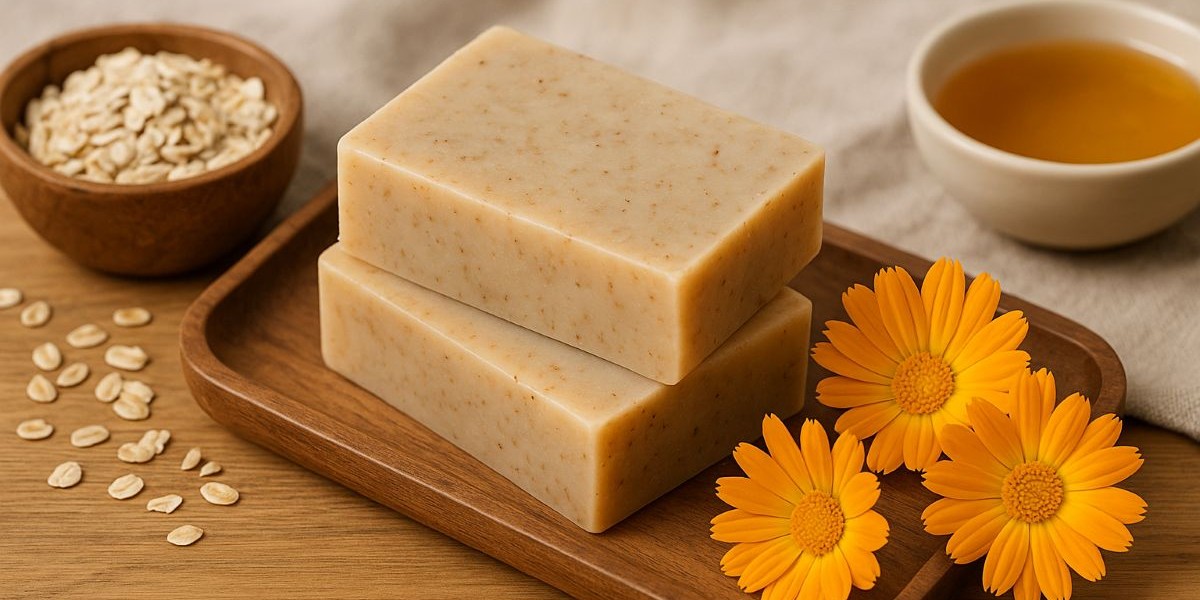
Melt the cocoa butter and cetyl alcohol together in a double boiler. In a separate heatproof bowl, warm the SCI and SLSA gently (a double boiler or very low oven works well, and a dust mask is worth wearing since the powders can become airborne). Combine the melted butter mixture into the warmed surfactants and knead together like dough while still warm. Test the pH with a strip once cooled slightly, in a 10 percent water solution, and add citric acid solution a few drops at a time until it reads between 4 and 5.5. Add essential oil, press firmly into a silicone mold, and let the bar cure and harden at room temperature for 24 to 48 hours before use.
Because this bar has minimal water content once cured, it does not require a preservative the way a liquid formula does, which makes it one of the lower-maintenance options on this list.
Also read: What Happens When You Put Butter In Your Coffee?
Herbs Worth Adding, Based on What Your Hair Needs
Whichever base you choose, the herbs you add are where you can target specific concerns. Not every herb belongs in a shampoo, but the following have both a long history of hair care use and research to back them up.
Rosemary (Rosmarinus officinalis) for Growth and Circulation
Rosemary is the best-researched herb on this list for hair growth. A widely cited randomized comparative trial published via PubMed found that topical rosemary oil produced a hair count increase comparable to 2 percent minoxidil after six months of consistent use, with less reported scalp itching than the minoxidil group. It is a single study and not a substitute for medical treatment of significant hair loss, but it makes rosemary a reasonable everyday addition for anyone wanting to support scalp circulation.
Also Read: Nature’s Prednisone
Stinging Nettle (Urtica dioica) for Strengthening
Nettle has a long folk history as a hair-strengthening rinse, largely credited to its mineral content and mild scalp-stimulating effect. It pairs well with rosemary in a combined infusion and is a gentle, low-risk addition for most hair types.
Horsetail (Equisetum arvense) for Shine and Strength
Horsetail is unusually rich in silica. A review published in Anais Brasileiros de Dermatologia notes that higher silicon content in hair correlates with reduced hair loss and increased shine, which is the basis for horsetail’s long use as a hair-strengthening rinse ingredient.
Chamomile (Matricaria chamomilla) for Irritated Scalps and Lightening
Chamomile contains bisabolol and apigenin, compounds with well-documented calming effects on skin and scalp. The European Medicines Agency has formally recognized chamomile flower preparations for relief of minor skin inflammation, which makes it a good choice for anyone dealing with an itchy or reactive scalp. As a bonus, chamomile has a mild, natural lightening effect on blonde and light brown hair with repeated rinsing.
Sage (Salvia officinalis) for Dandruff and Dark Hair
Sage has traditional use both as a scalp tonic for dandruff-prone skin and as a natural darkening rinse for brunette hair, since it can deepen tone slightly with regular use over weeks.
Calendula (Calendula officinalis) for Sensitive Scalps
Calendula‘s flavonoids and triterpenoids have shown anti-inflammatory and wound-healing activity in multiple trials, including a review in the Journal of Wound Care that found calendula significantly accelerated wound closure compared to placebo. For a scalp that is dry, flaky, or easily irritated, a calendula infusion is one of the gentlest additions available.
How to Make an Herbal Decoction for Shampoo
Because shampoo is a water-based product rather than an oil-based one, herbs are prepared as a decoction, a simmered water infusion, rather than an oil infusion.
- Use 2 to 4 tablespoons of dried herb per cup of water. Fresh herb can be used at roughly double the amount.
- Bring water to a boil, add the herb, reduce to a low simmer, and cover for 15 to 20 minutes.
- Turn off the heat and let the mixture steep, covered, for another 20 to 30 minutes as it cools.
- Strain thoroughly through cheesecloth or a fine mesh strainer, pressing the plant material to extract as much liquid as possible.
- Use the strained decoction as the water base in any of the recipes above, or as a standalone final rinse after shampooing.
Dried herb is generally preferable to fresh for shelf-stable infusions since it introduces less excess moisture and plant matter that can encourage spoilage, though for a same-day decoction used within a week this matters less.
Preservation and Shelf Life: What Most DIY Recipes Leave Out
This is the part that gets skipped constantly, and it matters. Any product containing water, including every herbal decoction and the castile soap recipe above, is a candidate for bacterial, yeast, or mold growth. According to guidance summarized by the cosmetic formulation resource SpecialChem, water-containing cosmetic products require a broad-spectrum preservative to remain safe throughout their use, and this growth is not always visible or detectable by smell.
Vitamin E and essential oils are often mistaken for preservatives. They are not. Vitamin E is an antioxidant that slows oil rancidity, and while a handful of essential oils show mild antimicrobial activity in lab settings, none of them reliably prevent mold, bacteria, and yeast growth in a water-based formula on their own.
For homemade herbal shampoos and castile soap blends, the realistic options are:
- Make small batches and store in the refrigerator, using the product within 7 to 10 days.
- Use a cosmetic-grade natural preservative such as a broad-spectrum blend formulated for leave-on or rinse-off products, following the manufacturer’s usage rate exactly.
- Choose the syndet bar method instead, since a properly cured bar with low water content does not carry the same spoilage risk.
If a batch ever develops an off smell, visible discoloration, or a change in texture, discard it rather than trying to salvage it. The cost of a small batch of ingredients is not worth a scalp infection.
What to Expect During the Transition
Hair that has spent years with sulfate-heavy commercial shampoo often goes through a short adjustment period when switching to any gentler natural method. It may feel slightly waxy, heavier, or less voluminous for the first one to three weeks as the scalp’s oil production recalibrates to a gentler cleanser. This is normal and typically resolves on its own. Washing two to three times a week rather than daily, and being patient through this window, makes the transition considerably smoother.
Troubleshooting Common Problems
- Hair feels waxy or coated: usually a hard water issue with soap-based methods. Add an acidic rinse, or switch to distilled water for the wash itself.
- Hair feels dry or straw-like: almost always a pH problem. Increase the frequency or strength of your acidic rinse, or move to a syndet bar, which does not require one.
- Shampoo separates in the bottle: normal for oil-containing liquid recipes. Shake before each use, or reduce the oil content slightly.
- Scalp feels itchy after switching: this is often part of the adjustment period described above, but if it persists past three weeks, discontinue and check for a reaction to a specific essential oil or herb.
🌿 Ready to Build Your Own Herbal Medicine Cabinet?
Making your own herbal shampoo is just the beginning. If you’d like to learn how to create dozens of time-tested herbal remedies at home, Forgotten Home Apothecary is packed with easy-to-follow recipes for salves, tinctures, syrups, infused oils, teas, natural skincare, and everyday remedies using medicinal plants.
Whether you’re just starting your herbal journey or expanding your home apothecary, this beautifully illustrated guide helps you confidently make traditional remedies with ingredients you can grow, forage, or find locally.
👉 Get your copy of Forgotten Home Apothecary and start building your natural medicine cabinet today!
Final Thoughts
There is no single best homemade shampoo, only the method that fits your hair type, your water quality, and how much control you want over the finished formula. Soapwort offers the gentlest, most traditional plant-based wash. Castile soap is simple and inexpensive as long as you commit to the acidic rinse every single time. A syndet bar takes more effort upfront but delivers the closest match to your hair’s natural pH without any extra step.
Whichever base you start with, the herbs are where the formula becomes truly yours, rosemary and nettle for strength and growth, horsetail for shine, chamomile and calendula for a calmer scalp, sage for dandruff-prone or dark hair. Once you understand the two variables that actually matter, pH and preservation, the rest is simply a matter of taste.
You may also like:
Join Our Facebook Group For Herbal Tips
How to Use Salt and Oil for Tooth and Gum Decay (Video)
How to Make Stinging Nettle Shampoo For Hair Growth
DIY Wilderness Soap And Shampoo From This Plant
Makrut Lime: Medicinal Uses, Growing Guide, and Herbal Preparations