Seeds are some of nature’s most powerful remedies. But only if you know how to use them.
And most people don’t.
You see, each seed has its own unique health benefits. But how you prepare it, and which herbs you combine it with, can make all the difference.
Some have traditionally been used for digestion. Others for brain health, liver support, or something entirely different.
But should you crush them? Soak them? Brew them into tea?
Get the preparation wrong, and you might miss the very benefits you’re after.
Our ancestors knew these little secrets. And it’s time you rediscovered them.
That’s why I’m sharing some fascinating traditional recipes, passed down through generations and treasured by experienced herbalists.
Recipes that could completely change the way you use seeds to support your health.
Fennel Seeds: More Than Just a Remedy for Bloating
Ever finish a meal feeling like your stomach is about to burst?
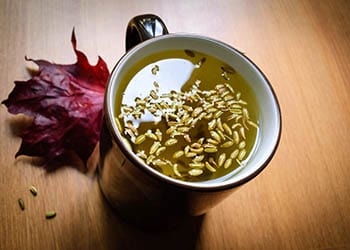
Long before digestive supplements, people crushed fennel seeds to release their aromatic oils and brewed them into teas for gas, bloating, and digestive cramps.
You can make a 3-Ingredient Digestive by combining fennel seeds with angelica root and agrimony, two herbs traditionally used for digestive discomfort.
Or, you can make yourself REAL capsules at home containing ground fennel, ginger, dandelion, turmeric, and cayenne for a digestive-focused weight-management routine.
This way, you’re in full control of what goes into the capsules you take, avoiding unwanted synthetic additives or potentially harmful ingredients.
It’s also a great way to store your remedies for easy daily use.
And if you want ot make a Razor-Sharp Booster, combine the ground fennel with rosemary, walnuts, and pumpkin seeds. Rosemary has traditionally been associated with memory, while the nuts and seeds provide nutrients important for brain health.
Same seed. Three preparations. Three different purposes.
Horse Chestnut Seeds (NEVER Eat These Raw!)
Not every seed belongs in your stomach.
Raw horse chestnuts are poisonous, even though they look similar to edible chestnuts.
However, properly processed horse chestnut extracts have traditionally been used for heavy, swollen legs and venous circulation problems.
Because knowing how to prepare a plant safely matters just as much as knowing what it’s used for.
Milk Thistle Seeds (The Traditional Liver Health Booster)
Your liver works constantly, even when you don’t notice it.
And conditions like fatty liver can develop without obvious symptoms.
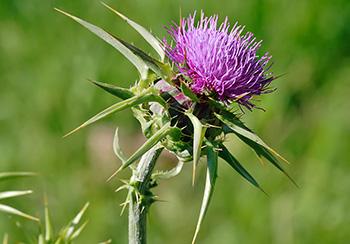
For centuries, herbalists have used milk thistle seeds for liver and digestive complaints.
The seeds contain silymarin, a group of compounds associated with the plant’s reputation for liver support.
But preparation matters.
You can make a Renewal Support Tea by crushing milk thistle seeds and simmering them with dandelion root, another traditional favorite for digestive and liver-related complaints.
If you want to be extra careful about what you give your liver, you can opt for an all-organic milk thistle tincture for liver support. I got mine from Nicole’s shop, and I’ll leave a link for you here.
But when it comes to herbal remedies, not everyone giving advice actually knows what they’re doing.
There’s a huge difference between a recipe posted online by someone chasing clicks… and one created by someone who has actually spent decades working with plants.
Nicole Apelian has spent more than 30 years studying medicinal plants and making her own remedies.
That experience is what went into Nicole’s book: the Forgotten Home Apothecary.
Those tiny black seeds can absorb several times their weight in water.
When soaked, chia forms a fiber-rich gel that supports digestive regularity and helps you feel fuller.
But swallowing dry chia seeds by the spoonful can be dangerous because they expand rapidly.
So soak them first!
You can make some Gut Health Morning Shots with hydrated chia, ginger, turmeric, lemon, orange, honey, and apple cider vinegar.
Want something more filling? Make Fuel & Burn Bites with chia, oats, flaxseed, almond butter, and matcha for a weight-management-friendly snack.
For your bones, try a Deep Nourishing “Bone” Juice combining chia with ground sesame seeds and mineral-rich leafy greens.
And there’s another interesting preparation: a Heavy-Metal Detoxifier smoothie made with soaked chia, cilantro, parsley, ginger, papaya, and moringa.
It’s packed with plant nutrients and fiber, although it hasn’t been proven to remove heavy metals from the body.
Four preparations, each with a different nutritional purpose. I’ll tell you later how to make them.
Papaya Seeds: Why Are You Throwing Them Away?
Those black seeds inside your papaya? They’re more valuable than you think.
Traditionally, papaya seeds were used against intestinal worms and parasites. Yet most people throw them away!
You can make a Herbal Parasite Flush mixture by drying the seeds and combining them with honey to soften their peppery taste.
Pumpkin Seeds: Your Bladder Might Be Missing Out
Still throwing away your pumpkin seeds?
These nutrient-rich seeds have traditionally been used for urinary complaints, including frequent urination and nighttime bathroom trips.
You can prepare a Bladder Balance oil by coarsely grinding pumpkin seeds and gently infusing them in olive oil.
It’s inspired by traditional seed-oil preparations, although homemade infusions aren’t equivalent to the standardized extracts studied for bladder symptoms.
And pumpkin seeds aren’t just for your bladder.
Try making “Health Bomb” Vitamin Bars with pumpkin seeds, dates, nuts, elderberry, bilberry, and sunflower seeds.
And many more traditional remedies gathered in one place.
But the book goes much further than herbal medicine.
You’ll also learn old skills for gardening, growing and preserving food, making things yourself, and becoming less dependent on everything having to come from a store.
That’s what makes this one different.
It isn’t just about one remedy. It’s about keeping useful knowledge alive before another generation forgets it.
Here’s one traditional remedy you might want to tell someone about.
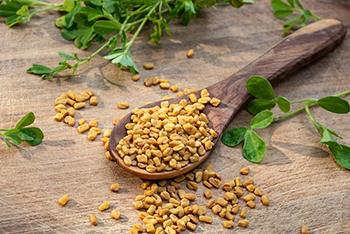
Fenugreek seeds have long been used for digestive complaints and traditionally to support breast milk production.
You can prepare a “Milk Flow” Tea by steeping fenugreek with blessed thistle, or combining it with fennel.
If you know someone who’s breastfeeding, this might be an interesting tradition to share.
We’ve Forgotten More Than Just a Few Seeds
Think about how much plant knowledge has disappeared from our everyday lives.
Our grandparents didn’t just grab random herbs and hope they worked.
They knew what to harvest, what not to touch, what to crush, what to soak, what to combine, and how to prepare each remedy properly.
And that last part matters.
Because with herbal remedies, getting the plant right but the preparation wrong can mean wasting the remedy entirely — or, in some cases, using something you really shouldn’t.
That’s why I think learning the plants themselves is more valuable than collecting another hundred recipes.
Nicole Apelian learned that the hard way.
After being diagnosed with MS, she spent years studying plants, traditional remedies, and how to use them practically. She later survived 57 days alone in the wild, relying heavily on the plant knowledge she had built over the years.
Nicole takes you outside and shows you how to identify medicinal plants and mushrooms, how to tell them apart from dangerous lookalikes, and then how to turn them into tinctures, salves, syrups, teas, poultices, extracts, and other remedies.
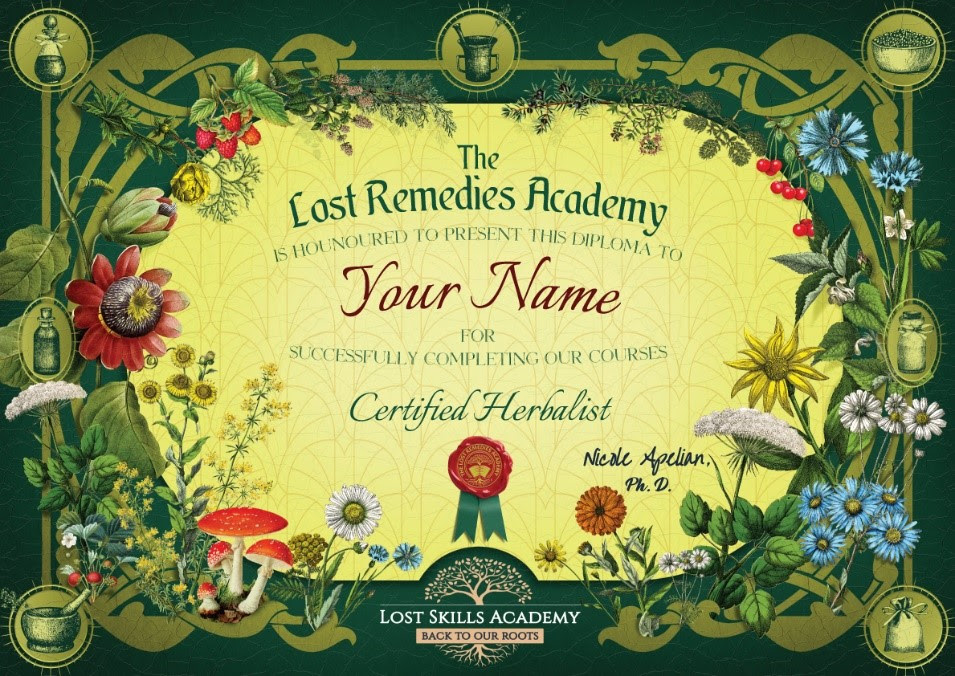
And once you finish, you even receive a personalized diploma certifying the herbal knowledge you’ve learned.
Because websites can disappear. Internet can be restricted.
But knowledge you’ve learned with your own eyes and hands is much harder to take away from you.
We use cookies to ensure that we give you the best experience on our website. If you continue to use this site, we will assume that you are happy with it.
Functional Always active
The technical storage or access is strictly necessary for the legitimate purpose of enabling the use of a specific service explicitly requested by the subscriber or user, or for the sole purpose of carrying out the transmission of a communication over an electronic communications network.
Preferences
The technical storage or access is necessary for the legitimate purpose of storing preferences that are not requested by the subscriber or user.
Statistics
The technical storage or access that is used exclusively for statistical purposes.The technical storage or access that is used exclusively for anonymous statistical purposes. Without a subpoena, voluntary compliance on the part of your Internet Service Provider, or additional records from a third party, information stored or retrieved for this purpose alone cannot usually be used to identify you.
Marketing
The technical storage or access is required to create user profiles to send advertising, or to track the user on a website or across several websites for similar marketing purposes.