A dry cough is a strange kind of misery. There is nothing to bring up, nothing that clears, just a raw tickle at the back of the throat that fires again and again until your ribs ache and your voice goes. It gets worse at night, worse when you talk, worse the moment you lie down. And the more you cough, the more irritated the tissue becomes, which makes you cough again. That loop is the real problem, and it is exactly what a good syrup is built to interrupt.
Syrup is not a quaint delivery method. For an unproductive cough it is arguably the correct one. A thick, sweet liquid coats the pharynx on the way down and leaves a physical film over inflamed mucous membranes, and that coating is where much of the relief comes from. This is why the old herbals leaned so heavily on mucilaginous roots and honey, and why modern regulators still license marshmallow root syrup for precisely this indication.
What follows is an honest account of which syrups are worth your time, what the evidence does and does not support, four recipes I keep in rotation, and the situations where reaching for syrup is the wrong call entirely.
Medical Disclaimer
This article is for educational purposes only and is not medical advice. It is not intended to diagnose, treat, cure, or prevent any disease. Herbs interact with medications and are not appropriate for everyone. Talk to your doctor, pharmacist, or a qualified clinical herbalist before using any remedy described here, especially if you are pregnant or breastfeeding, are treating a child, take prescription medication, or have a chronic health condition. A cough that persists, worsens, or comes with the warning signs listed near the end of this article needs a professional assessment, not a home syrup.
A cough becomes “dry” or nonproductive when the cough reflex is firing without meaningful mucus to move. The trigger is usually irritation or hypersensitivity of the sensory nerve endings in the throat, larynx, and upper airway rather than congestion in the chest. Cough receptors in that tissue sit close to the surface, which is why they respond so readily to dry air, stomach acid, a trickle of postnasal mucus, or the residual inflammation left behind by a virus.
This distinction matters because it dictates what a syrup should do. A wet, rattling, productive cough generally wants thinning and moving, and suppressing it too aggressively is counterproductive. A dry cough wants soothing, coating, and calming of an overexcited reflex. Reach for the wrong category of herb and you will make things worse, not better.
It also matters that a dry cough is a symptom with a long list of possible drivers. Among adults, the most common causes of chronic cough are asthma, upper airway cough syndrome (what most people still call postnasal drip), and gastroesophageal reflux. Syrup soothes the surface irritation in all three, but it does not touch the underlying cause.
The usual suspects behind a dry cough
Post-viral airway sensitivity. The most common reason a dry cough outlasts a cold by three to eight weeks. The infection is gone, the nerve endings are still twitchy.
Upper airway cough syndrome. Mucus draining from the nose and sinuses irritates the throat, often without an obvious runny nose. Classically worse lying flat.
Cough-variant asthma. Asthma that presents as a dry cough with no wheeze. Typically worse at night, after exercise, or in cold air.
Reflux, including silent reflux. Acid or non-acid refluxate reaching the larynx. Often worse after meals and when horizontal, and frequently present without heartburn.
ACE inhibitor medication. Blood pressure drugs ending in “-pril” cause a persistent dry cough in a meaningful minority of users, sometimes starting months after the first dose.
Dry indoor air, smoke, dust, and vaping. Straightforward mechanical and chemical irritation of the mucosa.
Cough hypersensitivity syndrome. The reflex threshold itself has dropped, so trivial stimuli set it off. This is a clinical diagnosis and needs specialist input.
One practical note that changes what people do: the character of the cough is a poor guide to its cause. Barking, honking, dry, or productive tells a clinician surprisingly little. If your dry cough has lasted more than eight weeks, guessing at herbs is not the answer. Get it looked at, then use the syrup for comfort alongside proper treatment.
For most herbal indications the delivery form is a matter of convenience. For a dry cough it is part of the mechanism.
Demulcent herbs work through mucilage, long-chain polysaccharides that swell in water into a slippery gel. That gel has to make physical contact with the irritated tissue to do anything. It cannot be absorbed, transported through the bloodstream, and delivered to your throat. It has to be poured over it.
A thick syrup does three things a capsule cannot. It lingers on the pharyngeal surface long after swallowing. Its viscosity itself dampens the irritant signal reaching the nerve endings. And the act of swallowing something sweet appears to trigger a reflex that reduces cough sensitivity, which is part of why sugar syrup placebos perform so respectably in cough trials. That last point is worth sitting with, because it means a well-made honey syrup is not competing against nothing. It is competing against a genuinely effective sweet vehicle.
Tinctures are the weakest choice for this job. Alcohol is drying and mildly irritating to inflamed throat tissue, and alcohol does not extract mucilage well in the first place. Tea is a reasonable second best if you sip it slowly and often. Capsules of demulcent herb are close to pointless for cough, since the mucilage never contacts the throat.
Honey: The Best-Evidenced Ingredient You Already Own
Honey is the base of most traditional cough syrups and it is also the single most studied. A Cochrane review of honey for acute cough in children concluded that honey probably relieves cough symptoms better than no treatment, placebo, and the antihistamine diphenhydramine, and that it probably shortens cough duration compared with placebo. Against dextromethorphan, the standard over-the-counter cough suppressant, honey made little or no difference. Rates of adverse events did not differ between honey and control groups.
That is a genuinely useful result, and it deserves to be reported accurately rather than inflated. The effects were modest, most of the trials treated children for a single night, and evidence quality was rated low to moderate. A later systematic review reached a similar verdict with similar caveats: honey seemed to reduce cough frequency and improve sleep more than both placebo and cough medication, on low to very low quality evidence.
The honest summary is this. Honey outperforms doing nothing, matches or beats several over-the-counter options in head-to-head trials, is cheap, and is safe for anyone over twelve months old. It is not a powerful antitussive and no one should expect a dry cough to vanish. Mayo Clinic makes the point that coughing is not entirely the enemy anyway, since it clears the airway, and that occasional coughing in an otherwise healthy person often needs no suppression at all.
Less than the marketing suggests. The trials that produced the results above used ordinary honey, including buckwheat, eucalyptus, citrus, and labiatae honeys, and none established a clear winner. Raw, unfiltered honey retains more enzymes and pollen than heat-treated supermarket honey, and darker honeys tend to carry more phenolic compounds, so those are reasonable preferences. But you do not need manuka at four times the price to soothe a throat. What matters more is that the honey is thick rather than watery, since viscosity is doing real work.
One thing does matter: never heat honey aggressively. Adding honey to a boiling decoction destroys its enzymes and, more to the point, thins it. Let your liquid cool to below roughly 40 degrees Celsius, comfortably warm to a fingertip, before the honey goes in. A broad review of honey research documents antioxidant, anti-inflammatory, and antimicrobial activity attributed largely to its phenolic content, and that content is worth preserving.
Critical Safety Warnings: Read Before You Make Anything
Never give honey, in any form, to a baby under twelve months old. Honey is a recognised reservoir of Clostridium botulinum spores, which can germinate in an infant gut and cause infant botulism, a rare but potentially fatal paralytic illness. This includes honey baked into food and honey on a pacifier. It applies to every honey syrup in this article.
Do not use coltsfoot (Tussilago farfara), comfrey, or borage in an internal cough preparation. Coltsfoot appears throughout old cough syrup recipes and it contains hepatotoxic pyrrolizidine alkaloids, principally senkirkine, which are linked to serious liver injury and are considered potentially carcinogenic. Cases of veno-occlusive liver disease in children given herbal teas containing it are on record. There are safer demulcents that do the same job.
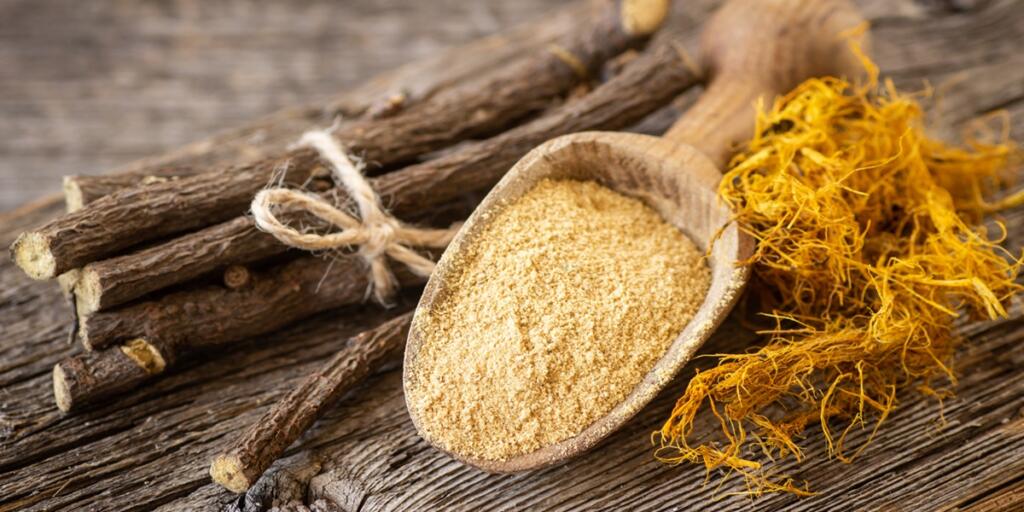
Licorice root is not for everyone. Glycyrrhizin causes sodium and water retention and potassium loss, and can raise blood pressure, trigger arrhythmias, and worsen heart or kidney disease. Avoid it if you have hypertension, heart failure, kidney disease, low potassium, or are pregnant, and if you take diuretics, digoxin, or corticosteroids. Use small amounts for short periods only, or choose deglycyrrhizinated licorice.
Wild cherry bark contains cyanogenic glycosides. It is effective and traditional, but dose it conservatively, keep courses short, and do not use it in pregnancy or give it to young children without professional guidance.
Strain mullein preparations through cloth or a coffee filter, never a coarse sieve. The fine hairs on mullein leaves are intensely irritating to the throat and will make a dry cough considerably worse.
Herbs for a dry cough sort into three functional groups. Demulcents coat and soothe. Antispasmodics quiet the cough reflex itself. Antimicrobial and anti-inflammatory aromatics address infection and inflammation. A good syrup usually draws from at least two of the three.
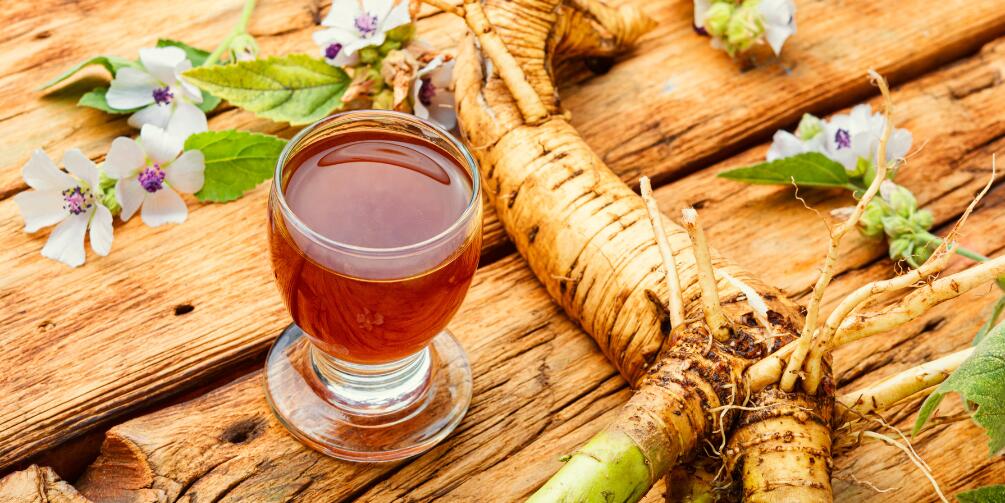
Marshmallow root (Althaea officinalis): the first choice
If you make only one dry cough syrup, make it this one. Marshmallow root is roughly five percent mucilage, alongside pectins, starch, and flavonoids, and it produces the thickest, most persistent coating of any common Western demulcent. It is not folklore-only: the European Medicines Agency licenses marshmallow root preparations specifically as a demulcent for irritation of the mouth and throat and the associated dry cough, and laboratory work on a standardised marshmallow root extract has demonstrated anti-inflammatory and antioxidative effects on human macrophages that plausibly explain the clinical observations.
On the human side, two prospective surveys covering 822 pharmacy customers using either marshmallow root syrup or lozenges for dry cough reported good effect and good tolerability across a seven-day course, with most users noticing relief within about ten minutes. These were uncontrolled observational surveys, not randomised trials, so treat them as supportive of long-standing traditional use rather than proof of efficacy. Combined with the mechanism, though, the case for marshmallow in a dry cough syrup is about as solid as herbal medicine gets.
The critical technical point: marshmallow mucilage is degraded by prolonged heat. Extract it in cold water, not by boiling. This single detail separates a genuinely slippery syrup from a weak brown liquid.
Ribwort plantain (Plantago lanceolata): the underrated workhorse
Ribwort plantain grows in most temperate lawns and verges, which makes it one of the easiest medicinal plants to obtain for free. It combines mucilage with iridoid glycosides (notably aucubin) and the phenylethanoid acteoside, giving it both demulcent and mild anti-inflammatory action. The EMA holds a herbal monograph on ribwort plantain leaf for relief of mucous membrane irritation in the mouth and throat and the associated dry, irritating cough, and considers oral use acceptable in adults, adolescents, and children from three years upward.
Safety data are reassuring. Toxicity testing of a plantain leaf extract syrup found no indication of toxicity across fourteen days of repeat dosing in rats at substantial volumes. One genuine caveat if you harvest your own: plantain accumulates heavy metals, and cadmium content in commercial plantain products has been studied specifically because of this concern. Harvest well away from roadsides, industrial land, and railway lines.
Mullein leaf brings mucilage, saponins, and flavonoids, and traditional herbalists value it less for dramatic symptomatic relief than for restoring the integrity of irritated respiratory mucosa over days rather than minutes. It is a supporting player rather than a headliner, and it pairs naturally with faster-acting demulcents. Its flowers are milder and sweeter than the leaf and make a pleasant infusion for children. Strain rigorously, as noted in the warnings above.
Thyme (Thymus vulgaris): the aromatic with trial data
Thyme is the one aromatic herb in this list with proper randomised evidence behind it, though the trials studied it in combination and mostly in productive cough. A double-blind, placebo-controlled trial in 361 adults with acute bronchitis tested a fixed thyme and ivy leaf fluid extract syrup against matched placebo. Coughing fits fell by 68.7 percent from baseline on days seven to nine in the thyme and ivy group against 47.6 percent on placebo, and the active group reached a fifty percent reduction two days earlier. Tolerability was equivalent to placebo, with no serious adverse events.
That result has held up in real-world use. An observational study across 305 German pharmacies following patients with acute cough on a thyme and ivy fluid extract found significant reductions in bronchitis severity score and cough severity, plus improved cough-related quality of life. Thyme and ivy combinations are recommended in the German respiratory society guidance on acute cough, which is more official recognition than most herbal remedies receive.
The honest caveat is that thymol and carvacrol are antispasmodic and antimicrobial rather than demulcent, and the strongest trials enrolled people with productive cough. In a dry cough syrup, thyme earns its place as the antispasmodic and antimicrobial element alongside a demulcent, not as the whole formula. It is also the most pleasant-tasting herb here, which matters more than it sounds when you are dosing a reluctant child.
Wild cherry bark (Prunus serotina): for the cough that will not stop
Wild cherry bark is the classic Western antitussive, and it is what makes the difference in a spasmodic, machine-gun dry cough that nothing else touches. Its cyanogenic glycoside prunasin is broken down in the body into compounds that quiet smooth muscle spasm in the bronchioles and depress the cough reflex, with a mild sedative effect that is welcome at two in the morning. It combines particularly well with demulcents, which is exactly how the old syrup formulas used it.
Quality varies enormously. Good bark makes a cold infusion with a deep cherry aroma and a rich reddish-orange colour. Grey, odourless bark has lost its activity and is not worth using. Prepare it as a cold or brief warm infusion rather than a long hard boil, and keep the dose modest and the course short. Avoid in pregnancy, and use caution in high blood pressure, cardiac oedema, or heart failure.
Licorice root (Glycyrrhiza glabra): powerful, and not for everyone
Licorice is simultaneously demulcent, anti-inflammatory, mildly antiviral, and sweet enough to make bitter formulas palatable. It is genuinely useful for a raw, irritated throat. It also carries the most serious cardiovascular caution of any herb in this article. The National Center for Complementary and Integrative Health notes that glycyrrhizin can cause irregular heartbeat and cardiac arrest, particularly with large amounts or prolonged use, and that even small amounts have been linked to severe effects in people with hypertension, heart or kidney conditions, or high salt intake.
This is not theoretical. A published case report describes a 47-year-old woman with no prior hypertension who developed a hypertensive crisis at around 230/110 mmHg, with low potassium and both retinal and kidney damage, after three years of daily glycyrrhizin. Her blood pressure and potassium normalised after stopping it. The Merck Manual adds that licorice may have steroidal and estrogenic effects in pregnancy and may raise the risk of preterm delivery, and that increased potassium excretion is a particular problem for anyone on digoxin or diuretics. The American Heart Association has published on severe cardiac consequences from ordinary black licorice consumption.
Used as five grams in a batch of syrup taken over ten days, licorice is a reasonable ingredient for a healthy adult. Used daily for months, or by anyone with the conditions listed above, it is not. If you want licorice sweetness and soothing without the risk, deglycyrrhizinated licorice removes the offending compound.
Slippery elm (Ulmus rubra): excellent, with a caveat
Slippery elm inner bark is one of the finest demulcents available and traditionally central to American cough syrups. The caveat is ecological rather than medical. Harvesting the inner bark can kill the tree, populations have been hit hard by Dutch elm disease, and many herbalists now substitute marshmallow root, which does the same job from a cultivated, renewable root. If you do use slippery elm, buy from a supplier who can document sustainable sourcing.
Ivy leaf, ginger, and sage: useful supporting roles
Ivy leaf (Hedera helix) is the partner herb in the thyme trials above, contributing saponin-driven secretolytic and smooth-muscle-relaxing action. It is better suited to productive cough than dry, and should be used only as a properly prepared extract, never as raw leaf.
Fresh ginger is warming, anti-inflammatory, and there is preliminary evidence it relaxes airway smooth muscle. It also makes a syrup taste alive rather than medicinal.
Sage is astringent and antimicrobial, well suited to a dry cough that comes with a sore, raw throat. Use it sparingly and avoid it in pregnancy and while breastfeeding.
Choosing Your Base
The base is not filler. It determines viscosity, shelf life, and who can take the syrup.
Raw honey. The best-evidenced and best-tasting option, with the right thick texture. Not for infants under one year. Counts toward sugar intake, which matters for diabetics.
Vegetable glycerin. Sweet, thick, alcohol-free, and does not raise blood glucose meaningfully. The standard workaround for diabetics and for anyone avoiding honey. Use it at roughly 55 to 60 percent of the final volume for preservation. Large amounts can loosen the bowels.
Unrefined sugar. Traditional, effective, and shelf-stable at high concentrations, since a true one-to-one-by-weight sugar syrup resists spoilage. It lacks honey’s own activity but the demulcent and sweet-reflex effects remain.
Maple syrup or brown rice syrup. Workable vegan alternatives. Thinner than honey, so the coating is less persistent, and shelf life is shorter.
A note on ratios. Traditional syrups run roughly one part herbal liquid to one part honey or sugar by volume, which gives good viscosity and keeps for weeks refrigerated. Reducing the honey makes a nicer-drinking syrup that spoils faster. Neither is wrong, but a low-sugar syrup belongs in the fridge and gets used within two weeks.
Four Dry Cough Syrups Worth Making
1. Marshmallow and honey cold-infusion syrup (the all-purpose one)
This is the syrup to make first. It is the most soothing per spoonful, the gentlest, and suitable for children over one year.
Optional: 1 tablespoon fresh lemon juice, added at the end
Method:
Put the marshmallow root in a clean jar and pour the cold water over it. Stir well and make sure everything is submerged.
Cover and leave at room temperature for four to eight hours, or overnight in the fridge. Stir once or twice. The liquid will thicken noticeably and turn slightly cloudy. That viscosity is the medicine.
Strain through a fine mesh sieve lined with muslin. Press the root gently with the back of a spoon. Do not squeeze hard or you will push through fine particles that make the syrup gritty. Expect roughly 350 to 400 ml of liquid.
Warm the strained infusion gently in a pan to no more than 40 degrees Celsius, just comfortably warm to a fingertip. Do not simmer.
Take off the heat, stir in the honey until fully dissolved, then add the lemon juice if using.
Bottle in sterilised glass, label with the date, and refrigerate. Keeps three to four weeks.
Why it works: pure demulcent action from a cold-water extraction that preserves the mucilage, in a honey base that is itself the best-evidenced cough ingredient available. Nothing in it is likely to interact with medication, which is why it is the one I recommend to people I know nothing about.
2. Thyme and plantain honey syrup (for a dry cough with an infection behind it)
Use this one when the dry cough is trailing a cold or chest infection and there is still a sense of something to fight.
Bring the water to a boil, take it off the heat, and add the thyme, plantain, and ginger.
Cover tightly and steep for 25 minutes. The lid matters: thyme’s volatile oils are much of its value and they leave with the steam.
Strain through muslin, pressing the herb well.
Return the liquid to a clean pan and reduce gently, uncovered, to about 250 ml. Keep it below a simmer.
Cool to below 40 degrees Celsius, then stir in the honey.
Bottle, label, refrigerate. Keeps three to four weeks.
Why it works: thyme supplies the antispasmodic and antimicrobial element with the best trial support of any herb here, plantain supplies mucilage and anti-inflammatory iridoids, honey supplies both coating and its own documented benefit. It also tastes good enough that children will take it without argument.
3. Night cough decoction syrup (for the spasmodic cough that wrecks your sleep)
This is the strongest formula in the article and the one with the most cautions attached. It is for healthy adults with a stubborn, spasmodic dry cough, taken for a week or ten days at most.
Start the marshmallow separately: 15 g root in 200 ml cold water, covered, for at least four hours. This is your cold-extracted mucilage and it never sees heat.
Put the wild cherry bark and licorice root in 600 ml water, bring to a bare simmer, cover, and hold for 15 minutes. Do not boil hard.
Take off the heat, add the mullein leaf, cover, and steep 20 minutes.
Strain the hot mixture through a coffee filter or several layers of muslin. This step is not optional. Mullein’s leaf hairs will irritate a throat badly if they get through.
Reduce the strained liquid gently to about 250 ml, then let it cool below 40 degrees Celsius.
Strain the cold marshmallow infusion and stir it into the cooled decoction.
Add the honey, stir until dissolved, bottle, label with the date and the ingredients, and refrigerate. Keeps three weeks.
Why it works: wild cherry bark quiets the reflex and the spasm, mullein and marshmallow coat and rebuild the irritated surface, licorice reduces inflammation and softens the taste. Because of the wild cherry bark and licorice, this is not a syrup for children, for pregnancy, or for long-term use, and it needs a conversation with a pharmacist if you take blood pressure or heart medication.
4. Honey-free glycerite syrup (for diabetics, vegans, and infants over one year)
Vegetable glycerin gives you the thick sweet vehicle without honey or sugar. It is genuinely useful and, for anyone managing blood glucose, the difference is not trivial.
Cold-infuse both herbs in the 300 ml of water, covered, for eight hours or overnight in the fridge.
Strain through muslin. You should have roughly 230 to 250 ml of thickened liquid.
Combine with the glycerin in a clean jar and shake thoroughly. Glycerin should make up at least 55 percent of the final volume, otherwise the preparation will not keep.
Store in a cool, dark cupboard. A properly proportioned glycerite keeps six months or longer. Refrigerate after opening for peace of mind.
Note the trade-off honestly: you lose honey’s own evidence base, and glycerin in quantity can have a laxative effect. Keep to the stated doses. If a child needs this and is over one year old, honey is still the better-supported choice.
5. Bonus – Cowboy Cough Syrup With Whiskey
Here is a video of how to do it:
The five-minute pantry version
When there is nothing in the cupboard and the cough started an hour ago: grate a thumb of fresh ginger into a mug, add the juice of half a lemon, top with warm (not hot) water, and stir in two generous teaspoons of honey. Sip slowly. It is not a formula anyone would call sophisticated and it works better than it has any right to, largely because of the honey and the slow, repeated coating of the throat.
How Much, How Often, and For How Long
Dosing herbal cough syrup is less about hitting a target blood level and more about maintaining a coating. Frequent small doses beat occasional large ones.
Adults and adolescents over 12: one to two teaspoons (5 to 10 ml) every two to four hours as needed, up to six doses in 24 hours. Take one dose within twenty minutes of going to bed.
Children 6 to 12: half to one teaspoon (2.5 to 5 ml) up to four times daily.
Children 1 to 5: half a teaspoon (2.5 ml) up to three times daily, and only the gentle marshmallow or thyme and plantain formulas. Ribwort plantain preparations are considered appropriate from three years upward.
Under 12 months: no honey syrup of any kind. Speak to a paediatric clinician.
Take it neat off the spoon and do not chase it with a drink. Washing it down with water defeats the point, since you are deliberately leaving a film behind. For the same reason, avoid eating for ten to fifteen minutes afterwards.
Duration: a week to ten days of regular use is reasonable for an acute post-viral cough. If a dry cough is still going after three weeks of consistent home treatment, or at all beyond eight weeks, stop treating it as a self-care problem and get it investigated.
Storage, Shelf Life, and Spotting a Batch That Has Gone Over
Sterilise bottles by running them through a dishwasher hot cycle or filling them with boiling water for ten minutes, then air-drying completely. Any residual water dilutes the syrup and shortens its life.
Use dark glass if you have it, and keep syrups out of direct light.
Label every bottle with the full ingredient list and the date made. If you produce more than one formula, this stops the licorice-containing batch ending up in the wrong hands.
Refrigerate all honey and sugar syrups made with a one-to-one ratio or lower. Expect three to four weeks.
Glycerites at 55 percent or more glycerin keep six months in a cool cupboard.
Freeze surplus in an ice cube tray, then bag the cubes. Thaw one at a time. This is the best way to keep a strong batch on hand through winter.
Discard at the first sign of fizzing, an alcoholic or yeasty smell, cloudiness that was not there before, visible mould, or a lid that domes upward. Mucilaginous syrups are a good growth medium and are not worth the gamble.
If You Would Rather Buy Than Make
Making your own gives you control over ingredients and freshness, but a good commercial product is a perfectly sensible choice. What to look for:
A named herb with a named plant part and an extract strength, not a vague “herbal blend”. Marshmallow root, ribwort plantain leaf, and thyme herb are the ones with the strongest support for dry cough.
Genuine viscosity. If it pours like water it will not coat anything.
No coltsfoot, comfrey, or borage in the ingredient list, for the reasons in the warning box above.
A licorice-free option if you have high blood pressure, heart or kidney disease, or are pregnant. Licorice appears in a surprising number of throat and cough products.
In Europe, a Traditional Herbal Registration or equivalent authorisation number indicates the product has cleared quality and safety review, which is meaningful even though traditional registration does not require efficacy trials.
One realistic expectation to set. In the Cochrane comparison, honey performed about as well as dextromethorphan, the active ingredient in most conventional dry cough medicines. Neither is dramatic. If you have been hoping a bottle of something will switch the cough off, that is not what any of these do, herbal or pharmaceutical.
What Makes Any Syrup Work Better
Syrup addresses the surface. These measures address the conditions that keep the surface irritated, and honestly they often matter more.
Humidify the bedroom. Dry air is one of the commonest reasons a dry cough is worst overnight. A cool-mist humidifier, a damp towel on a radiator, or a bowl of water near the heat source all help. Aim for something around 40 to 50 percent relative humidity.
Drink steadily through the day. Systemic hydration keeps airway secretions thin and mucous membranes functional in a way no topical remedy replicates.
Use saline nasal rinses if there is any postnasal drip. If mucus dripping onto the throat is driving the cough, soothing the throat is treating the wrong end of the problem.
Raise the head of the bed by 10 to 15 centimetres if reflux is plausible, and stop eating three hours before bed. Silent reflux causes a great many unexplained dry coughs.
Stop clearing your throat. Repeated throat clearing is mechanically abrasive and directly feeds the irritation loop. Swallow instead, or take a sip of water.
Breathe through your nose deliberately, especially in cold air and during exercise. The nose warms and humidifies incoming air; the mouth does not.
Remove the obvious irritants. Smoke, vaping, wood stoves, aerosol sprays, and dusty renovation work. No syrup will outrun a daily exposure.
Special Situations
Children
No honey under twelve months, without exception. Above one year, honey is a reasonable and well-supported option, and the trials behind the Cochrane review were conducted largely in children. Conventional over-the-counter cough and cold medicines are generally not recommended for young children because of the risk of serious adverse effects, which is a large part of why honey has attracted so much research attention. Keep to the gentle formulas, avoid wild cherry bark and licorice, and get any cough in an infant assessed rather than treated at home.
Pregnancy and breastfeeding
Marshmallow root and ribwort plantain are the safest options and are widely used, though as with almost everything in pregnancy the formal safety data are thin. Avoid licorice, wild cherry bark, sage in medicinal quantities, and anything containing coltsfoot, comfrey, or borage outright. Clear any herbal remedy with your midwife or doctor first. Plain honey in warm water is an entirely defensible choice.
Diabetes
Honey raises blood glucose. A teaspoon of syrup six times a day is not nothing. The glycerite formula above is the practical answer, and it retains the demulcent action, which is the main mechanism anyway. Discuss it with whoever manages your diabetes.
Older adults and anyone on multiple medications
The interaction risks here concentrate in licorice, which affects potassium and blood pressure and interacts with diuretics, digoxin, and corticosteroids. Simple marshmallow and honey syrup carries essentially no interaction burden and is the sensible default. If a dry cough has appeared in someone taking an ACE inhibitor, mention the drug to their doctor before anything else. Stopping or switching the medication frequently resolves the cough completely.
When Syrup Is the Wrong Answer
This is the most important section in the article. A soothing syrup can mask a symptom that needs investigating, and the delay is where the real harm lies.
Seek urgent medical care for:
Difficulty breathing or shortness of breath at rest
Chest pain
Coughing up blood
High fever, or fever that returns after having settled
Confusion, drowsiness, or a bluish tinge to lips or fingertips
Any cough in an infant under three months
Book a non-urgent appointment for:
A dry cough lasting more than eight weeks in an adult, or more than four weeks in a child. Eight weeks is the formal threshold for chronic cough and it warrants evaluation.
Unexplained weight loss, night sweats, or a persistent hoarse voice
Difficulty or pain on swallowing
Cough that started within weeks or months of beginning a new blood pressure medication
Cough accompanied by wheeze, chest tightness, or breathlessness on exertion, which may point to asthma
Ankle swelling, or breathlessness when lying flat, which can indicate a cardiac cause
Any cough in a current or former smoker that changes in character or does not resolve
Most chronic dry coughs turn out to have a treatable cause, and identifying it usually beats managing it. Clinical guidance points to a stepwise workup covering history, examination, chest imaging, spirometry, and where relevant a trial of stopping an ACE inhibitor. Constitutional symptoms such as fever, unintended weight loss, and night sweats prompt investigation for infection and malignancy. Syrup has a legitimate place alongside all of that, as comfort while the real work happens.
Common Questions
Is honey better than over-the-counter cough medicine for a dry cough?
Sometimes. Honey outperformed placebo and the antihistamine diphenhydramine in the Cochrane analysis, but made little or no difference compared with dextromethorphan. Treat it as comparable to a standard suppressant, cheaper, and with a better safety profile.
Can I give homemade cough syrup to my baby?
No. Not if it contains honey and the baby is under twelve months, and not in general without a clinician’s input. Cough in a very young infant needs assessment, not a home remedy.
Should marshmallow root be boiled?
No. Prolonged heat degrades the mucilage that makes it work. Cold-infuse it for four to eight hours instead.
Does a dry cough syrup also help a wet, productive cough?
Partly. The demulcent coating soothes the throat regardless, but a productive cough wants expectorant and secretolytic support rather than suppression. Thyme and ivy combinations are better suited there, and that is the population most of the thyme trials studied.
How long before I notice anything?
Minutes, for the coating effect. Users in the marshmallow root surveys typically reported relief within about ten minutes. The relief is temporary by nature, which is why the dosing is frequent, and the underlying irritation takes days to settle.
Is it safe to use a licorice-containing syrup if I have high blood pressure?
No. Glycyrrhizin raises blood pressure and depletes potassium, and there are documented cases of serious harm. Use a licorice-free formula, or deglycyrrhizinated licorice if you want the flavour.
Can I use fresh herbs instead of dried?
Yes. Use roughly twice the weight of fresh herb, since dried material has lost its water content. Bear in mind that fresh plant material adds water to the syrup, which shortens its shelf life, so keep those batches refrigerated and use them faster.
Will syrup help a cough caused by my blood pressure medication?
Marginally. It will soothe the throat, but an ACE inhibitor cough continues as long as the drug does. The fix is a conversation with your prescriber about switching, often to an angiotensin receptor blocker.
🌿 Take Your Home Apothecary Beyond Cough Syrups
If making your own herbal remedies gives you peace of mind, imagine having an entire library of time-tested recipes at your fingertips.
Forgotten Home Apothecary is more than a recipe book—it’s a practical guide to creating natural remedies from herbs, roots, flowers, and common plants. Inside you’ll discover step-by-step instructions for traditional syrups, tinctures, salves, poultices, infused oils, teas, and other preparations that generations relied on long before modern pharmacies existed.
Whether you’re building a well-stocked home apothecary, preparing for cold and flu season, or simply want to become more self-reliant, this book can help you confidently identify medicinal plants, understand their traditional uses, and turn them into remedies your family can keep on hand.
If you enjoyed learning how to make these soothing cough syrups, Forgotten Home Apothecary is the perfect next step. It’s the kind of reference you’ll reach for again and again whenever you need a natural solution for everyday ailments.
For a dry cough, the best syrup is a thick one built on a demulcent root and a honey base. Marshmallow root cold-infused into raw honey is the single most reliable formula, gentle enough for children over one, and free of meaningful interaction risk. Add thyme and ribwort plantain when there is infection behind the cough. Bring in wild cherry bark and a little licorice only for a stubborn spasmodic cough in a healthy adult, for a short course, having read the cautions.
Leave coltsfoot in the history books. Keep honey away from infants. Humidify the room, drink more water, and stop clearing your throat, because those three things frequently do more than any bottle. And if the cough has been going for two months, the most useful thing in your medicine cabinet is the phone number of your doctor.
We use cookies to ensure that we give you the best experience on our website. If you continue to use this site, we will assume that you are happy with it.
Functional Always active
The technical storage or access is strictly necessary for the legitimate purpose of enabling the use of a specific service explicitly requested by the subscriber or user, or for the sole purpose of carrying out the transmission of a communication over an electronic communications network.
Preferences
The technical storage or access is necessary for the legitimate purpose of storing preferences that are not requested by the subscriber or user.
Statistics
The technical storage or access that is used exclusively for statistical purposes.The technical storage or access that is used exclusively for anonymous statistical purposes. Without a subpoena, voluntary compliance on the part of your Internet Service Provider, or additional records from a third party, information stored or retrieved for this purpose alone cannot usually be used to identify you.
Marketing
The technical storage or access is required to create user profiles to send advertising, or to track the user on a website or across several websites for similar marketing purposes.




 Ribwort plantain (Plantago lanceolata): the underrated workhorse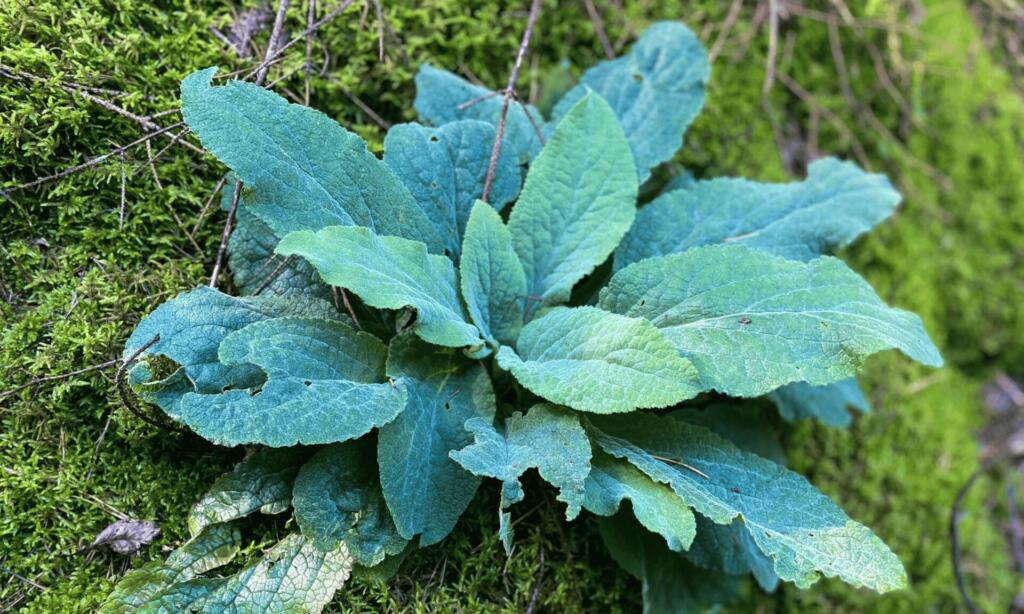

 Thyme (Thymus vulgaris): the aromatic with trial data
 Wild cherry bark (Prunus serotina): for the cough that will not stop