You could be using the wrong herb for your immune system without even realizing it.
And the worst part? You probably think you’re doing something good for your health.
Every cold season, people stock up on echinacea and elderberry, hoping to avoid another week of coughing, sore throats, and feeling miserable.
Both have been used for generations to fight common seasonal illnesses. But they aren’t the same.
And knowing the difference matters more than you might think.
Because depending on your health, one of these popular herbs might not be the right choice for you at all.
Our ancestors didn’t just grab whichever remedy promised the strongest immune support.
They knew which plants to use, when to use them, and when to be careful.
So before you reach for another bottle of herbal supplements, here’s what you should know.
Echinacea: The Purple Flower for Cold Season
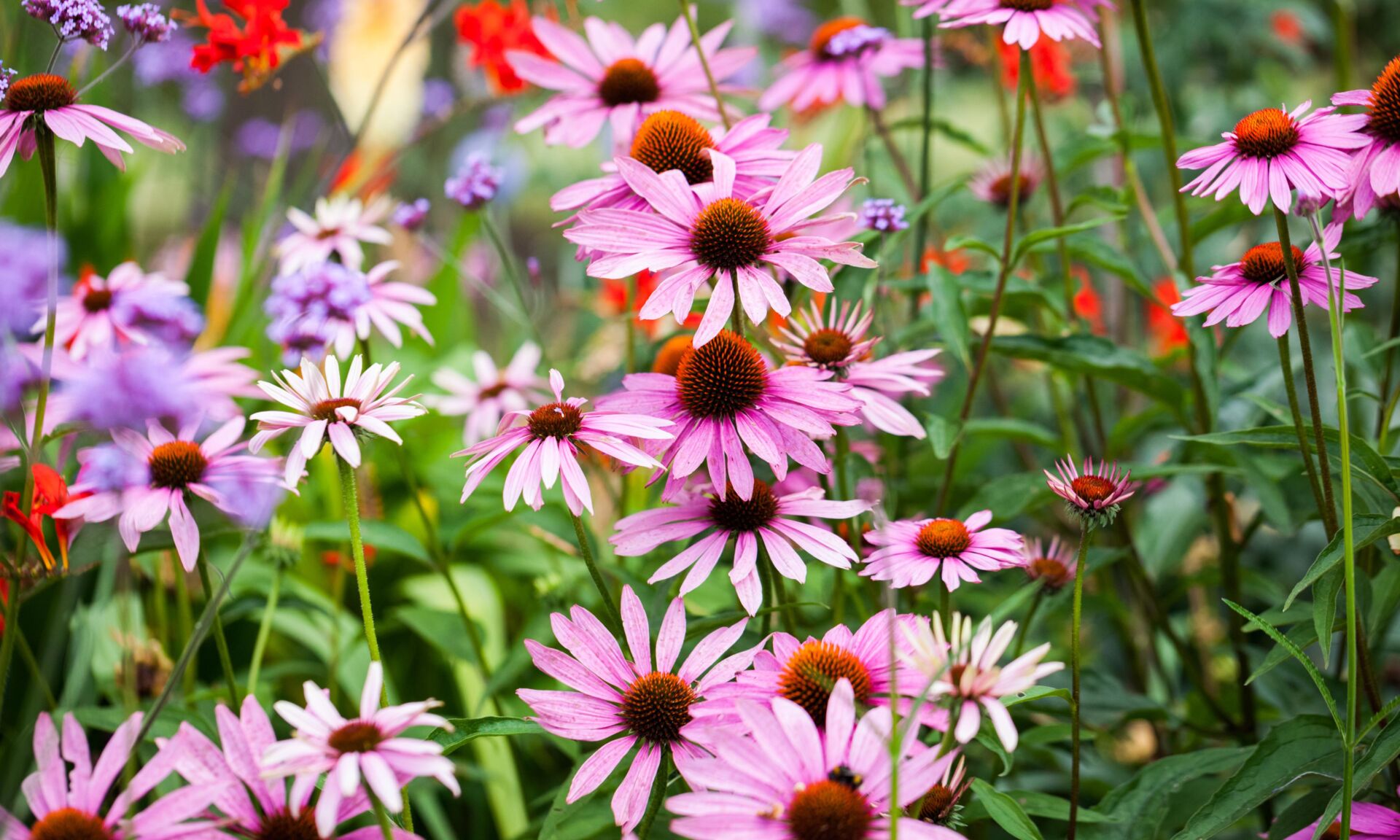
You’ve probably seen echinacea growing in someone’s garden.
Those beautiful purple flowers have a long history in Native American traditional medicine.
For generations, Native Americans used echinacea for sore throats, respiratory complaints, toothaches, wounds, and infections.
Today, people mainly turn to echinacea when they feel a cold coming on.
You know that feeling.
Your throat starts scratching. You’re unusually tired. And you suspect you’ll wake up tomorrow feeling even worse.
That’s when echinacea has traditionally been used to support the body’s defenses.
Some evidence also suggests echinacea can modestly reduce the likelihood of catching a cold.
But there’s something important you need to know before using it.
When Echinacea Could Be the Wrong Choice
What if your immune system is already attacking your own body?
That’s what happens with autoimmune diseases such as rheumatoid arthritis, lupus, and multiple sclerosis.
Echinacea contains compounds that can influence immune activity.
Because of this, European herbal authorities advise against using it if you have an autoimmune disease, certain immune disorders, or take immunosuppressive medications.
And that’s why you shouldn’t assume an herb is right for you simply because it’s natural.
Echinacea isn’t a bad plant. But it isn’t suitable for everyone.
Used correctly, plants can help you. Used carelessly, some can cause real problems.
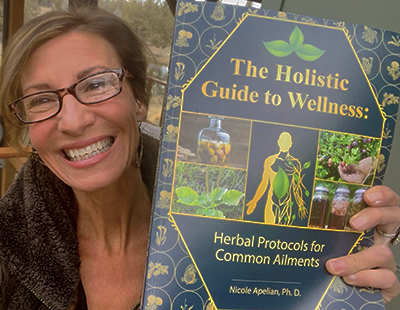
That’s why I think having a proper physical herb guide is almost mandatory if you’re serious about traditional medicine.
Especially when it was written by an herbalist like Nicole, who personally lives with an autoimmune condition and understands why precautions matter.
You get the uses, preparation, warnings, and identification in one place — on your shelf, where nobody can edit it, bury it, or make it disappear.
If you want the real power of traditional plant medicine without guessing, click here.
How to Make Echinacea Tea
You’ll need:
1–2 teaspoons dried echinacea herb
1 cup hot water
Honey, optional
Pour hot water over the herb, cover, and steep for 10–15 minutes.
Strain and enjoy.
Echinacea is traditionally used for short periods during cold season, rather than as an everyday drink. Follow preparation-specific directions, and avoid it if you have an autoimmune condition unless your healthcare professional advises otherwise.
Elderberry: Grandma’s Forgotten Cold-Season Syrup
Remember when your grandmother kept homemade syrups in the cupboard?
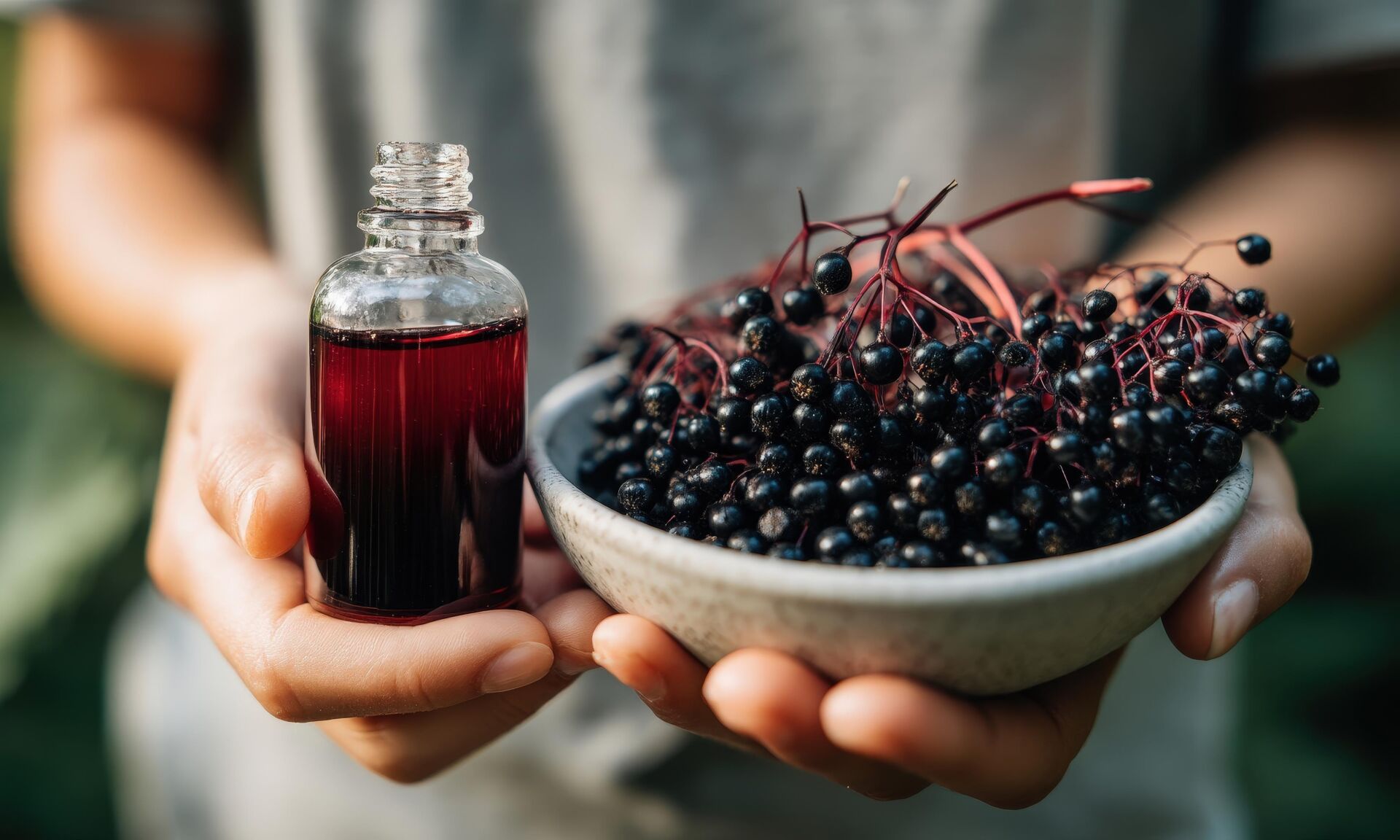
Elderberry was one of those old-fashioned remedies families relied on when cold season arrived.
For centuries, people prepared elderberries into syrups, juices, and other traditional remedies for colds, coughs, flu-like symptoms, and respiratory complaints.
And there’s a reason these dark purple berries still attract so much attention.
Elderberries contain anthocyanins, natural compounds with antioxidant properties.
Some preliminary evidence also suggests properly prepared elderberry products may help relieve certain upper-respiratory symptoms.
So when a cold leaves you coughing, congested, and reaching for another box of tissues, elderberry is one traditional remedy worth knowing about.
But unlike the blueberries in your refrigerator, elderberries require special preparation.
The Elderberry Mistake You Must Avoid
Never eat raw or unripe elderberries.
They contain cyanide-producing compounds that can cause vomiting, diarrhea, and poisoning.
The stems and leaves are also unsafe to consume.
That’s why properly cooking ripe elderberries before making a syrup matters.
And although elderberry has different precautions from echinacea, people with autoimmune conditions shouldn’t assume it’s automatically safe for them either.
Most people don’t mess up because they chose the wrong plant.
They mess up because nobody ever taught them how to prepare it properly.
Even something as simple as honey can be mishandled. Stirring it into boiling-hot liquid can damage some of its heat-sensitive compounds and aroma.
That little detail can be the difference between making a remedy properly and just making sweet tea.
Strain thoroughly, removing all berries and plant material.
Let the liquid cool, then stir in the honey.
Transfer to a clean jar and refrigerate promptly.
Make small batches, use them promptly, and discard any syrup that shows signs of spoilage. Never give honey-containing syrup to children under one year.
That’s a traditional elderberry preparation you can make in your own kitchen, without relying on an expensive bottle of flavored gummies.
And if you don’t want to cook elderberries every time, I keep the easy version around.
A few drops of a properly prepared Elderberry Tincture gives you quick access without simmering, straining, or making another batch of syrup.
If I had to choose one for general cold-season use, elderberry would usually be my first pick.
Not because echinacea is a bad herb — it isn’t.
But echinacea comes with more specific cautions for people with autoimmune conditions or those taking immunosuppressive medications.
Elderberry has its own precautions too, especially around proper preparation, but it doesn’t carry the same echinacea-specific autoimmune warning.
So for many people, elderberry may be the simpler place to start.
But the bigger lesson is this:
The right herb depends on you, your health, and how you use it.
And if you’re wondering when you should actually take elderberry or echinacea, how to fit them into your day, or what else you should be doing morning, afternoon, and evening, that’s wherea proper protocol becomes useful.
Instead of guessing, I recommend getting a step-by-step guide to see how these herbs fit into a complete daily immune-support routine.
We use cookies to ensure that we give you the best experience on our website. If you continue to use this site, we will assume that you are happy with it.
Functional Always active
The technical storage or access is strictly necessary for the legitimate purpose of enabling the use of a specific service explicitly requested by the subscriber or user, or for the sole purpose of carrying out the transmission of a communication over an electronic communications network.
Preferences
The technical storage or access is necessary for the legitimate purpose of storing preferences that are not requested by the subscriber or user.
Statistics
The technical storage or access that is used exclusively for statistical purposes.The technical storage or access that is used exclusively for anonymous statistical purposes. Without a subpoena, voluntary compliance on the part of your Internet Service Provider, or additional records from a third party, information stored or retrieved for this purpose alone cannot usually be used to identify you.
Marketing
The technical storage or access is required to create user profiles to send advertising, or to track the user on a website or across several websites for similar marketing purposes.