

Valerian Root: The Ancient Sleep Remedy That Works Better Than Ambien
Over 70 million Americans struggle with sleep disorders, and doctors write 14 million prescriptions for Ambien every year. But here’s what the pharmaceutical industry doesn’t want you to know: a “stinky weed” growing in gardens across America works just as well—without the addiction, grogginess, or midnight refrigerator raids.
Valerian root has been putting people to sleep for over 2,000 years. Clinical studies show it’s as effective as prescription sleep medications for treating insomnia, but without the dangerous side effects. Research published in the American Journal of Medicine found that valerian improved sleep quality in 80% of participants—comparable to pharmaceutical sedatives.
The Greeks used it. WWII England relied on it after air raids. Today, it’s dismissed as just another herbal remedy while sleep medication dependency reaches epidemic levels.
But there’s a catch: valerian smells like dirty gym socks, interacts with numerous medications, and if you pick the wrong species or use it incorrectly, it won’t work at all.
In this guide, you’ll learn how to identify true valerian, grow and harvest it properly, use it safely, and most importantly—when NOT to use it.
Your sleep problems might have a solution growing as a “weed” right now.
Where Valerian Is Found
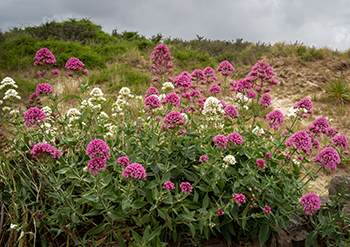 Valerian is endemic in Europe and some parts of Asia. They grow in average garden soils and are often found along riverbanks and marshy grasslands. The herb is non-native in the US but proliferated in the northern parts due to its adaptability to cooler climates. While it is cultivated as a medicinal plant in most gardens, Connecticut and Wisconsin listed valerian as a noxious weed.
Related: The Complete Map of Edible Plants: Find Out What You Have in Your Area! (Video)
How To Identify Valerian
Valerian is an invasive flowering perennial plant that grows up to 2 meters. It can grow tall and slender but its stems may flop in full shade. This deciduous plant has a clumping habit with a rapid growth rate. Its trumpet-like star flowers contain both types of reproductive organs.
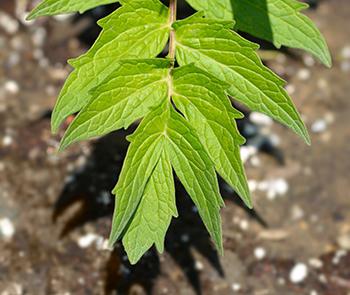
 Leaves. Valerian has a set of clumping or rosette basal leaves that are compound with odd to pinnate shapes. It appears in the lower part of the stem consisting of about 4 to 9 pairs of leaflets. Valerian leaves are green and covered with prickles. The leaf type changes as it moves higher up the stem. It becomes shorter, less lobed, and with shorter petioles.
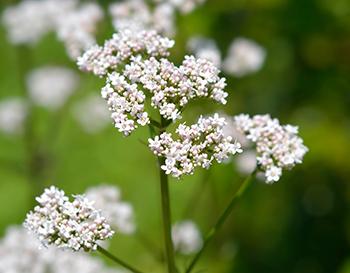
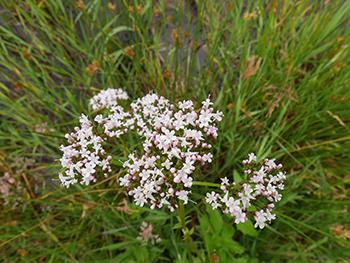
- Flowers. The fragrant flowers of the valerian bloom in white or pink blossoms from June to August. The showy flowers are star-shaped and fused into a cyme or central flower with peripheral blooms. They are arranged into umbels or clusters that are about 2 to 5 inches across.
 Roots. Valerian has a short and cylindrical rhizome, and bushy round and slender roots. These roots are yellow to brown and contain yellowish-green or brownish-yellow volatile oil.
- Fruits and Seeds. Valerian fruits are dry and small egg-shaped capsules. It is yellow and covered with a tuft of white hair containing one oblong seed each.
- Stem. Valerian has numerous grooved and hollow stalks. In favorable conditions, the stems would grow erect and reach a height of up to 4 feet. The stems are sparsely-leaved with fine hairs that are denser at the nodes.
Related: Plant Identification Guide – 400 Wild Plants That You Can Forage For (Video)
Valeriana officinalis is a member of the Valerianaceae family of about 350 herbaceous species. Valerian has three subspecies: ssp. officinalis, ssp. sambucifolia, and ssp. tenuifolia.
The common valerian, or V. officinalis, is the most popular species of valerian used for medicinal purposes. Other varieties of valerian include:
- occidentalis or Western Valerian
- celtica or Alpine Valerian
- sitchensis or Sitka Valerian
How To Grow Valerian
Valerian propagates through seeds and root division. Some nurseries and garden stores may sell both seeds and full-grown valerian plants. Often, you will find valerian seeds for planting in some online stores. This hardy plant can grow in a variety of conditions but may thrive abundantly in moist and swampy areas.
Growing Valerian from Seeds
 You can grow valerian seeds in autumn, spring, or mild spells of winter. If sowing during the summer, make sure to keep the plants well-watered in their growing phase.
Sow the valerian seeds in a rich and moist potting mix and tamp down the soil.
Keep the tray well-watered and at a temperature between 65 to 68°F until the seeds germinate at one to two weeks.
Transplant the valerian seedlings once they are established and are already 5 to 6 inches tall. The best time for transplanting is in early spring when the ground can be worked on easily.
Related: I Stopped Spending Money At The Pharmacy By Growing These 10 Plants (Video)
Growing Valerian from Root Division
The clumping valerian plant can be divided for propagation and is best done during spring or autumn. Make sure to choose a large clump instead of solitary ones as these are more established. Dug up the clump and break it apart, making sure that each division has a set of roots.
Plant the valerian root division in moist soil about 12 to 24 inches apart. Water them well until new valerian plants emerge. Once established, a valerian plant is trouble-free and hardly needs maintenance in growing and reproducing.
Plant Care and Maintenance
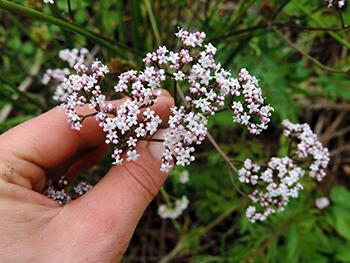 Overwatering is not an issue with valerian since it can survive in wet and marshy areas. In summer, regular watering is necessary to keep them healthy.
The plant will die in winter, but new valerian plants will emerge back during spring. It particularly loves the full sun, rich soil, and moist environment.
Valerian self-seed freely and may invade your garden. To avoid this, you may cut the stem down once the flowers fade and before the seeds form.
This plant requires little maintenance and is hardy in zones 4 to 8.
If you are growing valerian mainly for medicinal purposes, you need to clip all of its blossoms. This way, the nutrients will be concentrated at the roots, and it produces a high oil concentration.
Related: 10 Plants That You Should Never Plant Together (Video)
How To Harvest Valerian
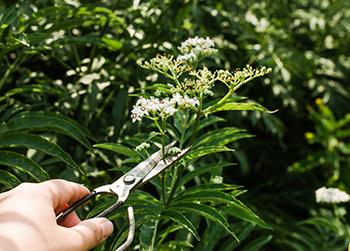 After one year, valerian root is ready for harvest. But most herbalists prefer two-year-old plants when the roots are of good size. Harvesting the plant for its oil is best done in early fall. During this season, the roots have the highest concentration of oil.
 Harvesting valerian roots is as simple as digging up the entire plant from the soil. Wash the plant thoroughly without removing the roots from its stem.
Remove all the fibrous roots and hang them in an airy area for several weeks to dry. Valerian emits a stale and sweat-like stench and is better dried outdoors under the cover.
Once completely dry, you can cut away the stems and store the dried roots in a sealed container. Store the leaves and the roots in a separate container.
Keep the containers in a cool and dry place until you are ready to use your valerian herb for remedies.
5 Science-Backed Benefits of Valerian Root
Valerian isn’t just folklore—it’s one of the most researched herbal sleep remedies in existence. Here’s what the science actually says, with links to the studies.
1. Insomnia and Sleep Quality (Primary Use)
This is valerian’s primary claim to fame, and the research strongly supports it.
What the science shows:
Multiple clinical studies demonstrate that valerian significantly improves sleep quality and reduces the time it takes to fall asleep.
A meta-analysis published in the American Journal of Medicine reviewed 16 studies with 1,093 patients and found that valerian:
- Improved sleep quality in 80% of participants
- Reduced sleep latency (time to fall asleep) by an average of 15-20 minutes
- Showed effectiveness comparable to benzodiazepine sleep medications
- Produced fewer side effects than pharmaceutical alternatives
A study in Sleep Medicine found that 600mg of valerian extract taken before bed improved sleep quality in insomnia patients after 28 days of use.
How it works:
Valerian contains compounds (particularly valerenic acid and valerenol) that:
- Increase GABA (gamma-aminobutyric acid) levels in the brain—the primary inhibitory neurotransmitter that promotes relaxation
- Bind to GABA receptors, similar to how benzodiazepines work, but more gently
- Reduce neural excitability and promote drowsiness
Key difference from sleeping pills: Valerian doesn’t knock you out immediately. It works gradually over 1-4 weeks of consistent use to normalize sleep patterns.
Best for:
- Difficulty falling asleep
- Poor sleep quality
- Frequent nighttime waking
- Sleep disturbances from stress or anxiety
Important: Valerian is NOT a quick fix. You need to take it consistently for 2-4 weeks to see full benefits.
2. Anxiety and Stress Reduction
While less studied than its sleep benefits, valerian shows promise for reducing anxiety.
What the research shows:
Studies published in Phytomedicine demonstrate that valerian can reduce physiological responses to stress and decrease anxiety symptoms.
A clinical trial in BMC Complementary and Alternative Medicine found that 600mg of valerian extract reduced anxiety levels in participants undergoing stressful situations.
How it works:
The same GABA-enhancing effects that promote sleep also reduce anxiety:
- Calms overactive nervous system
- Reduces physical symptoms of anxiety (racing heart, muscle tension)
- Lowers cortisol (stress hormone) levels
Best for:
- Generalized anxiety (mild to moderate)
- Stress-related tension
- Anxiety that interferes with sleep
- Situational stress
Important distinction: Valerian is sedating, so it’s better for evening anxiety or stress-related insomnia. For daytime anxiety without sedation, other herbs like passionflower or ashwagandha may be more appropriate.
3. Menstrual Cramps and PMS Symptoms
Valerian has been traditionally used for women’s health issues, and modern research supports this use.
What the research shows:
A study published in the Journal of Obstetrics and Gynaecology found that valerian significantly reduced the severity of menstrual cramps (dysmenorrhea) compared to placebo.
Women taking 255mg of valerian three times daily during menstruation experienced:
- Reduced pain intensity
- Decreased need for pain medication
- Improved quality of life during menstruation
How it works:
Valerian’s antispasmodic properties:
- Relax uterine muscle contractions
- Reduce cramping intensity
- Ease associated anxiety and mood swings
- Improve sleep disrupted by menstrual pain
Additional PMS benefits:
- Contains phytoestrogens that may help balance hormones
- Reduces anxiety and irritability associated with PMS
- Improves sleep quality during menstruation
Dosage for menstrual cramps: 250-300mg three times daily, starting 2-3 days before menstruation and continuing through the first 2-3 days of bleeding.
4. High Blood Pressure and Heart Palpitations
Valerian’s calming effects extend to the cardiovascular system.
What the research shows:
While research is more limited than for sleep, studies suggest valerian can:
- Lower blood pressure in stress-related hypertension
- Reduce heart palpitations
- Improve heart rate variability (a marker of cardiovascular health)
Research in Phytotherapy Research demonstrated that valerian extract reduced blood pressure in participants exposed to mental stress.
How it works:
Valerian affects the cardiovascular system through:
- Vasodilation (relaxation of blood vessel walls)
- Reduced sympathetic nervous system activity (fight-or-flight response)
- Decreased stress hormone production
- Calming effect on heart rhythm
Best for:
- Stress-related high blood pressure
- Heart palpitations from anxiety
- Racing heartbeat
- Tension-related cardiovascular symptoms
Important: Valerian is NOT a replacement for blood pressure medication. If you have hypertension, work with your doctor. Valerian can be used as a complementary approach but not as sole treatment.
5. Muscle Tension, Spasms, and Pain Relief
Valerian’s antispasmodic properties make it effective for various types of muscle-related pain.
What the research shows:
Studies demonstrate valerian’s effectiveness for:
- Lower back pain
- Muscle tension and spasms
- Tension headaches
- Restless leg syndrome
Clinical research shows that valerian’s muscle-relaxant properties work through both its effects on GABA receptors and direct action on smooth muscle tissue.
How it works:
Valerian relieves muscle tension through:
- Muscle relaxant compounds that reduce spasms
- Anti-inflammatory effects
- Pain-modulating effects on the nervous system
- Improved sleep, which aids muscle recovery
Traditional uses:
- Massage oil infused with valerian for sore muscles
- Internal use for chronic muscle tension
- Restless leg syndrome (taken before bed)
- Tension headaches from muscle tightness
Best combined with: External heat, stretching, and proper hydration for optimal muscle relaxation effects.
What Valerian Does NOT Do
It’s important to address misconceptions:
Valerian does NOT:
- Work immediately (takes 2-4 weeks of consistent use)
- “Knock you out” like Ambien (it’s gentler and slower-acting)
- Cure severe insomnia caused by sleep apnea or other disorders
- Replace medical treatment for serious anxiety or depression
- Work for everyone (response rates are 60-80%, meaning some people don’t respond)
The Bottom Line on Benefits
Valerian’s primary, well-established benefit is improving sleep quality and treating mild to moderate insomnia. Secondary benefits for anxiety, menstrual cramps, blood pressure, and muscle tension are also supported by research, though less extensively studied.
The key is realistic expectations: valerian is not a pharmaceutical knockout drug. It’s a gentle nervine that works over time to restore healthy sleep patterns and calm an overactive nervous system.
Most importantly: These benefits only matter if you can safely take valerian. If you’re on medications, pregnant, or have certain health conditions, the risks may outweigh any potential benefits.
Valerian vs. Sleeping Pills Comparison
Valerian Root vs. Prescription Sleeping Pills: The Real Comparison
If you’re considering valerian as an alternative to sleeping pills, here’s an honest, science-based comparison.
| Factor | Valerian Root | Prescription Sleep Aids (Ambien, Lunesta, etc.) |
| Effectiveness | 60-80% experience improved sleep quality | 70-85% fall asleep faster |
| Time to Work | 2-4 weeks of consistent use | Works first night |
| How Quickly You Fall Asleep | Reduces sleep latency by 15-20 minutes after 2-4 weeks | Reduces sleep latency by 30-60 minutes immediately |
| Sleep Quality | Improves natural sleep architecture, more REM sleep | May reduce REM sleep and deep sleep quality |
| Next-Day Drowsiness | Minimal to none (rare grogginess) | Common “hangover” effect, impaired morning function |
| Addiction Potential | None—not habit-forming | HIGH—physical dependence can develop in weeks |
| Withdrawal Symptoms | None | Severe—rebound insomnia, anxiety, seizures in extreme cases |
| Tolerance | Minimal—effectiveness stable over time | Significant—often need higher doses over time |
| Memory Problems | None | Common—amnesia, impaired memory formation |
| Bizarre Behaviors | None | Well-documented—sleep-driving, sleep-eating, hallucinations |
| Cost | $10-20/month | $50-300/month (varies by insurance) |
| Side Effects | Mild: vivid dreams, morning grogginess (rare), digestive upset | Severe: dependency, cognitive impairment, dangerous behaviors, falls |
| Long-term Safety | Safe for up to 4-6 weeks continuously (limited long-term data) | NOT recommended for long-term use—serious dependency risk |
| Drug Interactions | Moderate—interacts with sedatives, alcohol, some medications | Extensive—interacts with many medications |
When Valerian Is the Better Choice
Choose valerian if you:
- Have mild to moderate insomnia (not severe)
- Want to avoid pharmaceutical dependency
- Can wait 2-4 weeks for full effects
- Need something for occasional use without tolerance buildup
- Want to maintain natural sleep architecture
- Are concerned about next-day impairment
- Have stress-related or anxiety-related sleep problems
When Prescription Sleep Aids Are Necessary
Choose prescription medications (under doctor supervision) if you:
- Have severe, debilitating insomnia affecting daily function
- Need immediate relief (emergency situations)
- Have tried behavioral interventions and herbs without success
- Have underlying psychiatric conditions requiring pharmaceutical treatment
- Are under close medical supervision for short-term use only
Important: Even prescription sleep aids are meant for SHORT-TERM use only (2-4 weeks). Long-term insomnia requires addressing root causes, not indefinite medication.
The Honest Middle Ground
Valerian is not as immediately powerful as Ambien or Lunesta. If you need to sleep tonight for an important event tomorrow, valerian won’t help you.
But here’s what the sleeping pill manufacturers don’t advertise: those medications are creating an epidemic of dependency, cognitive impairment, and bizarre sleep behaviors. The FDA issued warnings about serious injuries from sleep-driving and sleep-walking while on these drugs.
Valerian takes longer to work, but it:
- Restores natural sleep patterns instead of forcing unconsciousness
- Doesn’t create dependency
- Won’t make you raid the refrigerator at 2 AM with no memory of it
- Actually improves sleep quality over time
The verdict: For mild to moderate chronic insomnia, valerian is safer and often just as effective as pharmaceuticals—if you’re patient enough to give it 2-4 weeks to work.
For severe acute insomnia or crisis situations, short-term use of prescription sleep aids under medical supervision may be necessary. But they should be a bridge to addressing root causes, not a permanent solution.
When NOT to Use Valerian Root
Valerian is generally safe, but there are critical situations where it should never be used. These aren’t suggestions—they’re based on documented risks.
Absolute Contraindications (Never Use)
1. Pregnancy
Valerian is NOT recommended during pregnancy.
Why it’s dangerous:
- Insufficient safety data for fetal development
- May stimulate uterine contractions
- Could affect fetal neurological development (sedative effects)
- Unknown effects on pregnancy hormones
While there’s no definitive proof it causes harm, there’s also no proof it’s safe. The risk isn’t worth taking.
What to do instead: Pregnancy-safe sleep support includes chamomile tea (in moderation), magnesium supplementation, and good sleep hygiene. Always consult your obstetrician.
2. Breastfeeding
Valerian passes into breast milk, and its effects on nursing infants are unknown.
Potential risks:
- Sedation in the infant
- Unknown effects on developing nervous system
- Possible interference with infant sleep patterns
Better alternatives: Work with your doctor to find safe postpartum sleep solutions. Many breastfeeding mothers are chronically sleep-deprived, but valerian is not the answer.
3. Before Surgery or Medical Procedures
Stop taking valerian at least 2 weeks before any scheduled surgery.
Why it’s dangerous:
- Interferes with anesthesia (may increase sedative effects)
- Can affect heart rate and blood pressure during surgery
- May prolong the effects of anesthetic drugs
- Increases bleeding risk when combined with surgical stress
Critical: Inform your surgeon and anesthesiologist if you’ve been taking valerian, even if you’ve stopped. They need to know for proper dosing of anesthesia.
4. Liver Disease
People with liver problems should avoid valerian or use it only under medical supervision.
Why it’s risky:
- Valerian is metabolized by the liver
- Rare cases of liver toxicity have been reported (though causation is unclear)
- People with compromised liver function may not process valerian safely
- Could interact with liver medications
If you have hepatitis, cirrhosis, fatty liver disease, or any liver condition, do not use valerian without consulting your doctor.
5. Children Under 3 Years Old
Valerian is not safe for very young children.
Why:
- Developing nervous systems may respond unpredictably
- No safety data for this age group
- Risk of excessive sedation
- Choking hazard (if using dried root)
For children 3-12: Use only under professional guidance with appropriate pediatric dosing. Many doctors prefer behavioral interventions over herbal sedatives for children.
Use With Extreme Caution
6. Depression
While valerian helps with anxiety and sleep problems that often accompany depression, it can worsen depression in some people.
The risk: Excessive sedation can increase feelings of lethargy and hopelessness in some individuals with depression.
If you have diagnosed depression: Use valerian only under supervision and monitor your mood carefully. If you notice worsening depression, stop immediately.
7. Before Driving or Operating Machinery
Valerian causes drowsiness and slows reaction time. This is the point, but it makes certain activities dangerous.
Never take valerian before:
- Driving
- Operating heavy machinery
- Heights work (construction, roofing, etc.)
- Any activity requiring alertness and quick reflexes
Timing matters: Take valerian only in the evening, at least 8 hours before you need to be alert and functional.
8. Alcohol Consumption
Never combine valerian with alcohol.
Why it’s dangerous:
- Both are central nervous system depressants
- Combined effects can cause dangerous over-sedation
- Increased risk of respiratory depression
- Impaired judgment and coordination
- Risk of accidents and injuries
If you drink alcohol in the evening, skip the valerian that night.
9. During the Day (For Most People)
While some people use small doses of valerian for daytime anxiety, most people experience sedation that makes daytime use impractical.
Issues:
- Drowsiness and reduced alertness
- Slowed reaction time
- Difficulty concentrating
- Reduced productivity
Exception: Some people tolerate very small daytime doses (100-200mg) for anxiety without significant sedation. But start very low and never take it before activities requiring alertness.
Medical Conditions Requiring Caution
Existing sleep disorders:
- Sleep apnea: Valerian could worsen breathing problems during sleep. Get a proper diagnosis and treatment plan before using valerian.
- Narcolepsy: Excessive sedation is dangerous.
Chronic fatigue syndrome:
- Valerian’s sedative effects may worsen daytime fatigue.
When to Stop Taking Valerian Immediately
Seek medical attention and stop valerian if you experience:
- Severe drowsiness that interferes with daily function
- Liver symptoms: Yellowing skin/eyes, dark urine, severe fatigue, abdominal pain
- Allergic reactions: Rash, itching, swelling, difficulty breathing
- Paradoxical stimulation: Anxiety, restlessness, heart palpitations (some people react oppositely)
- Severe headaches
- Depressed mood or worsening mental health
- Unusual bleeding or bruising
The 6-Week Rule
Most sources recommend not using valerian for more than 4-6 weeks continuously.
Why?
- Long-term safety data is limited
- Risk of dependency or tolerance (though rare) increases with prolonged use
- Underlying sleep problems should be addressed, not masked indefinitely
If you’ve been using valerian for 6 weeks and still have sleep problems, it’s time to see a doctor. Chronic insomnia often has underlying causes (sleep apnea, hormonal issues, psychiatric conditions) that need proper diagnosis and treatment.
The Bottom Line
Valerian is safer than prescription sleeping pills, but “safer” doesn’t mean “safe for everyone.” The contraindications above are not cautious overkill—they’re based on real risks.
The rule: If you’re pregnant, nursing, have liver disease, take medications, or have any chronic health conditions, consult a healthcare provider before using valerian.
Sleep problems are frustrating, but taking risks with herbal remedies isn’t the answer.
What Parts Of The Valerian Are Used For Remedies
In herbal medicine preparation, the root of the valerian is considered the most valuable. It is the source of essential oils that are obtained and processed for commercial use.
The roots of the valerian are dried and made into decoction, concoction, infusion, or tea for alleviating health conditions. Infusion is the popular way of consuming valerian root for insomnia and anxiety. It is the most potent and less processed form of the herb. However, because of its obnoxious odor, it is not very well-preferred by users today. Thus, dried valerian is often dispensed as a capsule, extract, or tincture.
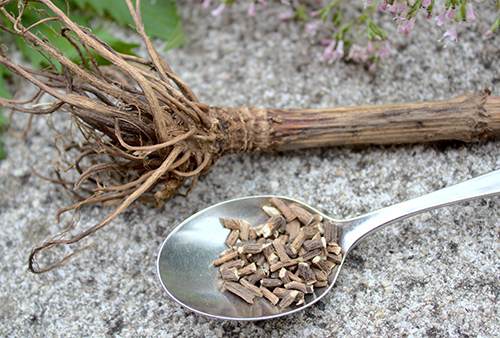
Valerian root is very potent because of its compound concentration. For people who want a milder effect, the valerian leaves are the better option. The leaves are also steeped as tea or ground into powder and put into empty capsules.
To try the potency of valerian, here is a powerful recipe you can brew. A little caveat though, valerian root may diffuse an unpleasant smell. But it is worth a try to calm your nerves and relax your mind and body.
Related: A Before-Bed Recipe to Sleep Like a Baby Again (Video)
Relaxing Valerian Infusion
Ingredients: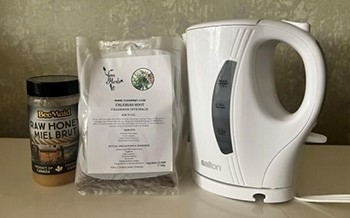

- 1-2 tsp valerian root
- 1 cup of water
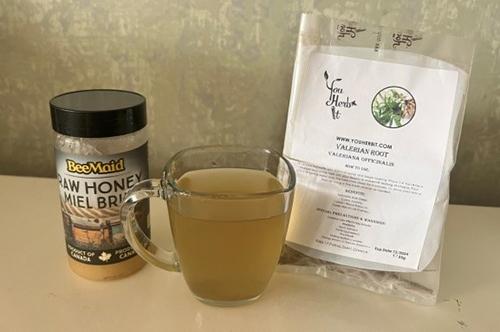
- Raw honey, optional
Steps:
- Put the valerian root in a tea infuser with a cover. If none, a jar or container with a cover is fine.
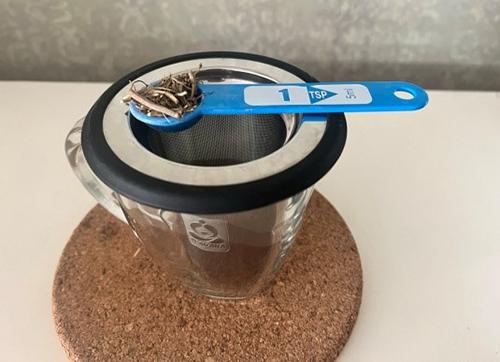

- Bring water to a simmer but not boiling and pour it over the valerian root.
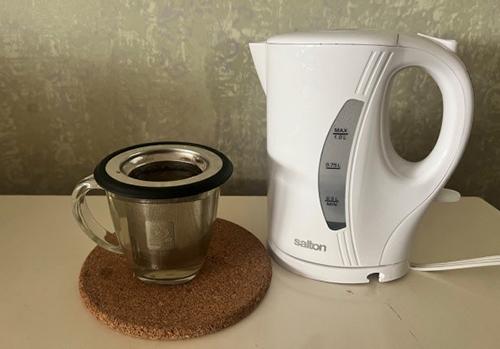

- Cover the tea infuser/container to retain all the volatile oils. Let the valerian root infuse for about 30 minutes.
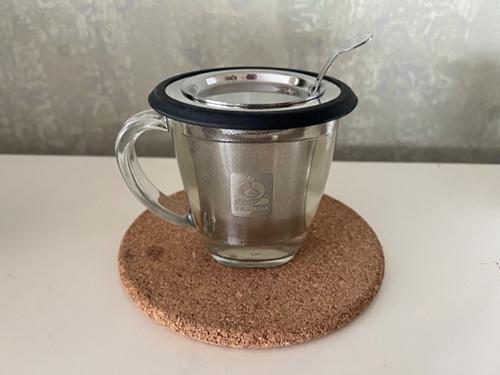

- Remove the infuser from the cup. If using a covered container, strain the infusion into a cup and enjoy. You may also add raw honey to manage its unpleasant smell.

How To Use This Remedy:
Valerian infusion is potent when it is freshly brewed and gets less effective the longer it sits. So, prepare the infusion only when you are ready to consume it.
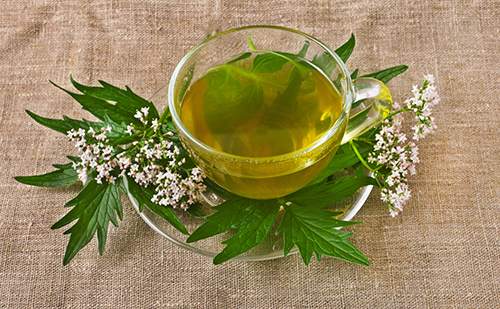
If you want to use valerian tea as a sleep aid, consume it at least 30 minutes to two hours before bedtime. When using the supplement, the safe doses are between 300 to 600 mg daily. Do not take valerian root for more than 6 weeks to avoid its adverse effect.
Formulated to help you fall asleep faster and stay asleep longer, the Sleep Blend Tincture is also a convenient, easy-to-use blend of hops, valerian, German chamomile, passionflower, and magnesium glycinate. Visit the apothecary today to read about these outstanding herbs for promoting deep, rejuvenating sleep.
What Plants Resemble Valerian
| Feature | Valerian (Valeriana officinalis) | Wild Carrot (Daucus carota) | Patrinia (Patrinia scabiosifolia) |
|---|---|---|---|
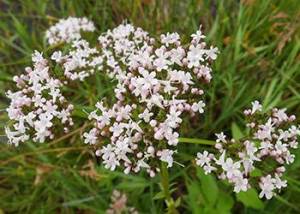 | 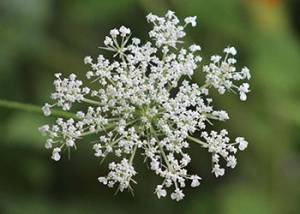 | 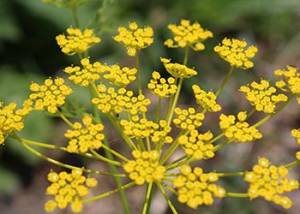 | |
| Size | 4 to 5 ft | 1 to 3 ft | 3 to 6 ft |
| Leaves | Green; with prickles; rosette; compound; opposite | green; roughly-haired; alternate | Dark green; glossy; compound; opposite; serrate |
| Flowers | White or pink; star-shaped; umbel; cyme | Dull white to pink; dense umbels; | Yellow; star-shaped; umbel |
| Stem | Hollow; numerous; sparsely-leaved; hairy | Solid; stiff; roughly-haired | Upright; branching; herbaceous |
| Scent | unpleasant | Carrot-like smell | No noticeable scent |
Why Does Valerian Root Smell Like Dirty Socks? (And Why That’s Actually a Good Sign)
Let’s address the elephant—or rather, the dirty gym bag—in the room: valerian root smells absolutely terrible.
People describe it as:
- Sweaty feet
- Dirty socks left in a gym locker for weeks
- Aged cheese
- Body odor
- Wet dog
- Rotting vegetation
If you’ve smelled it, you know. If you haven’t, brace yourself.
The Science Behind the Stink
The revolting smell comes from isovaleric acid (also called 3-methylbutanoic acid), a compound that’s also found in:
- Human sweat (particularly foot sweat)
- Aged cheese (parmesan, especially)
- Unwashed socks
- Body odor
When valerian roots are dried, enzymes break down compounds in the root, releasing isovaleric acid and other volatile compounds. Fresh valerian root smells mildly earthy and unpleasant, but dried valerian? That’s when the full stench develops.
Does the Smell Mean It’s Working?
Yes, actually. The presence of that distinctive stench indicates the root contains the active compounds (valerenic acid, isovaleric acid, and other volatile oils) responsible for its sedative effects.
If your valerian doesn’t smell bad, it’s either:
- Too old and has lost potency
- Poorly processed
- Not true Valeriana officinalis
- Has been adulterated or diluted
The worse it smells, the more potent it typically is. It’s an unfortunate truth.
Why Do Cats Go Crazy for It?
Valerian contains compounds similar to those in catnip (actinidine), which trigger euphoric responses in cats. While valerian sedates humans, it stimulates cats.
Interestingly, valerian was historically used as a rat attractant—its smell draws rodents, which is why it was used in traps. So if it smells bad enough to attract rats but good enough to excite cats, you’re definitely dealing with the real thing.
How to Make Valerian More Tolerable
For tea/infusion:
- Add strong-flavored herbs like peppermint, lemon balm, or chamomile
- Use raw honey (helps mask both smell and taste)
- Drink it quickly—don’t sip slowly
- Hold your nose while drinking (seriously)
- Chase it with something pleasant
Better alternatives to tea:
- Capsules: No taste, no smell. This is why most people prefer them.
- Tincture in juice: Mix with strong-flavored juice (grape, pomegranate) and drink quickly
- Glycerin-based tinctures: Slightly less smelly than alcohol tinctures
Pro tip: If you’re making valerian tea, brew it with the container COVERED. This traps the volatile oils (which contain the active compounds) instead of letting them escape into your kitchen and stink up the entire house.
Can You Get Used to the Smell?
Some herbalists claim you get used to it. Most people do not. The smell is objectively unpleasant, and even people who work with valerian regularly find it off-putting.
The good news: capsules solve this problem entirely. You get all the benefits with none of the stench.
The Bottom Line
Yes, valerian smells horrible. But that smell is actually a sign of potency and authenticity. If the idea of consuming something that smells like dirty gym socks is unbearable, stick with capsules or tinctures mixed into strong-flavored liquids.
And whatever you do, don’t dry valerian indoors unless you want your entire house to smell like a locker room for weeks.
Frequently Asked Questions About Valerian Root
Q: How long does valerian stay in your system, and will I be groggy in the morning?
A: Valerian is metabolized relatively quickly, with effects lasting approximately 4-6 hours. Most people do not experience morning grogginess or “hangover” effects like they would with prescription sleeping pills.
However, some people do experience mild next-day drowsiness, especially when:
- First starting valerian (tolerance builds within a few days)
- Taking doses higher than 600mg
- Taking it too close to bedtime (take it 1-2 hours before bed, not right at bedtime)
- Combining it with other sedating substances
If you experience morning grogginess:
- Reduce your dose
- Take it earlier in the evening (2 hours before bed instead of 1 hour)
- Make sure you’re getting a full 7-8 hours of sleep
- Give it a few more days—initial grogginess often resolves with continued use
The good news: Morning impairment from valerian is far less common and less severe than with Ambien, Lunesta, or benzodiazepines. Most people wake feeling refreshed rather than drugged.
Q: Can I take valerian every night long-term, or will I develop tolerance or addiction?
A: Valerian is not addictive and does not create physical dependence the way benzodiazepines or sleeping pills do. You can stop taking it at any time without withdrawal symptoms.
However, long-term use recommendations vary:
Safe duration: Most sources recommend using valerian for 4-6 weeks continuously, then taking a break.
Why the break?
- Long-term safety data beyond 6 weeks is limited
- While tolerance is rare, some people report decreased effectiveness after months of continuous use
- Chronic insomnia lasting more than 6 weeks should be evaluated by a doctor to address underlying causes
Can you use it longer? Some herbalists and practitioners say longer use is fine, especially for chronic anxiety-related sleep problems. But the conservative recommendation is to cycle it: use for 4-6 weeks, take 1-2 weeks off, then resume if needed.
Will tolerance develop? Unlike sleeping pills where you need increasingly higher doses over time, valerian typically maintains effectiveness without requiring dose increases. If you find you need more and more valerian to get the same effect, something else is wrong—see the troubleshooting section.
The bottom line: Valerian is not addictive, you won’t go through withdrawal, and you won’t need escalating doses. But chronic insomnia needs proper evaluation, not indefinite self-treatment with any substance.
Q: Can I combine valerian with melatonin or other sleep supplements?
A: Yes, valerian can be safely combined with melatonin in most people, and many people find the combination more effective than either alone.
Valerian + Melatonin:
- Work through different mechanisms (valerian enhances GABA, melatonin regulates circadian rhythm)
- Can be complementary for people with both difficulty falling asleep and disrupted sleep-wake cycles
- Common combination in commercial sleep supplements
- Start with low doses of each: 300mg valerian + 1-3mg melatonin
Valerian + Magnesium:
- Generally safe and often effective
- Magnesium glycinate (200-400mg before bed) is the best form for sleep
- Both promote relaxation through different pathways
Combinations to AVOID:
- Valerian + Kava: Risk of excessive sedation and liver toxicity
- Valerian + St. John’s Wort: Both affect neurotransmitters unpredictably
- Valerian + Prescription sleep medications: Dangerous additive sedation (see drug interactions section)
- Valerian + Alcohol: Central nervous system depression
Commercial sleep blends: Many products combine valerian with hops, passionflower, chamomile, and lemon balm. These are generally safe—they’re formulated to work together in balanced ratios. But don’t create your own multi-herb combinations without expertise.
The rule: If combining valerian with other sleep supplements, start with low doses of each and monitor effects carefully.
Q: Why does valerian make some people feel stimulated or anxious instead of relaxed?
A: This is a rare but well-documented paradoxical reaction. Approximately 5-10% of people experience the opposite effect from valerian—it makes them feel wired, restless, or anxious instead of calm and sleepy.
Why this happens:
- Individual differences in neurochemistry and GABA receptor sensitivity
- Some people’s nervous systems respond unexpectedly to compounds in valerian
- Similar to how some people get hyper from Benadryl or feel wired from chamomile
Signs you’re having a paradoxical reaction:
- Increased anxiety or restlessness after taking valerian
- Racing thoughts instead of calm
- Heart palpitations
- Difficulty falling asleep despite taking a “sleep aid”
- Feeling jittery or on edge
What to do: Stop taking valerian immediately. This reaction won’t resolve with continued use—it’s how your individual biochemistry responds to the herb.
Try instead:
- Passionflower (less likely to cause paradoxical reactions)
- Magnesium glycinate
- L-theanine
- Chamomile (though a small percentage react paradoxically to this too)
Important: If you experience a paradoxical reaction, don’t increase the dose thinking “more will help.” It won’t. Your nervous system simply doesn’t respond to valerian the way most people’s does.
Q: Is valerian safe for children, and can it help with ADHD or hyperactivity?
A: Valerian is NOT recommended for children under 3 years old. For children ages 3-12, it should only be used under professional supervision with appropriate pediatric dosing.
Safety in children:
- Limited research on valerian’s safety and effectiveness in children
- Developing nervous systems may respond unpredictably
- Proper dosing for children is weight-based and requires professional guidance
Valerian for ADHD: Some studies suggest valerian may help with hyperactivity and concentration in children with ADHD, but research is limited and results are mixed.
A study in Phytomedicine found that a combination of valerian and lemon balm improved concentration and reduced hyperactivity in some children with ADHD. However, this is preliminary evidence, and valerian is not a substitute for evidence-based ADHD treatment.
If considering valerian for your child:
- Consult a pediatrician or pediatric herbalist first
- Never use it as a substitute for proper ADHD evaluation and treatment
- Start with very low doses (typically 1/4 to 1/2 the adult dose, depending on weight)
- Monitor carefully for side effects or paradoxical reactions
- Don’t use long-term without medical supervision
For children’s sleep issues: Before turning to valerian, address:
- Sleep hygiene (consistent bedtime, no screens, dark room)
- Underlying anxiety or stress
- Diet (reduce sugar and caffeine)
- Physical activity during the day
- Behavioral interventions
The bottom line: Valerian may be safe for children over 3 with professional guidance, but it’s not a first-line treatment. Behavioral and lifestyle interventions should always come first.
Still have questions? Consult a qualified herbalist, naturopathic doctor, or healthcare provider who can address your specific situation. Sleep problems are too important to guess about—get professional guidance when needed.
Warnings And Cautions
Valerian root is likely safe for consumption in moderate amounts. Excessive consumption may cause side effects like headaches and uneasiness.
The safety of valerian roots in pregnant and breastfeeding mothers is not yet established. Thus, valerian should be avoided by women in this group. Do not use valerian in children without professional supervision. They are not also for use in children below three years old.
When driving a motor vehicle or doing jobs that require attentiveness, do not take valerian supplements. It can cause drowsiness and may temporarily impair reflexes and alertness.
If you are scheduled for surgery, taking sedative drugs, and anxiolytic, do not use valerian. It interacts with prescription medication and causes harmful side effects. You should not also take valerian with alcohol, St. John’s Wort, kava-kava, and L-tryptophan.
Always consult a medical professional when taking herbal remedies like valerian.
You may also like: 

Mugwort Pillow for Insomnia and Anxiety
Homemade Sleep Blend Tincture (Learn More)
Best Herbs and Foods to Fight Adrenal Fatigue
5 Calming Herbs to Soothe Anxiety
Soak Your Troubles Away with Homemade Tub Tea

This is a beautiful article!
Thank you for this information keep them coming ^^
This is wonderful. I’ve been taking Valerian Root capsules for years as needed for my restless legs, but, I had no idea it did so much else. I could get off most of my meds if I could take it daily. Where can I buy some seeds?!!
Thank you for sharing
Valerian Root tea bags
https://amzn.to/3Duu0wi
Bulk Organic Valerian Root
https://amzn.to/3Lxvs3R
Stainless Steel Mesh Tea Ball
https://amzn.to/36dBXJM
Wonderful
Thank you for what you do. I believe we will continue to move toward natural Therapies and your help is immeasurable.
Is valerian root tea safe for someone who has early stages of cirrhosis of the liver?