You open your cabinet and stare at a dozen supplement bottles. Some half-empty. Some expired. Most with ingredient lists you can’t pronounce.
You bought them with good intentions. The labels promised energy, calm, better sleep, joint comfort. But you have no idea what’s actually in them. Mystery fillers. Proprietary blends. Doses that seem random.
And somewhere along the way, taking supplements stopped feeling like self-care and started feeling like… clutter.
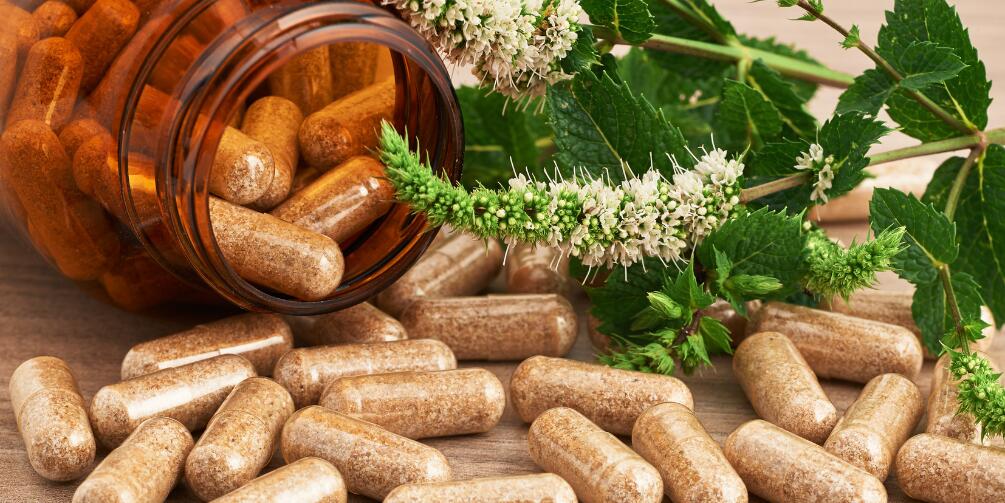
Here’s what most people don’t realize: you can make your own herbal capsules. Simple ones. With ingredients you recognize. In doses that make sense.
No mystery add-ins. No overcomplicated routines. Just the herbs you chose, prepared the way you want them, ready when you need them.
Let me show you how.
Why Capsules Beat Almost Everything Else
If you’ve tried herbal remedies before, you know the challenges.
Teas require time to steep. You need a pot, a strainer, a quiet moment. They taste bitter. They get cold. You forget to drink them.
Syrups are sticky. They need refrigeration. Kids love them, but they’re messy.
Pastilles sound appealing, but they require moisture, sweeteners, binders, and multiple steps. They’re complicated to make and tricky to store.
Capsules are clean. Portable. Consistent. No taste. No mess. No brewing required.
But here’s what capsules can’t do: Tinctures absorb faster (drops under your tongue enter your bloodstream directly, bypassing digestion), extract more compounds (alcohol pulls out what water and grinding can’t), allow precise dosing (adjust drops as needed instead of fixed capsule amounts), work even if your digestion is compromised, and last years without degrading.
Yes, tinctures taste like alcohol — but if effectiveness matters more than convenience, tinctures win every time.
You fill them once, label the bottle, and you’re done. When life gets busy, you just swallow two capsules with water and move on with your day.
For people who like the benefits of herbs but don’t always want another tea to brew or tincture to measure, capsules make herbal habits sustainable.
What You Actually Need
The shopping list is refreshingly short:
Empty vegetable capsules (size 00 or 0 work well for most herbs)
A capsule-filling tray or small machine (makes the process much faster)
A digital kitchen scale (for consistency)
A clean coffee grinder reserved only for herbs
A bowl for mixing
Airtight jars or bottles for storage
Labels
For the herbs themselves: Buy fully dried herb powders from reputable suppliers. Look for companies that follow good manufacturing practices and use independent quality testing.
If you prefer to grind your own, start with whole dried herbs and make absolutely sure they’re completely dry before processing. Any moisture means mold, spoilage, and wasted effort.
The Process Is Simpler Than You Think
Keep everything clean and dry. Moisture is your enemy here.
Step 1: Grind your herb (if starting with whole dried material). Pulse until it’s a fine powder. Sift out coarse fibers if you want a smoother fill.
Step 2: Mix your recipe by “parts” rather than random spoonfuls. This means you can repeat the exact blend later without guessing. For example, “2 parts ginger, 1 part chamomile” might mean 2 tablespoons ginger powder and 1 tablespoon chamomile powder—or 2 teaspoons and 1 teaspoon. The ratio stays consistent.
Step 3: Fill the capsules using your tray or machine. This takes practice the first time, but once you get the rhythm, it goes fast.
Step 4: Weigh a few finished capsules. Different herbs pack differently—fluffy leaf powders weigh less than dense root powders. If you want consistency across batches, use weight as your guide.
Step 5: Count your batch and decide on serving sizes. Check similar products in supplement databases to get a real-world benchmark instead of making up random doses.
Step 6: Label everything. Include ingredients, date made, and serving size. Future you will thank present you.
Step 7: Store in airtight containers in a cool, dark, dry cupboard. Keep them away from steam and dampness.
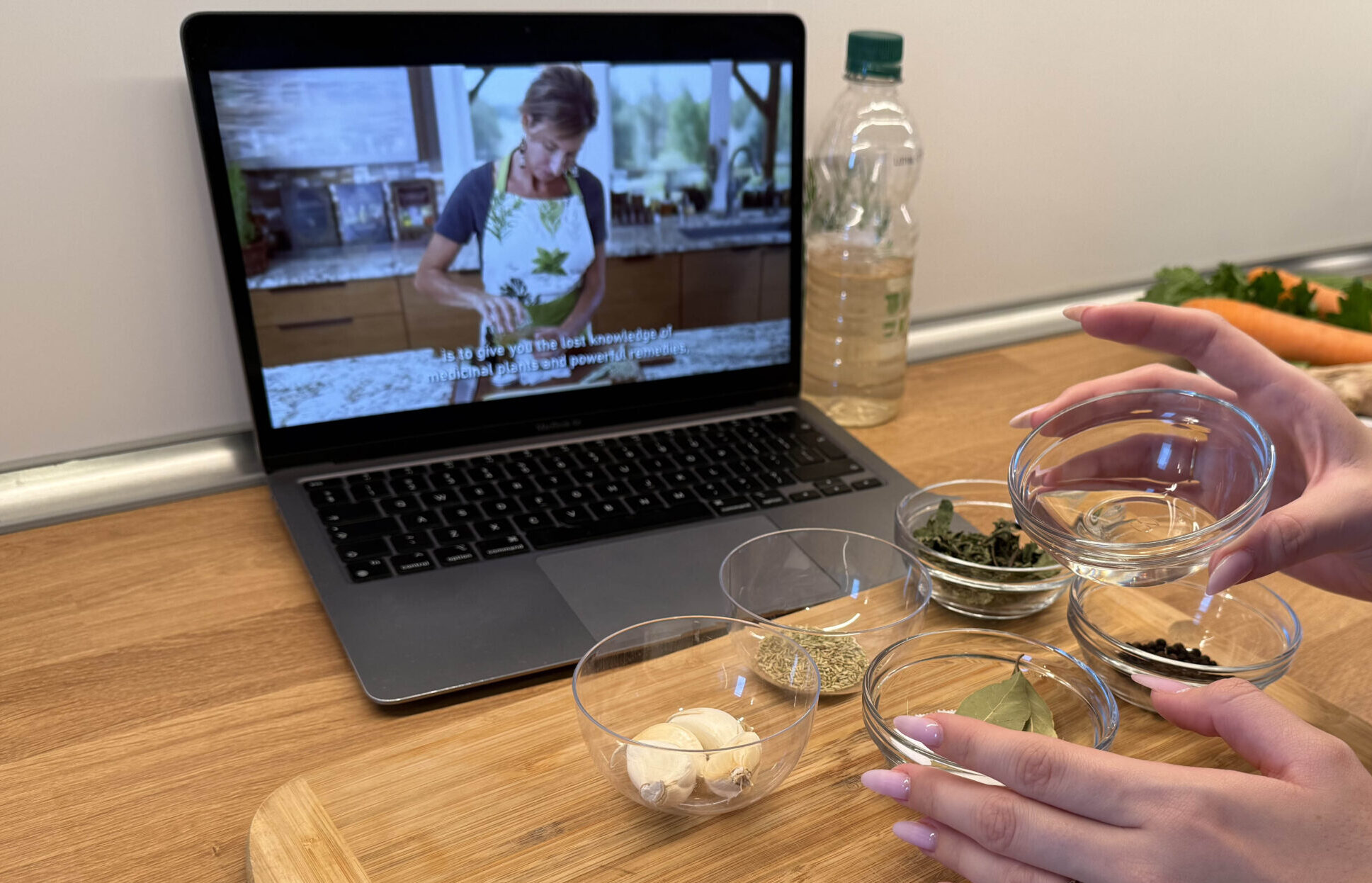
Making capsules at home is a great skill to have. But if you want to learn the full range of herbal preparations — tinctures, salves, extractions, syrups, and how to properly dose and combine herbs — Nicole Apelian’s Lost Remedies Academy walks you through it all step by step.
She teaches you in the field and in the kitchen, showing you exactly how to turn plants into remedies the right way. I followed her course myself, and I recommend you watch her free video here.
If the powder ever clumps, takes on moisture, or just doesn’t seem right—don’t romanticize it. Toss it and start fresh.
Ginger is perfect for beginners because it’s easy to source, easy to fill, and widely used when your stomach feels unsettled. It’s the sort of herb that earns a place in your travel bag, desk drawer, or kitchen shelf with everyday staples.
Ginger-only capsules give you a clean baseline. You’ll see how your body responds before you start getting creative with blends.
Fill size 00 capsules with powdered ginger root. A typical capsule holds about 500-750mg depending on how tightly it’s packed.
Many people take 1-2 capsules when they need digestive support, especially before travel or after rich meals.
Important: Ginger is gentle, but it’s still active. It can bother some stomachs if taken on an empty stomach, and it may interact with blood thinners and diabetes medications. Even humble kitchen herbs deserve respect.
A milder-on-the-stomach option that’s even more potent is a blend of marshmallow, slippery elm, and plantain.
I have plantain growing close to my house, but marshmallow and slippery elm? Not really. That’s how I ended up trying Nicole’s Balanced Gut Tincture. It has all three already extracted and combined.
Works beautifully for digestive support without the harshness. Check it out here. →
Your Second Capsule: After-Dinner Calm
Once you’re comfortable with the process, try a simple blend: ginger and chamomile.
Recipe:
2 parts ginger powder
1 part chamomile powder
This blend is lovely for people who carry tension in their belly and want something gentler than strong ginger tea. It feels familiar, soothing, old-world in the best sense.
Take 1-2 capsules after dinner when you want your digestion to settle and your mind to quiet down a bit.
If you want the highest-quality chamomile blended with valerian, passionflower, and hops in tincture form, Nicole’s Sleep Blend Tincture is exactly that — professionally extracted, ready to use. →
Chamomile caution: Chamomile is generally gentle, but it can trigger allergic reactions in some people—especially those sensitive to ragweed, daisies, or related plants. It may also interact with blood thinners and sedatives.
I had a few chamomile flowers in my yard… but I used them all. And honestly? It’s better I don’t have any growing out front because cars passing by leave fumes, and I’d rather not make remedies with stuff that’s been poisoned.
Chamomile really works — but sourcing it right matters.
I recently tried to get seeds, but every supplier I found either sprayed them with stuff or gave me a bad feeling. Now I’m growing it inside, near my homegrown lavender, echinacea (for my immune system), feverfew (for fevers and migraines), and a couple more.
I found the best deal ever — a package with 4,818 high-quality, NON-GMO seeds. I plant them inside for maximum potency and security.
This blend is ideal if you want a simple daily capsule built around herbs traditionally used for everyday comfort and staying mobile as you age.
The beauty of this formula is that it stays plain. No flashy extras. No trying to turn a kitchen ritual into a miracle.
Homemade powder capsules are simpler and gentler than the concentrated extracts sold in commercial products. This is a modest, food-like herbal option—something you might take once or twice daily with meals.
Turmeric note: Some people experience heartburn, stomach upset, or changes in bowel movements with turmeric. Start with one capsule daily and see how your body responds.
Absorption tip: Turmeric is absorbed better when taken with a tiny bit of black pepper (piperine) and fat. Consider taking these capsules with meals that include healthy fats.
The One Herb You Shouldn’t Make at Home
Here’s the exception: peppermint.
If you want peppermint for digestive comfort, a commercial enteric-coated peppermint oil capsule is often better than homemade peppermint leaf powder in a standard capsule.
Why? The enteric coating helps it travel through your stomach without triggering heartburn. It releases the oil in your intestines, where it can actually help with cramping and discomfort.
This is one case where the finished product genuinely makes more sense than the DIY version.
If you take acid-reducing medications: They can interfere with how enteric-coated peppermint capsules work. Check with your pharmacist.
Now, why would you expect an article on a blog about herbs not to recommend a herb in a specific way?
Because I really care about the content I write. And I vouch for the SAFE USE OF HERBAL REMEDIES. You SHOULD know what you should and should not do — just to avoid unnecessary harm.
It takes years to learn how to use plants the right way. The easy skip? Follow a step-by-step instruction book on remedy-making.
I chose this book for my loved ones, The Forgotten Home Apothecary, because it provides instructions for 250+ herbal recipes. It tells you what you should and should not combine. No guessing. No harm.
Let’s be clear: these are simple herbal capsules for everyday support. Not medicine. Not cures. Not prescription replacements.
They may help you feel more comfortable after meals or give you a sense of taking better care of yourself. That’s valuable. But they won’t treat diagnosed conditions, and they’re not “chemical-free” — herbs are pharmacologically active, which is exactly why they work.
If you’re pregnant, breastfeeding, taking medications, or preparing for surgery, talk to your healthcare provider first. Herbs interact with medications more often than people realize.
And remember: tinctures are more bioavailable and faster-acting than capsules. If you need something that actually works at full strength, tinctures are the better choice.
The Real Appeal of Making Your Own
The strongest reason to make your own capsules isn’t rebellion against medicine. It’s not about proving you can do everything yourself.
It’s about knowing exactly what you’re taking.
No mystery blends. No proprietary formulas. No wondering if the herb on the label is actually in the bottle.
Just ginger. Or chamomile. Or turmeric. In the amounts you decided on. Made with your own hands.
That clarity, that control, is worth something. Especially when your cabinet is already full of bottles you don’t trust and don’t use.
Start With One Batch
You don’t need to make ten different capsule blends this weekend. Start with one.
Make a batch of straight ginger capsules. Label them. Use them. See if you actually reach for them when you need them.
If you do? Make another batch. Try a simple blend. See what works for your body and your routine.
If you don’t? That’s useful information too. Maybe capsules aren’t your thing. Maybe you prefer tea. That’s fine.
The goal isn’t to become a supplement factory. It’s to find a cleaner, calmer, more intentional way to use the herbs you already trust.
And if homemade capsules give you that? They’ve done their job.
Disclaimer: This article is for educational purposes only and does not provide medical advice. Homemade herbal capsules are dietary supplements and are not intended to diagnose, treat, cure, or prevent any disease. They should not be used as replacements for prescribed medications. If you are pregnant, breastfeeding, taking medications, or have health conditions, consult a qualified healthcare provider before using herbal supplements. Herbs can interact with medications—do not stop or change prescribed treatments without medical supervision.
References: Information drawn from FDA guidance on dietary supplements, Office of Dietary Supplements resources, NCCIH monographs on ginger, chamomile, turmeric, and peppermint, research on herb-drug interactions, and guidance on proper herb storage and preparation.
We use cookies to ensure that we give you the best experience on our website. If you continue to use this site, we will assume that you are happy with it.
Functional Always active
The technical storage or access is strictly necessary for the legitimate purpose of enabling the use of a specific service explicitly requested by the subscriber or user, or for the sole purpose of carrying out the transmission of a communication over an electronic communications network.
Preferences
The technical storage or access is necessary for the legitimate purpose of storing preferences that are not requested by the subscriber or user.
Statistics
The technical storage or access that is used exclusively for statistical purposes.The technical storage or access that is used exclusively for anonymous statistical purposes. Without a subpoena, voluntary compliance on the part of your Internet Service Provider, or additional records from a third party, information stored or retrieved for this purpose alone cannot usually be used to identify you.
Marketing
The technical storage or access is required to create user profiles to send advertising, or to track the user on a website or across several websites for similar marketing purposes.




I love that you give references. It allows us to look further if we want to learn more.