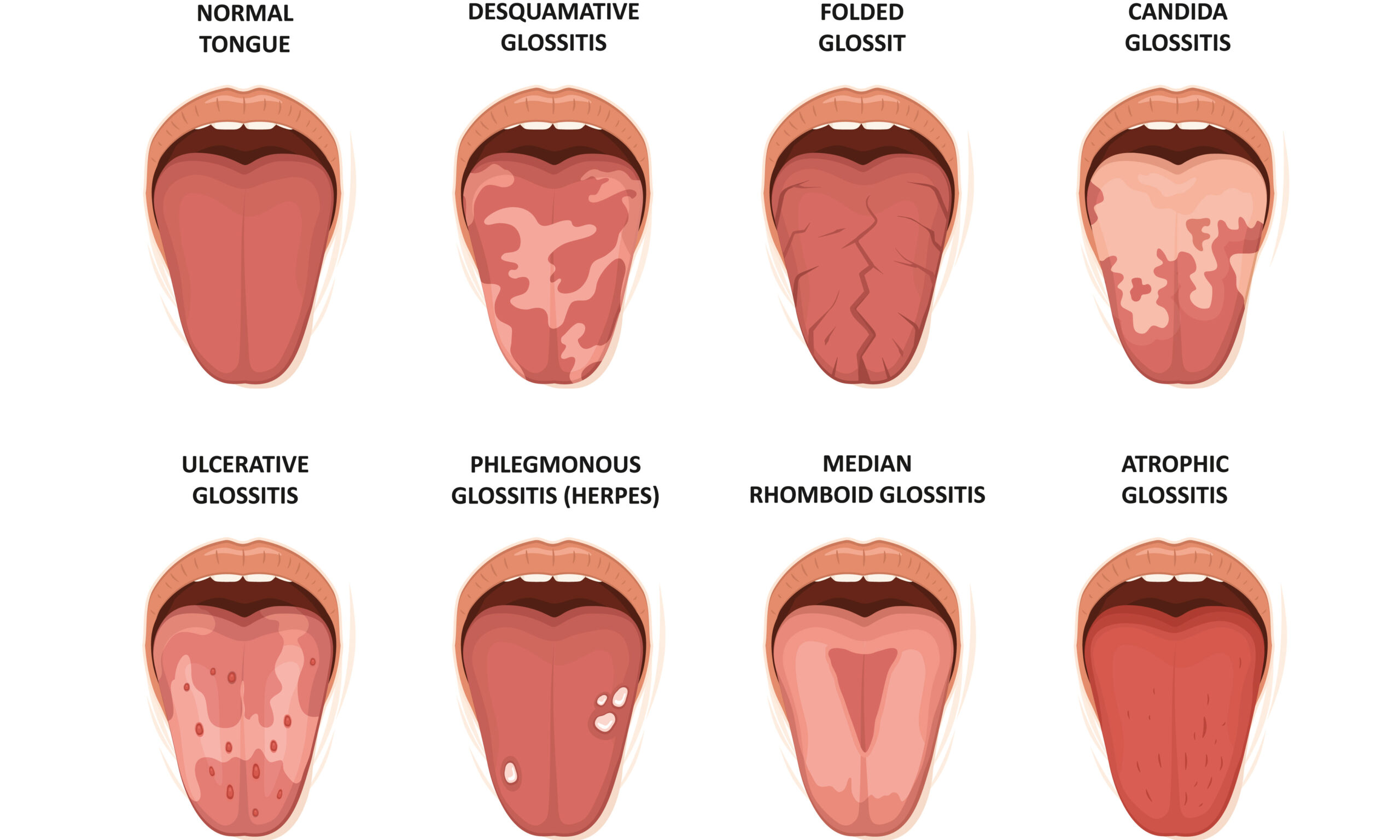
Do you know what your tongue looks like? Your tongue might be pink, but do you have cracks? What do the edges look like? Perhaps your tongue isn’t pink, but it’s red or purple. Most tongues have a coating, also referred to as moss or fur, that changes in color, texture and thickness.
All these tongue features, including the size and shape, are known in Traditional Chinese Medicine to reflect your health. Certain colors with specific shapes could reveal an underlying health issue that has yet to show symptoms, if at all.
When you get to know your tongue, you’ll learn more about your health and what the future holds for you. Grab a mirror and keep reading.
Traditional Chinese Medicine and the Tongue
A common phrase when visiting the doctor is “Open your mouth and say ahhhh” and then a popsicle stick gets placed on your tongue for the doctor to inspect. This is a valuable technique that has been part of medical practice since the early days of Traditional Chinese Medicine (TMC.)
There are four diagnostic processes that practitioners of TMC use to diagnose a patient’s health concern. The initial chosen diagnostic process is always the Inspection process. One of the first steps, if not the first, of the inspection process is inspecting the tongue.
During an inspection, specific tongue features and combinations of features are looked for that can indicate certain illnesses or health problems and conditions. Considered features are the shape, size, color, texture, wetness, cracks and teeth marks. A healthy tongue is an ellipse in shape, fits behind the teeth, is pink/red in color with a thin white coating and is wet.
Certain tongue shapes, aside from the normal ellipse, have been repeatedly present in different health conditions.
For example, an obtuse triangular tongue is found in patients with hyperthyroidism, a round-shaped tongue is seen in patients with gastritis, and a square tongue is seen in patients with coronary heart disease.
When evaluating the tongue, a grey-white tongue coating or moss that accompanies an unpleasant smell could be a sign of intra-oral halitosis.
A fat red tongue with yellow-white greasy moss could indicate primary insomnia. Patients diagnosed with diabetes mellitus have a tongue with a thick yellow coating. Cancer patients have a purple tongue and greasy moss.
TMC is recognized for dividing the visible body into sections and correlating that section to an internal part of the body. The tongue is divided into five sections. The far back section is connected to the kidney, the left and the right sides are connected to the liver and gallbladder.
The tip of the tongue is connected to the lung and heart, while the center is connected to the spleen and stomach. Professionals use this to understand the condition of organs and body fluids. They can also determine the degree and progression of diseases this way.
Inspecting your tongue can easily become a part of your daily routine if it isn’t already. A white tongue moss is normal, but if you notice a thick yellow, that could indicate something.
A greasy tongue texture and deep cracks are also indicators. Along with inspecting your tongue, taking preventative measures by incorporating a healthy cleaning routine is essential.
🗺️ Your tongue is a map of hidden disease, and the full list of what each section reveals about your organs is right here. 👉 The Tongue Disease Map
The Plant That ‘Melts’ Bad Breath in 10 Minutes
I used to think brushing, flossing, and rinsing were enough.
But the truth? If you wake up with morning breath, deal with dry mouth during the day, or get that white or yellow fuzz on your tongue… something deeper might be going on.
That “fuzz” is a biofilm — a layer of bacteria, toxins, and even fungal overgrowth that hides on your tongue and gums. And most store-bought products don’t eliminate it. They just mask the smell.
But there’s a plant — not mint, not cinnamon — that when you hold it directly on your tongue for 10 minutes, it starts breaking down the real cause of mouth bacteria and odor.
It’s one of the oldest oral remedies known in folk medicine. And it doesn’t just freshen your breath — it clears the toxic gunk traveling from your mouth to your gut, brain, and even heart.
That remedy — and over 250 others — are inside The Forgotten Home Apothecary. This book teaches you exactly which plants to use, for which problems, and how — safely, powerfully, and fast.
No guesswork. No TikTok nonsense. Just real, plant-based medicine.
And use it before the problem spreads deeper than your mouth.
How to Keep a Healthy Tongue
An unhealthy tongue is a breeding ground for harmful bacteria. The key to a healthy tongue is to keep it clean. You should also avoid piercing your tongue, or remove the piercing if you have one; that hole is home to many periodontopathogenic bacteria. To clean your tongue, you can brush it with your toothbrush, use a scraping tool to scrape it, or you can use a mouthwash.
A technique proven to lower bacteria levels in the mouth is oil pulling. Oil pulling involves swishing coconut oil between your teeth for 15-30 minutes. Coconut oil is a carrier oil, meaning it binds to molecules that other oils can’t.
While the oil is swishing around the mouth, it collects all the bacteria it can in the amount of time you allow. Using rosemary-infused coconut oil enhances the antibacterial benefits and adds a pleasant taste and smell.
It’s recommended to rinse your mouth after an oil pull to prevent leftover oils from going rancid and promoting bacterial growth. Rinsing with water is fine, but the tea tree oil peppermint rinse acts as a mouthwash by killing odor-causing pathogens and bacteria.
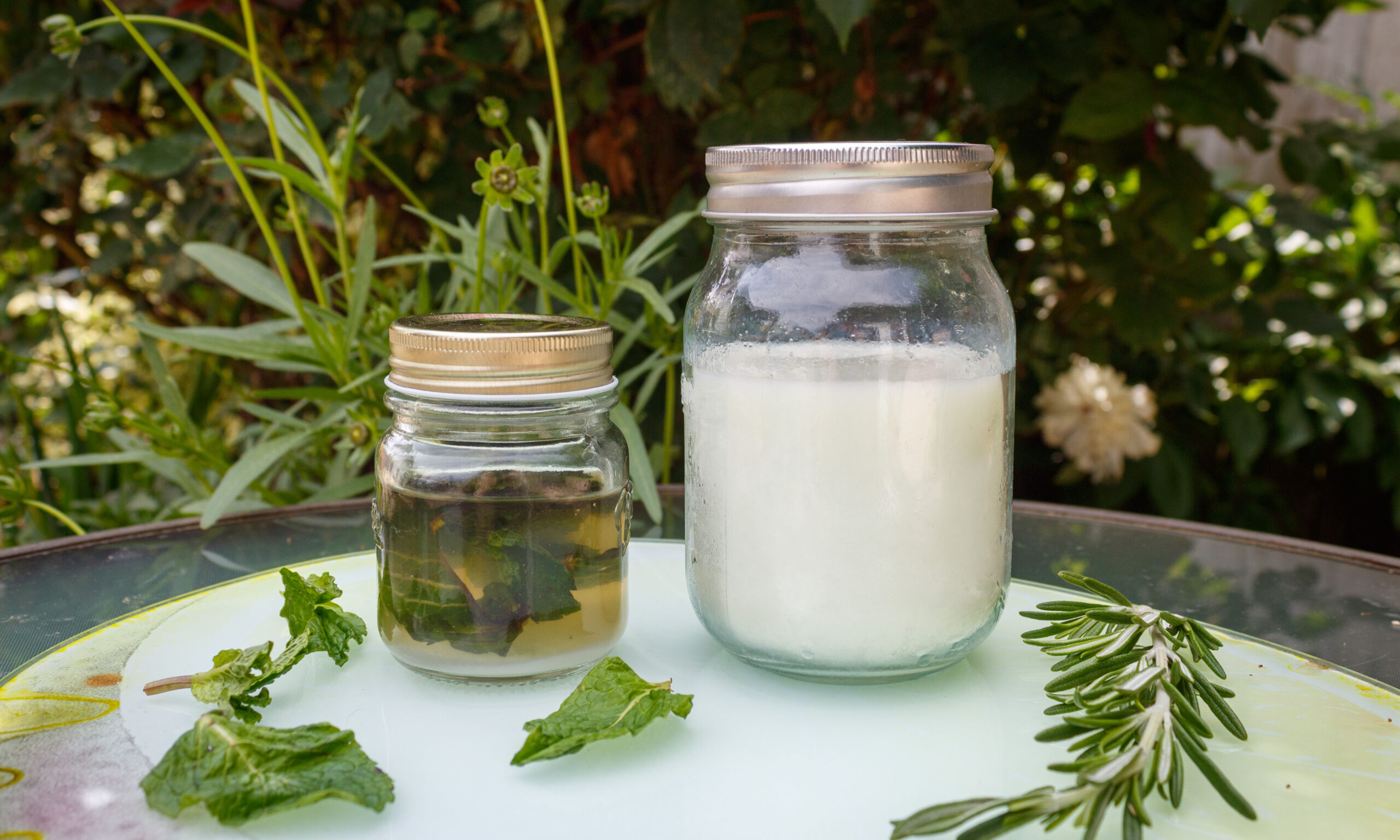
This recipe makes both rosemary-infused coconut oil for oil pulling and a tea tree oil peppermint mouth rinse. The rosemary-infused coconut oil can be used up to twice daily for oil pulling, and the tea tree oil peppermint mouth rinse can be used up to twice a day.
Do not swallow either of these recipes; always spit out the solution after the suggested amount of time. It’s not recommended for children; they might not be able to swish properly, and they could choke.
When it comes time to make rosemary-infused coconut oil, you will need a canning jar, a medium-sized pot, and a trivet. To make the tea tree oil peppermint mouthwash, you will need another canning jar.
But before you start swishing and rinsing… Did you know there’s a plant so powerful, just placing it on your tongue can trigger a full-body reaction?
It’s not for the faint of heart — and definitely not something you want to try raw. But once it’s prepared the right way… the benefits are unbelievable.
Who on earth would willingly put stinging nettle on their tongue?
It burns. It stings. It’ll make your mouth tingle in ways you didn’t ask for.
But here’s the twist — if you know what you’re doing, holding nettle extract under your tongue can trigger a powerful nervous system response. Some use it to shut down histamine reactions fast. Others swear it clears brain fog in 15 minutes flat.
Still… you’d be crazy to try it raw.
That’s exactly why The Lost Remedies Academy exists. It teaches you how to take powerful plants like nettle — the kind that’ll sting the daylights out of you if used raw — and turn them into safe, targeted remedies for real health issues.
No burning. No guessing. No experimenting on yourself like a guinea pig.
Inside, you’ll learn exactly how to extract the compounds you want… and leave behind the parts that do more harm than good. Whether it’s to calm inflammation, clear brain fog, or even support your immune system, it’s all there — step by step, with videos, formulas, and expert guidance from one of the world’s best survival herbalists.
If you’re not ready to start boiling, extracting, and bottling your own remedies yet, I get it.
That’s why I always keep a small bottle of Stinging Nettle Tincture nearby. It’s the exact same plant, already prepped, extracted, and ready to work. No sting. No mess. Just 1–2 droppers under the tongue — and it starts working fast.
✔️ Calms histamines ✔️ Clears inflammation ✔️ Helps stabilize blood sugar ✔️ Even boosts focus when your brain feels slow and foggy
You don’t have to master herbalism to benefit from it. Just let this tincture do the heavy lifting.
Rosemary Oil Pull and Tea Tree Oil Peppermint Rinse Recipe
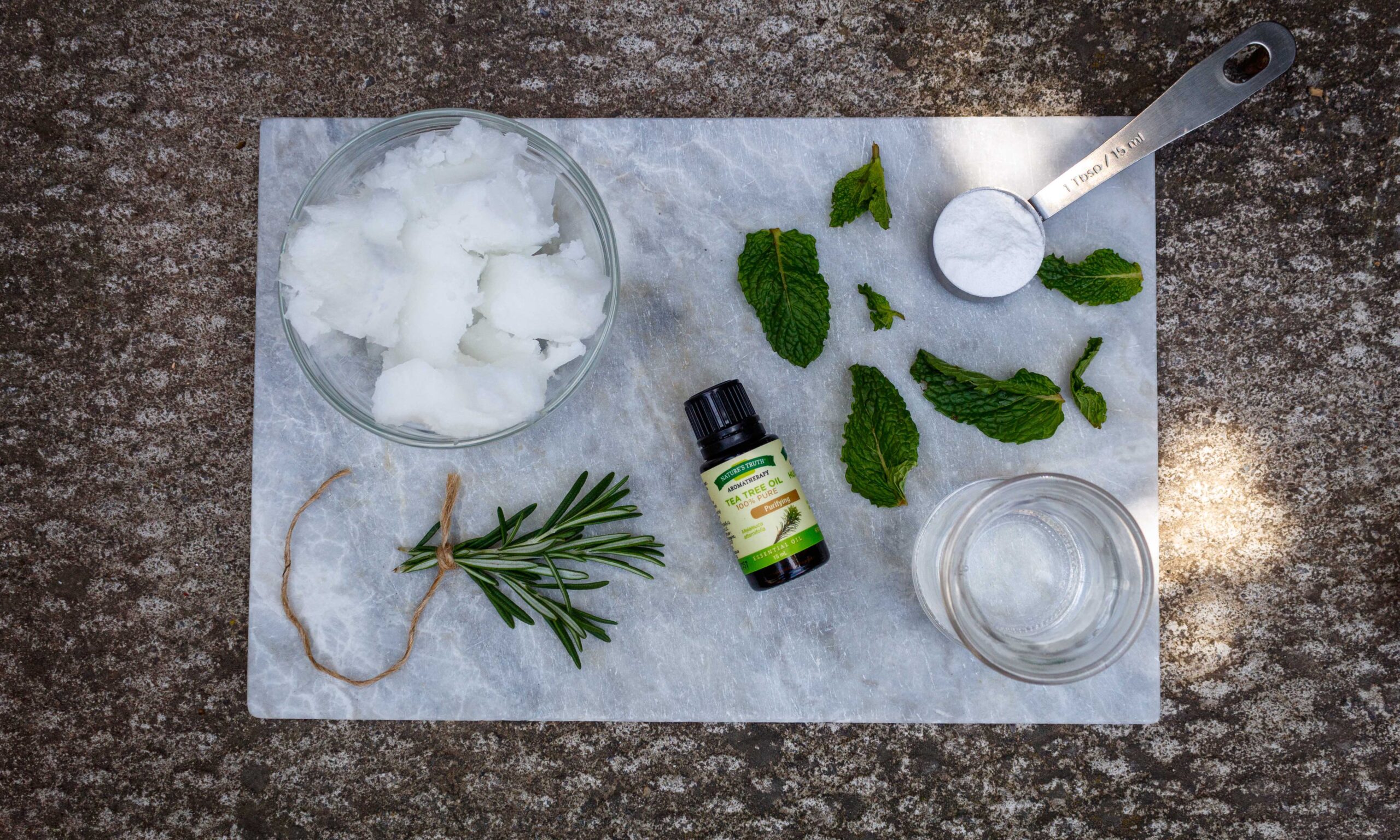
Ingredients:
3 1-2 inch Rosemary sprigs, tied in a bundle
1 cup of Coconut Oil
250ml of Distilled Water
8-9 Peppermint Leaves
2 teaspoons of Baking Soda
2 drops of Tea Tree Oil
Instructions:
Put the coconut oil and rosemary bundle into a 250-500ml mason/canning jar and put the lid on
Place a trivet in a medium pot, and put the jar with rosemary and coconut oil in the pot on the trivet
Fill the pot with water to the middle of the jar
Bring water to a light boil, turn the heat down to low and let simmer for 2-4 hours, remember to add water when the water level gets low
While the rosemary infuses, add the peppermint, baking soda, tea tree oil, and distilled water to a canning jar and shake thoroughly
When the rosemary has finished infusing, remove the bundle from the coconut oil
Remove the jar of rosemary-infused oil from the pot and set aside to cool
Use a mouthful of rosemary-infused coconut oil and pull for 15-30 minutes, shake the tea tree oil peppermint mouth rinse and rinse for up to 1 minute
🧪 Just cleaned your tongue? Good. But what about what’s hiding behind it?
Because that white moss, funky breath, and greasy coating? They’re often not a mouth problem… they’re a body problem. Gut imbalance, fungal overgrowth, low immunity, sluggish lymph — it all shows up right on your tongue.
And if you want to treat the real cause, not just scrub the symptoms, there’s only one guide I trust:
The Forgotten Home Apothecary by Dr. Nicole Apelian. It’s not just a book — it’s a toolkit of 250+ fast-acting, plant-based remedies organized by body system, including your oral microbiome and everything it connects to.
How to treat Folded Glossit on my tongue? I do have it since my childhood ,now I am 67 and wish to repear it. You have great knowledge, thank you for sharing.
We use cookies to ensure that we give you the best experience on our website. If you continue to use this site, we will assume that you are happy with it.
Functional Always active
The technical storage or access is strictly necessary for the legitimate purpose of enabling the use of a specific service explicitly requested by the subscriber or user, or for the sole purpose of carrying out the transmission of a communication over an electronic communications network.
Preferences
The technical storage or access is necessary for the legitimate purpose of storing preferences that are not requested by the subscriber or user.
Statistics
The technical storage or access that is used exclusively for statistical purposes.The technical storage or access that is used exclusively for anonymous statistical purposes. Without a subpoena, voluntary compliance on the part of your Internet Service Provider, or additional records from a third party, information stored or retrieved for this purpose alone cannot usually be used to identify you.
Marketing
The technical storage or access is required to create user profiles to send advertising, or to track the user on a website or across several websites for similar marketing purposes.






How to treat Folded Glossit on my tongue? I do have it since my childhood ,now I am 67 and wish to repear it.
You have great knowledge, thank you for sharing.