Pain is one of the oldest problems in human medicine. Long before pharmaceutical companies existed, before clinical trials were designed, before the word anti-inflammatory entered the medical vocabulary, people were reaching for plants. They were chewing willow bark for headaches. They were brewing ginger for joint aches. They were applying comfrey poultices to bruised limbs.
That knowledge did not disappear. It accumulated. Across thousands of years and dozens of separate medical traditions, herbalists developed a remarkably detailed understanding of which plants reduce pain, which reduce inflammation, and how to prepare and use them effectively. Modern biochemistry has now given us the tools to understand why those plants work at a molecular level, and the findings have largely vindicated the tradition.
This guide brings both together. For every herb covered here, you will find the traditional use, the active compounds responsible for the effect, the clinical research supporting it, appropriate preparation methods, dosage guidance, and safety considerations. This is not a collection of folklore. It is a working reference.
The National Center for Complementary and Integrative Health acknowledges that several botanical medicines have demonstrated meaningful efficacy for pain management in clinical settings and are increasingly integrated into evidence-based care plans. This guide draws on that body of research.
You can also watch a video if you do not want to go through the text but there is important information in the paragraphs below you should read if you want to use herbs for pain and inflammation.
Understanding Inflammation: What You Are Actually Treating
Before exploring individual herbs, it helps to understand what inflammation is and why treating it matters beyond simple pain relief.
Inflammation is the immune system’s first response to injury, infection, or cellular damage. In the acute phase, it is protective and necessary. Blood vessels dilate, immune cells flood the affected tissue, and the cascade of inflammatory signaling molecules, collectively called cytokines, orchestrates tissue repair. This is the redness, heat, swelling, and pain you feel after a sprain or a cut. It is your body working correctly.
Chronic inflammation is a different and more serious problem. When inflammatory signaling persists beyond the acute phase, either because the triggering condition was never resolved or because the immune system has become dysregulated, the inflammation itself begins to damage tissue. Chronic low-grade inflammation is now understood to be a contributing factor in arthritis, cardiovascular disease, type 2 diabetes, neurodegenerative diseases including Alzheimer’s, and several cancers.
The two primary biochemical pathways involved in inflammatory signaling are the COX pathway, which produces prostaglandins that sensitize pain receptors and drive fever, and the LOX pathway, which produces leukotrienes involved in immune cell recruitment. Most pharmaceutical anti-inflammatory drugs, including NSAIDs like ibuprofen and naproxen, work by blocking COX enzymes. Many of the herbs in this guide work through the same pathways, some through both COX and LOX simultaneously, which is why they are effective.
Research published in the Journal of Clinical Investigation documents the central role of COX and LOX pathway dysregulation in chronic inflammatory disease and highlights the therapeutic potential of compounds that modulate both pathways simultaneously.
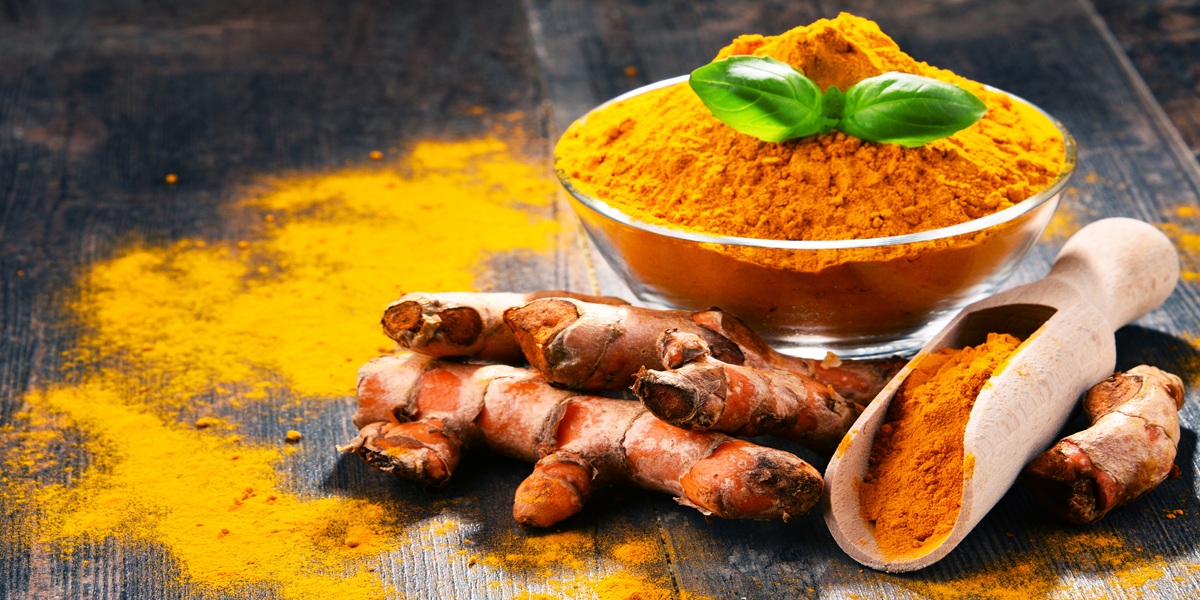
Turmeric (Curcuma longa)
Turmeric is the most studied anti-inflammatory herb in the scientific literature. More than ten thousand peer-reviewed studies have been published on its primary active compound, curcumin, covering mechanisms of action, clinical applications, and safety. For a plant used as both spice and medicine in South Asian traditions for over four thousand years, the scientific vindication is comprehensive.
The primary bioactive compounds in turmeric are curcuminoids, with curcumin accounting for roughly seventy to eighty percent of the curcuminoid content. Curcumin inhibits multiple inflammatory pathways simultaneously, including NF-kB, a master regulator of inflammatory gene expression, COX-2 enzyme activity, and inflammatory cytokine production including TNF-alpha, IL-1, and IL-6. This multi-pathway action is one reason curcumin research has generated interest beyond simple pain management, including applications in neurodegenerative and metabolic disease.
A meta-analysis published in the Journal of Medicinal Food reviewed randomized controlled trials on curcumin supplementation for arthritis and found statistically significant improvements in pain scores and physical function compared to placebo, with an effect size comparable to NSAIDs in several trials. A separate systematic review in the journal Nutrients examined curcumin’s effects on inflammatory markers and found consistent reductions in CRP, a primary biomarker of systemic inflammation, across multiple study populations.
The Arthritis Foundation formally lists turmeric among herbal supplements with meaningful evidence for arthritis pain relief, noting curcumin’s COX inhibitory effects as the established mechanism.
The Bioavailability Problem and How to Solve It
Curcumin in its raw form is poorly absorbed by the digestive system. This is the most important practical consideration for anyone using turmeric medicinally. Studies have shown that standard curcumin absorption is as low as one percent without enhancement strategies.
The solution has been embedded in South Asian cooking for millennia. Black pepper contains piperine, a compound that inhibits the enzymes responsible for curcumin metabolism in the gut and liver, increasing bioavailability by up to two thousand percent in human pharmacokinetic studies. Adding even a small amount of black pepper to turmeric preparations dramatically improves absorption. Fat also enhances absorption, which is why traditional preparations combine turmeric with ghee or coconut oil.
Golden milk: Combine one teaspoon of turmeric powder with a pinch of black pepper and a small amount of fat, such as coconut oil or whole milk, in warm milk of your choice. Sweeten with honey if desired. Drink daily as a maintenance anti-inflammatory.
Tincture: A 1:5 tincture in sixty percent ethanol delivers curcuminoids with better consistency than powder preparations. Standard adult dose is two to four milliliters three times daily.
Capsules: Look for preparations containing piperine or phosphatidylcholine-bound curcumin for enhanced bioavailability. Standard therapeutic dosing in clinical trials ranges from 500 to 1,500 milligrams of curcumin daily.
Culinary use: Daily incorporation into cooking with black pepper and fat provides meaningful ongoing anti-inflammatory support at lower doses.
Safety and Precautions
Turmeric is well tolerated at culinary doses. At high supplemental doses, it may interact with blood-thinning medications including warfarin and increase the risk of bleeding. It should be used with caution in people with gallbladder disease, as it stimulates bile production. Avoid therapeutic doses during pregnancy without medical supervision.
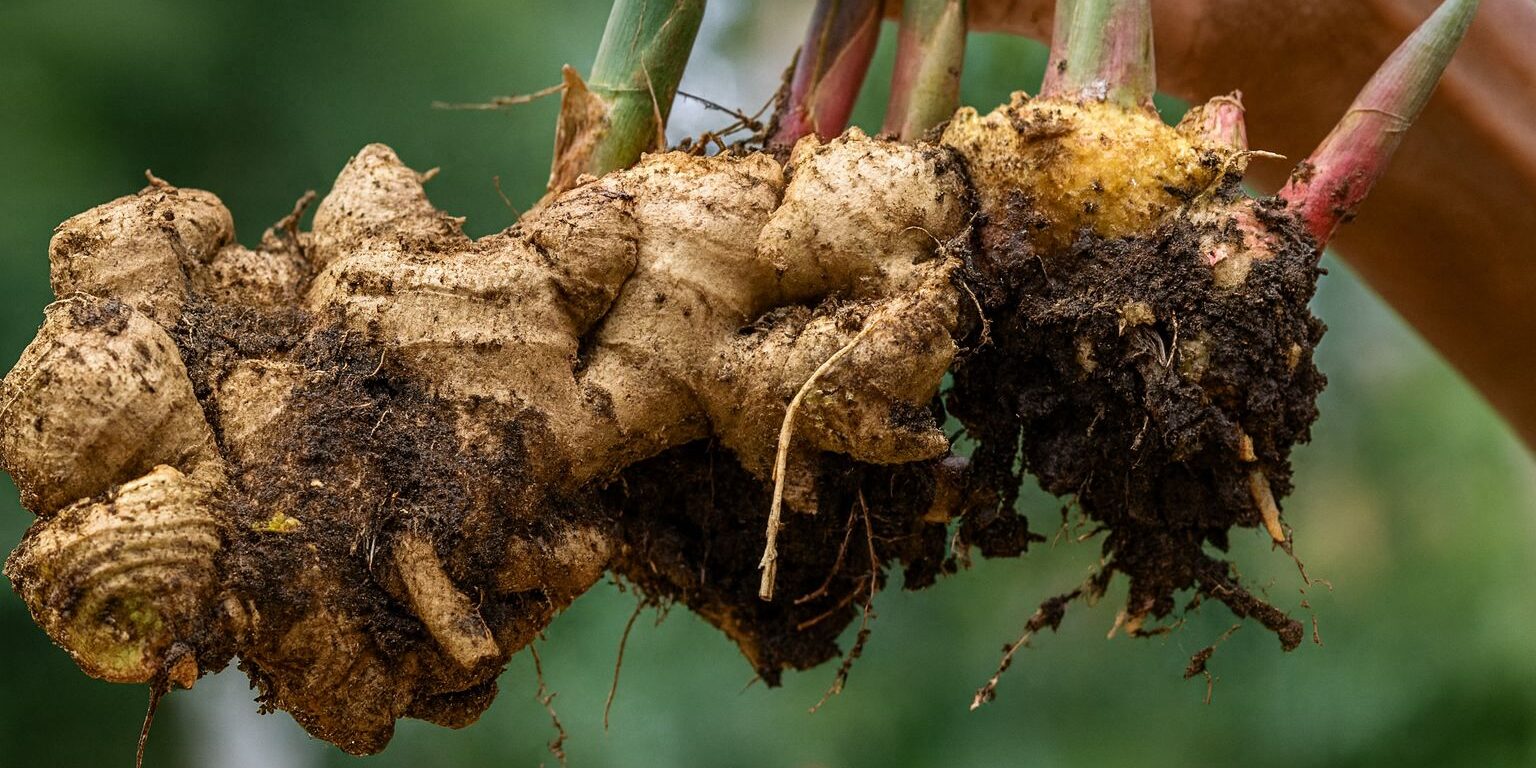
Ginger (Zingiber officinale)
Ginger is simultaneously one of the most widely used culinary spices on earth and one of the most evidence-backed anti-inflammatory herbs in botanical medicine. It has been used medicinally in Ayurvedic, traditional Chinese, and Arabic medical traditions for over two thousand years, primarily for pain, nausea, digestive complaints, and inflammatory conditions.
Active Compounds
Fresh ginger contains gingerols as the primary bioactive compounds. When dried or cooked, gingerols convert to shogaols, which are more potent anti-inflammatory agents. Both compound classes inhibit COX and LOX enzymes, making ginger one of the few herbs that blocks both major inflammatory pathways. Ginger also inhibits the synthesis of prostaglandins and leukotrienes through mechanisms distinct from its COX and LOX activity, giving it a broader anti-inflammatory profile than many pharmaceutical NSAIDs.
A randomized, double-blind, placebo-controlled trial published in Arthritis and Rheumatism found that ginger extract produced statistically significant reductions in knee pain and disability in patients with osteoarthritis compared to placebo, with a superior safety profile to ibuprofen. A systematic review in Phytotherapy Research examined multiple trials on ginger for muscle pain and delayed-onset muscle soreness, finding consistent reductions in pain intensity and inflammatory markers following supplementation.
Research from the University of Georgia found that daily ginger supplementation reduced exercise-induced muscle pain by twenty-five percent, a clinically meaningful result with implications for anyone managing chronic musculoskeletal pain.
How to Use Ginger for Pain and Inflammation
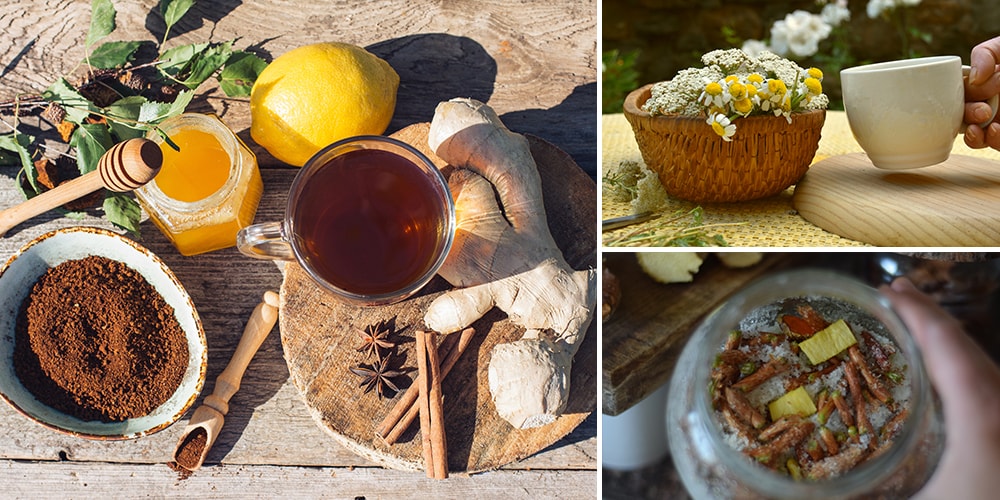
Fresh root tea: Slice one to two inches of fresh ginger root and steep in boiling water for ten to fifteen minutes. This extracts gingerols most effectively. Drink two to three cups daily for inflammatory conditions.
Ginger tincture: A 1:5 tincture in sixty percent ethanol provides standardized dosing. Two to three milliliters three times daily is the standard therapeutic range.
Topical application: Ginger-infused oil applied to painful joints provides localized anti-inflammatory effects through transdermal absorption of gingerols. Warm the oil slightly before application and massage into the affected area.
Capsules: Look for preparations standardized to five percent gingerols. Clinical trials have typically used doses of 250 to 500 milligrams two to four times daily.
Safety and Precautions
Ginger is exceptionally well tolerated. At high doses it may cause mild digestive discomfort. Like turmeric, it has mild antiplatelet effects and should be used cautiously by people on blood-thinning medications. It is generally considered safe during pregnancy at culinary doses and is widely used for pregnancy-related nausea, but therapeutic supplemental doses should be discussed with a healthcare provider.
Willow Bark (Salix alba and related species)
Willow bark is botanical medicine’s oldest documented pain reliever, with written records of its use stretching back to ancient Egyptian medical papyri, Greek physicians including Hippocrates, and traditional Chinese medicine texts. The pharmaceutical industry acknowledged this lineage directly when chemists at Bayer synthesized aspirin in 1897 using salicin, the active compound in willow bark, as the chemical template.
Active Compounds
Willow bark contains salicin, a prodrug that the body converts to salicylic acid following ingestion. Salicylic acid inhibits COX enzymes and reduces prostaglandin synthesis, directly mirroring the mechanism of aspirin. Willow bark also contains flavonoids and polyphenols including catechins and quercetin that provide additional anti-inflammatory activity through mechanisms independent of salicin conversion. This combination of active compounds is believed to account for clinical observations that willow bark, used at doses providing equivalent salicin to lower aspirin doses, produces comparable analgesia with fewer gastrointestinal side effects.
What the Research Shows
A randomized trial published in the American Journal of Medicine compared willow bark extract to a standard NSAID in patients with hip and knee osteoarthritis. Patients receiving willow bark showed statistically significant pain reduction that was comparable to the NSAID group, with a lower incidence of adverse gastrointestinal events. A separate European clinical trial on willow bark extract for lower back pain found it superior to placebo by a significant margin and comparable to rofecoxib in pain reduction scores.
A systematic review published in Phytotherapy Research examining multiple trials concluded that willow bark extract demonstrates clinically relevant analgesic efficacy for acute and chronic musculoskeletal pain with a favorable safety profile relative to pharmaceutical NSAIDs.
How to Use Willow Bark
Decoction: Willow bark requires a longer extraction than leaf or flower herbs. Simmer one to two teaspoons of dried bark in two cups of water for fifteen to twenty minutes, then steep an additional twenty minutes before straining. Drink two to three cups daily for pain management.
Tincture: A 1:5 tincture in sixty percent ethanol is the most convenient preparation. Standard adult dose is three to five milliliters three times daily.
Standardized extract capsules: Look for preparations standardized to fifteen percent salicin content. Clinical trials have typically used total daily doses providing 240 milligrams of salicin.
Safety and Precautions
Individuals with aspirin sensitivity or salicylate intolerance should avoid willow bark. It carries the same contraindications as aspirin in terms of antiplatelet effects and should not be combined with blood-thinning medications without medical supervision. It is not appropriate for children under sixteen due to the risk of Reye’s syndrome associated with salicylates. Avoid during pregnancy.
Boswellia (Boswellia serrata)
Boswellia, also known as Indian frankincense, is one of the most impressive anti-inflammatory herbs in clinical research for a specific reason that sets it apart from most other options in this guide. While the majority of anti-inflammatory herbs primarily inhibit COX enzymes, boswellia works predominantly through the LOX pathway, inhibiting the enzyme 5-lipoxygenase and thereby blocking leukotriene production. This different mechanism of action makes it particularly valuable for conditions where LOX-pathway inflammation is dominant, and makes it an excellent complement to COX-inhibiting herbs.
Active Compounds
The primary active compounds are boswellic acids, particularly acetyl-keto-boswellic acid, commonly abbreviated as AKBA, which is the most potent 5-LOX inhibitor in the boswellic acid family. Boswellic acids also appear to inhibit NF-kB activation, reduce cartilage-degrading enzyme activity, and improve blood supply to joint tissues. The combination of these effects makes boswellia particularly relevant for arthritis and inflammatory bowel conditions.
What the Research Shows
A double-blind, placebo-controlled trial published in Phytomedicine found that standardized boswellia extract significantly reduced knee pain, improved knee flexion, and increased walking distance in patients with osteoarthritis over an eight-week period, with benefits becoming apparent within one week of beginning treatment. A systematic review in PLOS ONE examining multiple randomized trials concluded that boswellia extract is superior to placebo for osteoarthritis outcomes across pain, function, and stiffness measures.
Research published in the Indian Journal of Pharmacology demonstrated that AKBA from boswellia produced superior anti-inflammatory effects to traditional NSAIDs in an experimental model by simultaneously inhibiting both LOX and COX pathways at higher concentrations, representing a broader anti-inflammatory profile than single-pathway pharmaceutical agents.
How to Use Boswellia
Standardized extract: Boswellia is most reliably used as a standardized extract containing a minimum of thirty percent boswellic acids. Clinical trials have used doses of 100 to 400 milligrams three times daily. Look for preparations that specify AKBA content, as this is the most active compound.
Resin decoction: Traditional preparations use the resin directly in decoctions. Simmer a small piece of boswellia resin in water for fifteen minutes and drink the strained liquid. This is less precise in dosing than standardized extracts but maintains the full spectrum of boswellic acids.
Topical preparations: Boswellia-infused oils and creams applied to joints provide local anti-inflammatory effects. Several commercial preparations exist. You can also infuse dried resin into a carrier oil over several weeks for a home preparation.
Safety and Precautions
Boswellia has an excellent safety profile in clinical trials. The most commonly reported side effects are mild digestive discomfort at high doses. It may interact with anticoagulants and should be used with caution alongside blood-thinning medications. There is limited safety data for pregnancy and breastfeeding, so it is best avoided in those populations without medical guidance.
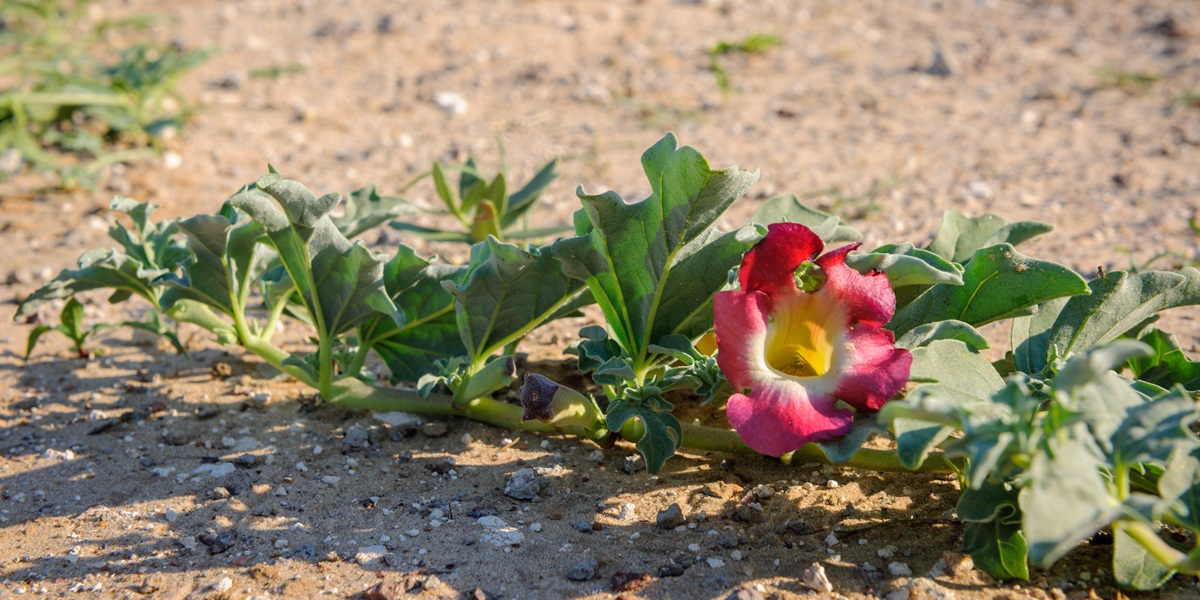
Devil’s Claw (Harpagophytum procumbens)
Devil’s claw is a medicinal root from the Kalahari Desert of southern Africa with a well-established traditional use among indigenous San and Khoi peoples for pain, arthritis, and digestive complaints. It entered European herbal medicine in the early twentieth century and has since accumulated a substantial clinical evidence base, particularly for back pain and arthritis.
Active Compounds
The primary active compounds are iridoid glycosides, with harpagoside being the most studied. Harpagoside inhibits COX-2 and LOX enzymes, suppresses NF-kB activation, and reduces production of inflammatory cytokines including TNF-alpha and IL-1beta. The herb also appears to have analgesic effects through mechanisms that go beyond its anti-inflammatory activity, suggesting direct modulation of pain receptor signaling as an additional pathway.
What the Research Shows
Devil’s claw has been the subject of rigorous clinical evaluation particularly for musculoskeletal pain. A Cochrane systematic review on herbal medicine for low back pain found devil’s claw among the herbs with the strongest evidence for efficacy, with two well-designed trials showing significantly greater pain reduction than placebo. A separate randomized trial published in Phytomedicine found devil’s claw extract comparable to a prescription NSAID for treating acute exacerbations of chronic low back pain, with fewer adverse events.
The European Medicines Agency has granted traditional use registration to devil’s claw root preparations for the relief of minor joint pain and temporary relief of low back pain, representing official regulatory recognition of its efficacy.
How to Use Devil’s Claw
Decoction: Simmer two to three grams of dried devil’s claw root in two cups of water for fifteen minutes. Strain and drink twice daily. Devil’s claw requires hot-water extraction to release harpagoside effectively.
Standardized extract: Preparations standardized to two percent harpagoside are the most reliable form. Clinical trials have used doses of 600 to 2,400 milligrams of extract daily, typically divided into two or three doses.
Tincture: A 1:5 tincture in twenty-five percent ethanol preserves iridoid glycosides well. Two to four milliliters three times daily is the standard therapeutic range.
Safety and Precautions
Devil’s claw is generally well tolerated. It should be avoided by people with peptic ulcers or gastritis, as iridoid glycosides stimulate stomach acid secretion. It has demonstrated anticoagulant effects and should not be combined with blood-thinning medications. Avoid during pregnancy, as it may stimulate uterine contractions.
Additional Herbs with Strong Evidence for Pain and Inflammation
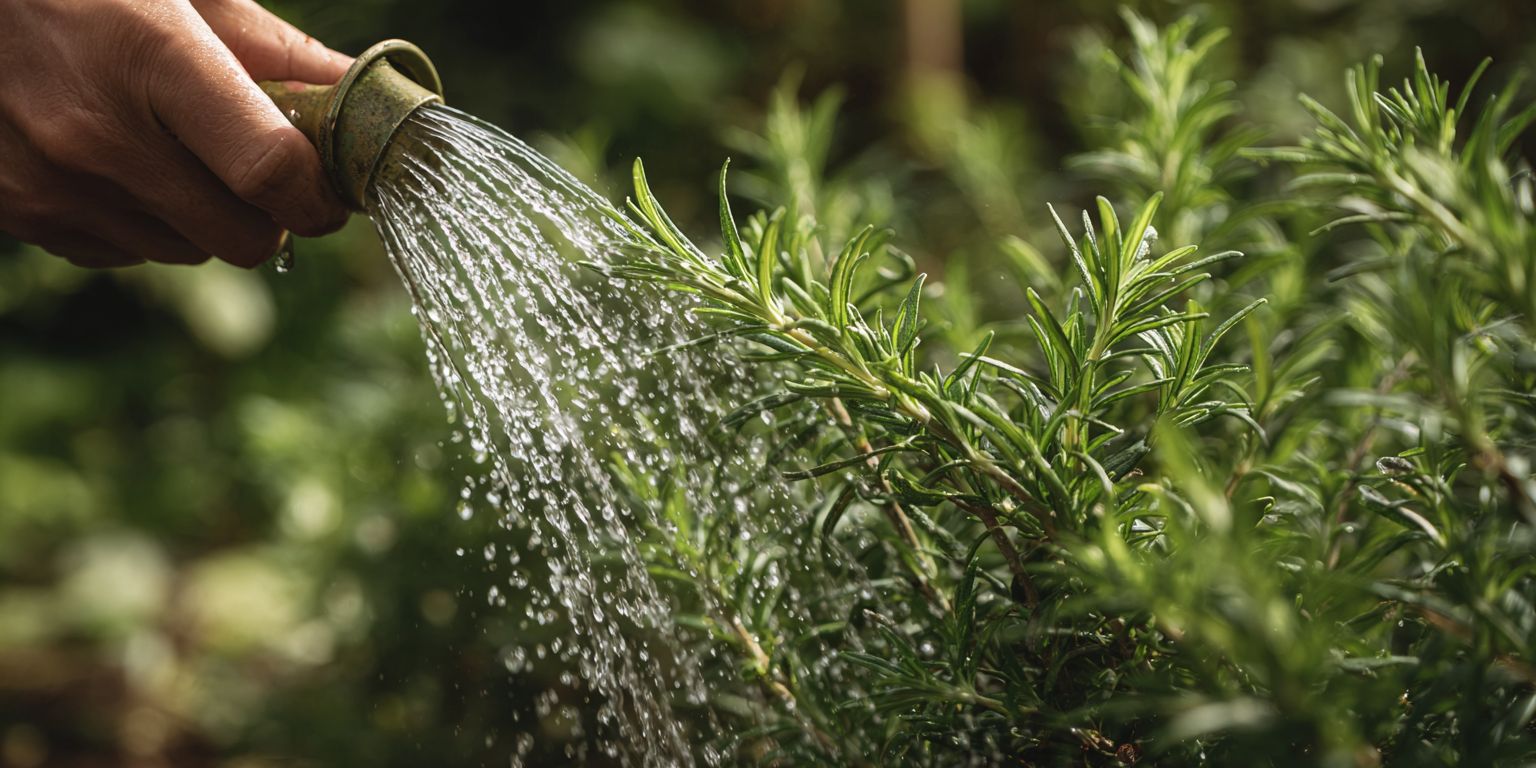
Rosemary (Salvia rosmarinus)
Rosemary contains rosmarinic acid and carnosic acid, both potent antioxidants with meaningful anti-inflammatory activity. Rosmarinic acid has demonstrated inhibition of COX enzymes and complement activation in laboratory studies. Rosemary’s accessibility as a culinary herb makes it one of the most practical daily anti-inflammatory additions available. It can be used fresh in cooking, as a tea brewed from fresh or dried leaves, or as a topical infused oil for joint and muscle pain. A clinical study published in the Journal of Medicinal Food found that rosemary extract reduced pain and disability scores in patients with knee osteoarthritis after six weeks of supplementation.
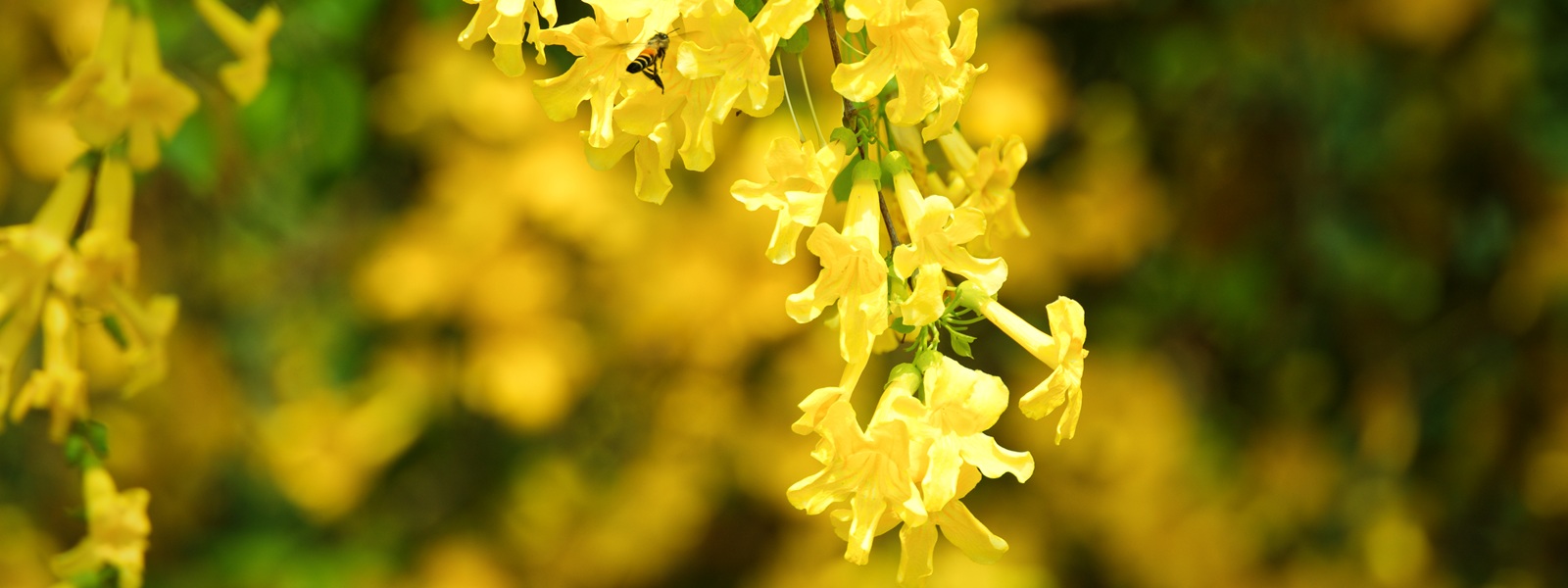
Cat’s Claw (Uncaria tomentosa)
Cat’s claw is a woody vine from the Amazon rainforest used for centuries in Peruvian traditional medicine for inflammatory conditions, arthritis, and immune support. Its active alkaloids, particularly pentacyclic oxindole alkaloids, inhibit NF-kB, TNF-alpha, and COX-2 through mechanisms that have been characterized in multiple laboratory and clinical studies. A randomized trial in Inflammation Research found that cat’s claw extract reduced knee pain by over fifty percent in patients with osteoarthritis over four weeks. It is also one of the most studied herbs for rheumatoid arthritis, where its immune-modulating properties may address the autoimmune component of the disease alongside the inflammatory symptoms.
Research published in Phytomedicine found that cat’s claw alkaloids inhibited TNF-alpha production by up to sixty-five percent in stimulated immune cells, a level of cytokine suppression relevant to both pain management and chronic inflammatory disease.
Cloves (Syzygium aromaticum)
Cloves contain eugenol, one of the most potent naturally occurring COX inhibitors identified in plant-based compounds. Eugenol has been studied extensively in dental pain research, where clove oil has long been used as a topical analgesic, and its systemic anti-inflammatory effects are well documented. The eugenol content in cloves is high enough that culinary use provides meaningful anti-inflammatory activity. Clove tea, a few whole cloves steeped in hot water, provides a simple preparation. Clove-infused oil is an effective topical analgesic for localized joint or muscle pain.
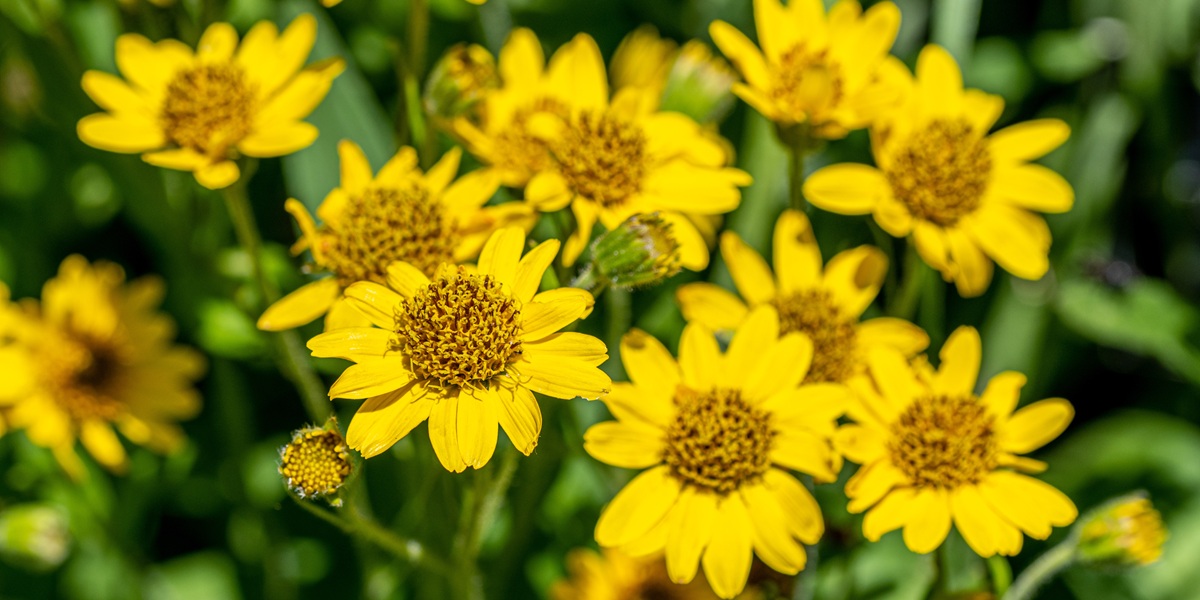
Arnica (Arnica montana)
Arnica is among the most widely used topical anti-inflammatory herbs in European herbal medicine, with a specific clinical evidence base for bruising, muscle soreness, and joint pain. Its sesquiterpene lactones, particularly helenalin, inhibit NF-kB and reduce inflammatory signaling in tissue. A systematic review in Complementary Medicine Research examined multiple trials on topical arnica preparations and found consistent evidence for reduction in pain, swelling, and bruising compared to placebo. Arnica is used externally only, as internal use of the raw plant at therapeutic doses is toxic. Homeopathic preparations taken internally are diluted beyond detectable arnica content and are not equivalent to herbal preparations.
Adaptogens and Chronic Pain: The Cortisol Connection
Chronic pain and chronic inflammation share a common biochemical link with chronic stress through the cortisol axis. Elevated cortisol from prolonged stress suppresses the immune system in ways that paradoxically increase chronic low-grade inflammation while impairing the acute immune responses needed to resolve injury. This bidirectional relationship between stress, cortisol, and pain is increasingly recognized in pain medicine research.
Several adaptogenic herbs address this connection by regulating the hypothalamic-pituitary-adrenal axis, thereby reducing cortisol output under chronic stress and breaking the cycle of stress-driven inflammatory escalation.
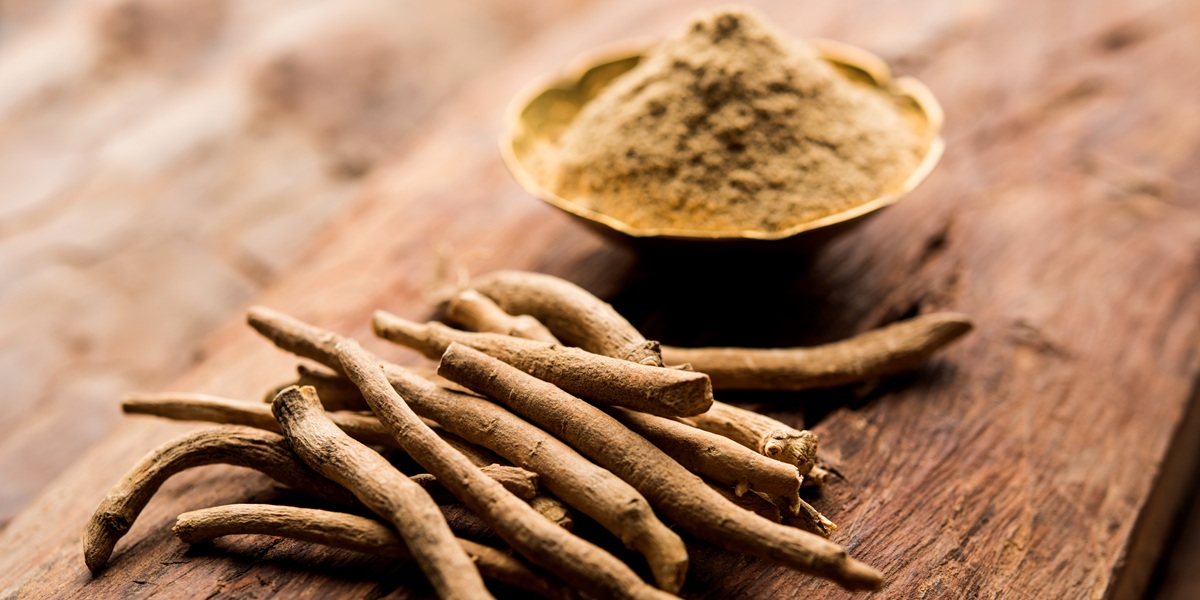
Ashwagandha (Withania somnifera)
Ashwagandha is the most studied adaptogen for pain and inflammation, with dual activity as a cortisol regulator and direct anti-inflammatory agent. Its withanolides inhibit NF-kB and reduce CRP levels in clinical studies. A randomized controlled trial published in the Journal of the International Society of Sports Nutrition found that ashwagandha supplementation significantly reduced muscle damage markers, perceived pain, and recovery time after resistance exercise. A separate trial in patients with knee joint pain found statistically significant improvements in pain, stiffness, and physical function after eight weeks. Standard dosing in clinical trials uses 300 to 600 milligrams of a KSM-66 or Sensoril standardized extract daily.
The Indian Journal of Medical Research published a double-blind trial demonstrating that ashwagandha root extract produced significant improvements in pain and function in patients with knee osteoarthritis, with a safety profile comparable to placebo.
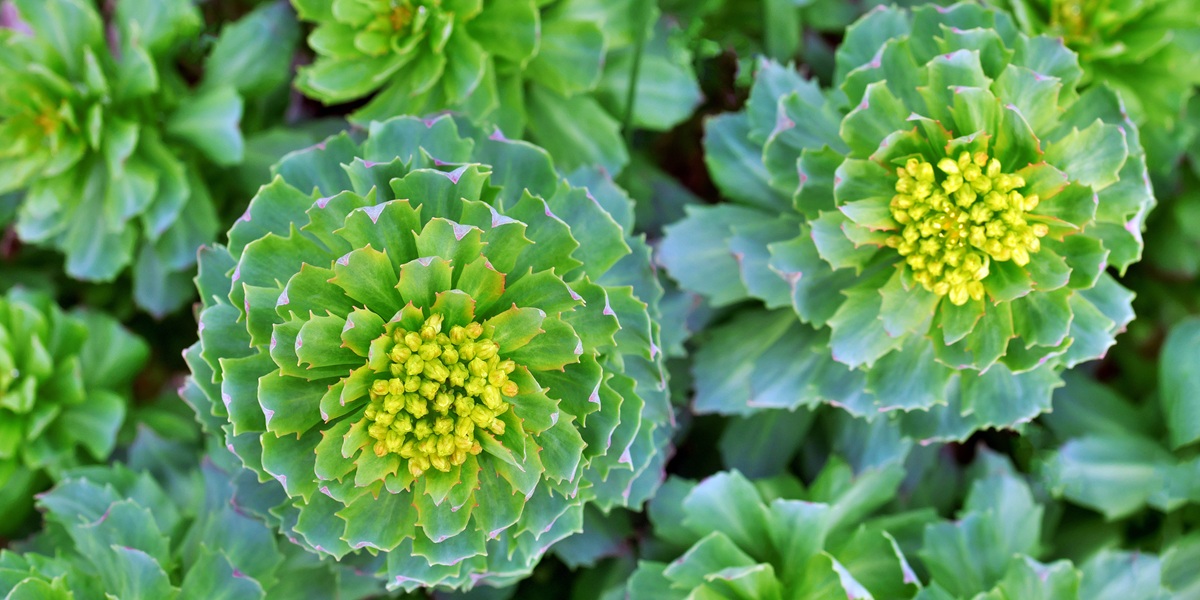
Rhodiola (Rhodiola rosea)
Rhodiola reduces cortisol output and modulates inflammatory cytokine production through adaptogenic effects on the HPA axis. While not a primary analgesic, its role in chronic pain management lies in interrupting the stress-inflammation cycle that perpetuates many chronic pain conditions. Clinical trials have documented reduced inflammatory biomarkers and improved pain tolerance in patients with fibromyalgia and chronic fatigue syndrome. Standard dosing uses extracts standardized to three percent rosavins and one percent salidroside, typically 200 to 400 milligrams daily.
Topical Herbal Preparations for Localized Pain
Not all herbal pain management needs to work systemically. Several herbs provide clinically meaningful pain relief when applied directly to affected joints or muscles, bypassing digestive absorption and delivering active compounds directly to the target tissue.
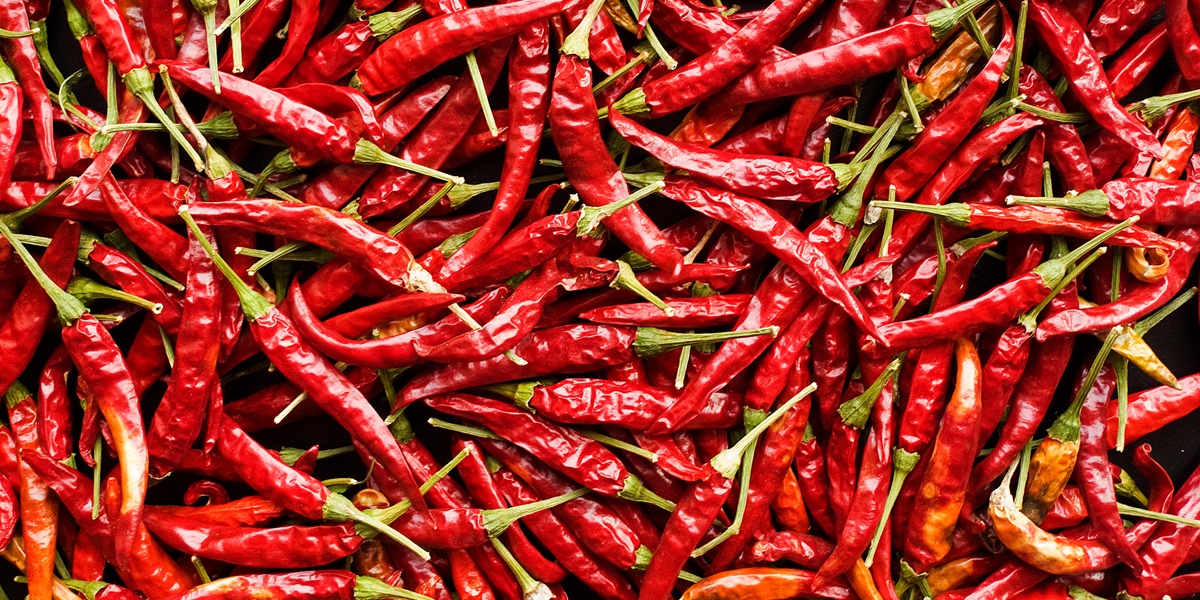
Cayenne and Capsaicin
Capsaicin, the primary pungent compound in hot peppers, is one of the most evidence-backed topical analgesics in both pharmaceutical and herbal medicine. It works by depleting substance P, a neuropeptide responsible for transmitting pain signals between peripheral nerves and the spinal cord. With repeated application, local substance P stores are exhausted and pain signaling in that nerve path is substantially reduced. This is the mechanism behind pharmaceutical capsaicin patches, which are approved for several chronic pain conditions. A cayenne-infused oil or topical cream applied regularly to arthritic joints, neuropathic pain sites, or muscle pain areas produces the same effect at a fraction of the cost. Initial applications may cause a warming or mild burning sensation as substance P is released. This diminishes with regular use.
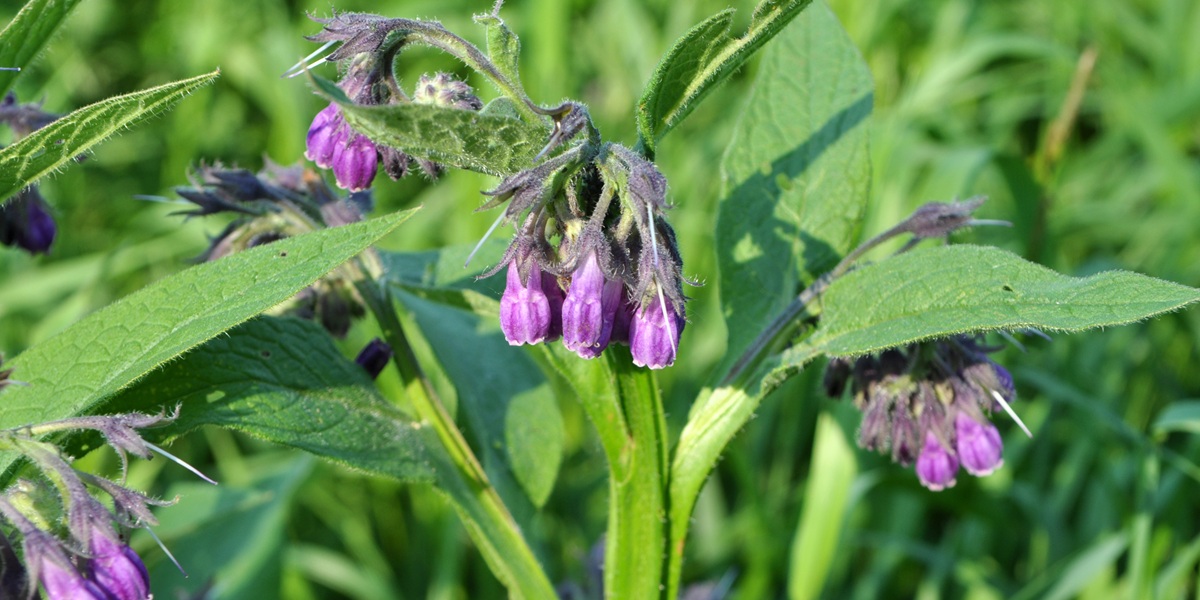
Comfrey (Symphytum officinale)
Comfrey root contains allantoin, a compound that promotes cell proliferation and tissue regeneration, and rosmarinic acid, which reduces inflammation in damaged tissue. A randomized controlled trial published in Phytomedicine found that topical comfrey root extract significantly reduced pain, swelling, and bruising in patients with ankle sprains compared to a diclofenac gel, which is a pharmaceutical topical NSAID. A separate trial showed equivalent results for osteoarthritis knee pain. Comfrey is used externally only. Internal consumption is not recommended due to pyrrolizidine alkaloids that are toxic to the liver at therapeutic internal doses.
A clinical trial published in Phytotherapy Research found comfrey root extract superior to placebo for pain and function in knee osteoarthritis, with statistically significant improvements in all outcome measures at four weeks.
Building Your Personal Herbal Pain and Inflammation Protocol
The herbs in this guide are not mutually exclusive. Because many of them work through different biochemical pathways, combining them thoughtfully produces synergistic effects that are often more powerful than any single herb used in isolation. The following framework helps match herb selection to specific pain and inflammation presentations.
For Osteoarthritis and Joint Pain
The most evidence-supported combination for osteoarthritis is turmeric with black pepper plus boswellia. These two herbs inhibit both COX and LOX pathways while boswellia specifically addresses leukotriene-driven cartilage degradation. Add devil’s claw for lower back involvement. Apply capsaicin or comfrey topically to affected joints alongside systemic supplementation.
For Acute Muscle Pain and Injury
Ginger is the most evidence-backed herb for muscle pain and delayed-onset soreness. Take it as a tea or tincture within the first twenty-four hours of injury. Topical arnica addresses bruising and swelling effectively in the acute phase. Willow bark provides analgesic relief comparable to low-dose NSAIDs without the gastrointestinal risk associated with prolonged NSAID use.
For Chronic Inflammatory Conditions
Chronic conditions including rheumatoid arthritis, fibromyalgia, and systemic inflammatory disease require sustained anti-inflammatory support rather than acute intervention. A daily protocol combining turmeric, ginger, and ashwagandha addresses both the inflammatory pathways and the cortisol-driven stress component of chronic pain. Cat’s claw provides additional cytokine suppression for autoimmune inflammatory conditions. Consistency over months, not days, is the appropriate timeframe for evaluating outcomes with chronic conditions.
For Neuropathic Pain
Neuropathic pain, including nerve pain from diabetes, shingles, or nerve compression, responds differently to anti-inflammatory herbs because the pain mechanism is neurological rather than purely inflammatory. Capsaicin topical application is the most evidence-backed herbal option for peripheral neuropathic pain through substance P depletion. Ashwagandha has shown neuroprotective effects in preliminary research. Turmeric’s neuroprotective properties, well documented in Alzheimer’s research, suggest potential benefit for nerve tissue health over longer supplementation periods.
Herbal Preparation Methods: Getting the Most From Your Plants
The preparation method determines which compounds are extracted and how much of the active medicine actually reaches your bloodstream. Understanding the basic principles ensures you get genuine therapeutic benefit rather than flavored water.
Infusions and Teas
An infusion is appropriate for leaves, flowers, and soft plant parts. Pour boiling water over the dried or fresh herb and cover immediately to prevent volatile aromatic compounds from escaping with the steam. Steep for ten to fifteen minutes minimum. A therapeutic cup uses significantly more herb than a culinary tea, typically one to two tablespoons of dried herb per cup rather than one teaspoon. The therapeutic dose requires concentration.
Decoctions
A decoction is required for roots, bark, seeds, and woody plant material that needs sustained heat to break open cell walls and release active compounds. Place the herb in cold water, bring to a simmer, and maintain a gentle simmer for fifteen to twenty minutes, then steep an additional fifteen minutes off heat before straining. Never use a rolling boil as this destroys heat-sensitive compounds.
Tinctures
Tinctures extract a broader spectrum of compounds than water preparations and are significantly more shelf-stable. A basic tincture is made by packing a clean jar with dried herb, covering completely with alcohol at appropriate strength, typically sixty percent ethanol for most herbs, sealing tightly, and macerating for four to six weeks before pressing and straining. The resulting liquid delivers consistent dosing and preserves potency for two to five years. For herbs requiring water-soluble extraction of compounds that alcohol does not extract well, a glycerite using vegetable glycerin as the menstruum is an alternative.
Infused Oils for Topical Use
Infused oils carry fat-soluble compounds from herbs into a carrier oil suitable for topical application. Pack a clean jar loosely with dried herb, cover completely with a carrier oil such as olive, jojoba, or coconut oil, ensuring all plant material is submerged, and allow to macerate in a warm location for four to six weeks. Strain thoroughly, pressing all oil from the plant material. The resulting infused oil can be applied directly or used as a base for salves made with beeswax.
The American Herbalists Guild maintains detailed guidance on preparation standards for herbal medicines and can assist in locating qualified herbal practitioners for complex health conditions requiring professional consultation.
Safety, Drug Interactions, and When to Seek Medical Care
Herbal medicine is real medicine. The same properties that make these plants therapeutically active also create the possibility of interactions with pharmaceutical drugs and contraindications in certain health conditions. The following principles apply across the herbs in this guide.
Blood-thinning medications: Turmeric, ginger, willow bark, and devil’s claw all have antiplatelet or anticoagulant effects. If you take warfarin, aspirin therapy, or other blood-thinning medications, discuss herbal use with your prescribing physician. Combining multiple anti-platelet agents increases bleeding risk.
Surgery: Discontinue anti-inflammatory herbs with antiplatelet activity at least two weeks before any scheduled surgical procedure. Inform your surgeon and anesthesiologist of all herbal supplements.
Pregnancy and breastfeeding: Most medicinal-dose herbal preparations have not been studied in pregnancy. Willow bark and devil’s claw are specifically contraindicated in pregnancy. Use culinary amounts of ginger and turmeric conservatively. Seek qualified guidance before using any herb therapeutically during pregnancy.
Liver and kidney conditions: Herbal medicines are metabolized by the liver and excreted by the kidneys. Individuals with impaired liver or kidney function should use herbal medicines under professional supervision and at reduced doses.
Autoimmune medications: Immune-modulating herbs including cat’s claw and echinacea may interact with immunosuppressant medications used for autoimmune conditions. Consult with your treating physician before adding these herbs to a regimen that includes immunosuppressants.
The Natural Medicines Comprehensive Database is the most thorough resource for evidence-based drug-herb interaction information and is used by pharmacists and integrative medicine practitioners for clinical reference.
The Living Pharmacy in Your Garden and Kitchen
The herbs in this guide represent thousands of years of accumulated human observation about plants and pain, refined through clinical trial into something more rigorous than tradition and more accessible than pharmaceuticals. They will not replace medical care for serious inflammatory disease. They are not a substitute for diagnosis when pain has an unidentified cause. But as part of a thoughtful, informed approach to managing pain and inflammation, they offer genuine options that most conventional medicine conversations never include.
Start with one or two herbs that match your primary complaint. Learn them well. Use them consistently and in adequate doses. Track your results honestly. The body responds to these compounds at a biological level that has nothing to do with belief and everything to do with chemistry.
The pharmacy your great-grandmother knew is still growing. You just have to know how to read it.
Frequently Asked Questions
What is the most powerful anti-inflammatory herb?
Turmeric has the largest body of clinical research supporting its anti-inflammatory effects and is widely considered the most comprehensively studied option. However, boswellia may be more effective for specific LOX-pathway inflammatory conditions, and willow bark has the strongest evidence specifically for pain relief comparable to pharmaceutical analgesics. The most effective choice depends on the specific condition and inflammatory mechanism involved.
How long does it take for herbal anti-inflammatories to work?
Acute-acting herbs like ginger and willow bark can produce noticeable effects within one to two hours of a therapeutic dose. Herbs that work through longer-term pathway modulation, including turmeric and boswellia, typically require two to four weeks of consistent use before clinical improvements are clearly measurable. Chronic inflammatory conditions generally require three to six months of sustained use for full evaluation.
Can I take multiple anti-inflammatory herbs together?
Yes, and combining herbs with complementary mechanisms often produces better results than using any single herb in isolation. Turmeric and boswellia is one of the most well-studied combinations, addressing COX and LOX pathways simultaneously. Adding ginger to this combination further broadens the anti-inflammatory coverage. The key considerations when combining are cumulative antiplatelet effects, which increase bleeding risk, and total dose management.
Are herbal anti-inflammatories safer than NSAIDs like ibuprofen?
For most people, herbal options including turmeric, ginger, boswellia, and devil’s claw have more favorable gastrointestinal safety profiles than regular NSAID use, which is associated with ulcers, bleeding risk, and kidney stress with prolonged use. However, several anti-inflammatory herbs carry their own risks including antiplatelet effects and interactions with medications. Safer does not mean without risk, and the comparison depends heavily on individual health status, dosing, and duration of use.
Can herbs help with rheumatoid arthritis as well as osteoarthritis?
Both conditions involve significant inflammatory components, but rheumatoid arthritis has an additional autoimmune dimension that requires different therapeutic targeting. Cat’s claw, turmeric, and boswellia all have evidence for benefit in rheumatoid arthritis through immune-modulating and cytokine-suppressing mechanisms in addition to their anti-inflammatory effects. Rheumatoid arthritis is a serious condition requiring medical supervision, and herbal support should be used as a complement to rather than a replacement for conventional rheumatological care.
What is the best herb for lower back pain specifically?
Devil’s claw has the strongest clinical evidence base specifically for lower back pain, with multiple trials including a Cochrane review supporting its efficacy. Willow bark is the most evidence-backed option for acute pain relief. For chronic low back pain with an inflammatory component, combining devil’s claw with turmeric and boswellia addresses multiple contributing mechanisms simultaneously.
We use cookies to ensure that we give you the best experience on our website. If you continue to use this site, we will assume that you are happy with it.
Functional Always active
The technical storage or access is strictly necessary for the legitimate purpose of enabling the use of a specific service explicitly requested by the subscriber or user, or for the sole purpose of carrying out the transmission of a communication over an electronic communications network.
Preferences
The technical storage or access is necessary for the legitimate purpose of storing preferences that are not requested by the subscriber or user.
Statistics
The technical storage or access that is used exclusively for statistical purposes.The technical storage or access that is used exclusively for anonymous statistical purposes. Without a subpoena, voluntary compliance on the part of your Internet Service Provider, or additional records from a third party, information stored or retrieved for this purpose alone cannot usually be used to identify you.
Marketing
The technical storage or access is required to create user profiles to send advertising, or to track the user on a website or across several websites for similar marketing purposes.



 Ginger (Zingiber officinale)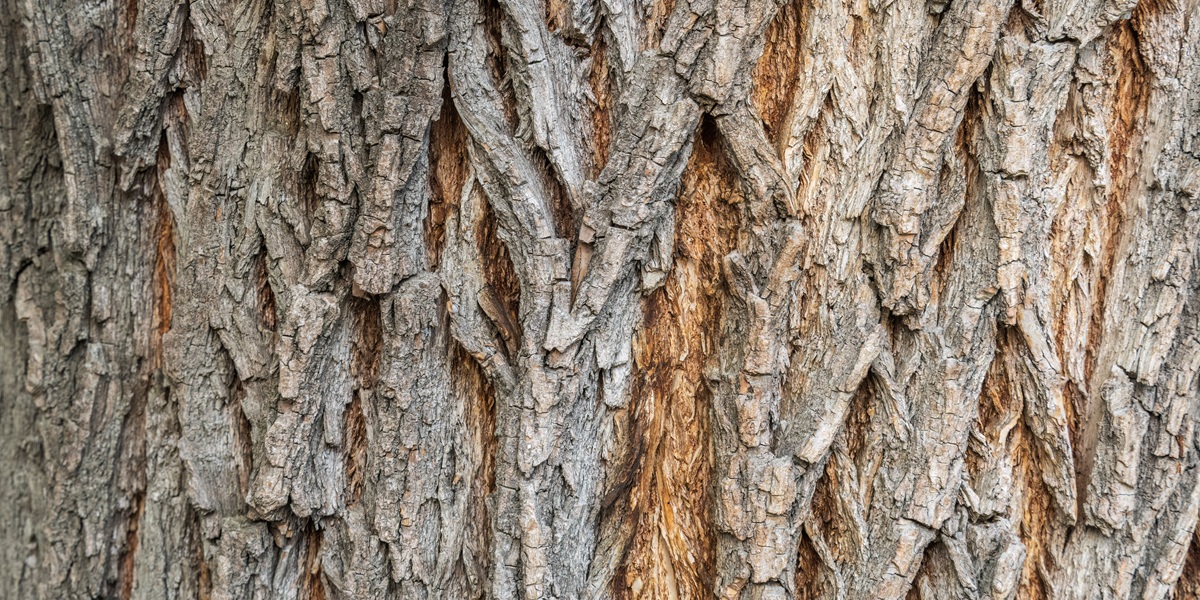
 Willow Bark (Salix alba and related species)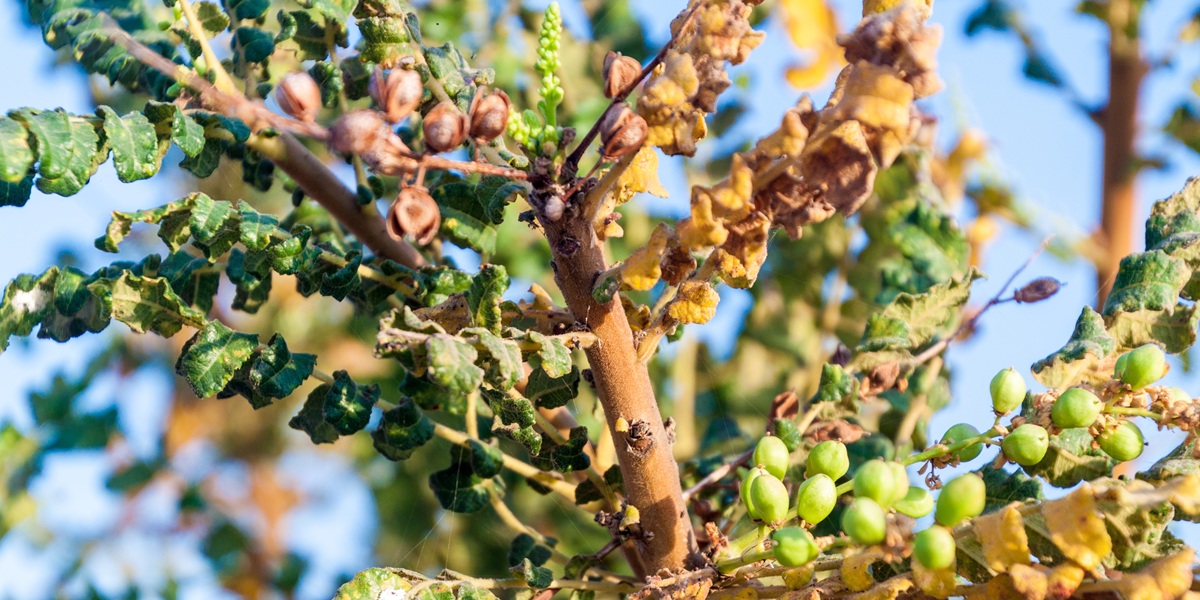
 Cat’s Claw (Uncaria tomentosa)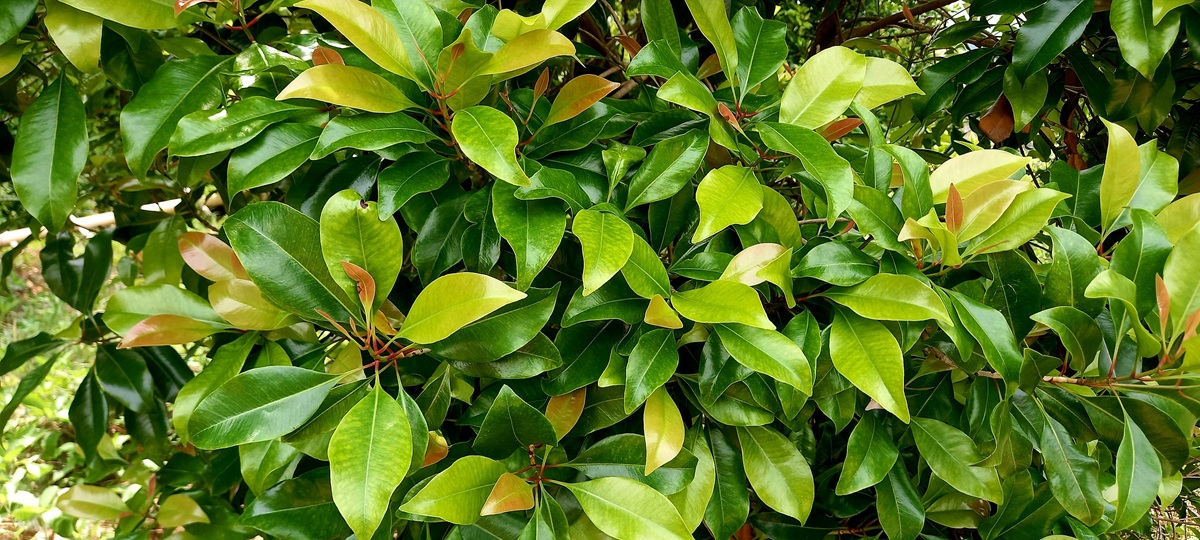
 Cloves (Syzygium aromaticum)