
How A Gargle a Day Keeps The Dentist Away
When your gums feel tender, a tooth starts throbbing, or your mouth simply feels “off,” your first instinct may be to reach for whatever is sitting in the medicine cabinet.
But sometimes, one of the most useful things you can do is much simpler.
Warm salt water. Aloe. Chamomile. Green tea. Even clove has a long history of use for oral discomfort.
These remedies aren’t meant to replace brushing, flossing, dental checkups, or treatment when something serious is going on. But for everyday oral care, minor irritation, and temporary discomfort, a simple rinse can give your mouth some welcome support.
And the best part? You probably already have several of these ingredients at home.
1. The Simplest Place to Start: Warm Salt Water
If you only remember one remedy from this list, make it this one.
A warm saltwater rinse is inexpensive, easy to prepare, and commonly recommended after certain dental procedures. It can help rinse away debris, temporarily soothe irritated gums, and help keep the area clean and soothe irritated tissues.
It can also be useful when a tooth or gum feels sore and you want something gentle while you figure out what is causing the discomfort.
After a tooth extraction, follow your dentist’s post-op instructions; dentists may recommend gentle warm saltwater rinsing once the first 24 hours have passed. The key word here is gentle. You don’t want aggressive swishing around fresh healing tissue.
DIY Saltwater Rinse
Mix:
- ½–1 teaspoon salt
- 8 oz warm water
Stir until dissolved.
Swish gently for 15–30 seconds, then spit it out. You can use it a few times throughout the day, especially after meals when your mouth feels irritated.
It’s incredibly basic. But basic doesn’t mean useless. You can even use it together with other herbs.
If you’ve ever had a tooth pulled, you know how careful you have to be with tender mouth tissue.
You don’t want to irritate it. You don’t want to disturb it. You just want gentle support while your body does what it’s supposed to do.
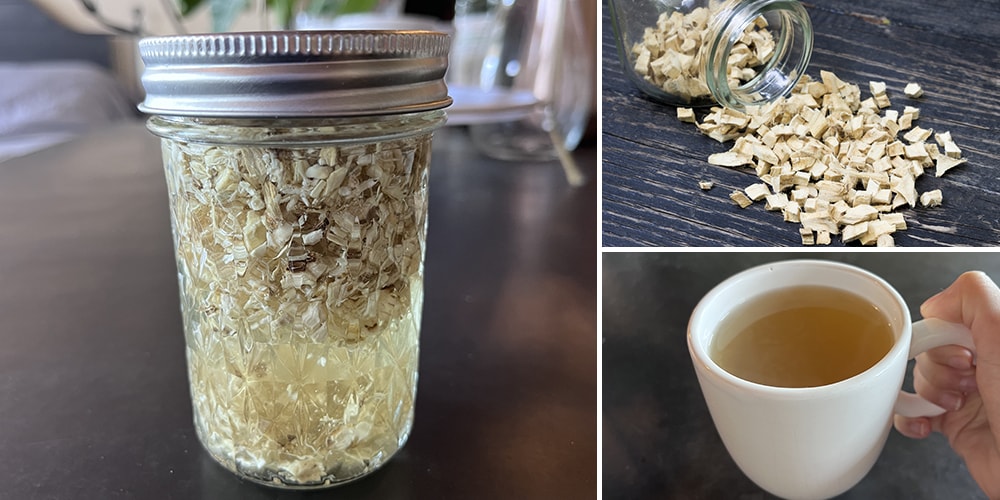
Yarrow is one of those old apothecary herbs people kept close for this exact reason. Traditionally, it has been used for skin and tissue support, and many herbalists still value it for minor everyday care.
Click here to see how yarrow can be used both internally and topically.
2. Hydrogen Peroxide: A Stronger Rinse That Needs More Care
Hydrogen peroxide is a little different from the herbs and teas on this list.
It’s a mild antiseptic, and diluted hydrogen peroxide rinses have been studied for their effects on oral bacteria, plaque, and gingival inflammation.
But concentration matters.
The common household version is usually 3%. For oral rinsing, it needs to be diluted.
Use a commercially prepared oral rinse as directed, or ask your dentist before making a DIY peroxide rinse.
Never swallow hydrogen peroxide.

Think of this as an occasional tool rather than something to mindlessly gargle all day.
Click here to learn the truth about hydrogen peroxide and old teeth.
3. Aloe Vera Isn’t Just for Your Skin
You probably know aloe as the cool gel you reach for after spending too much time in the sun.
Your gums may appreciate it too.
Aloe vera mouthwash has been studied for plaque and gingival inflammation, and clinical research has found encouraging results when it was compared with chlorhexidine mouthwash.
For someone who already keeps aloe around the house, this gives the plant another interesting use.
Aloe Vera Rinse
You can dilute pure aloe vera juice or suitable aloe gel with water and gently swish it around your mouth for about 30 seconds.
Then spit it out.
You can also find commercially prepared aloe mouthwashes if you would rather skip the DIY version.
The goal here isn’t to drench your mouth in concentrated aloe. You want a mild, comfortable rinse that supports irritated gums without causing additional irritation.
4. Green Tea Can Do More Than Fill Your Favorite Mug
Here’s a pleasant one.
Green tea contains catechins, plant compounds studied for their antioxidant and antimicrobial activity.
That makes cooled green tea an easy addition to your oral-care routine when you want something gentle and plant-based.
Simply brew it a little stronger than usual, let it cool, then use it as a rinse.
Rinses are helpful, but your daily brushing routine matters too.
The problem is that many conventional toothpastes contain ingredients like fluorides, glycerols, artificial sweeteners, triglycerides, and sulfates, and people still debate whether all of them belong in your mouth every single day.
That’s why I like the idea of making your own simple herbal toothpaste.
Inside The Forgotten Home Apothecary, Nicole shares a Natural Herbal Toothpaste recipe made with ingredients like baking soda, cocoa powder, ginger, cinnamon, calendula, coconut oil, and yarrow essential oil.
It’s a practical way to bring old-fashioned oral care back into your bathroom cabinet.
Click here to see the full herbal toothpaste recipe.
DIY Green Tea Rinse
Brew a cup of green tea and allow it to cool until comfortably warm.
Swish it around your mouth for roughly 30 seconds, then spit it out.
That’s it.
You can use it occasionally as part of your normal routine. And unlike harsher-tasting rinses, this one probably won’t make you dread mouthwash time.
5. Clove: The One to Remember When a Tooth Starts Complaining
Clove has earned a reputation as a traditional toothache remedy for a reason.
Its main active compound, eugenol, has anesthetic and antimicrobial properties, and research has found topical clove preparations capable of producing a numbing effect.
But clove essential oil is extremely concentrated.
Never assume that “natural” means you can use as much as you want.
Clove is not the only old remedy people used when a tooth started complaining.
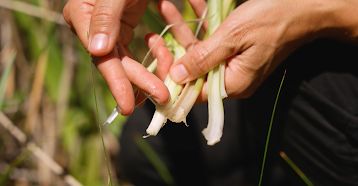
There’s another plant-based trick Nicole teaches that most people have never heard of, and it comes from a plant you may have walked past many times.
The gel inside it has a long traditional history for mouth and gum discomfort, and once you see where it comes from, you’ll probably never look at this plant the same way again.
Click here to find out what this natural mouth-numbing plant is.
How to Use Clove More Carefully
Instead of pouring clove oil directly onto your gums, dilute a very small amount in a carrier oil such as olive or coconut oil.
For example:
- 1 drop clove essential oil
- About 1 teaspoon carrier oil
Apply a small amount to the affected area with a cotton swab, then rinse your mouth afterward.
Use it only briefly.
Clove may temporarily ease discomfort, but it does not fix the underlying cause of tooth pain. If a tooth keeps hurting, especially if the pain is severe or throbbing, you still need to find out why.
6. Chamomile for the Mouth That Feels Raw and Irritated
Chamomile is usually associated with winding down before bed.
But it may also have a place in your bathroom cabinet.
Chamomile mouth rinses have been studied in people with recurrent aphthous ulcers, better known as canker sores, with research showing improvements in discomfort and other ulcer symptoms.
And preparing it couldn’t be easier.
DIY Chamomile Rinse
Steep:
- 1–2 chamomile tea bags, or
- 1–2 teaspoons dried chamomile flowers
Let the tea cool until warm.
Swish it around the irritated area for about a minute, then spit it out.
You can repeat this a few times during the day when a minor sore is bothering you.
Just avoid chamomile if you know you react to plants in the ragweed or daisy family.
Your Mouth and Gut Are More Connected Than You Think 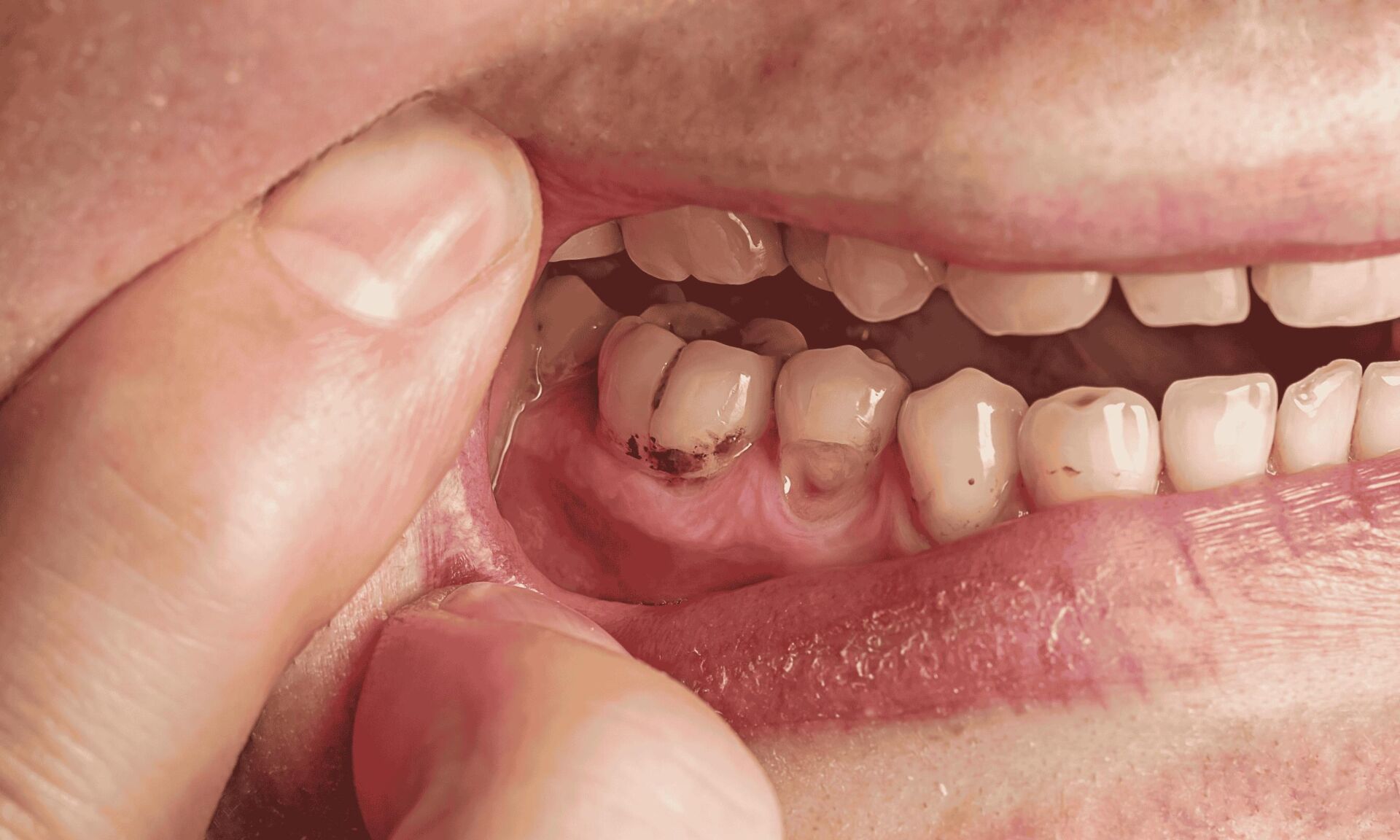

Your mouth is the beginning of your digestive tract, and the microbes living there are closely connected to the rest of your gut. When that microbial balance shifts, unwanted bacteria and inflammation can gain ground in both places.
Your stomach can affect your teeth more directly, too. If acid regularly travels upward because of reflux, it can reach your mouth and gradually wear away tooth enamel, leaving teeth more sensitive and vulnerable to damage.
So when you care for your mouth, it helps to remember: oral health doesn’t always start — or end — with your toothbrush.
When your gums, breath, tongue coating, or oral comfort keep feeling “off,” it may not be just a mouth problem.
Your mouth is the first stop in your digestive tract. So if your gut is out of balance, your mouth may be one of the places where your body starts giving you clues.
For some people, gut support may be the missing piece they never thought to check.
If you want to support digestion, nutrient absorption, and overall gut balance, this is the herbal blend I vouch for.
What These Gargles Can, and Can’t Do
Natural oral remedies work best when you treat them for what they are: supportive tools.
A salt rinse may calm irritation.
Chamomile may make a canker sore easier to live with.
Diluted peroxide may temporarily reduce oral microbes.
Aloe may support gum health.
Clove may temporarily numb an aching area.
But none of them can repair a cavity, drain an abscess, reverse advanced gum disease, or replace professional treatment when something more serious is happening.
Pay attention to symptoms such as increasing facial or gum swelling, fever, pus, severe tooth pain, bleeding that won’t stop, or trouble swallowing or breathing.
Those aren’t “try another gargle tomorrow” situations.
This is also where I’d keep one stronger herbal tool nearby.
Usnea is one of the most respected lichens in traditional herbalism, especially because herbalists have long valued it for its antimicrobial properties.
But it’s not the kind of thing I’d casually prepare from scratch and spray into my mouth without knowing exactly what I’m doing.
That’s why a ready-made Usnea Spray makes more sense.
It’s already prepared in a simple spray bottle, made for the places a rinse may not reach as easily: your mouth, throat, and those little spots that feel like they need extra support. Check out this natural lichen spray here.
A Small Ritual Your Mouth May Appreciate
You don’t need a shelf full of complicated preparations to start using plants and simple household ingredients more intentionally.
Sometimes it’s just a warm cup of chamomile.
Sometimes it’s salt dissolved in water after dinner.
Sometimes it’s reaching for diluted aloe instead of ignoring tender gums for another week.
These tiny habits don’t replace the foundations of oral health — brushing, interdental cleaning, and regular dental care still matter.
But they can give you another way to care for yourself using simple ingredients you recognize.
And that’s often where a practical home apothecary begins.
The Old Oral-Care Recipe I’d Keep Close
Salt water, clove, and simple herbal rinses are a good start, but if you love DIY, here’s a more complete gum-focused mouthwash recipe you can make at home.
It uses mineral sea salt, peppermint essential oil, tea tree essential oil, clove bud essential oil, and a few simple supporting ingredients to create a practical herbal mouthwash for your daily oral-care routine.
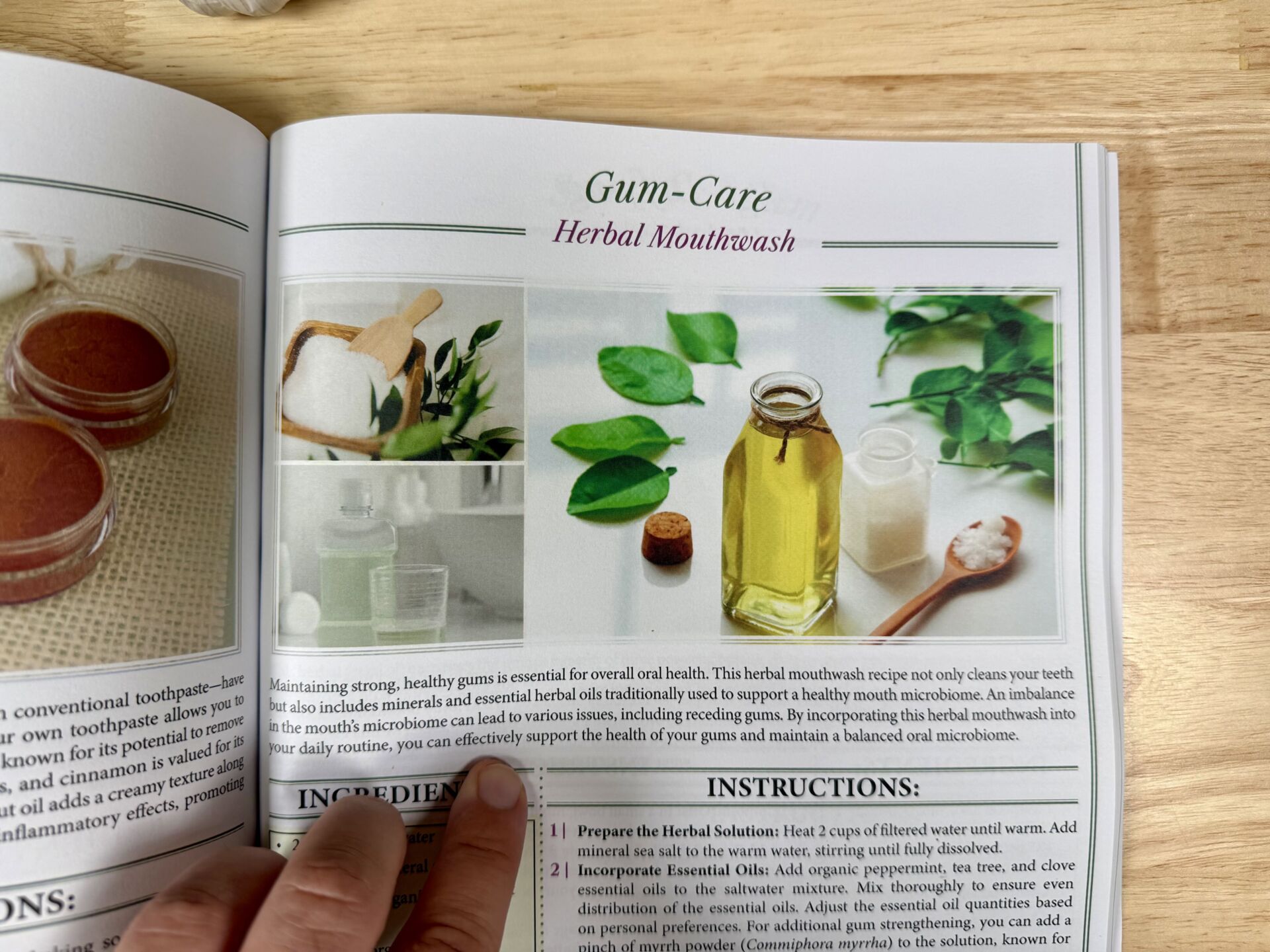
The book I took the picture from doesn’t just cover teas and tincture recipes; it also includes old personal-care preparations our ancestors relied on long before bathroom cabinets were filled with modern products.
Every recipe comes with clear ingredients, instructions, pictures, and storage notes, so you’re not guessing from random internet advice.
Click here to see how to make a DIY mouthwash for your gum health.
Editor’s Note: Please let us know in the comment section what you think of the latest remedies and articles featured on The Lost Herbs.
You may also like: 
The ‘Nerve Oil’ You Should Use For Shaky Hands
The 10 Medicinal Seeds You Should Plant for a Complete Backyard Pharmacy (Video)
Parasites 101: Signs, Dangers & Natural Remedies That Actually Work
The Mushroom That Can Regrow Brain Tissue
The All-Purpose Plant They Don’t Want You To Know About
🌿 Join Our Private Herbal Community For Free. 👉 Click here!
References
Warm saline rinse after dental extraction: https://pubmed.ncbi.nlm.nih.gov/24314857
Warm saline mouth bath and prevention of alveolar osteitis — systematic review: https://pubmed.ncbi.nlm.nih.gov/34509363/
Sea-salt-containing rinse and gingival health: https://pubmed.ncbi.nlm.nih.gov/29619048/
Hydrogen peroxide oral rinsing — systematic review: https://pubmed.ncbi.nlm.nih.gov/33178277/
1.5% hydrogen peroxide and gingivitis: https://pubmed.ncbi.nlm.nih.gov/2794090/
Hydrogen peroxide, plaque and gingivitis trial: https://pubmed.ncbi.nlm.nih.gov/2095312/
Aloe vera vs. chlorhexidine mouthwash — randomized controlled trial: https://pubmed.ncbi.nlm.nih.gov/39262544/
Aloe vera mouthwash and periodontal health: https://pubmed.ncbi.nlm.nih.gov/27703614/
Aloe vera mouthwash — triple-blind randomized trial: https://pubmed.ncbi.nlm.nih.gov/24603910/
Clove vs. benzocaine — randomized controlled trial: https://pubmed.ncbi.nlm.nih.gov/16530911/
Chamomile rinse for recurrent aphthous ulcers: https://pubmed.ncbi.nlm.nih.gov/25674322/