

The Mushroom That Can Help Regrow Brain Tissue
This Isn’t Just Forgetfulness… It’s Breakdown
Cognitive decline is a broad term that covers a spectrum of changes in memory, thinking speed, attention, and executive function.
At the mild end sits age-related cognitive change, the normal slowing that happens to everyone and does not significantly interfere with daily life. Further along that spectrum is Mild Cognitive Impairment, or MCI, a clinically recognized condition where memory or thinking problems are noticeable and measurable but not yet severe enough to qualify as dementia.
At the far end sits Alzheimer’s disease and other dementias, which are progressive, ultimately debilitating, and currently irreversible.
The difference between normal forgetfulness and early MCI is not always obvious, which is exactly why the habits and inputs that push the brain in the wrong direction deserve serious attention long before symptoms become impossible to ignore.
You forget your keys. You blank on a name. You laugh it off. But here’s the truth:
It’s not harmless. It’s your brain waving a red flag.
Cognitive decline doesn’t shout — it creeps in. First, brain fog. Then mood swings, anxiety, even depression — all linked to early brain shrinkage.
Your gut? It gets hit too. The brain-gut axis means when one fails, the other follows. Imbalanced gut flora can worsen memory and focus.
Then sleep turns to chaos. And without deep rest, toxins in your brain build up. Researchers found midlife insomnia can make your brain age faster — by years.
You get sick more. Your balance slips. Falls become common. This isn’t just aging — it’s your brain slowly breaking down. 
The Everyday Habits That Slowly Eat Your Brain
You probably don’t think twice about your daily routine. But hidden in plain sight are habits that quietly, relentlessly chip away at your brain. One decision at a time.
Junk food and ultra-processed meals are loaded with silent brain-saboteurs like advanced glycation end-products (AGEs). These inflame and damage your neurons. A 2025 review didn’t mince words — diets high in UPFs are a major risk factor for both neurodegeneration and dementia. And yes, the same foods also wreck your gut… which only makes your brain decline faster.
Related: Dual-Extraction: How To Extract Mushrooms The Right Way
I didn’t realize how bad it had gotten… until even fruit started messing with my stomach.
Turns out, it wasn’t the food. It was what all those processed meals did to my gut lining.
Related: DIY Vitamin Gummies For The Whole Family
Preservatives, additives, seed oils… they quietly destroy the good bacteria that protect your brain. Without that barrier, toxins slip through. Inflammation skyrockets. And your memory? It takes the hit.
I tried fixing it with food, but I needed something stronger—something to coat and restore my gut lining. That’s when I learned how to combine herbs like marshmallow, plantain, and slippery elm into a soothing tincture. Just mix, cover with alcohol, and let it sit for 6 weeks.
Or… you can get the full thing — already done for you — right here.
Chronic stress is one of the biggest offenders. When stress becomes your normal, your body floods with cortisol, a hormone that, over time, shrinks key parts of your brain like the hippocampus. That’s the part that holds your memories. One study flat-out says it: chronic stress accelerates cognitive decline. That pressure you’re under? It’s aging your mind faster than you realize.
And then there’s your sleep schedule. Sleep deprivation isn’t just exhausting — it’s destructive. Even a few bad nights start adding up. A long-term study revealed that people with chronic insomnia had brains that looked up to 2.6 years older than their well-rested peers. You might think you’re just tired. But your brain is slowly losing ground.
And what about the air you breathe? You’d be shocked. Long-term exposure to fine particulate matter — especially from wildfire smoke and industrial agriculture — is now linked to a higher risk of dementia. You inhale it, and your brain pays the price. We’re still uncovering just how much pesticides and heavy metals contribute, but the trend is clear: toxic exposure = higher Alzheimer’s risk. 
Even your medicine cabinet can be a minefield. Every day, pills like Ty***ol have been shown to worsen memory and trigger chronic brain inflammation, at least in animal studies. But here’s what hits harder: human research found that older adults regularly using anticholinergic drugs (common in sleep aids, allergy pills, and bladder meds) were 47% more likely to develop cognitive issues over a decade.
So yes — it’s in your food, your air, your stress, your sleep… even your medicine. And you’d never know it until the fog sets in.
You don’t just need supplements — you need replacements.
>For the pills that mess with your memory.
>For the processed foods that trigger brain fog.
>For the nights you can’t sleep, and the days when you’re stuck in a haze.
That’s why I keep this on hand — a book with over 250 remedies designed to replace chemical-laced meds, detox your system, and rebuild your brain from the inside out.
No lab. No pharmacy. Just real ingredients and step-by-step recipes that actually work.
Inside you’ll find:
• Nature’s Amoxicillin – a garlic-honey tonic that targets infection fast
• Fatty Liver Tincture – restores bile, clears toxins, and sharpens mental clarity
• Lung Shield Syrup – repairs the damage from air pollution and smoke exposure
• Flat Tummy Capsules – tame bloating and brain-dulling inflammation
• Golden Milk Elixir – calms stress, improves sleep, and protects your mind
👉 Click here to see all the recipes and start replacing the stuff that’s breaking you down.
Every day life is becoming a slow trap for your brain. But knowing what’s hurting you is the first step to fighting back.
Restoring the gut is a necessary foundation, but it is not the whole picture. The gut-brain axis runs in both directions: a healthier gut reduces the systemic inflammation that damages brain tissue, but the neurons themselves also need direct support. That is where specific plant compounds become relevant, not as general wellness supplements but as agents with documented mechanisms of action inside the brain. Of those, one stands out above the rest for the specificity and consistency of the research behind it.
Lion’s Mane: The Ancient Mushroom That Rebuilds Your Brain
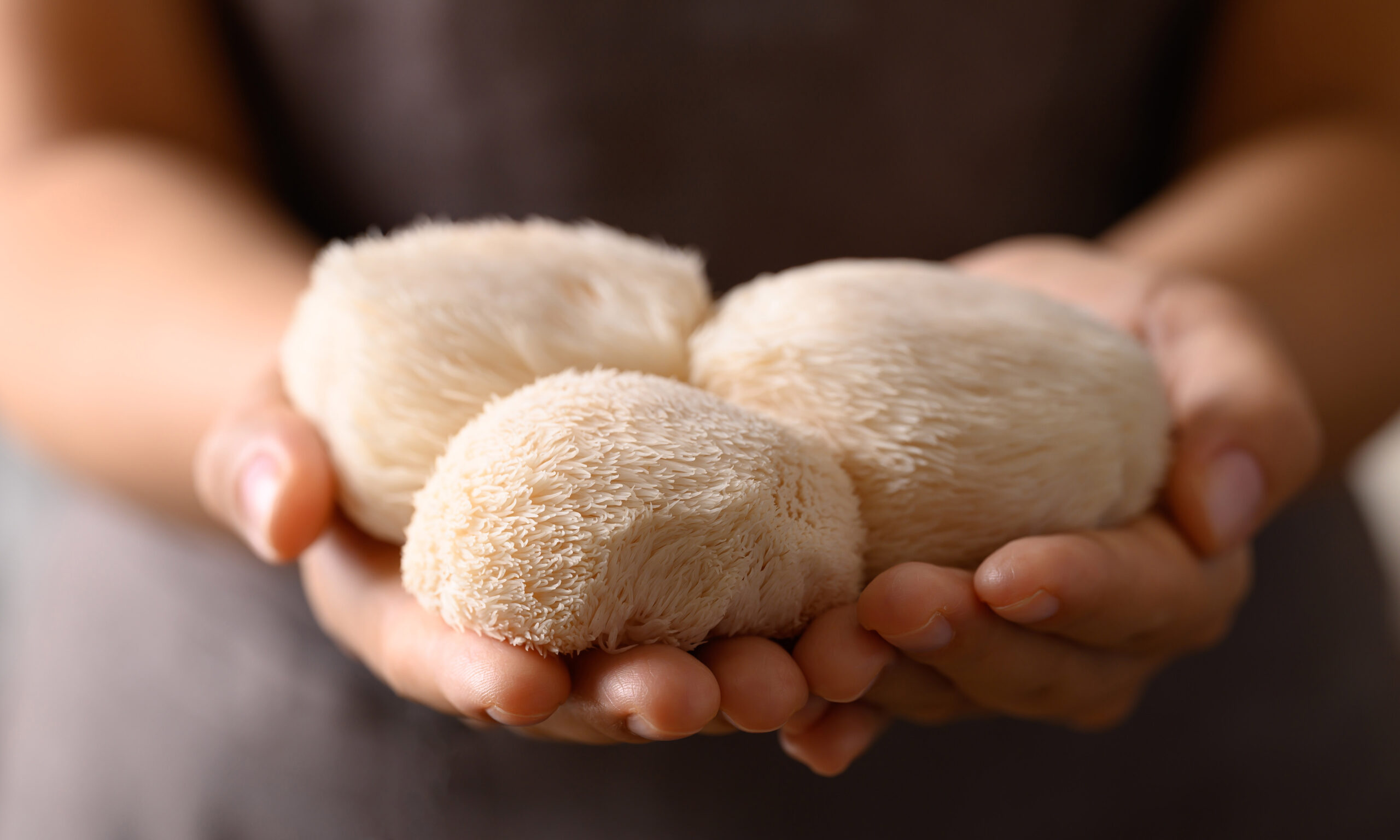
There’s a strange-looking white fungus with long, shaggy tendrils. It’s called Lion’s Mane — and it might be the most powerful brain ally nature has ever offered.
Used for centuries in Chinese and Japanese medicine, Lion’s Mane (Hericium erinaceus) was once a secret weapon for vitality and longevity. But now, science is finally catching up — and what it’s uncovering is astonishing.
Lion’s Mane grows wild across North America, Europe, and Asia, typically fruiting on the wounds and dead wood of hardwood trees, most commonly oak, beech, maple, and walnut, from late summer through early winter. A mature fruiting body is hard to mistake: it forms a single clump of long, white, cascading spines that hang downward like a waterfall or a lion’s mane, reaching anywhere from the size of a fist to larger than a soccer ball. Young specimens are bright white and firm. As they age they yellow and soften. Unlike gilled mushrooms, Lion’s Mane has no cap, no stem, and no gills. It is the spines themselves that are the entire fruiting body, and they are what you harvest. The mushroom is edible, with a mild seafood-like flavor often compared to crab or lobster, and has been cultivated in East Asia for both culinary and medicinal use for over a thousand years.
Inside this mushroom are rare compounds called hericenones and erinacines, and they do something no pharmaceutical has ever mastered:
They stimulate Nerve Growth Factor (NGF) — a natural compound your brain uses to grow new neurons and repair the old ones.
It is worth being precise about what that means in practice. NGF is a protein your brain produces naturally. It plays a critical role in the survival, maintenance, and growth of neurons, particularly in regions involved in memory and learning like the hippocampus and the basal forebrain. As we age, NGF signaling tends to decline, and reduced NGF activity has been associated with the neuron loss seen in Alzheimer’s disease.
The hericenones found in Lion’s Mane fruiting bodies and the erinacines found in its mycelium have both been shown in laboratory studies to cross the blood-brain barrier and stimulate NGF production. In human clinical trials, the results are promising but should be understood accurately: a 2009 double-blind placebo-controlled trial published in Phytotherapy Research found that adults with mild cognitive impairment who took Lion’s Mane extract for 16 weeks scored significantly higher on cognitive function scales than the placebo group, though scores declined after supplementation stopped.
A 2023 study from the University of Queensland found that active compounds from Lion’s Mane promoted neuron growth and improved memory in animal models. Human trial data remains limited in scale and duration, meaning the effects are encouraging and biologically plausible but not yet confirmed at the level of large, long-term clinical trials.
That’s right — Lion’s Mane doesn’t just protect your brain. It helps regrow it.
In lab tests, neurons exposed to Lion’s Mane developed thicker growth cones and longer branches — the very structure that allows brain cells to communicate more clearly and efficiently. One team of researchers put it simply: Lion’s Mane boosts memory function and builds stronger neural connections.
And it gets even deeper. In a 2024 study, researchers discovered that erinacine S (one of Lion’s Mane’s star compounds) protected the brain’s myelin — the fatty coating that insulates your nerves and keeps signals firing quickly. When myelin breaks down, everything slows: thoughts, reflexes, coordination. But in this study, Lion’s Mane helped preserve and even rebuild that vital insulation.
These aren’t anecdotes. They’re peer-reviewed, published studies confirming what ancient healers knew long ago: this mushroom has the power to protect your mind from decay — and maybe even reverse it.
A note on reading the science honestly: the research on Lion’s Mane is genuinely promising, but it is still early by the standards of medical evidence. Most of the human clinical trials conducted so far have involved small sample sizes, typically between 30 and 100 participants, and relatively short durations of eight to sixteen weeks. The animal and in vitro studies show strong and consistent results, but those do not always translate directly to the same effects in humans at equivalent doses. What the current evidence supports is that Lion’s Mane is biologically active in the brain, that it stimulates pathways relevant to memory and neuroprotection, and that human subjects with mild cognitive impairment have shown measurable improvement in controlled trials. What it does not yet support is treating Lion’s Mane as a proven pharmaceutical-grade treatment for dementia or Alzheimer’s disease. Use it as what the evidence shows it to be: a well-studied, low-risk functional food with meaningful neurological activity and a growing body of research behind it.
Before adding Lion’s Mane to your daily routine, there are a few safety considerations worth knowing. Lion’s Mane is well tolerated by most adults at culinary and standard supplement doses, and serious adverse effects are rare in the published literature. However, people with known mushroom allergies should approach it with caution and ideally consult a healthcare provider before use, as allergic reactions including skin rash and respiratory symptoms have been reported in isolated cases. Lion’s Mane has demonstrated mild anticoagulant activity in some studies, meaning people who take blood-thinning medications such as warfarin or clopidogrel should discuss use with their doctor before supplementing. Because it also shows some immunomodulating activity, people on immunosuppressant drugs, including organ transplant recipients, should do the same. Pregnant and breastfeeding women should avoid therapeutic doses due to a lack of safety data in those populations. As with any herbal or functional supplement, starting with a lower dose and monitoring your response before increasing is the sensible approach.
Modern medicine is only beginning to grasp what Lion’s Mane can do. But you don’t have to wait.
🧠 Most people boil it wrong… dose it wrong… or mix it with the wrong herbs.
And they wonder why it doesn’t work.
If you really want to rebuild your brain, restore your focus, and fight back against early decline — here’s what you actually need to know:
• How to spot and safely harvest Lion’s Mane (without confusing it with lookalikes)
• Which herbs to combine it with for sharper memory, calmer moods, and better sleep
• What mistakes to avoid that can cancel out its effects
• The daily dose that supports long-term brain repair — from someone who’s actually used it in the field
📺 With full videos, close-up plant footage, and step-by-step remedy instructions, you’ll never have to guess again. You’ll learn straight from a certified herbalist how to turn powerful plants like Lion’s Mane into real medicine — without risking your health.

Your First Step Toward a Sharper Brain Starts Here
If the science behind Lion’s Mane sounds impressive… just wait until you taste it.
This warm, earthy brew isn’t just soothing — it’s your entry point into a daily ritual that supports memory, focus, and long-term brain health. No pills. No fads. Just real ingredients doing real work.
You can find Lion’s Mane in many forms — powders, pills, teas, even gummies — but tinctures are in a class of their own. Because they’re double-extracted (with alcohol and water), they pull out every beneficial compound and deliver them directly into your bloodstream — fast. That’s why I keep a bottle of tincture around: I can drop it into tea, coffee, even smoothies — no brewing or steeping needed.
On dosage: most human clinical trials studying Lion’s Mane for cognitive benefit have used between 500 mg and 3,000 mg of dried extract per day, typically divided across two or three doses. The most cited positive trial used 3,000 mg daily of a hot-water extract standardized to contain the active compounds. For tinctures, potency varies significantly by manufacturer depending on the extraction method, the ratio of fruiting body to mycelium used, and whether a dual extraction process was applied. A dual-extracted tincture, one that uses both alcohol and water to capture the full range of active compounds, is generally considered more complete than a single-extraction product. If you are using a commercial tincture, follow the manufacturer’s dosage guidance and look for products that disclose their extraction method and the part of the mushroom used. For powder, a common starting dose is 500 mg to 1,000 mg once daily with food, increasing gradually based on tolerance and response. Consistency matters more than the occasional large dose: the neurological benefits observed in studies accumulated over weeks and months of regular use, not days.
Here’s one of my favorite ways to enjoy it:
🧠 Lion’s Mane Brain-Brew
You’ll Need:
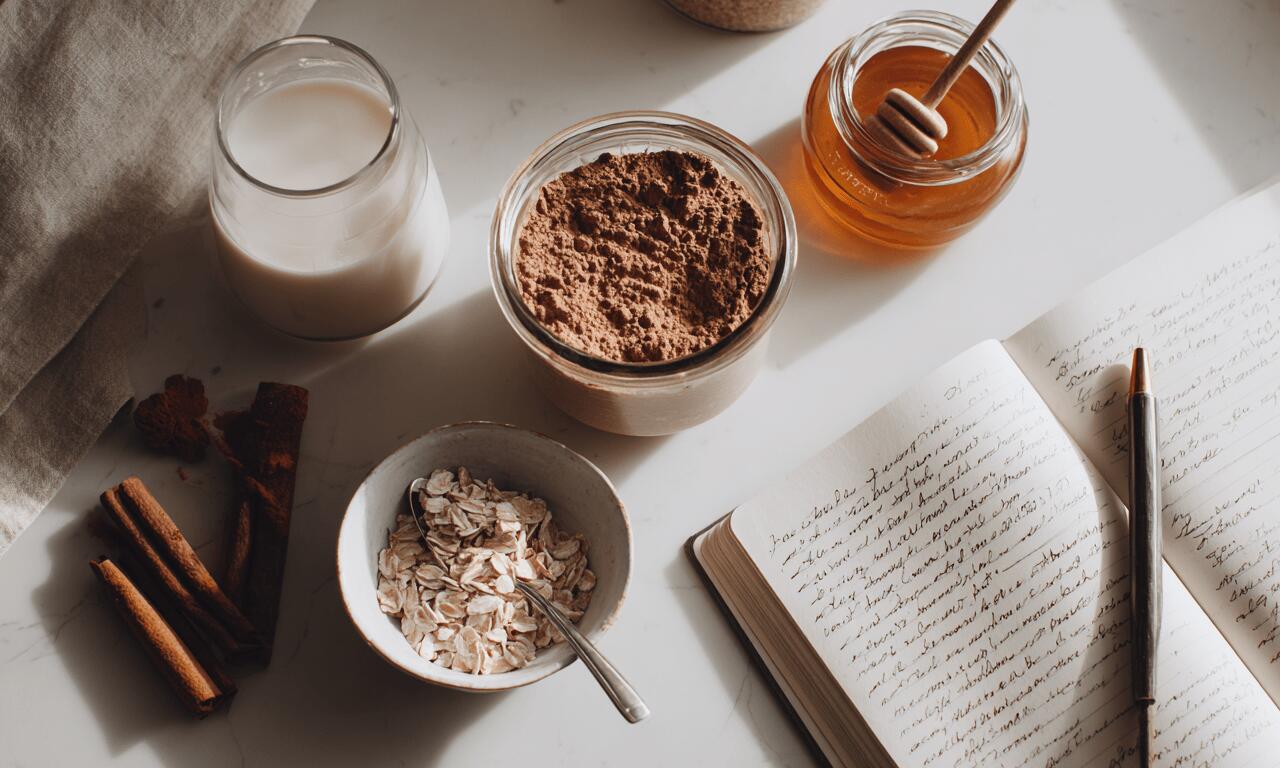
- 1 cup water or your favorite milk (almond, oat, raw — your call)
- 1 tsp dried Lion’s Mane powder or 40 drops Lion’s Mane Tincture (for a concentrated, boosted effect)
- 1 tsp unsweetened cocoa powder (for taste + antioxidants)
- A pinch of cinnamon and cayenne (optional — great for circulation and a little mental kick)
Raw honey or maple syrup to sweeten, if desired

How to Make It:
Heat & Steep:
Bring your liquid to a gentle boil, remove from heat, and stir in the Lion’s Mane powder. Cover it — and let it sit for about 10 minutes while the magic steeps.Flavor It:
Add cocoa, cinnamon, and a pinch of cayenne. Whisk or stir until blended. It’ll get a little frothy… and that’s when you know it’s waking up.Sweeten & Sip:
Strain if you like, then add your sweetener of choice. Sip it slow. Imagine every drop nourishing tired neurons and reconnecting sluggish circuits.
There’s something powerful about taking that first intentional step. This isn’t just a cup of tea — it’s a ritual of repair. A small daily act to push back against the fog and reclaim your clarity.
Start with one cup. Let your brain feel the difference.
No Time to Brew?
If you’re short on time or just prefer something quicker, you can skip the stove entirely. A few drops of Lion’s Mane Tincture in your morning coffee or water gives you all the brain-boosting power — no steeping required.
👉 Try the tincture here.
Your Brain Deserves This
You don’t need to overhaul your life overnight, but you do need to start somewhere. And even something as simple as a warm cup of Lion’s Mane tea can begin to push back against that creeping fog.
Every small choice — better sleep, less stress, cleaner food, and time-tested herbs — gives your brain a fighting chance.
Because once the damage starts… there’s no rewind button. But there is a repair path.
That’s why I always keep the Healthy Brain Bundle on hand. It combines three of the most powerful nootropics from the natural world:
• Lion’s Mane — to regrow neurons and sharpen memory
• Reishi — to calm inflammation and stabilize mood
• Cordyceps — to energize your brain at the cellular level
Together, they work like a support team for your nervous system — rebuilding where stress and time have chipped away.
👉 Click here to grab the Healthy Brain Bundle and start protecting what matters most.
The science is real. The urgency is real. And the power to protect your brain? That’s in your hands now.
I have been drinking Micro ingredients Arabica coffee for almost one year
What a difference in just 2 weeks. Im loving it
I’ve been taking Lion’s Mane for about 2 months and I swear my brain fog is GONE. I don’t nap in the afternoon anymore. I thought it was placebo at first but… this article hits the nail on the head.
mara C
I checked out a few of the studies mentioned here and they’re legit. NGF stimulation is a huge deal. Glad to see this article citing real research and not just repeating TikTok fluff.
Ok I’ll admit, I rolled my eyes at “rebuild your brain” but this article made me stop and rethink. If it’s worked for centuries AND science is catching up, maybe I’m the one late to the party.
Bookmarking this!! Gonna test this with my mom — she’s been struggling with early memory lapses. Curious if anyone has experience with the Healthy Brain Bundle?
I got Ganoderma (reishi) and lion’s mane separately some time ago… you’re lucky Nicole now released a bundle containing both so you can save some $$ 🥰
Just joined The Lost Remedies Academy thanks to this article. If the rest of the course is this detailed, I’m in for the long haul. Already binge-watching the videos 😍
How do you rate fresh Lions Mane and what’s the best way to use it? Thank you!
My husband has optic nerve damage. We ordered the lion’s mane tincture and the brain bundle. He’s been taking two droppers twice a day of the lion’s mane for two weeks He hasn’t taken any of the other tinctures. Does that sound right?
I started my Mom on Lion’s Mane back in 2018 and within three days, her hand shaking and lip quivering stopped. Her memory improved tremendously. I’ve been spreading the word about this mushroom for years. Glad to see science is finally admitting it’s value!
Am I doing the math right? One bottle of tincture is 40 drops and the recipe for one cup of tea is 40 drops, so the one cup of tea would cost $24 per day? Don’t get me wrong, I love Nicole’s recipes, but this just doesn’t make sense to me.