Some days, your body simply refuses to give you a break.
A migraine starts pulsing behind your eyes. Your nose feels blocked, your head feels heavy, and your thoughts will not slow down. Then nighttime arrives—but instead of finally resting, you lie awake feeling exhausted and strangely alert.
By morning, you are drained, irritable, and more vulnerable to the same symptoms all over again.
This is not just bad luck. These problems can feed one another.
Stress and anxiety may trigger or intensify migraines. Poor sleep can make you more sensitive to pain and less able to cope with stress. Seasonal allergies can leave you congested and uncomfortable at night, disturbing the deep sleep your nervous system desperately needs.
Before long, one miserable symptom has become a cycle.
That is why this homemade herbal elixir does not focus on only one complaint. It brings several traditional herbs together in a single comforting drink designed to support three areas at once: headache comfort, calm and restful sleep, and seasonal respiratory relief.
It is not a cure or an instant replacement for medical care. But when your body feels pulled in four different directions, this simple cup may give it some gentle, plant-based support.
Why These Symptoms Often Arrive Together
A migraine is far more than an ordinary headache. It is a neurological condition that may bring intense throbbing pain, nausea, dizziness, and sensitivity to light or sound.
And migraines rarely respect your schedule.
They can steal hours from your day, stop you from concentrating, and make even ordinary sounds feel unbearable. Stress, anxiety, missed meals, and lack of sleep are all common triggers, which becomes a serious problem when anxiety is already keeping you awake.
The cycle can feel relentless:
You worry, so you sleep poorly. You sleep poorly, so your nervous system becomes more reactive. Your head begins to hurt, which makes relaxing even harder. Add itchy eyes, sneezing, coughing, or a blocked nose during allergy season, and restorative sleep can feel almost impossible.
This elixir cannot remove every trigger from your life. What it can do is turn a handful of useful herbs into a daily ritual that encourages you to pause, breathe, hydrate, and support your body naturally.
What Goes Into the Elixir?
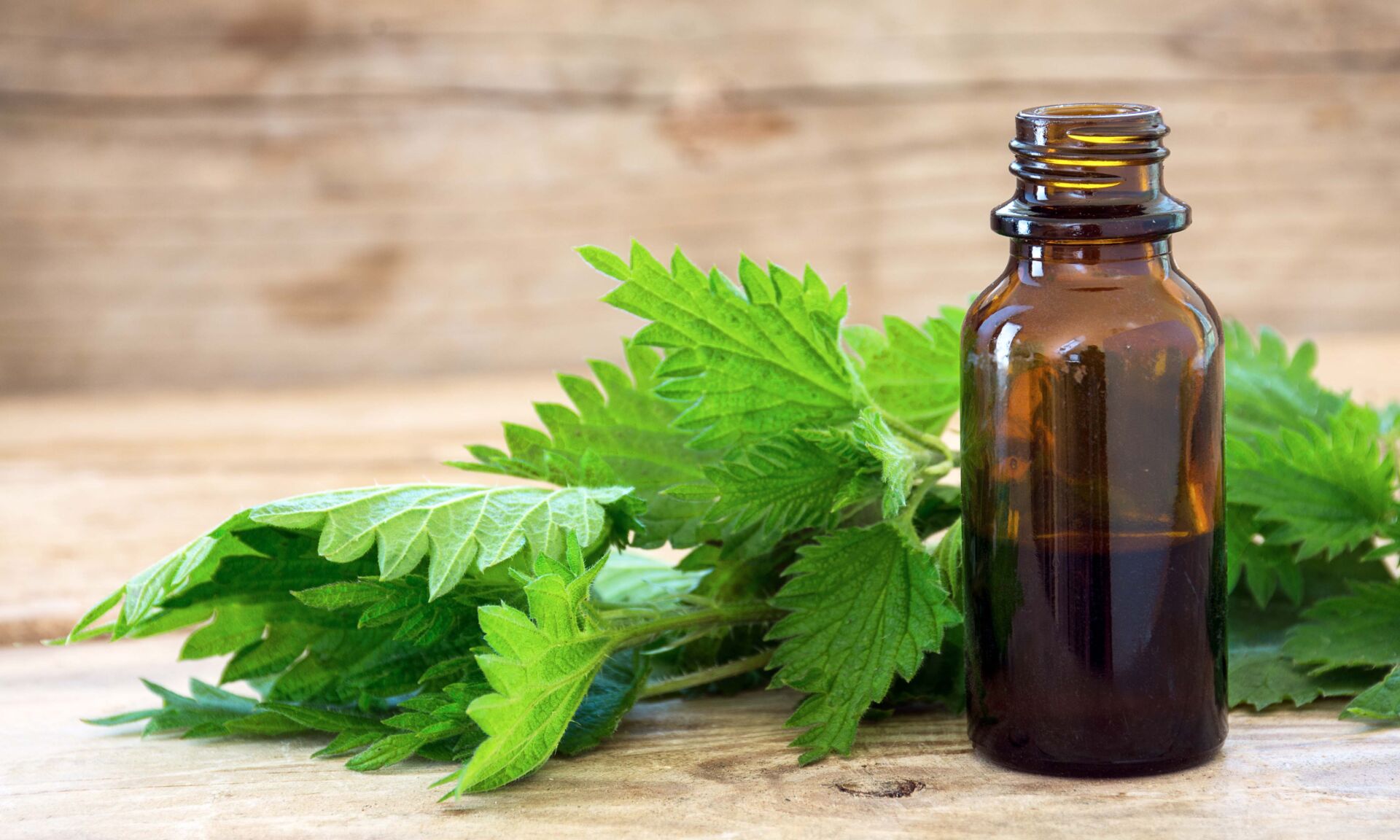
Stinging Nettle
Stinging nettle is the foundation of this blend.
Herbalists have long used nettle leaf during allergy season. It contains plant compounds that have shown antihistamine and anti-inflammatory activity in laboratory research. Small human studies have also explored nettle for allergic rhinitis, although the overall clinical evidence remains limited and inconsistent.
In short, it may offer gentle support when pollen leaves you sneezing, congested, and unable to enjoy the outdoors.
Nettle leaf also contains naturally occurring minerals and plant nutrients, making it a nourishing addition to an everyday herbal infusion.
So hey, nettle will not magically switch off every allergy like a light.
But it does make sense why herbalists keep coming back to it. Your body reacts strongly when nettle touches the skin, almost like a little “allergy lesson” from nature. And traditionally, nettle has been used when pollen season makes your nose, eyes, and head feel miserable.
When we were kids, most of us got stung by nettles a lot more than we do now. These days, we barely touch the plant unless we’re harvesting it on purpose.
And I’m not going to sting myself just for the sake of health.
When I make it myself, I use thick gloves, cut the young nettles near my home, dry them, and then turn them into tincture. And somehow, I still get stung every once in a while.
You don’t have to do that.
Nicole Apelian’s Stinging Nettle Tincture gives you the ready-made version from the only apothecary I personally trust when I’m not making my own remedies.
When your migraine comes with nausea, ginger earns its place in the cup.
Research suggests ginger may help reduce migraine-related pain, nausea, and vomiting in some people. It also gives the elixir a warming taste that can feel especially comforting when tension begins creeping into your head and neck.
Ginger will not prevent every migraine, but having it ready in your kitchen gives you a practical option when your stomach feels unsettled and you want something gentler to sip.
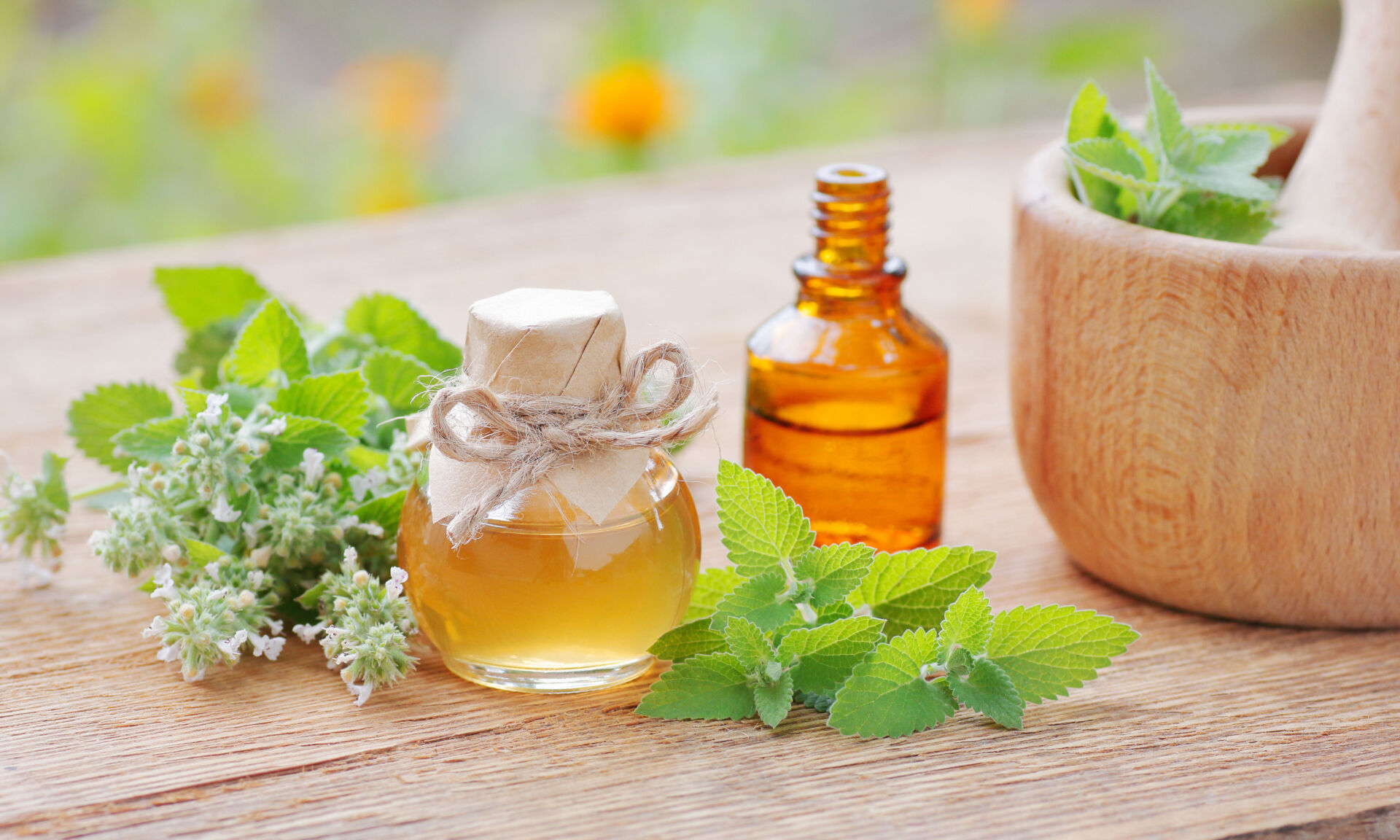
Lemon Balm
These are the herbs you reach for when your body is tired but your mind is still running laps.
Lemon balm has traditionally been used for nervous tension, restlessness, and sleep difficulties. Some research suggests it may help reduce feelings of anxiety and stress, although the effects depend on the preparation and dose used.
Here’s a fun thought: herbalists knew lemon balm was calming long before the studies started catching up.
But here’s where it gets even more interesting.
What if you added it to coffee?
I know, coffee is sacred. I’m literally drinking an Americano while writing this. But too much coffee can bring the usual problems: jitters, racing thoughts, tense shoulders, and that wired feeling where your brain is awake but not exactly calm.
That’s where lemon balm makes so much sense.
A few drops of lemon balm tincture in your coffee may help soften the rough edges of the drink we all love, without making you give it up.
Nicole’s Lemon Balm Tincture is the one I’d use for that — simple, clean, and easy to add to coffee, tea, or water.
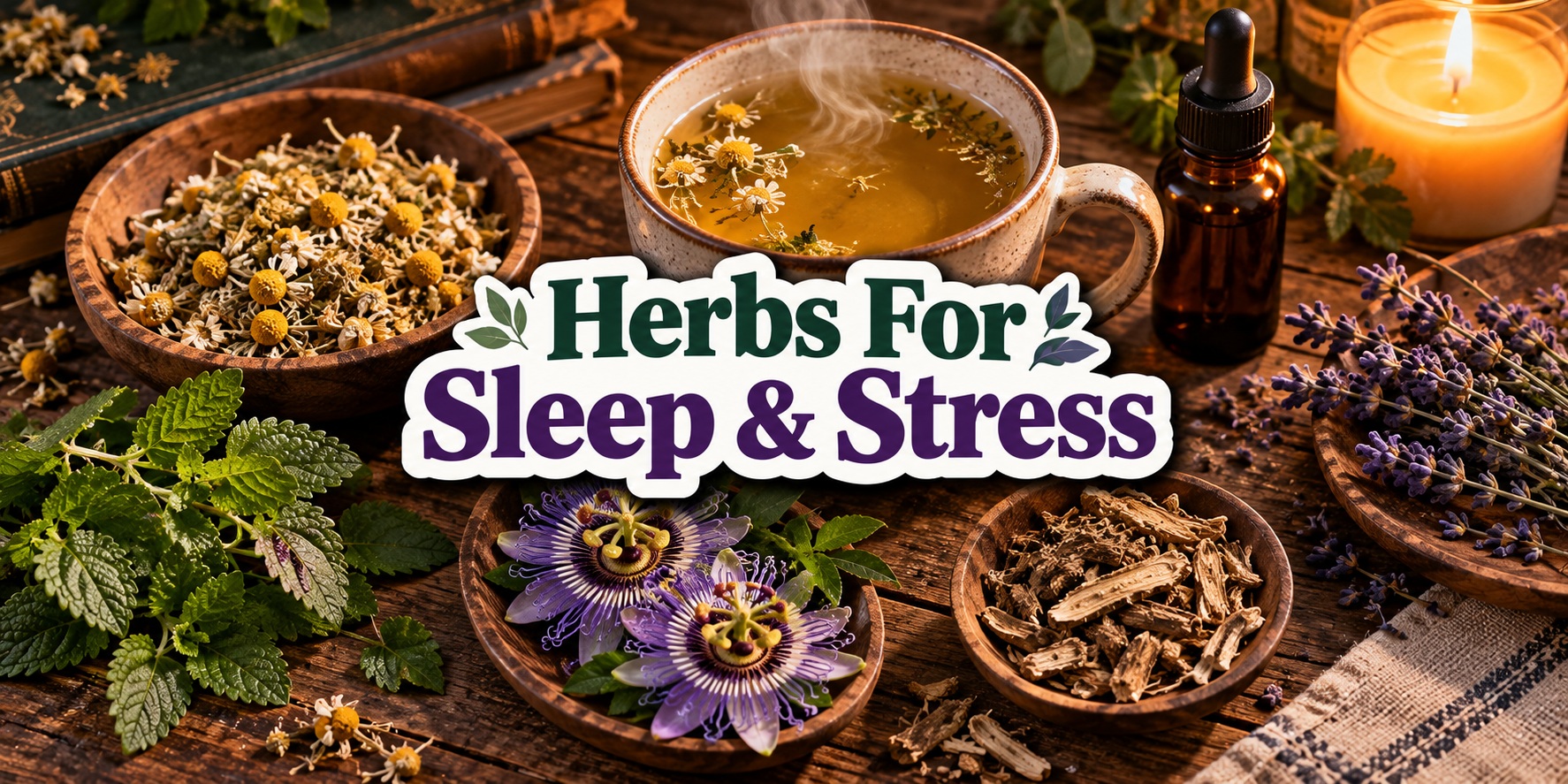
Optionally, you can also add chamomile to add another layer of calm. Its warm, slightly floral taste makes the drink feel less like a “remedy” and more like a bedtime ritual—something your mind can gradually begin to associate with slowing down.
Lavender
Lavender does more than make the blend smell beautiful.
Its aroma alone can transform the moment you lift the cup. Instead of rushing through another evening, you receive a small sensory reminder to unclench your jaw, lower your shoulders, and breathe.
Limited human research suggests lavender tea may support a calmer mood. For this recipe, you only need a small amount; too much can overpower every other flavor.
Chamomile and lavender are not just nice-smelling herbs for bedtime tea.
The freshest remedy is usually the one you grow with your own hands.
No mystery sourcing. No old herbs sitting on a shelf for months. No wondering if what you bought still has strength left in it.
With this seed kit, you get 4,818 non-GMO seeds for 10 medicinal plants, plus a guide that shows you how to turn them into tinctures, salves, poultices, infusions, oils, and more.
You can grow them in your backyard, but even a few pots near your home can become a tiny medicinal garden.
And if you do the math, each seed costs only about 1 cent. That’s nothing. Because one seed can become one plant… and one plant can keep giving you remedies again and again.
That’s why this is probably the cheapest way to build real herbal quality over time.
The page I have says only a small number of kits are left right now, and once the seasonal stock is gone, you may have to wait for the next growing window.
1 heaped teaspoon dried stinging nettle leaf / or use a stinging nettle tincture for a more concentrated, no-sting shortcut
1 teaspoon dried chamomile flowers
1 teaspoon dried lemon balm / or try out a lemon balm tincture for a faster, more convenient calming add-on
¼ to ½ teaspoon culinary-grade dried lavender buds
1 teaspoon freshly grated ginger, or ½ teaspoon dried ginger
2 cups water
Honey or lemon, optional
Instructions
Bring the water to a boil.
Place the nettle, chamomile, lemon balm, lavender, and ginger in a teapot or heat-safe jar. Pour the hot water over the herbs, cover, and allow everything to steep for 10 to 15 minutes.
Keeping the container covered helps trap the herbs’ aromatic compounds instead of letting them escape with the steam.
Strain the elixir and add a little honey or lemon when desired.
Sip it slowly. This is not a shot you throw back while running out the door. Let the warmth, aroma, and quiet become part of the remedy.
You can enjoy one cup during the day when allergy discomfort or tension begins building. For relaxation, try one cup about an hour before bed. Because ginger feels stimulating to some people, reduce or omit it from your evening serving when necessary.
Start with one cup daily and notice how your body responds rather than immediately drinking several strong servings.
A Few Important Precautions
Natural does not mean powerless.
Nettle may interact with medicines used for blood pressure, blood sugar, fluid retention, or blood thinning. Ginger may also affect bleeding risk in larger amounts. Chamomile can trigger reactions in people who are sensitive to ragweed and related plants.
Avoid combining calming herbs with alcohol or sedating medications unless a healthcare professional confirms that it is appropriate. Speak with your doctor before using this elixir regularly if you are pregnant, breastfeeding, managing a medical condition, or taking prescription medication.
Seek medical help for a sudden, unusually severe headache, a headache following an injury, or symptoms involving weakness, confusion, fainting, fever, vision loss, difficulty speaking, chest tightness, or trouble breathing.
One Cup Will Not Fix Everything, But It Can Change the Moment
When pain, poor sleep, anxious thoughts, and allergies collide, you may feel as though your own body is working against you.
This elixir gives you a simple place to begin.
Nettle supports the blend during allergy season. Ginger offers comfort for migraine-related nausea and discomfort. Lemon balm, chamomile, and lavender help create the calm your mind needs before genuine rest becomes possible.
You may not control every migraine, every stressful thought, or every grain of pollen in the air. But you can keep these herbs close, prepare one soothing cup, and give your body a quieter way to move through the day.
Sometimes, breaking the cycle begins with something as small as that.
And if you want the easier, more complete version of this idea, this is the bundle I’d look at.
Because the truth is, throat, chest, allergies, mucus, inflammation, and seasonal discomfort rarely show up neatly one at a time.
They overlap.
Your nose feels blocked. Your chest feels heavy. Your throat gets dry. Your breathing feels tighter. Your sleep gets worse. Then your whole body feels drained.
That’s why Nicole’s Lung Support Bundle makes so much sense.
It brings together several tinctures that support the bigger picture:
Stinging Nettle for allergy-season and inflammatory support. Yerba Santa for thick mucus and chest comfort. Bronchial Blend with lung-support herbs like mullein and lungwort lichen. Reishi for stress resilience, sleep, and immune support. Cordyceps for lung, body, and energy support.
And the best part is that these plants don’t only have one use.
That’s how herbs work. One bottle can support more than one area of the body, so you’re not buying something that only matters for one bad week of the year.
Buying the bundle also makes more sense economically than picking up each tincture separately.
So if you want the easy fix — the kind of complete herbal lung and seasonal support setup you can keep on your shelf all year — this is it.