

How to Use Thyme to Fight Off Coughs and Congestion
Thyme is a valued culinary herb that adds a layer of earthy, minty, and lemony tang to dishes.
Aside from being a cornerstone of Mediterranean dishes, it is also recognized in Western and Asian herbalism.
Thyme (Thymus vulgaris) is a valuable botanical in treating respiratory problems, thanks to its thymol and carvacrol compounds. It is one of the esteemed herbs for treating winter coughs, congestion, and other respiratory issues.
Therapeutic Properties of Thyme
The role of thyme in medicine dates back to ancient Egypt, where it was used in embalming practices. More than masking foul odor with its strong scent, it may also slow down decomposition.
The excellent preservation properties of thyme are due to its strong antiseptic and antimicrobial actions. These actions are the foundation that makes it an important herb in traditional and modern medicine.
Antiseptic
Thymol, a natural phenol present in thyme, possesses excellent antiseptic action. It disinfects the surface by killing microorganisms and stopping microbial activities.
Antiseptics are useful in coughs and colds by reducing the germ load and preventing further infections.
Anti-inflammatory
Thyme can soothe inflammation and clear the congestion caused by common colds. Thymol and carvacrol reduce the inflammatory actions on the bronchial muscles and help balance the body’s immune response.
Antioxidant
The antioxidant action of thyme protects the cells from damage caused by infections. It also boosts the immune system to combat viruses and bacteria, helping with faster recovery.
Related: How to Make Your Own Cough Drops
Expectorant
Thyme infusion and steam inhalation may resolve wet and dry cough by loosening phlegm. It works by stimulating the respiratory system to increase mucus secretion and expel it along with the bacteria that cause it.
Fresh or dried thyme leaves are often used with lemon and honey to make a tea that effectively cures a cough.
I used to make my own thyme syrup every winter. Boil, steep, strain, store—it took hours.
Then I tried the Bronchial Blend Tincture. Thyme, plus herbs I’d never harvest myself (wild cherry bark, elecampane root). Within 10 minutes of taking it, I could feel my chest loosening.
Now I keep a bottle in my cabinet. When the cough starts, I don’t wait for a recipe to simmer. I take 20 drops and breathe easier.
Click here for the respiratory blend I wish I’d found years ago.


Decongestant
Inhaling the steam from the thyme infusion, or drinking it, may also soothe the respiratory passages and help clear congestion. Its anti-inflammatory action in the nasal passages reduces swelling, relieving blockage and the congested feeling.
Also Read: Cowboy Cough Syrup With Whiskey
Febrifuge
Febrifuge or antipyretic herbs, like thyme, can break a fever and regulate body temperature. It also reduces body and muscle pain, as well as headaches, associated with winter illness.
Antispasmodic
By alleviating muscle spasms, thyme infusion or steam inhalation of thyme essential oil can greatly soothe the cough reflex. It not only reduces the urge to cough but also addresses the problem by expelling bacteria and preventing their growth.
Thyme is powerful. But your ancestors didn’t stop at one herb.
Inside The Forgotten Home Apothecary, you’ll find the complete respiratory arsenal:
- Amish Cough Syrup (calms coughs for weeks, costs pennies to make)
- Mucus Buster (clears congestion in hours, not days)
- Antiviral Herbal Honey (coats throat, fights infection)
- White Cell Boosting Juice (strengthens immune response)
- Penicillin Soup (what the Amish use when antibiotics aren’t an option)
Step-by-step recipes, exact measurements, color photos. Everything you need to never depend on a pharmacy again.
Click here for the 250 remedies that keep your family breathing clearly—no prescriptions needed.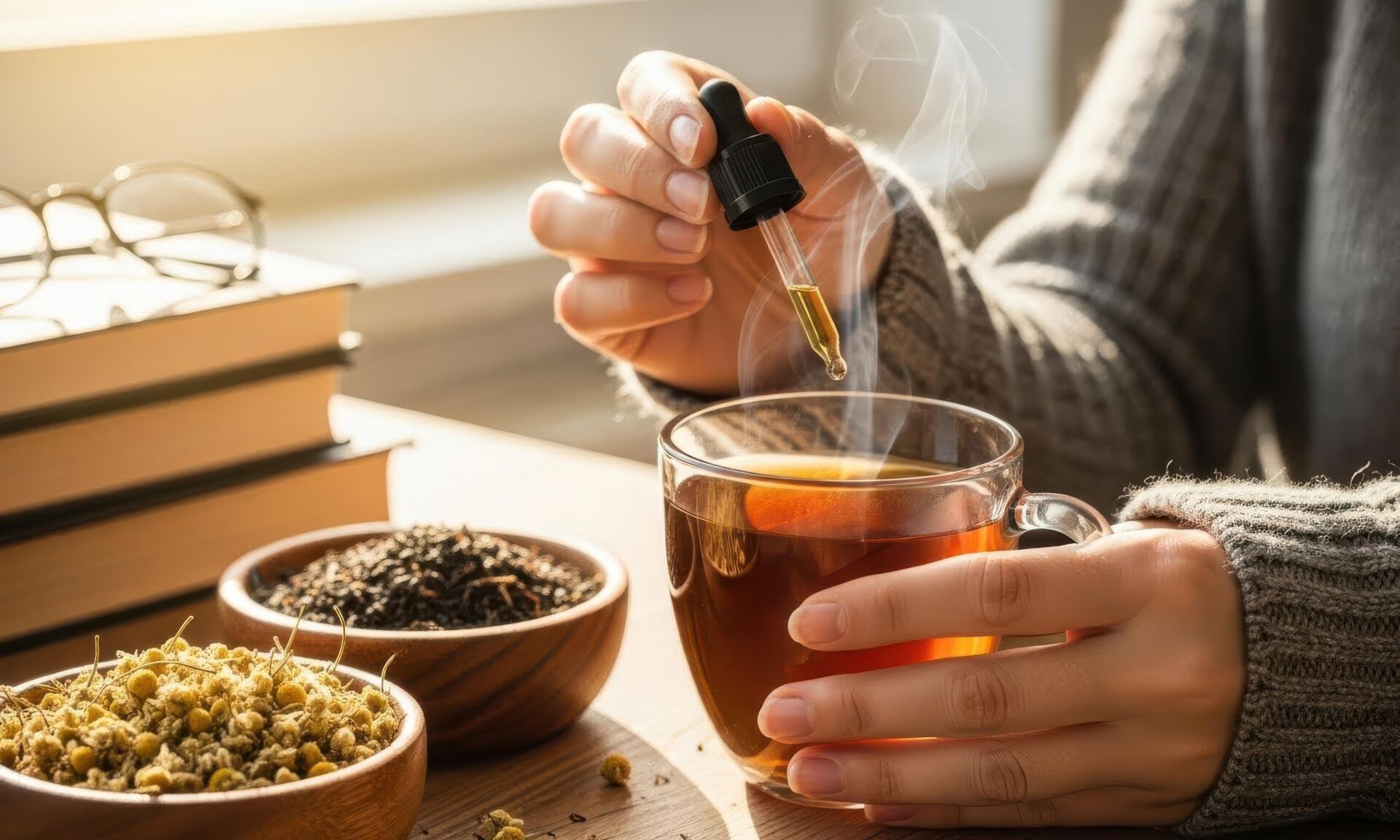
Caution on Thyme Essential Oil
Thyme is generally safe when used as medicine for a short period. However, concentrated thyme oil may cause slight irritation, especially for people sensitive to its compound.
Undiluted thyme oil is toxic if swallowed, so use it only topically and dilute it in a carrier oil.
Thyme tea may also cause stomach issues when used excessively for an extended period. Do not take it if you have bleeding disorders or are taking blood-thinning medication to avoid the risk of bleeding.
Read: What Your Tongue Says About Your Health
How to Use Thyme for Cough
Thyme is popularly available as a dried seasoning herb or powder. These can be used for medicinal preparations.
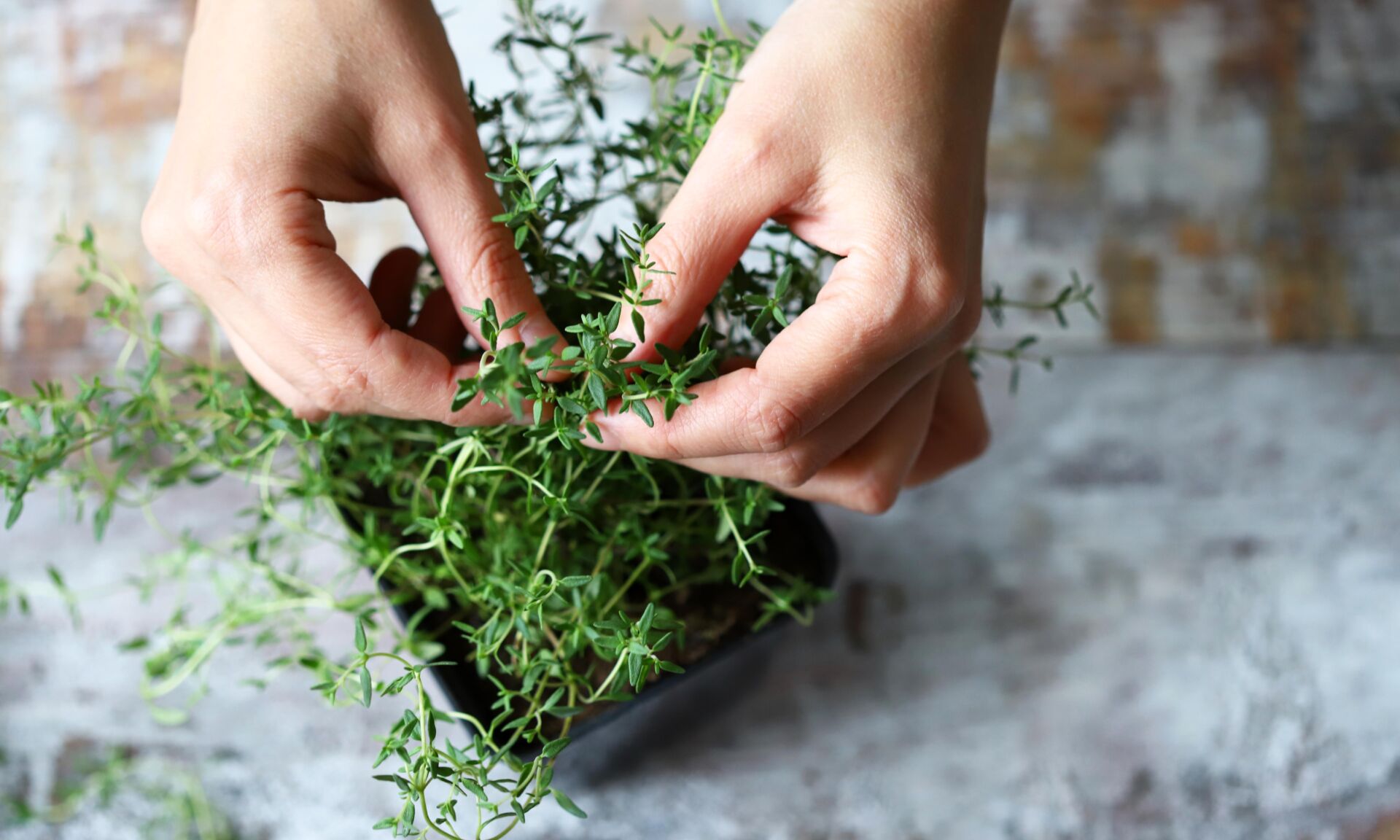
Fresh thyme is also an excellent option for quick use if it is available in your garden. Thyme is relatively easy to grow and can adapt to various weather conditions.
Using fresh or dried thyme for a cough is a personal choice. Both forms can provide significant therapeutic properties. However, dried thyme is more concentrated and gives an intense flavor, which is more beneficial for respiratory issues.
For general wellness and prevention of winter viral illnesses, fresh thyme is just as potent. It offers a vibrant, fresh flavor for a lighter tea that tastes better than dried tea.
Thyme may be used in supplements, but it is often combined with other herbs. Standalone thyme supplements are less common compared to other herbal remedies. However, they are still available at some herbal retailers as extracts or tinctures, or, less commonly, as capsules.
Here’s the problem with making remedies yourself: you never know if you did it right.
Did you steep it long enough? Too long? Is the ratio correct? Will it actually work when you need it?
I made thyme syrup for years before realizing I was doing it wrong. Too weak to help, or so strong it upset my stomach.
Everything changed when Nicole taught me the exact extraction times, proper ratios, and testing methods.
Now my remedies work the first time. Every time.
Dried Thyme
Dried thyme is quick-acting and longer-lasting; however, it may taste old and dusty. To revive its flavor, you may rub it in your palm, press it with a mortar and pestle, or lightly toast it before brewing.
Cover the pot when steeping to trap its oils, and consider a shorter steeping time to prevent it from getting bitter.
Alternatively, you can mix both fresh and dried thyme for an intense but vibrant-flavored infusion.
Fresh Thyme
Go light and easy with fresh thyme to help fight coughs and congestion if you don’t like the bitter taste of dried herbs.
Just add a few sprigs of thyme to a hot cup of water, then steep, covered, for at least 5 minutes.
Alternatively, you can use the infusion for steam inhalation by draping a towel over your head and inhaling its steam to soothe your airways.
Thyme Syrup
Thyme syrup, a mixture of thyme infusion and honey, is more favorable and palatable than thyme tea. It is an excellent option for older children for a mild cough and sore throat. Remember, though, that it is not ideal for kids under a year of age because honey can cause poisoning.
To prepare thyme syrup, mix an equal amount of strong thyme infusion with an equal part sweetener, such as honey or agave.
Thyme Chest Rub
A chest rub made of thyme essential oil diluted in a carrier oil does not necessarily cure a cough. However, it may help ease congestion with its slightly minty and subtly menthol scent.
Prepare a chest rub by adding a few drops of thyme oil to a carrier oil such as coconut, jojoba, or olive oil. Adding a few drops of eucalyptus oil can increase its power by providing a more pungent camphor scent.
Thyme Extract/Tincture
Thyme tincture is thyme steeped in alcohol, while extract is steeped in other solvents like glycerin, water, or vinegar.
These forms are fast-acting expectorants and decongestants. These are ideal for dry cough and whooping cough, mainly because of their concentrated thymol and carvacrol compounds.
A few drops of the extract may be added to beverages or administered directly under the tongue to alleviate chesty coughs.
You know what’s cheaper than a week of congestion and fatigue? Not getting sick in the first place.
One bottle of Elderberry Tincture (1oz) = $16. That’s 30 servings at 20 drops per day.
Missing work for 3 days? Lost wages, doctor visits, pharmacy bills… easily $500+.
I take 20 drops every morning. I haven’t been knocked out by illness in over a year.
Click here for the $16 that keeps your immune system strong enough to fight back.
Thyme Tonic
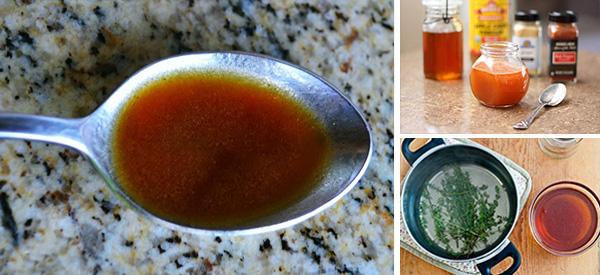
Here is a step-by-step guide on how to prepare thyme tonic to chase the winter blues and illnesses away.
From a holistic perspective, thyme infusions indeed help chase winter blues. Carvacrol and thymol can influence the brain’s neurotransmitters to reduce anxiety and release stagnant feelings.
So when you are sick or feeling down by the weather, here’s a quick pick-me-up cup for you to try.
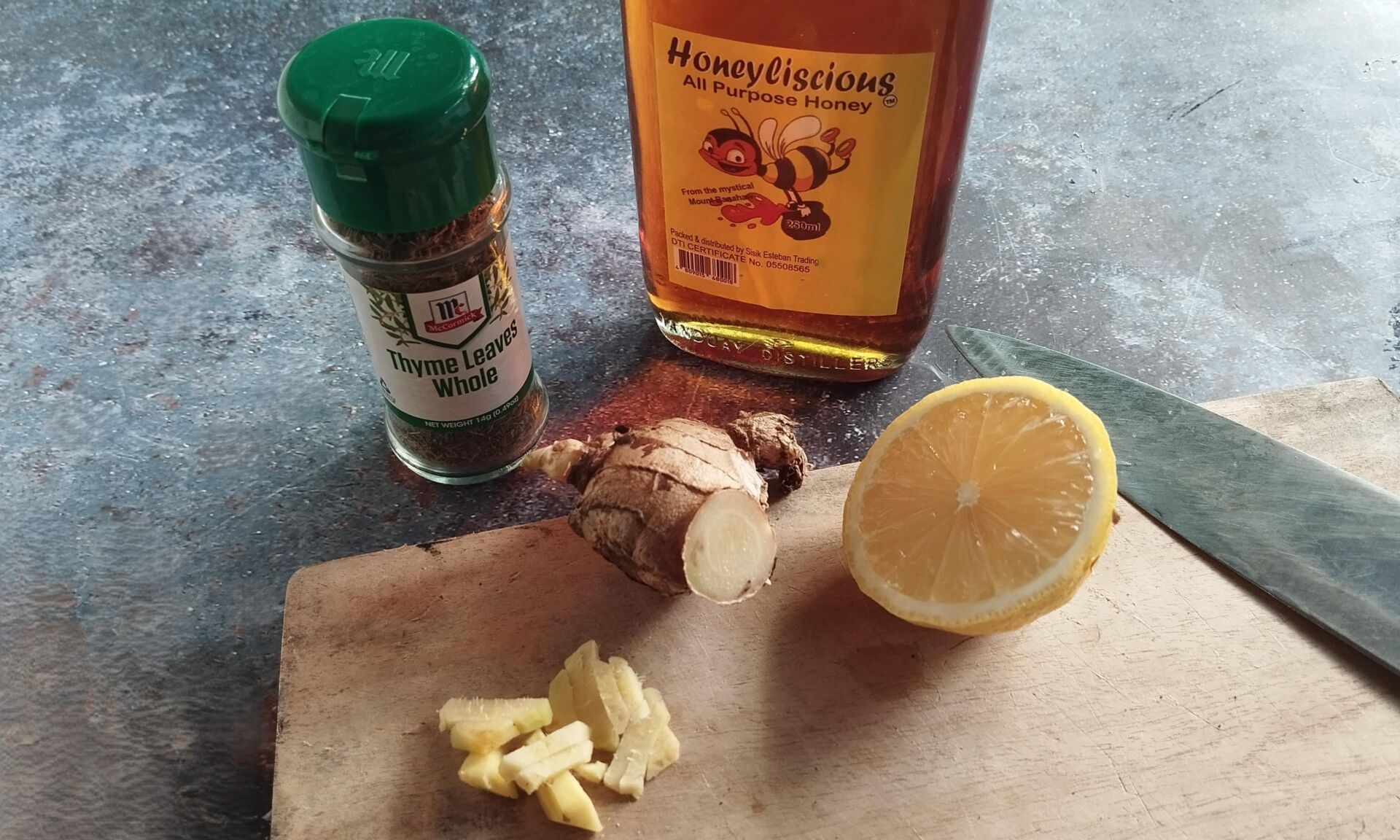
Ingredients
- 2 tsp dried thyme leaves
- 1 cup water
- Few slices of ginger
- Juice of half a lemon
- ½ to 1 cup honey

Steps
- Lightly toast thyme leaves until fragrant.
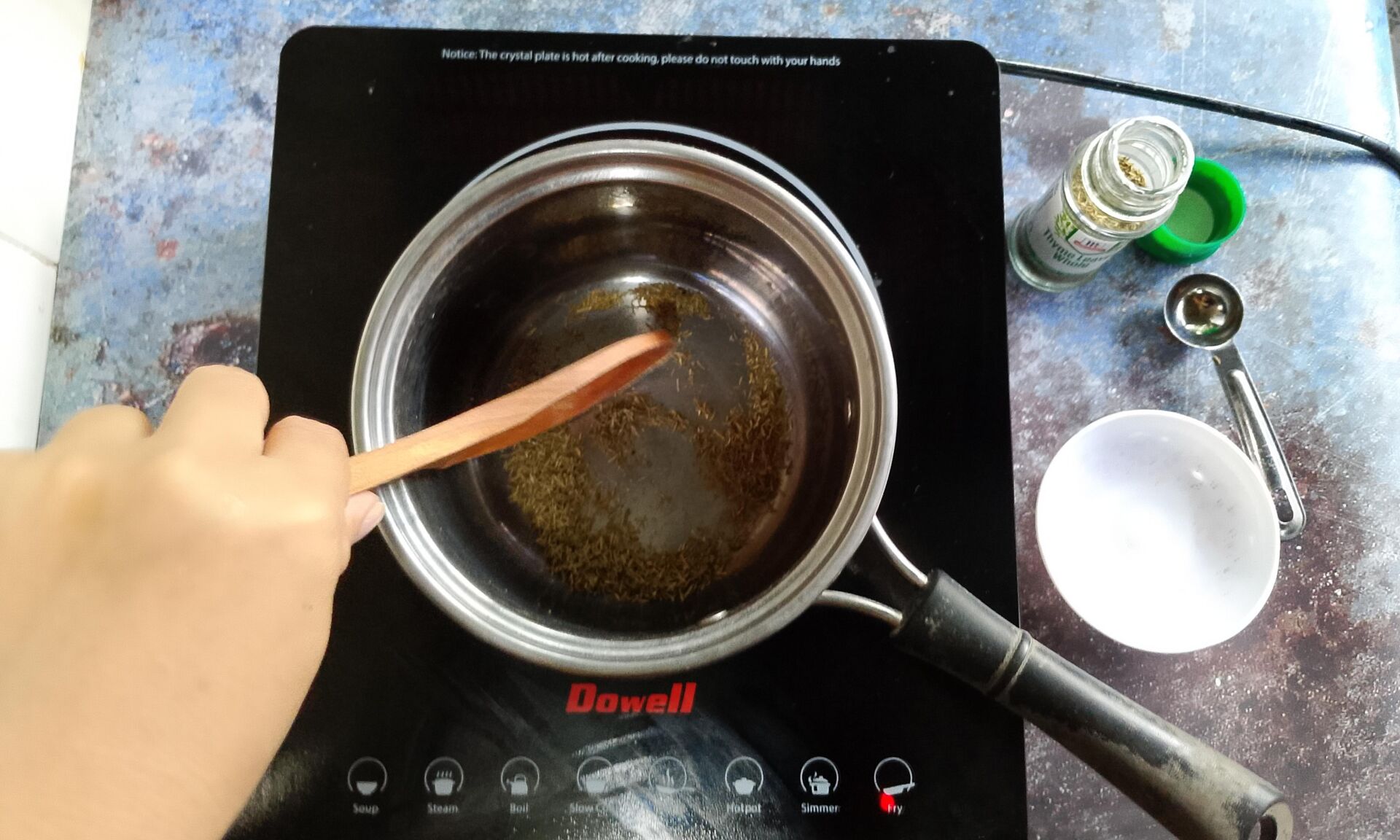
- Add water and bring to a boil.
- Add ginger slices and simmer for 5 minutes.
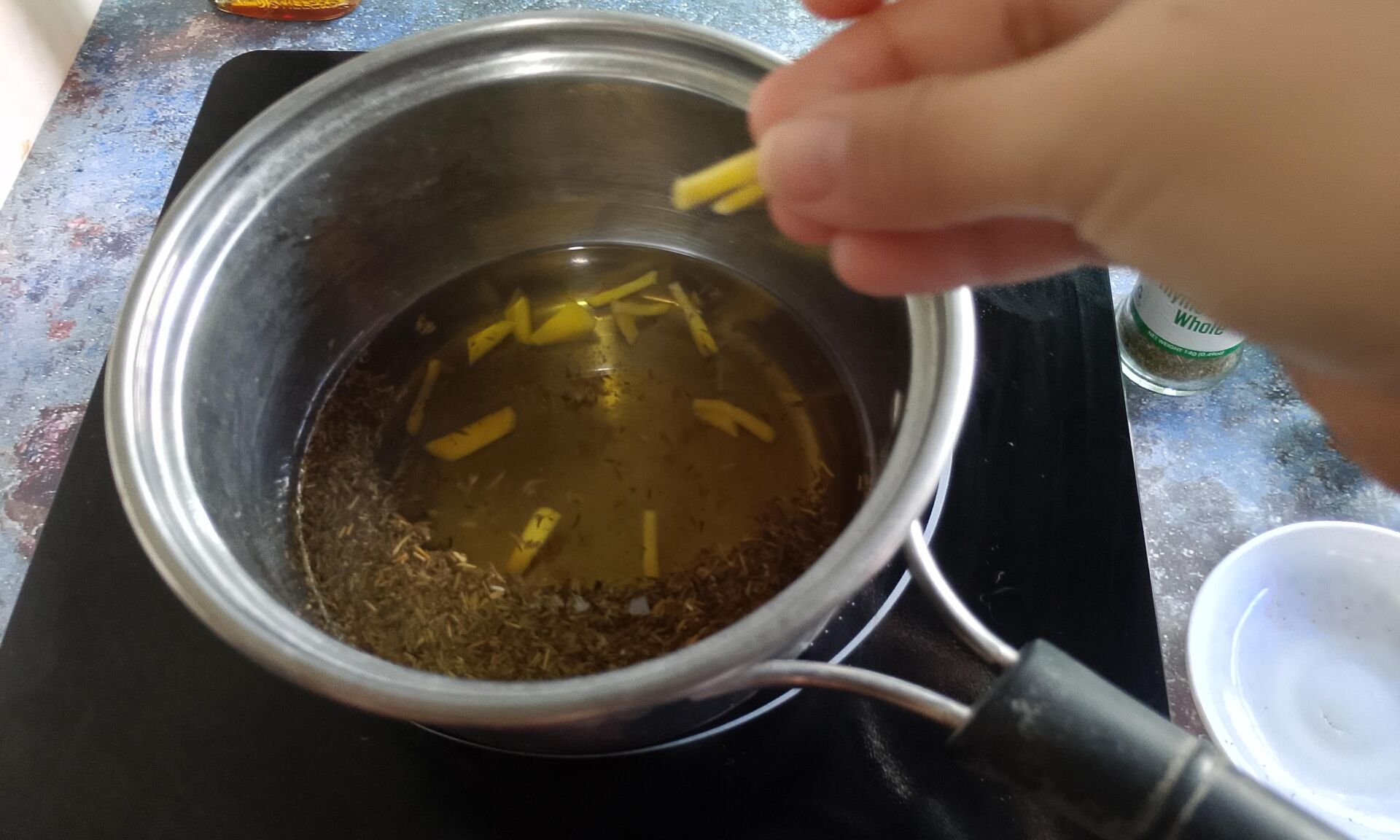
- Turn off the heat and let steep for 5 more minutes before adding the lemon juice.
- Strain the thyme infusion.
- Take one cup of the infusion and transfer it to a clean jar.

- Add honey to the jar. If you want a thicker tonic, double the amount of honey for a 1:1 ratio with the infusion.
To use: Drink 1 cup of the thyme-honey tonic while warm, inhaling the steam as you sip. Take 2 to 3 cups per day, preferably starting with a cup on an empty stomach in the morning. Keep drinking the tea for a few days until the respiratory symptoms clear out.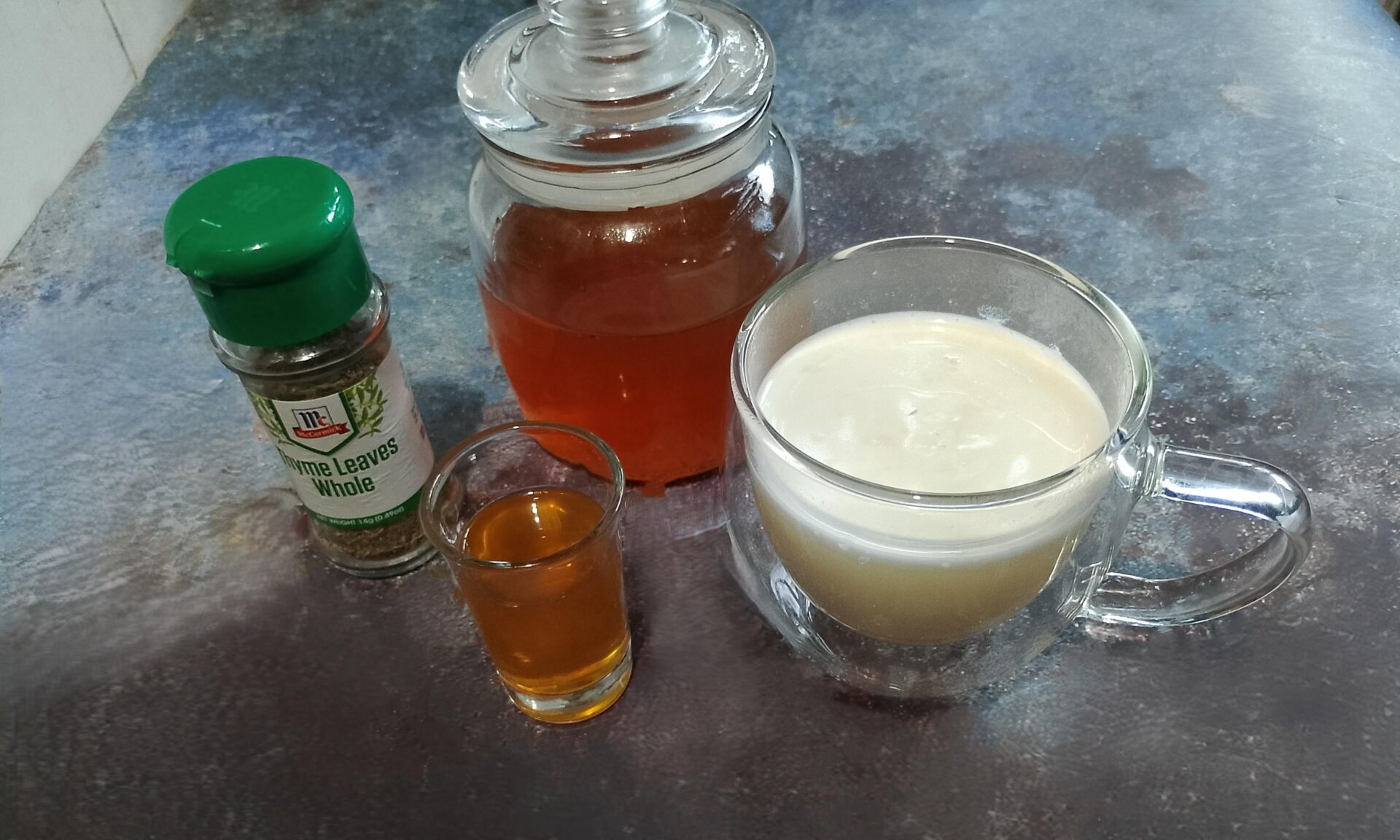
You can also mix it with your favorite beverage, such as tea, milk, or warm water.
If using the concentrated syrup, take 1 tablespoon for adults and 1-2 teaspoons for older children.
When Your Lungs Can’t Clear Themselves
Congestion doesn’t care if it’s from allergies, pollution, inflammation, or infection. When your airways are blocked, you can’t breathe, you can’t sleep, you can’t function.
The Lung Support Bundle combines five botanical extracts that work together to clear your respiratory system:
Reishi + Cordyceps (dual-extracted mushrooms—calm histamine response, reduce inflammation)
Stinging Nettle (inhibits mast cell degranulation, controls allergic reactions)
Yerba Santa (clears excess mucus from airways)
Bronchial Blend (lungwort lichen + mullein leaf—stops coughing, eases wheezing, opens tight breathing)
Most herbal companies sell one weak extract and call it “lung support.” This bundle attacks congestion from five different angles simultaneously.
Wild-harvested or organically grown. Dual-extracted for maximum potency. Made by herbalist Nicole Apelian.
Click here for the bundle that clears your lungs—whatever’s blocking them.

Perfect timing…Spring has sprung