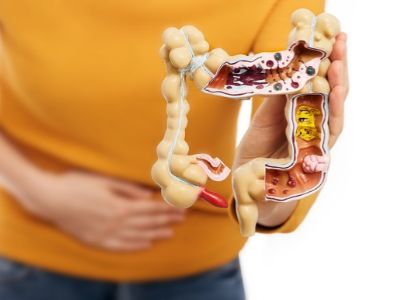
Painful hemorrhoids. Anal fissures. Severe stool blockages. Chronic straining can even contribute to rectal prolapse.
Your gut isn’t storing years of toxic sludge, but ignoring persistent constipation can turn a little bloating into a serious problem.
And the longer you ignore it, the more uncomfortable things can get.
If your gut constantly feels heavy, start by looking at what you eat.
White bread, fast food, packaged snacks, and other low-fiber processed foods can make an already sluggish gut even harder to manage.
And if you’re wondering whether you already have buildup, there are warning signs worth knowing.
Nicole breaks down what to remove, what signs to watch for, and how to support digestion naturally inside her holistic health guide — including guidance for digestive problems and issues that can come with chronic straining, like hemorrhoids.
If you’re constantly bloated and backed up, start with your gut.
Constipation can leave you carrying extra stool and feeling heavier than usual.
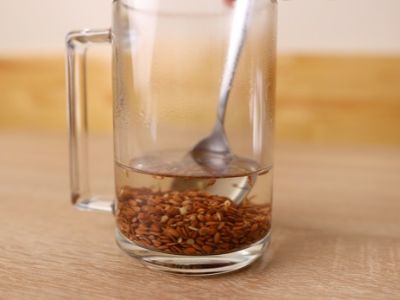
That’s where the flaxseed drink we discussed earlier comes in.
Its natural fiber helps support softer, easier bowel movements.
But remember: Getting rid of retained waste isn’t the same as burning fat.
Think of improving your digestion as a first step toward feeling more comfortable, while you work on lasting weight loss.
If you’re trying to lose weight, I’d start by making sure your digestion is actually working well.
Think about what a balanced gut can mean: more regular bowel movements, less uncomfortable bloating, better digestive comfort, and a routine that doesn’t leave you feeling heavy after every meal.
If you want the easiest first step toward better gut health, click here.
Step 2: Watch Out for Unwanted Guests
What if your digestive troubles aren’t just about what you’re eating?
For centuries, people have used bitter herbs and traditional plant preparations when dealing with digestive complaints, including suspected intestinal worms.
Some can steal nutrients, upset digestion, and cause uncomfortable symptoms.
But here’s where things get tricky.
Craving sugar doesn’t automatically mean parasites are living inside you.
In fact, there’s no good evidence that ordinary sugar cravings mean worms are feeding on the sweets you eat.
Those cravings are often connected to habits, hunger, poor sleep, stress, or highly tempting processed foods.
If you experience persistent diarrhea, unexplained weight changes, abdominal symptoms, or suspect an infection after exposure to contaminated food or water, get tested and take action.
I tried one of these old parasite-flush routines once, and what I saw afterward was enough to make me take gut hygiene much more seriously.
One of the things I did was chew raw garlic, but that was only part of the old recipe.
Now, because I have a cat and I’m around animals regularly, I’d rather stay aware of parasite risk than pretend it doesn’t exist.
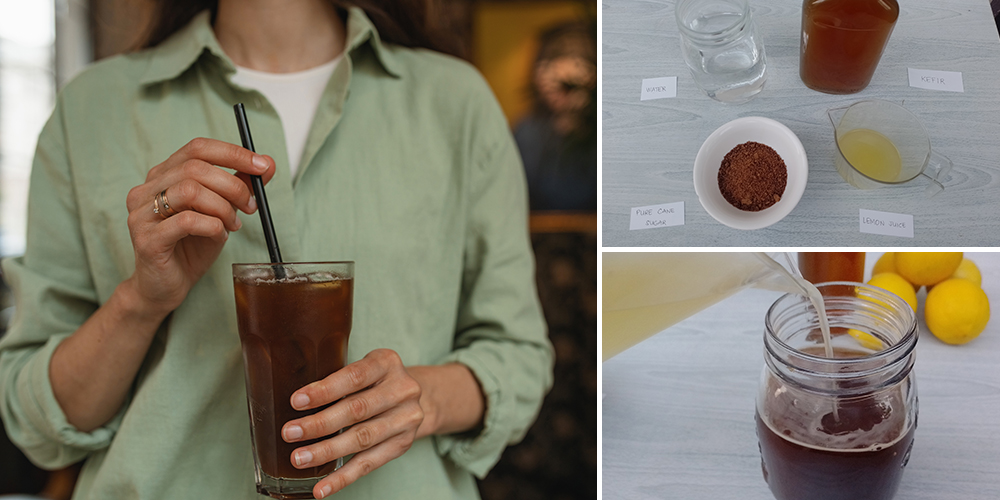
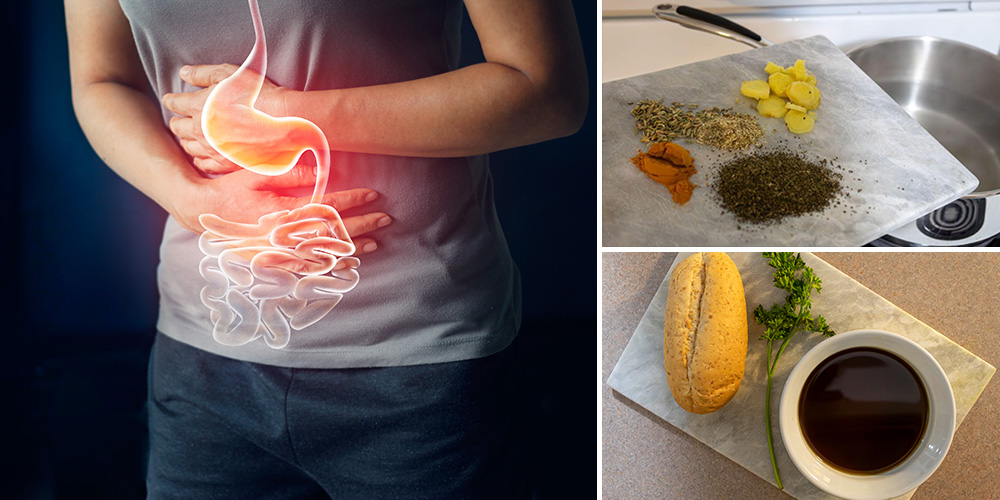
But if you want to see the traditional flush recipe I follow every once in a while, I’ll leave it here.
Step 3: Soothe Your Gut With Three Forgotten Plants
Your digestion works hard every day. But are you giving your gut the support it needs?
Long before modern supplements, our ancestors turned to three simple plants:
Marshmallow root: Rich in mucilage, traditionally used to soothe irritated digestive tissues.
Slippery elm: Its inner bark was valued for calming digestive discomfort.
Broadleaf plantain: A common backyard weed traditionally used for gut preparations.
These plants won’t melt belly fat, but they may help support digestive comfort.
And when your gut feels better, sticking to healthier eating habits becomes a whole lot easier.
Remember the gut tincture I mentioned earlier?
This is exactly why I like it.
It brings together the digestive herbs above, so you don’t have to source and prepare each one separately.
Step 4: Make Tiny Changes That Add Up to REAL Weight Loss
You don’t need to starve yourself to lose five pounds of fat. You need a routine you can actually stick to.
Start with these simple changes:
Stop drinking your sugar. Replace soda and sweetened drinks with water, unsweetened herbal tea, or lemon water.
Walk after meals. Even 10–15 minutes gets you moving and adds activity to your day.
Put protein on your plate. Eggs, beans, Greek yogurt, fish, or other protein-rich foods can help you feel satisfied.
Fill half your plate with vegetables. More volume and fiber can help you feel full without piling on calories.
Sleep like it matters. Because it does. Poor sleep can make hunger and cravings harder to manage.
And here’s the secret most crash diets miss.
You don’t need to change everything overnight. You just need to stop repeating the habits that keep working against you.
To lose body fat, your body needs to use more energy than you consume over time.
For many adults who would benefit from weight loss, a gradual pace of around 1–2 pounds per week is more sustainable than chasing dramatic overnight results.
Because I don’t have just one thing I want to manage.
At any given time, I probably have 7 or 8 little health issues I’m paying attention to. Some get better. Others show up over the years.
That’s why I like having one resource that tells me what I can do morning, afternoon, and evening instead of searching for a different solution every time something changes.
Step 5: Feed Your Body Fat-Burning Plants Instead of Empty Calories
Ever noticed how sweets give you a quick energy boost, only to leave you craving more?
That’s the trap of sugary, high-calorie foods. They offer short-term benefits with long-term side effects when you rely on them too often.
But nature has something much better to offer.
Our ancestors knew plants that could support energy, digestion, and metabolism. And some of them might already be in your kitchen.
Green tea: Contains natural compounds that may modestly support fat oxidation and energy expenditure.
Ginger: Traditionally used for digestion and may help support feelings of fullness.
Cinnamon: Adds natural sweetness without sugar and may help support healthy blood sugar regulation.
Turmeric: Rich in curcumin, a compound known for its anti-inflammatory properties.
Ginseng: Traditionally valued for vitality and reducing fatigue.
Ashwagandha: An ancient adaptogenic herb studied for stress relief, which may help you manage stress-related eating.
Reishi mushroom: Traditionally used to support vitality and investigated for its potential effects on gut health.
Acacia gum: Packed with soluble fiber that can help support fullness and feed beneficial gut bacteria.
And don’t overlook spirulina, acerola cherries, and nutrient-rich leafy greens. They provide valuable nutrients that support your body while you’re cutting back on empty calories.
Thinking, There’s no way I’m eating all of those plants every single day?
You don’t have to.
There’s a much easier way to get dozens of plants, mushrooms, greens, fiber, and gut-supporting ingredients into one daily routine without filling your kitchen with bags and bottles.
You scoop it into water, coffee, tea, a smoothie, or food and you’re done.
No hunting down reishi today, ginseng tomorrow, spirulina the next day, then forgetting half of them by Friday.
We use cookies to ensure that we give you the best experience on our website. If you continue to use this site, we will assume that you are happy with it.
Functional Always active
The technical storage or access is strictly necessary for the legitimate purpose of enabling the use of a specific service explicitly requested by the subscriber or user, or for the sole purpose of carrying out the transmission of a communication over an electronic communications network.
Preferences
The technical storage or access is necessary for the legitimate purpose of storing preferences that are not requested by the subscriber or user.
Statistics
The technical storage or access that is used exclusively for statistical purposes.The technical storage or access that is used exclusively for anonymous statistical purposes. Without a subpoena, voluntary compliance on the part of your Internet Service Provider, or additional records from a third party, information stored or retrieved for this purpose alone cannot usually be used to identify you.
Marketing
The technical storage or access is required to create user profiles to send advertising, or to track the user on a website or across several websites for similar marketing purposes.