

What Remedies To Use According To Your Blood Type
Your blood type matters for much more than transfusions, and researchers have studied possible links between ABO blood groups and certain health patterns. But blood type alone does not determine which herbs will work for you, what conditions you have, or what supplements you should take.
Scientists have explored links between blood groups and things like clotting, digestive conditions, metabolic health, and other health outcomes. These are population-level associations, not personal diagnoses, and they do not mean that everyone with a certain blood type will develop the same problems or respond to the same remedies. Stress hormones such as cortisol are influenced by many factors beyond blood type.
Your blood type may offer clues about certain health patterns.
So instead of treating blood type like a prescription, let’s use it as a starting point for a broader conversation about herbs that have been studied for everyday wellness support.
Important: Never start, stop, or change a prescribed medication based on your blood type or on information in this article. If you have a diagnosed condition, take medication, are pregnant or nursing, or are considering a concentrated herbal supplement, speak with a qualified healthcare professional first.
Disclosure: Some links in this article are affiliate links, which means we may earn a commission if you purchase through them, at no additional cost to you.
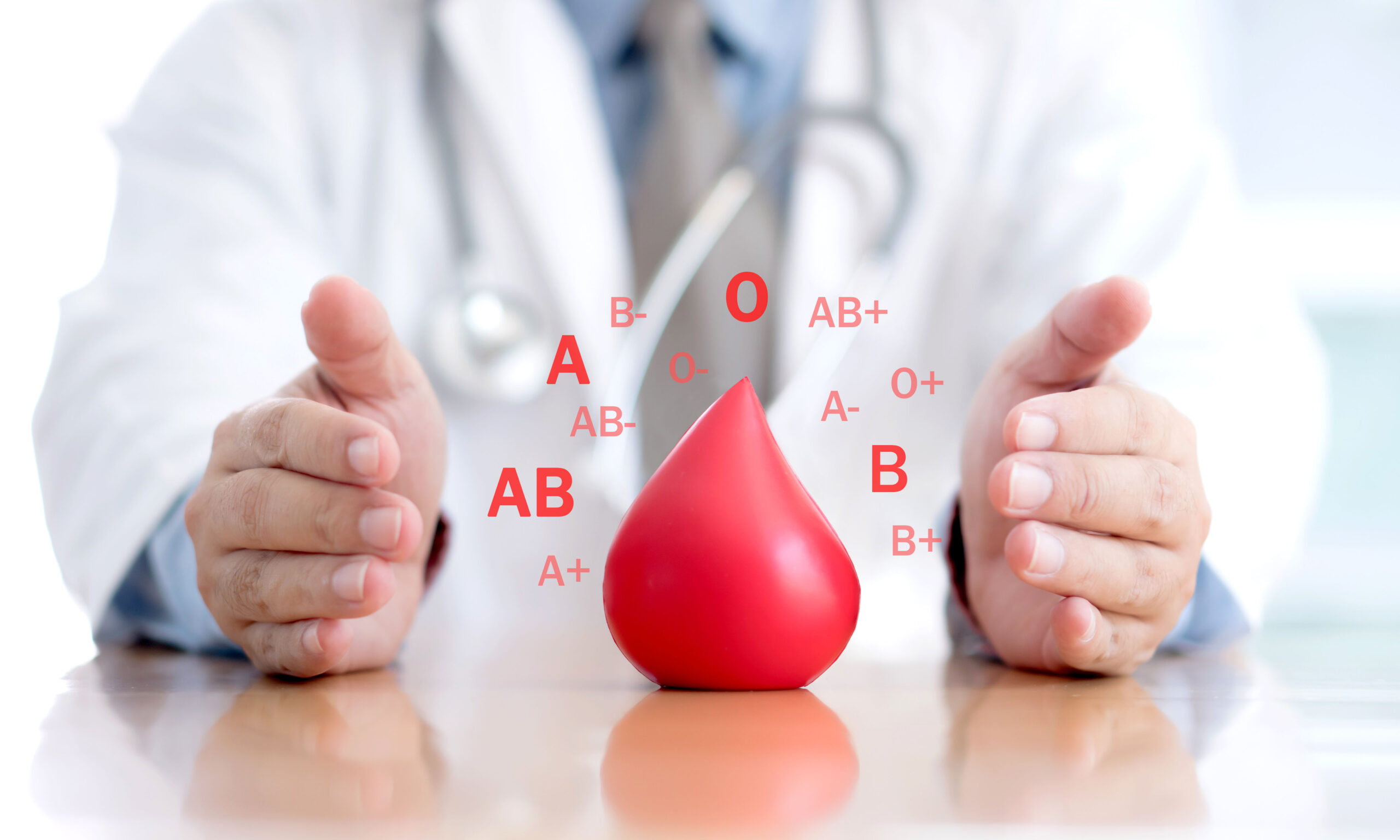

Blood Type O
Some research has explored associations between Type O blood and certain digestive conditions, but your blood type does not tell you how much stomach acid you produce, whether you have an ulcer, or whether you have a thyroid condition. If digestive discomfort or unexplained fatigue is persistent, it deserves proper evaluation.
Licorice
Occasional digestive discomfort can have many causes, and symptoms such as burning or stomach pain should not be diagnosed from blood type alone. Persistent, severe, or recurring symptoms are worth discussing with a healthcare professional.
DGL licorice is commonly used for digestive comfort, but evidence for licorice alone in digestive conditions remains limited. DGL products remove most of the glycyrrhizin found in regular licorice, but they should still be used as directed and should not replace medication prescribed for ulcers, reflux, or other digestive conditions.
If you choose to try DGL licorice tablets, follow the product directions and check the ingredient list carefully. Individual responses vary, and ongoing digestive symptoms should not be self-treated indefinitely.
Ingredient labels matter. The government’s own National Center for Complementary and Integrative Health notes that many products sold with a licorice flavor in the US do not contain actual licorice, and that anise oil is sometimes used because it has a similar smell and taste.
That does not necessarily mean a product is fraudulent, but it does mean you should read labels closely if you specifically want a product made with real licorice root.
Herbal products can vary considerably in identity, purity, storage, and processing, which is why it is worth choosing suppliers that provide clear sourcing and quality-testing information.
If you prefer ready-made herbal products, look for clear ingredient lists, responsible sourcing, and straightforward directions. This gut-support blend combines several herbs traditionally used in digestive wellness routines. See the full ingredient list here.
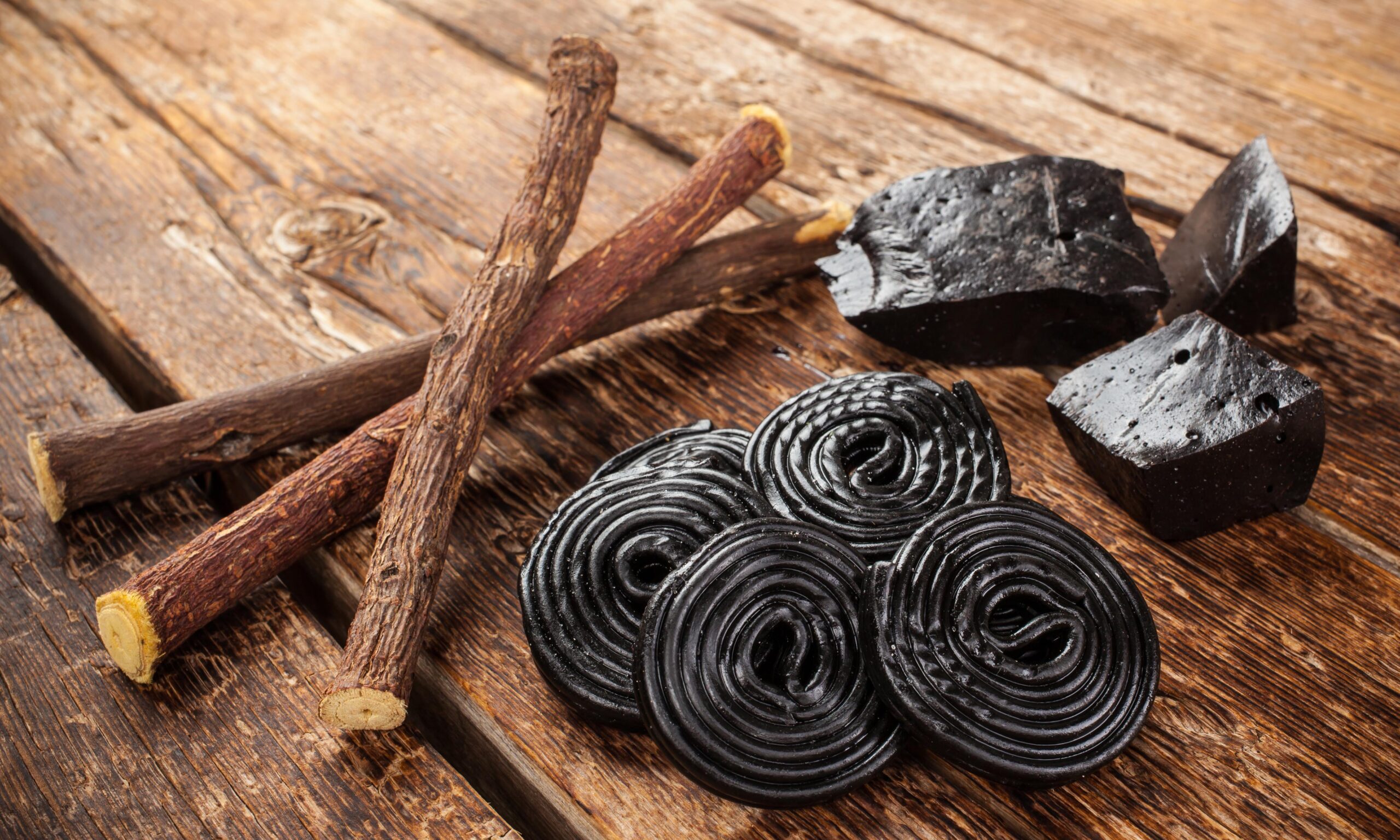
Ashwagandha
Feeling tired even though you get enough sleep can have many causes. Blood type alone does not tell you whether you have a thyroid or autoimmune condition, so persistent fatigue is something to discuss with a healthcare professional rather than self-diagnose.
Ashwagandha has been studied for stress-related outcomes, but it is not a treatment for thyroid disease and may be unsuitable for people with certain thyroid or autoimmune conditions. Because ashwagandha may affect thyroid function and can interact with some medications, people with thyroid conditions should discuss concentrated supplements with a healthcare professional.
Ashwagandha has been studied for stress, sleep, and cortisol-related outcomes, with some trials reporting promising results. Effects vary by preparation, dose, and individual, so it is better viewed as a possible stress-support herb rather than a guaranteed way to control cortisol or anxiety.
Panax ginseng has also been studied for fatigue and physical performance, although results are mixed and depend on the preparation and population studied. It should not be treated as a guaranteed caffeine replacement.
If these herbs fit your needs: Ashwagandha is often used in stress-support routines, DGL licorice is commonly chosen for digestive comfort, and ginseng is sometimes used for energy or performance support. None of these choices should be based on blood type alone.
I’ll be honest. I hate the taste of ashwagandha powder. It’s bitter and chalky. But here’s what I do instead: I add a few drops of this high-quality ashwagandha tincture to my morning coffee.
Some people prefer adding an ashwagandha tincture to their morning routine because it is convenient, although individual responses vary and it should be used only as directed.
This tincture is an alternative for people who prefer a liquid preparation over powder. Check the directions and ingredients before use.
Blood Type A
Having Type A blood does not mean that your cortisol automatically rises more than everyone else’s or that your immune system is chronically inflamed. Stress and inflammation are influenced by many factors, so the herbs below are better considered for general wellness rather than as remedies specifically required by Type A blood.
Lower Your Stress Hormones
Stress can affect sleep, mood, energy, and immune function regardless of blood type. If stress is a recurring issue for you, several herbs have been studied for relaxation and stress support.
Chamomile, holy basil, and ashwagandha are commonly used in stress-support routines. One 8-week study evaluated chamomile extract in people with anxiety symptoms and reported improvement, but that result should not be generalized to every chamomile product or treated as proof that chamomile replaces professional care.
Chamomile contains apigenin, a compound studied for its interaction with pathways involved in relaxation. That does not make chamomile equivalent to anxiety medication or free from possible side effects.
Holy basil has a long history of traditional use and is being studied for stress-related outcomes. Some people enjoy it as a morning tea, but the effect is not guaranteed and it should not be presented as “retraining” the stress response.
Fight Inflammation
Chronic inflammation and autoimmune disease are complex and cannot be predicted from blood type alone. Some studies have explored associations between ABO blood groups and particular diseases, but those population-level findings should not be used to tell an individual reader that a disease is likely or inevitable.
Turmeric contains curcumin, a compound widely studied for its effects on inflammatory pathways. Some clinical research has evaluated curcumin preparations for joint discomfort and inflammatory markers, but results vary by formulation and dose, and turmeric should not be presented as preventing or treating cancer, arthritis, or another disease.
Green tea provides polyphenols and can be included as part of a balanced diet. Researchers have studied green tea in relation to H. pylori and digestive health, but the evidence does not justify telling Type A readers that green tea will protect them from infection, ulcers, or stomach cancer.
Garlic is widely used as a food and has been studied for cardiovascular markers such as blood pressure and cholesterol. The size of any effect varies, so it is better used as part of an overall heart-healthy lifestyle than as a blood-type-specific treatment.
A gentler approach: If these herbs suit you, holy basil or chamomile can be part of a relaxation routine, while turmeric, garlic, and green tea can simply be used as foods or beverages within a balanced diet. Your blood type does not make any of them mandatory.
If you deal with occasional achy joints, some people combine dietary choices with topical warmth or comfort measures. Chronic or unexplained pain deserves medical evaluation rather than relying on home remedies alone.
One traditional option is a warming cayenne patch. Cayenne can create a strong warming sensation on the skin, so use care, avoid broken or irritated skin, and stop if it causes significant burning or irritation.
I created these for my wife when her joint pain was ruining our quality time together.
She found the warming patches comforting when her joints felt achy, although results can vary and the patches are not a treatment for chronic pain.
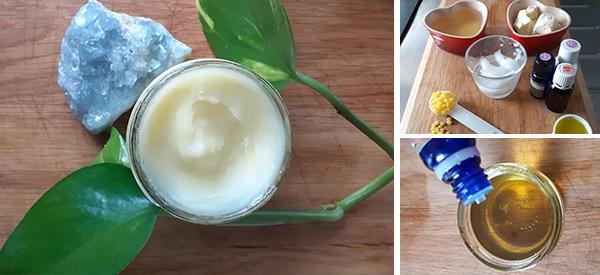
They’re completely natural: just cayenne, cloth, and a secret ingredient plant we grow on our kitchen windowsill. Want to know exactly how we made them? Click here to see our simple recipe.
Blood Type B
Some studies have explored associations between Type B blood and type 2 diabetes risk, but blood type alone cannot tell you how well your body handles glucose or whether you have insulin resistance. Blood sugar concerns should be assessed with appropriate testing, not inferred from blood type.
Stop Blood Sugar Rollercoasters
Afternoon fatigue or brain fog after meals can have many causes. They are not proof of insulin resistance, and Type B blood does not by itself explain those symptoms.
Ceylon cinnamon has been studied for blood-sugar-related markers, but it should not replace diabetes medication, monitoring, diet, or professional care. One frequently cited clinical study evaluated cinnamon in people with type 2 diabetes and reported changes in glucose and lipid markers. That does not establish a fixed effect for every person, every dose, or every cinnamon product. Culinary amounts can still be an easy way to enjoy it as part of a balanced diet.
Fenugreek has been studied for its possible effects on post-meal glucose and other metabolic markers, although results depend on the preparation and individual. It can also interact with medications and may lower blood sugar, so concentrated supplements deserve extra caution if you use diabetes medication.
Here’s how most people try to source quality fenugreek: First, you research which suppliers actually test for purity (most don’t). Then you compare extraction methods (water vs. alcohol vs. CO2). Next, you check if they standardize for 4-hydroxyisoleucine content (the active compound). Then you verify third-party testing results. Finally, you hope the capsules haven’t been sitting in a hot warehouse for months losing potency.
Exhausting, right?
Or, if you prefer a ready-made preparation, you can look at this fenugreek-containing tincture from Nicole Apelian. It combines fenugreek with other herbs traditionally used in cardiovascular wellness routines. Check the ingredients and directions carefully, especially if you take medication for blood pressure or blood sugar.
Check out this Fenugreek heart-support blend here.
Support Your Metabolism
Ginger is commonly used for digestive comfort and has also been studied for metabolic and inflammatory markers. Fresh ginger can be added to meals or prepared as tea, but it should not be relied on to control blood sugar.
Turmeric and garlic can also be included in everyday cooking and have both been studied for general inflammatory and cardiovascular markers. Again, these are general wellness choices rather than remedies required by Type B blood.
A practical approach: Use cinnamon, ginger, turmeric, and garlic as foods if you enjoy them. If you are considering concentrated fenugreek or cinnamon supplements for metabolic reasons, discuss them with a healthcare professional, especially if you take diabetes medication.
Blood Type AB
Type AB is the rarest ABO blood group. Some research has explored associations between non-O blood groups and clotting or cardiovascular outcomes, and other studies have examined blood type in relation to cognition. These findings do not mean that an individual with Type AB blood will develop stroke, cognitive decline, or abnormal clotting.
Strokes and Blood Clots
Blood clotting is influenced by many medical, genetic, and lifestyle factors. Blood type alone should never be used to decide whether you need a supplement intended to affect circulation or platelet activity.
Garlic has been studied for platelet activity and other cardiovascular markers. Concentrated garlic supplements may interact with blood-thinning medication, so speak with a healthcare professional before using them if you take anticoagulant or antiplatelet drugs.
Ginkgo biloba has been studied for circulation and cognitive outcomes, but evidence is mixed and it should not be presented as preventing blood clots, strokes, or heart attacks. It can also interact with medications that affect bleeding.
Hawthorn berry has a long history of traditional cardiovascular use. Certain standardized hawthorn preparations have been studied in people with heart conditions, but findings should not be generalized to every hawthorn product or used to guide self-treatment.
The fenugreek blend I mentioned above also contains hawthorn.
Heart health involves many factors, including blood pressure, cholesterol, activity, diet, smoking status, sleep, and medical history. Herbs can sometimes complement a wellness routine, but they are not substitutes for appropriate cardiovascular care.
Besides hawthorn and fenugreek, there are other herbs commonly discussed in cardiovascular wellness routines. None is mandatory for Type AB, and no herbal combination should be treated as protection against a stroke or heart attack.
Click here to see the other herbs included in this cardiovascular-support bundle. 
Support Your Memory and Cognition
Some studies have explored possible associations between blood type and cognitive outcomes, but blood type alone is not a reliable way to predict an individual’s memory or risk of cognitive decline.
Ginkgo biloba has been studied for memory and cognitive outcomes, but research is mixed and results depend on the population and preparation studied. It should not be presented as preventing cognitive decline.
Green tea naturally provides caffeine and L-theanine, a combination many people enjoy for alertness and a calmer sense of focus. Drinking green tea can be part of a healthy routine, but it should not be presented as preventing cognitive decline.
Rosemary contains aromatic compounds that have been explored in small studies of attention, memory, and mood. Research involving the aroma of rosemary essential oil is interesting, but it does not establish a guaranteed cognitive benefit.
A safer way to think about it: Garlic, green tea, and rosemary can easily fit into an everyday diet. If you are considering concentrated garlic supplements, ginkgo, or hawthorn for a specific cardiovascular concern, check with a healthcare professional first, especially if you take medication.
And if what you’re really looking for is an old-fashioned alternative to another cup of coffee, this next preparation is worth knowing about:
Most people reach for another cup of coffee or an energy drink when the afternoon slump hits. But traditional herbal routines offer plenty of other ways to make an energizing drink without pretending that one recipe works the same for everyone.
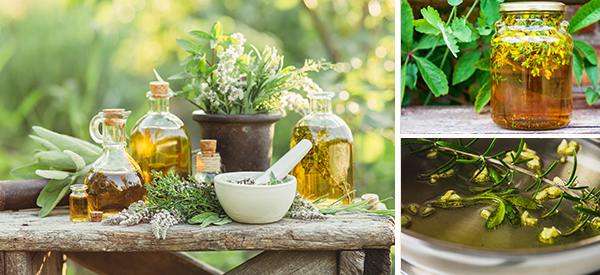
Deep in the woods grows a plant traditionally prepared into a dark herbal syrup. It’s an old-fashioned vitality recipe with a warming, robust character and a story that has kept it popular with people who enjoy making their own herbal preparations.
 Locals call it Redbull of the Woods. This traditional preparation is valued for its warming character and place in old-fashioned vitality routines. Individual experiences vary, so avoid presenting it as an instant or guaranteed energy boost.
It is not a guaranteed energy booster, and individual responses vary, but it is a fascinating traditional recipe to have in your home-apothecary collection.
This isn’t some expensive superfood powder. It’s simple, practical, and grows right outside your door.
Ready to make your own?
👉 Get the Redbull of the Woods recipe here
A More Practical Way to Use This Information
For digestive comfort: DGL licorice is one traditional option to explore.
For stress support: Chamomile, holy basil, and ashwagandha are commonly used.
For everyday metabolic wellness: Cinnamon, fenugreek, ginger, turmeric, and garlic are widely discussed, especially as foods.
For general cardiovascular and cognitive wellness: Green tea, garlic, rosemary, ginkgo, and hawthorn are among the herbs people often research.
Start with one or two herbs, adding more gradually. Always check with your doctor, especially if you take medications.
Your blood type may be an interesting piece of biological information, but it is not a reliable shortcut for choosing herbs. Base your wellness routine on your actual needs, medical history, medications, and the evidence behind the specific preparation you are considering.
Blood type is only one biological characteristic and should not be used as a complete blueprint for choosing herbs.
If you’re looking for a guide to creating a complete natural medicine cabinet, Nicole’s Forgotten Home Apothecary gives you the complete construction manual.
Inside, you’ll find traditional preparations for memory support, everyday comfort, seasonal wellness, and home-apothecary use, with step-by-step instructions for making them.
Plus the Memory Elixir, the Herbal Antiparasitic Flush, and natural “Flu Shots”.
Whatever your blood type, Nicole’s recipes are designed as practical home-apothecary preparations for people interested in traditional herbal wellness. Choose recipes based on your actual needs and safety considerations rather than assuming your blood type determines what you should use.
Get Nicole’s Forgotten Home Apothecary now and build a practical home apothecary that reflects your needs, medications, and personal health considerations.
Stop guessing based on blood type alone. Start learning which traditional preparations fit your actual needs, routine, and safety considerations.
 You May Also Like:
A Traditional Herbal Broth Recipe
Traditional Home Apothecary Preparations
The Mushroom Being Studied for Brain Health
Thank you – Very interesting ~
Wanting Folks to know (amongst all of the details you have provided thankfully) that as far as I know ashwagandha is not recommended for Folks with auto immune conditions as it is an immune system booster
You’re absolutely right, Janet!
Thank you for bringing that up. While several studies (including one published in the show ashwagandha helps regulate thyroid and cortisol levels, some experts caution that it may overstimulate immune function in people with autoimmune conditions.
That’s why I always recommend readers check with their healthcare provider before starting new supplements.
I appreciate you highlighting this nuance, it makes the discussion stronger and safer for everyone.
Which is interesting because hashimotos is an auto immune sigh
In the email you mentioned a popular antibiotic that O blood types shouldn’t take but, you don’t say what that antibiotic is in the rest of your article. I am type O. What is the antibiotic that I shouldn’t take??
I want to know that as well. The article did not meet expectations set by the Title.
I hear you, MurC. Part of the challenge is that there are limits to what we can say very specifically due to legal reasons.
That said, our goal is to keep putting out articles that connect blood type research with practical, natural solutions.
We’re sorry we can’t always spell out every detail, but we’ll keep building on this conversation in future posts.
Then PLEASE do not tell us you’ll share something when you have no intention to do so. I’m far less likely to read your articles.
Thanks for asking, Linda.
Some details we’d love to share more specifically, but for legal reasons we can’t always name certain medications directly. What we can do is keep highlighting natural alternatives and patterns tied to blood type.
I hope you’ll keep following along, we’ll keep posting articles that dig into this topic from different angles.
Wouldn’t you know, the very herb I detest is what is recommended for my O type–licorice! Yuk.
Haha, I hear you, Beth!
Licorice is definitely a “love it or hate it” flavor!
Luckily, the benefits often come from DGL licorice tablets or tinctures, which don’t have the same strong taste as traditional licorice candy.
In fact, one clinical trial in found DGL licorice helped ulcers without the typical licorice side effects.
So you may be able to get the benefits without the flavor you dislike.
Well, I’m the opposite. I’m type O also and I love licorice.
My copy of Dr. D’Adamo’s book says that Type B should avoid cinnamon and fenugreek.
That’s a great point, Pat, and I appreciate you bringing it up. Dr. D’Adamo’s work was pioneering, and his recommendations shaped much of the “blood type diet” discussion.
More recent research, though, suggests a more nuanced picture. For example:
For Type B specifically, those benefits may outweigh the old cautions, especially since blood sugar and cardiovascular risks run higher.
Of course, every person is different, and anyone considering these herbs should check with their healthcare provider first.
Your comment is a great reminder that herbal advice isn’t one-size-fits-all, and it’s why I blend both traditional insights and modern clinical data in these articles.
I am blood group O- and should mention that liquorice is not good for high blood pressure.
Is sad we cant actually buy these products in NZ yet (the tinctures ect)