

Homemade Antibiotic Broth
A while back, I dragged myself to the doctor after five days of a fever that just wouldn’t quit. My throat felt like sandpaper, my sinuses were on fire, and I was running on fumes. I wasn’t expecting miracles… but I was hoping for something better than what you’ve probably heard, too: “Take these pills and wait.”
No one asked me what I was eating. No one cared how my body felt about swallowing five different pills in one day. Just a nod, a prescription pad, and a “this is what we give everyone.”
You’ve probably been there. You show up sick, vulnerable, hoping for real help, and all you get is a handful of synthetic meds, zero context, and maybe a pat on the back.
They tell you antibiotics are safe.
They tell you the side effects are “rare.”
They tell you this is just the way it’s done.
But what they don’t tell you? That over 100,000 people a year in the U.S. alone end up hospitalized from medication complications, and antibiotics are right there at the top of that list.
Some of those people lose their kidneys. Others damage their liver beyond repair. Some develop gut problems that haunt them for years. And a few don’t walk out of the hospital at all.
And this isn’t fringe stuff. It’s the reality that no one warns you about when you’re told to “just take the meds.”
And maybe you’re thinking, “Yeah, but what choice do I have?”
It’s true that the healthcare providers may recommend medical treatments that work. But that doesn’t mean you can’t look for additional natural help on top of that.
Nature provides some herbs that may be helpful in supporting your body to fight infection. Garlic. Ginger. Oregano. Thyme. Turmeric. Lemon. These aren’t just kitchen ingredients; they’re believed to be more than that. Used right, they are the kind that don’t affect your gut flora, don’t overload your liver, and don’t come with a warning label in tiny print.
Your ancestors understood the value of simple plants and nourishing foods. Long before modern supplements filled the shelves, they turned to garlic, ginger, onions, and herbs when the body needed warmth, strength, and support.
So why do these old traditions rarely get much attention today?
Related: What Happens If You Sleep With Chili Pepper Powder in Your Socks
Because modern life has trained you to reach for something packaged before looking at what may already be sitting in your kitchen. That does not mean medicine has no place. It means traditional food-based remedies should not be forgotten either.
That’s why I made this broth.
Antibiotics can be lifesaving when used for appropriate bacterial infections, but they are not needed for every fever, sore throat, or respiratory illness. This warming broth is not a substitute for medical treatment. It is simply a nourishing way to support hydration, appetite, and general wellbeing while you recover.
Not a supplement. Not another complicated routine. Just real ingredients, traditional wisdom, and a deeply comforting way to support your body when you feel worn down.
And once you taste it and experience that warming, restorative feeling for yourself, you may wonder why you did not start making it sooner.
There’s a little-known guide making the rounds that shows you exactly which plants to use for 45 of the most common (and dangerous) health problems—and what could happen if you ignore the early signs. You won’t find it at the pharmacy… but you probably should.
Here’s the link to the best addition to your bookshelf that you’ll never find in a pharmacy.
What They Don’t Want You to Know About These Plants
You’ve seen what the pills can do to your body, but here’s what folk and herbal medicine look like. Just time-tested, science-backed plants that your body actually understands. Each one of these ingredients has been used for centuries, and now modern studies are proving what our ancestors already knew. Let’s break them down one by one:
🧄 Garlic: Nature’s Potent Antimicrobial
Garlic contains allicin, a compound known for its broad-spectrum antimicrobial properties. Studies have shown that allicin exhibits antibacterial activity against a wide range of Gram-negative and Gram-positive bacteria. Additionally, allicin has demonstrated antimicrobial activity against lung pathogenic bacteria.

It’s not some vague “herbal supplement”—this stuff’s been used by herbalists for years to help fight against infections.
I almost couldn’t believe how simple it was… and how hard it is to find unless you know where to look.
Here’s what Nature’s Doxycycline looks like.
🧅 Onion: Rich in Quercetin
Onions are a significant source of quercetin, a flavonoid with notable antibacterial activity. Research indicates that onion extracts rich in quercetin and its derivatives can inhibit bacterial quorum sensing, a mechanism that regulates bacterial gene expression. Furthermore, onion waste has been reported to contain high content of phenolics and flavonoids, mainly quercetin, which shows high antibacterial activity
🌿 Ginger: A Natural Antimicrobial Agent
Ginger has been recognized for its antimicrobial properties. Studies have demonstrated that ginger exhibits antimicrobial activity against various bacteria, including E. coli and Salmonella typhi. Additionally, ginger has been shown to inhibit the growth of many bacteria, including Escherichia coli, Staphylococcus aureus, and Salmonella enterica
Ginger helps kill off bad bacteria—sure. But if your gut lining is already leaking, inflamed, or wiped out from meds, you’re wide open to reinfection.
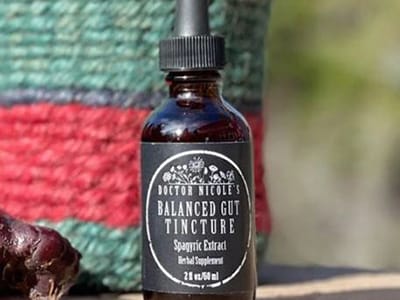 This is what no one tells you: 80% of your immune system lives in your gut.
And when your gut’s a mess? So is everything else.
👉 Here’s the herbal blend I use to help my body before it gets worse.
🌶️ Chili Pepper: Capsaicin’s Antibacterial Effects
Capsaicin, the active component in chili peppers, has been studied for its antibacterial properties. Research has shown that capsaicin possesses potent antibacterial activity against a variety of Gram-negative and Gram-positive bacterial pathogens, such as Salmonella paratyphi, Escherichia coli, Staphylococcus aureus, and Streptococcus pyogenes. Additionally, capsaicin has demonstrated bactericidal activity against erythromycin-resistant, cell-invasive pharyngeal GAS isolates
 If you ever feel that fever creeping in—the kind that hijacks your energy and keeps you in bed for days—there’s a plant-based remedy you need to know about.
It’s called the Fever Sponge, and it’s made from humble backyard plants that may help with rising temperatures inside your body before things spiral out of control.
I keep it in my herbal toolkit at all times—because once the fever hits, you don’t have time to start Googling.
So, click here to see how you can make the Fever Sponge at home.
🌿 Oregano: Carvacrol’s Antimicrobial Power
Oregano is rich in carvacrol, a compound with strong antimicrobial properties. Studies have shown that oregano essential oils, which consist of more than 90% carvacrol, exhibit bactericidal activity against various bacteria, including Streptococcus pyogenes . Furthermore, oregano oil has been found to effectively inactivate various pathogenic bacteria and their biofilms, irrespective of their antibiotic susceptibility
🌿 Thyme: A Natural Antibacterial Agent
Thyme contains essential oils with antimicrobial properties. Research indicates that thyme essential oil has excellent antibacterial activity against important food pathogens, including Salmonella enterica. Additionally, thyme essential oil has been shown to strongly inhibit the growth of clinical strains of bacteria
🌱 Turmeric: Curcumin’s Antibacterial Properties
Turmeric contains curcumin, a compound with broad-spectrum antibacterial properties. Studies have demonstrated that curcumin is effective against microorganisms responsible for surgical infections and implant-related bone infections . Moreover, curcumin has been shown to act against various important human pathogens, including strains of Staphylococcus, Streptococcus, and Pseudomonas
A quick video of how to make the recipe is available here:
Make This Broth Before the First Symptom Hits
This isn’t just a soup. It’s a full-blown microbial nightmare. A natural remedy your ancestors would nod at approvingly. And once you try it, you’ll understand why Big Pharma would rather you never knew about it.
The recipe below isn’t just something I threw together—it’s inspired by a book packed with 250+ natural remedies that, in many cases, may bring more benefits than you thought.
Remedies that don’t come with a warning label and a long list of hard-to-pronounce ingredients.
This broth? It’s just the beginning. 👉Get the full collection of remedies here.
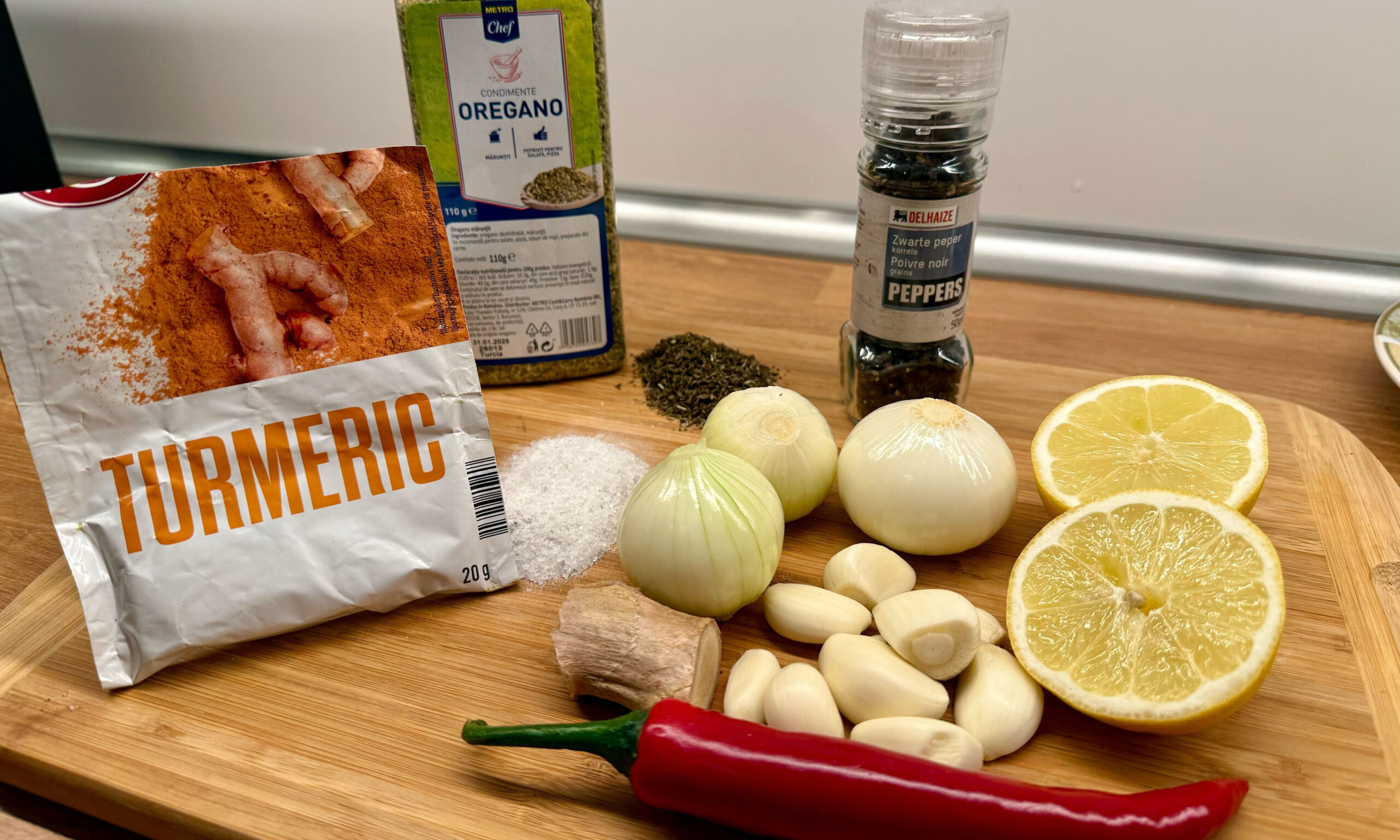
🛒 Ingredients (Makes ~2 Liters):
- 6–10 garlic cloves (crushed and rested for 10 minutes)
- 1–2 large onions (chopped)
- 2–4 inches fresh ginger (sliced thin)
- 1 whole hot chili pepper or 1 tsp chili flakes
- 1–2 tablespoons dried oregano
- 1 tablespoon dried thyme
- 1 teaspoon turmeric powder
- ¼ teaspoon freshly ground black pepper
- 1 tablespoon sea salt
- Juice of 1 fresh lemon (added at the end)
🥄 Step-by-Step
Step 1:
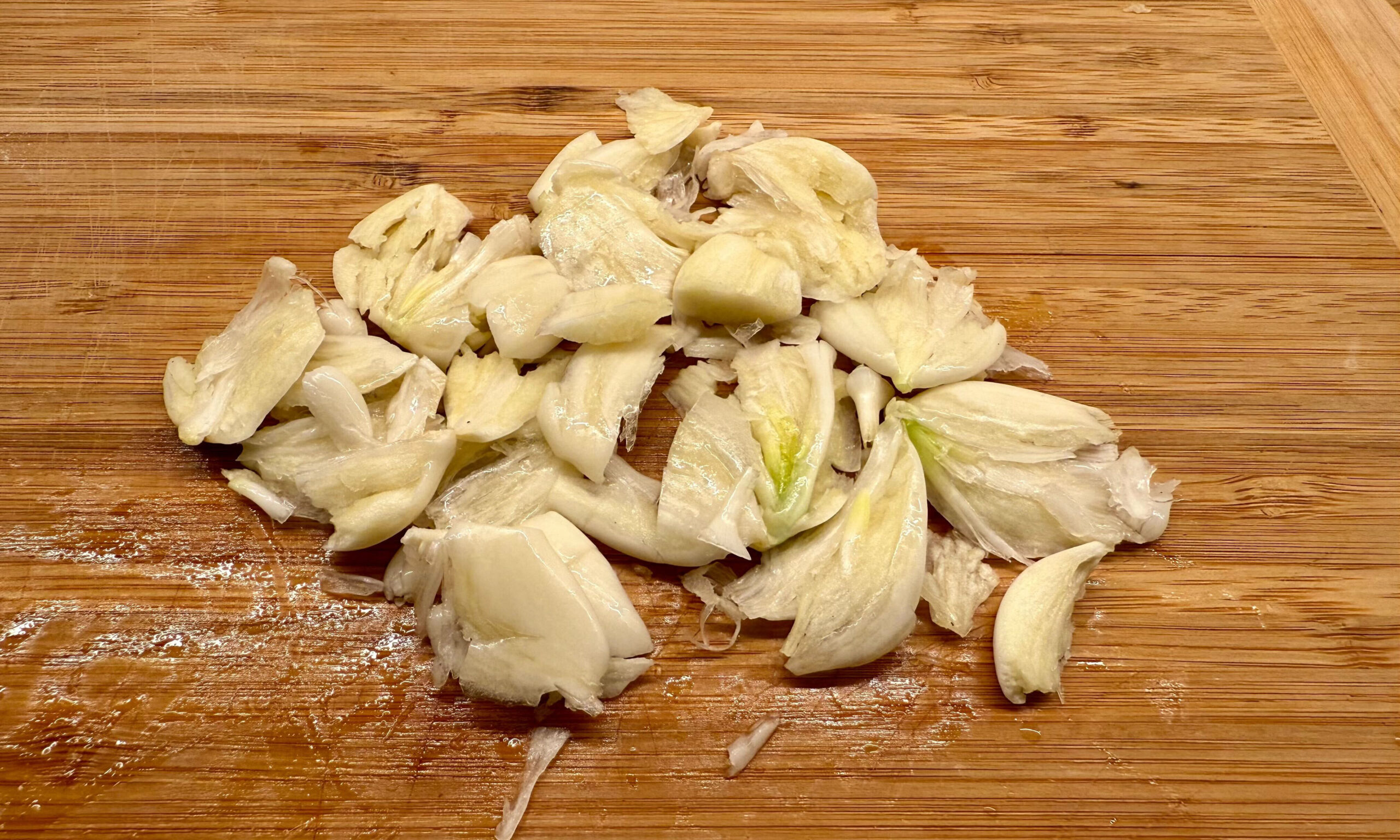
Crush your garlic first and let it rest for 10 minutes to activate the allicin.
Yes, it makes your fingers stink. That’s the smell of bacteria weeping.
Step 2:
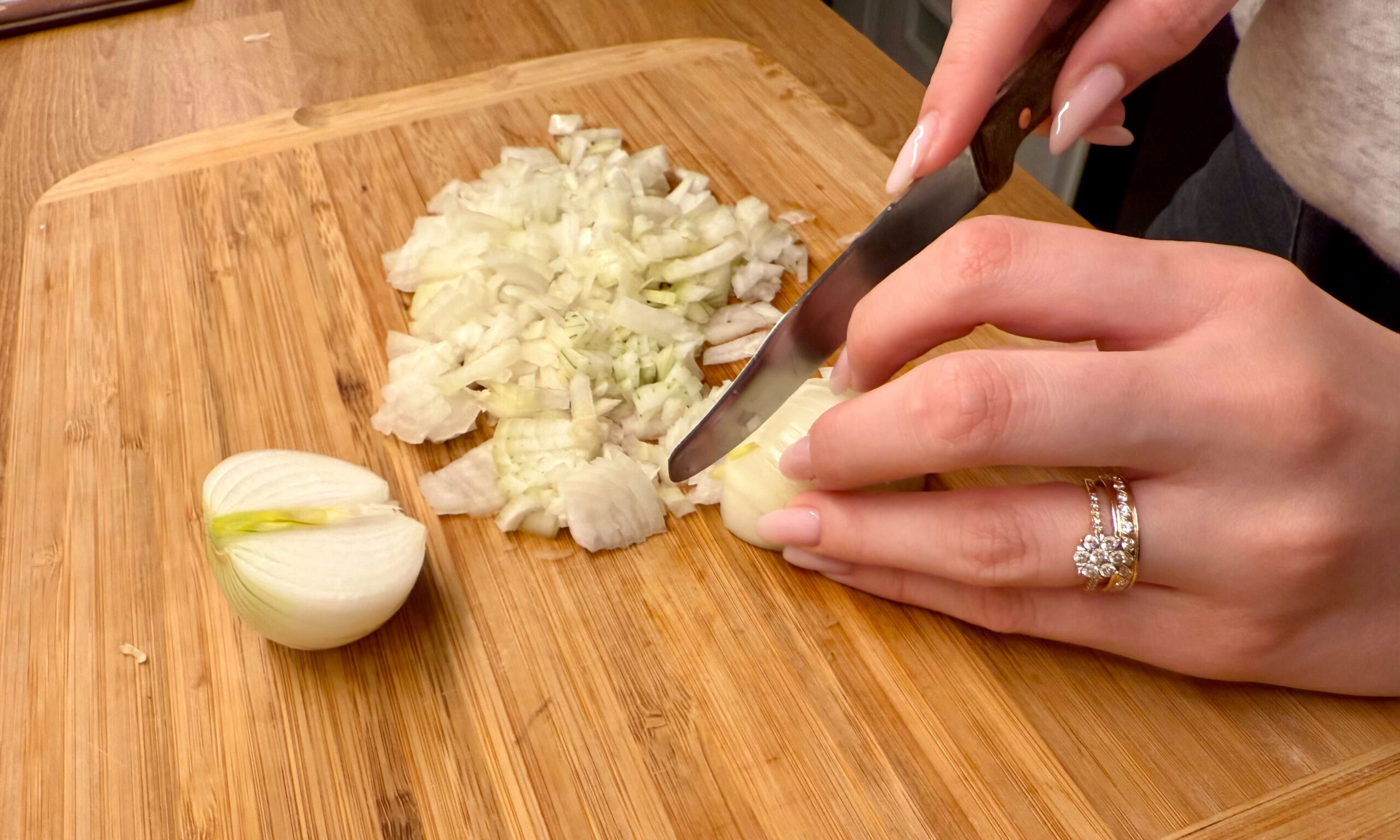
Chop the onions and slice the ginger.
Step 3:
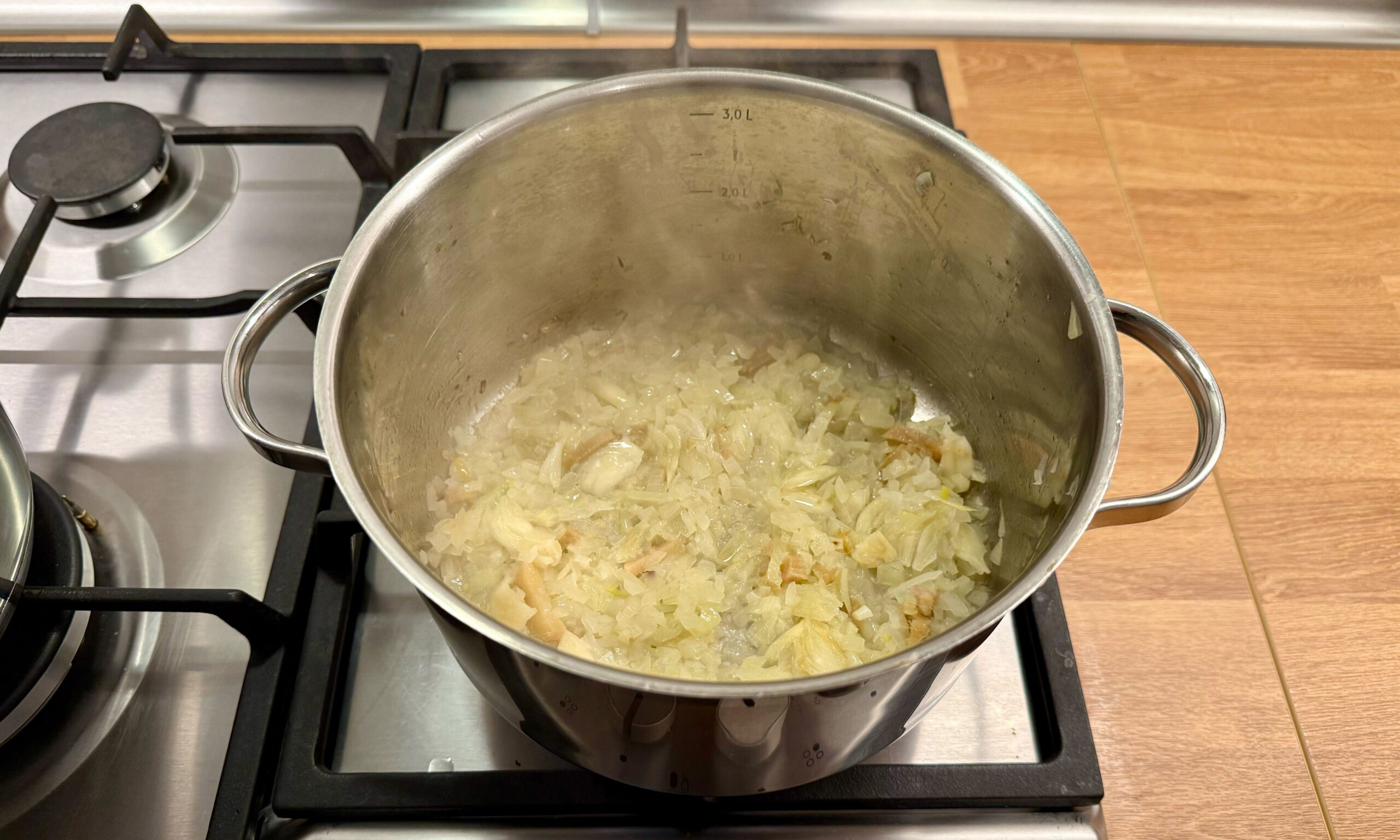
In a large pot, sauté your onions, garlic, and ginger in a splash of oil until fragrant and golden. That’s the base layer of your defense.
Step 4:
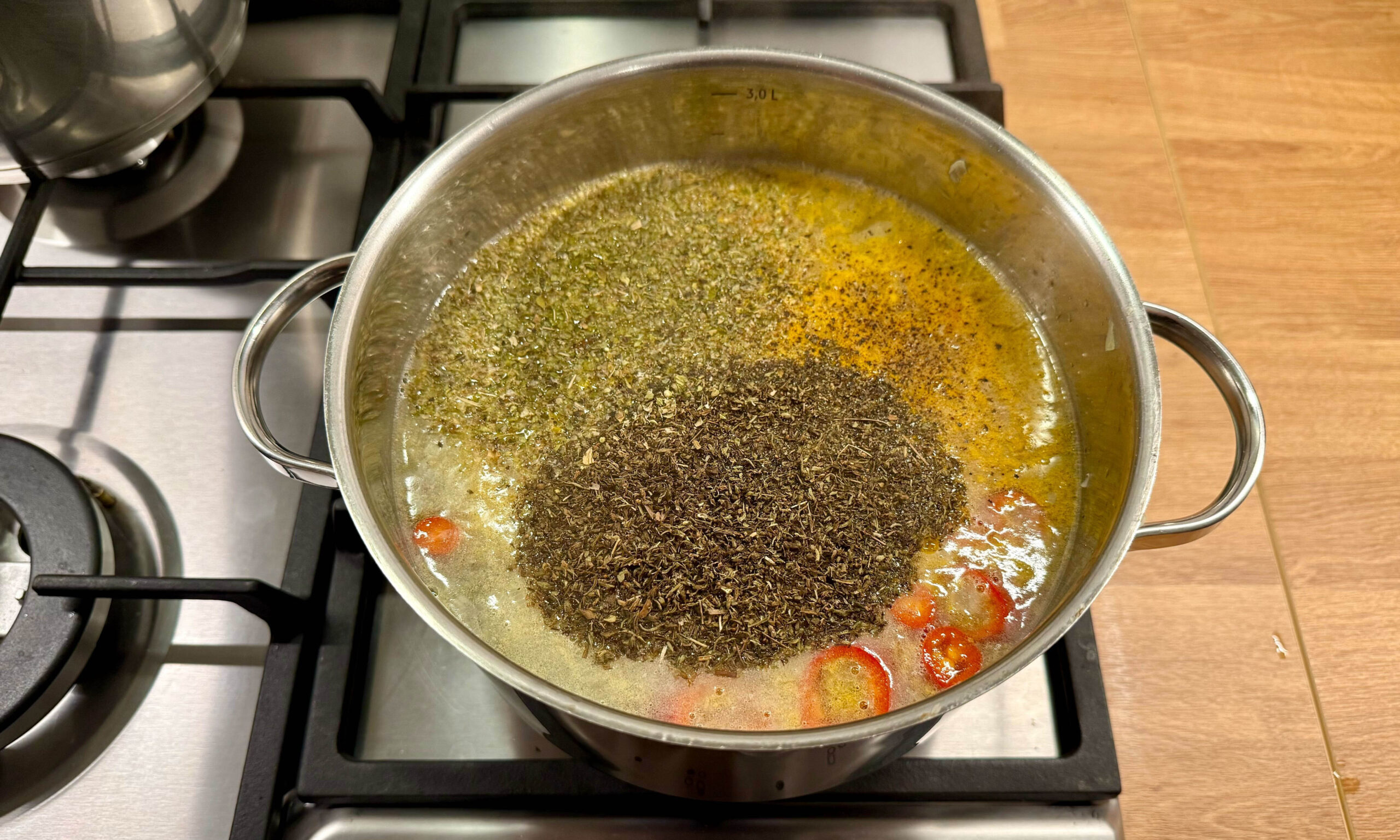
Pour in about 2 liters (8 cups) of filtered water. Add chili, turmeric, black pepper, sea salt, oregano, thyme, mushrooms (if using), and any of the optional reinforcements.
Step 5:
Bring it to a boil, then lower to a gentle simmer. Let it bubble away for 45–60 minutes. This is where the magic happens—where your kitchen becomes a war zone against pathogens.
Step 6:
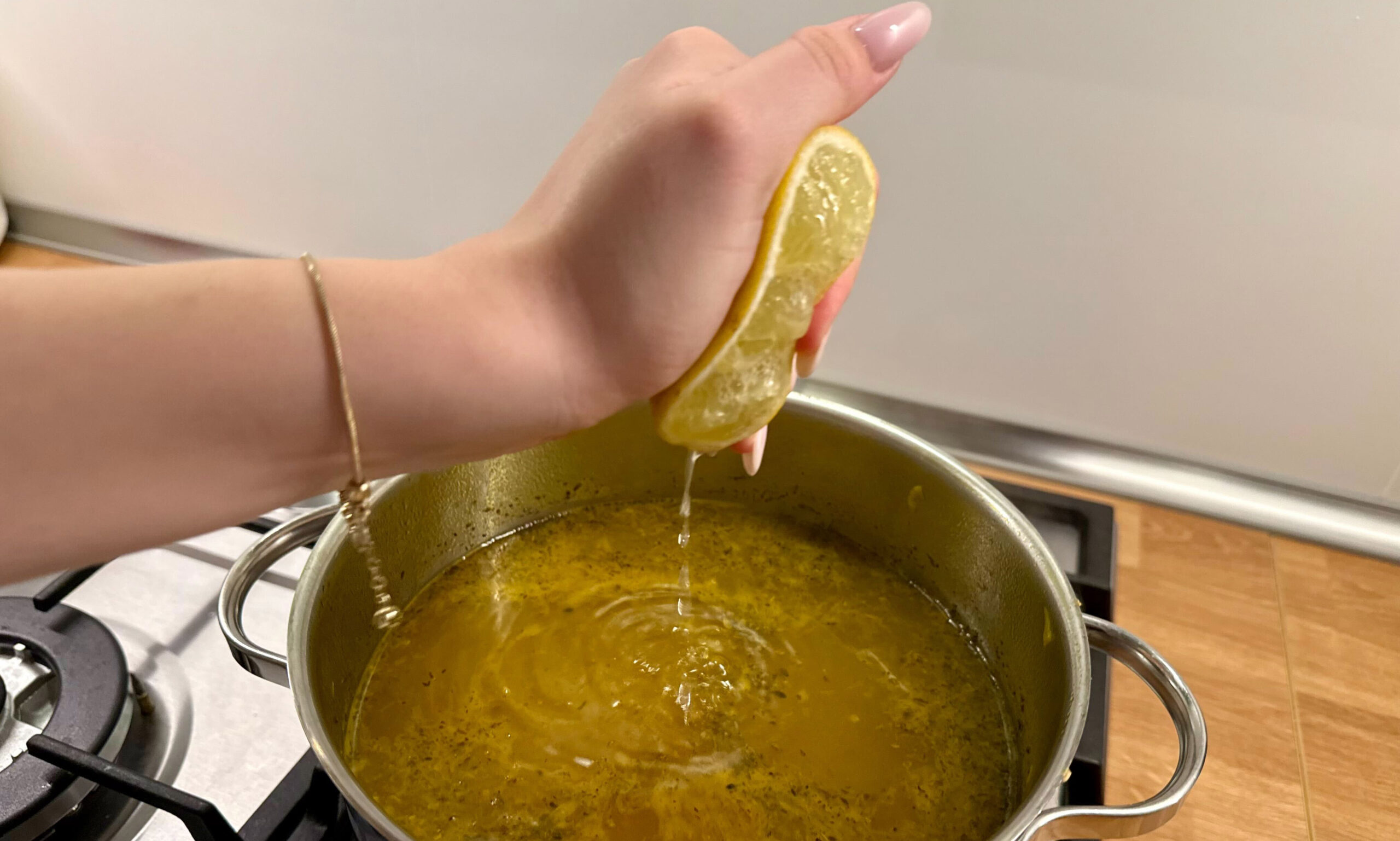
Strain out the solids. Stir in the fresh lemon juice at the end to preserve its vitamin C and alkalizing properties.
Suggested Use: Begin with a small amount (e.g., 1/4 to 1/2 cup) to assess your body’s response. If well-tolerated, you may gradually increase the intake. If you’re allergic to any of the ingredients in this broth, don’t use them. Just skip or substitute where needed.
And if you’re sensitive to spicy foods, especially chili pepper, it’s best to leave it out or use a much smaller amount.
This recipe is powerful, but only when your body agrees with it.
⚠️ The Natural Remedies Big Pharma Hopes You Never Find
If you made it this far, you already know: what’s sold in pharmacies isn’t always the safest… or even the most effective.
But what if your kitchen, your garden, or your backyard held the answers?
Inside this guide, you’ll find 250+ natural remedies that replace the most common (and dangerous) over-the-counter drugs—without the gut damage, hormone disruption, or liver stress.
🌿 Check out the recipes we can’t post on the blog, here.
This isn’t a cookbook.
It’s a survival manual for your health.
The kind of book you’ll be glad you have when the shelves are empty and the pills stop working.
👉 Click here to get your copy of The Forgotten Home Apothecary — before it disappears for good.


Outstanding information! Thanks.
Thanks so much, really glad you enjoyed it! I try to keep things simple, real, and actually useful, no fluff, just stuff that works. Appreciate you reading!
I have never heard of adding lemon juice to broth. How does it affect the flavor?
Great question! Adding lemon juice to broth might sound unusual at first, but it actually brings a subtle brightness and a touch of acidity that can really elevate the flavor. It helps balance out the richness of the broth, especially when you’re using hearty ingredients like garlic, onion, or herbs. Plus, the acidity can enhance the absorption of some nutrients and support digestion. It’s a small addition with a surprisingly refreshing impact, definitely worth trying at least once! You might love it.
I love your information, it is worth every penny .
That means a lot, Tereska, thank you! I’m all about giving real value and sharing stuff that actually helps, not just repeating what’s already out there. So glad it’s making a difference for you!
Hi, this sounds great, how long can it be stored?
What is the best way to store it?
Hey Irene, great question!
You can keep the broth in the fridge for up to 5 days, just store it in a sealed glass jar or container. If you want to make a bigger batch, you can also freeze it in portions (ice cube trays work great for that). Just reheat gently… don’t boil it again, so you keep all the good stuff intact.
Let me know if you have any more questions!
Thank you
I made a half batch of this broth yesterday… it’s intense but in a good way! I could feel it working. This kind of knowledge is exactly what we’ve been missing. Natural, no-nonsense, and backed by real science. Thank you for sharing this!
That’s exactly what I love to hear! It is a strong brew, but that’s the point, it hits where it needs to. So glad you felt the effects and connected with the info. I’ll keep bringing more of this your way!
Have a great day, Sarah!
Every time I read a post by Dr. Greenwood, I end up learning something I never see anywhere else. Not just folk wisdom, but actual plant-based solutions with studies behind them. This is why I keep coming back to The Lost Herbs.
Wow!! Thank you so much for that. That’s exactly what I aim for: real, research-backed solutions you can actually trust and use. I truly appreciate you being part of this community and sticking with me here on The Lost Herbs. More good stuff coming your way soon!
Honestly, this article hit me hard. I’ve always trusted pills without question… but now I’m rethinking everything. Thank you for showing there’s another way, and for making it so simple and practical. Just made my grocery list.
That means a lot… thank you for sharing that. I’ve been in that exact same place, and it’s eye-opening once you start looking at things differently. Proud of you for taking that first step! And glad this article could be part of that shift. Let me know how the broth works out for you!
I’ve been following The Lost Herbs for a while now, but ever since Robert (Dr. Greenwood) started writing here, the content has leveled up. The detail, the research, the tone, it’s everything I wish conventional medicine had.
Thank you so much, Mikey, that honestly means the world to me!
I put a lot of heart (and late nights!) into making sure what I share is useful, trustworthy, and easy to put into action. I’m honored to be part of The Lost Herbs and this amazing community.
Ii received my book. How do I access the digital resources?
Really enjoyed the article, just have a few questions.
Thank you for sharing this amazing information!
Christine
Hi Christine, thank you so much. I’m really glad you enjoyed the article!
Great questions, let me take them one by one:
Chili pepper. You don’t need a specific type. Cayenne works just fine! Just adjust the amount depending on how spicy you like it. Even a pinch can go a long way.
Mushrooms. I usually go with shiitake, maitake, or reishi. If I’m using fresh ones, I add about 2–3 caps. If they’re dried, a small handful. You can definitely sauté them with the onion, garlic, and ginger to deepen the flavor, or just toss them into the simmering broth.
But I’ll be honest… my wife can’t stand mushrooms 😅
So lately I’ve been replacing them with already-made tinctures. They’re more concentrated, easier to dose, and honestly… they hit harder when you need them most.
I get mine from the only herbal apothecary I actually trust (they’ve helped me and my family in the past): Here’s a link to make it easy for you!
Suggested use: I recommend starting with 1/4 to 1/2 cup. If it feels good, you can work your way up to a cup a day. Some people sip a small amount 2–3 times throughout the day when they’re actively fighting something.
Hope this helps, and thank you again for the kind words!
Thank you so much for your prompt response! I have reishi tincture, how much would you suggest using? Would you add “X amount” of drops to each serving? Or would you add “X amount” to the whole batch?
Thank you again!
Christine
Hi Christine, you’re very welcome! And great follow-up question.
When it comes to adding reishi tincture to the broth, here’s what I do personally:
I usually add it after the broth is done and slightly cooled—since alcohol-based tinctures are sensitive to heat. For personal use, I go with 10–20 drops per serving, depending on how I’m feeling.
You could also add a larger amount (like 1–2 droppers full) to the whole batch if you’re planning to portion it out—but I prefer adding it to each cup as I go. That way, it stays fresh and you can adjust the dose day by day.
Always listen to your body and, of course, feel free to adjust or check with a healthcare professional if you have any concerns. Thanks again for the thoughtful question, I really appreciate it!
Do you ship to Canada? I only see United States for the country when I try to add my address information.
Where can I find this receipe? I work for a Doctor and he recommends bone broth, I would love to share this with him . Thank you
Thanks so much for the wonderful recipe! Especially important with fall & winter approaching! Couple of questions:
>What’s your opinion about adding dried rosemary and dried astragalus root?
>I worry about using turmeric powder since so much of it (including some of what’s labeled “organic”) is adulterated with heavy metals — would fresh turmeric be okay, and if so, how much would you recommend (given how much stronger fresh is compared to powdered)?
Thanks so much again,
Mimi
I have to avoid too much vit k due to a blood clotting disorder. Any substitute for warfarin?
Doesn’t the heat effect the health benefits of these ingredients. My tumeric recipes say not to let them boil