

Nature’s Ozempic
The Real Weight Control Secret No One Talks About
This content is for informational and educational purposes only and is not medical advice. It is not a substitute for professional diagnosis or treatment. Always consult a qualified healthcare provider before using any herbal remedy, and never start, stop, or change a prescribed medication without first talking to your doctor.”
The Ozempic Craze—But at What Cost?
I remember the first time I heard about Ozempic. A friend swore it changed her life—until she couldn’t afford it anymore. Then the weight came back, along with nausea, bloating, and all sorts of gut issues she never had before. She wasn’t alone. She didn’t know about Nature’s Ozempic. But you, you will know what that means in just a minute. Keep reading.
Right now, millions of people are turning to GLP-1 medications like Ozempic, Wegovy, and Mounjaro to lose weight fast. These drugs work by shutting down hunger signals and slowing digestion—which sounds great until you realize what happens when you stop taking them.
The weight often comes back. Hard. And the side effects? They’re not just mild nausea. Studies also link these drugs to delayed gastric emptying (gastroparesis), which can cause severe bloating, nausea, and vomiting.
Ozempic was originally developed for people with diabetes, and using it for weight loss without a doctor’s approval not only carries risks but also diverts medication from those who truly need it. It’s like taking it straight from the hands of diabetics who rely on it for their health.
Yet, Big Pharma is pushing these drugs harder than ever, making billions of people desperate to lose weight. But what if I told you that nature already has solutions that work just as well—without the risk?
Let’s talk about the real way to control hunger and lose weight naturally.
What Is Nature’s Ozempic, Really?
Before we dive in, let’s be clear about what “Nature’s Ozempic” actually means. Several natural compounds have been shown to activate the same GLP-1 pathway that Ozempic targets — without a needle or a prescription. The main ones are:
- Berberine, a plant alkaloid found in goldenseal and barberry, shown to activate GLP-1 receptors and improve insulin sensitivity.
- Inulin, a prebiotic fiber found in chicory root, onions, and garlic, which slows digestion and triggers fullness hormones.
- Resistant starch, found in cooked and cooled potatoes, green bananas, and legumes, which feeds gut bacteria that produce GLP-1 naturally.
- Psyllium husk, which slows glucose absorption and reduces post-meal blood sugar spikes the same way GLP-1 drugs do.
These are not miracle cures. But they work with your body’s existing hormone system — which is exactly what Ozempic is trying to copy.
The Truth About “Food Noise”—And Why You Can’t Stop Thinking About Food
Ever find yourself thinking about food even when you’re not hungry? Maybe you just finished lunch, but your brain is already whispering, “What’s for dinner?” That’s food noise—the constant, intrusive thoughts about food that can make managing weight feel impossible.
GLP-1 drugs like Ozempic work because they silence that noise. They make you feel fuller longer, slow digestion, and even change the way your brain processes cravings. But here’s the catch: they don’t fix the problem. They just mute it—until you stop taking the drug.
So where does food noise come from in the first place?
- Your body’s hunger signals are out of sync. Poor sleep, stress, and blood sugar spikes mess with ghrelin (the hunger hormone) and leptin (the fullness hormone), making you feel hungry when you shouldn’t be.
- Diets and food restrictions make it worse. The more you try to avoid certain foods, the more your brain fixates on them. Ever notice how the second you swear off sugar, all you want is a cookie?
- Ultra-processed foods are designed to be addictive. Companies engineer processed foods to override your natural hunger cues—so you keep eating even when you’re full.
But here’s the good news: you can quiet food noise naturally—without drugs.
The key? Resetting your hunger hormones the way nature intended. Morning, afternoon, and night, your body follows a rhythm—and when you work with it instead of against it, the cravings fade, energy stabilizes, and food stops controlling you.
Your Body’s Natural Hunger Rhythm — Morning, Afternoon, and Night
Your hunger hormones follow a daily cycle, and working with that cycle is one of the most underused tools for appetite control.
- Morning: Cortisol peaks naturally in the first hour after waking. This is actually your body’s built-in energy boost — but if you skip breakfast or eat sugar right away, cortisol stays elevated and triggers cravings by mid-morning. Instead, eat a high-protein breakfast within 90 minutes of waking. Eggs, Greek yogurt, or a protein smoothie with psyllium husk may help stabilize blood sugar and suppress ghrelin for the next four to five hours.
- Afternoon: Blood sugar typically dips between 2 and 4 PM, which is when most people reach for something sweet. This is not a willpower problem — it is biology. A small snack combining protein and fiber at this window (a handful of nuts and an apple, for example) prevents the spike-and-crash cycle that drives evening overeating.
- Night: Leptin, your fullness hormone, rises in the evening to signal that you have eaten enough. But eating ultra-processed foods at night blunts leptin sensitivity over time. Eating a fiber-rich dinner and stopping food intake two to three hours before bed allows leptin to do its job — and reduces next-morning hunger significantly.
The Microdosing Ozempic Trend—And Why It’s a Bad Idea
If there’s one thing people love, it’s a shortcut.
Lately, there’s been a rise in microdosing Ozempic—taking small, off-label doses of the drug in an attempt to avoid side effects while still getting the appetite-suppressing benefits.
Sounds smart, right? Wrong.
Here’s why microdosing Ozempic isn’t the hack people think it is—and why it could actually backfire in the worst ways.
🚨 No One Knows If It Actually Works
Ozempic was designed to be taken at specific, clinically tested doses. There’s zero research proving that smaller amounts still give the same benefits.
But here’s what we do know:
- Too low of a dose? You might not suppress your appetite at all—wasting money for nothing.
- Too high of a dose? You risk nausea, stomach paralysis, and severe digestive issues.
Taking random doses of a prescription drug without medical guidance? That’s a recipe for disaster.
⚠ The Risk of Long-Term Damage
GLP-1 medications like Ozempic slow digestion—but in some people, they slow it too much, leading to a condition called gastroparesis (a.k.a. stomach paralysis).
Symptoms include:

❌ Vomiting undigested food hours after eating
❌ Painful bloating
❌ Severe constipation
And here’s the scary part: Some people never recover from it, even after stopping the drug.
Is a temporary appetite fix worth damaging your digestive system forever?
But here’s the good news: your gut can heal. The key is soothing the inflammation and restoring balance before it’s too late. That’s exactly why I turn to nature’s gut-supporting formula—not pharmaceuticals that leave your digestion in ruins.
If you’ve ever felt like your stomach isn’t working the way it should, don’t wait until the damage is done.
💊 The Problem with “Compounded” Ozempic
Because Ozempic is expensive, some people are buying “compounded” versions from online pharmacies.
🚨 Huge red flag: The FDA has warned against these versions because they aren’t regulated, may not contain real semaglutide, and could be contaminated
If you wouldn’t trust compounded antibiotics from a sketchy online seller, why would you trust compounded weight-loss drugs?
❌ The Weight Comes Back Anyway
Here’s what nobody on TikTok tells you:
The moment you stop Ozempic—even at a microdose—the food noise comes back. And in most cases? So does the weight.
One study found that most people regained all the weight within a year of stopping GLP-1 medications.
That’s because these drugs don’t fix anything—they just suppress appetite while you’re on them.
🔎 The Bottom Line: It’s a Dangerous Gamble
Microdosing Ozempic is like playing pharmacist with your own body—without knowing what’s actually happening inside.
Between the unknown effectiveness, the risk of long-term digestive damage, and the possibility of contaminated, unregulated doses, it’s not worth the gamble.
Why take the risk when you can quiet food noise naturally—without a lifetime dependence on a drug?
Why Natural GLP-1 Activators Actually Work
To understand why natural alternatives can match what Ozempic does, you need to understand what GLP-1 actually is. GLP-1 — glucagon-like peptide-1 — is a hormone your own gut produces every time you eat fiber-rich or fermented foods. It signals your pancreas to release insulin, tells your brain you are full, and slows the rate at which food leaves your stomach.
Ozempic does not create a new system in your body. It hijacks an existing one. The drug is a synthetic mimic of the GLP-1 hormone your gut was already designed to produce. The difference is that Ozempic floods the system with an artificially high signal — which is why the effects feel dramatic but also why the side effects can be severe and why stopping the drug causes the system to crash.
Natural GLP-1 activators work more gradually, stimulating your gut to produce its own GLP-1 rather than replacing it. The result is slower, but sustainable — and your body does not lose the ability to regulate itself when you stop.
Berberine
If there is one natural compound worth knowing about, it is berberine. Found in plants like goldenseal, barberry, and Oregon grape, berberine has been studied extensively for its effects on blood sugar, appetite, and metabolism.
A 2012 study published in the journal Metabolism found that berberine activates AMPK, the same cellular energy switch that many diabetes and weight loss drugs target. In multiple clinical trials, berberine produced weight loss and blood sugar improvements comparable to metformin — one of the most widely prescribed diabetes medications in the world.
More relevant to appetite control, berberine has been shown to increase GLP-1 secretion from gut cells, reduce ghrelin (the hunger hormone), and improve insulin sensitivity — all without synthetic hormones.
Berberine is widely available as a supplement, but as with any compound that affects blood sugar, consult your doctor before starting — especially if you are already on medication.
The Natural Appetite Control Solution You Can Make at Home (That They Can’t Sell You)
You don’t need a drug to turn off food noise. Your body already has an appetite control system—it’s just been hijacked by stress, bad sleep, ultra-processed foods, and diet culture.
Here’s how to reset it naturally:
🧠 Listen to Your Body (Instead of Fighting It)
You were born knowing when to eat and when to stop. Babies cry when they’re hungry, and toddlers walk away from food when they’re full. But as adults? We’ve been trained to ignore those signals—by diets, stress, and food engineered to keep us eating.
That’s where intuitive eating comes in. Instead of obsessing over calories or fighting cravings, intuitive eating teaches you to listen to your body’s real hunger signals. And guess what? Studies show that people who practice intuitive eating are better at maintaining their weight—without restrictive diets.
🚀 How to start: Before you eat, ask yourself: Am I actually hungry? If not, what else might be going on—boredom, stress, habit? This small shift can make a huge difference.
Sometimes It’s Not Your Fault
Ever wonder why some people seem to eat anything they want—pizza, pasta, even cheesecake—without gaining a pound, while you gain weight just looking at food? It’s not luck. It’s their thyroid working at full speed, burning fat effortlessly.
But if your thyroid is sluggish, no amount of dieting or exercise will truly work. Your body is stuck in fat-storage mode.
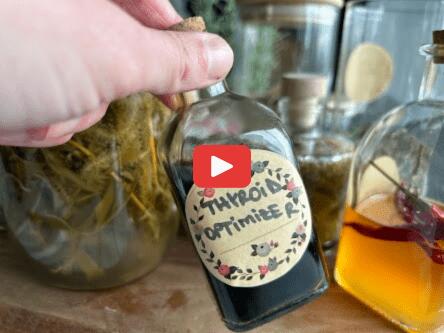 There’s a remedy that can help, and I finally learned how to make it myself. It‘s made from only two ingredients, and one of them probably grows near you faster than you can eat it!
A plant known to naturally support the thyroid and may assist in producing the fat-burning hormones T3 and T4.
I followed a step-by-step guide to create this powerful thyroid optimizer—and now you can, too. If you’re looking for the step-by-step recipe, here’s the fist step into getting this powerful remedy.
🍗 Protein—Your Secret Weapon Against Cravings
One reason Ozempic works? It makes you feel full longer. But you know what else does that? Protein.
Protein slows digestion, keeps blood sugar stable, and naturally reduces hunger. High-protein diets have been shown to cut cravings and prevent overeating.
🔥 Best protein sources:
✔ Lean meats (chicken, turkey, fish)
✔ Eggs
✔ Beans & legumes
✔ Nuts & seeds
🚀 Quick fix: Start your day with protein—eggs, Greek yogurt, or a protein smoothie—and watch your cravings drop.
A Simple Blood Sugar Stabilization Protocol
Controlling blood sugar is the single most effective way to eliminate food noise between meals. Here is a practical protocol you can start today:
- Meal order matters: Eat vegetables and protein before carbohydrates at every meal. Research from Weill Cornell Medicine found that eating in this order reduced post-meal blood sugar spikes by up to 73% compared to eating carbs first.
- The vinegar trick: One tablespoon of apple cider vinegar diluted in water, taken ten minutes before a meal, has been shown in multiple studies to reduce post-meal glucose spikes by slowing gastric emptying naturally — no prescription needed.
- Pair every carb with fiber or fat: Never eat a carbohydrate alone. Adding fiber or fat slows glucose absorption and prevents the spike-crash cycle that drives cravings an hour after eating.
- Walk after meals: Even a ten-minute walk after eating clears glucose from the bloodstream significantly faster than sitting still. A study published in Sports Medicine found post-meal walks reduced blood sugar spikes by up to 30%.
🌾 Fiber: The Natural Hunger Blocker
Fiber fills you up, slows digestion, and balances blood sugar. Studies show that people who eat more fiber naturally eat less and lose weight—without dieting.
🔥 Best fiber sources:
✔ Vegetables (broccoli, spinach, carrots)
✔ Fruits (apples, pears, berries)
✔ Whole grains (quinoa, oats, brown rice)
✔ Beans & lentils
🚀 Quick fix: Add one fiber-rich food to every meal. A handful of berries at breakfast, extra veggies at dinner—it adds up fast.
Resistant Starch: The Most Underrated Appetite Suppressant
Most people have never heard of resistant starch — and that is a problem, because it may be the most effective natural appetite suppressant that exists.
Unlike regular starch, resistant starch passes through your small intestine undigested and reaches your colon, where it feeds the beneficial bacteria that produce short-chain fatty acids. Those fatty acids directly stimulate GLP-1 production in your gut lining — the same hormone Ozempic mimics artificially.
The practical result: you feel fuller for longer, your blood sugar stays stable, and your gut microbiome improves at the same time.
The best sources of resistant starch are not exotic superfoods. They are foods you likely already eat:
- Cooked and cooled potatoes or rice (cooling converts regular starch to resistant starch)
- Green (unripe) bananas
- Cooked and cooled oats
- Legumes — lentils, chickpeas, black beans
- Cooked and cooled pasta
The simplest way to add resistant starch to your diet: cook a batch of rice or potatoes, refrigerate overnight, and eat cold or reheated the next day. The reheating does not destroy the resistant starch once it has formed.
The Truth About Nutrition: You Can’t Eat Everything Your Body Needs… Or Can You?
It’s no secret that the standard diet is full of empty calories, processed junk, and sugar-loaded foods. And while we all know we should be eating better, here’s the real challenge—you physically can’t eat everything your body needs in a day.
To fuel your metabolism, balance your gut, and stop cravings in their tracks, you’d need to eat dozens of fiber-rich superfoods, medicinal mushrooms, and fat-burning herbs every single day.
I used to think eating “healthy” meant choking down bland salads and avoiding everything I actually enjoyed. But no matter how much I tried, my weight wouldn’t budge—until I realized it wasn’t just about what I ate, but how my body processed it.
Turns out, a slow metabolism and out-of-whack gut can make even the healthiest diet feel like a losing battle. That’s when I found a simple way to give my body the right kind of fuel—without counting calories or cutting out entire food groups.
 Now, every morning, instead of obsessing over what I can’t eat, I just stir one scoop of Green Burn Blend into my breakfast. It’s packed with 48 plants, gut-friendly prebiotics, and metabolism-boosting herbs that help my body burn fat naturally. It contains the fiber, vitamins, and minerals you’d never be able to eat in a single day. And it works with your body, not against it—no extreme dieting, no crazy restrictions.
If you’ve been trying to eat “right” but still feel stuck, this might be the missing piece. Click here to see how it works.
🏃♀️ Move More, Crave Less
Exercise isn’t just for burning calories—it actually reprograms your hunger hormones. A study found that even 10 minutes of movement can lower food cravings by reducing ghrelin (the hunger hormone) and increasing GLP-1 (yep, the same hormone Ozempic mimics).
🔥 Best appetite-reducing workouts:
✔ Strength training (builds metabolism-boosting muscle)
✔ HIIT (triggers appetite-suppressing hormones)
✔ Walking (reduces stress-induced cravings)
🚀 Quick fix: Craving something? Try a 10-minute walk first. Chances are, you won’t want that snack after.
😴 Sleep More, Stress Less, Eat Less
When you don’t get enough sleep, your hunger hormones go haywire—making you crave junk food even when you’re not hungry.
Stress makes it worse. High cortisol levels trigger sugar and carb cravings, leading to stress eating and belly fat.
🚀 Quick fixes:
✔ Sleep: Aim for 7-9 hours. Shut off screens 1 hour before bed.
✔ Stress: Try deep breathing, meditation, or a simple 5-minute break outside.
The Bottom Line
Ozempic isn’t the only way to control hunger. Your body already has built-in appetite control—you just need to reset it.
By listening to your body, eating more protein and fiber, moving more, and improving sleep and stress, you can quiet food noise and lose weight naturally—without drugs.
How Long Before You See Results?
This is the question nobody answers honestly, so here it is straight.
Natural appetite regulation does not work like a drug. Ozempic produces noticeable appetite suppression within days because it forces a hormonal response. Natural methods restore your body’s own system — which takes longer but does not collapse when you stop.
Here is a realistic timeline:
- Days 1 to 7: Blood sugar stabilization begins if you cut ultra-processed foods and add protein and fiber to every meal. Most people notice reduced energy crashes and fewer afternoon cravings within the first week.
- Weeks 2 to 4: Gut bacteria begin shifting in response to increased fiber and resistant starch. GLP-1 production starts improving. Food noise begins to quiet noticeably. Sleep often improves as blood sugar stabilizes overnight.
- Months 2 to 3: Hunger hormone balance — ghrelin and leptin — starts to normalize. Cravings become less frequent and easier to manage. This is when most people notice they are naturally eating less without trying.
- Month 3 and beyond: If berberine, resistant starch, and consistent sleep are all in place, the results become self-sustaining. Unlike Ozempic, stopping these habits does not cause immediate rebound — because your body has rebuilt its own regulatory system.
Patience is not optional here. But the results do not disappear the moment you stop.
You Don’t Need a Drug to Control Hunger
Ozempic might shut down food noise, but at what cost? The risks are real: nausea, stomach issues, potential long-term damage, and the inevitable weight regain once you stop taking it.
But here’s the thing: you don’t need a drug to control hunger.
Your body already has a natural appetite regulation system—you just have to reset it.
🔥 The Natural Path to Hunger Control and Sustainable Weight Loss
Instead of relying on a pharmaceutical crutch, here’s what actually works:
 ✅ Listen to your body – Intuitive eating helps you recognize real hunger vs. cravings.
✅ Prioritize protein – It keeps you full longer and naturally curbs cravings.
✅ Boost fiber intake – Slows digestion and helps regulate blood sugar.
✅ Move more – Exercise reprograms hunger hormones, reducing food cravings.
✅ Sleep better, stress less – Fixing these two can eliminate stress cravings and food noise.
Nature already gave us everything we need to manage hunger, without the risks.
Big Pharma wants you to believe that balancing hormones, regulating blood sugar, and supporting your metabolism requires expensive drugs and lifelong prescriptions. But before pharmaceuticals existed, people turned to nature—and those remedies worked. If you’re looking for natural ways to support your thyroid, blood sugar, cortisol levels, and metabolism, there are time-tested herbal remedies that may complement your wellness routine.
Inside The Forgotten Home Apothecary, you’ll find powerful, time-tested recipes designed to support your health, including:
🌿 Bugleweed Glycerite & Bladderwrack Tincture
🍵 Bitter Melon & Green Tea Blend
🧘♀️ Rhodiola Capsules – The ultimate herbal remedy for cortisol balance and stress support
🥛 Spiced Milk for Pancreas
💛 Hormone Harmony Elixir – A carefully crafted herbal tonic for full-body balance
But that’s not all. This book is packed with dozens of must-know natural remedies, including:
✔ The 2-Ingredient Anti-Inflammatory Poultice – A forgotten remedy for swelling and joint pain
✔ The Gut-Healing Elixir – A recipe designed to restore digestion and ease bloating naturally
And many others… So if you’ve ever wanted a comprehensive guide to using nature’s remedies for wellness, this is it.
Click here to get The Forgotten Home Apothecary now.
💡 The Choice Is Yours
You can spend thousands on a drug that messes with your digestion and only works while you’re on it…
Or you can support your body naturally—and help it regenerate with the right nutrients and herbs.
The decision? It’s yours.
Frequently Asked Questions
Will natural methods work as fast as Ozempic? No — and anyone who tells you otherwise is not being straight with you. Ozempic forces a hormonal response within days. Natural methods restore your body’s own system over weeks to months. The tradeoff is sustainability: natural results do not vanish when you stop.
Do I need to take supplements? No. Berberine and psyllium husk are the two supplements with the strongest evidence, but everything else in this article can be achieved through food alone. Supplements are a shortcut, not a requirement.
Can I use these methods alongside Ozempic? In most cases yes — protein, fiber, resistant starch, and sleep improvements are safe alongside GLP-1 medications and may actually improve results. But always discuss changes with your prescribing doctor, especially berberine, which affects blood sugar and can interact with diabetes medications.
What if I have tried everything and nothing works? A truly stuck metabolism is often a thyroid or cortisol issue, not a willpower issue. If you have consistently applied diet, sleep, and exercise changes for three months without results, ask your doctor to test TSH, free T3, free T4, and a morning cortisol level before assuming the problem is behavioral.
Is this approach backed by science? Each recommendation in this article is drawn from published research. The mechanisms — GLP-1 stimulation, resistant starch fermentation, protein-induced satiety, sleep and ghrelin regulation — are well established in peer-reviewed literature. The difference from drug-based approaches is not the science, it is the timeline.

amazing info thank you mr greenwood
we need more articles like this one!
most people have such low fiber intake then they wonder why they have so many gut issues…
great read!
I knew someone who was microdosing it… hell no
So where is the recipe for “Nature’s Ozempic”? Or even a lost of the herbs used?
I’m thinking it’s the “Green Burn Blend” advertised… or basically, fiber 😉
it’s literally in the article
It’s literally NOT in the article – it’s a link to buy something else. Ridiculous.
The recipe is not for a single tincture , it’s a recipe for lifestyle change like walking 10 mins after you eat as well as introducing berberine and the starch, things like that. Then actually does give you different recipes for specific things that help reduce cortisol, thyroid, blood sugar.
Nature’s Ozempic = the thyroid optimizer (video link is in the article) with simple ingredients. With that, plus fibre, protein, exercise, and sleep, you have all you need.
Also, Ozempic has a black box warning. I can’t believe people I know are taking it so frivolously. The people in my life taking Ozempic, or a version of it, are moms who don’t have time to exercise (their words). I don’t say anything because I don’t want to come off judgmental.