
Holy Basil: The Sacred Herb That Heals Body, Mind, and Spirit
Ocimum sanctum (syn. Ocimum tenuiflorum)
For over 5,000 years, Holy Basil has been revered in India as “The Queen of Herbs” and “The Incomparable One.” While modern medicine is only beginning to understand its powerful healing properties, ancient Ayurvedic practitioners knew what we’re rediscovering today: this sacred plant is one of nature’s most potent adaptogens, capable of healing everything from stress and anxiety to blood sugar imbalances and respiratory infections.
Unlike the sweet basil you grow for pesto, Holy Basil—also known as Tulsi—possesses unique compounds that make it a true medicinal powerhouse. And the best part? It’s incredibly easy to grow, even for beginners.
What Is Holy Basil?
Holy Basil (Ocimum sanctum or Ocimum tenuiflorum) is a sacred plant in Hinduism and a cornerstone of Ayurvedic medicine. Native to the Indian subcontinent, it has been cultivated for millennia both as a spiritual plant and a healing herb.
There are three main varieties of Holy Basil:
- Rama Tulsi (green-leaved variety) – milder flavor, most common
- Krishna Tulsi (purple-leaved variety) – stronger, more pungent
- Vana Tulsi (wild forest variety) – most potent medicinally
All three varieties share similar medicinal properties, though Krishna and Vana Tulsi are considered slightly more powerful.
The Difference Between Holy Basil and Sweet Basil
Many people confuse Holy Basil with the common sweet basil (Ocimum basilicum) used in Italian cooking. While they’re related, they’re dramatically different plants:
| Holy Basil (Tulsi) | Sweet Basil |
|---|---|
| Strong, peppery, clove-like taste | Sweet, mild, slightly minty |
| Adaptogenic and medicinal | Culinary with minimal medicinal value |
| Hairy, slightly fuzzy leaves | Smooth, glossy leaves |
| Used primarily for tea and medicine | Used primarily for cooking |
| Perennial in warm climates | Annual in most climates |

How to Identify Holy Basil
Learning to identify Holy Basil correctly is essential, especially since it can be confused with other basil species and unrelated plants.
Key Identification Features
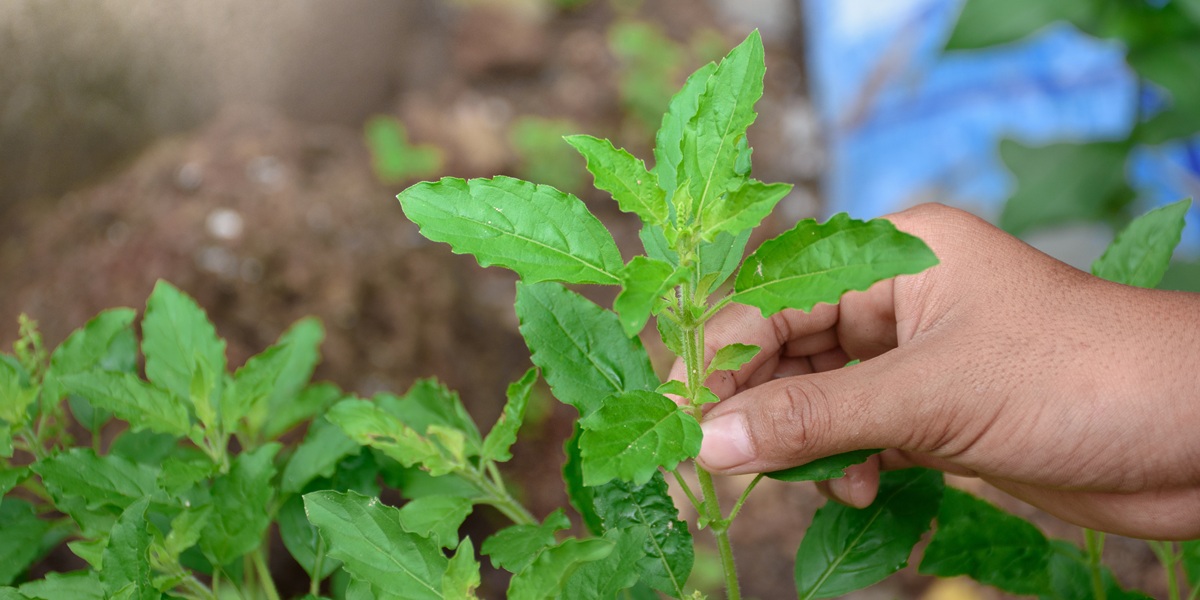
Leaves:
- Oval to elliptical shape, 1-2 inches long
- Slightly serrated (toothed) edges
- Hairy or fuzzy texture on both sides
- Green (Rama) or purple-tinged to deep purple (Krishna)
- Strong aromatic scent when crushed—peppery, clove-like, with notes of licorice
- Leaves grow in opposite pairs along the stem
Stems:
- Square stems (characteristic of the mint family)
- Green or purple, depending on variety
- Slightly hairy
- Woody at the base as the plant matures
Flowers:
- Small tubular flowers, white to pale purple
- Arranged in whorls along tall spikes
- Bloom from summer through fall
- Attract bees and beneficial insects
Height:
- Typically 12-24 inches tall
- Can reach 3 feet in ideal conditions
Root System:
- Fibrous, shallow root system
- Easily grown in containers
Related: How To Make Your Own Mind Matrix Formula At Home
Similar Plants (And How to Tell Them Apart)
Sweet Basil (Ocimum basilicum):
- Smoother, glossier leaves without the fuzzy texture
- Sweet, anise-like aroma (not peppery/spicy)
- Larger, more robust leaves
- Used primarily for culinary purposes
Thai Basil (Ocimum basilicum var. thyrsiflora):
- Purple stems and flower spikes
- Licorice-anise scent (not clove-like)
- Smoother leaves than Holy Basil
- More commonly used in Asian cooking
African Blue Basil (Ocimum kilimandscharicum × basilicum):
- Much larger plant (can reach 4-5 feet)
- Darker purple coloring
- Camphor-like scent (medicinal, not food-grade)
- Sterile hybrid (doesn’t produce viable seeds)
Lemon Basil (Ocimum × citriodorum):
- Strong lemon scent
- Lighter green, smaller leaves
- Used for culinary and tea purposes
Key Identifier: The fuzzy, hairy leaves combined with the distinctive clove-pepper aroma are Holy Basil’s signature traits. If you crush a leaf and smell strong clove notes with a peppery kick, you’ve found the real thing.
Also read: The Plant Behind Aspirin
Where Holy Basil Grows
Native Habitat
Holy Basil is native to the Indian subcontinent, where it thrives in tropical and subtropical climates. It grows wild throughout India, Southeast Asia, and northern Australia.
Related: DIY Herbal Smoking Blend
Growing Conditions
Climate Zones:
- USDA Hardiness Zones 10-11 (perennial)
- Zones 4-9 (annual or bring indoors for winter)
- Cannot tolerate frost
Ideal Conditions:
- Full sun (6-8 hours daily)
- Well-draining soil, slightly acidic to neutral (pH 6.0-7.5)
- Warm temperatures (65-95°F)
- Moderate water—keep soil consistently moist but not waterlogged
- Thrives in containers, raised beds, or garden plots
Where You’ll Find It Growing Wild:
- Roadsides and disturbed areas in tropical regions
- Temple gardens throughout India
- Forest edges in Southeast Asia
- Naturalized in parts of Florida, Hawaii, and southern California
Also Read: The 7 Plants Oncologists Don’t Want You To Know About
Growing Holy Basil at Home
Holy Basil is one of the easiest medicinal herbs to grow, even for beginners.
From Seed:
- Start seeds indoors 6-8 weeks before last frost
- Surface sow seeds (they need light to germinate)
- Keep soil warm (70-75°F) and moist
- Germination takes 7-14 days
- Transplant outdoors after all danger of frost has passed
From Cuttings:
- Take 4-6 inch cuttings from a healthy plant
- Remove lower leaves
- Place in water until roots develop (7-10 days)
- Plant in soil once roots are 1-2 inches long
Container Growing:
- Use a pot at least 10-12 inches in diameter
- Ensure good drainage holes
- Use quality potting mix with compost
- Place in a sunny location
- Water when top inch of soil is dry
Maintenance:
- Pinch back growing tips regularly to encourage bushiness
- Remove flower spikes to prolong leaf production (unless saving seeds)
- Harvest regularly—the more you cut, the more it grows
- Fertilize monthly with compost tea or diluted fish emulsion
Overwintering:
- In cold climates, bring potted plants indoors before first frost
- Place in a sunny window
- Reduce watering slightly
- May go semi-dormant but will regrow in spring
Related: Mom’s Fire Cider Recipe You Will Need This Winter
The Powerful Health Benefits of Holy Basil
Holy Basil isn’t called “The Queen of Herbs” for nothing. Modern science has validated what traditional healers have known for millennia: this plant is a legitimate medicinal powerhouse.
1. Stress Relief and Anxiety Reduction
Holy Basil is classified as an adaptogen—a rare class of herbs that help the body adapt to stress and promote mental balance.
How it works:
- Reduces cortisol levels (the stress hormone)
- Modulates neurotransmitters like serotonin and dopamine
- Protects against stress-induced damage to organs
Research findings:
- A 2012 study in Evidence-Based Complementary and Alternative Medicine found that participants taking 500mg of Holy Basil extract twice daily experienced significant reductions in stress, anxiety, and depression symptoms after just 6 weeks.
- Multiple studies show it’s as effective as certain anti-anxiety medications, without the side effects.
2. Blood Sugar Regulation
For people with diabetes or pre-diabetes, Holy Basil offers powerful support.
How it works:
- Increases insulin secretion from the pancreas
- Improves insulin sensitivity in cells
- Reduces glucose absorption in the intestines
Research findings:
- Studies show Holy Basil can reduce fasting blood sugar by 17-20%
- One study found it reduced HbA1c (long-term blood sugar marker) by 1.6%
- Effects are comparable to some pharmaceutical diabetes medications
Related: What Happens If You Take 2 Cloves Every Day?
3. Immune System Support
Holy Basil is a potent immunomodulator, meaning it helps balance and strengthen immune function.
How it works:
- Increases production of immune cells (T-cells, natural killer cells)
- Enhances antibody production
- Possesses antimicrobial, antiviral, and antifungal properties
What it fights:
- Respiratory infections (colds, flu, bronchitis)
- Bacterial infections (including some antibiotic-resistant strains)
- Fungal infections
- Viral infections
4. Respiratory Health
Holy Basil has been used for thousands of years to treat respiratory conditions.
Benefits for:
- Asthma: Reduces airway inflammation and bronchial constriction
- Bronchitis: Clears mucus and reduces chest congestion
- Allergies: Natural antihistamine properties reduce allergic reactions
- Coughs: Soothes throat irritation and suppresses cough reflex
Traditional use: Chewing fresh leaves or drinking Holy Basil tea at the first sign of respiratory symptoms.
5. Anti-Inflammatory and Pain Relief
Chronic inflammation is at the root of most modern diseases. Holy Basil is a powerful anti-inflammatory.
Contains:
- Eugenol (the same compound in cloves)
- Ursolic acid
- Rosmarinic acid
Effective for:
- Arthritis and joint pain
- Headaches and migraines
- Muscle soreness
- Inflammatory bowel conditions
- General chronic inflammation
6. Heart Health and Cholesterol
Holy Basil supports cardiovascular health in multiple ways.
Benefits:
- Lowers LDL (bad) cholesterol
- Raises HDL (good) cholesterol
- Reduces triglycerides
- Lowers blood pressure
- Protects against atherosclerosis (arterial plaque buildup)
Research: A study in the Journal of Clinical Pharmacy and Therapeutics found significant improvements in lipid profiles after 30 days of Holy Basil supplementation.
7. Liver Protection and Detoxification
Your liver is your body’s primary detox organ, and Holy Basil is one of its best protectors.
How it helps:
- Increases production of detoxification enzymes
- Protects liver cells from damage by toxins
- Supports regeneration of damaged liver tissue
- Helps process and eliminate environmental toxins
Especially protective against:
- Alcohol-related liver damage
- Medication-induced liver stress
- Environmental toxin exposure
- Heavy metal accumulation
8. Cognitive Function and Memory
Holy Basil is considered a nootropic—a substance that enhances brain function.
Benefits:
- Improves memory and recall
- Enhances focus and concentration
- Protects against age-related cognitive decline
- Reduces brain fog
- May protect against Alzheimer’s disease
9. Skin Health
Both topical and internal use of Holy Basil benefits skin.
Helps with:
- Acne (antibacterial properties)
- Eczema and psoriasis (anti-inflammatory)
- Wound healing (antimicrobial and tissue repair)
- Anti-aging (antioxidant protection)
- Skin infections
10. Cancer-Fighting Properties
While Holy Basil is not a cancer cure, research shows promising anti-cancer potential.
Research findings:
- Demonstrates anti-tumor activity in laboratory studies
- May help protect against radiation-induced damage
- Shows promise in preventing certain types of cancer
- May enhance effectiveness of chemotherapy while reducing side effects
Important: Always consult with an oncologist before using any herbs alongside cancer treatment.
 How to Harvest Holy Basil
Proper harvesting ensures you get the most potent medicine while keeping your plant healthy and productive.
When to Harvest
Best time of day: Morning, after the dew has dried but before the heat of the day. This is when essential oil content is highest.
Best time in plant’s lifecycle:
- Begin harvesting once the plant reaches 6-8 inches tall
- Harvest regularly throughout the growing season
- Most potent just before flowering (though you can harvest anytime)
How to Harvest
For fresh use:
- Use clean scissors or pruning shears
- Cut stems 2-3 inches from the top
- Cut just above a leaf node (where leaves meet the stem)
- This encourages branching and bushier growth
- Never harvest more than 1/3 of the plant at once
For drying:
- Cut longer stems (6-8 inches)
- Harvest in the morning for best oil retention
- Handle gently to avoid bruising leaves
Flower spikes:
- Can be harvested and used medicinally
- Contain high levels of beneficial compounds
- Taste is more intense than leaves
Signs Your Plant Needs Harvesting
- Plant is becoming leggy or tall
- Flower spikes are beginning to form
- Leaves at the bottom are yellowing (plant is putting energy into flowering)
Regular harvesting actually makes your Holy Basil plant healthier and more productive!
How to Preserve and Store Holy Basil
Drying Holy Basil
Air drying (traditional method):
- Gather stems into small bundles (4-6 stems)
- Tie with string or rubber band
- Hang upside down in a warm, dry, dark place with good air circulation
- Avoid direct sunlight (degrades medicinal compounds)
- Drying takes 1-2 weeks
- Leaves are ready when they crumble easily
Dehydrator method:
- Spread leaves on dehydrator trays in a single layer
- Set temperature to 95-115°F (low heat preserves compounds)
- Dry for 2-4 hours until crisp
- Check frequently to avoid over-drying
Oven method (last resort):
- Spread leaves on baking sheet
- Set oven to lowest temperature (ideally under 180°F)
- Leave oven door slightly ajar
- Check every 15 minutes
- Remove when crisp (usually 1-2 hours)
Storage
Dried Holy Basil:
- Store in airtight glass jars away from light and heat
- Whole leaves retain potency longer than crumbled
- Label with harvest date
- Best used within 1 year (remains usable for 2 years but loses potency)
- Store in a cool, dark cabinet
Fresh Holy Basil:
- Refrigerator: Trim stems, place in water like flowers, cover loosely with plastic bag (lasts 5-7 days)
- Freezer: Chop and freeze in ice cube trays with water or olive oil (lasts 6 months)
Signs of Degradation
Don’t use Holy Basil if:
- It has lost its characteristic aroma
- Leaves have turned brown or black
- Any signs of mold appear
- It smells musty or off
How to Use Holy Basil
Holy Basil is incredibly versatile. Here are the most effective ways to use it medicinally.
 1. Holy Basil Tea (Most Popular Method)
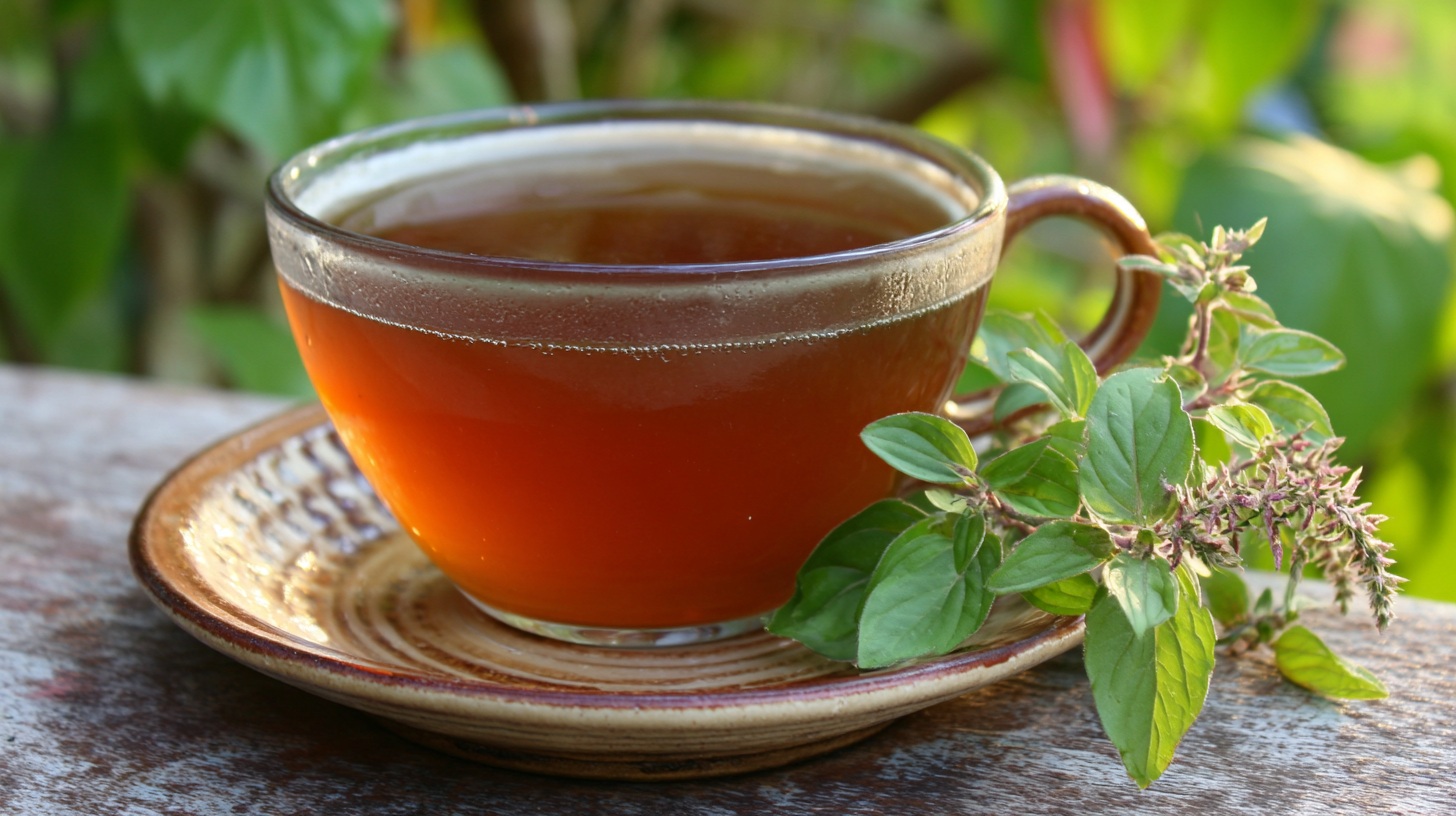
Traditional Tulsi Tea:
- 1 teaspoon dried leaves (or 2-3 fresh leaves) per cup
- Pour boiling water over leaves
- Steep 5-10 minutes, covered
- Strain and drink
- Add honey and lemon if desired
Dosage: 2-3 cups daily for therapeutic effects
Best for: Stress relief, immune support, general wellness
 2. Tincture (Most Concentrated)
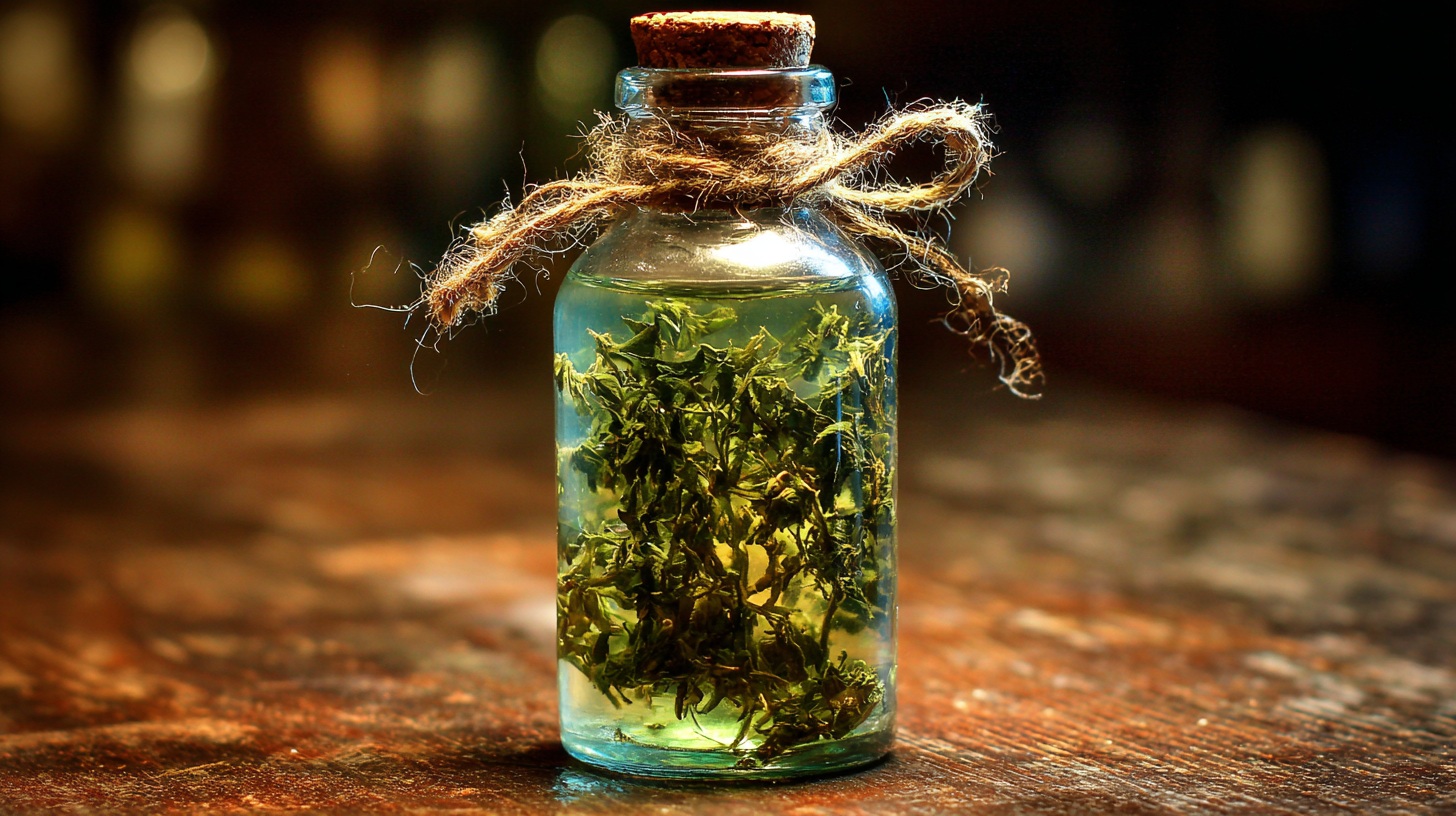
How to make:
- Fill a jar 1/3 full with dried Holy Basil (or 1/2 full with fresh)
- Cover completely with 80-100 proof vodka or brandy
- Seal and shake daily
- Strain after 4-6 weeks
- Store in dark glass bottles
Dosage: 30-60 drops (about 1-2 droppersful) 2-3 times daily
Best for: Long-term stress support, blood sugar regulation, quick absorption
 3. Capsules
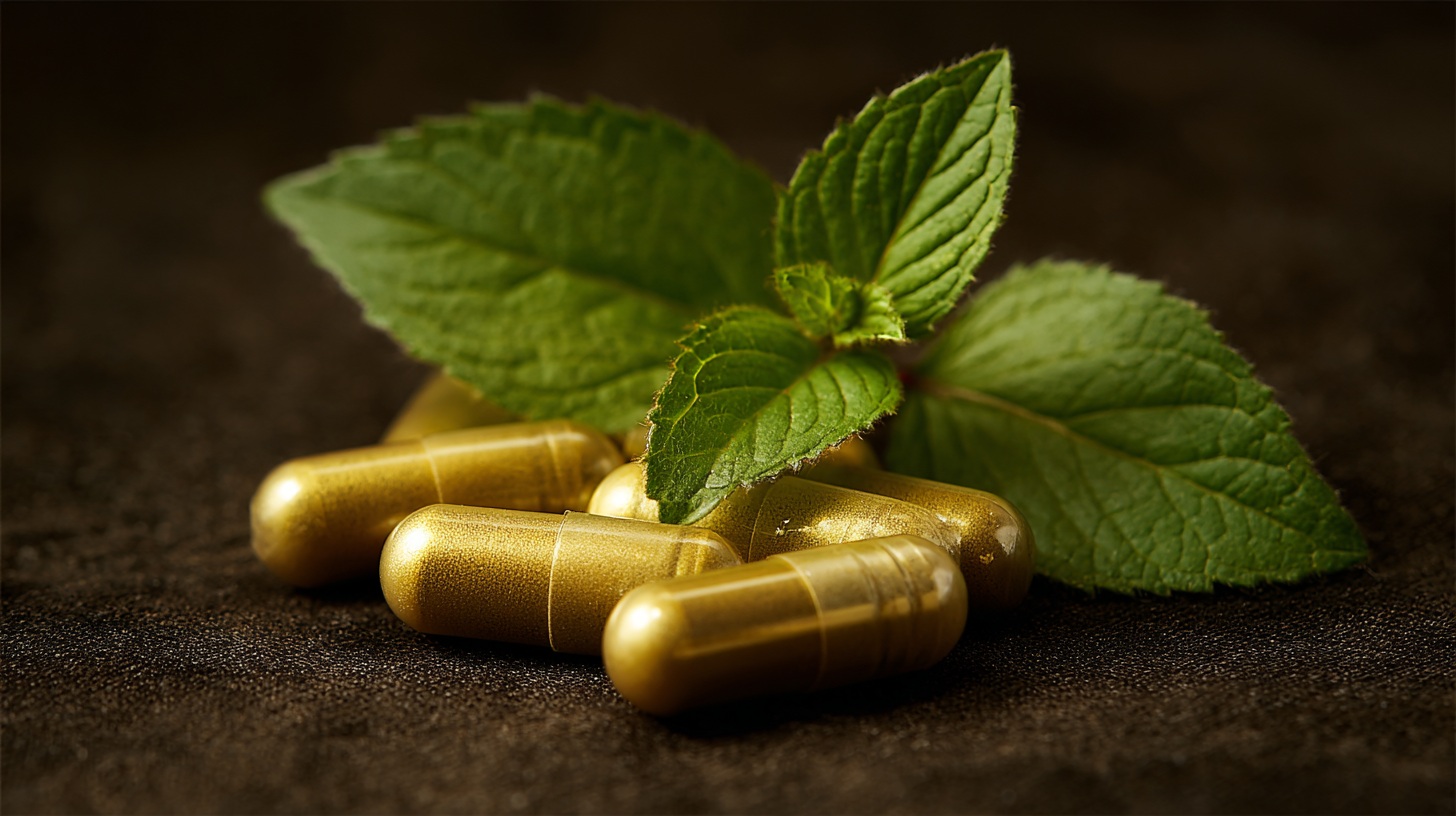
Store-bought: Follow label directions (typically 300-600mg twice daily)
Homemade: Fill “00” capsules with powdered dried Holy Basil
Best for: Convenience, precise dosing, those who dislike the taste
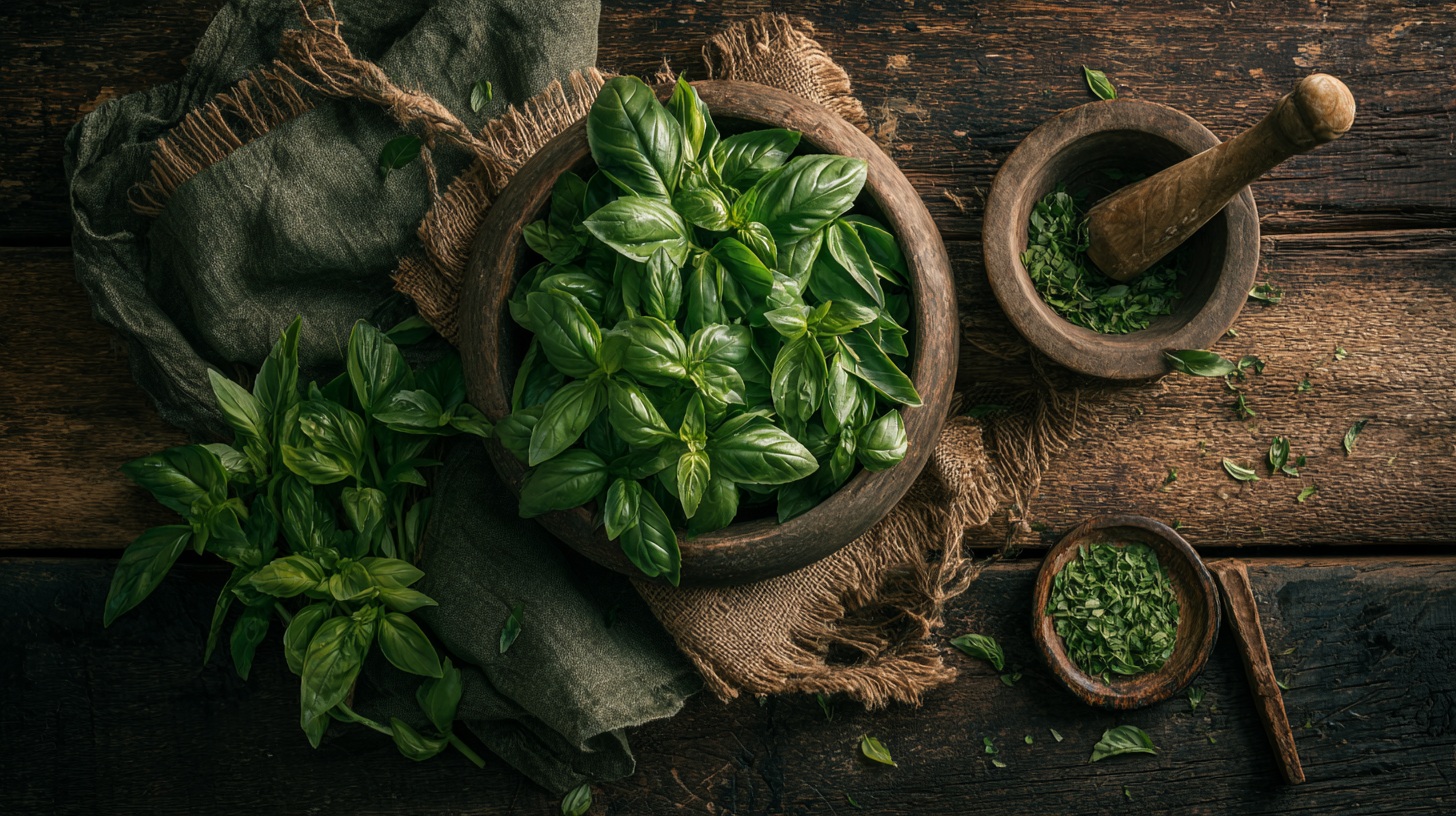 4. Fresh Leaves
Traditional Ayurvedic method:
- Chew 2-3 fresh leaves daily on an empty stomach
- Best done in the morning
- Believed to promote longevity and spiritual clarity
Best for: Respiratory issues, oral health, morning ritual
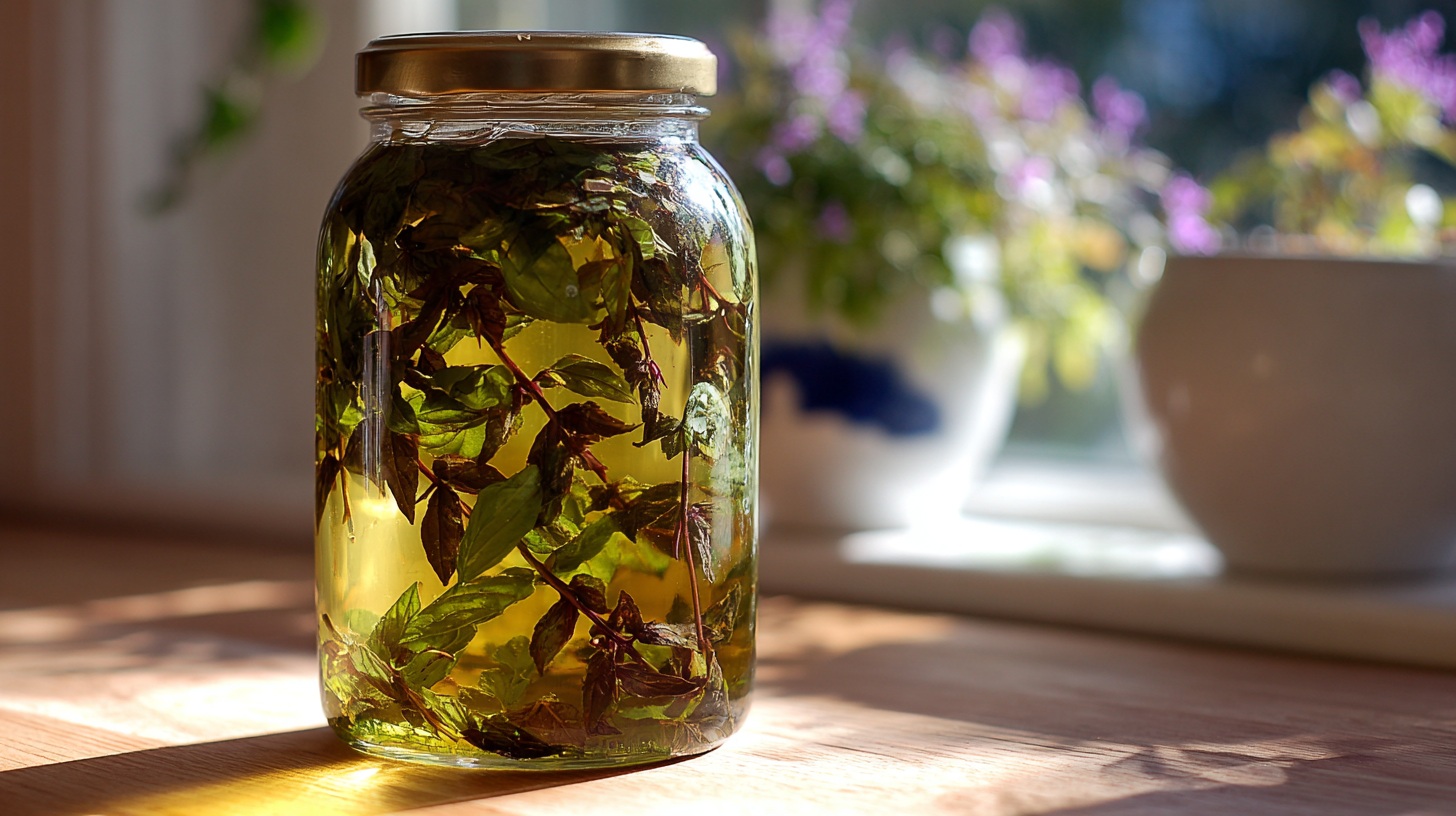 5. Infused Oil
How to make:
- Fill jar with dried Holy Basil
- Cover with carrier oil (olive, coconut, or jojoba)
- Let sit in a sunny window for 2-4 weeks, shaking daily
- Strain and store
Uses:
- Massage oil for sore muscles
- Skin healing
- Aromatherapy
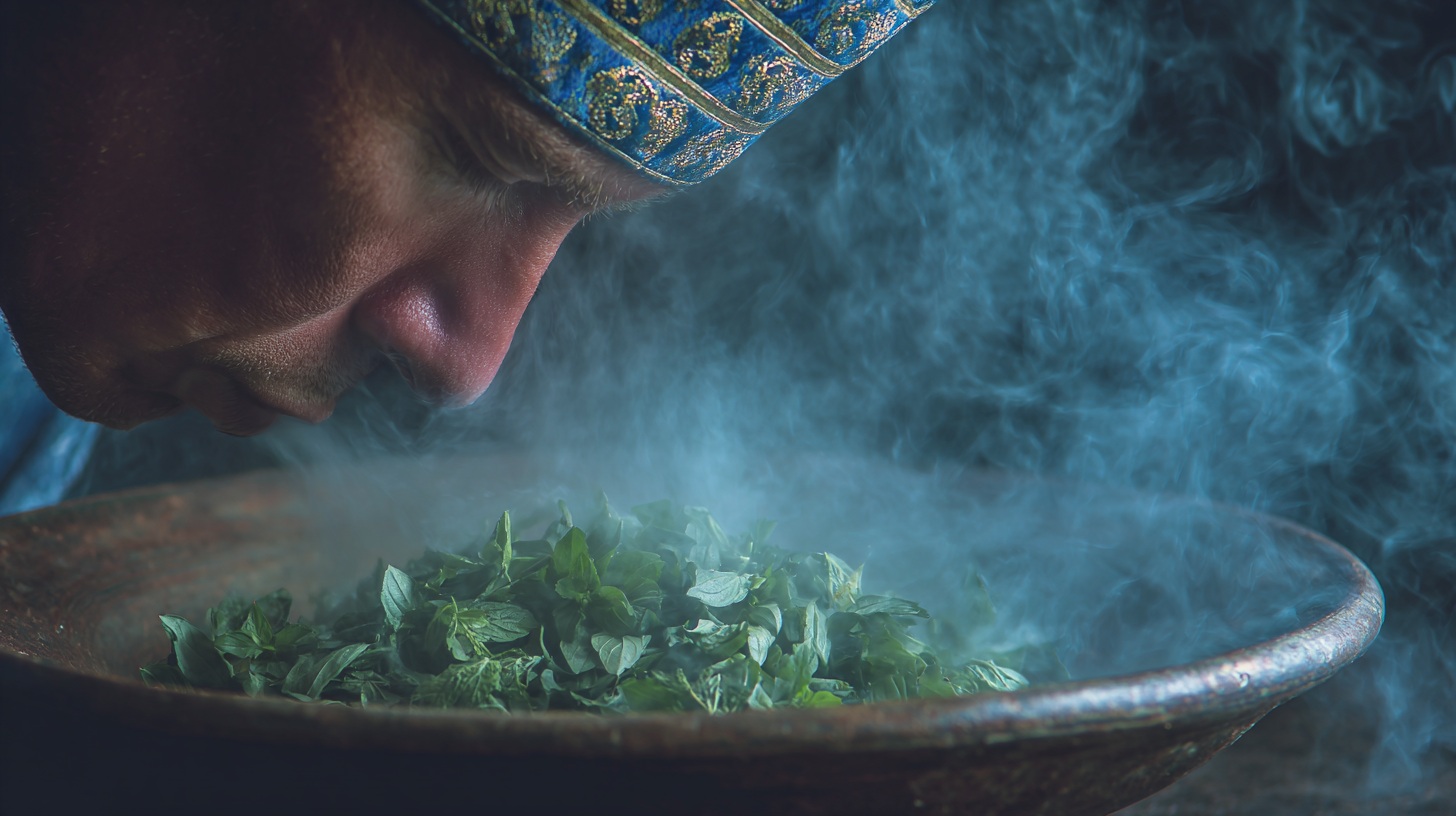 6. Steam Inhalation
For respiratory issues:
- Add a handful of fresh or dried leaves to a bowl
- Pour boiling water over them
- Lean over bowl with towel over head
- Inhale steam for 5-10 minutes
Best for: Congestion, sinusitis, bronchitis
 7. Culinary Use
While not as common as sweet basil for cooking, Holy Basil can be used:
- In Thai stir-fries (traditional use)
- Added to soups and broths
- Mixed into smoothies
- Sprinkled on salads
Note: The strong, peppery flavor is an acquired taste for some.
Recommended Dosages
General Wellness
- Tea: 1-2 cups daily
- Tincture: 30 drops twice daily
- Capsules: 300mg twice daily
- Fresh leaves: 2-3 leaves daily
Therapeutic Use (Stress, Anxiety, Blood Sugar Issues)
- Tea: 3 cups daily
- Tincture: 60 drops (2 droppersful) 2-3 times daily
- Capsules: 500-600mg twice daily
Acute Illness (Colds, Flu, Respiratory Infection)
- Tea: 4-5 cups daily
- Tincture: 60 drops every 2-3 hours while awake
- Fresh leaves: Chew several leaves 3-4 times daily
Important: Start with lower doses and increase gradually. Effects are cumulative—consistent use over weeks is more effective than sporadic high doses.
Safety, Side Effects, and Precautions
Holy Basil is generally very safe, with thousands of years of traditional use and modern research supporting its safety profile.
Side Effects (Rare and Usually Mild)
- Nausea (usually only with very high doses)
- Mild digestive upset
- Dizziness (rare)
- Slight blood thinning effect (important for those on blood thinners)
Who Should Avoid or Use Caution
Pregnancy and Breastfeeding:
- Traditional use suggests avoiding therapeutic doses during pregnancy
- May have uterine stimulant effects
- Culinary amounts are likely safe
- Insufficient research on breastfeeding—consult a healthcare provider
Surgery:
- Stop use 2 weeks before scheduled surgery
- May slow blood clotting
- Can affect blood sugar during and after surgery
Fertility:
- Some animal studies suggest high doses may affect fertility
- If trying to conceive, consult a healthcare provider
Hypothyroidism:
- May lower thyroid hormone levels slightly
- Monitor if taking thyroid medication
Drug Interactions
Holy Basil may interact with:
Blood thinners (Warfarin, aspirin, etc.):
- Holy Basil has mild blood-thinning effects
- May increase bleeding risk
- Consult doctor before combining
Diabetes medications:
- Holy Basil lowers blood sugar
- May cause hypoglycemia when combined with diabetes drugs
- Monitor blood sugar closely and adjust medication as needed with doctor supervision
Immunosuppressants:
- Holy Basil boosts immune function
- May counteract immunosuppressive medications
- Use caution after organ transplants
Sedatives and anti-anxiety medications:
- May enhance sedative effects
- Start with low doses if combining
General Safety Guidelines
- Start with small doses and increase gradually
- Don’t exceed recommended therapeutic doses
- Take breaks (5 days on, 2 days off, or 3 weeks on, 1 week off)
- Always inform your healthcare provider of all herbs you’re using
- Purchase from reputable sources (heavy metal contamination is possible with imported herbs)
Bottom line: Holy Basil has an excellent safety record, but respect it as the powerful medicine it is.
Holy Basil vs. Other Adaptogens
Holy Basil is one of several powerful adaptogenic herbs. Here’s how it compares:
Holy Basil vs. Ashwagandha
- Holy Basil: More uplifting, better for daytime use, excellent for respiratory issues
- Ashwagandha: More calming, better for nighttime use, superior for hormonal balance
- Best together: Many herbalists combine them for complete stress support
Holy Basil vs. Rhodiola
- Holy Basil: Gentle, balancing, good for long-term use
- Rhodiola: More stimulating, better for acute stress and energy
- Holy Basil wins for: Immune support, blood sugar, spiritual practice
- Rhodiola wins for: Physical endurance, mental fatigue
Holy Basil vs. Ginseng
- Holy Basil: Gentler, safer for long-term use, doesn’t cause jitters
- Ginseng: More stimulating, more powerful, but can be overstimulating
- Holy Basil is better for: Most people, especially those sensitive to stimulants
The Spiritual and Cultural Significance of Holy Basil
Understanding Holy Basil’s sacred history deepens our connection to this remarkable plant.
In Hinduism
Holy Basil is considered the earthly manifestation of the goddess Tulasi (Lakshmi). Traditional Hindu households grow Tulsi in a special planter called a “Vrindavan” and worship it daily with offerings of water, light, and prayers.
Traditional beliefs:
- Tulsi purifies the environment
- Protects the home from negative energy
- Brings blessings of Vishnu and Lakshmi
- Facilitates spiritual awakening
- Presence in the home ensures a peaceful death
Daily rituals:
- Watering the plant at dawn
- Lighting a lamp near it at dusk
- Circumambulating (walking around) the plant while praying
- Offering tulsi leaves to deities during worship
In Ayurvedic Medicine
Ayurveda classifies Holy Basil as:
- Rasa (taste): Pungent and bitter
- Virya (energy): Heating
- Vipaka (post-digestive effect): Pungent
- Qualities: Light, dry, sharp
Balances: Kapha and Vata doshas May aggravate: Pitta dosha in excess (due to its heating nature)
Modern Spiritual Use
Even outside Hindu tradition, many herbalists and practitioners recognize Holy Basil’s ability to:
- Enhance meditation practice
- Promote mental clarity
- Support spiritual discipline
- Facilitate emotional release
- Ground and center scattered energy
Historical Uses of Holy Basil
Ancient India (3000+ years ago)
- Treated snake bites and scorpion stings
- Protected against malaria
- Purified water (leaves were added to drinking water)
- Used in death rituals (placed in the mouth of the deceased)
Traditional Medicine Systems
Ayurveda:
- Primary herb for respiratory conditions
- Treatment for fever (especially malaria)
- Digestive aid
- Poison antidote
Siddha Medicine (South India):
- Rejuvenation tonic
- Treatment for skin diseases
- Memory enhancer
Unani Medicine:
- Heart tonic
- Digestive stimulant
- Fever reducer
Colonial Era
- British colonizers in India adopted Holy Basil for malaria prevention
- Documented in British pharmacopeias in the 1800s
- Used in field hospitals during Indian campaigns
Modern Rediscovery
- 1980s-1990s: Scientific research begins validating traditional uses
- 2000s: Adaptogenic properties confirmed
- 2010s-present: Growing popularity in Western herbalism and functional medicine
Growing Holy Basil: Advanced Tips
Companion Planting
Good companions:
- Tomatoes: Holy Basil repels hornworms and aphids
- Peppers: Improves growth and flavor
- Asparagus: Repels asparagus beetles
- Oregano: Similar growing conditions, beneficial partnership
Avoid planting near:
- Rue: May stunt Holy Basil’s growth
- Sage: Competes for resources
Pest and Disease Management
Holy Basil is naturally resistant to most pests, but problems can occur:
Common pests:
- Aphids: Spray with water or neem oil solution
- Japanese beetles: Hand-pick or use neem oil
- Slugs: Diatomaceous earth around base of plant
Diseases:
- Fusarium wilt: Remove affected plants, don’t replant basil in same soil
- Downy mildew: Improve air circulation, water at base of plant only
- Root rot: Ensure excellent drainage, don’t overwater
Seed Saving
Holy Basil is easy to save seeds from:
- Allow plant to flower fully
- Let flower spikes dry on the plant
- When spikes turn brown and crispy, cut them off
- Place in paper bag and shake to release seeds
- Separate seeds from chaff
- Store in cool, dry place
- Seeds remain viable for 5 years
Maximizing Medicinal Potency
Stress the plant slightly:
- Allow soil to dry slightly between waterings (not completely dry)
- Provide full sun (more sun = higher essential oil content)
- Reduce fertilizer slightly when plant is mature
- Harvest in morning when oils are most concentrated
Don’t stress too much:
- Severely stressed plants produce bitter leaves
- Balance is key
Scientific Research on Holy Basil
Modern science continues to validate traditional uses:
Key Studies
2017 – Journal of Ayurveda and Integrative Medicine: Comprehensive review of 24 studies confirmed Holy Basil’s efficacy for:
- Metabolic stress
- Chemical stress
- Physical stress
- Psychological stress as shown in Psychological Safety Professional certification
2014 – Indian Journal of Physiology and Pharmacology: 300mg twice daily for 4 weeks significantly reduced anxiety and stress-related symptoms in 75% of participants.
2017 – Evidence-Based Complementary and Alternative Medicine: Holy Basil demonstrated comparable effectiveness to pharmaceutical diabetes medications in controlling blood sugar, with no adverse effects.
2013 – Nutrition and Cancer: Review of anti-cancer properties showed promise in:
- Breast cancer
- Liver cancer
- Oral cancer
- Lung cancer
- Skin cancer
Active Compounds Identified
Researchers have isolated numerous beneficial compounds:
Essential oils:
- Eugenol (70-85% of oil content)
- Ursolic acid
- Rosmarinic acid
- Carvacrol
- Linalool
Phytochemicals:
- Apigenin
- Orientin
- Vicenin
- Flavonoids
- Tannins
Note: Whole plant medicine is more effective than isolated compounds—the synergy between all constituents creates the therapeutic effect.
Buying Holy Basil Products
If you’re not growing your own, here’s how to choose quality products:
What to Look For
Dried herb:
- Bright green color (not brown or faded)
- Strong, fresh aroma
- Organic certification (reduces pesticide exposure)
- Recent harvest date (within past year)
- Properly sealed packaging
Tinctures:
- Made with organic herb
- Alcohol-based (glycerin tinctures are weaker)
- Reputable manufacturer
- Clear label with Latin name and extraction ratio
- Dark glass bottle
Capsules:
- Organic certification
- Third-party testing for purity
- Clear dosage information
- No unnecessary fillers or additives
- Standardized extract (at least 2% ursolic acid)
Reputable Brands
Look for companies with:
- GMP (Good Manufacturing Practices) certification
- Third-party testing
- Transparent sourcing
- Organic certification
- Good customer reviews
Red flags:
- Unusually cheap prices
- No information about sourcing
- Vague or exaggerated health claims
- No contact information
- Missing Latin botanical name
Seeds and Plants
Seeds:
- Purchase from seed companies specializing in herbs
- Look for Latin name Ocimum sanctum or O. tenuiflorum
- Specify variety (Rama, Krishna, or Vana)
- Check germination date (fresher is better)
Live plants:
- Purchase from reputable nurseries
- Inspect for pests and disease
- Look for healthy, bushy growth
- Darker green leaves indicate better health
Recipes and Preparations
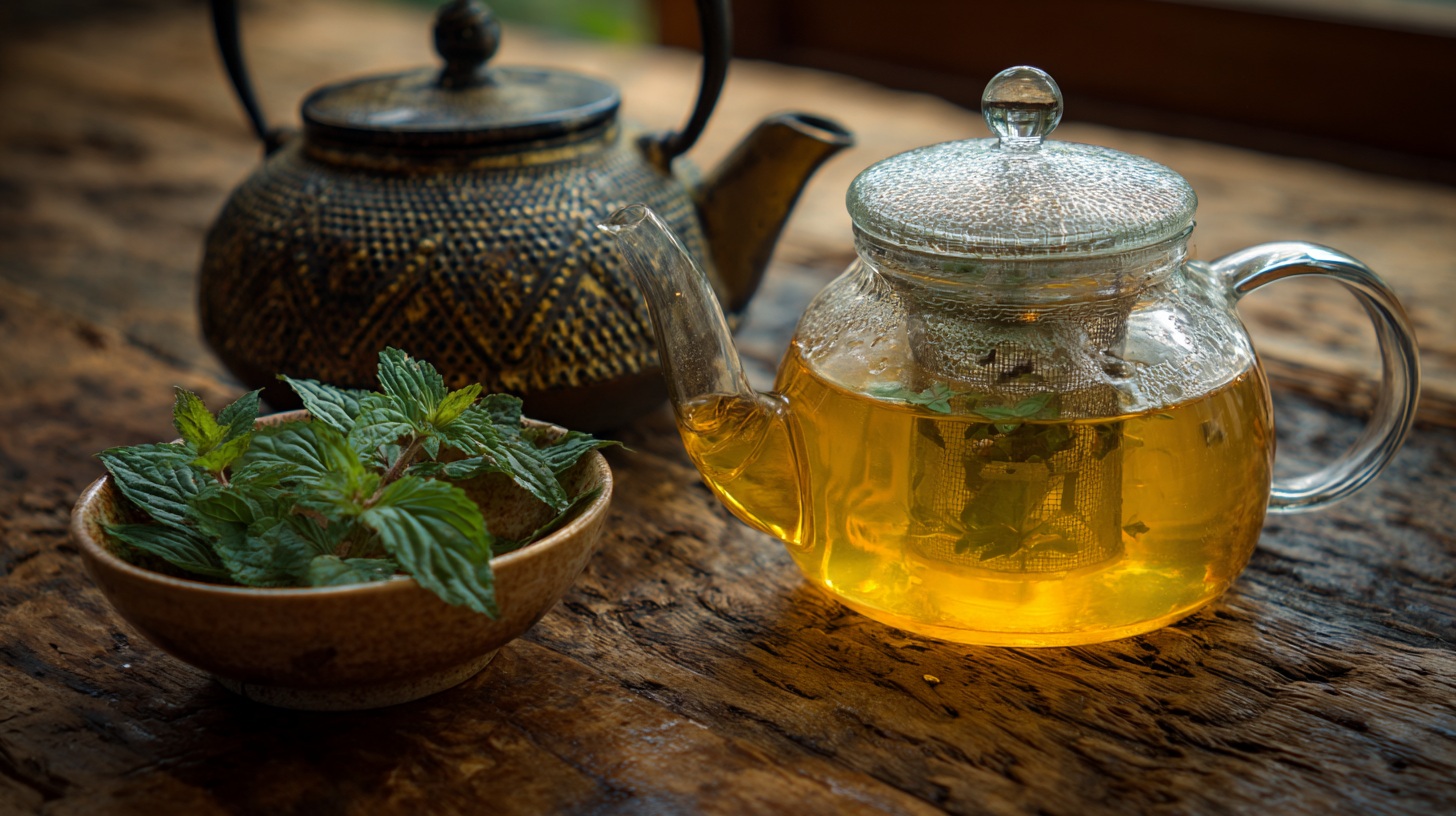 Basic Holy Basil Tea Blend
Ingredients:
- 2 parts Holy Basil
- 1 part ginger root, dried
- 1 part lemon balm
- 1/2 part licorice root (optional, for sweetness)
Instructions: Mix herbs and store in airtight container. Use 1-2 teaspoons per cup of hot water. Steep 5-10 minutes.
Benefits: Stress relief, digestive support, immune boost
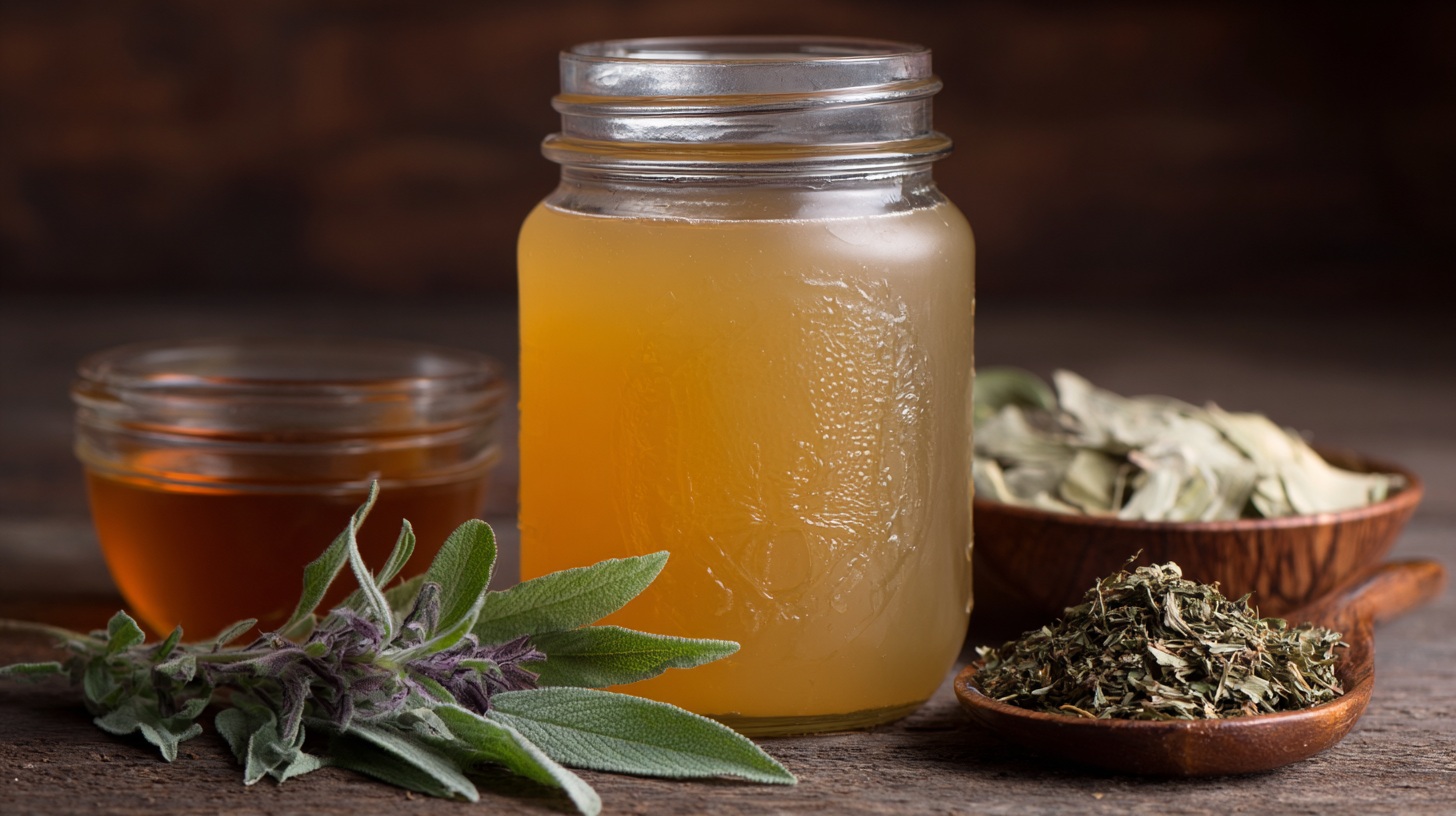 Tulsi-Honey Infusion (Immune Support)
Ingredients:
- 1 cup raw honey
- 1/4 cup dried Holy Basil leaves
- 1 tablespoon dried ginger
- 1 teaspoon dried turmeric
Instructions:
- Gently warm honey (don’t boil—destroys beneficial enzymes)
- Add herbs and stir well
- Store in glass jar
- Let infuse for 2 weeks
- Strain or leave herbs in
- Take 1 teaspoon 2-3 times daily during cold/flu season
Shelf life: 1 year in cool, dark place
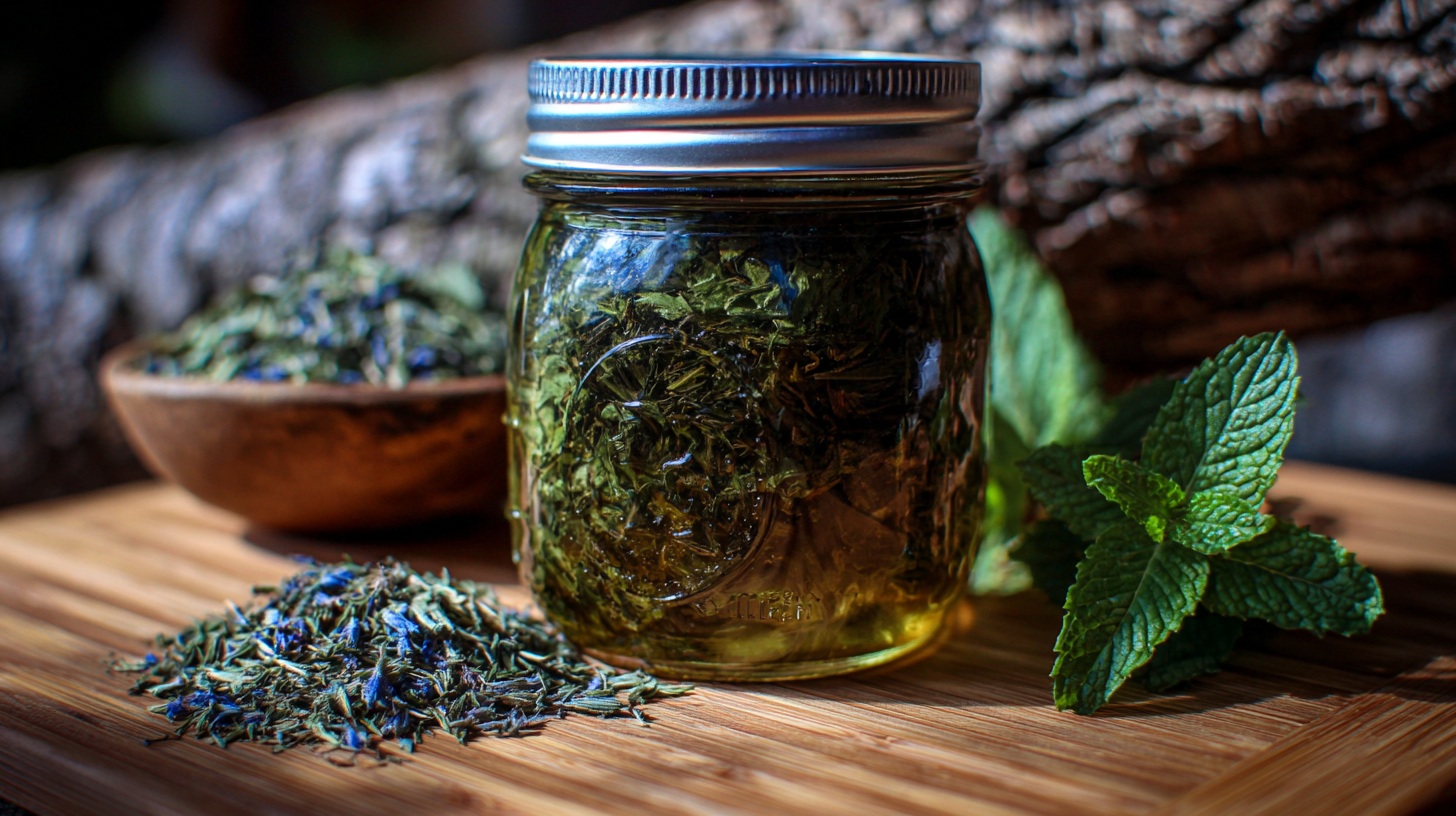 Holy Basil Stress Relief Tincture Blend
Ingredients:
- 2 parts Holy Basil
- 1 part Ashwagandha root
- 1 part Milky Oat tops
- 1/2 part Skullcap
Instructions:
- Combine herbs in glass jar
- Cover with 80-proof alcohol
- Steep 6 weeks, shaking daily
- Strain and bottle
Dosage: 30-60 drops, 2-3 times daily
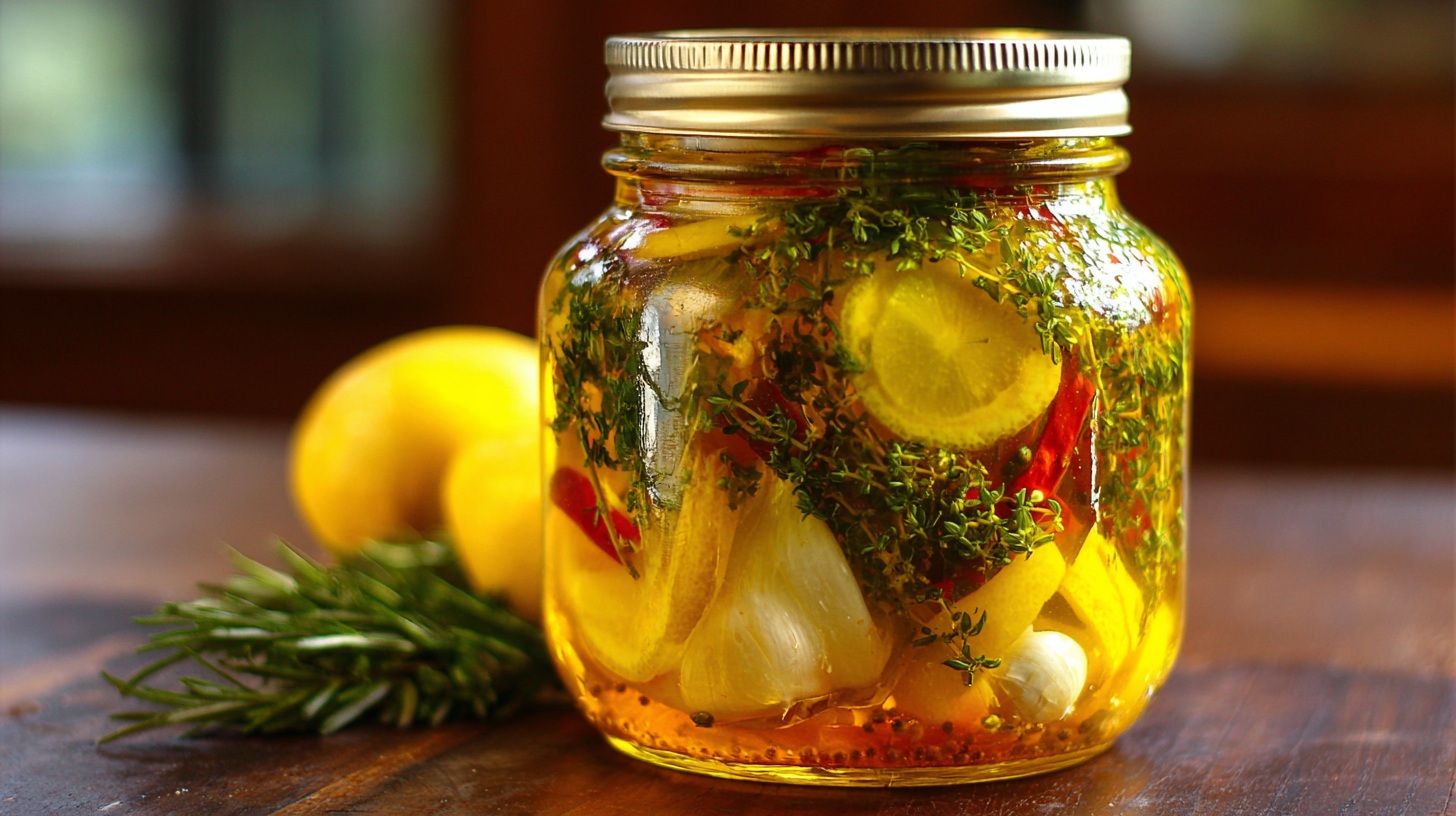 Holy Basil Oxymel (Fire Cider Style)
Ingredients:
- 1/2 cup fresh Holy Basil leaves
- 1/4 cup fresh ginger, chopped
- 1/4 cup fresh garlic, minced
- 1 lemon, sliced
- 1-2 hot peppers
- 1 tablespoon turmeric powder
- Raw apple cider vinegar
- Raw honey
Instructions:
- Pack herbs and vegetables into jar
- Cover completely with apple cider vinegar
- Seal and steep 4 weeks in cool, dark place
- Strain, pressing out liquid
- Add honey to taste (equal parts honey to liquid)
- Store in refrigerator
Use: 1 tablespoon daily for immune support, or 1 tablespoon every 2-3 hours at first sign of illness
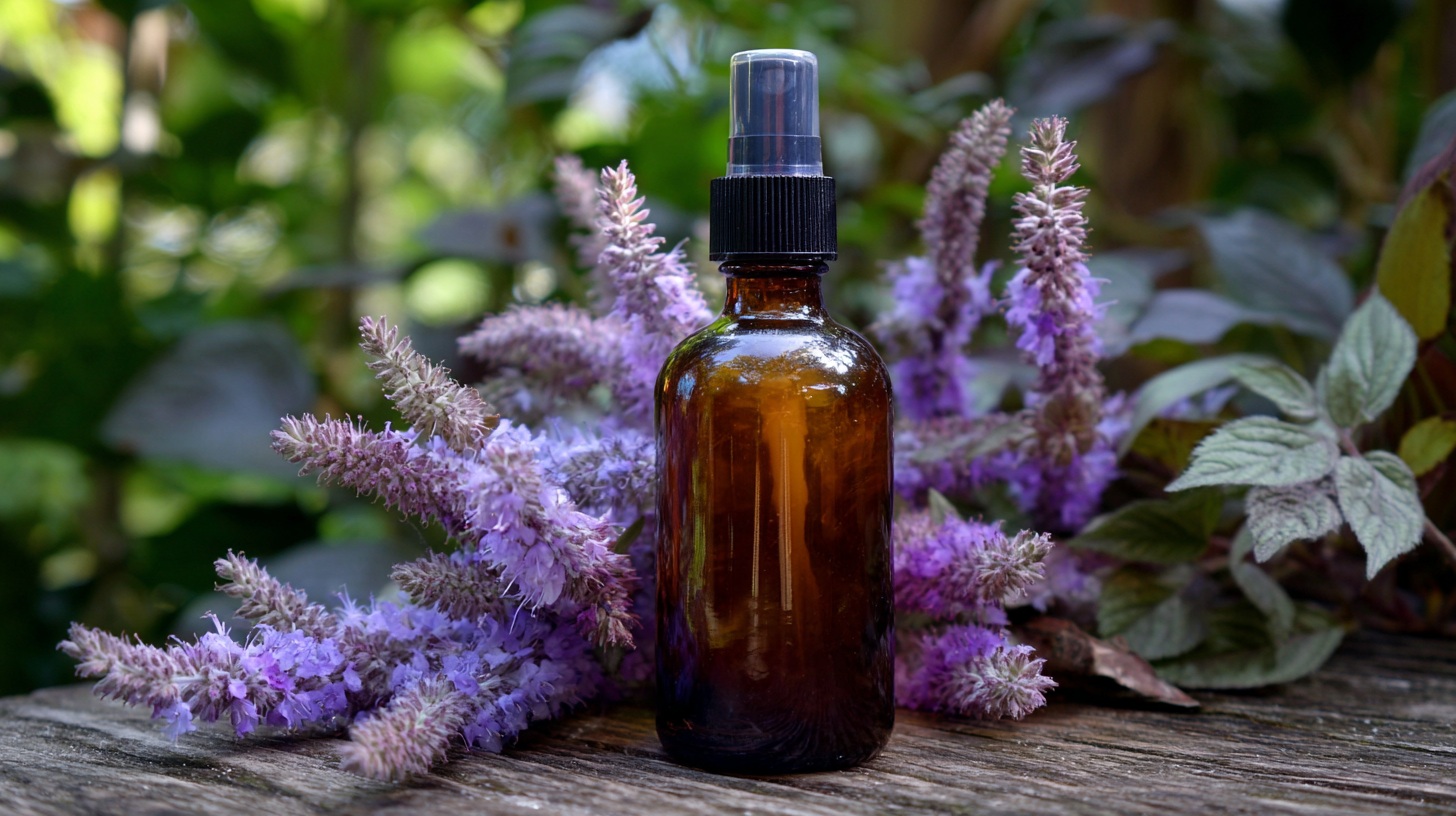 Holy Basil Face Toner
Ingredients:
- 1/4 cup strong Holy Basil tea (cooled)
- 1/4 cup witch hazel
- 5 drops tea tree oil (optional)
- 3 drops lavender essential oil
Instructions: Mix all ingredients and store in dark glass bottle. Apply with cotton pad after cleansing.
Benefits: Antibacterial for acne, anti-inflammatory, reduces redness
Frequently Asked Questions
Q: Can I use Holy Basil every day long-term? A: Yes, Holy Basil is safe for daily use. Many people in India have consumed it daily for their entire lives. Some herbalists recommend taking periodic breaks (1 week off every 3 months) but this isn’t strictly necessary.
Q: How long before I notice effects? A: For stress and anxiety, most people notice effects within 2-4 weeks of consistent use. For blood sugar regulation, effects may be seen in 4-6 weeks. Acute issues like colds may respond within days.
Q: Can children take Holy Basil? A: Yes, in age-appropriate doses. Generally: ages 2-6 use 1/4 adult dose, ages 6-12 use 1/2 adult dose, 12+ use full dose. Always consult a pediatrician for children under 2.
Q: Will Holy Basil make me sleepy or wired? A: Neither. As an adaptogen, it brings balance. Most people feel calm yet alert—stressed people feel calmer, fatigued people feel more energized.
Q: Can I grow Holy Basil indoors year-round? A: Yes! Holy Basil makes an excellent houseplant. Provide bright light (a south-facing window or grow light), keep soil moist but not soggy, and maintain temperatures above 60°F.
Q: Is Holy Basil the same as Thai Basil? A: No. Thai basil (Ocimum basilicum var. thyrsiflora) is used for cooking and has a sweet anise flavor. Holy Basil (Ocimum sanctum) has a peppery, clove-like flavor and is used primarily medicinally.
Q: Can I smoke Holy Basil? A: While some people do smoke Holy Basil as a tobacco alternative or for relaxation, this isn’t a traditional use and there’s no research on the safety of smoking it. Tea or tincture are safer, more effective delivery methods.
Q: Does Holy Basil interact with caffeine? A: No known interactions. In fact, many people combine Holy Basil tea with green tea to balance caffeine’s stimulating effects.
Q: Can I give Holy Basil to my pets? A: Holy Basil is toxic to cats and horses. It’s generally safe for dogs in small amounts but consult a holistic veterinarian before use.
Q: Why are my Holy Basil leaves turning brown? A: Common causes: overwatering, underwatering, too much direct sun in extreme heat, frost exposure, or natural die-back at end of season. Adjust care accordingly.
Q: Can I make pesto with Holy Basil? A: You can, but the strong peppery flavor is very different from traditional basil pesto. Most people prefer to use it medicinally or blend it with sweet basil for a unique pesto variation.
Final Thoughts
Holy Basil stands as one of nature’s most generous gifts—a plant that offers physical healing, mental clarity, and spiritual connection in equal measure. For thousands of years, it has been revered, researched, and relied upon. Modern science continues to validate what traditional wisdom has always known: this is a plant of extraordinary power.
Whether you’re growing it in your garden, brewing it as tea, or simply learning about its remarkable properties, Holy Basil invites you into a deeper relationship with plant medicine. It asks for little—some sun, some water, some attention—and gives back abundantly.
In a world of increasing stress, environmental toxins, and disconnection from nature, Holy Basil offers a path back to balance. Not through force or suppression of symptoms, but through gentle support of the body’s innate wisdom to heal itself.
Start small. Grow a plant. Drink a cup of tea. Notice what shifts. This is medicine that works not by overwhelming the body, but by helping it remember what it already knows how to do: adapt, balance, and thrive.
The Queen of Herbs is ready to serve. The question is: are you ready to welcome her into your life?
Extra Resources To Consider:
🌿 Ready to Build Your Own Herbal Medicine Cabinet?
Reading about Holy Basil is one thing. Knowing how to confidently use dozens of powerful medicinal plants is another.
Forgotten Home Apothecary is your practical guide to turning everyday herbs into real-world remedies. From tinctures and salves to teas and syrups, this resource walks you step-by-step through the preparations our ancestors relied on long before modern pharmacies existed.
If you’re serious about natural medicine, self-reliance, and reducing dependence on synthetic solutions, this book belongs on your shelf.
👉 Discover Forgotten Home Apothecary and start creating your own remedies.
🧠 Want Deeper Knowledge Beyond Basic Herbal Tips?
True herbal confidence comes from understanding why remedies work — not just following recipes.
The Lost Remedies Academy takes you far beyond surface-level herbal content. You’ll learn plant identification, preparation mastery, dosage principles, safety considerations, and the traditional logic behind herbal medicine systems.
This is structured, in-depth training designed for those who want real competence — not scattered internet advice.
👉 Explore The Lost Remedies Academy and develop genuine herbal expertise.
🏡 Curious How Traditional Communities Stay Naturally Healthy?
Modern culture didn’t invent resilience, wellness, or self-sufficiency.
The Amish Ways Book reveals practical, time-tested strategies used by one of the most self-reliant communities on earth. Natural remedies, preventative habits, simple living principles — many of which align beautifully with herbal traditions like Tulsi.
If you value independence, common sense health practices, and sustainable living, this resource offers eye-opening insights.
👉 Learn from generations of wisdom inside the Amish Ways Book.
You may also like:
5 Plants That Naturally Lower Blood Pressure (With the Studies to Prove It)
The Tincture That Can Help Every Part Of Your Body At Once (Video)
The Complete Guide to Herbs for the Brain & Focus
Parasites 101: Signs, Dangers & Natural Remedies That Actually Work