You twist your ankle. It swells, turns red, throbs. A few days later, it’s back to normal. That’s inflammation doing its job—rushing in, fixing the problem, then leaving.
But what happens when inflammation never leaves? When that emergency repair crew just keeps working, day after day, year after year, even when there’s no obvious injury to fix?
That’s chronic inflammation. And it’s quietly connected to some of the biggest health problems we face as we age—heart disease, diabetes, arthritis, even faster aging itself.
The scary part? You might not feel it. No redness. No obvious swelling. Just a slow, steady fire burning inside that reshapes your health over time.
Let me explain what’s happening—and what you can do about it.
Why Inflammation Gets Stuck
Turning inflammation OFF is an active process, not something that just happens on its own. Your body has to actively shift immune cell behavior, clear out spent cells, and restore tissue balance.
When this resolution phase fails—or gets repeatedly re-triggered—inflammation becomes persistent. It can start even without a clear injury and may not end when it should. Over time, this damages healthy tissue.
Think of it like a construction crew that finishes the repair but never cleans up the worksite. The debris just accumulates, creating new problems.
The Diseases Inflammation Fuels
Heart Disease: Inflammation isn’t just “along for the ride” with heart problems—it’s actively involved. Studies show that people with higher inflammatory markers have higher cardiovascular risk, even when cholesterol and blood pressure are controlled. In fact, directly reducing inflammation (without changing cholesterol levels) can reduce heart attacks and strokes. Inflammation itself drives heart disease.
Diabetes and Metabolic Problems: Obesity creates chronic low-grade inflammation throughout the body. That inflammation interferes with how your body responds to insulin, helping explain why insulin resistance and type 2 diabetes so often go hand-in-hand with chronic inflammation.
Cancer: Chronic inflammation over time can cause DNA damage and contribute to cancer risk. Inflammatory bowel disease, for example, increases colon cancer risk. The relationship is complicated—inflammation can sometimes help the immune system fight tumors, but it can also help tumors grow and spread. It’s a double-edged sword.
Aging Faster: Researchers even have a term for it: “inflammaging”—the chronic, low-grade inflammation that develops with aging and contributes to age-related diseases. It’s like your body is constantly revved up, and that takes a toll.
The Hidden Signs: Lab Tests That Reveal the Fire
Chronic inflammation can be “quiet”—you might not feel terrible, but lab tests can reveal it’s there. One of the most common markers doctors check is C-reactive protein (CRP), which rises when inflammation is present anywhere in your body.
For heart disease risk specifically, high-sensitivity CRP (hs-CRP) is used because it can detect lower levels of inflammation and has been studied extensively for predicting cardiovascular events.
Important to understand: these markers don’t tell you WHERE inflammation is coming from. An elevated CRP could reflect infection, autoimmune activity, smoking, obesity-driven inflammation, or many other things. That’s why persistent elevations need a doctor’s interpretation—not just a handful of supplements you found online.
What Actually Lowers Inflammation
The strongest evidence for reducing inflammatory markers comes from pattern-level lifestyle changes—not individual supplements.
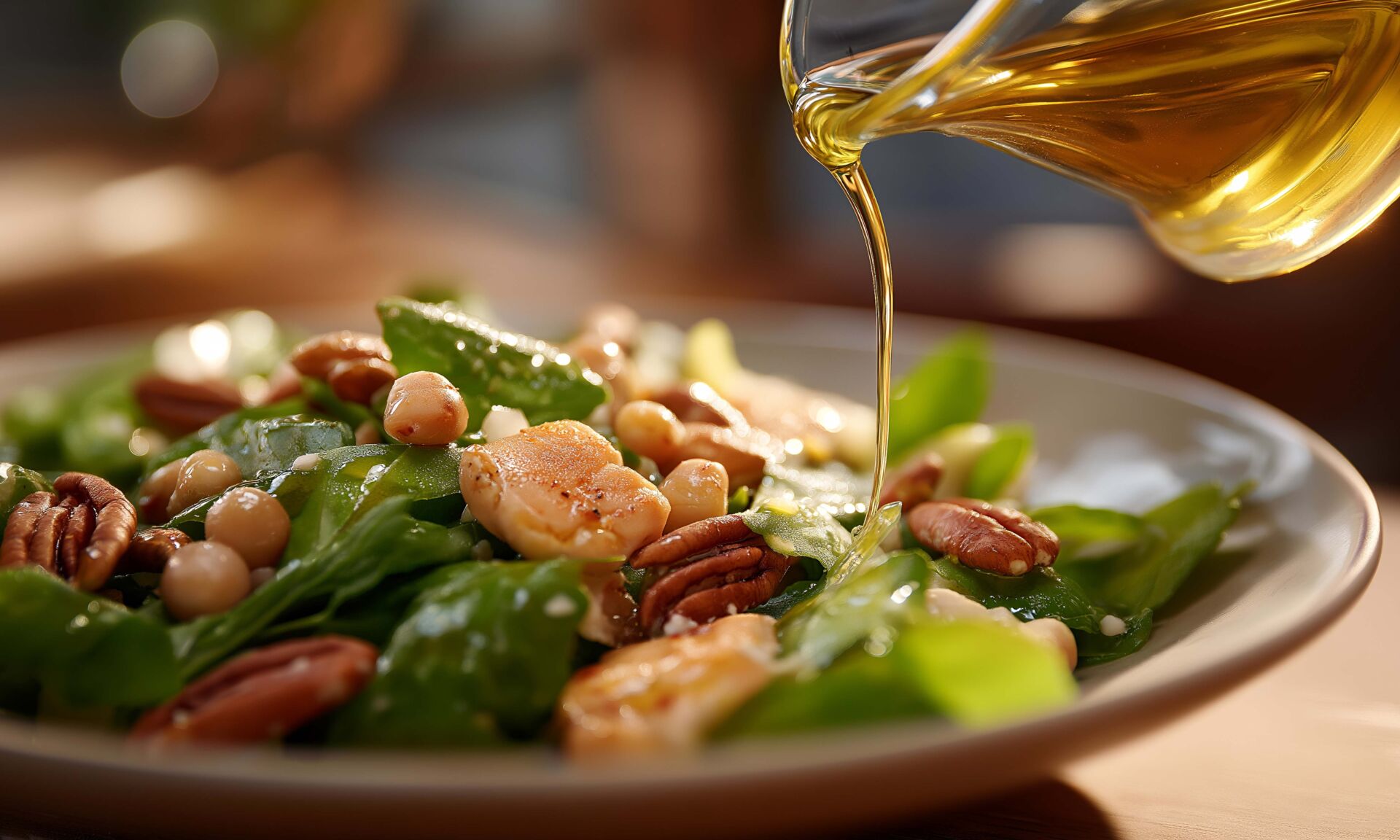
Diet Patterns Matter:Mediterranean-style eating—emphasizing extra-virgin olive oil, nuts, vegetables, fruits, fish, and whole grains—reduces inflammatory markers like CRP and IL-6. It’s not about one magic food; it’s about the whole pattern.
Avoid Ultra-Processed Foods: Higher intake of ultra-processed foods is repeatedly linked with higher inflammation markers, even accounting for body weight.
It’s not just what you eat, it’s what you keep eating that fuels inflammation.
What I like about Nicole’s approach is that she doesn’t just tell you what to avoid. She shows you exactly what to eat instead, with simple anti-inflammatory meal plans built around Mediterranean-style eating, which you can find in the same link above.
Sleep Enough:Sleep deprivation raises inflammatory markers. When you don’t sleep well, inflammation goes up. Prioritize 7-9 hours of quality sleep.
I used to think I was “sleeping enough”… until I realized I was just lying unconscious, not actually resting.
Waking up tired. Brain fog. That heavy feeling like your body never fully reset.
Putting together a proper sleep blend at home sounds simple—but getting the right combination, timing, and dosage of calming herbs like valerian, chamomile, passion flower, and hops is a different story.
What made the difference for me was using the herbs above combined to help my body actually drop into that deeper, regenerative kind of sleep… not just knock me out for a few hours.
Because that’s where the real recovery happens. I got it from here.
Move Your Body: Exercise reduces inflammation markers on average, though results vary by person and program. Movement matters.
Herbs and Mushrooms That Help
Some plants and fungi have solid evidence for improving inflammatory markers or inflammation-related symptoms. They work best as additions to healthy lifestyle patterns, not replacements.
Black Cumin (Nigella Sativa): Research shows black cumin can reduce inflammatory markers like CRP and TNF-α while improving antioxidant status. Not every trial finds benefits, but the overall signal is positive.
Sumac: Studies suggest sumac supplementation may reduce hs-CRP in adults, though researchers call for larger trials to confirm optimal dosing.
Reishi: Popular but mixed evidence. A review of clinical trials found no significant overall effect on inflammatory markers like hs-CRP, and rated the evidence quality very low. That doesn’t mean reishi is useless—it just means claims should stay modest.
Most people don’t realize this, but reishi isn’t something you just “brew and drink.”
The compounds people actually look for are locked inside a tough cell wall—and pulling them out properly usually means doing both alcohol and hot water extraction… in the right sequence… over several weeks.
A lot of store-bought powders skip half that process.
That’s why I ended up sticking with this dual-extracted reishi tincture. Already done correctly by Nicole Apelian, without guessing ratios or wasting batches that don’t do much.
Boswellia (Frankincense): Trials in people with osteoarthritis show improvements in pain and function, and some studies show reductions in hs-CRP. It’s considered likely safe short-term in studied doses.
Rosehip: Research suggests rosehip powder can reduce osteoarthritis pain, though the evidence base is still relatively small. Promising, not magical.
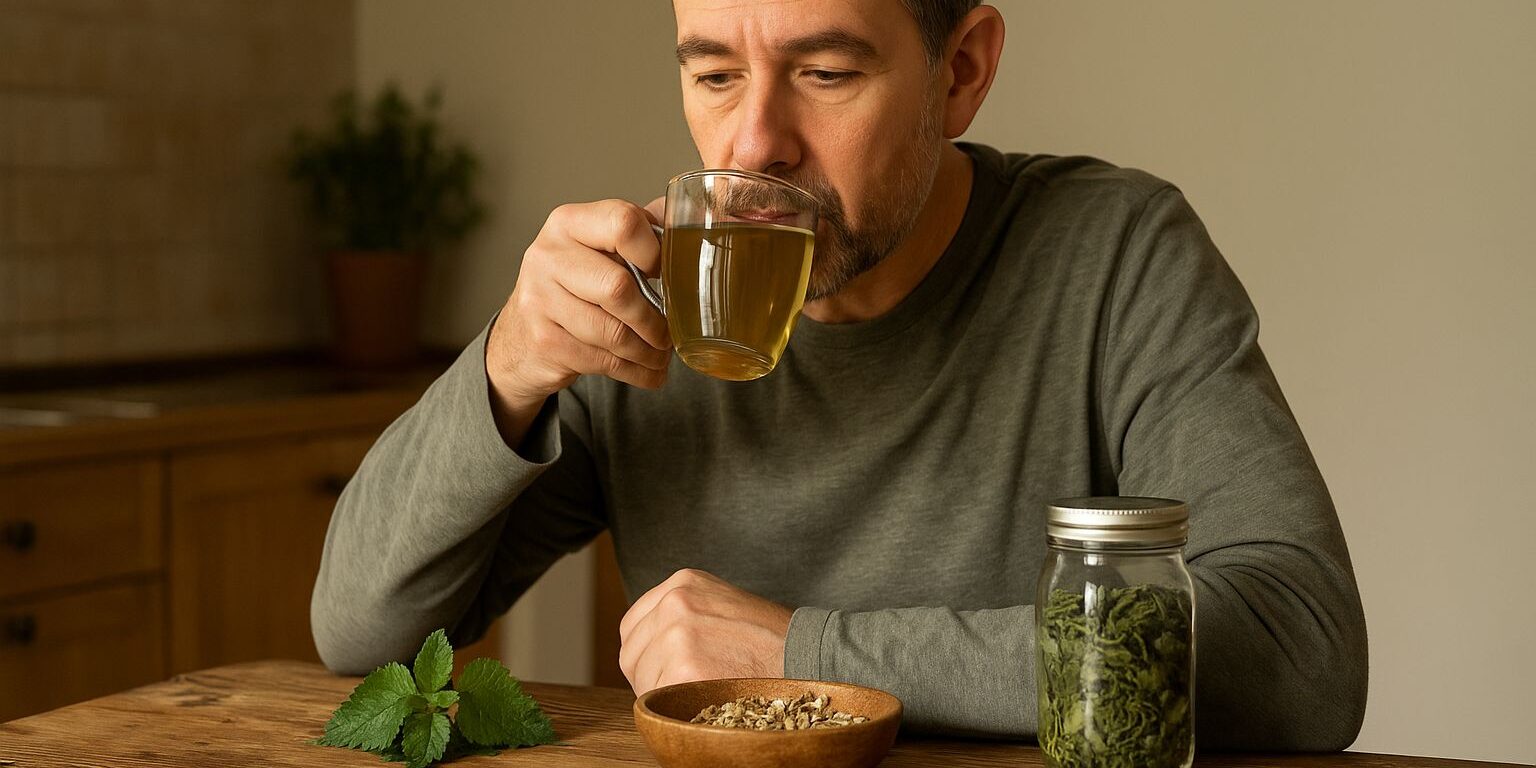
Stinging Nettle: Studies show nettle can reduce inflammatory cytokines like TNF-α and IL-1β, especially in arthritis and inflammatory conditions. It works partly by blocking NF-κB, a key inflammation pathway—meaning it targets the root signaling behind inflammation, not just symptoms. It’s been used traditionally for joint pain, and research is catching up to why.
I tried harvesting nettle myself once.
Then again.
And one more time, thinking I’d “get it right.”
Every time, gloves or not, I still ended up with that burning, tingling sting that lingers way longer than you expect.
And even when you do collect it properly… you still have to dry it, process it, and hope you didn’t grab the wrong stage of the plant.
That’s when I switched to a clean nettle extract instead. Same plant—just without the trial-and-error (and the regret).
Shiitake Mushrooms: In a study with healthy adults, daily shiitake intake improved several immune measures and suggested lower inflammation. This is useful because it’s a food-first approach—you can just eat shiitake mushrooms regularly.
Marshmallow Root: This mucilage-rich herb soothes gut lining irritation and inflammatory digestive conditions. It forms a protective coating over irritated tissue, making it perfect for “inflammation you don’t feel…but your gut does.” Studies describe it as forming a protective film on inflamed mucosa with anti-inflammatory and antioxidative effects. Use it when your digestive tract feels angry.
Marshmallow root works best as a cold infusion—not hot tea.
Which means letting it sit for hours… sometimes overnight… until it turns into that thick, slightly slimy liquid that most people won’t stick with for long.
And if you don’t get the ratio right, or you rush the process, you miss the exact soothing effect you’re after.
Interestingly, marshmallow root—combined with plantain—is actually one of the best-selling blends from Nicole’s Apothecary. People don’t usually come back for a second bottle unless something genuinely worked for them.
If you enjoy making your own remedies and have the patience to get it right, you can absolutely do it at home.
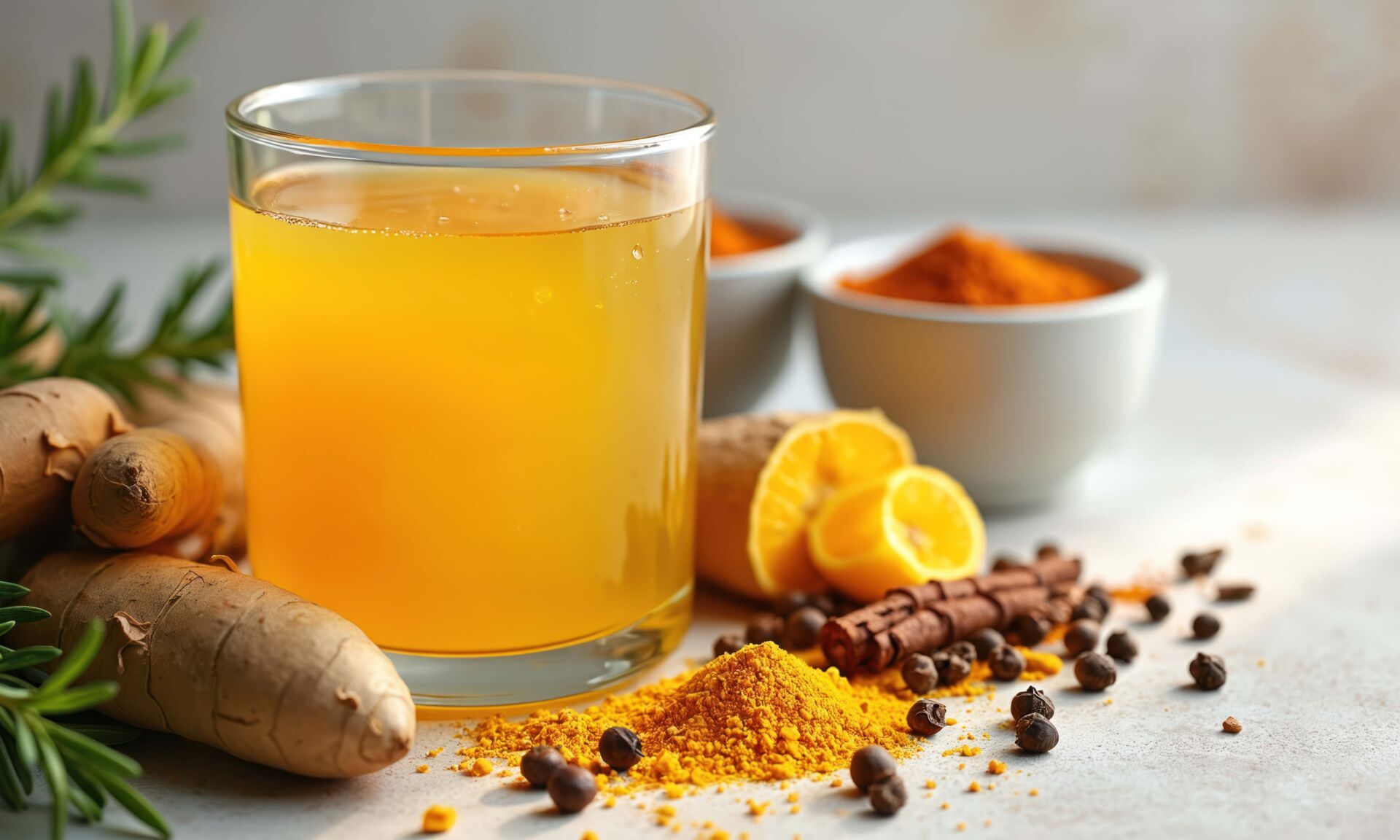
Turmeric/Curcumin: Widely studied for inflammation. It can help, but product quality varies wildly, and some high-absorption formulas have rare liver injury reports. Use standard formulations and be cautious.
Cordyceps: Research suggests cordyceps may reduce oxidative stress and inflammatory markers, particularly in the context of fatigue, lung function, and metabolic stress. It’s especially interesting for inflammation linked to stress, oxygen use, and energy metabolism—making it useful when inflammation and exhaustion go hand-in-hand. It supports the body when it’s running on empty.
You’re too tired to exercise (which would lower inflammation). Too inflamed to sleep well (which causes exhaustion). Stuck in a loop.
Cordyceps energizes while reducing inflammation—supporting your body when it’s running on empty.
I noticed the difference within two weeks. Had enough energy to actually move again, which then helped the inflammation calm down.
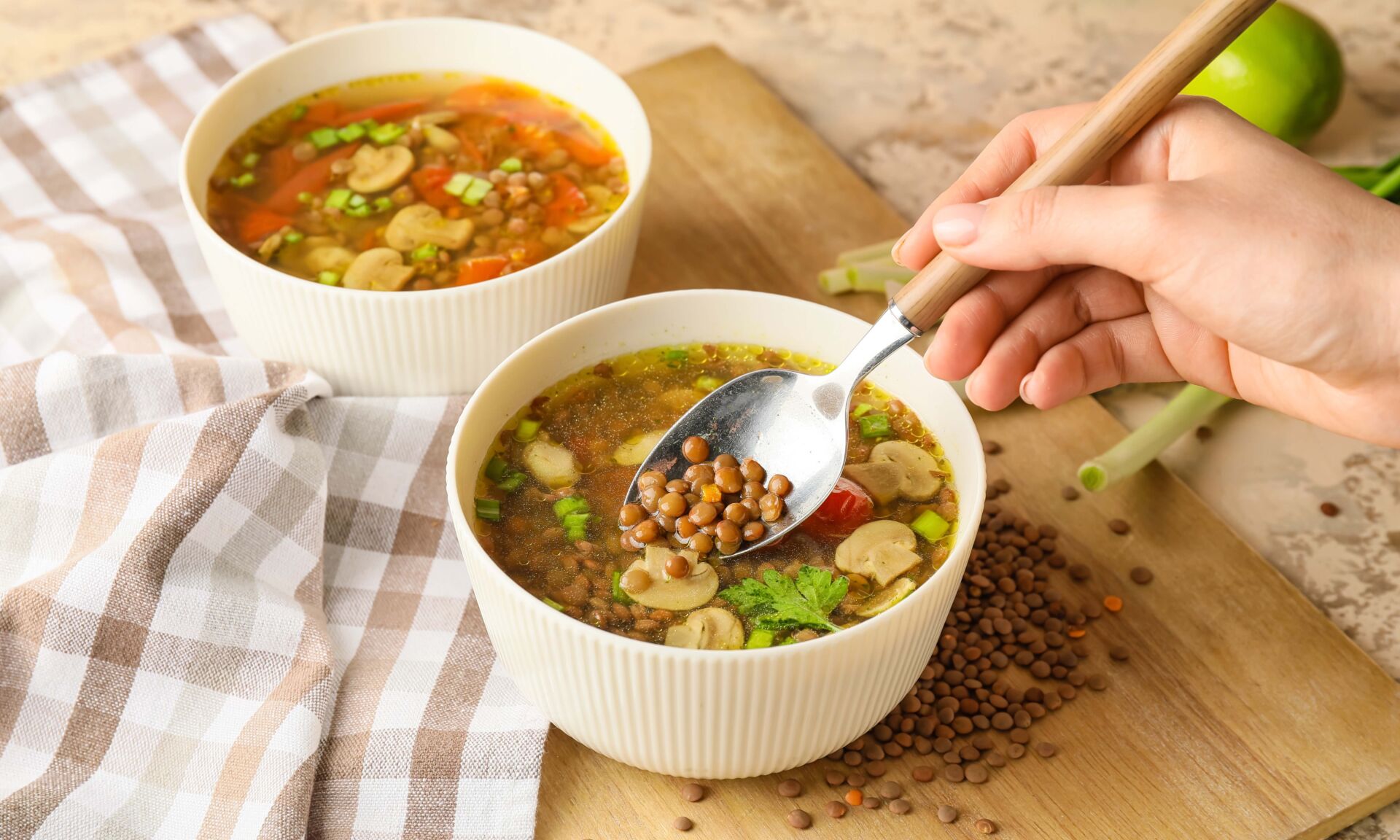
This combines Mediterranean-style eating (shown to reduce CRP and IL-6) with ingredients that have evidence for lowering inflammation.
Ingredients:
Sliced shiitake mushrooms (fresh or dried/rehydrated)
1 onion, diced
2 tablespoons extra-virgin olive oil
2 cups cooked lentils
3 cloves garlic, minced
Juice of half a lemon
1 teaspoon ground sumac
1 teaspoon black cumin seeds (lightly crushed)
Fresh parsley, chopped
Salt to taste
Method: Sauté shiitake mushrooms and onions in olive oil until soft. Add cooked lentils, garlic, and a pinch of salt. Cook for 2-3 minutes. Remove from heat, add lemon juice, and finish with sumac, black cumin seeds, and chopped parsley. Eat warm.
This isn’t just tasty—every ingredient has research behind it for inflammation support.
Outside: Soothing Skin Compress for Irritation
When skin inflammation flares—rashes, irritation, redness—this compress provides gentle relief.
Ingredients:
1 cup strong chamomile tea, cooled
1 tablespoon colloidal oatmeal
Optional: calendula ointment
Method: Brew chamomile tea, let it cool completely. Mix with colloidal oatmeal to make a thin slurry. Soak a clean cloth in the mixture and apply as a cool compress to irritated skin for 10-15 minutes. Rinse gently with cool water and pat dry. Apply calendula ointment if desired.
Chamomile and colloidal oatmeal both have clinical evidence for soothing inflammatory skin conditions. Calendula supports skin barrier function and has been studied in preventing radiation dermatitis.
Important: Patch-test first on a small area. Don’t use on broken or infected skin. Stop if burning, worsening rash, or swelling occurs.
That compress works great in the moment.
But once you take it off… the skin is still sensitive. Still reactive. Still one bad product away from flaring up again.
And making a proper herbal salve yourself?
You’re looking at melting wax, infusing oils for hours, straining, cooling… hoping the consistency turns out right.
I keep a small jar of a well-made herbal salve on hand for exactly this reason—something you can apply right after, and again later, without turning it into a whole project.
Safety Notes
Herbs can interact with medications and trigger allergic reactions. Be extra cautious if you’re pregnant, nursing, on blood thinners, taking diabetes medications, or immunosuppressants. Start with one herb at a time. Herbs support health—they don’t replace medical care for serious conditions.
The strongest tools are lifestyle patterns: Mediterranean-style eating, avoiding ultra-processed foods, sleeping well, and moving regularly.
Herbs like black cumin, sumac, shiitake, and boswellia add extra support with solid research behind them. They work best as additions to healthy patterns, not magic bullets.
Address the fire burning quietly inside. Your body will thank you.
The Anti-Inflammatory Recipes Big Pharma Doesn’t Want You to Know
Here’s what they won’t tell you: NSAIDs (ibuprofen, naproxen) damage your gut lining. Long-term use increases risk of ulcers, bleeding, and—ironically—can worsen the very inflammation you’re trying to reduce.
Our grandparents didn’t have this problem. They knew which plants calm inflammation without destroying your digestive tract.
Inside a collection of 250 remedies, you’ll find complete anti-inflammatory recipes for every system in your body:
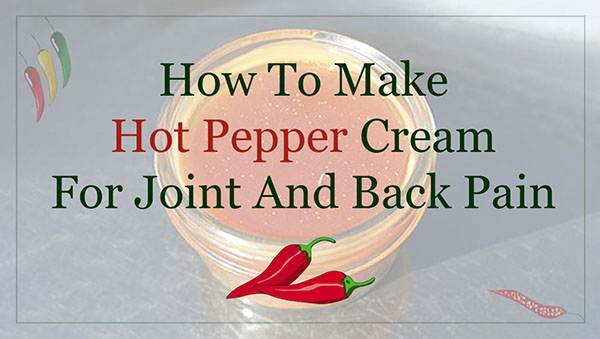
For joints: Amish Ibuprofen (calms inflammation naturally), Hot Pepper Salve (targets deep pain), Joint Pain Reliever (restores mobility)
Disclaimer: This article is for educational purposes only and does not provide medical advice. These remedies are not intended to diagnose, treat, cure, or prevent any disease. If you have elevated inflammatory markers, chronic pain, autoimmune conditions, or other health concerns, consult your healthcare provider. Herbs can interact with medications—discuss with your doctor before starting new supplements.
We use cookies to ensure that we give you the best experience on our website. If you continue to use this site, we will assume that you are happy with it.
Functional Always active
The technical storage or access is strictly necessary for the legitimate purpose of enabling the use of a specific service explicitly requested by the subscriber or user, or for the sole purpose of carrying out the transmission of a communication over an electronic communications network.
Preferences
The technical storage or access is necessary for the legitimate purpose of storing preferences that are not requested by the subscriber or user.
Statistics
The technical storage or access that is used exclusively for statistical purposes.The technical storage or access that is used exclusively for anonymous statistical purposes. Without a subpoena, voluntary compliance on the part of your Internet Service Provider, or additional records from a third party, information stored or retrieved for this purpose alone cannot usually be used to identify you.
Marketing
The technical storage or access is required to create user profiles to send advertising, or to track the user on a website or across several websites for similar marketing purposes.