Every step hurts. Your knee clicks when you bend it. Stairs have become your enemy. Getting up from a chair takes planning and a little prayer.
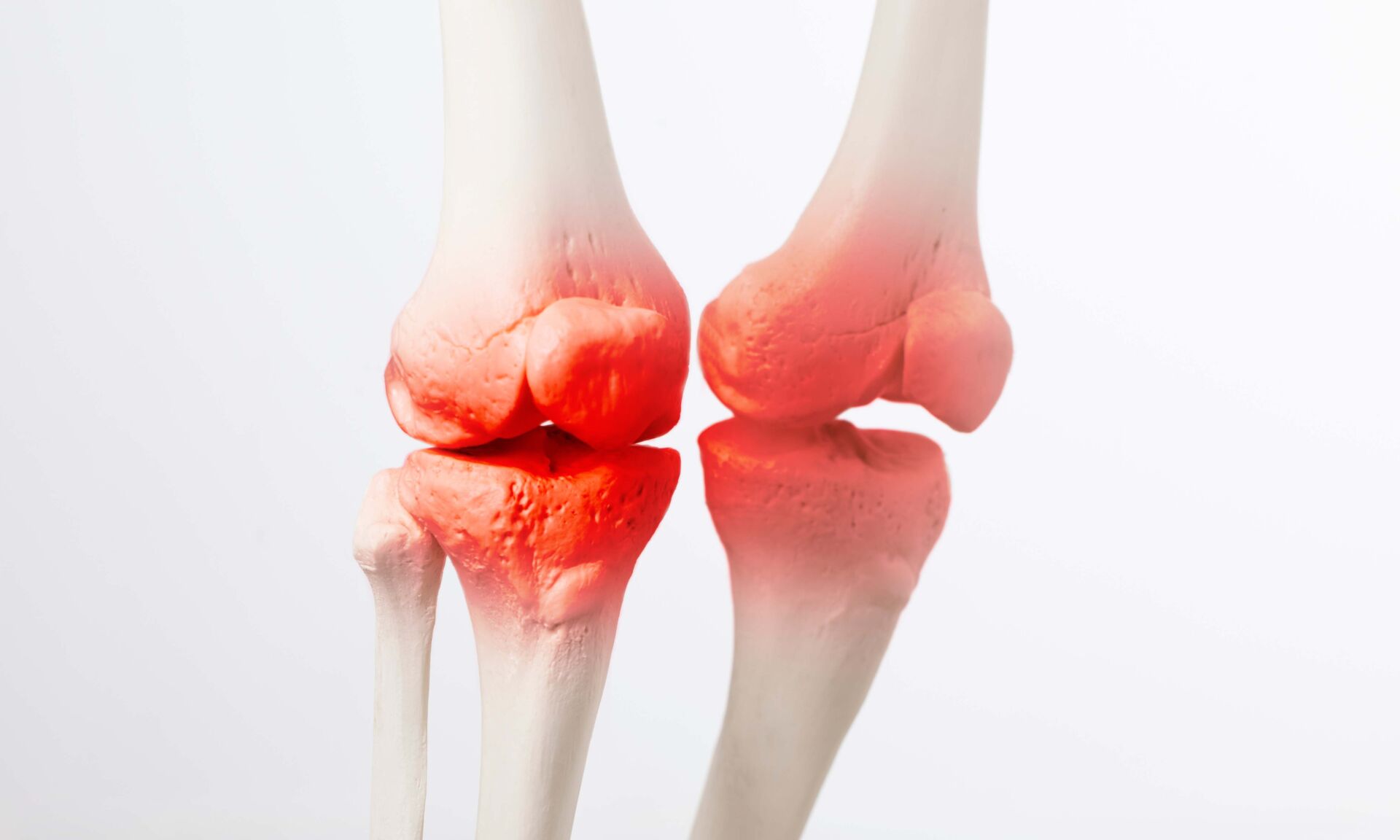
If you’re over 40, there’s a good chance your meniscus—those C-shaped cushions of cartilage in your knee—is starting to wear down or has torn.
Maybe you twisted wrong during yoga. Maybe you squatted to pick something up and felt that sharp catch. Or maybe nothing dramatic happened at all—your meniscus just gradually gave out from decades of use.
The pain is real. The stiffness is frustrating. And the sense that your knee might “give way” at any moment makes you cautious about everything.
Surgery and strong painkillers aren’t your only options. Nature offers real relief for meniscus pain, and some of it has solid research backing it up.
Let me show you what actually helps.
What’s Happening in Your Knee
The menisci are two C-shaped pads of cartilage in each knee that cushion and stabilize the joint. They absorb shock and distribute forces when you walk, run, or climb stairs.
After age 30, these shock absorbers slowly degenerate. The cartilage weakens. Small stresses accumulate. Eventually, even minor movements like a twist, a squat, just stepping wrong can tear a meniscus that’s already fragile from years of wear.
Symptoms include pain along the joint line, swelling, clicking or catching when you move, reduced mobility, and that unsettling feeling that your knee might buckle.
When your meniscus is compromised, your joint loses its natural cushion. Forces get misdirected. This leads to more pain, more inflammation, and further cartilage breakdown—a frustrating cycle.
For mild to moderate meniscus pain, the everyday ache and stiffness that comes with wear and tear, natural remedies can provide real relief.
Doctors usually start with rest, anti-inflammatories, and physical therapy. But many people want gentler, plant-based options that address inflammation and support healing without harsh side effects.
Herbs That Actually Help
These plants fight inflammation, improve circulation, and supply nutrients to joint tissues. Research backs them up.
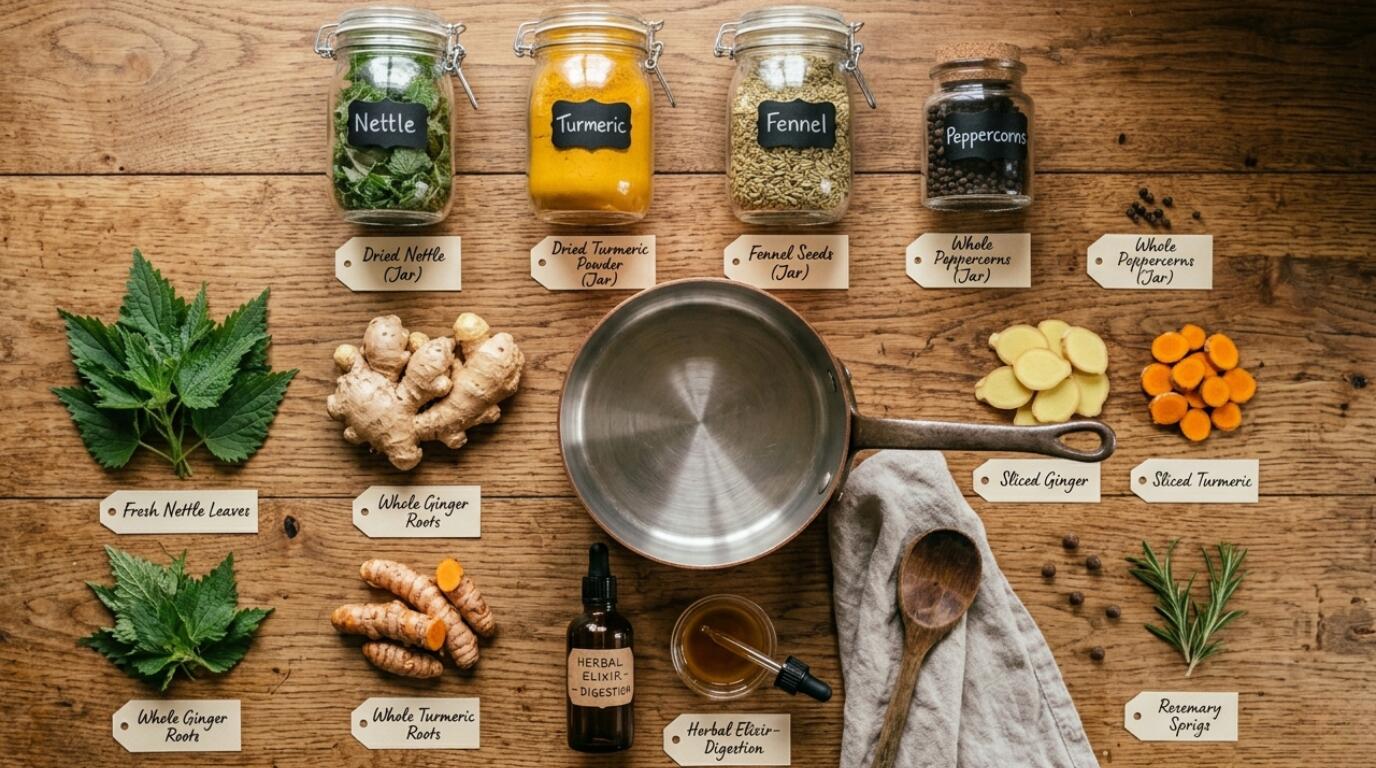
Stinging Nettle: It sounds counterintuitive, but this “stingy” wild plant has powerful anti-inflammatory properties. In trials, people who applied stinging nettle leaf cream to arthritic joints got significantly more pain relief than those using placebo.
Another study had patients sting themselves with fresh nettle on their knees—pain dropped, and people loved the all-natural approach.
Nettle extract taken orally also calms inflammation. It’s generally well-tolerated at 300-600mg daily. Some people get mild stomach upset or headache. Important: fresh raw nettle leaves will irritate your skin—cook or dry them first, or use prepared extracts.
Sure… you could go full survival mode.
Grab a bunch of fresh nettles and start slapping them on your knee like they did in some of those old-school experiments.
But let’s be honest—your knee will probably swell, your skin will itch like crazy, and you’ll regret it halfway through.
And making your own remedies isn’t exactly easier either. You still risk getting stung during handling, tea is often too weak to feel anything meaningful, and a proper tincture takes weeks to extract.
That’s why I eventually stopped experimenting and started getting my nettle in a form that actually works—properly extracted, consistent, and without the chaos.
Ginger: This spicy root contains gingerols that block inflammatory chemicals. Research confirms ginger significantly reduces pain and improves function in knee osteoarthritis. The American Academy of Orthopaedic Surgeons even mentions ginger extract for mild-to-moderate knee pain relief.
Studies used 500-1000mg daily of ginger powder or extract. It’s generally safe—been used at gram doses in trials with minimal issues. Some people get mild heartburn, gas, or throat irritation.
Turmeric: The golden root in curry, prized for its anti-inflammatory compound curcumin. Trials show turmeric supplements significantly reduce knee arthritis pain compared to placebo. One analysis found all turmeric supplements improved pain scores in knee osteoarthritis, with some cutting pain by about 30% more than placebo.
Use turmeric with a pinch of black pepper or fat to boost absorption. Standard doses are 500-1500mg of curcuminoids daily. Properly formulated turmeric is safe for a few months. May cause mild stomach upset or nausea. Avoid high-dose or enhanced-absorption formulas long-term—rare liver injury cases have occurred with potent formulations.
Here’s the reality most people don’t hear…
You’d need to consume huge amounts of turmeric to feel a real effect—and doing that daily can come with its own set of digestive issues.
Unless you know one small trick.
Add black pepper.
That single addition can boost turmeric absorption by up to 2000%.
This is the kind of detail that actually makes the difference—the kind of thing most people never learn.
It’s also exactly what I started picking up from Nicole Apelian. She breaks things down in a way that finally makes sense—what works, what doesn’t, and how to actually use it in real life.
If you’ve ever wanted to understand herbs at that level—and even be able to make proper remedies for your family without second-guessing yourself—she teaches all of that inside her course.
You even get a herbalist diploma with your name on it at the end, which tells you how serious and complete this is.
Boswellia (Frankincense): This tree resin contains boswellic acids that reduce inflammation. Studies suggest oral boswellia can ease osteoarthritis pain at 300-400mg three times daily. It’s generally well-tolerated, with possible mild stomach upset.
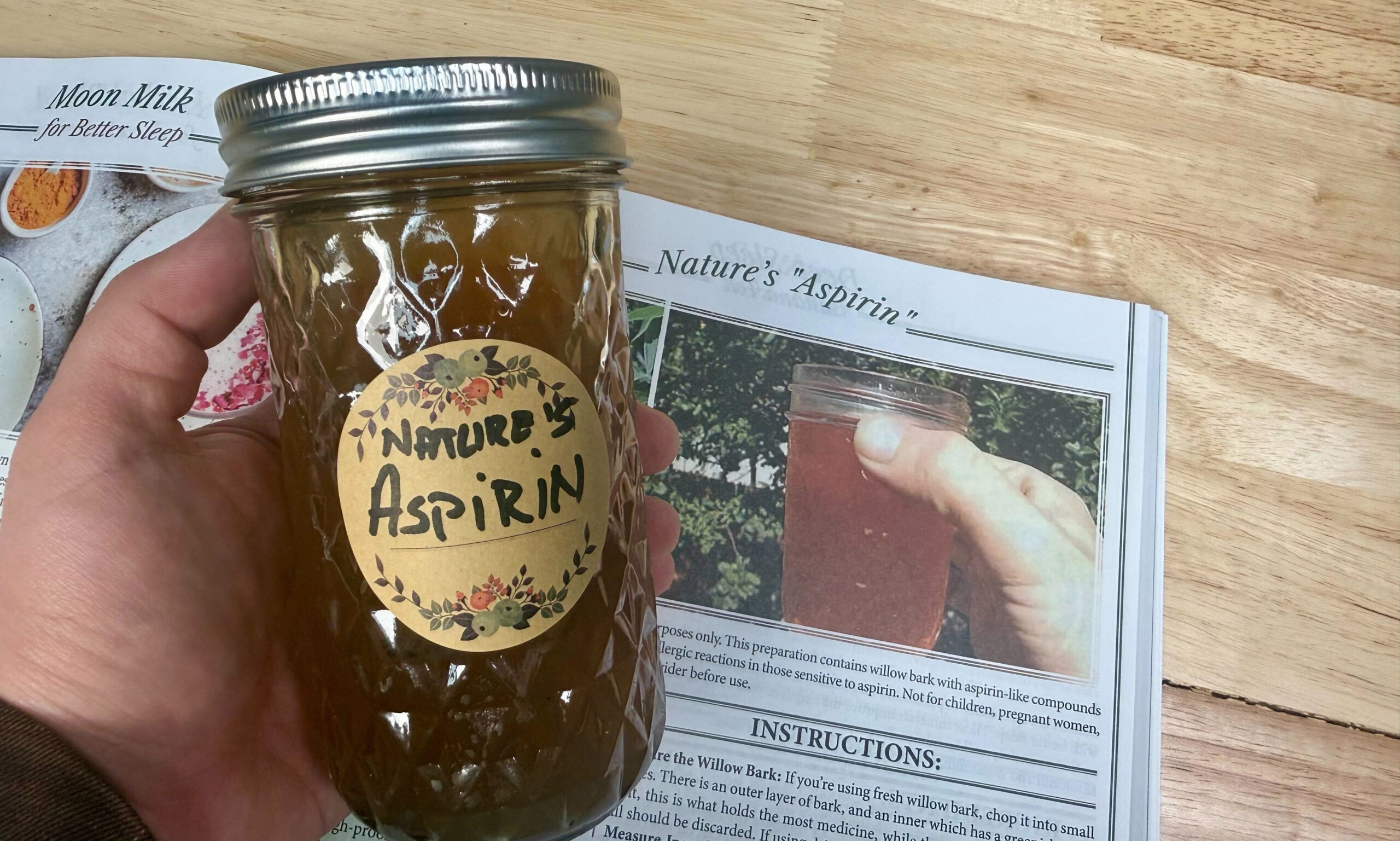
Willow Bark: Contains salicin, a precursor to aspirin. Research shows willow bark extract significantly reduced pain and improved function versus placebo. It can thin blood slightly, so use caution if you take blood thinners.
And the crazy part? It’s just… willow.
Not some rare, exotic plant… just a regular tree you’ve probably walked past dozens of times, near rivers, lakes, damp areas, even parks.
All it takes is a small strip of bark, a simple preparation… and you’ve got something that works on the same pathway as aspirin.
That’s literally how “Nature’s Aspirin” was discovered.
Do it right, and you can save yourself a lot of money on pills that try to replicate what this tree already offers.
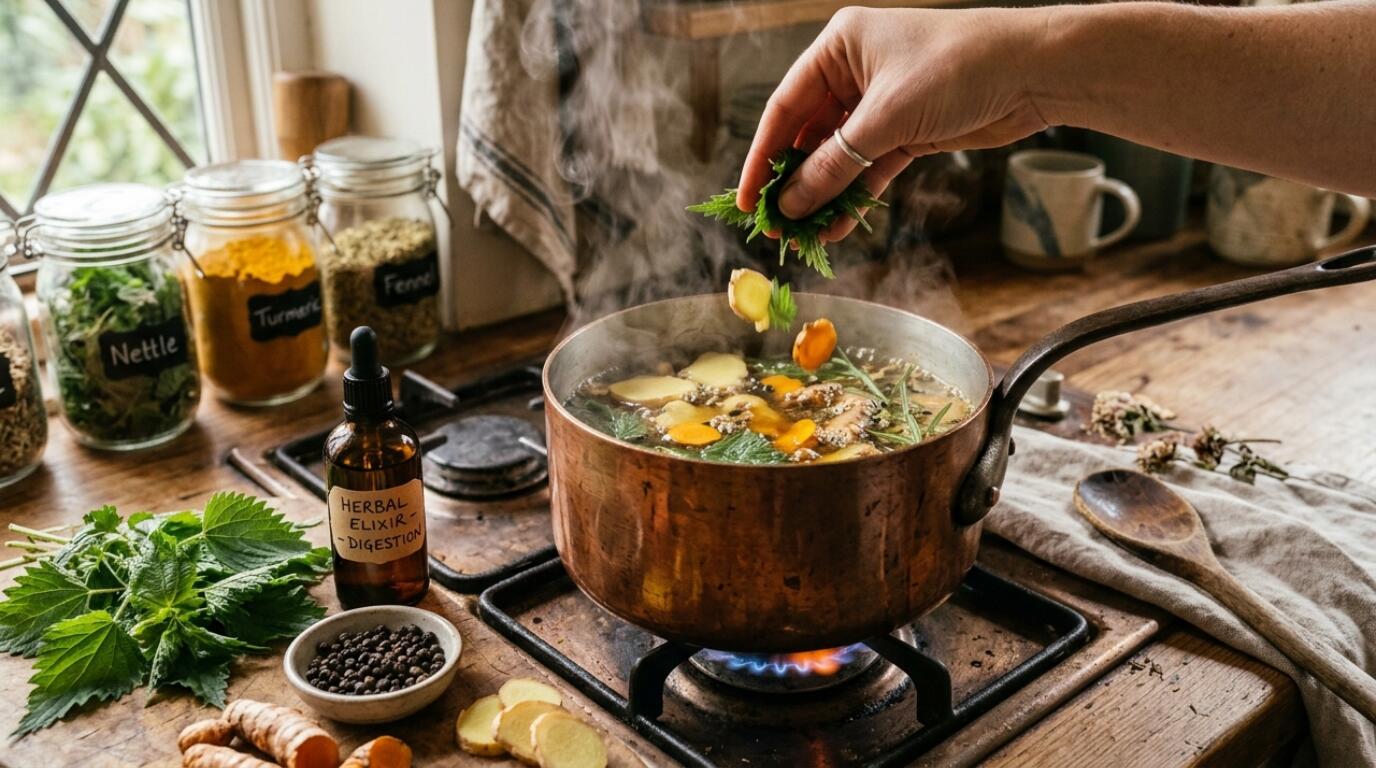
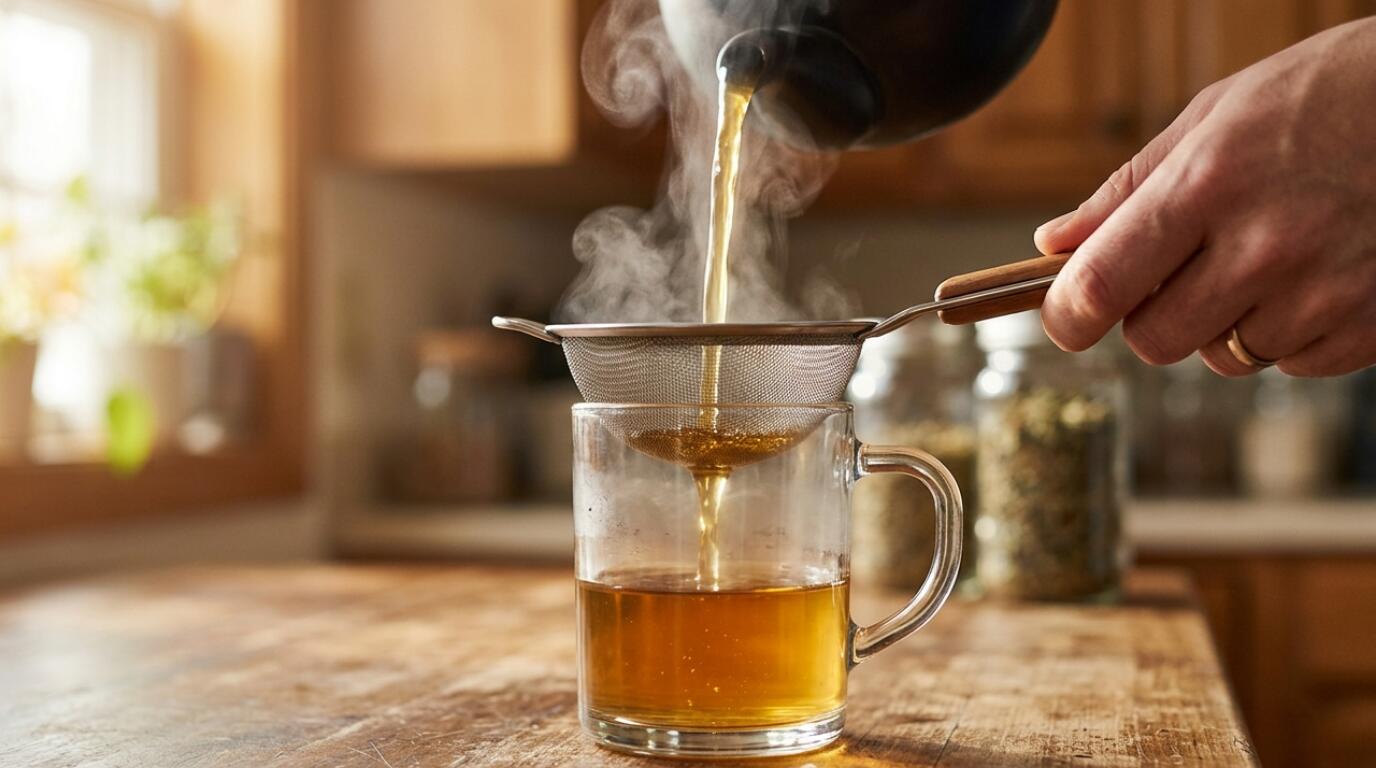
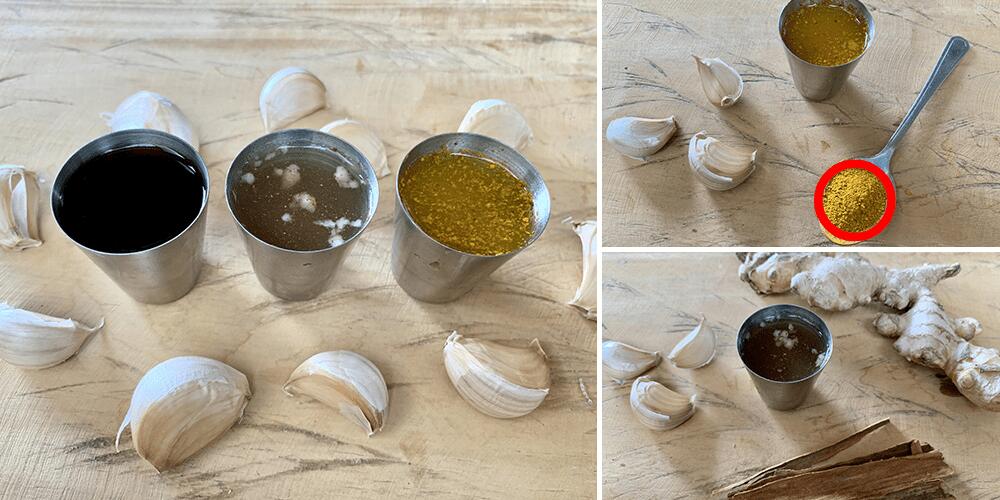
Method: Boil 1-2 cups water. Add herbs and simmer for 5-10 minutes. Remove from heat, cover, and steep for another 5 minutes. Strain. Sweeten with honey if desired.
Drink 1-3 cups daily. Consistent use for a few weeks is usually needed before noticing changes—natural remedies work gently over time. Start with smaller amounts to test tolerance.
If tea isn’t your thing, nettleand ginger also come as tincturesor capsules.
Topical Help for Immediate Relief
Some herb-infused creams and compresses soothe sore knees surprisingly fast.
Comfrey Cream: Studies found a 50-52% drop in knee pain after 6 weeks of comfrey ointment, versus only 24% with placebo. Stiffness and function improved similarly. Critical: comfrey contains liver-toxic compounds—only use it externally, never internally.
Arnica: Common for bruising and knee pain. Use as cream only—ingesting arnica is toxic.
Herbal Compress: Steep fresh nettle leaves (or chamomile or arnica) in hot water, cool slightly, and apply the tea bag or cloth directly to your knee for 10-20 minutes. The warmth and herbs together provide relief.
Many people find that combining the internal tonic with a topical cream doubles the comfort.
A lot of people reach for over-the-counter creams at this point.
And yes… they might numb the pain for a bit.
But take a look at the ingredient list next time—lab-made compounds, fillers, things you can’t even pronounce.
They mask the pain… but don’t really support the joint itself.
Wouldn’t it make more sense to use something made entirely from plants?
Herbs like arnica, calendula, St. John’s wort, cayenne, and frankincense have been used for generations to support sore, stiff joints.
Now, you can try to make something like this at home—but getting the balance right (especially with ingredients like cayenne) can go wrong fast.
That’s why I personally prefer using one that’s already properly made.
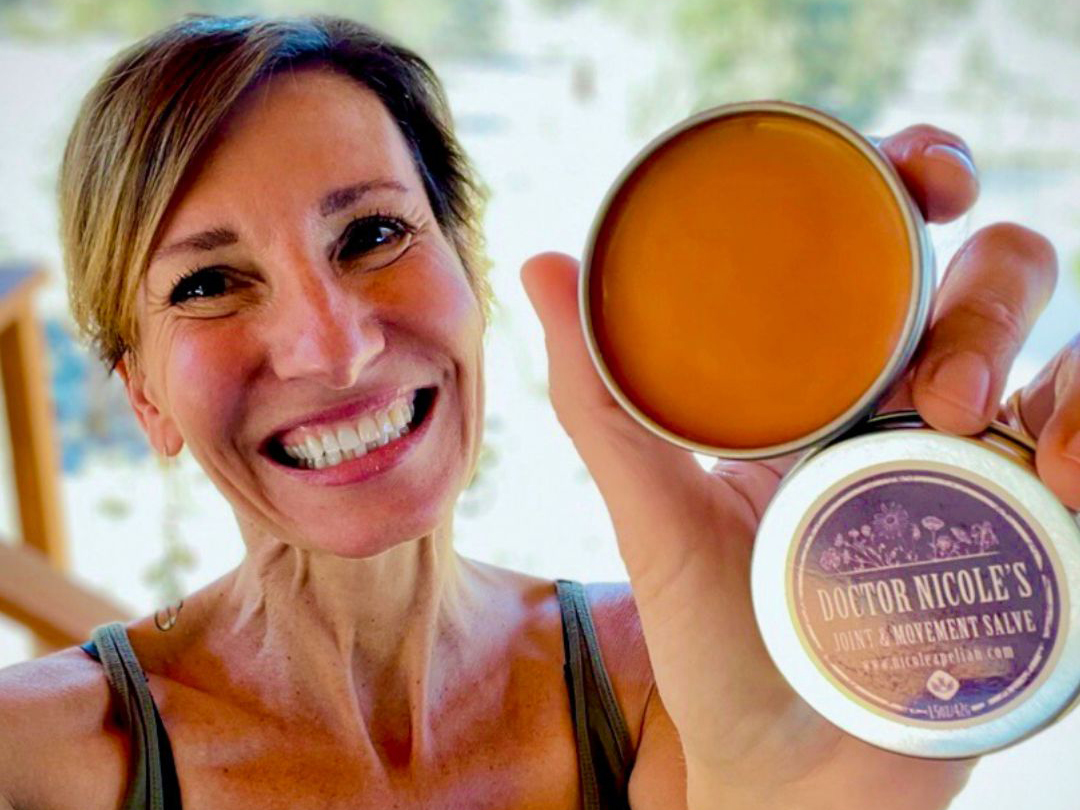
Nicole’s joint & movement salve is one I’ve used myself, and you can actually feel it working—there’s this gentle warming effect that settles into the joint almost immediately.
Herbs can interact with medications. Nettle and willow may thin blood, and ginger can affect blood sugar—so check with your doctor if you’re on prescriptions.
Stick to common doses (nettle 300–600mg, ginger 500–1000mg, boswellia 300–400mg 3x/day, turmeric up to 1500mg). Stop if you notice side effects. Pregnant or nursing? Use caution, especially with turmeric supplements.
The Bottom Line
Research and tradition agree—plants like nettle, ginger, turmeric, boswellia, and willow bark can help ease joint pain.
Pair internal support with topical care, and many people notice real improvement without jumping straight to drugs or surgery.
No remedy is perfect—but if your knees are slowing you down, this simple approach might be exactly what they need.
They’ve carried you this far. Now it’s your turn to support them.
If you’re serious about taking care of your knees, it’s not just about one thing—it’s about supporting them from both sides.
From the inside… and from the outside.
That’s why I like having a complete setup at home instead of piecing things together randomly.
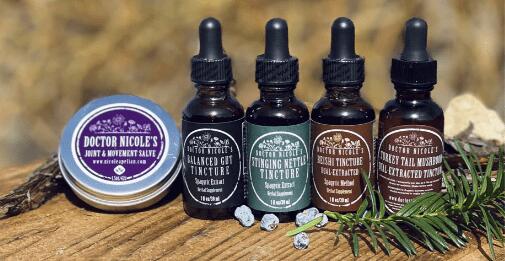
There’s a bundle Nicole put together that combines everything in one place—tinctures that help calm inflammation internally (including the stinging nettle we talked about), plus the joint salve for direct relief where you feel it most.
Everything is plant-based, properly extracted, and designed to work together—not against each other.
And honestly, getting them bundled like this is a lot simpler (and usually cheaper) than trying to source each one separately and hoping they’re good quality.
Disclaimer: This article is for educational purposes only and does not provide medical advice. These remedies are not intended to diagnose, treat, cure, or prevent any disease. If you have severe knee pain, swelling, locking, or inability to bear weight, seek medical attention. Consult your healthcare provider before starting new supplements, especially if you take medications or have health conditions.
We use cookies to ensure that we give you the best experience on our website. If you continue to use this site, we will assume that you are happy with it.
Functional Always active
The technical storage or access is strictly necessary for the legitimate purpose of enabling the use of a specific service explicitly requested by the subscriber or user, or for the sole purpose of carrying out the transmission of a communication over an electronic communications network.
Preferences
The technical storage or access is necessary for the legitimate purpose of storing preferences that are not requested by the subscriber or user.
Statistics
The technical storage or access that is used exclusively for statistical purposes.The technical storage or access that is used exclusively for anonymous statistical purposes. Without a subpoena, voluntary compliance on the part of your Internet Service Provider, or additional records from a third party, information stored or retrieved for this purpose alone cannot usually be used to identify you.
Marketing
The technical storage or access is required to create user profiles to send advertising, or to track the user on a website or across several websites for similar marketing purposes.