
Cumin
The Forgotten Medicinal Seed Hiding in Every Kitchen
Cumin (Cuminum cyminum) is one of those plants most people believe they already understand. It sits quietly in spice racks, added to food without a second thought. Yet for thousands of years, cumin was treated not as a seasoning, but as a form of everyday medicine.
Ancient civilizations did not separate food from healing. Cumin earned its place in both categories because it strengthened digestion, protected against disease, and helped the body recover when resources were limited. Long before pharmacies existed, this seed played a quiet but essential role in survival.
Today, cumin remains widely available — but its medicinal value has been largely forgotten.
The History of Cumin as Medicine
Cumin has been used medicinally for over 4,000 years. Archaeologists have found cumin seeds in ancient Egyptian tombs, where they were valued enough to be buried with the dead. In Egypt, cumin was used to support digestion and preserve food, but also as part of embalming mixtures due to its antimicrobial properties.
In the Middle East and Mediterranean regions, cumin became a core household remedy. Greek and Roman physicians recommended it for digestive weakness, intestinal parasites, and infections. In India’s Ayurvedic tradition, cumin was considered a warming, balancing herb used daily to keep the digestive system strong.
Across cultures, the message was consistent: a healthy body begins with strong digestion, and cumin helped protect it.
Identifying the Cumin Plant
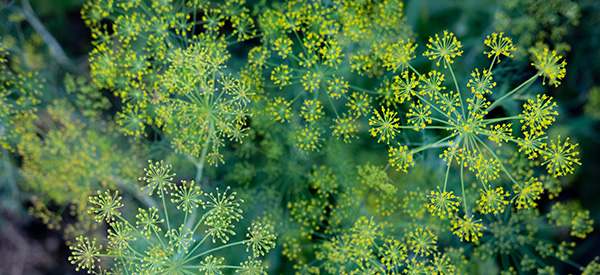
Cumin is a small annual plant belonging to the parsley family. It grows best in warm climates and produces slender stems with delicate white or pink flowers. After flowering, the plant forms elongated seeds with ridges and a distinctive earthy aroma.
The seeds are harvested once they mature and dry. These seeds are the primary medicinal and culinary part of the plant, although the leaves were sometimes used fresh in traditional dishes.
For herbal use, the seed is what matters.
Medicinal Properties of Cumin
Digestive Strengthener
Cumin stimulates the production of digestive enzymes and bile, helping the body break down food more efficiently. This is why it has long been used for bloating, gas, indigestion, and stomach cramps.
People who experience heaviness after meals, slow digestion, or frequent discomfort often benefit from cumin taken consistently.
Natural Antimicrobial
Cumin contains essential oils rich in compounds that inhibit harmful bacteria and fungi. Traditional cultures used cumin not only to prevent illness, but also to preserve food when refrigeration did not exist.
This antimicrobial action made cumin especially valuable during times of poor sanitation or widespread disease.
Anti-Inflammatory Support
The compounds in cumin help calm inflammation in the digestive tract and throughout the body. This made it useful for chronic gut irritation, joint discomfort, and general weakness after illness.
Metabolic and Blood Sugar Balance
Historically, cumin was used to support metabolic health and stabilize blood sugar, particularly when diets were inconsistent or heavily grain-based. Modern research continues to explore this traditional use.
Traditional Ways to Use Cumin
Cumin Digestive Tea
Crush one teaspoon of whole cumin seeds and steep in hot water for 10 to 15 minutes. This tea was traditionally consumed after meals to reduce bloating and discomfort.
Overnight Cumin Water
Soak one teaspoon of cumin seeds in water overnight. Drink the strained liquid in the morning to gently stimulate digestion and elimination.
Powdered Cumin Remedy
Freshly ground cumin can be mixed with raw honey and taken in small amounts for digestive weakness or fatigue.
Cumin in Daily Food
Traditional cultures used cumin daily in cooking, not only for flavor, but to prevent digestive problems before they started.
Using Cumin During Times of Scarcity
During food shortages or illness, cumin helped people extract more nutrition from limited meals. By improving digestion and reducing gut stress, it allowed the body to absorb what little food was available more effectively.
This is one of the reasons cumin appears so frequently in historical survival diets.
Storage and Shelf Life
Whole cumin seeds store extremely well. When kept in airtight containers away from heat and light, they can remain potent for several years.
Ground cumin loses strength quickly. For medicinal use, it is always better to store seeds whole and grind only what is needed.
Why Cumin Still Deserves Respect
Cumin is not dramatic. It does not create immediate, noticeable effects like modern drugs. Instead, it works quietly, strengthening the systems that keep the body resilient over time.
This is precisely why it mattered so much to ancient cultures — and why it still matters today.
In a world where people rely heavily on processed foods and quick fixes, cumin reminds us that long-term health is built slowly, with simple tools used consistently.
Final Thoughts
Cumin is proof that some of the most powerful remedies are the ones we stop noticing. This small seed has supported digestion, immunity, and survival for thousands of years.
Knowing how to use cumin properly reconnects us to a form of knowledge that modern life has almost erased.
Much More Than Cumin
Cumin is only one piece of a much larger puzzle.
The Forgotten Home Apothecary preserves the medicinal knowledge that families once relied on when doctors were unreachable and medicine was made at home.
Inside this guide, you’ll learn:
- How to identify and use dozens of powerful medicinal plants
- Remedies for infections, inflammation, digestion, pain, and emergencies
- How to prepare shelf-stable herbal medicines that last for years
- The forgotten skills that kept entire communities healthy
If learning about cumin opened your eyes, this book will completely change how you see the plants around you.
You may also like:

Grandma’s Antibiotic In A Jar (Video)
The Herb That ‘Eats’ Toxins While You Sleep
Nature’s Answer to Neuropathy: How Herbalists Quiet Nerve Pain