Sciatic nerve pain has a way of stopping life in its tracks. The burning, shooting discomfort that travels from the lower back through the hip and down the leg is not just inconvenient. It can make sitting at a desk excruciating, turn a simple walk into an ordeal, and disrupt sleep night after night. Most people reach for anti-inflammatory medications or muscle relaxers, and while those have their place, a growing body of research shows that specific nutritional deficiencies contribute significantly to nerve pain, and that correcting them can produce meaningful relief.
The question of what vitamin helps sciatic nerve pain is one more people are asking as they look for approaches that address underlying causes rather than just masking symptoms. The answer involves several nutrients, each working through a different mechanism, and a handful of well-studied herbs that have been used for nerve-related pain across traditional medicine systems for centuries.
Understanding the Sciatic Nerve and Why Nutrition Matters
The sciatic nerve is the longest and widest nerve in the human body, running from the lower spine through the buttock, down the back of the thigh, and branching into the lower leg and foot. Sciatica refers to pain along this pathway, typically caused by compression or irritation of the nerve roots that form it, most commonly from a herniated disc, bone spur, or piriformis muscle spasm.
What many people do not realize is that nerve tissue has specific nutritional requirements that are distinct from other body tissues. The myelin sheath, the protective coating that wraps nerve fibers and allows electrical signals to travel efficiently, depends heavily on B vitamins for its synthesis and maintenance. When those vitamins are insufficient, the nerve becomes more vulnerable to irritation, slower to repair after injury, and more prone to generating persistent pain signals even when the original mechanical cause has resolved.
Research published in the Journal of Pain Research has documented the relationship between B vitamin status and neuropathic pain, finding that supplementation with specific B vitamins reduces pain intensity and improves nerve conduction in patients with various forms of nerve pain including sciatica. This is not a marginal effect. In some studies, the reduction in pain scores from B vitamin supplementation was comparable to that seen with low-dose anti-inflammatory medications.
The B Vitamins: The Most Important Nutrients for Nerve Pain
Vitamin B1 (Thiamine)
Thiamine is essential for nerve cell energy metabolism. Every nerve impulse requires ATP, and thiamine is a critical cofactor in the biochemical pathways that produce it. When thiamine is deficient, nerve cells cannot generate sufficient energy to maintain normal function, which creates a state of heightened sensitivity and impaired repair capacity. Benfotiamine, a fat-soluble form of thiamine that crosses cell membranes more readily than standard thiamine, has been specifically studied for neuropathic pain and shows stronger results than regular B1 supplementation for nerve-related conditions.
Vitamin B6 (Pyridoxine)
B6 plays a central role in the synthesis of neurotransmitters including serotonin and GABA, both of which are involved in pain modulation. It also supports myelin synthesis and is required for the metabolism of homocysteine, elevated levels of which are associated with nerve damage and increased pain sensitivity. An important nuance is that excessive B6 supplementation, typically above 100 milligrams per day sustained over months, can paradoxically cause peripheral neuropathy. Therapeutic doses for nerve pain support are generally in the range of 25 to 50 milligrams daily, well below the threshold for toxicity.
Vitamin B12 (Cobalamin): The Most Critical for Sciatic Nerve Recovery
Of all the B vitamins, B12 has the strongest and most direct research support for sciatic nerve pain specifically. B12 is essential for myelin sheath synthesis and maintenance. Without adequate B12, the protective coating around nerve fibers breaks down, slowing nerve conduction velocity and increasing pain signaling. This effect is dose-dependent and reversible with supplementation in most cases, particularly when deficiency is caught before severe structural damage has occurred.
A clinical trial published in Pain Medicine found that intramuscular B12 injections produced significant reduction in pain intensity and disability in patients with low back pain and sciatica compared to controls. Oral supplementation studies show similar directional effects, though absorption varies considerably. Methylcobalamin, the active form of B12, is better utilized by nerve tissue than cyanocobalamin and is the form most commonly recommended for nerve pain support.
B12 deficiency is significantly more common than most people realize, particularly in adults over 50, vegetarians and vegans, people taking metformin for diabetes, and those using proton pump inhibitors long-term. All of these groups have impaired B12 absorption or intake and are at meaningfully higher risk for nerve-related symptoms.
Vitamin D: The Overlooked Nerve Pain Nutrient
Vitamin D receptors are found throughout the nervous system, including in the dorsal root ganglia, the clusters of nerve cell bodies from which the sciatic nerve originates. This distribution is not coincidental. Vitamin D influences the expression of genes involved in nerve growth, repair, and pain modulation, and deficiency creates conditions in which nerve tissue is more prone to inflammatory damage and less capable of recovery.
The connection between vitamin D deficiency and chronic low back pain with sciatica is well established in epidemiological research. Studies consistently find that patients with chronic sciatica have significantly lower vitamin D levels than pain-free controls, and that supplementation in deficient patients reduces pain scores and improves functional outcomes over months of treatment.
A systematic review in the Pain Physician journal concluded that vitamin D deficiency is associated with nonspecific musculoskeletal pain and that supplementation produces clinically meaningful improvement in a substantial proportion of patients. The researchers noted that screening for vitamin D deficiency should be a standard part of the workup for patients with chronic back and nerve pain, given how prevalent deficiency is and how inexpensive and safe correction is.
Testing serum 25-hydroxyvitamin D levels is the appropriate way to assess status. Levels below 30 ng/mL are considered deficient by most clinical guidelines, and levels between 40 and 60 ng/mL are associated with optimal nerve and immune function. Supplementation doses needed to reach and maintain this range vary considerably by individual, body weight, sun exposure, and baseline level, making professional guidance worthwhile.
Magnesium: Essential for Nerve Signal Regulation
Magnesium is not a vitamin but a mineral, and it belongs in any serious discussion of what helps sciatic nerve pain because of its fundamental role in nerve function. Magnesium regulates NMDA receptors, which are a primary pathway through which pain signals are amplified and maintained in the nervous system. When magnesium levels are adequate, NMDA receptor activity is kept in check. When magnesium is deficient, pain signaling becomes dysregulated and the nervous system becomes hyperexcitable, a state that intensifies the experience of pain from any source, including nerve compression.
Magnesium also relaxes smooth and skeletal muscle, which matters for sciatica specifically because piriformis muscle tension is a common secondary contributor to sciatic nerve compression. Reducing that muscular tension through nutritional support can relieve pressure on the nerve without any other intervention.
Magnesium glycinate and magnesium malate are the forms most consistently recommended for nerve pain and muscle tension because of their high bioavailability and low rates of gastrointestinal side effects compared to magnesium oxide. The National Institutes of Health Office of Dietary Supplements notes that surveys consistently find a significant portion of the US population consuming less than the recommended dietary allowance of magnesium, making deficiency a realistic consideration for many people dealing with chronic pain.
Alpha-Lipoic Acid: Antioxidant Support for Nerve Tissue
Alpha-lipoic acid is a naturally occurring antioxidant that is both water- and fat-soluble, allowing it to protect nerve tissue in environments where other antioxidants cannot reach. It has been studied extensively for diabetic neuropathy, the most common form of nerve damage in the developed world, with multiple clinical trials showing significant reductions in pain, burning, and tingling with supplementation. The mechanisms include reduction of oxidative stress in nerve tissue, improvement in nerve conduction velocity, and enhancement of endogenous antioxidant systems including glutathione.
While most of the clinical research is in diabetic neuropathy specifically, the mechanisms are relevant to sciatica and other forms of nerve irritation because oxidative stress plays a role in sustaining the inflammatory environment around compressed or irritated nerve roots. Alpha-lipoic acid doses studied in clinical trials typically range from 300 to 600 milligrams daily.
Herbs That Complement Nutritional Support for Nerve Pain
Alongside targeted vitamins and minerals, several well-researched herbs address the inflammatory and nerve-sensitizing processes that perpetuate sciatic pain. These have been used in traditional herbalism for nerve-related conditions and increasingly have clinical research to support their mechanisms.
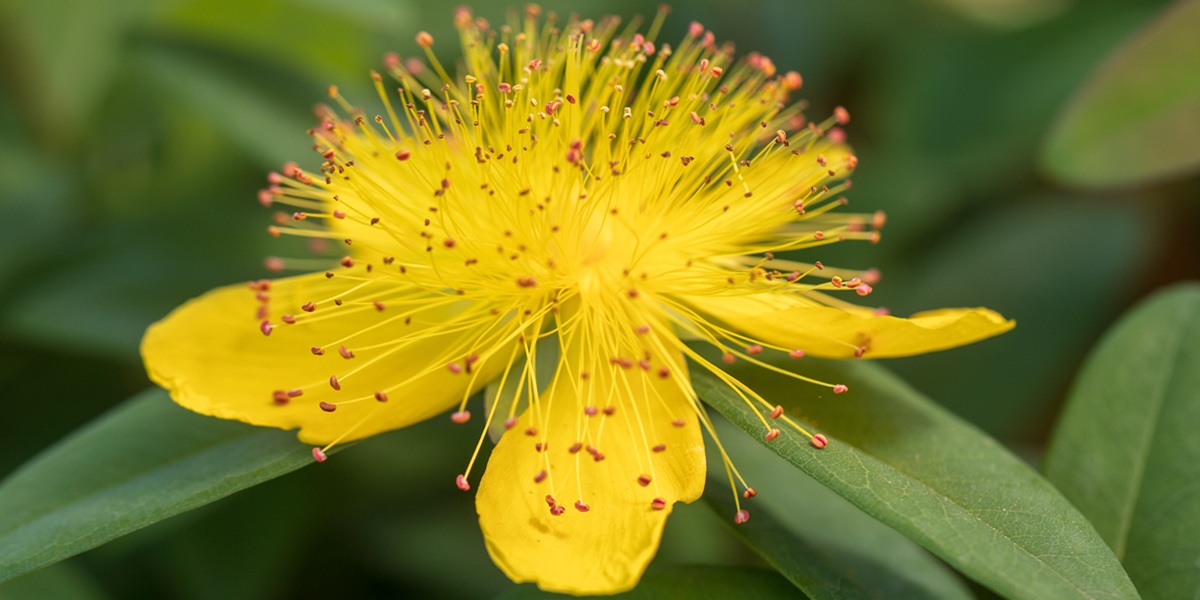
St. John’s Wort (Hypericum perforatum)
St. John’s Wort is best known as an herbal antidepressant, but its traditional applications include nerve pain, and research supports this use. Hypericin and hyperforin, the plant’s primary active compounds, modulate serotonin and other neurotransmitters involved in pain processing. Topical St. John’s Wort oil has been studied specifically for sciatic nerve pain with encouraging results. An important caution is that St. John’s Wort interacts with numerous medications including antidepressants, blood thinners, and certain antivirals, so professional guidance before use is essential.
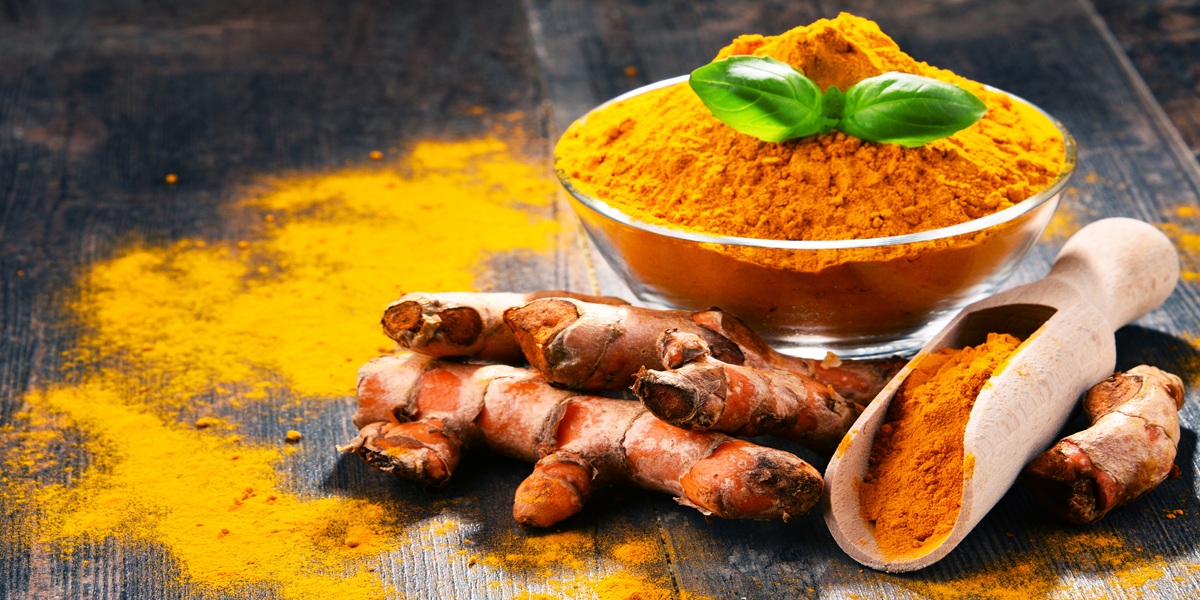
Turmeric (Curcuma longa)
Curcumin, the active polyphenol in turmeric, is one of the most researched anti-inflammatory plant compounds in the scientific literature. Its mechanisms of action include inhibition of NF-kB, a master regulator of inflammatory gene expression, and reduction of prostaglandin synthesis through COX pathway modulation. For sciatica, where inflammation around compressed nerve roots sustains pain even after initial compression resolves, these anti-inflammatory effects are directly relevant. Curcumin is poorly absorbed in standard form but significantly more bioavailable when combined with piperine from black pepper or formulated in lipid-based delivery systems. The arthritis and musculoskeletal research literature documents curcumin’s comparable efficacy to ibuprofen for pain reduction in several controlled trials, with a notably better gastrointestinal safety profile.
Devil’s Claw (Harpagophytum procumbens)
Devil’s Claw is a southern African plant with a long history of use for back pain and nerve-related discomfort. Its active compounds, harpagoside and related iridoid glycosides, have demonstrated anti-inflammatory effects through prostaglandin inhibition. Several clinical trials have examined devil’s claw specifically for low back pain and found meaningful reductions in pain and improved mobility compared to placebo. A standardized extract providing 50 to 100 milligrams of harpagoside daily is the dose supported by the clinical evidence.
Skullcap (Scutellaria lateriflora)
American skullcap has been used in traditional herbalism as a nervine, a category of herbs that support and calm the nervous system. Its flavonoid compounds, particularly baicalin, have demonstrated neuroprotective and anti-inflammatory effects in preclinical research, including reduction of neuroinflammation in nerve tissue. While large clinical trials are lacking, skullcap has a long track record of safe use for nerve tension, pain, and anxiety associated with chronic pain conditions. It works well as part of a formula with other nervines rather than as a standalone intervention.
Build a Real Home Apothecary Before Pain Becomes a Daily Battle
Most people do not think about nerve pain, inflammation, circulation, or chronic discomfort until it starts affecting sleep, work, and everyday life. Then they realize how little they actually know about supporting the body naturally beyond reaching for another bottle of pills.
That is exactly why Forgotten Home Apothecary has become such a valuable resource for so many families.
Inside, you will learn how traditional herbalists used plants, roots, oils, teas, tinctures, and natural preparations to support pain relief, inflammation, nerve health, circulation, muscle tension, and recovery long before modern pharmacies existed. Many of the herbs discussed in this article, including turmeric, St. John’s Wort, and other nerve-supportive plants, have deep roots in these older traditions.
The book is written in a practical, easy-to-follow format with clear recipes, preparation methods, and step-by-step guidance designed for ordinary people, not professional herbalists.
Putting Together a Nutritional Protocol for Sciatic Nerve Support
The most effective nutritional approach to sciatic nerve pain addresses multiple mechanisms simultaneously. A B-complex supplement providing therapeutic amounts of B1, B6, and B12 in their active forms covers the myelin and neurotransmitter angle. Vitamin D supplementation dosed to bring serum levels into the optimal range addresses nerve receptor function and inflammatory modulation. Magnesium glycinate taken daily relaxes muscle tension and regulates pain signaling. Alpha-lipoic acid and curcumin round out the antioxidant and anti-inflammatory support.
This is not a protocol that produces overnight results. Nerve tissue repairs slowly, and nutritional repletion takes time to register in tissue function. Most people notice meaningful changes over four to twelve weeks of consistent supplementation. Improvements in the acute inflammatory component of pain can come sooner, particularly with curcumin and magnesium.
It is worth emphasizing that nutritional support works best alongside appropriate physical care. Gentle movement, targeted stretching of the piriformis and hip flexors, and avoiding prolonged sitting all reduce mechanical pressure on the nerve. The American Academy of Orthopaedic Surgeons notes that the majority of sciatica cases resolve with conservative management within a few months, and that active participation in recovery, including attention to nutrition and movement, consistently produces better outcomes than passive treatment alone.
Anyone with severe or worsening sciatica, loss of bowel or bladder control, or significant weakness in the leg should seek prompt medical evaluation rather than relying solely on nutritional approaches. These symptoms can indicate cauda equina syndrome or progressive nerve compression that requires urgent assessment. For the more common presentation of pain, burning, and tingling along the sciatic pathway, nutritional and herbal support offers a meaningful and well-researched complement to whatever other care you are receiving.
We use cookies to ensure that we give you the best experience on our website. If you continue to use this site, we will assume that you are happy with it.
Functional Always active
The technical storage or access is strictly necessary for the legitimate purpose of enabling the use of a specific service explicitly requested by the subscriber or user, or for the sole purpose of carrying out the transmission of a communication over an electronic communications network.
Preferences
The technical storage or access is necessary for the legitimate purpose of storing preferences that are not requested by the subscriber or user.
Statistics
The technical storage or access that is used exclusively for statistical purposes.The technical storage or access that is used exclusively for anonymous statistical purposes. Without a subpoena, voluntary compliance on the part of your Internet Service Provider, or additional records from a third party, information stored or retrieved for this purpose alone cannot usually be used to identify you.
Marketing
The technical storage or access is required to create user profiles to send advertising, or to track the user on a website or across several websites for similar marketing purposes.



 Turmeric (Curcuma longa)