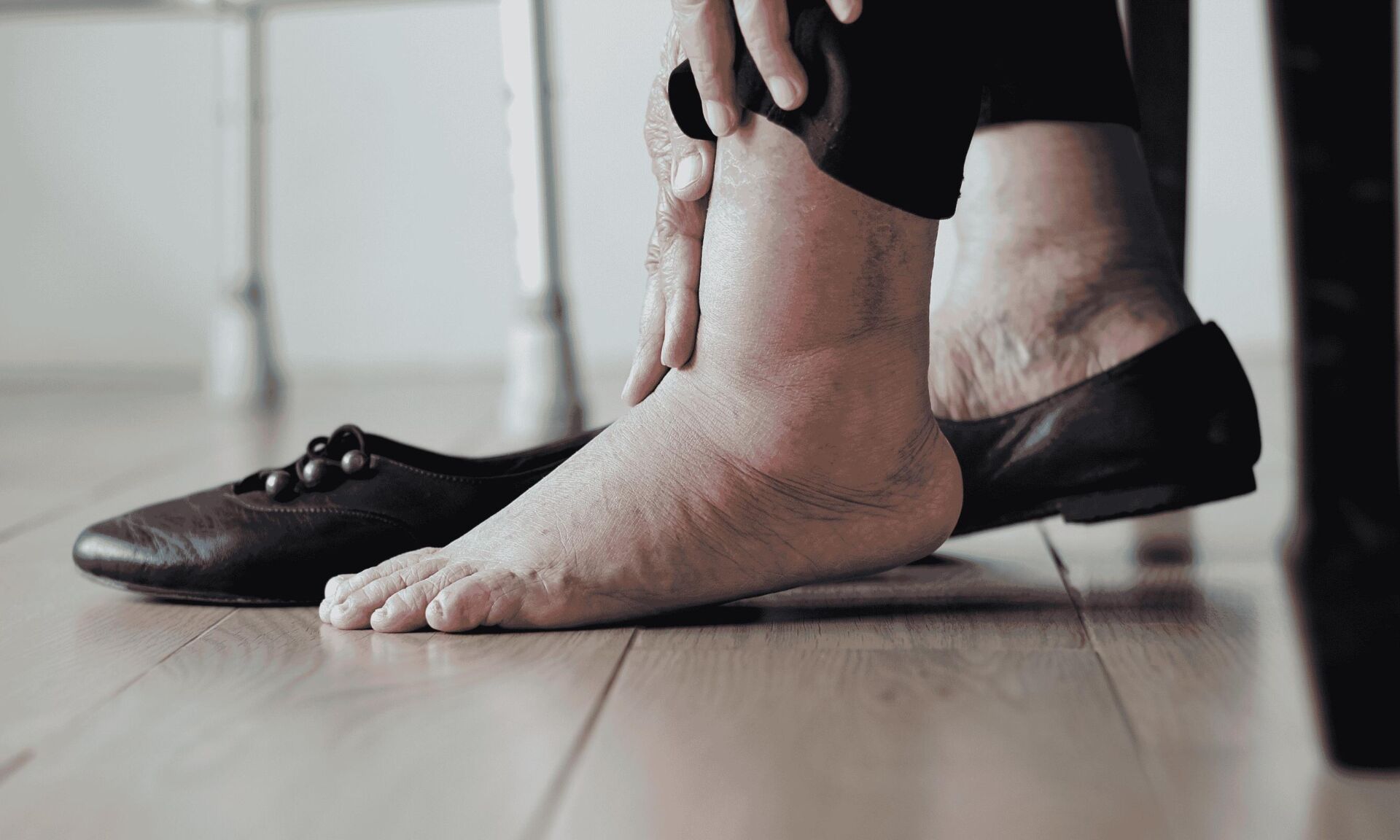
Your ankles are puffy by the end of the day. Your shoes feel tight. You press your finger into your ankle and the dent stays for a few seconds.
Swollen ankles are incredibly common, especially as you get older. Most of the time, it’s just fluid buildup in your legs from gravity pulling water down into your feet.
Long flights, hot days, standing for hours, or just aging veins can make it worse. Certain blood pressure medications, steroids, or pain pills can cause your body to hold onto water too.
Usually, it’s harmless and goes away on its own. But if your ankles stay swollen or hurt, get them checked. Persistent swelling can signal heart, kidney, or liver problems.
Here’s how to get relief naturally.
The 6 Simple Habits That Work
Elevate Your Legs
Lie down and prop your feet above heart level with pillows. This uses gravity to drain fluid back toward your heart. Do this for 20-30 minutes, twice a day if you can. You’ll see the swelling go down.
Move Your Legs
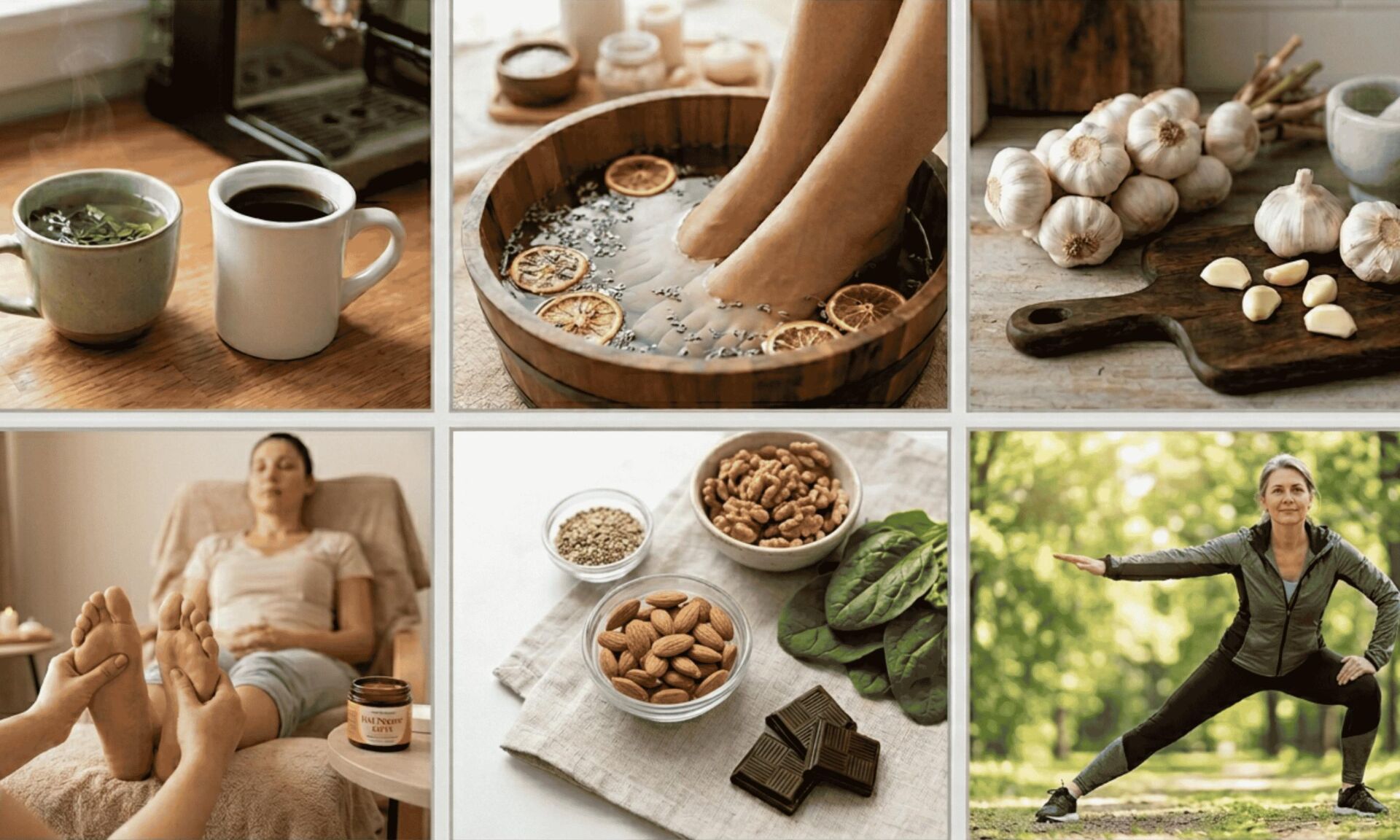
Gentle exercise pumps fluid out of swollen ankles. Walking, calf raises, yoga, or swimming all work. Even flexing your feet up and down while sitting helps move fluid along.
Wear Compression Socks
Compression socks are tight at the ankle and looser higher up. They dramatically improve circulation and prevent fluid from pooling. Wear them during the day, especially if you’re traveling or on your feet for hours. Take them off at night.
I know compression socks work, but honestly? I can barely stand wearing them. The itchiness, the constant pressure – I rarely keep them on for long. And the cheaper ones lose their compression after just a few wears, so you end up spending more anyway.
If you’d rather support circulation from the inside out, there are herbs that do exactly that: hawthorn for the heart, bilberry for blood vessels, fenugreek for blood sugar regulation, and tulsi for overall cardiovascular support.
I’ve found that taking these together works better than any sock ever did. Dr. Nicole Apelian (the herbalist from the show Alone) combined all four into a single tincture specifically for heart and circulation support. This is what I use now instead of fighting with compression socks all day.
Cut Back on Salt
High sodium makes your body hold onto water. A low-salt diet can noticeably reduce swelling. Stop adding salt at the table. Avoid processed foods (they’re loaded with hidden sodium). Cook fresh meals where you control the salt.
Drink More Water
It sounds backwards, but staying hydrated tells your body it doesn’t need to hoard fluid. Drink plain water throughout the day. Avoid sugary drinks and alcohol.
Green Tea or Coffee: Both have a mild diuretic effect. Green tea also contains antioxidants that strengthen tiny blood vessels.
Add 10 drops of a nettle tincture to your morning coffee. Nettle flushes water without stripping potassium like prescription diuretics do. Herbalists have used it for centuries because it works without the side effects. Get one ready-made here.
Foot Soaks: Soak your feet in lukewarm water with Epsom salt for 15-20 minutes. The magnesium in Epsom salt may help reduce swelling.
This is one of my favorite ways to care for myself because you’re getting multiple benefits at once. I came across a soothing herbal soak recipe that changed how I think about baths. I actually soak my whole body now, not just my feet.
You can add lavender, chamomile, calendula, baking soda, powdered milk, or essential oils to Epsom salt. I learned this from page 139 of this book, and it helps with circulation, stress, skin health – everything at once.
Garlic: Eating raw or cooked garlic improves blood vessel function and thins blood slightly. Add it to your meals daily.
Massage: Massage your feet and ankles upward from toes to calves. Firm strokes toward your heart help move trapped fluid.
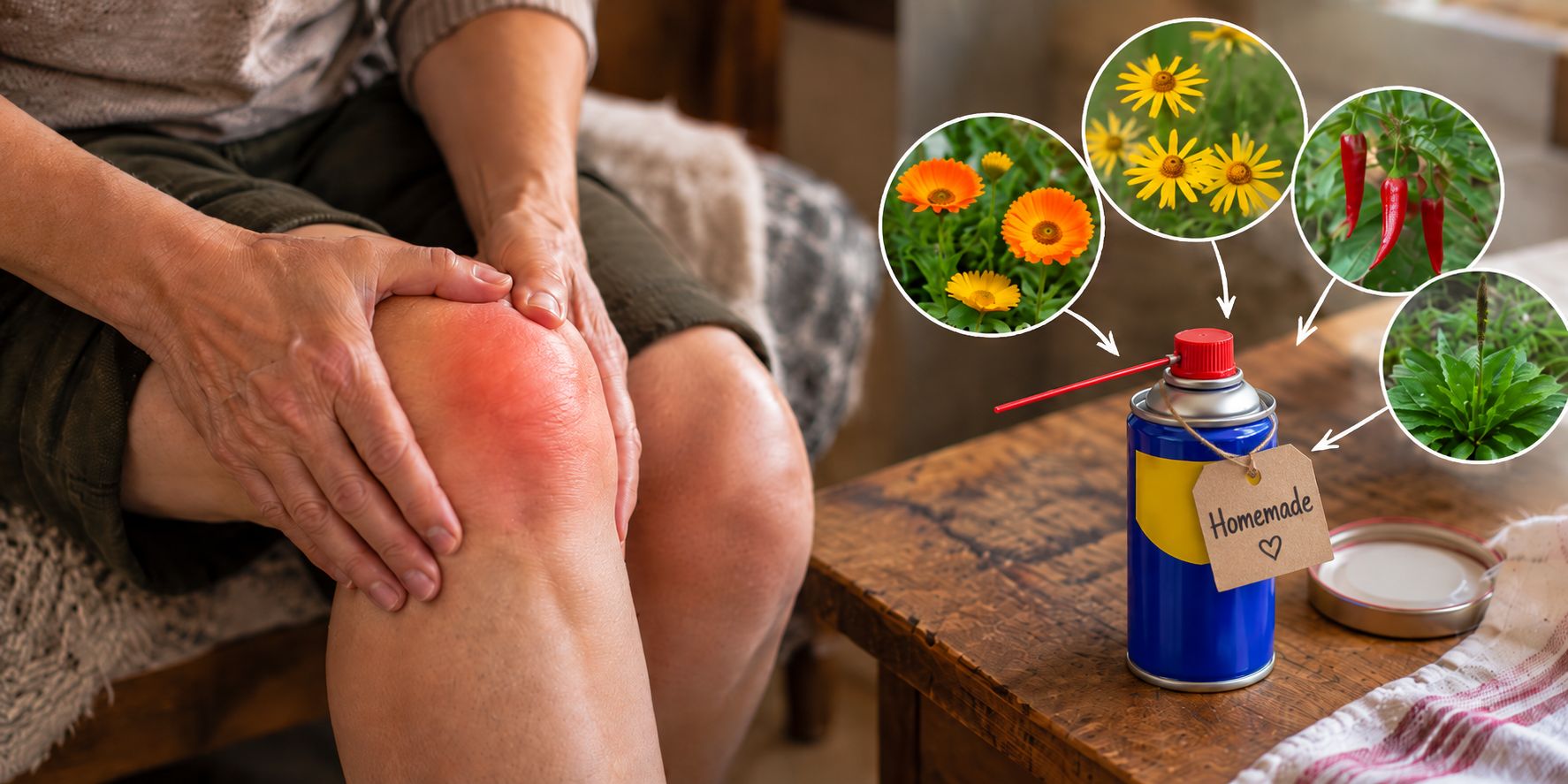
Here’s something I learned that makes massage even more effective: if you’re going to massage your feet and ankles anyway, you should check out this DIY recipe for a hot pepper salve while you do it.
The warmth increases blood flow on its own, so you’re boosting circulation both through the massage and through what you’re massaging with.
It’s those synergetic combinations again, two methods working together. I keep this specific cayenne salve on hand specifically for this. I use it for my joints, but also when my feet swell. It’s made with quality ingredients and actually stays warm without being irritating.
Magnesium: Magnesium deficiency can cause fluid retention. Eat magnesium-rich foods like dark leafy greens, nuts, seeds, and dark chocolate. Or take a low-dose magnesium supplement.
Watch Your Weight: Even a few extra pounds stress leg veins and contribute to swelling. If you’re overweight, losing weight can significantly reduce ankle puffiness.
If you’re struggling with weight, it might not even be your fault. After 25, losing weight becomes incredibly difficult. I ate as many greens as I could, tried everything – nothing worked the way I hoped.
What finally helped was making sure my body got the right nutrients while staying in a calorie deficit and exercising consistently. But let’s be honest – those three things aren’t always easy to do.
What made it simpler for me was adding a blend of 48 nutritional herbs to my routine. It was developed by a team of doctors, nutritionists, and herbalists working together.
You just add a scoop to your tea, coffee, water, or food, anything really, and it helps support your metabolism naturally.
It’s called Green Burn Blend, and it’s one of the few things that actually made a difference for me.
The Herbal Diuretic Tea That Flushes Excess Fluid
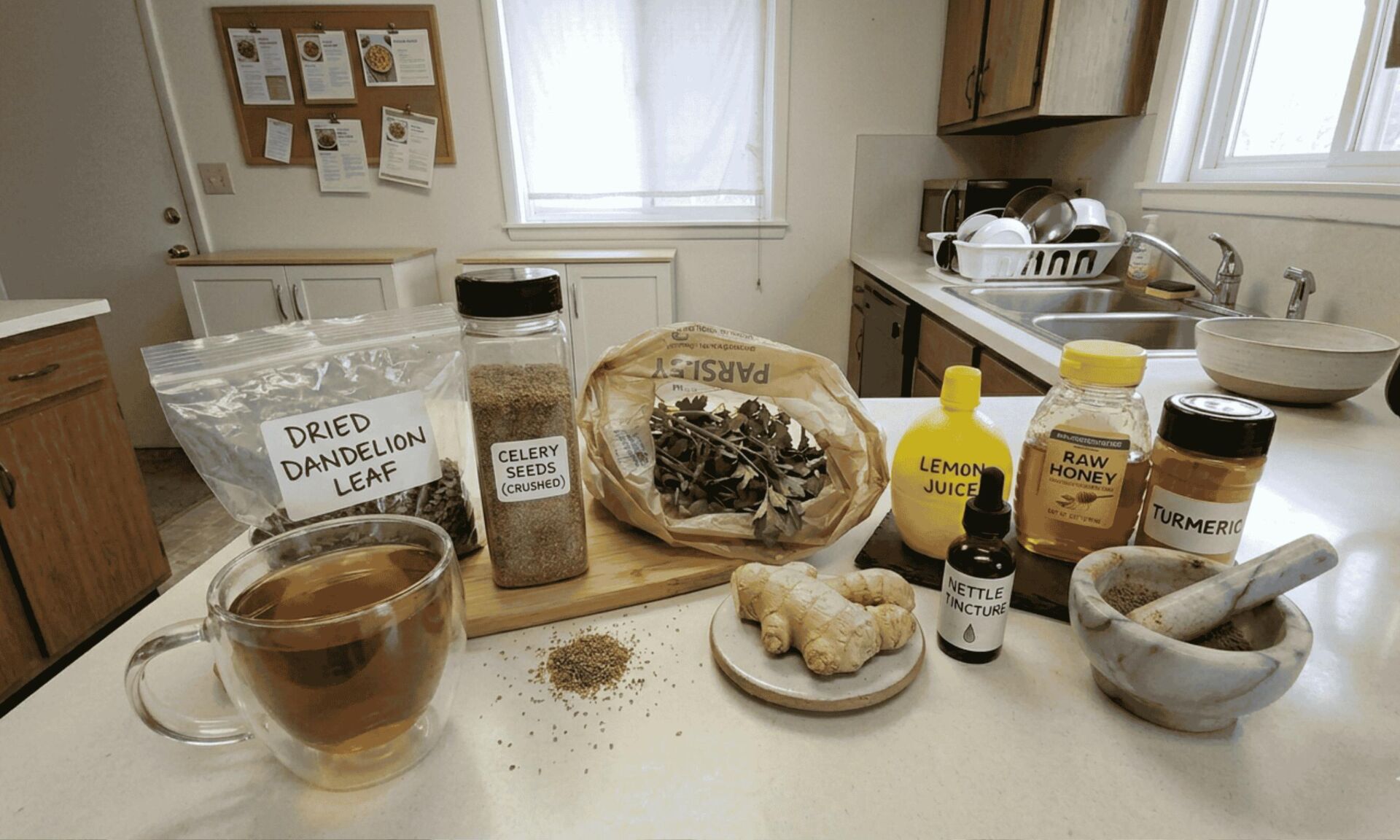
Many plants gently boost urine output and reduce fluid retention. This tea combines the best ones into a twice-daily brew.
Optional: pinch of turmeric, squeeze of lemon, teaspoon of raw honey
How to make it:
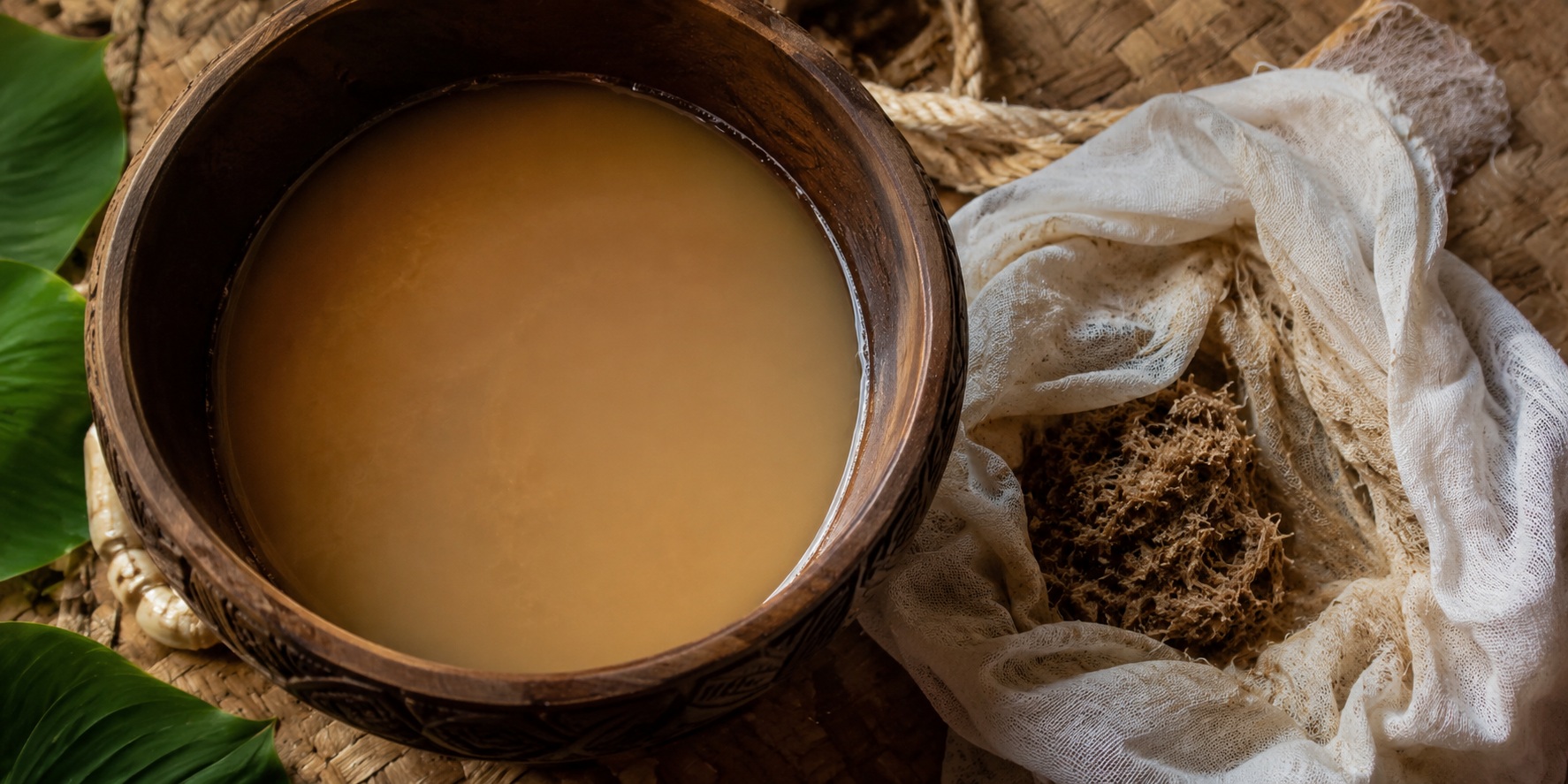
Add all the dried herbs and ginger to 2 cups of simmering water. Cover and steep for 10-15 minutes.
Strain into a mug. Add honey or lemon if you like.
Drink one mug in the morning and one in the late afternoon.
Ingredients information:
Nettle is one of the most effective natural diuretics – it helps flush excess water without depleting your potassium like prescription diuretics do.
Herbalists have relied on it for centuries because it simply works, without the side effects. You can use nettle on its own (10 drops of this nettle tincture in your morning coffee or water), or add it to this tea blend for even better results.
It’s gentle enough for daily use and powerful enough to notice a difference.
Dandelion is a time-honored diuretic. It makes you urinate more, flushing excess water. It’s also rich in potassium, which helps balance salt in your body.
Celery seed acts as a natural diuretic and may help lower blood pressure. Celery stalks are great too (mostly water and potassium).
Parsley is a gentle kidney tonic traditionally used for bloating and fluid buildup.
Ginger improves circulation and reduces inflammation, helping fluid move along and easing swelling-related soreness.
This tea works on two fronts: it encourages your kidneys to flush excess fluid, and it calms inflammation that makes tissues puffy.
If you want a different recipe, you can also try the one from this clip:
The Bottom Line
Swollen ankles are usually just fluid buildup from gravity, heat, or standing too long.
Fix it by elevating your feet, moving regularly, cutting salt, drinking more water, and wearing compression socks.
Add the herbal diuretic tea (dandelion, celery seed, parsley, ginger) twice daily to gently flush excess fluid.
Most people notice their ankles shrink within a few days of consistent care.
You don’t need a pill bottle. You need a cup of herbal tea and a few simple habit changes.
If you’d rather have everything in one place instead of hunting down individual herbs, there’s a complete circulation and heart support bundle that combines the most effective herbs we’ve talked about: hawthorn for heart strength, tulsi for blood pressure, bilberry for blood vessels, and fenugreek for blood sugar balance.
What I like about this approach is that you’re getting herbs that work synergistically, they’re more effective together than separately. Plus, economically, it makes more sense than buying four or five different supplements.
You get a complete system in one bundle, and you don’t have to figure out dosing for each herb individually or worry about whether they’ll work well together. It’s already been formulated with the right proportions.
One bundle typically lasts 30-60 days, depending on use, and it addresses the root circulation issues rather than just masking symptoms.
For anyone dealing with chronic swelling or poor circulation, having this kind of comprehensive support makes the whole process simpler and more effective.
We use cookies to ensure that we give you the best experience on our website. If you continue to use this site, we will assume that you are happy with it.
Functional Always active
The technical storage or access is strictly necessary for the legitimate purpose of enabling the use of a specific service explicitly requested by the subscriber or user, or for the sole purpose of carrying out the transmission of a communication over an electronic communications network.
Preferences
The technical storage or access is necessary for the legitimate purpose of storing preferences that are not requested by the subscriber or user.
Statistics
The technical storage or access that is used exclusively for statistical purposes.The technical storage or access that is used exclusively for anonymous statistical purposes. Without a subpoena, voluntary compliance on the part of your Internet Service Provider, or additional records from a third party, information stored or retrieved for this purpose alone cannot usually be used to identify you.
Marketing
The technical storage or access is required to create user profiles to send advertising, or to track the user on a website or across several websites for similar marketing purposes.