You already know what caused it. What you need now is a practical, honest guide to getting through it faster. Hangovers are one of the most universal human experiences, and they have also been one of the most consistently addressed problems in traditional herbal medicine across cultures worldwide. Every society that fermented and consumed alcohol also developed remedies for the morning after.
The good news is that many of those traditional remedies have since been validated by research into exactly what a hangover does to your body. Understanding the mechanisms helps you choose the right remedies rather than reaching blindly for whatever is in the cabinet.
This guide covers the most effective natural and herbal approaches to hangover recovery, why each one works at a physiological level, and how to use them correctly for the fastest possible relief.
What Is Actually Happening During a Hangover
A hangover is not a single symptom with a single cause. It is a cluster of overlapping physiological disruptions that occur simultaneously, which is why it feels so comprehensively awful and why no single remedy addresses everything.
Dehydration is the most well-known factor. Alcohol is a diuretic that suppresses the production of antidiuretic hormone (ADH), causing the kidneys to excrete far more water than they would otherwise. This explains the headache, dry mouth, and dizziness. But dehydration alone does not fully account for hangover severity.
Acetaldehyde toxicity plays a central role. When alcohol is metabolized in the liver, it is first converted to acetaldehyde, a compound that is significantly more toxic than alcohol itself. Acetaldehyde causes nausea, flushing, sweating, and contributes to the inflammatory cascade that drives the general malaise of a hangover. According to the National Institute on Alcohol Abuse and Alcoholism, acetaldehyde accumulation is one of the primary drivers of hangover symptoms and the reason why congener-rich drinks like whiskey and red wine produce worse hangovers than cleaner spirits.
Inflammation is the third major driver. Alcohol triggers a systemic inflammatory response, with measurable increases in pro-inflammatory cytokines including IL-6, IL-10, and TNF-alpha. This cytokine activity is responsible for the achiness, cognitive fog, and general sense of illness that characterizes a moderate to severe hangover.
Blood sugar disruption, electrolyte loss, and gut lining irritation round out the picture. Alcohol inhibits gluconeogenesis in the liver, which can cause reactive hypoglycemia the morning after. It depletes key electrolytes through increased urination. And it directly irritates the gastrointestinal lining, contributing to nausea and stomach discomfort.
Effective hangover remedies need to address multiple mechanisms simultaneously. That is exactly what the best traditional herbal approaches do.
Ginger for Nausea and Stomach Distress
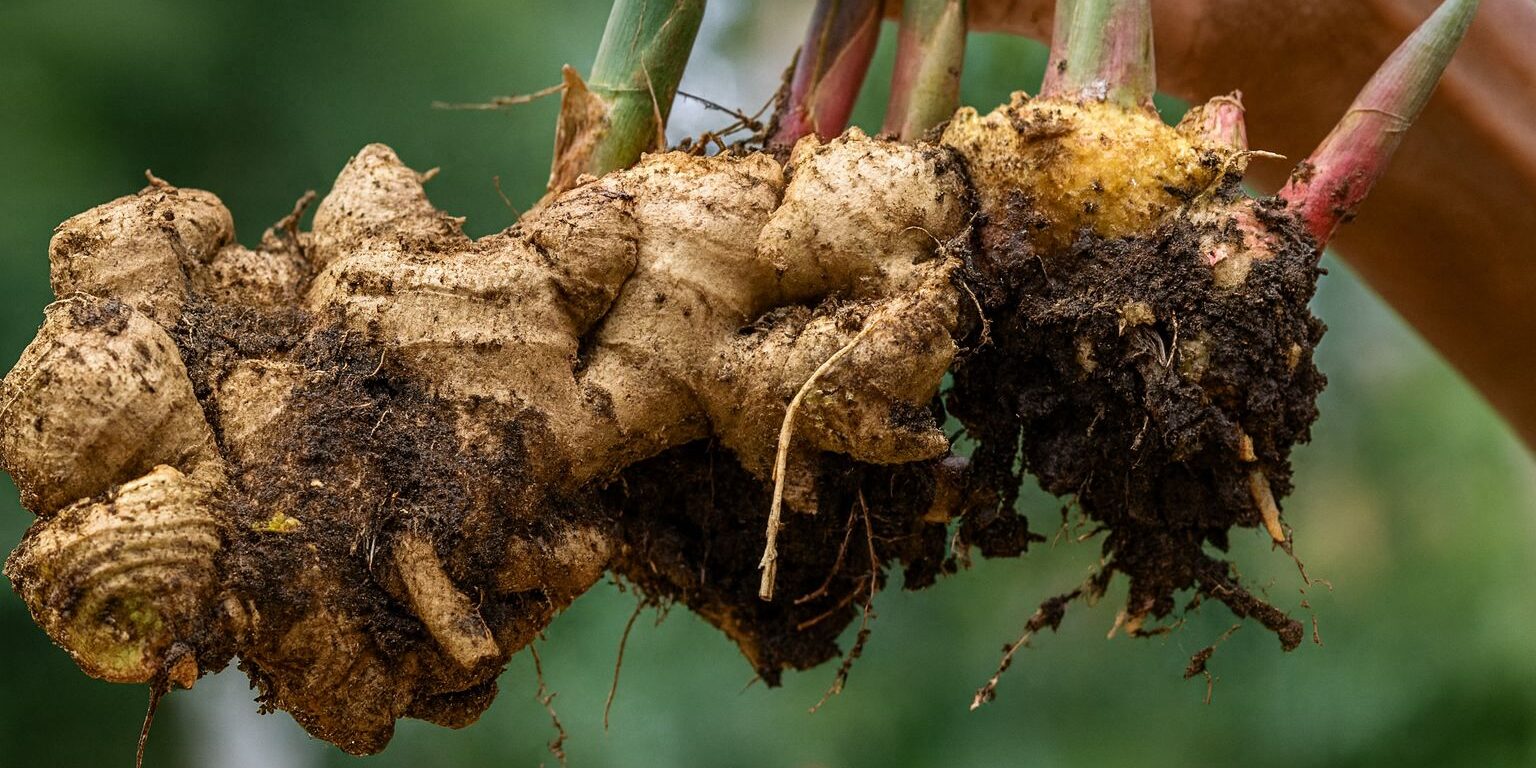
Ginger is the most evidence-backed herbal remedy for nausea of any origin, and hangover nausea is no exception. Its active compounds gingerols and shogaols work through two complementary mechanisms: they inhibit the serotonin receptors in the gut that trigger the nausea reflex, and they accelerate gastric emptying, which moves the irritating contents of the stomach through more quickly.
For hangover use, fresh ginger tea is the fastest and most effective preparation. Slice or grate a generous tablespoon of fresh ginger root into two cups of water, simmer for ten minutes, strain, and add a teaspoon of raw honey. Drink it slowly and steadily rather than all at once. The honey adds easily absorbed simple sugars that begin addressing the blood sugar component simultaneously.
Ginger ale is the cultural shorthand for this remedy, but commercial ginger ale contains negligible amounts of actual ginger. Fresh ginger tea or high-quality ginger extract capsules are the preparations that deliver the active compounds in amounts that produce measurable relief. A review published by the National Library of Medicine confirmed ginger’s efficacy for nausea and vomiting across multiple clinical contexts, with a favorable safety profile and no significant adverse effects at standard doses.
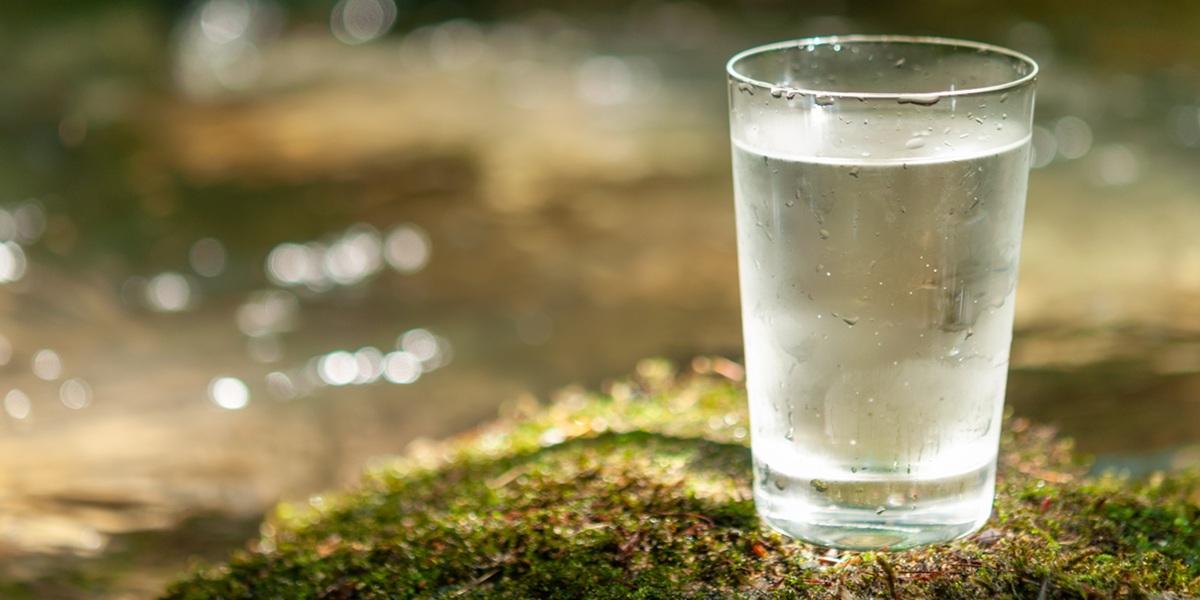
Drinking water is essential, but plain water alone is not the optimal rehydration strategy after alcohol consumption. The problem is that alcohol-driven diuresis depletes not just water but electrolytes, particularly sodium, potassium, and magnesium. Drinking large amounts of plain water without replacing electrolytes can actually dilute remaining serum electrolytes further, which is why some people feel worse after drinking a lot of plain water on a hangover.
The most effective rehydration approach combines water with electrolyte replenishment. Coconut water is one of the best natural sources for this purpose: it is high in potassium and magnesium, mildly palatable when nauseous, and contains natural sugars that support liver glycogen replenishment. Drink one to two cups of coconut water alongside regular water in the first hour after waking.
A simple homemade electrolyte drink can be made from water, a pinch of sea salt (sodium), a squeeze of lemon or lime (potassium and vitamin C), and a small amount of honey or maple syrup (fast glucose). This mirrors the composition of commercial oral rehydration solutions and addresses dehydration more completely than water alone.
Lemon specifically deserves mention beyond its electrolyte contribution. Lemon juice supports liver detoxification pathways and provides vitamin C, which is an antioxidant that helps neutralize some of the oxidative stress generated by alcohol metabolism. Adding fresh lemon to your morning water is a low-effort, high-value addition to any hangover recovery protocol.
Milk Thistle: The Liver Herb for Hangover Recovery
Milk thistle is best known as a long-term liver support herb, but its active compound silymarin has direct relevance to hangover recovery because of how it supports the liver’s processing of acetaldehyde and other alcohol metabolites.
Silymarin is a potent hepatic antioxidant that protects liver cells from oxidative damage, supports the regeneration of glutathione (the liver’s primary antioxidant defense), and helps stabilize liver cell membranes against the irritation caused by alcohol metabolism. It does not speed up alcohol metabolism directly, but it supports the liver’s ability to process and clear the toxic byproducts more efficiently.
For hangover use, milk thistle is most effective when taken the evening before as a preventive measure, or as early as possible the morning after. Standard milk thistle extract capsules standardized to 70 to 80 percent silymarin at a dose of 140 to 280 mg are the most practical preparation. While the clinical research on milk thistle is primarily focused on chronic liver disease rather than acute hangover, its hepatoprotective mechanism is directly applicable to the acute liver stress that heavy alcohol consumption produces. The National Center for Complementary and Integrative Health recognizes milk thistle as one of the most studied herbs for liver health, with a strong safety profile at standard doses.
Because systemic inflammation is one of the primary drivers of hangover malaise, anti-inflammatory herbs directly address some of the worst symptoms: the body aches, the cognitive fog, the general sense that everything hurts.
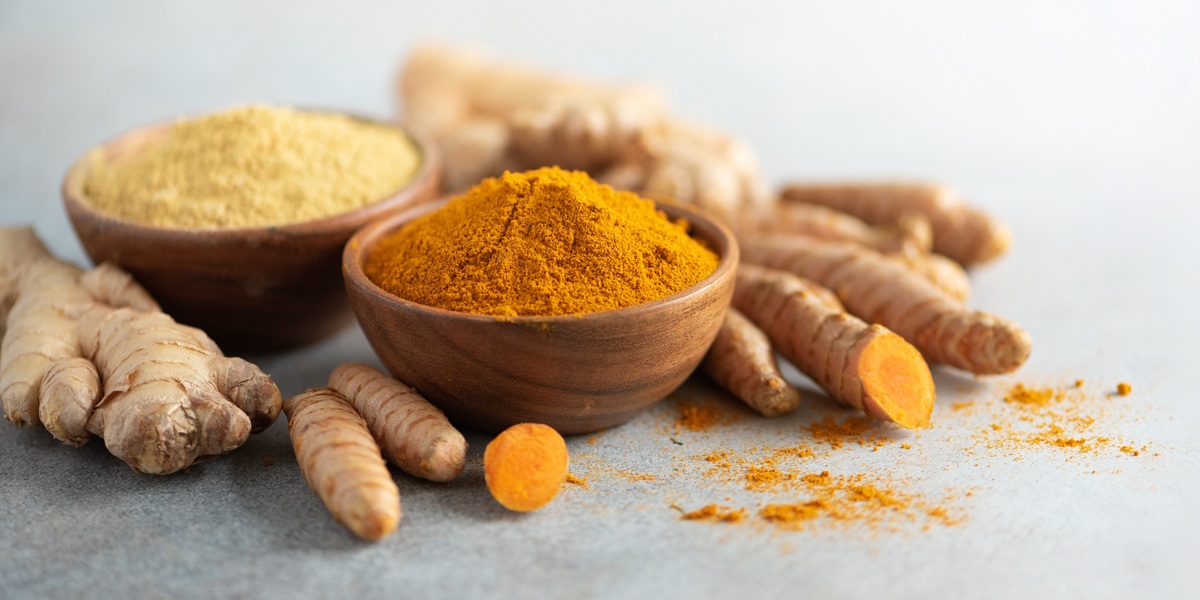
Turmeric‘s curcumin inhibits the production of pro-inflammatory prostaglandins and cytokines through COX-2 pathway inhibition. Combined with ginger, which works through overlapping but distinct anti-inflammatory pathways, the two herbs produce a more complete anti-inflammatory effect than either alone. Black pepper’s piperine, added in a small pinch, increases curcumin absorption by up to 2,000 percent.
A simple golden milk preparation works well for this: warm one cup of non-dairy or regular milk, whisk in half a teaspoon of turmeric, a quarter teaspoon of ground ginger or a thumb of fresh grated ginger, a pinch of black pepper, and a teaspoon of honey. Drink warm. It is palatable even when nauseous, the warmth soothes the stomach, and the combination of anti-inflammatory compounds begins working within an hour of consumption.
This is particularly useful for the afternoon of a hangover day, when the acute nausea has passed but the inflammatory achiness and brain fog often persist.
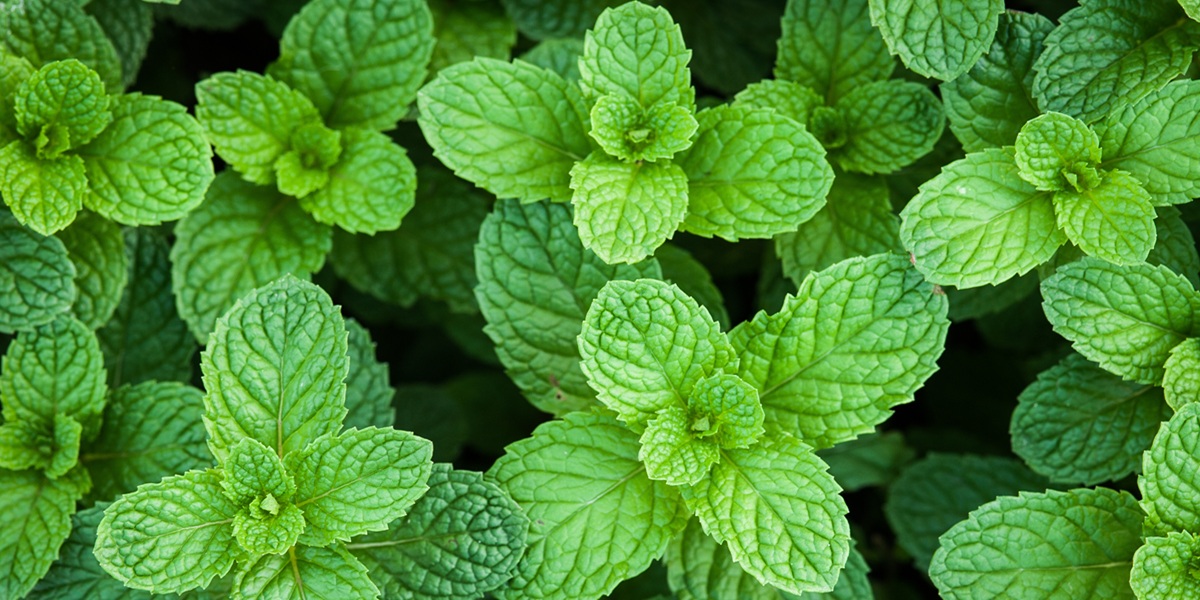
Peppermint addresses two of the most uncomfortable hangover symptoms simultaneously: headache and digestive discomfort. Its primary active compound, menthol, has both antispasmodic effects on the smooth muscle of the gastrointestinal tract and vasodilatory effects that can ease tension headaches.
Peppermint tea is the simplest preparation and one of the most effective: steep one teaspoon of dried peppermint leaf or a generous handful of fresh leaves in just-boiled water for five to ten minutes, covered to retain volatile oils. Drink slowly. The menthol acts on GI smooth muscle to reduce cramping and bloating, while the warm liquid and gentle vasodilation ease headache pressure.
For headaches specifically, diluted peppermint essential oil applied to the temples and forehead provides additional relief through topical menthol absorption. A clinical trial published in research indexed by the U.S. National Library of Medicine found that topical peppermint oil application was comparable to acetaminophen for tension headache relief. Dilute two drops of peppermint essential oil in a teaspoon of carrier oil such as coconut or almond oil before applying to skin.
Honey and Toast: The Science Behind the Classic Remedy
The combination of honey and toast has been a cultural hangover remedy for generations, and it works because it addresses two physiological needs simultaneously rather than being mere comfort food.
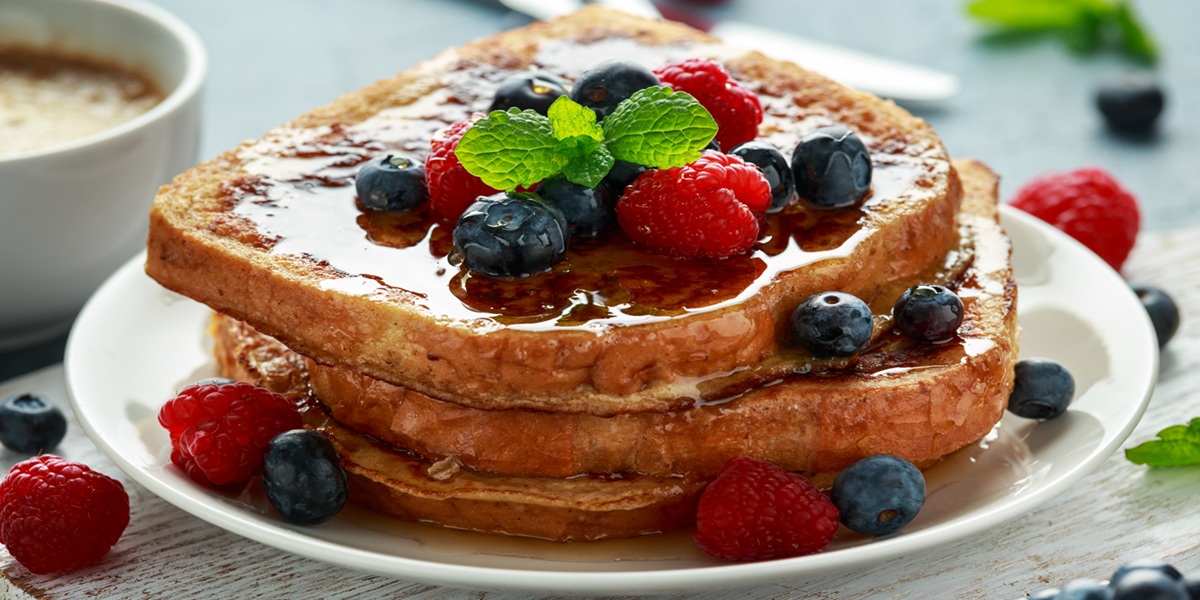
Honey is one of the richest food sources of fructose, and fructose has been shown to accelerate the metabolism of alcohol and acetaldehyde in the liver. The Royal Society of Chemistry has noted fructose’s role in accelerating alcohol clearance, which is the scientific basis behind this traditional remedy. Honey also provides rapid glucose to begin reversing the blood sugar dip that contributes to morning-after weakness and shakiness.
Toast provides easily digestible complex carbohydrates that raise blood sugar steadily without spiking it, and the bland starchy base is one of the most tolerable foods on an irritated stomach. Whole grain toast adds B vitamins, which alcohol depletes significantly and which are essential for the neurological and energy metabolism functions that feel most impaired during a hangover.
Eating even when you do not feel like it is important. An empty stomach allows alcohol metabolites to remain in contact with the GI lining longer, worsening nausea and irritation. Small, easy-to-digest foods maintain the stomach environment and support the metabolic processes working to clear the hangover.
Dandelion Root Tea for Liver and Kidney Support
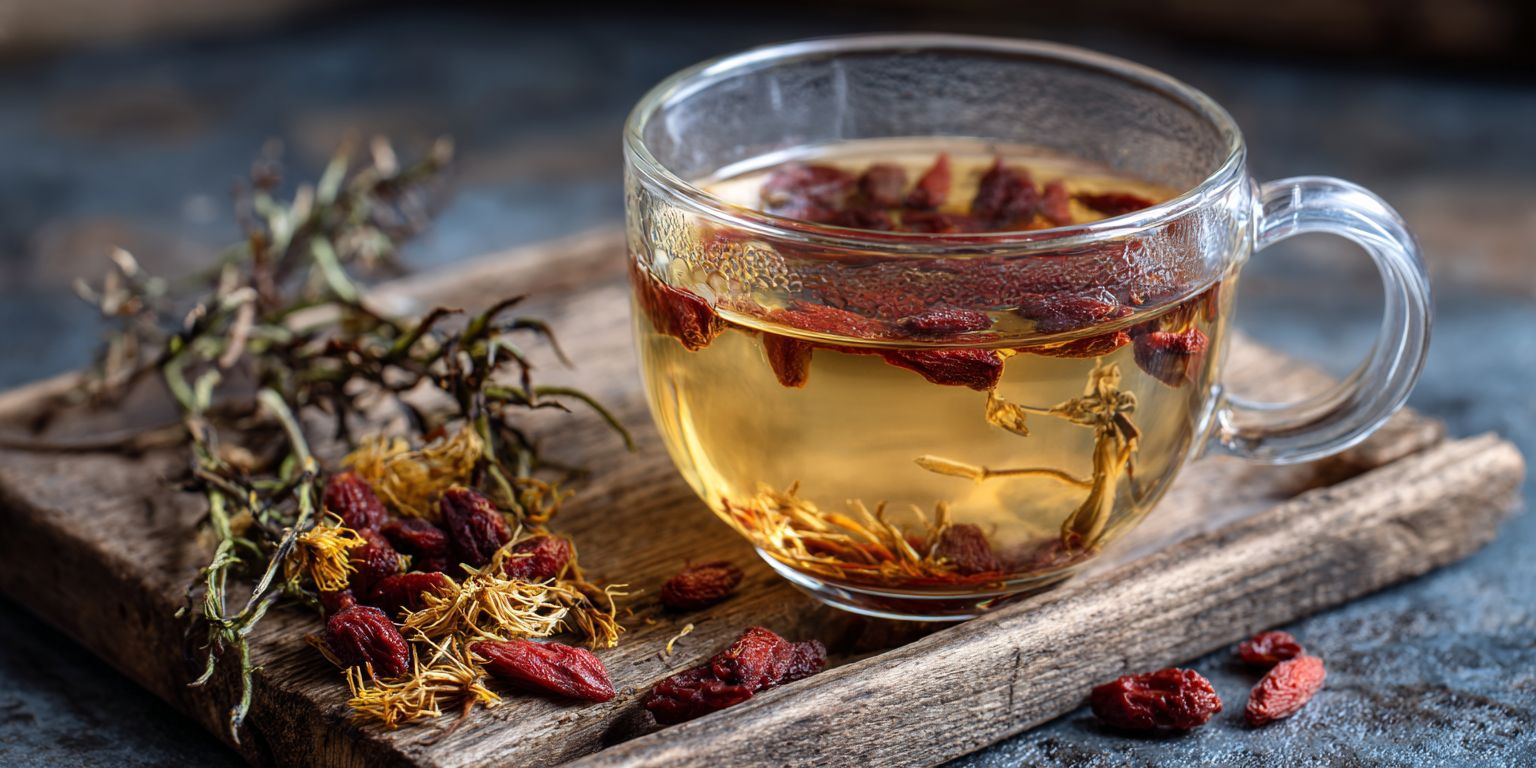
Dandelion is one of the most underappreciated herbs for hangover recovery because it works on two fronts that most people do not think about: it supports the liver’s detoxification work and acts as a gentle diuretic that helps clear metabolic waste products through the kidneys more efficiently.
Dandelion root contains bitter compounds including taraxacin and taraxacerin that stimulate bile production and flow, which supports the liver’s processing of fat-soluble toxins. It also contains inulin, a prebiotic fiber that supports gut health, which is relevant given that alcohol directly disrupts the gut microbiome and intestinal barrier function.
Dandelion leaf is higher in diuretic activity than the root, making the leaf more appropriate for encouraging fluid and waste clearance, while root preparations are better for liver support. For a hangover, a blend of both in tea form covers both functions. Steep one teaspoon of dried dandelion root and one teaspoon of dried dandelion leaf in just-boiled water for fifteen minutes, strain, and drink one to two cups through the morning.
Dandelion has an excellent safety profile and grows prolifically as a wild plant throughout temperate regions. Fresh dandelion leaves can also be eaten in a small salad if appetite permits, providing the same bitter compounds along with vitamins A, C, and K that alcohol depletes.
Alcohol is particularly aggressive in depleting B vitamins, especially thiamine (B1), B6, B12, and folate. These vitamins are essential for neurological function, energy metabolism, and the enzymatic processes that process acetaldehyde in the liver. Their depletion contributes directly to the cognitive fog, mood disruption, and fatigue that characterize a hangover.
Magnesium is another critical depletion. Alcohol increases urinary magnesium excretion significantly, and magnesium deficiency produces muscle tension, headache, fatigue, and heightened anxiety, all of which compound hangover symptoms. Replenishing magnesium the morning after with a supplement or through magnesium-rich foods such as pumpkin seeds, dark chocolate, or leafy greens provides measurable relief for these symptoms.
A quality B-complex supplement taken with breakfast is one of the most consistently useful nutritional interventions for hangover recovery. It addresses the neurological and metabolic depletion directly rather than just masking symptoms. If you know you will be drinking heavily, taking a B-complex the evening before and again the morning after provides better coverage than a single dose after the fact.
The National Institutes of Health Office of Dietary Supplements documents alcohol’s significant impact on B vitamin status, noting that even moderate alcohol consumption reduces thiamine absorption and accelerates B vitamin catabolism. This is not just a heavy drinker’s concern — a single night of significant alcohol consumption is enough to produce meaningful B vitamin depletion.
Rest, Sleep, and the One Thing That Actually Completes Recovery
There is a ceiling on how fast herbal and nutritional remedies can accelerate hangover recovery, and it is defined by one unavoidable fact: time and rest are ultimately what allow the liver to complete acetaldehyde clearance and the body to restore fluid and electrolyte balance fully.
Sleep quality is severely disrupted by alcohol despite the initial sedative effect. Alcohol suppresses REM sleep in the first half of the night and then produces a rebound effect in the second half that results in fragmented, unrestorative sleep. This is why even a full night of sleep after drinking often leaves people feeling unrefreshed. A short nap during hangover recovery, particularly in the early afternoon when the worst of the acute phase has passed, allows the nervous system to complete some of the restorative processes that were disrupted overnight.
Gentle movement improves circulation and supports metabolic clearance of remaining alcohol byproducts without the stress of vigorous exercise, which would increase oxidative stress and dehydration on an already compromised system. A slow walk outdoors, particularly in fresh air and natural light, supports both the physical and psychological recovery process.
Avoid the temptation of caffeine as a primary recovery tool. Coffee is a diuretic that compounds the dehydration issue, and while it temporarily masks fatigue through adenosine receptor blockade, it does not address any of the underlying hangover mechanisms and often worsens the anxiety and heart rate elevation that accompany a significant hangover.
Your Complete Fast-Recovery Protocol
On waking: drink one to two cups of coconut water or a homemade electrolyte drink of water, sea salt, lemon, and honey. Take milk thistle extract (140 to 280 mg silymarin) if you have it.
Within the first hour: make fresh ginger tea with honey for nausea. Eat honey on toast or something small and bland to raise blood sugar and coat the stomach. Take a B-complex supplement with food.
Mid-morning: brew dandelion root and leaf tea and sip through the morning. Continue drinking water steadily alongside it. Apply diluted peppermint essential oil to temples if headache is present.
Afternoon: make golden milk with turmeric, ginger, and a pinch of black pepper for the inflammatory achiness and brain fog that often linger after the acute nausea phase resolves.
Throughout the day: rest when you can, take a short walk when you feel stable enough, and keep fluid intake steady. Avoid coffee, avoid alcohol, and give the herbs and your liver the time they need to complete the work.
The Remedies Your Grandparents Knew Before Pharmacies Took Over
Long before modern “hangover cures” came in neon bottles at gas stations, people relied on herbs, roots, teas, tinctures, and kitchen remedies that actually supported the body’s recovery systems naturally.
The problem is that most of that knowledge disappeared within just a few generations.
People once knew how to make ginger remedies for nausea, peppermint preparations for headaches, liver-support tinctures, electrolyte drinks, anti-inflammatory herbal tonics, and dozens of practical home remedies from plants they already had nearby. Today, most people have no idea where to start.
That is exactly why Forgotten Home Apothecary has become such an important resource for so many families.
Inside, you will find step-by-step instructions for old-world herbal remedies, tinctures, syrups, teas, salves, and practical natural medicine preparations designed for real everyday problems — not trendy wellness fads. It is written for normal people who want practical, usable herbal knowledge before they need it.
If articles like this interest you, Forgotten Home Apothecary deserves a permanent place in your home! Click here for more information!
Final Thoughts
A hangover is the body’s invoice for alcohol consumption, and no remedy eliminates that entirely. What herbal and nutritional approaches do is address the specific physiological mechanisms driving the worst symptoms, giving the body what it needs to recover more efficiently rather than waiting passively for time to pass.
Ginger for nausea, rehydration with electrolytes, milk thistle for liver support, anti-inflammatory herbs for the aches and fog, peppermint for headache, dandelion for detoxification support, and B vitamins and magnesium to replace what alcohol depleted. Each addresses a different part of the same problem, and used together they represent one of the most complete natural recovery protocols available.
These are also all plants and nutrients with excellent safety records, wide availability, and applications well beyond hangover recovery. Stocking them is never a single-purpose decision. They belong in a well-prepared home apothecary regardless of whether you ever need them the morning after a long evening.



 Rehydration: More Than Just Drinking Water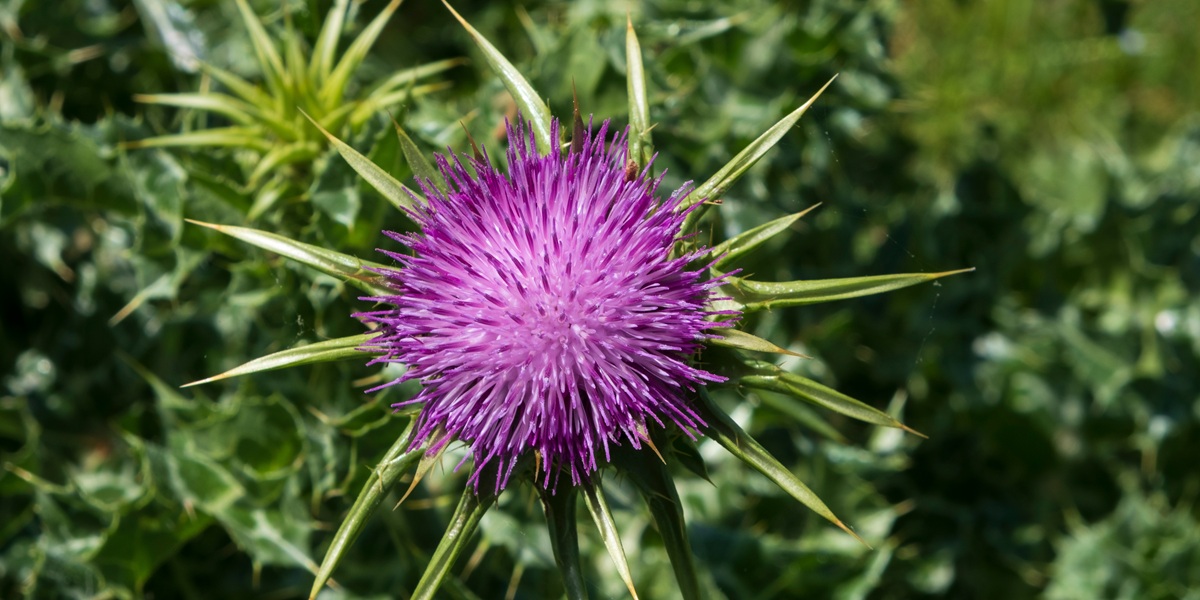
 Dandelion Root Tea for Liver and Kidney Support