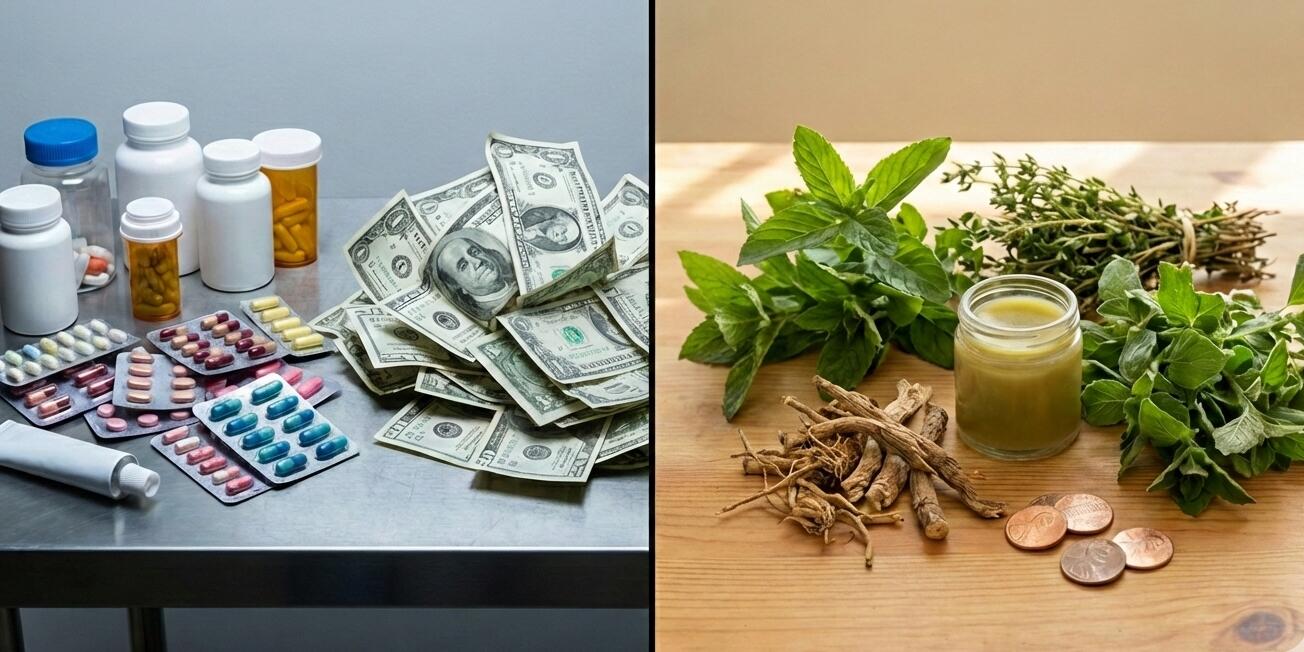
Your medicine cabinet is full of expensive supplements. Half-used bottles of pills promising “natural relief” that barely work because they’re so diluted. Capsules with fillers and additives you can’t even pronounce.
Meanwhile, the herbs growing in your backyard—or sitting in your spice rack—could be doing the same job for pennies. And when prepared correctly, they work better than most mass-produced pills and capsules.
Here’s what the supplement industry doesn’t want you to know: You can make your own potent herbal extracts at home that rival prescription strength, using nothing more than cheap vodka and herbs you probably already have.
We’re not talking about weak herbal teas that require drinking gallons to feel anything. We’re talking about concentrated tinctures where a few drops deliver more medicinal compounds than an entire mug of tea. The kind that last for years on your shelf. The kind herbalists have used for centuries because they actually work.
Let’s talk about how to make them—and why they’re so much more powerful than the pills gathering dust in your cabinet.
Why Most Store-Bought Supplements Don’t Work (And What Does)
Before you brew anything, understand this: not all herbal preparations are created equal. The method you use determines whether you’re getting medicine or just expensive flavored water.
Capsules: The most common supplement form, but often the weakest. They’re packed with fillers, binders, and flow agents. The herb itself is often old, oxidized, and has lost potency sitting in warehouses. Plus, capsules must break down in your digestive system before absorption—a slow, inefficient process.
Tablets: Even worse than capsules. They require heavy compression and more fillers to hold their shape. The medicinal compounds are locked in a hard matrix that your body struggles to break apart.
Teas/Infusions: Teas are a gentle, accessible way to enjoy herbs—perfect for daily wellness support. The trade-off? They’re the mildest form of herbal medicine.
You’d need multiple cups to match the potency of a small tincture dose, and they need to be consumed fresh since they lose potency within a day or two. Think of teas as your gentle daily ally, and tinctures as your concentrated medicine when you need stronger support.
Salves/Creams: Salves are wonderful for external use—cuts, burns, rashes, muscle aches. You can make them dirt cheap with infused oil and beeswax. But they can’t reach your digestive system, bloodstream, or internal organs.
Commercial creams are even more limited—loaded with emulsifiers, preservatives, and synthetic fragrances. You’re paying premium prices for products that are 70-80% water and chemicals, with only a small percentage of actual herbal extract.
Tinctures (alcohol extracts): Here’s the winner. Highly concentrated, shelf-stable for years, fast-acting, and incredibly cost-effective per dose. Researchers note that the same botanical dose might require a cup of tea versus just a few teaspoons of tincture.
As the NIH explains: “A tincture is made when a botanical is soaked in alcohol and water… used for concentrating and preserving a botanical.” Alcohol pulls out both water-soluble and alcohol-soluble compounds, capturing a broad range of active chemicals in one potent extract.
The result? A teaspoon of tincture can contain as much herb as an entire mug of tea. That’s why herbalists call them “prescription strength”—they pack full grams of plant material into tiny doses.
Plus, alcohol-based tinctures literally preserve the plant compounds. Make a batch now, use it for years without it going moldy or losing potency. Some herbalists report using root-infused vodka years later with no loss of effectiveness.
Tinctures are the most potent, shelf-stable, and cost-effective herbal preparations you can make. Here’s why:
✅ Potency – A teaspoon of tincture = an entire mug of tea (same herb, 10x more concentrated) ✅ Shelf life – Years without losing potency (no refrigeration needed) ✅ Versatility – Use standalone, add drops to tea, mix into water, or take under tongue for fast absorption ✅ Full-spectrum extraction – Alcohol pulls both water-soluble and alcohol-soluble compounds
But here’s what most people don’t know: double extraction takes it even further. For mushrooms like reishi or turkey tail, you need alcohol and hot water to extract different compounds. Most store-bought supplements skip this step—meaning you’re only getting half the medicine.
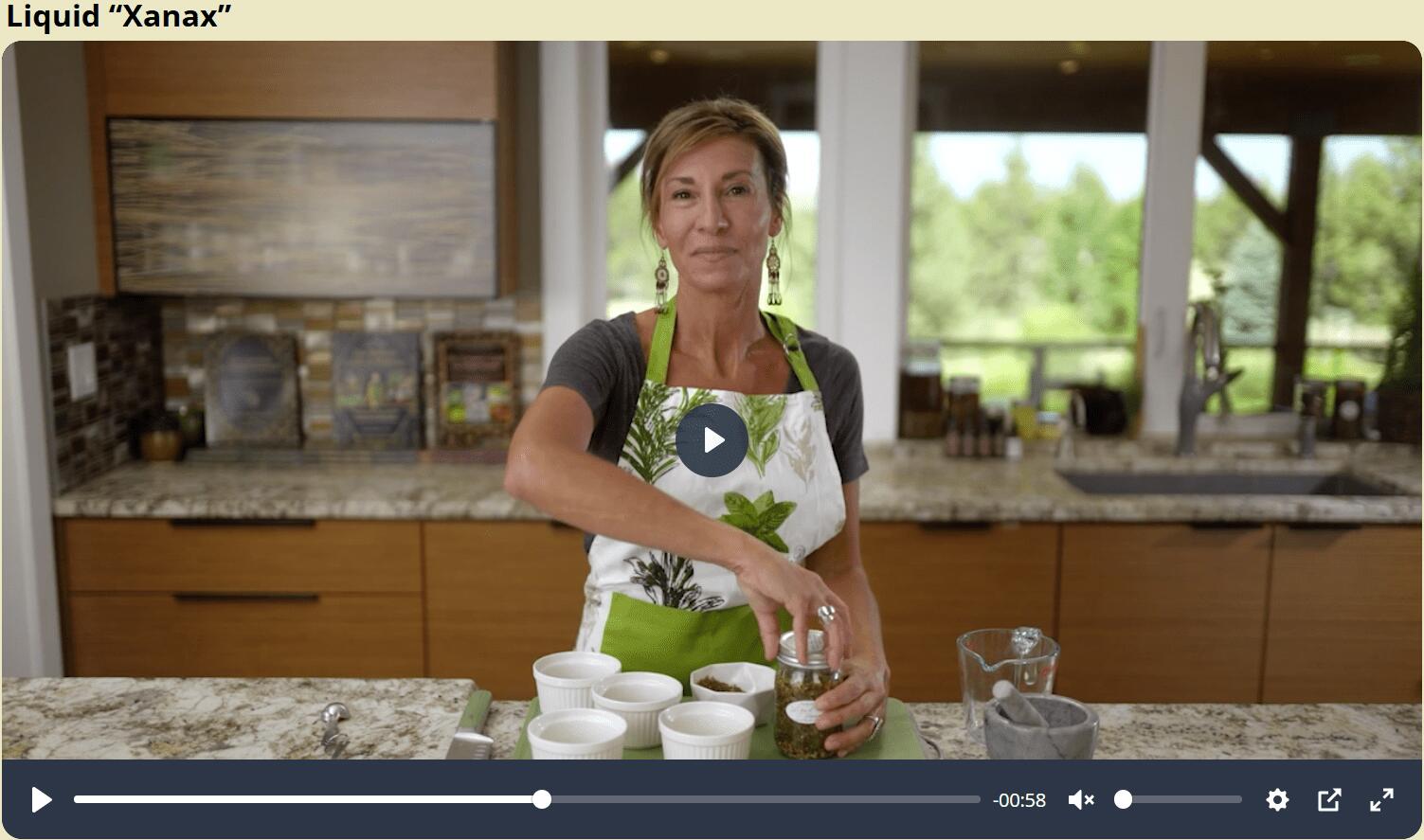
Nicole Apelian teaches you how to make your own tinctures from scratch—on video, step by step. You’ll learn:
Three Dirt-Cheap Tinctures You Can Make This Weekend
1. Gut-Soothing Tincture (Peppermint + Ginger)
Peppermint oil is clinically proven to reduce IBS symptoms. Ginger’s anti-inflammatory and antioxidant properties relieve nausea at doses around 1.5g daily. Together? They’re a digestive powerhouse that puts commercial digestive supplements to shame.
What you need:
Fresh ginger root (chopped)
Peppermint leaves (fresh or dried)
Cheap vodka (80-120 proof)
Clean jar
How to make it:
Fill jar half-full with chopped ginger and a handful of peppermint
Pour vodka over herbs until fully submerged
Seal, label, shake daily for 2-4 weeks
Strain and store the liquid
How to use: Take a few drops (diluted in water or under tongue) at first sign of stomach discomfort. This tincture packs more herb into each sip than any capsule could deliver—and it absorbs faster.
Cost: Pennies per dose vs. $80-100 for commercial digestive enzyme or herbal capsules.
Power Herbs to Add (If You Can Find or Forage Them):
The peppermint and ginger tincture above is dirt cheap and works beautifully. But if you want to take your digestive support to a level most people never experience, there are more powerful herbs that are harder to come by—and worth seeking out:
Reishi mushroom, Turkey Tail mushroom, Plantain leaf, Slippery Elm bark, Lion’s Mane mushroom, Marshmallow root.
These aren’t sitting in your spice rack. But if you can forage them or source them dried, you’re creating a formula that rivals what professional herbalists charge $40-60 per bottle for.
Peppermint and ginger calm symptoms. But here’s what you need to understand:
Your gut produces 90% of your body’s serotonin. It houses 70% of your immune system. It controls inflammation, mood, energy, weight, sleep—everything.
If your gut is broken, nothing else works.
And your gut is constantly under attack: pesticides in food, chemicals in water, microplastics, antibiotics, stress. Plus parasites—actual organisms feeding on you from the inside.
Most people have leaky gut and don’t know it. Bloating, gas, brain fog, fatigue, anxiety—these all start in the gut.
Here’s what you need for a gut that’s been leaky and hasn’t been cleared in a while:
The Balanced Gut Blend Tincture combines all the herbs mentioned above helping your body to rebuild your gut from the ground up.
This isn’t symptom relief. This is rebuilding your gut from the ground up.
“Rosemary for remembrance” isn’t just folklore. Studies show rosemary oil stimulates the brain and aids memory. Even inhaling rosemary improves alertness—but as a tincture, it works internally for sustained mental clarity without the expense of nootropic supplements.
What you need:
Fresh rosemary sprigs (very cheap to grow or buy)
Optional: dried sage or lemon balm
Vodka
Jar
How to make it:
Fill jar with chopped rosemary leaves
Cover with vodka
Wait 3-4 weeks, shaking occasionally
Strain
How to use: Take a teaspoon (diluted) when you need focus or before studying. People report feeling more alert and mentally clear—without the crash that comes from synthetic focus supplements.
Cost: A rosemary plant costs $3-5 and provides months of supply. Compare that to $30-60 monthly for commercial brain supplements.
Power Herbs to Add (If You Can Find or Forage Them):
Rosemary is accessible and effective. But there are cognitive-supporting herbs that are significantly more potent—and most people will never get their hands on them:
These create a brain tonic that makes commercial nootropics look like child’s play. The catch? You have to know where to find them.
Lion’s Mane Tincture – Stimulates Nerve Growth Factor (NGF), grows new brain cells, reverses cognitive decline Cordyceps Tincture – Delivers oxygen to cells, boosts energy without caffeine crashes Reishi Tincture – “Mushroom of immortality,” protects against stress damage, supports deep sleep Lemon Balm Tincture – Calms anxiety, improves focus, lowers cortisol
Get them separately—or get the Healthy Brain Bundle that combines all four at a better price than buying individually.
Nicole knows how important these are. She created the bundle so more people could afford the brain support that emperors and healers relied on for millennia.
NIH research shows garlic supplements reduce LDL cholesterol and modestly lower blood pressure. Hawthorn has centuries of traditional use for heart health. Together, they create powerful cardiovascular support that rivals expensive heart health capsules—without the markup.
What you need:
Several garlic cloves (chopped)
Dried hawthorn berries or leaves (often foraged or very cheap)
Vodka or apple cider vinegar
Jar
How to make it:
Chop garlic and crush hawthorn berries
Mash lightly and pour vodka over them
Infuse 4-6 weeks
Strain
How to use: Take a dropperful each morning. The alcohol masks garlic’s bite while delivering the equivalent of several cloves per dose—the same compounds found in expensive aged garlic supplements.
Cost: A bulb of garlic is pennies. Hawthorn is often free if foraged. Compare that to $20-40 for commercial cardiovascular supplements.
This is the kind of formula professional herbalists guard closely—and charge accordingly. The ingredients are the barrier, not the process.
Garlic works. But hawthorn berry, holy basil, fenugreek, bilberry, and reishi together? That’s the kind of formula professional herbalists charge $60-90 per bottle for—and they don’t share the recipe.
Nicole’s Heart Health Blend contains all of them, she tells you the recipe, and costs just a fraction of what pharmaceuticals charge. Dual-extracted. Spagyric method. Maximum potency.
Your heart beats 100,000 times a day, 35 million times a year. It deserves more than cheap garlic powder in a capsule.
Turmeric (curcumin) has been confirmed to have significant anti-inflammatory effects in modern studies—but only when properly extracted and concentrated. Most curcumin capsules have poor bioavailability and require synthetic additives to work.
Ginger relieves nausea and inflammation at effective doses—which you get in concentrated tinctures, not the underdosed capsules that line store shelves.
Garlic supplements modestly lower blood pressure and LDL cholesterol—and your homemade tincture delivers the same compounds without the deodorizing processes that can reduce potency.
Peppermint oil reduces IBS symptoms in clinical trials—your tincture concentrates these same oils naturally, without the enteric coating chemicals needed in capsule form.
Traditional wisdom meets modern science. The herbs work—you just need to prepare them right.
Safety First: Natural Doesn’t Mean Risk-Free
Homemade extracts are powerful, which means they require respect. Using the wrong plant, over-concentrating compounds, or under-extracting can make remedies useless—or dangerous. NIH warns that “natural” medicines aren’t without side effects. Kava has been linked to liver damage, ephedra to heart problems.
Do this safely:
Positively identify all foraged herbs with field guides
Label jars with herb name and date
Research safe dosages before use
Start with half-strength (double the liquid per herb amount)
Test gradually, starting with small doses
Consult an herbalist for unfamiliar herbs
Follow these rules, and your kitchen tinctures can be truly “prescription strength” at a fraction of the cost.
Why Making Your Own Medicine Saves You $3,600+ Per Year
Let’s do the math. The supplement industry charges (these are the cheapest, probably low quality, you can find):
Digestive enzymes: $30-40/month = $480/year
Brain supplements: $40-60/month = $720/year
Heart health capsules: $30-50/month = $600/year
Immune support: $25-35/month = $420/year
Sleep aids: $20-30/month = $360/year
Anti-inflammatory: $35-45/month = $540/year
Pain relief: $30-40/month = $480/year
Total: $3,600/year minimum
Now here’s what the same remedies cost when you make them yourself:
Bottle of vodka (makes 10+ tinctures): $15
Herbs from your garden/spice rack: $10-20
Jars you already own: $0
Total: $25-35 for a year’s supply of multiple remedies
You save $3,565+ per year. That’s a vacation. That’s a car payment. That’s financial freedom.
But here’s the problem: most people don’t know how to make these remedies. They don’t know which plants work, how to extract them properly, or what dosages are safe.
The Forgotten Home Apothecary contains 250+ step-by-step recipes with exact measurements, color photos, and dosages. Everything organized by body system—flip straight to what you need.
Look, making your own tinctures works. But it takes time. You need to source herbs, wait 4-6 weeks for extraction, strain, bottle, label.
What if you just want the medicine now—without the hassle?
That’s why I only trust Nicole Apelian’s Apothecary. She’s the herbalist who taught me everything I know about tinctures. And she provides the best ready-made tinctures I’ve ever used.
The ones already mentioned throughout the article, plus many more. All dual-extracted. All spagyric method. All professional-grade.




Is there a physical book I could buy?
Hi Shiki — yes, there is a physical version available 😊
You can find the printed book >>> HERE.
It’s the full guide in paperback format, so you can easily keep it on your shelf and flip to the remedies whenever you need them.
Let me know if you have any trouble accessing it — happy to help!