The liver performs over 500 distinct functions every day. It filters blood arriving from the digestive tract, metabolizes drugs and alcohol, produces bile for digestion, regulates blood sugar, and neutralizes toxins before they reach the rest of the body. Despite this workload, it is one of the most overlooked organs when people think about long-term health.
Herbal medicine has a long relationship with liver support. Across European, Ayurvedic, and Traditional Chinese Medicine traditions, certain plants have been used for centuries to stimulate bile production, protect liver cells from damage, reduce inflammation, and support the body’s natural detoxification pathways. Modern research has now validated many of these traditional uses, identifying the specific compounds responsible and the mechanisms through which they work.
This guide covers 12 of the most evidence-supported herbs for liver health and detox. For each one, you will find the active compounds, the specific benefits, how to use it, and any important cautions. A detox tea blend recipe is included at the end for those who want a practical starting point.
How the Liver Detoxifies: A Brief Overview
Before looking at individual herbs, it helps to understand what liver detoxification actually involves, because the word is used loosely in wellness culture in ways that do not always reflect what the body is actually doing.
The liver processes toxins in two main phases. In Phase 1, enzymes from the cytochrome P450 family chemically transform fat-soluble toxins into intermediate compounds. In Phase 2, those intermediates are conjugated with molecules like glutathione, sulfate, or glucuronic acid to make them water-soluble, so the kidneys or bile can eliminate them. Some herbs support Phase 1, some support Phase 2, and some do both. A small number of herbs also provide direct cellular protection to the hepatocytes (liver cells) themselves.
Understanding this distinction matters because true liver support is not about forcing a “cleanse.” It is about supplying the compounds the liver needs to run its existing processes more efficiently and protecting those cells from oxidative damage in the process. According to the National Institute of Diabetes and Digestive and Kidney Diseases, the liver’s detoxification capacity is closely tied to its overall cellular health, making antioxidant and anti-inflammatory support particularly relevant.
12 Herbs for Liver Health and Detox
1. Milk Thistle (Silybum marianum)
Milk thistle is the most extensively researched liver herb in Western herbal medicine, and the evidence base behind it is substantially stronger than for most botanical remedies.
Active Compounds: The seeds contain a group of flavonolignans collectively called silymarin, with silybin being the most biologically active. Silymarin acts as a potent antioxidant, inhibits the binding of toxins to liver cell membranes, stimulates protein synthesis in hepatocytes to support cell regeneration, and exerts significant anti-inflammatory effects by inhibiting the production of inflammatory cytokines.
Benefits: Clinical research has shown milk thistle to be beneficial in alcoholic liver disease, non-alcoholic fatty liver disease (NAFLD), and viral hepatitis. A meta-analysis published in the American Journal of Gastroenterology found significant improvement in liver enzyme levels (ALT and AST) in patients with chronic liver disease treated with silymarin. It is also used supportively alongside conventional treatment for toxic liver damage from medications or environmental exposure.
How to Use: Seeds can be ground and added to smoothies or food. Standardized silymarin extract capsules (typically 70 to 80% silymarin) are the most reliable way to achieve therapeutic doses. Tea made from crushed seeds provides lower but still useful amounts of silymarin. A common therapeutic dose in studies is 420 mg of silymarin daily in divided doses.
Cautions: Generally very well tolerated. Those with allergies to the Asteraceae family should use with caution. May interact with certain medications metabolized by the cytochrome P450 system.
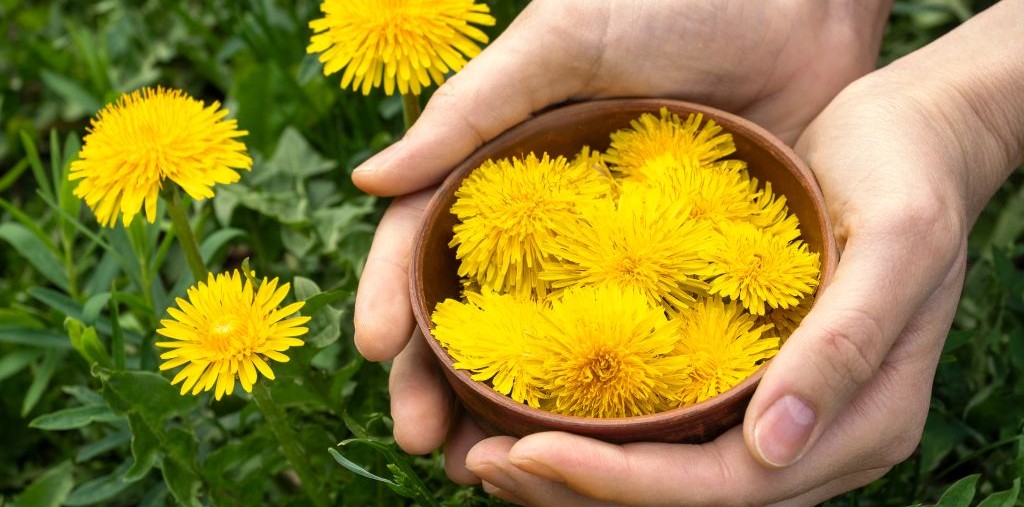
2. Dandelion (Taraxacum officinale)
Dandelion is one of the most accessible and underappreciated liver herbs. Both the root and the leaves have distinct but complementary applications.
Active Compounds: The root contains taraxacin and taraxacerin (bitter sesquiterpene lactones), inulin, and phenolic acids. These compounds stimulate bile production and flow, which is the primary mechanism behind dandelion’s liver support. The leaves are rich in potassium, flavonoids, and bitter compounds that support kidney elimination of water-soluble toxins.
Benefits: Dandelion root is a cholagogue, meaning it stimulates the production and release of bile from the liver and gallbladder. Bile is essential for fat digestion and also serves as a vehicle for eliminating fat-soluble toxins and metabolic waste. Research published in Evidence-Based Complementary and Alternative Medicine has also noted anti-inflammatory and antioxidant activity in dandelion extracts relevant to liver protection.
How to Use: Roasted dandelion root makes an excellent caffeine-free coffee substitute with genuine liver benefits. Fresh root can be decocted (simmered 10 to 15 minutes). Leaves can be eaten raw in salads or brewed as tea. Tincture of the root is a concentrated option. Dandelion root tea is included in the recipe at the end of this article.
Cautions: Avoid with gallstones or bile duct obstruction, as increased bile flow can aggravate these conditions. Use with caution in those on diuretic medications.
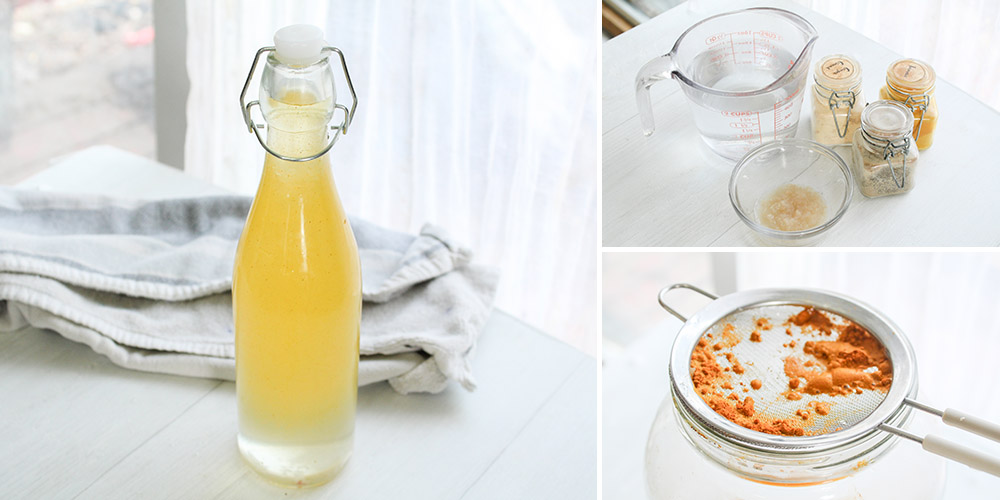
3. Turmeric (Curcuma longa)
Turmeric is the most widely studied anti-inflammatory herb in the world, and its liver benefits are a well-documented part of that profile.
Active Compounds: Curcumin and related curcuminoids are the primary active compounds. Curcumin inhibits NF-kB signaling, a central pathway in the inflammatory response, reduces oxidative stress in hepatocytes, stimulates bile production, and supports Phase 2 detoxification by increasing glutathione levels in the liver.
Benefits: Research published in Nutrients has examined curcumin’s role in non-alcoholic fatty liver disease, with studies showing reductions in liver fat, ALT levels, and inflammatory markers. Turmeric also supports the regeneration of liver tissue and has shown hepatoprotective effects against chemical-induced liver damage in multiple animal and cell studies.
How to Use: Curcumin has notoriously poor bioavailability on its own. Consuming turmeric with black pepper (which contains piperine) increases absorption by up to 2,000 percent according to research published in Planta Medica. Fat also improves absorption, making golden milk (turmeric in warm whole milk or coconut milk with black pepper) a practical and effective preparation.
Cautions: High doses may aggravate gallstones or bile duct issues. Avoid therapeutic doses in pregnancy. May interact with blood-thinning medications.
Burdock is a deep liver and blood herb used across European, Chinese, and Ayurvedic traditions, with a particular reputation for skin conditions rooted in poor liver clearance.
Active Compounds: Burdock root contains inulin (a prebiotic fiber), arctigenin (a lignan with anti-inflammatory and antioxidant properties), polyacetylenes, tannins, and mucilage. Arctigenin has shown hepatoprotective effects in cell and animal research, including protection against lipid peroxidation in liver tissue.
Benefits: Burdock supports liver function through two complementary routes: directly through its antioxidant and anti-inflammatory constituents, and indirectly by acting as a prebiotic that feeds beneficial gut bacteria. A healthy gut microbiome reduces the toxic load presented to the liver by preventing overgrowth of bacteria that produce harmful metabolites. Burdock also has a mild diuretic effect that supports kidney elimination alongside liver detox.
How to Use: Fresh burdock root (called gobo in Japanese cooking) can be eaten as a vegetable. Dried root is decocted as a tea. Tincture is available from herbal suppliers. It is often combined with dandelion root in liver blends.
Cautions: Avoid in pregnancy. Those allergic to the Asteraceae family should use caution.
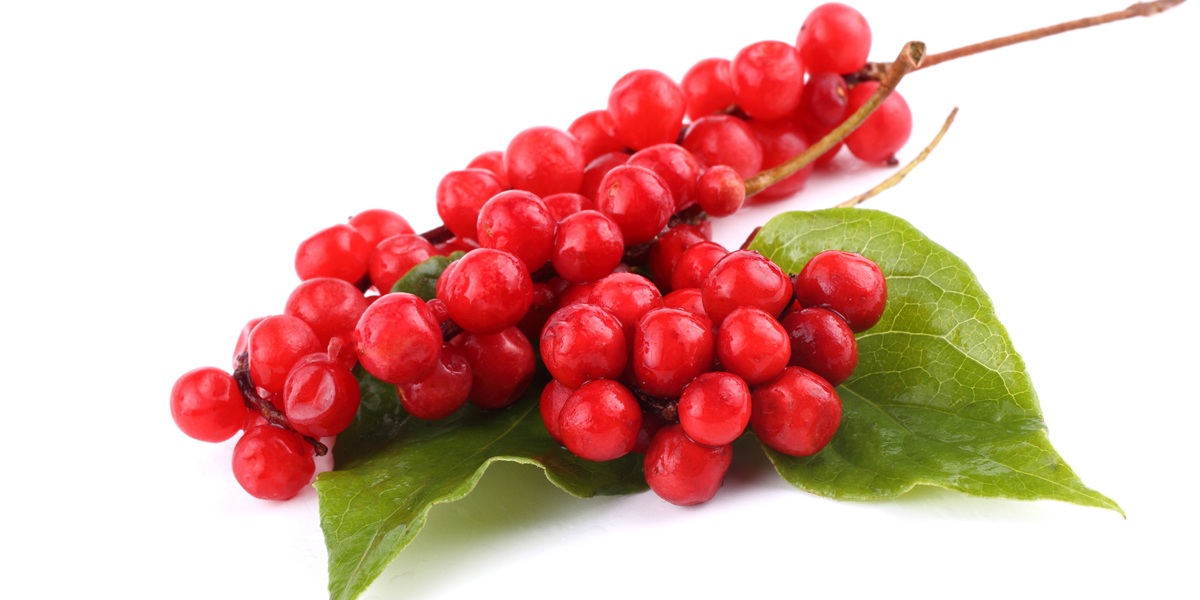
5. Schisandra (Schisandra chinensis)
Schisandra is a key liver herb in Traditional Chinese Medicine and one of the more scientifically interesting plants in this category, with research that goes well beyond traditional use.
Active Compounds: Lignans, particularly schisandrin A, schisandrin B, and schisandrol, are the primary active constituents. These compounds have demonstrated hepatoprotective effects, adaptogenic activity, and the ability to modulate cytochrome P450 enzymes, making Schisandra one of the few herbs that directly interacts with the liver’s Phase 1 detoxification machinery.
Benefits: Research published in Phytomedicine has examined Schisandra extracts in liver disease, with results showing reductions in ALT and AST levels in patients with elevated liver enzymes. It has also shown promise in protecting against hepatotoxicity from drugs and environmental chemicals. As an adaptogen, it helps the body manage physiological stress, which has indirect benefits for liver function since chronic stress elevates cortisol and contributes to liver inflammation.
How to Use: Dried berries can be brewed as a tea with a characteristically complex flavor described as sour, sweet, salty, bitter, and pungent simultaneously. Powder and tincture are also widely available.
Cautions: May interact with medications metabolized by P450 enzymes. Avoid in pregnancy.
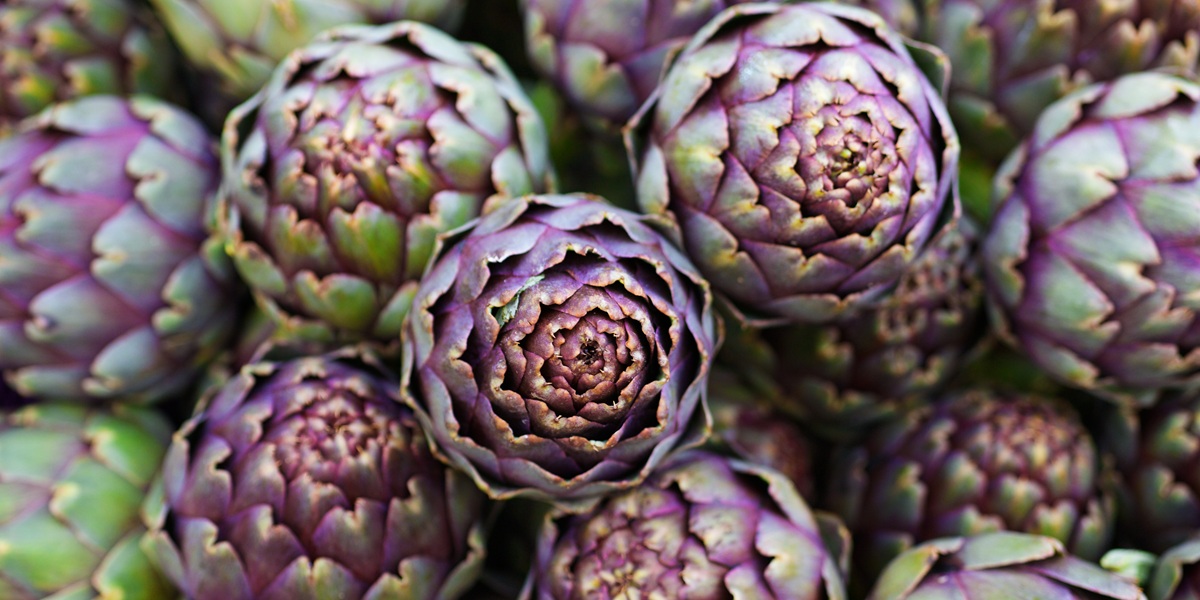
6. Artichoke Leaf (Cynara scolymus)
Artichoke leaf is often overshadowed by milk thistle in liver discussions, but the research behind it is compelling and it works through a meaningfully different mechanism.
Active Compounds: Cynarin and chlorogenic acid are the main bioactive compounds, along with luteolin and other flavonoids. Cynarin is the primary driver of artichoke leaf’s choleretic effect, stimulating the liver to produce more bile and the gallbladder to release it.
Benefits: A systematic review published in the Journal of Cellular Physiology evaluated artichoke leaf extract across multiple studies and found consistent evidence for reductions in total cholesterol and LDL, improvements in liver enzyme levels, and hepatoprotective activity. Because the liver produces cholesterol and packages it into bile, artichoke leaf’s dual action on bile production and cholesterol metabolism makes it particularly useful for metabolic liver conditions.
How to Use: Standardized artichoke leaf extract capsules are the most reliable option for therapeutic use. Artichoke leaf tea can be brewed from dried leaves. Eating the whole artichoke vegetable also delivers cynarin, though in lower concentrations than a leaf extract.
Cautions: Avoid with gallstones or bile duct obstruction. Allergic reactions possible in those sensitive to the Asteraceae family.
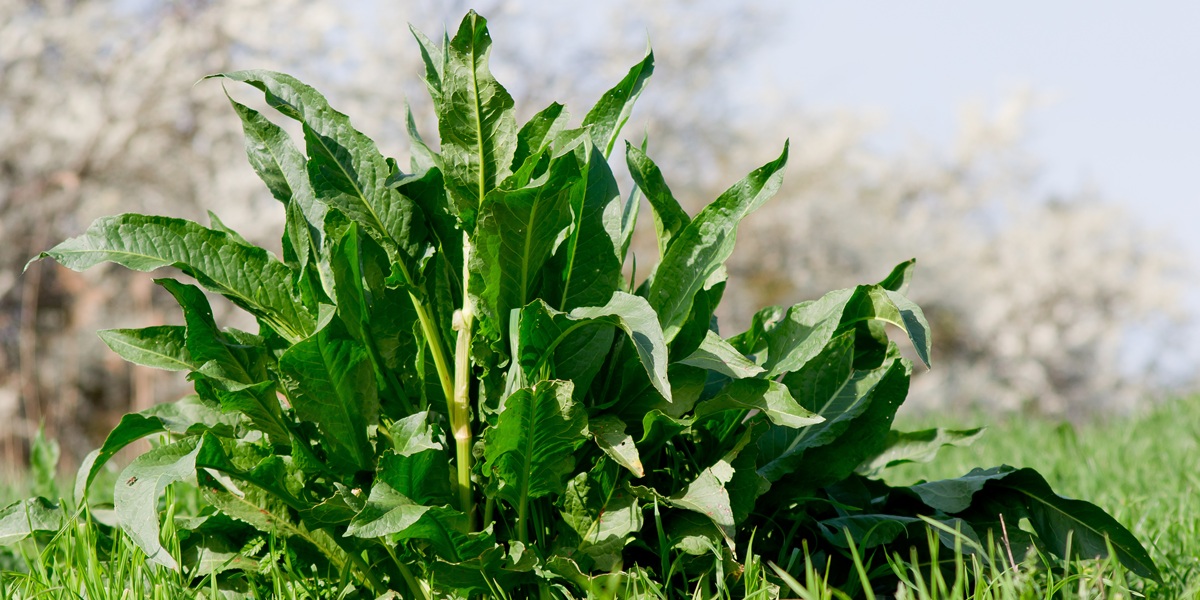
7. Yellow Dock (Rumex crispus)
Yellow dock is a traditional blood and liver herb with a particular application in sluggish digestion and skin conditions linked to impaired liver detox.
Active Compounds: Anthraquinone glycosides (including emodin and chrysophanol) are the primary active constituents, along with tannins and oxalates. The anthraquinones stimulate bile production and have a mild laxative effect on the large intestine, supporting the elimination of toxins that have been processed by the liver and excreted into bile.
Benefits: Yellow dock supports liver detox indirectly by ensuring that bile-bound toxins are efficiently eliminated via the bowel rather than reabsorbed. It is one of the few herbs that addresses this often-overlooked step in the detoxification process. It also has a mild iron-mobilizing effect, making it useful when liver sluggishness is accompanied by mild iron-deficiency symptoms.
How to Use: Root decoction or tincture. Often combined with burdock and dandelion in traditional liver formulas. Use in moderate amounts and not long-term due to the anthraquinone content.
Cautions: High oxalate content means those with kidney stones or a history of oxalate issues should avoid it. Do not use long-term. Avoid in pregnancy.
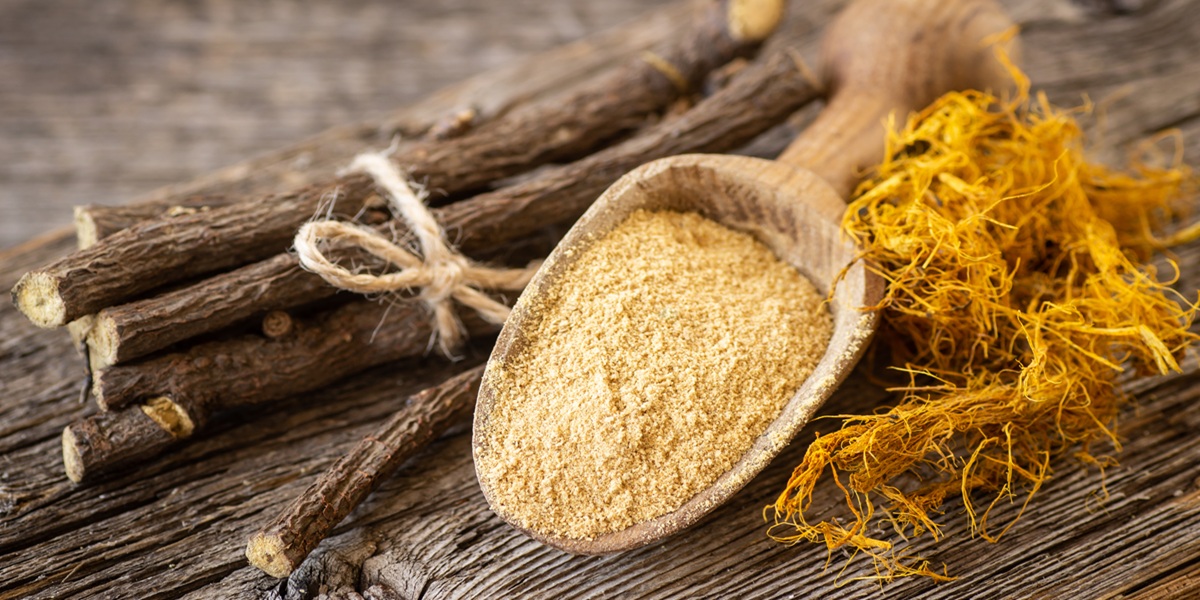
8. Licorice Root (Glycyrrhiza glabra)
Licorice root has a broad therapeutic profile and its liver applications are backed by a notable body of research, particularly in the context of viral hepatitis.
Active Compounds: Glycyrrhizin (also called glycyrrhizic acid) and its metabolite glycyrrhetinic acid are the primary bioactive compounds. Glycyrrhizin has demonstrated anti-inflammatory, antiviral, and hepatoprotective properties. It inhibits the 11-beta-HSD enzyme involved in cortisol metabolism, which has systemic anti-inflammatory consequences. Flavonoids including liquiritigenin contribute antioxidant activity.
Benefits: Intravenous glycyrrhizin has been used in Japan for decades as a treatment for chronic hepatitis B and C, with research showing reductions in liver inflammation and fibrosis progression. Oral licorice root preparations support liver health through anti-inflammatory and antioxidant mechanisms and have shown hepatoprotective effects against chemical-induced liver injury.
How to Use: Root tea, tincture, or deglycyrrhizinated licorice (DGL) supplements. DGL has had the glycyrrhizin removed, which reduces side effects but also reduces some hepatic activity. For liver support, whole root preparations are more relevant than DGL.
Cautions: Glycyrrhizin in high or prolonged doses can cause pseudohyperaldosteronism, leading to elevated blood pressure, sodium retention, and potassium loss. Do not use long-term without professional guidance. Avoid in hypertension, kidney disease, and pregnancy.
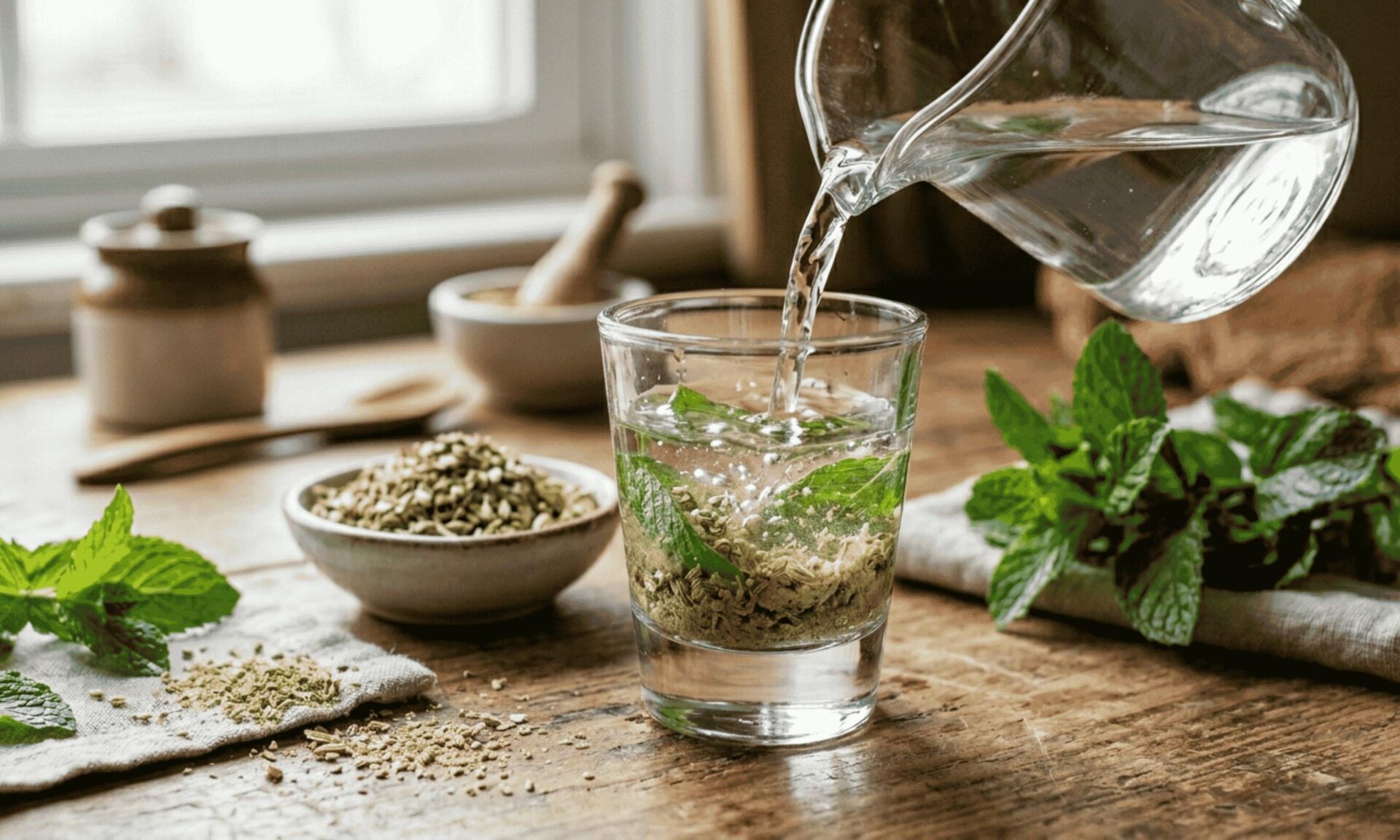
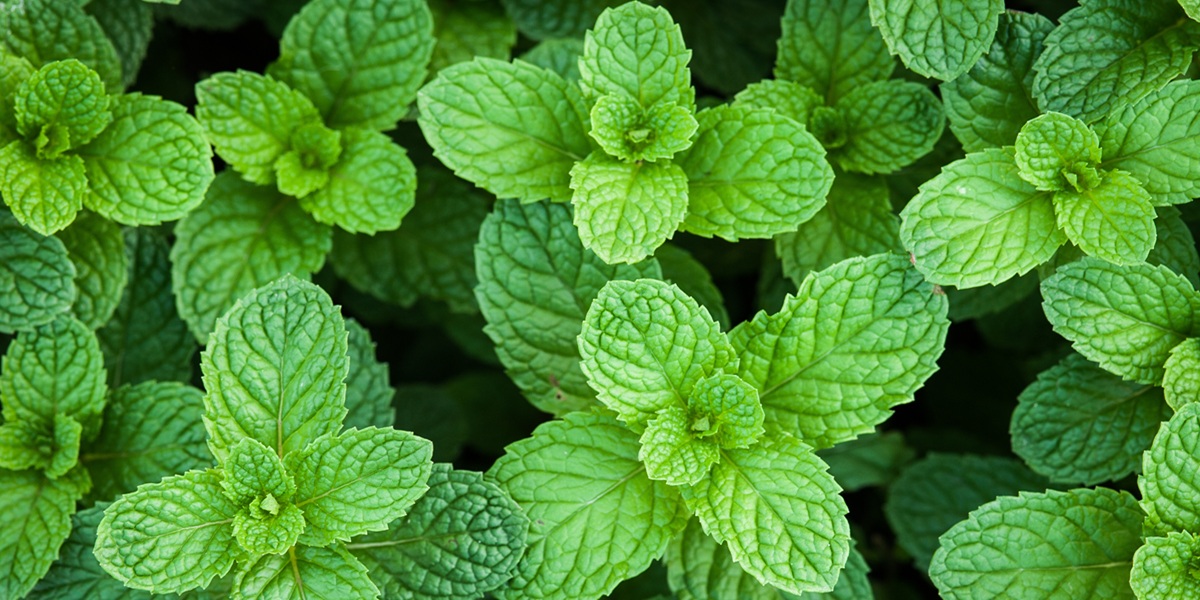
9. Peppermint (Mentha x piperita)
Peppermint‘s liver relevance is less direct than milk thistle or dandelion, but it earns its place in this list through its well-documented action on bile flow and its practical value in liver-support blends.
Active Compounds: Menthol, menthone, and rosmarinic acid are the primary active compounds. Rosmarinic acid is a potent antioxidant and anti-inflammatory agent. Menthol relaxes smooth muscle in the bile duct and gallbladder, facilitating bile flow.
Benefits: Peppermint’s choleretic and antispasmodic effects make it useful for supporting bile flow and easing the digestive discomfort that often accompanies poor liver function, including bloating, nausea, and upper right quadrant heaviness. It also improves palatability in herbal blends, which matters for compliance with a daily detox tea.
How to Use: Fresh or dried leaf tea. Pairs well with dandelion root and lemon balm in detox blends. Enteric-coated peppermint oil capsules are used therapeutically for IBS but are a different application from liver support.
Cautions: Avoid in gastroesophageal reflux disease (GERD) as menthol relaxes the lower esophageal sphincter. Avoid in infants and young children.
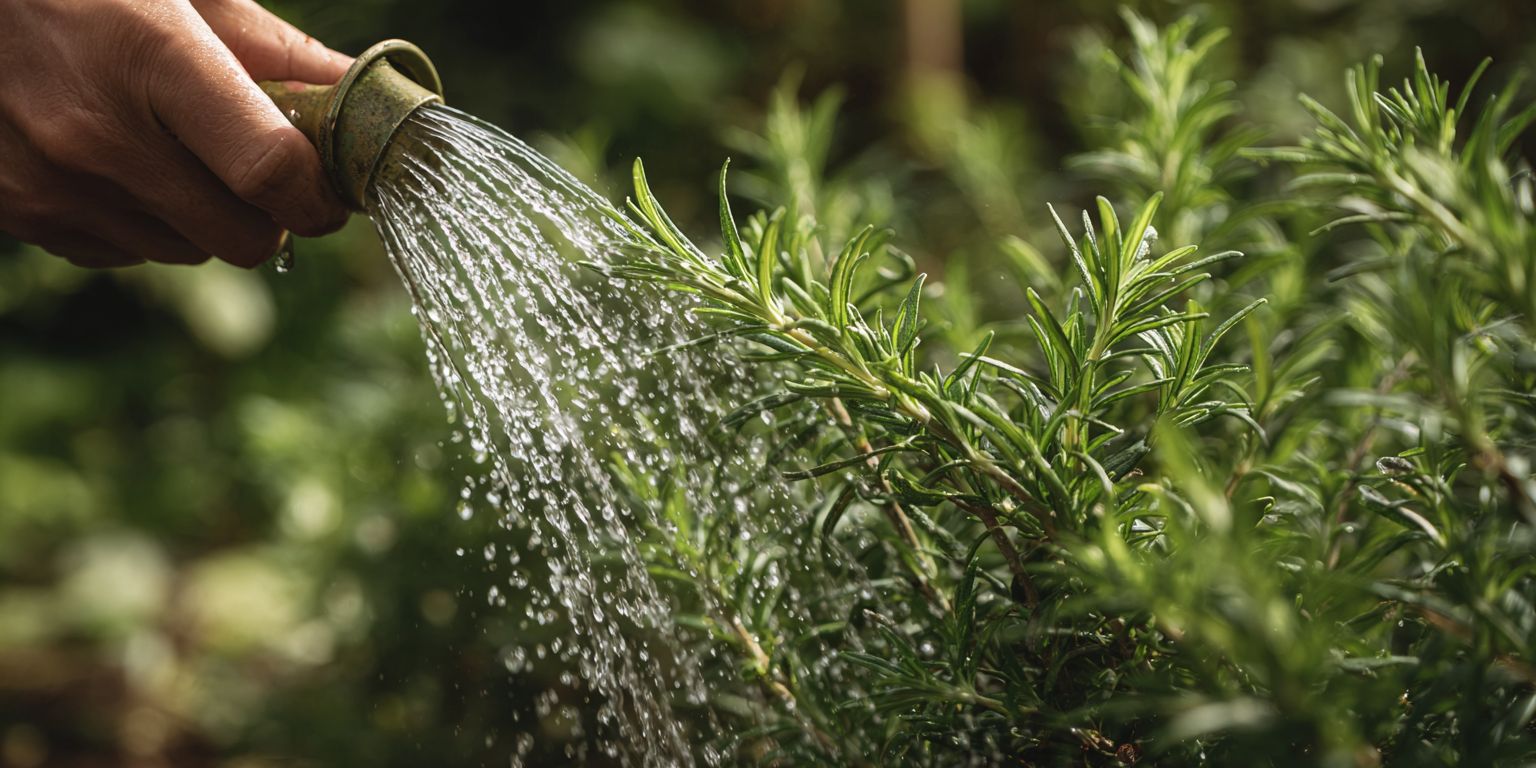
10. Rosemary (Salvia rosmarinus)
Rosemary is primarily known as a culinary herb, but it has a legitimate place in liver health discussions through its antioxidant and Phase 2 detoxification support.
Active Compounds: Carnosic acid, carnosol, and rosmarinic acid are the main bioactive compounds. Carnosic acid and carnosol are potent lipophilic antioxidants that protect cell membranes from oxidative damage. Research has shown that rosemary extract can upregulate glutathione S-transferase activity, one of the key enzymes in Phase 2 liver detoxification.
Benefits: Rosemary supports liver health primarily through its antioxidant protection of hepatocytes and its enhancement of Phase 2 detox enzyme activity. It also has mild choleretic properties. A study published in the British Journal of Nutrition examined rosemary extract’s effects on liver fat accumulation and found measurable reductions in hepatic lipid peroxidation in animal models of fatty liver disease.
How to Use: Regular culinary use is genuinely beneficial. Tea from fresh or dried rosemary provides a reasonable amount of active compounds. Rosemary tincture is available for more concentrated use.
Cautions: Culinary amounts are safe for all. Avoid medicinal doses in pregnancy. High-dose rosemary oil is toxic and should never be taken internally.
11. Lemon Balm (Melissa officinalis)
Lemon balm‘s liver relevance is increasingly supported by research that goes beyond its traditional reputation as a calming herb.
Active Compounds: Rosmarinic acid, caffeic acid, and flavonoids including luteolin and apigenin are the key compounds. Rosmarinic acid, shared with peppermint and rosemary, inhibits inflammatory pathways and provides strong antioxidant activity in liver tissue.
Benefits: Research published in Complementary Medicine Research examined lemon balm extract in patients with elevated liver enzymes and found significant reductions in ALT and AST alongside improvements in lipid profiles. Lemon balm also reduces stress-driven cortisol elevation, which has downstream benefits for liver inflammation. It is a gentle herb well suited to daily use in tea blends.
How to Use: Fresh or dried leaf tea, alone or in blends. Tincture is also available. Works well alongside peppermint and dandelion in a daily liver tea.
Cautions: Very safe for most people. May potentiate sedative medications. Use with caution in thyroid conditions as it may suppress TSH.
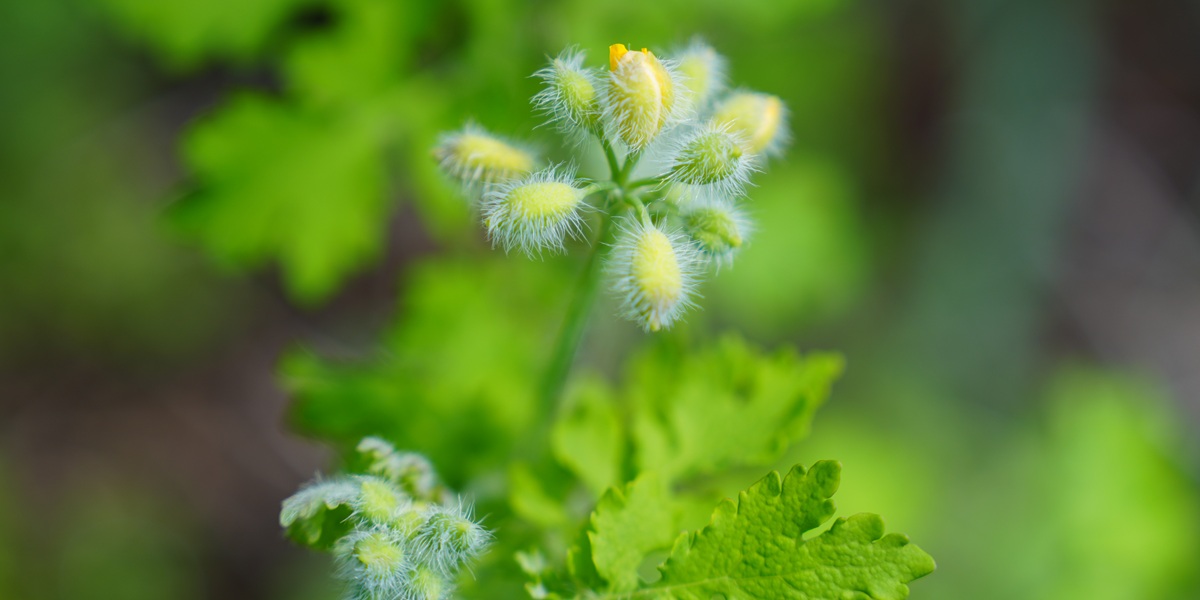
12. Greater Celandine (Chelidonium majus)
Greater celandine is a traditional European liver and gallbladder herb that deserves more attention, though it requires respect due to its potency.
Active Compounds: Isoquinoline alkaloids including chelidonine, coptisine, berberine, and sanguinarine are the primary bioactive compounds. Chelidonine is antispasmodic in the bile duct and has shown hepatoprotective and anti-inflammatory activity in cell research. Berberine has an extensive evidence base of its own for metabolic and liver health.
Benefits: Greater celandine has a long tradition of use in biliary disorders, including bile duct spasm, gallbladder pain, and sluggish bile flow. The antispasmodic action of chelidonine on smooth muscle in the biliary tract provides practical relief for the upper digestive discomfort associated with poor liver function. It also has hepatoprotective activity and has been included in several European herbal liver formulations.
How to Use: Low-dose tincture under professional guidance is the safest approach. It is often found as a component in standardized European liver formulas rather than used alone. This is not an herb for casual self-prescribing.
Cautions: Greater celandine has been associated with hepatotoxicity in rare cases, particularly with prolonged high-dose use. It should not be used without professional guidance, and it should never be used in pregnancy, in those with pre-existing liver disease without medical supervision, or in those on hepatotoxic medications. The German Commission on Phytotherapy has issued cautions around long-term use.
What to Avoid When Supporting Liver Health
Herbs alone will not produce meaningful results if the primary drivers of liver stress remain unchecked. The following are the most significant and most common contributors to impaired liver function:
Excess alcohol: Even moderate regular alcohol consumption is a significant source of oxidative stress in the liver. Herbs support liver regeneration, but they do not neutralize ongoing alcohol-related damage.
Processed seed oils high in omega-6: Linoleic acid in excess promotes hepatic lipid peroxidation. This is a major and underappreciated driver of non-alcoholic fatty liver disease.
Fructose overload: Excess fructose, particularly from high-fructose corn syrup, is metabolized almost entirely in the liver and contributes directly to fatty liver.
Unnecessary medications and supplements: Every drug metabolized by the liver adds to its workload. Review all medications and supplements with your healthcare provider periodically.
Chronic sleep deprivation: The liver performs significant repair and regeneration work during deep sleep. Consistent poor sleep impairs this process.
Herb and Preparation Quick Reference
Milk thistle is the go-to herb for direct hepatoprotection and liver cell regeneration. A standardized extract capsule at 70 to 80% silymarin is the most reliable form. The main caution is for those with Asteraceae family allergies.
Dandelion root works primarily by stimulating bile production and flow, making it one of the most practical everyday liver herbs. It works well as a decoction, tincture, or roasted root tea. Avoid it if you have gallstones or bile duct obstruction.
Turmeric is the leading anti-inflammatory herb for liver support and also enhances Phase 2 detoxification. It must be taken with black pepper and a source of fat to absorb properly. Use with caution if you have gallstones or are on blood-thinning medications.
Burdock root supports the liver through antioxidant activity, prebiotic fiber for gut health, and mild diuretic action. A root decoction or tincture works well, and the root can also be eaten as a vegetable. Avoid in pregnancy and with Asteraceae allergies.
Schisandra berries directly modulate the cytochrome P450 enzymes involved in Phase 1 liver detoxification, making it one of the more mechanistically interesting herbs in this category. Brew the dried berries as a tea or use a tincture. Note that it can interact with medications processed by the same P450 pathway.
Artichoke leaf stimulates bile production and has a well-documented effect on cholesterol metabolism, making it particularly relevant for metabolic liver conditions. Standardized extract capsules deliver the most consistent results, though a leaf tea is also useful. Avoid with gallstones or bile duct obstruction.
Yellow dock supports the elimination phase of detoxification by ensuring bile-bound toxins are efficiently cleared through the bowel rather than reabsorbed. Root decoction or tincture are the standard preparations. It should not be used long-term and should be avoided by those with a history of kidney stones due to its oxalate content.
Licorice root provides anti-inflammatory and antiviral support with particular relevance to hepatitis-related liver damage. Whole root tea or tincture is appropriate for liver use. It should not be used long-term and must be avoided by those with hypertension, kidney disease, or during pregnancy.
Peppermint leaf supports bile flow and eases the digestive discomfort that often accompanies sluggish liver function. A simple leaf tea is all that is needed. Avoid if you have GERD, and keep it away from infants and young children.
Rosemary supports liver health through its potent antioxidant compounds and its ability to upregulate Phase 2 detoxification enzymes. Regular culinary use is genuinely beneficial, and a tea or tincture provides more concentrated support. Avoid medicinal doses during pregnancy.
Lemon balm contributes antioxidant and anti-inflammatory activity with research showing reductions in liver enzymes at supplemental doses. It is gentle enough for daily use in tea blends. Use with caution if you have a thyroid condition or are taking sedative medications.
Greater celandine is a potent biliary antispasmodic with a traditional role in bile duct and gallbladder complaints. It should only be used as a low-dose tincture and ideally under professional guidance. It is not suitable for pregnancy, for those with pre-existing liver disease without medical supervision, or for unsupervised long-term use.
DIY Liver Support Tea Blend
This blend combines several of the herbs above in a daily-use tea format. It is designed for gentle, ongoing liver support rather than aggressive short-term cleansing. The flavors are complementary, with dandelion and burdock providing earthiness, peppermint adding brightness, and lemon balm smoothing the bitterness.
Ingredients (makes approximately 30 servings)
3 tablespoons dried dandelion root, roasted or plain
Step 1: Combine all dried herbs in a bowl and mix thoroughly. Transfer to an airtight glass jar. Label with the date. The dry blend will keep for up to 6 months in a cool, dark place.
Step 2: For each serving, measure 1 heaped teaspoon of the blend per cup of water. Because the blend contains roots (dandelion, burdock, milk thistle), a decoction method works better than simple steeping.
Step 3: Add the measured herbs to cold water in a small saucepan. Bring to a gentle simmer over medium-low heat. Simmer for 10 to 12 minutes.
Step 4: Remove from heat. If you have added the peppermint and lemon balm loose rather than in a separate infusion, leave the tea covered for a further 5 minutes before straining. This preserves the volatile oils in the leaf herbs that would otherwise be lost during simmering.
Step 5: Strain through a fine mesh strainer or cheesecloth into a mug. Add a small amount of raw honey if desired. Drink 1 to 2 cups daily, ideally before meals to maximize the bile-stimulating benefit.
Notes
For a cleaner preparation, you can decoct only the roots (dandelion, burdock, milk thistle, licorice) and then steep the leaf herbs (peppermint, lemon balm) separately in the hot strained liquid for 5 minutes before drinking. This preserves the aromatic compounds in the leaf herbs more effectively.
Do not use this blend continuously for more than 6 to 8 weeks without a break. If you are on any medications, consult your healthcare provider before using this or any herbal preparation daily, as several of these herbs interact with medications metabolized by the liver.
When Herbs Are Not Enough
Herbal liver support is appropriate for general wellness, mild sluggishness, and supporting recovery from dietary or lifestyle-driven stress on the liver. It is not a substitute for medical care in the following situations:
Persistent fatigue, jaundice (yellowing of skin or eyes), or dark urine, which may indicate serious liver impairment
Known liver disease including cirrhosis, hepatitis B or C, or autoimmune hepatitis, where herbal use should be supervised
Significantly elevated liver enzymes confirmed by blood testing
Any scenario where you are taking medications that are processed by the liver
The herbs in this guide are tools for supporting a functioning liver, not for treating liver disease. If you have concerns about your liver health, blood tests measuring ALT, AST, GGT, and bilirubin levels will give you a factual picture of where you stand before you decide on an herbal protocol.
The Herbal Knowledge Our Grandparents Never Wrote Down
Many of the herbs in this guide were once common knowledge. Families knew when to harvest them, how to prepare them, and which remedies to keep on hand for everyday health concerns. Unfortunately, much of that wisdom has been forgotten.
Forgotten Home Apothecary brings together more than 250 time-tested herbal remedies, traditional recipes, tinctures, syrups, salves, teas, and natural healing preparations used by generations before modern pharmacies existed. Whether you’re interested in supporting liver health, building a natural medicine cabinet, or becoming more self-reliant, this book is an invaluable resource.
The liver is resilient and capable of significant self-repair, but it works better when it is given the right inputs. The herbs covered in this guide support that process through distinct but often complementary mechanisms: some stimulate bile production, some protect and regenerate hepatocytes, some enhance Phase 2 detoxification enzymes, and some reduce the inflammatory burden on liver tissue.
No single herb does everything. A thoughtful combination, used consistently at appropriate doses, over a realistic timeframe, will produce better results than rotating through individual herbs or expecting overnight results from a weekend cleanse. Start with the daily tea blend, give it six to eight weeks, and build from there based on how you feel and what your bloodwork shows.
We use cookies to ensure that we give you the best experience on our website. If you continue to use this site, we will assume that you are happy with it.
Functional Always active
The technical storage or access is strictly necessary for the legitimate purpose of enabling the use of a specific service explicitly requested by the subscriber or user, or for the sole purpose of carrying out the transmission of a communication over an electronic communications network.
Preferences
The technical storage or access is necessary for the legitimate purpose of storing preferences that are not requested by the subscriber or user.
Statistics
The technical storage or access that is used exclusively for statistical purposes.The technical storage or access that is used exclusively for anonymous statistical purposes. Without a subpoena, voluntary compliance on the part of your Internet Service Provider, or additional records from a third party, information stored or retrieved for this purpose alone cannot usually be used to identify you.
Marketing
The technical storage or access is required to create user profiles to send advertising, or to track the user on a website or across several websites for similar marketing purposes.



 2. Dandelion (Taraxacum officinale)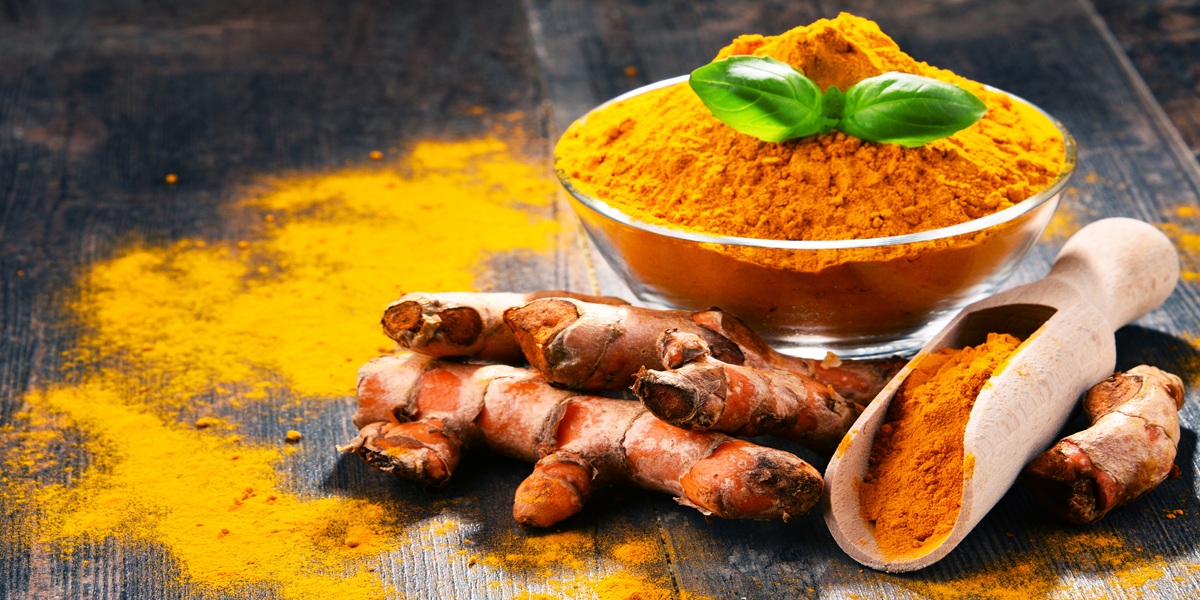
 3. Turmeric (Curcuma longa)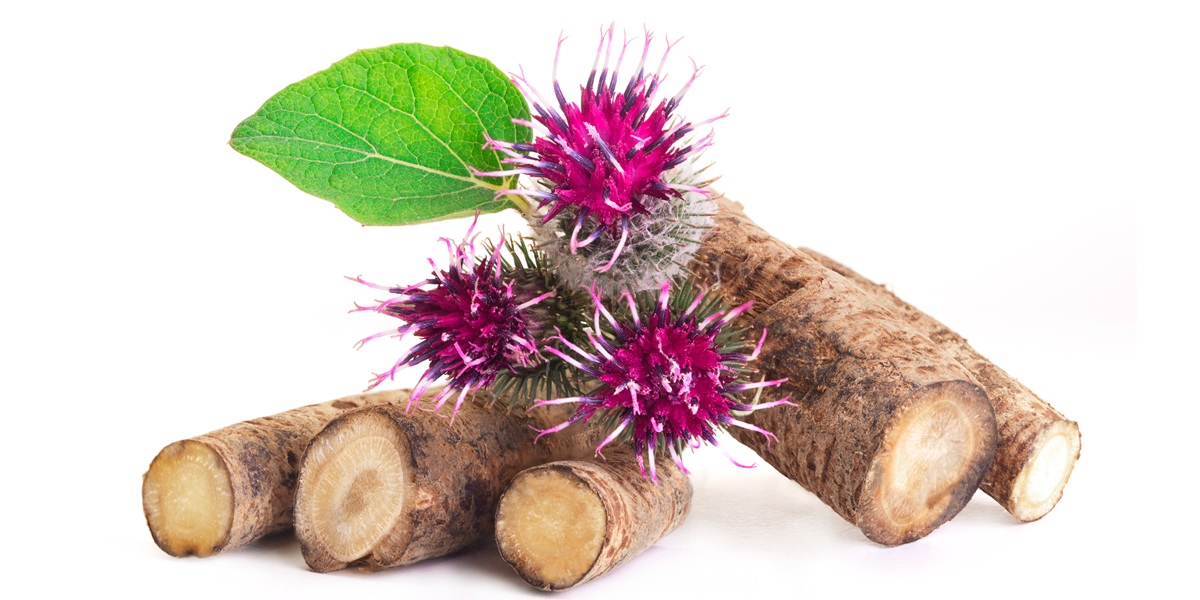
 10. Rosemary (Salvia rosmarinus)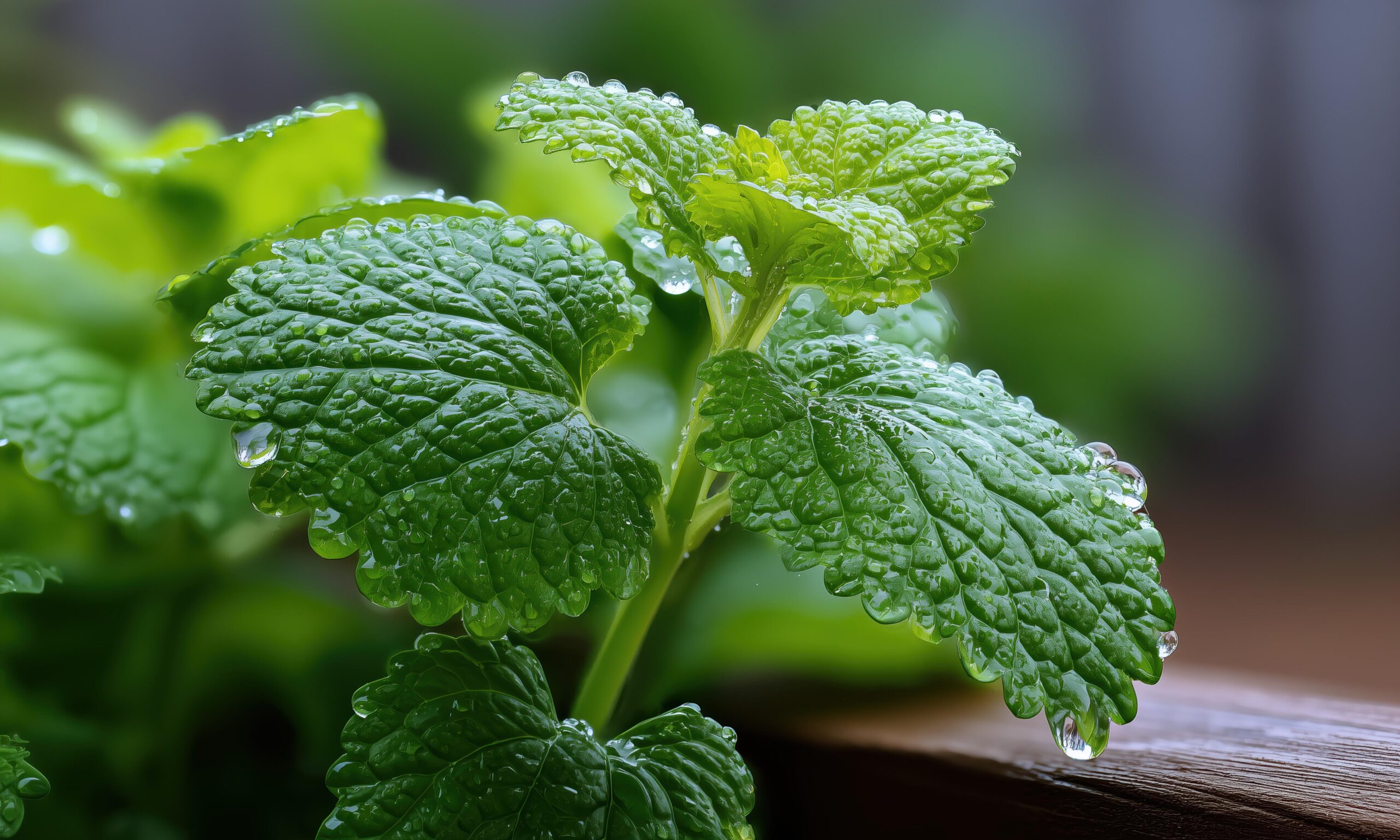
 11. Lemon Balm (Melissa officinalis)