Something remarkable is happening in hospitals across America—and they’re not exactly advertising it.
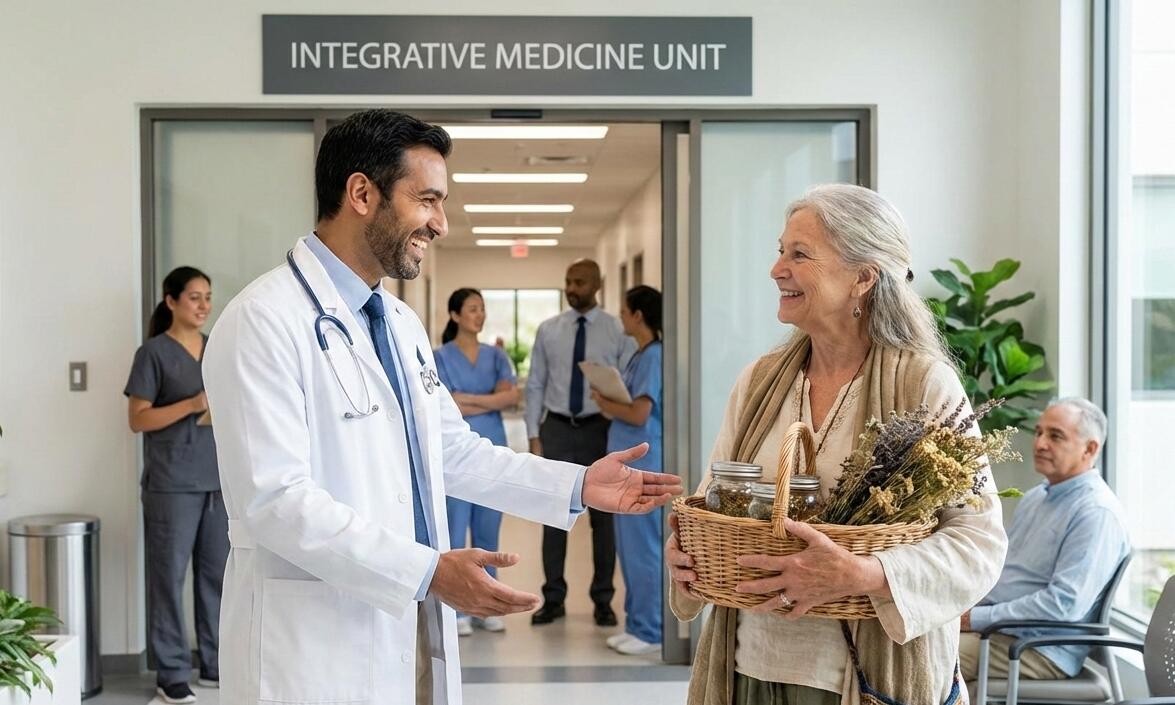
Major medical centers are quietly hiring herbalists. Cancer treatment facilities are dispensing Chinese herbal formulas. Academic hospitals are running clinical trials on mushroom extracts. The NHS in Britain has an official Herbal Medicine Service.
These are the same institutions that, for decades, dismissed plant medicine as “quackery” and “unscientific.” The same hospitals that insisted pharmaceuticals were the only legitimate treatment. The same medical establishment that marginalized herbalists and told patients to ignore traditional remedies.
So what changed?
The evidence became impossible to ignore. Patients kept reporting better results with fewer side effects. Studies kept proving that ancient remedies actually work.
And perhaps most importantly, people started demanding access to the medicine that had served humanity for thousands of years before Big Pharma existed.
Now, hospitals are integrating herbal medicine into patient care—not because they suddenly believe in it, but because they can’t afford not to anymore.
The Institutions That Finally Surrendered
Let’s look at who’s quietly bringing herbalists onto staff:
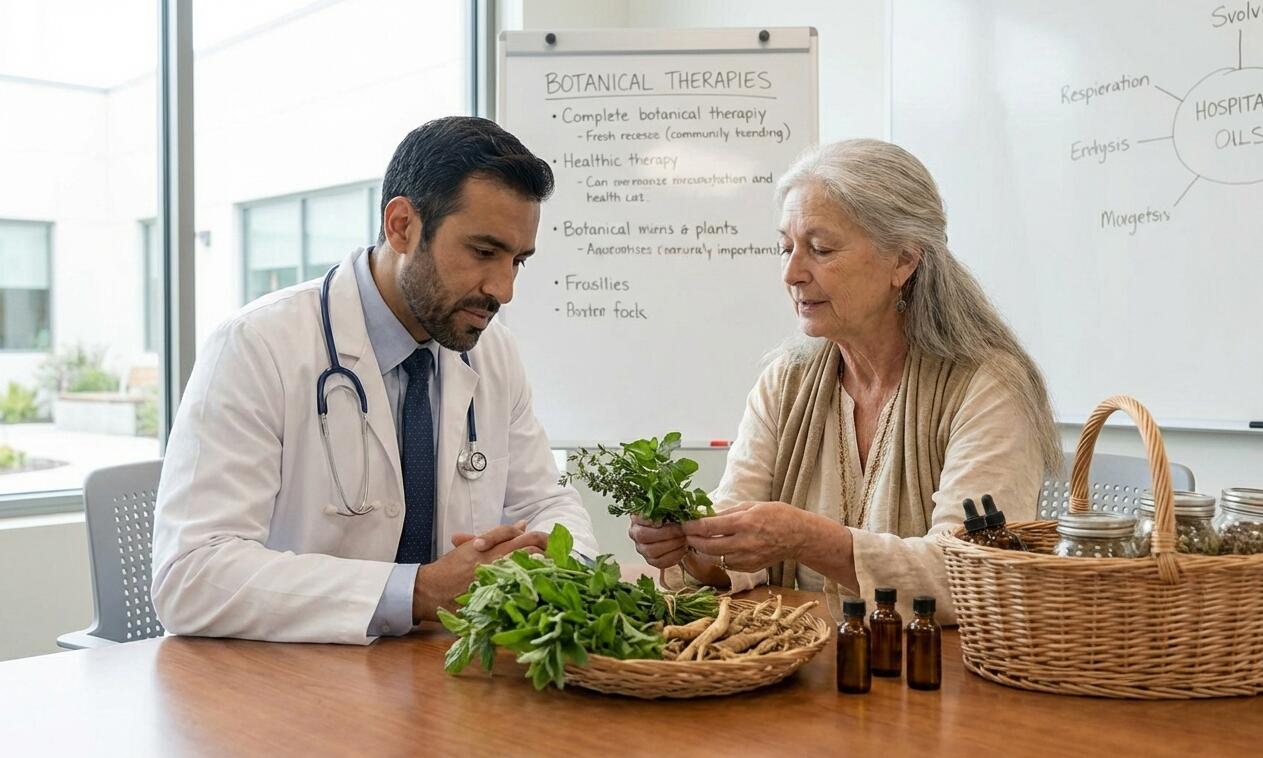
Cleveland Clinic – One of America’s most prestigious hospitals now offers “Chinese herbal therapy” through board-certified herbalists. When doctors suggest Chinese herbs, patients “meet with our trained herbalists…
They create therapeutic herbal formulas made mostly from plants to relieve symptoms from chronic conditions.” These herbal prescriptions are overseen like any other treatment—recorded in charts, quality-controlled, professional.
Memorial Sloan Kettering Cancer Center – MSK’s Herbal Oncology Program integrates Traditional Chinese Medicine herbs for cancer patients. In a recent study, they dispensed over 1,200 quality-controlled herbal formulas for symptoms like nausea, pain, fatigue, and insomnia.
About 71% of patients were satisfied with their herbal therapies. The program’s leaders conclude that integrating herbal medicine into academic oncology is not just feasible—it’s working.
The National Cancer Institute reports that PSK (polysaccharide-K) from turkey tail is an approved adjuvant cancer therapy in Japan with immunomodulatory effects and a strong safety record. Its ability to bolster immune responses makes it a valuable ally when you need your body’s defenses at their best.
Thomas Jefferson University – In 2019, Jefferson became the first U.S. medical school to create a Department of Integrative Medicine, placing herbal and nutritional science on equal footing with other clinical departments. As Jefferson faculty note, integrative care now “supplements good medical care and adds value to treatment.”
Royal London Hospital (UK) – In 2008, the NHS launched Britain’s first-ever Herbal Medicine Service, prescribing plant-based therapies under the national healthcare system. Today it continues providing evidence-informed herbal consultations alongside conventional care.
Ohio State University’s James Cancer Center – OSU’s integrative oncology program is directed by Dr. N. Anton Borja, who is board-certified in both family medicine and Chinese medicine. He openly uses “botanical/herbal medicine” as part of cancer patient care.
City of Hope – This California cancer center established a $100 million Cherng Center for Integrative Oncology that actively researches herbs and natural products.
They’re running clinical trials on white button mushroom extract for breast and prostate cancer, developing cannabis-based formulations for chemotherapy neuropathy, and studying compounds like baicalein from skullcap as potential anti-cancer agents.
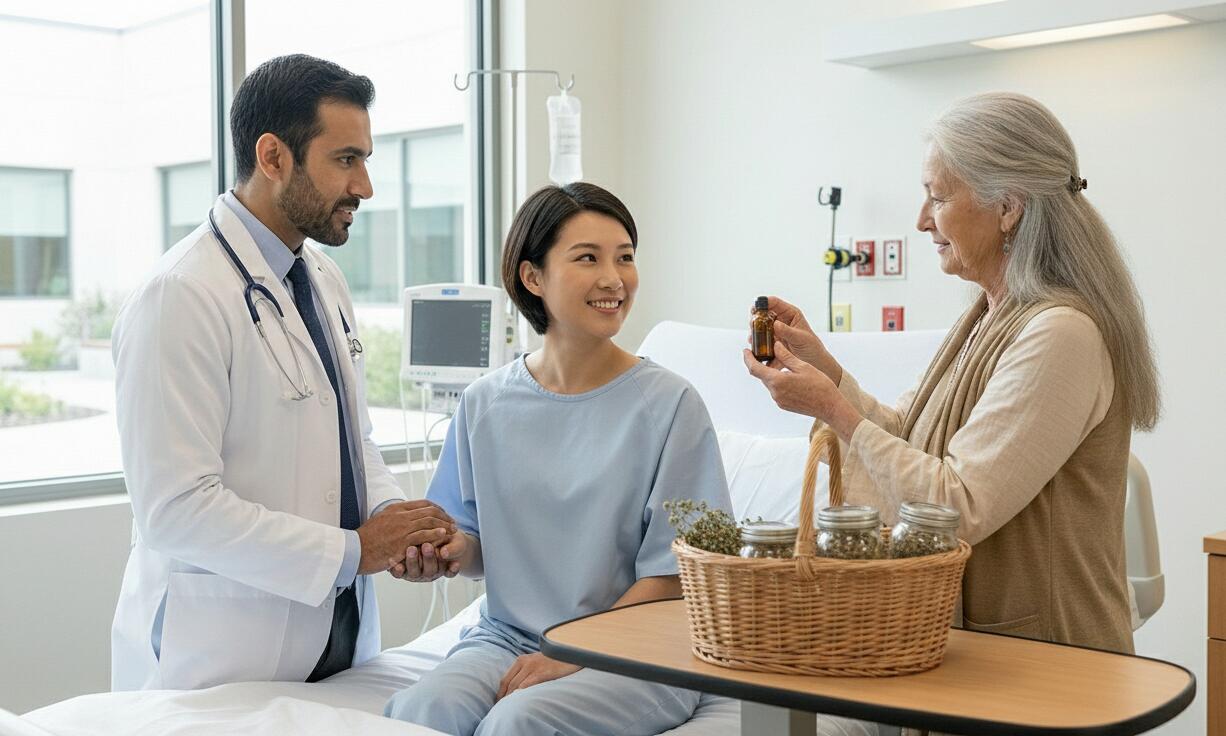
Mayo Clinic, Brigham & Women’s, Duke, Harvard, Stanford, Johns Hopkins—all now offer wellness programs or consultations that include botanicals. In each case, herbal treatments are handled scientifically: dispensaries staff pharmacists, formulas are quality-controlled, usage is recorded in patient charts just like pharmaceuticals.
What they’re not doing? Bragging about it publicly. No press conferences announcing “We were wrong about herbal medicine!” Just quiet integration while they figure out how to maintain credibility.
What Herbs Are Hospitals Actually Using?
The plants and fungi being dispensed in these programs might surprise you—because they’re the same remedies herbalists have recommended for centuries:
In MSK’s program, doctors dispense classic TCM formulas for cancer symptoms: Hemp Seed Pill (MaZiRenWan) for constipation, various herbs for fatigue, insomnia, and nausea.
City of Hope’s clinical trials include mushroom extracts (white button mushroom, reishi), plant compounds (baicalein from skullcap), and medical cannabis preparations.
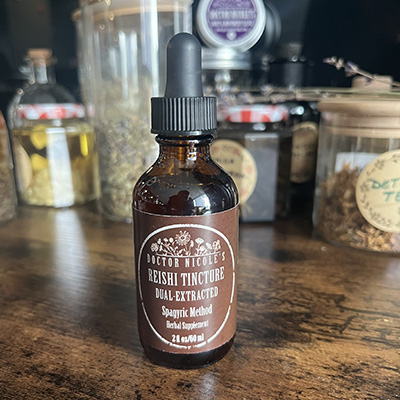
For 2,000 years, Traditional Chinese Medicine called Reishi the “Mushroom of Immortality” for its immune-supporting and anti-inflammatory properties. Now Western medicine is finally catching up.
Why are hospitals interested? Reishi contains compounds (triterpenes and polysaccharides) that support immune function, reduce inflammation, and improve quality of life during serious illness—exactly what cancer patients need alongside conventional treatment.
The problem? Most Reishi supplements are weak. Powders lack potency. Capsules are diluted. You need dual-extraction to get both water-soluble and alcohol-soluble compounds.
Across integrative centers, commonly recommended herbs include ginger for nausea, turmeric/curcumin for inflammation, and St. John’s wort for mild depression—all backed by research that mainstream medicine can no longer dismiss.
Here’s the irony: many modern pharmaceuticals are just isolated compounds from these same plants. Aspirin came from willow bark. But instead of giving patients the whole plant with its natural synergistic compounds, pharmaceutical companies isolated one molecule, patented it, and charged premium prices.
Now hospitals are quietly acknowledging that sometimes the original plant works better.
Think about how an aspirin pill looks: white, synthetic, lab-made. Now think about how willow bark looks: natural, brown, from a tree.
Aspirin is acetylsalicylic acid—isolated, concentrated, patented. It works. But it also causes stomach bleeding, ulcers, and kidney damage with long-term use.
Willow bark? It contains salicin (aspirin’s natural precursor) PLUS tannins that protect your stomach lining. The whole plant, not just one molecule.
And it’s not like willow is rare. It grows all over North America.
I learned how to make my own natural aspirin from willow bark, and I’m telling you—it’s the closest you can get to nature without the side effects of synthetic pills.
The evidence is what forced hospitals’ hands. A German study found that most patients “experienced herbal medicine as better, with more sustainable effects and fewer side effects” than conventional treatments.
In the MSK herbal oncology trial, 70.9% of patients were satisfied with how the formulas relieved their symptoms. Side effects were rare and mild. Patient satisfaction was high.
Patients in interviews stressed that they prefer natural treatments and often experience better results. One 2019 survey found nearly 60% of U.S. cancer patients self-prescribed herbs during or after treatment, with or without their doctors’ approval.
That’s the real pressure point: Patients were using herbs anyway. Hospitals had a choice—continue pretending herbal medicine doesn’t exist and lose credibility, or integrate it under medical supervision and maintain some control.
They chose integration. But they’re doing it quietly.
Dr. Nicole Apelian knows what it’s like when doctors have no answers.
At 29, she was diagnosed with Multiple Sclerosis—an “incurable” autoimmune disease. Doctors told her she’d be in a wheelchair for life. She was bedridden, in constant agony, unable to walk.
She tried every medicine—Western, Eastern, mainstream, alternative—and only got sicker.
Then she stopped managing symptoms and started addressing root causes. She developed a complete holistic protocol: specific foods, remedies with Lion’s Mane, Reishi, Cordyceps, Turkey Tail, stress relief, gut healing, anti-inflammatory practices—morning, noon, and evening, every day.
The result? She went from bedridden to surviving 57 days alone in the wilderness on the History Channel’s show Alone. She hasn’t taken a single MS drug in 20 years.
Here’s what Nicole says: “Pills make you less sick but not healthy. Holistic protocols tackle the root cause.”
If you don’t follow a protocol—if you just take random herbs without addressing food, stress, gut health, sleep—you risk inevitable damage. Your body needs a complete system, not scattered remedies.
The World Health Organization now recognizes herbal medicine as “an essential component of primary healthcare.” The WHO notes that in some countries like North Korea, all doctors are trained in both conventional and traditional herbal medicine.
This global perspective reinforces what herbalists have known all along: plant medicine isn’t “alternative”—it’s foundational. For most of human history, it was the only medicine. Only in the last century did pharmaceutical companies convince us that synthetic drugs were superior.
Now the evidence shows that’s not always true. And institutions can no longer maintain the pretense.
From “Voodoo” to Mainstream (In Just One Decade)
As one Jefferson University report observes, what was once dismissed as “voodoo” or “weird medicine” is “increasingly becoming part of the mainstream.”
Leading medical schools like Mayo, Harvard, Johns Hopkins, and Stanford now offer complementary wellness programs and have added integrative medicine courses to their curricula. Jefferson calls the creation of its Integrative Medicine department “historic”—because it is.
As Dr. Monti of Jefferson emphasizes, “Integrative medicine supplements good medical care” using only science-backed therapies alongside standard treatment.
Translation: We’re finally admitting that herbal medicine works, but we’re going to frame it as “supplementing” our superior conventional treatments.
The emotional relief for many patients is profound. Long-held beliefs in natural healing are being validated by mainstream clinics and research. People report joy and gratitude seeing their herbal traditions respected alongside modern medicine.
But let’s be clear about what’s really happening: Hospitals aren’t embracing herbal medicine out of newfound wisdom. They’re doing it because the evidence became undeniable, patient demand became unavoidable, and maintaining the old position became untenable.
Hospitals are hiring herbalists. Or you can become one yourself.
Dr. Nicole Apelian teaches you the same knowledge hospitals are now paying professionals for—on video, step by step, in the field and in the kitchen.
You’ll learn to:
Identify medicinal plants in the wild (no more guessing)
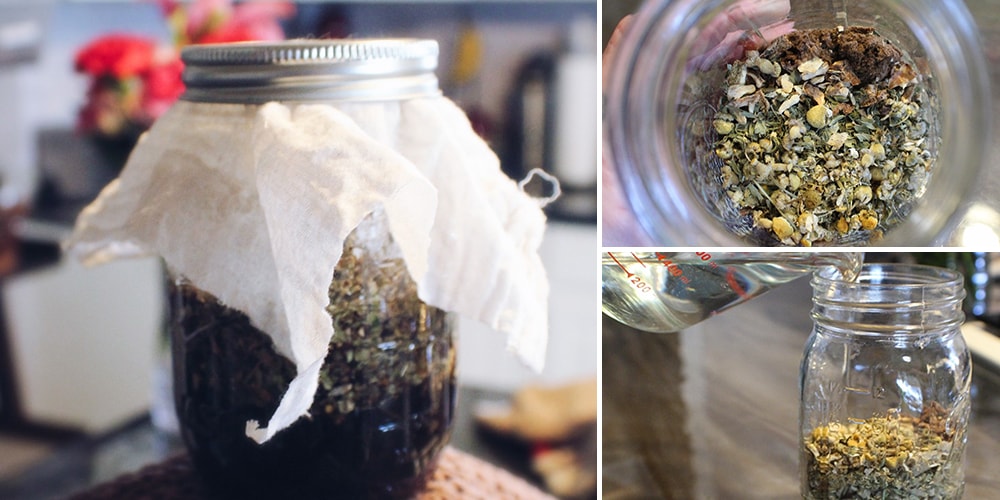
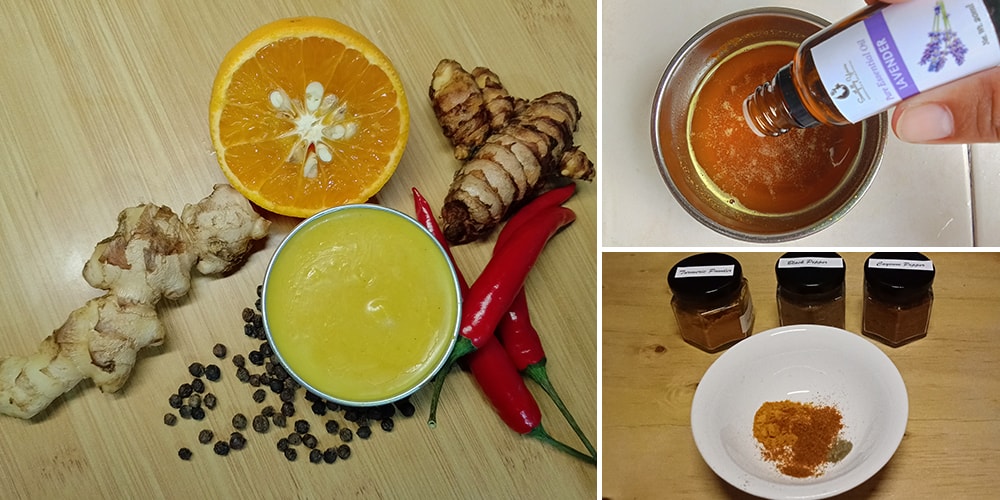
Make potent remedies from scratch (tinctures, salves, syrups, elixirs)
Recognize plants by sight (so you never depend on stores)
Create custom formulas for your family’s specific needs
And when you graduate, you receive a diplomawith your name—certifying your knowledge in natural remedies.
Imagine being the person your family turns to when someone is sick. The one who knows what plant to use, how to prepare it, and why it works.
Hospitals spent decades denying this knowledge. Now they’re desperately hiring people who have it.
The medical establishment fought this for decades. They ridiculed herbalists, dismissed traditional knowledge, and insisted that only patented pharmaceuticals were legitimate medicine. Now they’re quietly hiring the very practitioners they once marginalized—because they can’t stop what works.
The Forgotten Knowledge Finally Returns to You
For decades, hospitals dismissed herbal medicine as “quackery.” They told you only pharmaceuticals work. They marginalized the herbalists, ridiculed traditional knowledge, and convinced you to ignore your grandmother’s remedies.
Now they’re quietly hiring herbalists and dispensing the same plants they once called worthless.
The knowledge was never lost. It was suppressed. And it belongs to you—not to institutions that spent 50 years denying its existence.
Part of me says “this is great, they finally admit what they’ve always known, but denied – plant medicine works. ALL of their pharma comes from plants, so we know they know it.
The problem is ….. they define anything that treats a symptom or disease as a “drug”. A “drug” must be controlled. How soon before they mandate control of herbs and outlaw growing your own? Be vigilant. They are not to be trusted.
Oh, I SURE AGREE WITH YOU!!! Any industry that would, for over 140 years, cause needless suffering and early deaths of millions, can NEVER be trusted again!!!!!
We use cookies to ensure that we give you the best experience on our website. If you continue to use this site, we will assume that you are happy with it.
Functional Always active
The technical storage or access is strictly necessary for the legitimate purpose of enabling the use of a specific service explicitly requested by the subscriber or user, or for the sole purpose of carrying out the transmission of a communication over an electronic communications network.
Preferences
The technical storage or access is necessary for the legitimate purpose of storing preferences that are not requested by the subscriber or user.
Statistics
The technical storage or access that is used exclusively for statistical purposes.The technical storage or access that is used exclusively for anonymous statistical purposes. Without a subpoena, voluntary compliance on the part of your Internet Service Provider, or additional records from a third party, information stored or retrieved for this purpose alone cannot usually be used to identify you.
Marketing
The technical storage or access is required to create user profiles to send advertising, or to track the user on a website or across several websites for similar marketing purposes.



Part of me says “this is great, they finally admit what they’ve always known, but denied – plant medicine works. ALL of their pharma comes from plants, so we know they know it.
The problem is ….. they define anything that treats a symptom or disease as a “drug”. A “drug” must be controlled. How soon before they mandate control of herbs and outlaw growing your own? Be vigilant. They are not to be trusted.
Oh, I SURE AGREE WITH YOU!!! Any industry that would, for over 140 years, cause needless suffering and early deaths of millions, can NEVER be trusted again!!!!!