
The Complete Guide to Herbs for Sleep & Stress
Few things wear a person down like the combination of stress by day and restless nights. You lie in bed exhausted, yet your mind keeps replaying conversations, bills, and tomorrow’s to-do list. Then you wake up tired, face another stressful day, and the cycle starts again.
Herbalists have reached for calming plants to break that cycle for centuries, and some of those plants now have genuine clinical research behind them. Others have a long tradition but very little proof, and a few carry real risks that rarely make it onto the label.
This guide brings all of it together in one place. You’ll learn how calming herbs are grouped, which ones suit your particular pattern of stress or sleeplessness, what the research honestly shows, how to prepare them, and which safety rules matter most.
Why Stress and Sleep Are Really One Problem
Your body runs on a daily rhythm. Stress hormones such as cortisol naturally rise in the morning to get you going and fall in the evening so you can wind down.
Chronic stress blurs that rhythm. The nervous system stays on alert after dark, which makes it harder to fall asleep and easier to wake at 3 a.m. with your heart racing.
Poor sleep then lowers your tolerance for stress the next day, so the two problems feed each other. That is why the most useful herbs for this territory work on calm as much as on sleep, and why the long-term effects of stress on the body, covered in our guide on what long-term stress really does to your organs, are worth taking seriously.
First, an Honest Look at the Evidence
Before we talk about individual plants, it helps to set realistic expectations. According to the National Center for Complementary and Integrative Health (NCCIH), cognitive behavioral therapy for insomnia (CBT-I) remains the most strongly recommended treatment for chronic insomnia. The same review describes the evidence for most herbal sleep aids as inconsistent or too limited for firm conclusions.
That doesn’t mean herbs are useless. Several have encouraging trials, and many people find that a calming tea or tincture makes it easier to stick with good sleep habits. It does mean herbs work best as one part of a bigger plan, not as a replacement for addressing the cause of the problem.
Throughout this guide, we’ll be clear about which findings come from solid trials, which come from small or industry-funded studies, and which rest mainly on tradition. You deserve to know the difference before you spend money or put something in your body.
The Three Families of Calming Herbs
Herbalists traditionally sort calming plants into three broad groups. Knowing which group an herb belongs to tells you a lot about how and when to use it.
Nervines: Gentle Calm You Can Use Day or Night
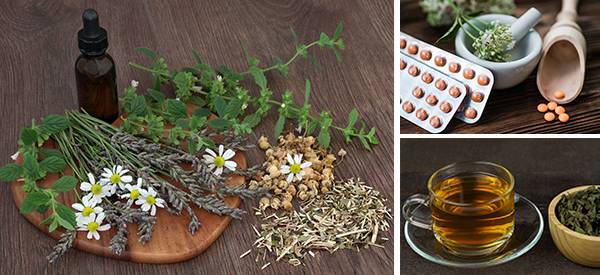
Nervines are herbs traditionally used to soothe the nervous system without heavy sedation. Chamomile, lemon balm, lavender, passionflower, skullcap, and milky oats all fall into this family.
Most nervines are mild enough to sip during a tense afternoon and still useful at bedtime. They are usually the best starting point for beginners.
Sedatives: Herbs Reserved for Nighttime
Sedative herbs, sometimes called hypnotics in older texts, are used specifically to encourage sleep. Valerian and hops are the classic examples, and passionflower moves into this category at higher amounts.
Because they can cause drowsiness, these herbs belong in the evening only. They should never be combined with alcohol, sleeping pills, or other sedating medication.
Adaptogens: Support for Long-Term Stress Load
Adaptogens are herbs traditionally used to help the body cope with ongoing stress rather than to produce an immediate calming effect. Ashwagandha, rhodiola, and holy basil are the best known.
Adaptogens are typically taken daily for several weeks, and their benefits, where they exist, tend to build gradually. We cover several of them in more depth in our article on herbs that reduce cortisol.
Find Your Pattern: Matching Herbs to Your Problem
Not all sleeplessness is the same, and matching the herb to your pattern makes a real difference. Here are the most common patterns herbalists see and the plants traditionally chosen for each.
“My Mind Won’t Switch Off at Bedtime”
If your body is tired but your thoughts keep racing, nervines that ease mental tension are the natural first choice. Passionflower, lemon balm, and chamomile are traditional favorites here, often combined in one evening tea.
“I Fall Asleep Fine but Wake in the Night”
Middle-of-the-night waking has many causes, including alcohol, blood sugar dips, pain, reflux, and sleep apnea, so it is worth looking for the trigger first. Among herbs, chamomile has some of the more interesting evidence for reducing night waking, which we cover below.
“I’m Wired and Exhausted at the Same Time”
This tired-but-wired feeling often follows months of stress. Adaptogens such as ashwagandha are traditionally used here, taken consistently over weeks rather than as a one-night fix.
“Stress Hits Me Hardest During the Day”
For daytime tension, gentle nervines like lemon balm work without leaving you groggy. Rhodiola is sometimes used in the morning for stress-related fatigue, but never at night, for reasons explained below.
“My Whole Body Feels Tense”
When physical tension keeps you awake, valerian is the herb most people reach for, often combined with hops. Skullcap is another traditional choice, though its clinical research is limited.
The Herbs, One by One
Below is what the research shows for the most widely used herbs, along with how they are traditionally taken and the cautions that matter. Where an herb carries interaction or pregnancy risks, you’ll find them flagged in a red safety box.
Chamomile (Matricaria chamomilla)
Chamomile is the gentlest and most familiar of the sleep herbs. A 2024 systematic review and meta-analysis of chamomile and sleep pooled 10 clinical trials with 772 participants and found that chamomile improved overall sleep quality scores.
Interestingly, the biggest benefit showed up in staying asleep and reducing night waking, while total sleep time and daytime functioning did not improve. In other words, chamomile seems to help sleep feel better rather than making it longer.
Chamomile is typically taken as a tea, about 30 to 60 minutes before bed. People allergic to ragweed, daisies, or related plants can react to it, so start with a weak cup if you have plant allergies.
Lemon Balm (Melissa officinalis)
Lemon balm has been called a gladdening herb for centuries, used for nervous tension, restlessness, and an anxious stomach. Newer research is starting to support its sleep reputation.
In a double-blind, placebo-controlled crossover trial published in 2024, a highly standardized lemon balm extract significantly reduced insomnia severity compared with placebo, and 87 percent of participants reported better sleep versus 30 percent on placebo. The trial was small and used a specially formulated extract, so a cup of garden lemon balm tea won’t necessarily produce the same result.
Lemon balm is pleasant as a tea, pairs well with chamomile, and is mild enough for daytime use. You can learn more about growing and using it in our lemon balm guide.
Passionflower (Passiflora incarnata)
Passionflower is a favorite for the racing, ruminating mind. NCCIH notes that a small amount of research suggests oral passionflower might improve total sleep time in adults with insomnia, although its effects on falling asleep and staying asleep are mixed.
It is usually taken as a tea or tincture in the evening. For a deeper dive into the research, see our passionflower benefits deep dive.
⚠ Passionflower Safety
Passionflower should not be used during pregnancy because it may trigger uterine contractions. NCCIH considers passionflower tea possibly safe for up to 7 nights and extracts for up to 8 weeks.
It may interact with anesthesia and other surgical medications, so tell your health care provider if you take it within 2 weeks of a scheduled surgery. Possible side effects include drowsiness, dizziness, and confusion.
Lavender (Lavandula angustifolia)
Most people know lavender as a scent, but much of the research involves a specific oral lavender oil product. According to NCCIH’s lavender fact sheet, studies suggest this oral product might help with anxiety, though the research has limitations including small sample sizes and a lack of independent funding.
The evidence for lavender aromatherapy on sleep and stress is less clear, although many people enjoy it as part of a bedtime routine. Never swallow lavender essential oil sold for aromatherapy, since only specially prepared oral products have been studied for internal use.
⚠ Lavender Safety
Oral lavender products may cause burping, nausea, headache, or diarrhea, and there are theoretical reasons it might add to the effects of sedative drugs or herbs. Little is known about its safety during pregnancy or breastfeeding, so check with your provider first.
Valerian (Valeriana officinalis)
Valerian root is probably the most famous herbal sleep aid, and also the most debated. NCCIH reports that the evidence on valerian for sleep problems is inconsistent, and the American Academy of Sleep Medicine recommended against using it for chronic insomnia in its 2017 guidelines.
Some people still find it helpful for occasional sleeplessness, especially when physical tension is part of the picture. It has an earthy, pungent smell that many people dislike, so it is more often taken as a capsule or tincture than as a tea.
⚠ Valerian Safety
Valerian has been used with apparent safety at 300 to 600 milligrams daily for up to 6 weeks, but its long-term safety is unknown. Side effects can include headache, stomach upset, mental dullness, and vivid dreams.
Stopping abruptly after long-term use may cause withdrawal symptoms such as anxiety and insomnia. Rare cases of liver injury have been reported, and valerian should not be combined with alcohol or sedatives.
Ashwagandha (Withania somnifera)
Ashwagandha is the best-studied adaptogen for stress and sleep. NCCIH’s ashwagandha fact sheet states that research shows some ashwagandha preparations may be effective for insomnia and stress, while the evidence for anxiety is unclear.
It is generally taken daily for several weeks, either as a standardized extract or as a traditional root powder in warm milk or tea. Our ashwagandha tea recipe shows a simple way to use it.
⚠ Ashwagandha Safety
Ashwagandha may be safe for up to 3 months, but long-term safety is unknown, and rare cases of liver injury have been linked to supplements. It should be avoided during pregnancy and breastfeeding, and by people with autoimmune or thyroid disorders or an upcoming surgery.
It may interact with medications for diabetes, high blood pressure, and thyroid conditions, as well as immunosuppressants, sedatives, and anti-seizure drugs. People with hormone-sensitive prostate cancer should avoid it.
Rhodiola (Rhodiola rosea)
Rhodiola is traditionally used for stress-related fatigue, endurance, and low mood. However, NCCIH concludes that there isn’t enough reliable evidence to say whether it is useful for any health purpose, and most human studies are of low to moderate quality.
One practical point matters for this guide: insomnia is among rhodiola’s listed side effects. If you try it for daytime stress, take it in the morning only, and stop if your sleep gets worse.
⚠ Rhodiola Safety
Rhodiola has been reported to interact with losartan, a blood pressure medication. Little is known about its safety during pregnancy or breastfeeding.
Saffron (Crocus sativus)
Saffron is better known as a spice, but it has become one of the more interesting newcomers in sleep research. The American Academy of Sleep Medicine highlighted a small trial in which 55 adults with sleep complaints took 14 mg of saffron extract twice daily, and reported sleeping better than those on placebo over four weeks.
Saffron is expensive, and the studies used standardized extracts, not culinary amounts. Larger, independent trials are still needed before it can be considered a proven sleep aid.
Holy Basil, Skullcap, Hops, and Milky Oats
These herbs have long traditions of use but much thinner clinical research. Holy basil (tulsi) is a revered Ayurvedic adaptogen often enjoyed as a daily tea, and you can read more in our holy basil guide.
Skullcap is a traditional nervine for nervous tension, covered in our skullcap profile, while hops usually appear alongside valerian in sleep formulas. Milky oats are a gentle traditional tonic for frayed nerves, valued more for long-term nourishment than quick effects.
Herbs That Need Extra Caution
Some herbs commonly recommended for stress or sleep carry risks that outweigh their benefits for most people using them at home. If you see them in a blend, read the label carefully.
⚠ Kava, St. John’s Wort, and Licorice
Kava: Various kava products have been linked to rare cases of serious or even fatal liver injury, according to NCCIH. Kava should never be combined with alcohol or sedatives such as benzodiazepines.
St. John’s wort: This herb is sometimes sold for mood and stress, but NCCIH warns that it can interact in dangerous ways with many medicines, including birth control pills, warfarin, some antidepressants, and heart and seizure medications. Trouble sleeping and restlessness are also listed among its side effects.
Licorice root: Licorice is often added to stress blends, but its glycyrrhizin content can cause serious problems such as irregular heartbeat, especially with large amounts, long-term use, high blood pressure, or heart or kidney conditions. Deglycyrrhizinated (DGL) licorice avoids this compound, but whole licorice root is not a casual daily stress herb.
How to Prepare and Use Calming Herbs
Teas and Infusions
Tea is the gentlest and most traditional way to use nervines like chamomile, lemon balm, and passionflower. A common herbalist’s measure is 1 to 2 teaspoons of dried herb per cup of just-boiled water, covered and steeped for 5 to 10 minutes.
Covering the cup keeps the aromatic oils in your tea instead of in the air. Tougher roots such as valerian are traditionally simmered rather than steeped, although most people find valerian easier to take in capsule form.
Tinctures
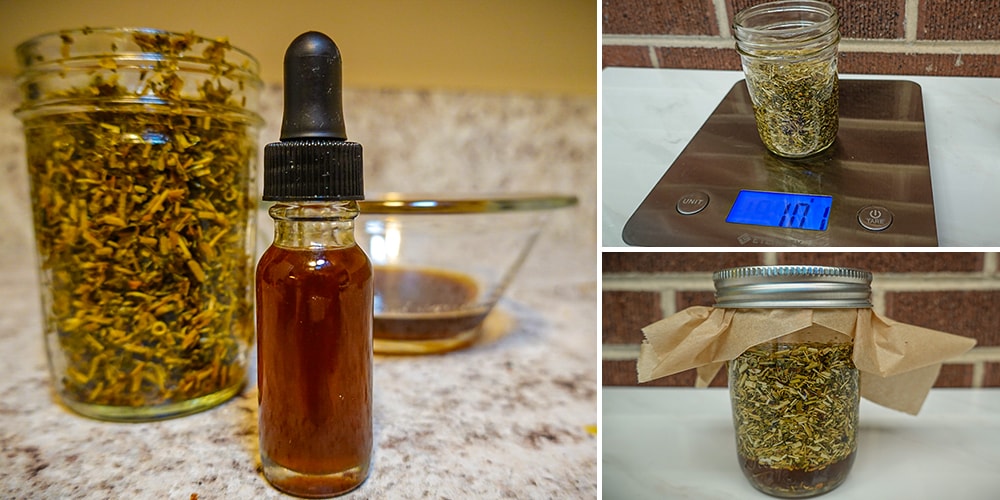
Tinctures are concentrated alcohol extracts taken by the dropperful. They are convenient for travel and fast-acting, but they do contain alcohol, which matters for anyone avoiding it.
Standardized Extracts and Capsules
Most clinical trials used standardized extracts with a measured amount of active compounds. If you want to match a study, look for the same type of extract and follow the label dose, because loose-leaf herbs vary widely in strength.
Timing Matters
Sleep-focused herbs are usually taken 30 to 60 minutes before bed. Adaptogens are taken daily for weeks, and stimulating ones like rhodiola belong in the morning.
Give any single herb at least one to two weeks of consistent use before judging it, and change only one thing at a time. That way you’ll know what is actually helping.
A Simple Starter Evening Blend
For many people, a mild blend of equal parts chamomile, lemon balm, and passionflower makes an easy first step. Steep 1 to 2 teaspoons of the mix per cup, covered, and sip it as part of a calm bedtime routine.
Pregnant women should leave out the passionflower and check with their provider before using any herbal tea regularly. For more blend ideas, see our collection of relaxing tea blends.
Safety Rules That Apply to Every Calming Herb
⚠ Before You Start Any Sleep or Stress Herb
Never combine sedating herbs with alcohol, prescription sleeping pills, benzodiazepines, opioids, or other sedatives, because the effects can add up dangerously. Don’t drive or operate machinery until you know how an herb affects you.
If you are pregnant, breastfeeding, have liver, kidney, heart, thyroid, or autoimmune conditions, or take any regular medication, talk to your doctor or pharmacist before using these herbs. Stop any herb at least 2 weeks before scheduled surgery unless your surgeon advises otherwise.
Stop immediately and seek medical care if you notice yellowing of the skin or eyes, dark urine, unusual fatigue, or abdominal pain, which can signal liver problems. Children should only be given calming herbs under the guidance of a pediatrician.
Quality matters too. As NCCIH points out, dietary supplements are not approved by the FDA before they are sold, so choose brands that use third-party testing and clearly list the plant species and part used.
Habits That Help Herbs Work Better
Herbs are far more effective when they support good sleep habits rather than fight against poor ones. NCCIH recommends keeping a consistent sleep schedule, avoiding caffeine, nicotine, alcohol, and heavy meals close to bedtime, spending time outdoors each day, and sleeping in a quiet, cool, dark room.
Relaxation practices such as progressive muscle relaxation, slow breathing, and guided imagery can also help. NCCIH’s review of natural products and mind-body practices notes that relaxation techniques before bedtime can be a helpful part of a strategy to improve sleep habits.
A warm cup of herbal tea fits naturally into this kind of wind-down ritual. The tea itself may help, but so does the signal it sends to your body that the day is over.
When Herbs Aren’t Enough
Herbs are best for mild, occasional sleeplessness and everyday stress. See a health care provider if you struggle to sleep most nights for several weeks, feel dangerously sleepy during the day, or rely on any sleep aid nightly.
Loud snoring, gasping, or pauses in breathing during sleep can signal sleep apnea, which needs medical evaluation. Persistent anxiety, panic attacks, or low mood also deserve professional support.
If you ever have thoughts of harming yourself, reach out right away. In the United States, you can call or text 988 to reach the Suicide and Crisis Lifeline at any hour.
Where to Go Next
This guide is meant to be your starting point. If you want a closer look at the sleep herbs with the strongest recent research, our article on herbs to try instead of melatonin walks through them individually.
For the stress and focus side of the picture, our complete guide to herbs for the brain and focus pairs naturally with this one. And for adaptogens specifically, revisit our guide to herbs that help the body handle cortisol.
A Cup of Calming Tea Is Just the Beginning
Knowing which herb to reach for when your mind won’t settle or sleep won’t come is useful.
But imagine having that same kind of practical herbal knowledge for dozens of everyday situations.
For generations, people kept plants, roots, flowers, oils, salves, tinctures, teas, and other simple preparations close at hand. They learned what to harvest, which part of the plant to use, how to prepare it, and when a home remedy was appropriate.
Much of that knowledge has slowly disappeared from everyday life.
The Forgotten Home Apothecary was created to help bring it back.
Inside, you’ll discover traditional plant-based preparations and practical ways to turn common herbs and natural ingredients into useful remedies you can keep in your own home apothecary.
Instead of collecting random remedies from dozens of websites, you’ll have a resource you can return to whenever you want to expand your knowledge and become more confident working with medicinal plants.
Because herbal self-reliance isn’t about having one tea for sleep or one plant for stress.
It’s about understanding how to turn nature’s pharmacy into something practical you actually know how to use.
The herbs growing in a garden, sitting in a spice cabinet, or tucked away in an herbal drawer become far more valuable when you know what to do with them.
If this guide has made you curious about what else traditional herbal knowledge can offer, don’t stop with calming herbs.
Final Thoughts
Calming herbs won’t erase a stressful life or replace good medical care, but used wisely they can make evenings gentler and nights more restful. Start with the mildest options, match the herb to your pattern, give it time, and respect the safety rules.
Most of all, treat your sleep and stress as signals worth listening to. When you combine the right herbs with steady habits and professional help when needed, rest becomes something you can rebuild.
You may also like:

The Herb That ‘Eats’ Toxins While You Sleep
The Legal Narcotic You Can Grow In Your Own Backyard (Video)
I Do This Every Night to Fall Asleep Faster
DIY Adaptogen Balls That Reset Your Stress Response in a Week
Signs Your Stress Level is Dangerously High (And How To Fix It)