You walk into a room and forget why you went there. You read the same paragraph three times before it sinks in. You’re staring at your computer screen, but your thoughts are swimming through quicksand.
Sound familiar?
Brain fog, memory lapses, and focus problems aren’t just annoying—they’re becoming epidemic. And while Big Pharma wants you to believe the only answer comes in a prescription bottle, nature has been providing powerful brain-boosting solutions for thousands of years.
The truth is, certain herbs can sharpen your mind, protect your brain cells, and help you think clearly again. Some are probably growing in your backyard right now, dismissed as “weeds.” Others have been used for centuries in traditional medicine, only to be forgotten in our modern rush toward synthetic solutions.
In this complete guide, you’ll discover the most powerful herbs for brain health and focus, how they work in your body, and exactly how to use them. No medical degree required. No expensive prescriptions needed. Just the overlooked wisdom of nature, backed by modern science.
Let’s start with the foundations of brain health, then dive into the herbs that can transform your mental clarity.
Why Your Brain Needs Help (And Why Herbs Work)
Your brain is the fattiest organ in your body. About 60% of it is made up of fat, which is why the quality of fats you consume matters so much for mental performance.
But here’s what most people don’t realize: your brain is under constant attack.
Modern life bombards your neurons with stress, toxins from processed foods, blue light disrupting your sleep cycle, and inflammation from a dozen different sources. Add in poor circulation, nutrient deficiencies, and the natural aging process, and it’s no wonder so many people struggle to focus.
Nervine herbs calm and nourish the nervous system, reducing the mental fog that comes from stress and anxiety.
Adaptogenic herbs help your brain adapt to stress, protecting neurons from damage.
Circulatory herbs improve blood flow to the brain, delivering more oxygen and nutrients to hungry brain cells.
Antioxidant-rich herbs fight free radicals that cause brain cell damage and cognitive decline.
Unlike synthetic drugs that often work by overstimulating one pathway while causing side effects, herbs provide gentle, multi-targeted support. They work with your body’s natural systems, not against them.
Now let’s meet the herbs that can transform your mental clarity.
The Brain-Boosting Powerhouses
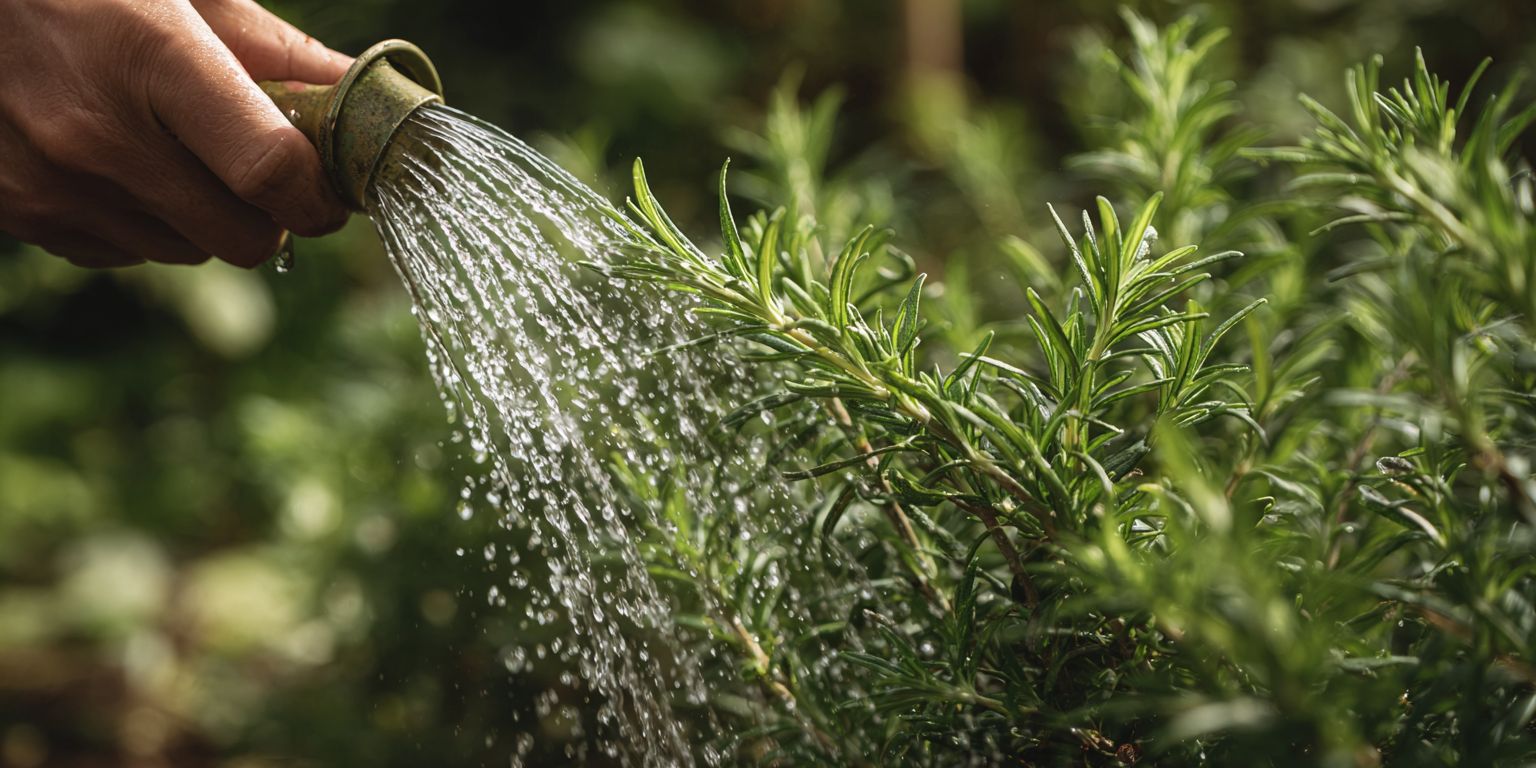
Rosemary (Rosmarinus officinalis): The Memory Guardian
You know rosemary as that fragrant herb you toss on roasted potatoes. But for centuries, it’s been tied to sharper memory and clearer thinking—and modern science is proving why.
Rosemary leaves contain rosmarinic acid and carnosic acid, powerful antioxidants and anti-inflammatories that shield your brain from damage. Some early research suggests rosemary could play a role in guarding against age-related decline and conditions like Alzheimer’s, though most of this evidence currently comes from lab and animal studies.
But here’s what we know works right now: rosemary enhances the oxygen supply to your brain, improving memory and brain function. In one study, older adults who consumed a small, culinary amount of rosemary significantly improved their speed of memory compared to a placebo.
The scent alone does something remarkable. Rosemary essential oil increases beta waves in the brain, which boosts alertness and improves focus. Just crushing a sprig between your fingers and inhaling can make your thoughts feel sharper.
How to use rosemary:
Brew fresh or dried rosemary as a tea (steep 1 teaspoon in hot water for 5-10 minutes)
Add it liberally to your cooking—it’s one of the safest herbs you can use daily
Diffuse rosemary essential oil while working or studying
Grow it in a mason jar on your windowsill for fresh access anytime
The U.S. FDA classifies rosemary extract as “Generally Recognized As Safe” (GRAS), meaning you can enjoy it daily without worry.
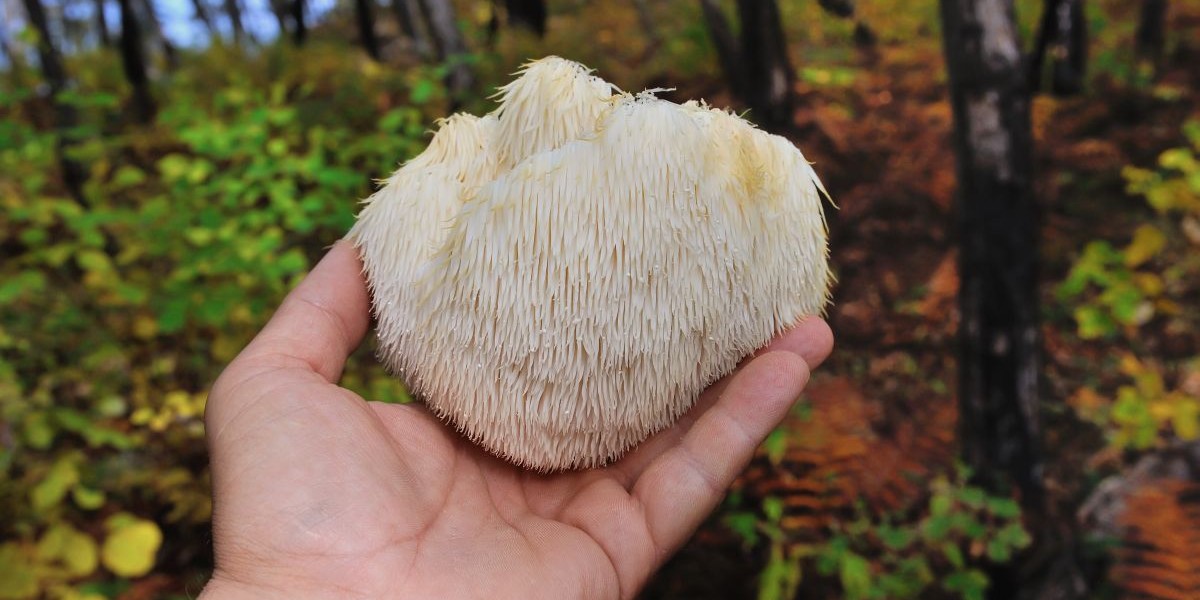
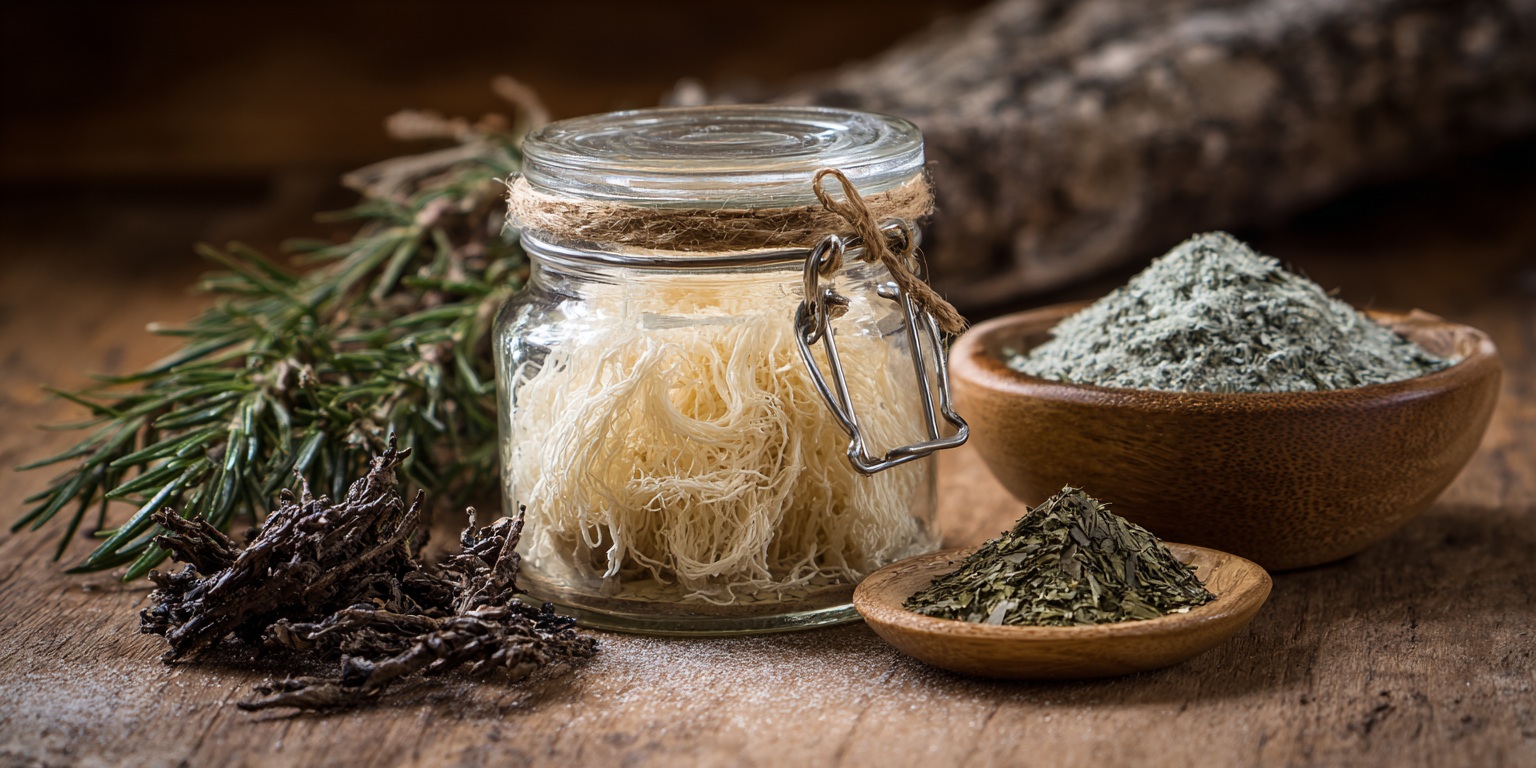
Lion’s Mane Mushroom (Hericium erinaceus): The Nerve Regenerator
If you had to choose just one herb for long-term brain health, Lion’s Mane mushroom would be the one.
This potent nootropic and adaptogen helps stimulate the growth of brain cells and protects them from the kind of degeneration that causes memory loss. It does this by promoting the production of nerve growth factor (NGF), a protein essential for the maintenance and growth of neurons.
Lion’s Mane doesn’t just protect your brain—it actively helps it regenerate. Research shows it can reduce anxiety and depression while boosting memory and cognitive function. It’s particularly valuable as we age and our natural production of NGF declines.
Think of Lion’s Mane as fertilizer for your brain. Where other herbs protect or stimulate, Lion’s Mane actually encourages new neural pathways to form.
How to use Lion’s Mane:
Take as a dual-extracted tincture (1-2 droppers full, 1-3 times daily)
Add Lion’s Mane powder to coffee, smoothies, or soups
Cook fresh Lion’s Mane mushrooms (they taste similar to crab or lobster)
Use consistently for at least 4-6 weeks to see full benefits
The key with Lion’s Mane is consistency. This isn’t a one-and-done remedy. The benefits build over time as your brain creates new connections and repairs old damage.
Ginkgo Biloba: The Circulation Booster
Ginkgo biloba is one of the oldest living tree species on Earth, and it’s been used in traditional Chinese medicine for thousands of years to support brain health.
Here’s why it works: Ginkgo regulates the elasticity of blood vessels, improving blood flow throughout the body—especially to the brain. Better circulation means more oxygen and nutrients delivered to hungry neurons.
A randomized, double-blind study found that Ginkgo biloba provided a modest improvement in working memory, which may help treat memory deficits in older people. It strengthens the central nervous system and is particularly powerful for nervous diseases.
But there’s a catch. Excessive use of Ginkgo can cause bleeding and blood pressure problems. This is a powerful herb that demands respect.
How to use Ginkgo:
Brew dried ginkgo leaves as a tea
Take standardized extract (120-240 mg daily) in divided doses
Never use for more than 10 consecutive days without a break
Avoid if you’re taking blood thinners or have a bleeding disorder
Consult a healthcare provider if you’re on any medications
Ginkgo is best used in cycles—a few weeks on, a week or two off. This prevents your body from adapting and maintains its effectiveness.
Gotu Kola (Centella asiatica): The Fountain of Youth
In Ayurvedic medicine, Gotu kola is known as the “herb of longevity.” It’s particularly revered for its anti-aging and neuroprotective properties.
Also called Indian pennywort, Gotu kola nourishes the nerves to treat nervous exhaustion, especially in the elderly. It’s a potent brain booster that may improve cognitive function and clear brain fog.
Gotu kola performs a slightly different function than other brain herbs. While some herbs like Bacopa are considered “curative” (helping you recover from existing cognitive decline), Gotu kola is more “preventive”—it stops the decline in brain activities before they happen.
A cup of Gotu kola tea before bedtime does double duty: it reduces insomnia, improves sleep quality, and contributes to proper brain functioning the next day. Because quality sleep is essential for memory consolidation and mental clarity, this nighttime ritual supports brain health around the clock.
How to use Gotu kola:
Brew 1-2 teaspoons of dried herb in hot water before bed
Take as a tincture (1-2 droppers full daily)
Use in combination with other brain herbs for synergistic effects
Be patient—benefits typically appear after 2-4 weeks of consistent use
Bacopa Monnieri (Brahmi): The Brain Tonic
In Ayurvedic medicine, Bacopa monnieri is considered the paramount herb for promoting brain health. It’s used for treating brain disorders and improving cognitive function.
Bacopa is a potent brain tonic that helps with the rejuvenation of the aging brain. Where Gotu kola prevents decline, Bacopa actively works to restore function you may have already lost.
Research shows Bacopa can improve memory formation, enhance learning ability, and reduce anxiety. It works by supporting the repair of damaged neurons and enhancing the communication between brain cells.
The magic happens with consistent use. Bacopa’s benefits build over several weeks as it works to strengthen neural pathways and protect brain cells from oxidative stress.
How to use Bacopa:
Take 300-450 mg of standardized extract daily
Brew as a tea (though the taste is quite bitter)
Combine with healthy fats for better absorption
Use for at least 6-8 weeks before evaluating effectiveness
Take with food to avoid mild digestive upset
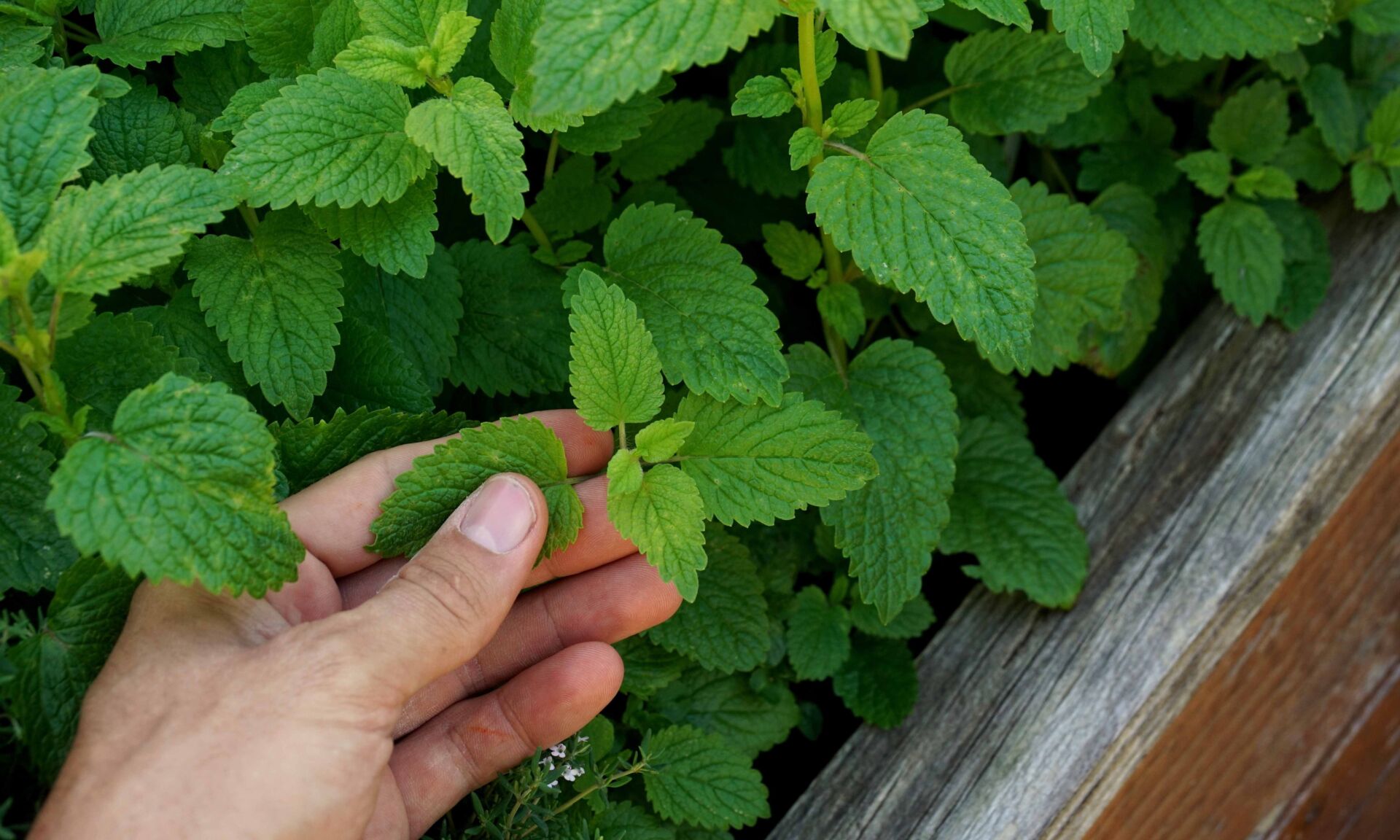
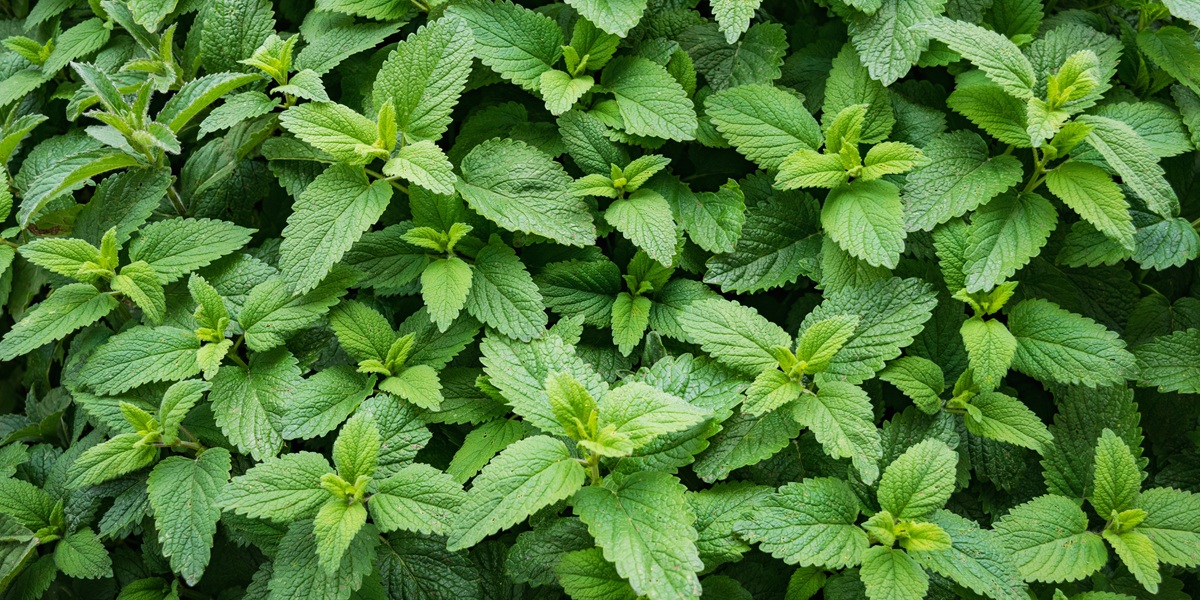
Lemon Balm (Melissa officinalis): The Calm Clarity Herb
If stress is fogging your brain, lemon balm is your ally.
Lemon balm is a well-known calming herb used to treat various brain disorders. It’s a mild sedative that helps maintain proper blood pressure and circulation while reducing mental stress—a major contributor to brain fog and loss of focus.
In a clinical trial, participants’ cognitive performance increased at a 600 mg dose of lemon balm. The study suggests the potential of lemon balm in mitigating the effects of stress. In the correct dosage, it also offers antidepressant and anxiety-relieving effects.
Here’s what makes lemon balm unique: it’s a restorative herb that soothes stress while simultaneously improving alertness, focus, and mood. Most sedatives make you drowsy, but lemon balm calms without clouding.
These specific benefits can be particularly helpful if you’re dealing with ADHD or stress-induced concentration problems.
Take as a tincture added to other herbal teas or directly under the tongue
Use 300-600 mg of dried leaf or equivalent extract
Take in the afternoon when stress peaks but you still need mental clarity
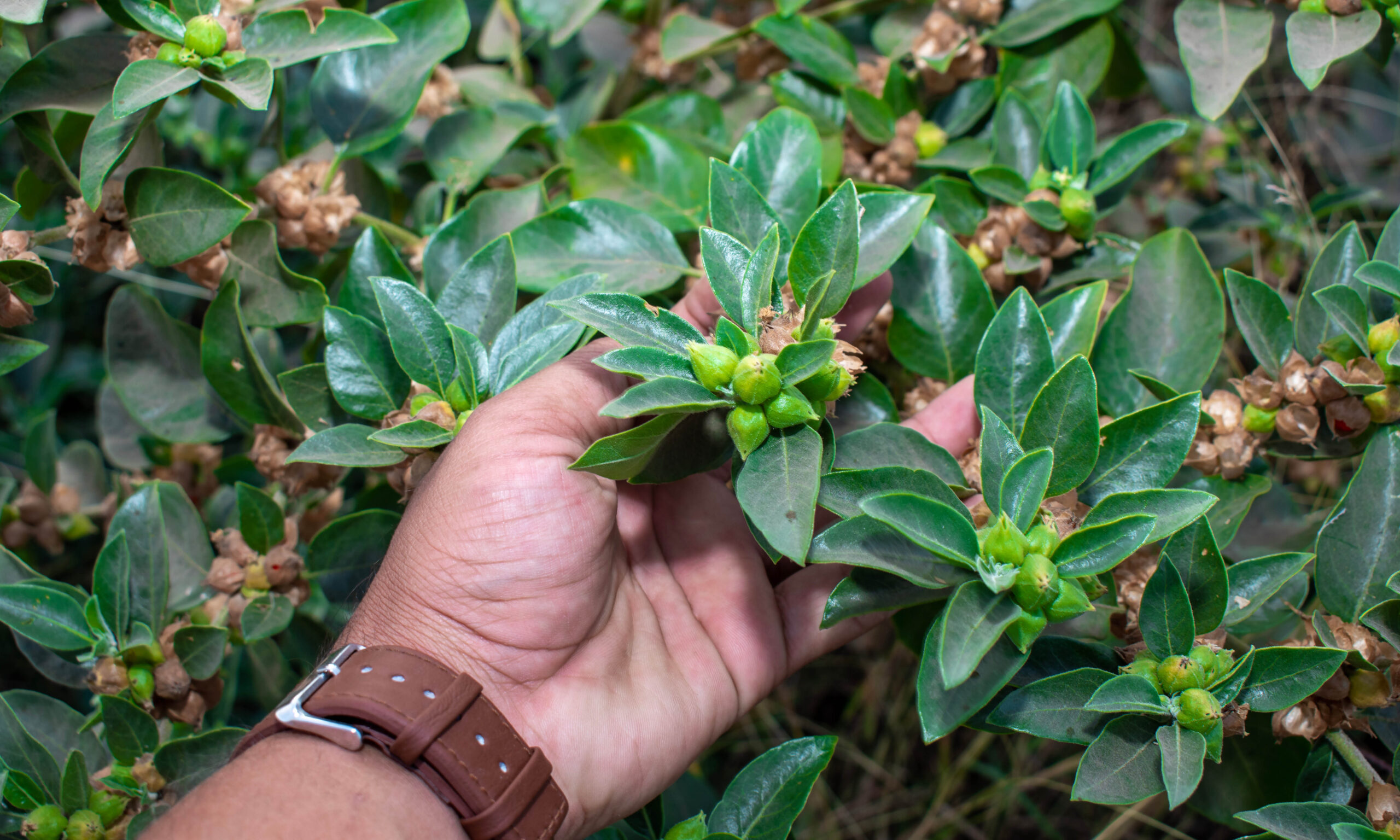
Ashwagandha (Withania somnifera): The Stress Shield
Ashwagandha is well-known for its ability to ease stress and anxiety while improving cognitive function and memory. But its brain benefits go deeper.
Research shows that many of ashwagandha’s cognitive benefits can be attributed to its antioxidant effects in the brain that contribute to cognitive well-being. In clinical trials, ashwagandha showed remarkable abilities for improving cognitive function in adults with mild cognitive impairment and people with schizophrenia.
As an adaptogen, ashwagandha helps your brain adapt to stressful situations. Chronic stress literally shrinks parts of your brain and impairs memory formation. Ashwagandha helps prevent this damage while supporting overall brain health.
How to use ashwagandha:
Take 300-500 mg of standardized extract twice daily
Use the root powder in warm milk before bed (traditional method)
Combine with black pepper for better absorption
Take consistently for at least 4-6 weeks
Avoid if pregnant or nursing
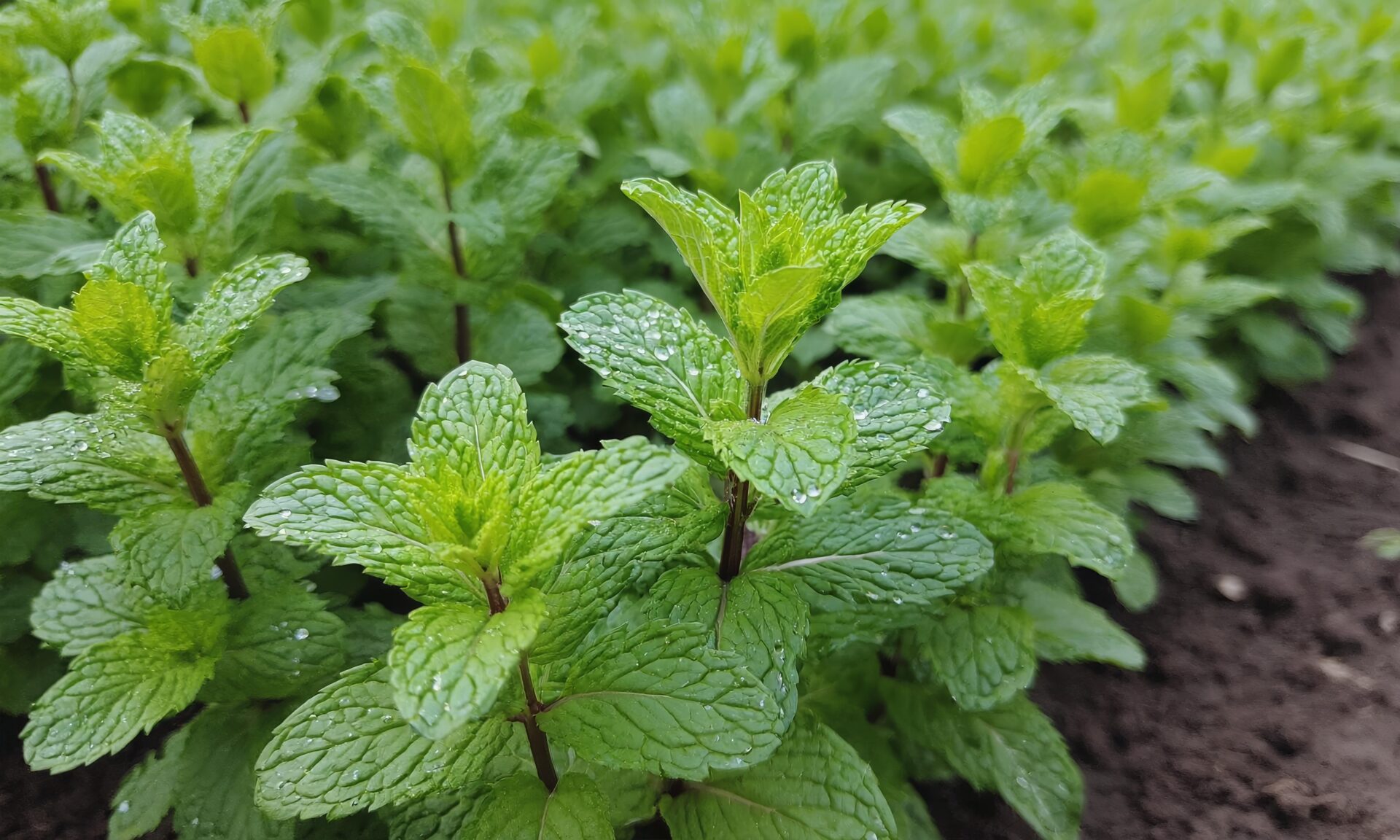
Spearmint (Mentha spicata): The Focus Enhancer
Most people think of spearmint as just a flavoring agent. But research indicates that the phenolic compounds found in spearmint can improve working memory, focus, attention, and daytime concentration.
Here’s where it gets interesting: spearmint also promotes faster sleep onset at night. So you get better focus during the day and better sleep at night—a perfect combination for brain health.
Even more remarkably, spearmint polyphenols can stimulate the growth of new brain neurons while preserving existing ones. This dual action of neurogenesis (creating new neurons) and neuroprotection makes spearmint a valuable addition to any brain health protocol.
How to use spearmint:
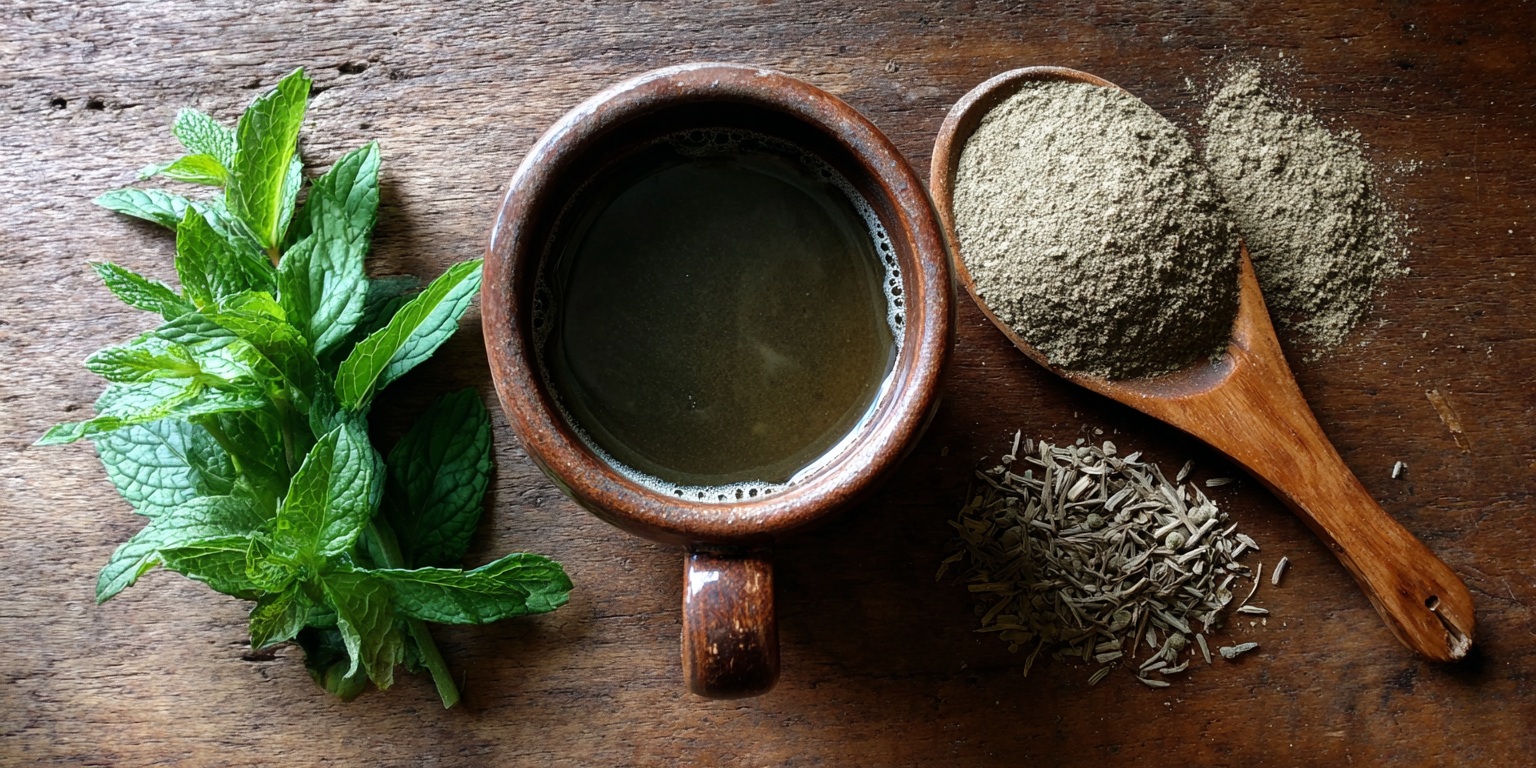
Brew fresh or dried leaves as a tea (use generously)
Add to smoothies or water for flavor and benefits
Take as a standardized extract (900 mg daily)
Use regularly—benefits increase with consistent use
You can often find spearmint at your local grocery store, making it one of the most accessible brain herbs.
Peppermint (Mentha piperita): The Refreshing Awakener
Peppermint is more than a refreshing herb—it’s a brain supporter that can enhance mental performance.
Peppermint tea offers a gentle stimulating effect that increases alertness without the jitters or crash associated with caffeine. The menthol in peppermint helps increase blood flow, delivering more oxygen to the brain.
Simply inhaling peppermint essential oil can improve memory and increase alertness. The scent activates the hippocampus, the part of your brain involved in memory formation.
How to use peppermint:
Drink peppermint tea throughout the day
Diffuse peppermint essential oil in your workspace
Apply diluted peppermint oil to temples for quick mental clarity
Chew fresh peppermint leaves when you need a quick boost
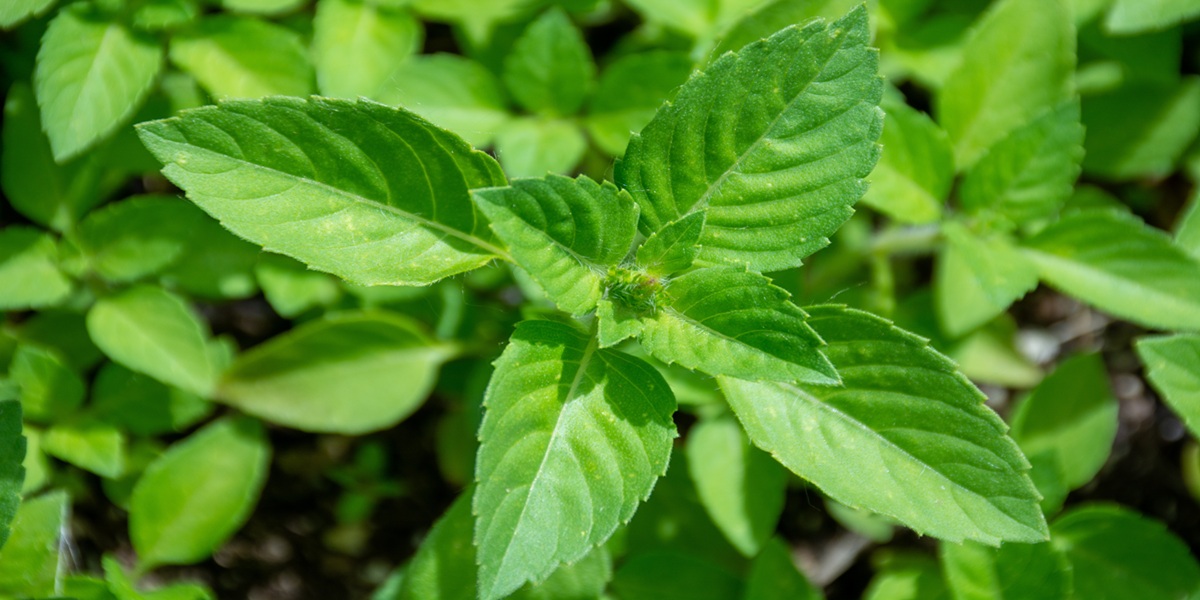
Holy Basil/Tulsi (Ocimum sanctum): The Sacred Protector
Holy basil, also known as tulsi, is regarded as a holy plant in Indian culture—and for good reason. It has excellent nootropic and neuroprotective properties.
Studies reinforce its traditional use as an effective treatment for lifestyle-related chronic diseases, including metabolic disorders and psychological stress. Holy basil helps protect brain cells from oxidative stress while improving cognitive function.
What sets holy basil apart is its ability to balance. It energizes when you’re tired but calms when you’re stressed. This makes it ideal for people dealing with both mental fatigue and anxiety.
How to use holy basil:
Brew as a tea (1-2 teaspoons dried leaves per cup)
Take as a tincture (1-2 droppers full, 2-3 times daily)
Use fresh leaves in cooking (common in Thai cuisine)
Chew fresh leaves on an empty stomach (traditional Ayurvedic practice)
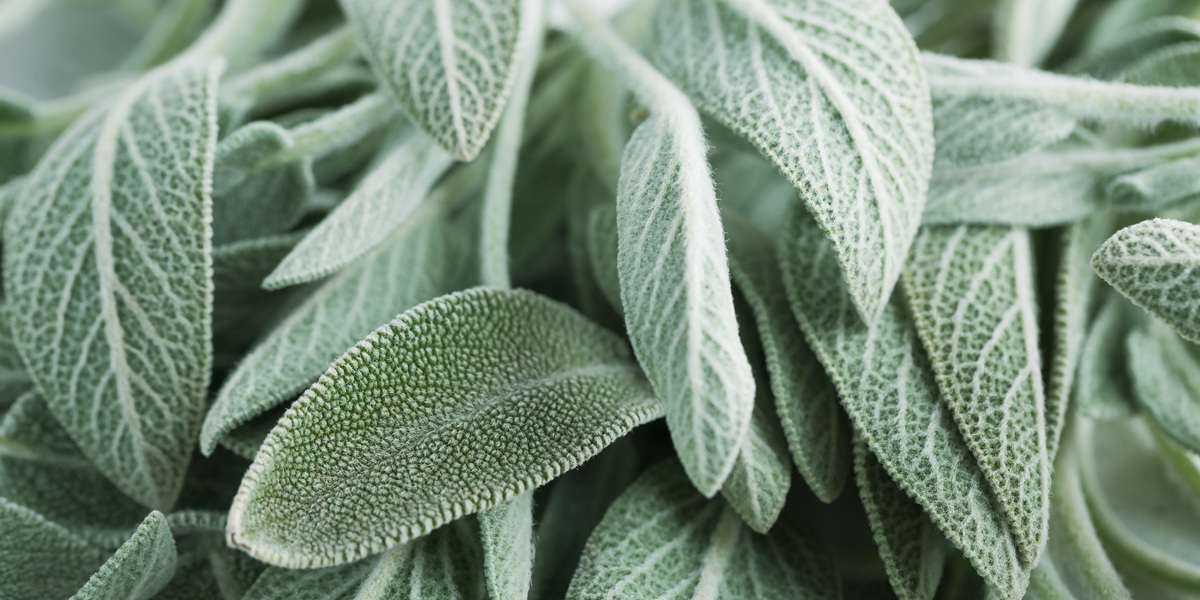
Sage (Salvia officinalis): The Memory Herb
Sage is one of the best herbs for improving memory. It slows down aging of the brain and speeds up the transmission of brain signals, helping to ward off memory loss and support proper brain functioning.
Sage contains compounds that inhibit the breakdown of acetylcholine, a neurotransmitter essential for learning and memory. This is the same mechanism used by many pharmaceutical drugs for Alzheimer’s disease, but sage provides it naturally with additional antioxidant benefits.
Regular use of sage has been shown to improve memory performance in healthy adults and may slow cognitive decline in the elderly.
How to use sage:
Add liberally to cooking (it’s delicious and safe as a culinary herb)
Brew as a tea (1 teaspoon dried sage steeped for 10 minutes)
Take as a standardized extract
Use essential oil aromatically (never ingest undiluted essential oils)
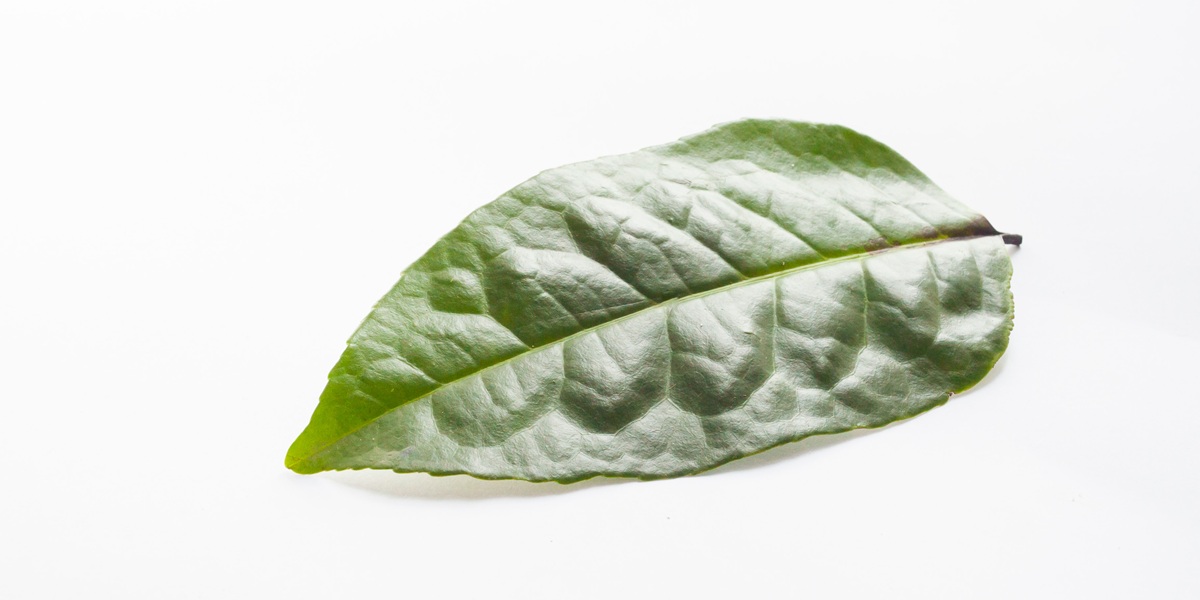
Guayusa (Ilex guayusa): The Focused Energy Source
Guayusa is a tree native to the Amazon rainforests of Ecuador, Peru, and Colombia. It’s been used traditionally by indigenous peoples for its stimulating properties to improve energy and alertness.
Guayusa is an excellent source of polyphenols, which have neuroprotective properties. It also contains caffeine, but unlike coffee, the caffeine in guayusa is released slowly, providing sustained energy and focus without the jitters or crash.
Caffeine increases alertness and can help improve performance on tasks that require attention to detail and prolonged focus. Combined with guayusa’s antioxidants, you get clean, sustained mental energy.
How to use guayusa:
Brew as a tea (similar to brewing tea leaves)
Use in the morning or early afternoon for sustained focus
Combine with other brain herbs for synergistic effects
Avoid late in the day if you’re sensitive to caffeine
The Weeds You’ve Been Pulling Up (That Could Save Your Memory)
Here’s a truth that might make you rethink your yard work: some of the most powerful brain-protective herbs grow as “weeds” in your backyard.
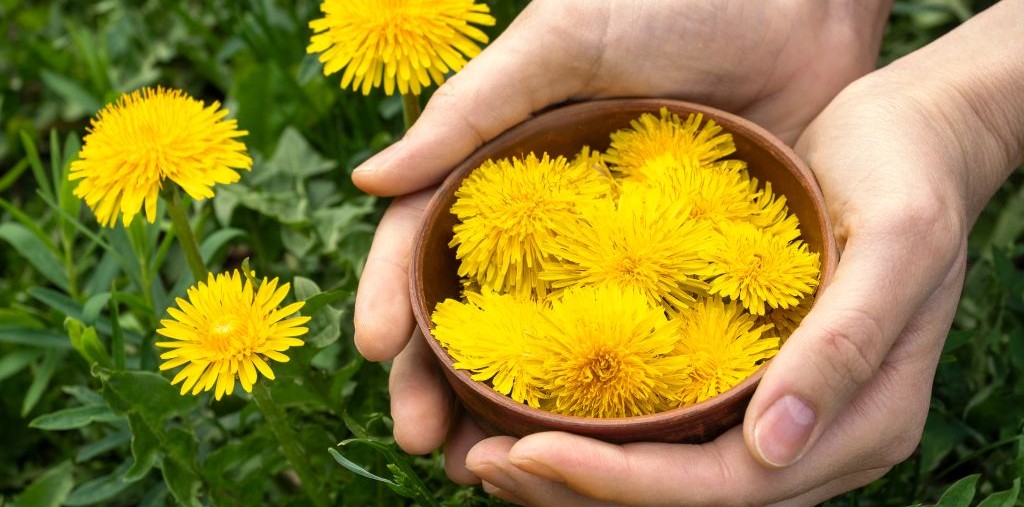
Dandelion (Taraxacum officinale): The Brain Protector
Most people see dandelions as a nuisance. But inside this humble plant is a powerhouse of antioxidants and brain-protective compounds.
Dandelion works indirectly to support brain health. Your brain can’t thrive if your liver, kidneys, and gut are overloaded with toxins. When these organs are struggling, no amount of “brain food” will restore your clarity or focus.
Dandelion is one of nature’s most powerful detoxifiers. It supports liver regeneration, helps flush toxins, and cleanses the blood. When your body’s detox pathways are clear, your brain gets the clean environment it needs to function optimally.
How to use dandelion:
Harvest young dandelion leaves for salads (they’re nutrient-dense)
Roast dandelion roots for a coffee-like beverage
Take as a tincture for concentrated detox support
Use the whole plant—leaves, roots, and flowers all offer benefits
Mushrooms That Build Better Brains
Beyond Lion’s Mane, several other medicinal mushrooms offer powerful brain support.
Reishi (Ganoderma lucidum): The Calming Protector
Reishi is known as the “mushroom of immortality” in traditional Chinese medicine. It offers calming and anti-inflammatory effects that indirectly support brain health.
Chronic inflammation is one of the primary drivers of cognitive decline. Reishi helps reduce this inflammation while promoting better sleep—essential for memory consolidation and mental clarity.
How to use Reishi:
Take as a dual-extracted tincture
Brew as a decoction (simmer for 20-30 minutes)
Add powder to evening beverages for its calming effects
Combine with other medicinal mushrooms for broader benefits
Cordyceps: The Oxygen Optimizer
Cordyceps mushrooms help improve oxygen flow and energy levels at a cellular level. Better oxygen delivery to the brain means better cognitive performance and reduced mental fatigue.
Cordyceps also supports the adrenal glands, helping you manage stress more effectively—which directly impacts your ability to focus and remember.
How to use Cordyceps:
Take as a tincture (1-2 droppers full daily)
Add powder to morning smoothies or coffee
Use before mentally demanding tasks or exercise
Combine with Lion’s Mane for comprehensive brain support
How to Use Brain Herbs Effectively
Having the knowledge is one thing. Knowing how to actually use these herbs is what makes the difference.
Creating Your Brain Focus Fuel
Here’s a powerful blend you can make at home that combines three of the most effective brain herbs:
Fill a clean glass jar 1/3 full with dried Lion’s Mane
Add 1/4 jar of dried rosemary
Add 1/4 jar of dried guayusa
Fill the jar with 80-proof (40% alcohol) vodka or grain alcohol
Cover tightly and label with contents and date
Store in a cool, dark place for 4-6 weeks, shaking every few days
Strain out plant material and rebottle the liquid
For a glycerite (non-alcoholic): Follow the same steps but use vegetable glycerin instead of alcohol. Glycerites are gentler but may not extract all the beneficial compounds as effectively as alcohol.
How to use your Brain Focus Fuel: Take 1-2 droppers full (approximately 1/4 to 1/2 teaspoon) 1-3 times daily. You can take it directly under your tongue or add it to water, tea, or coffee.
Start with a lower dose to see how your body responds, then adjust as needed. The herbs work best with consistent use—give it at least 4 weeks before evaluating effectiveness.
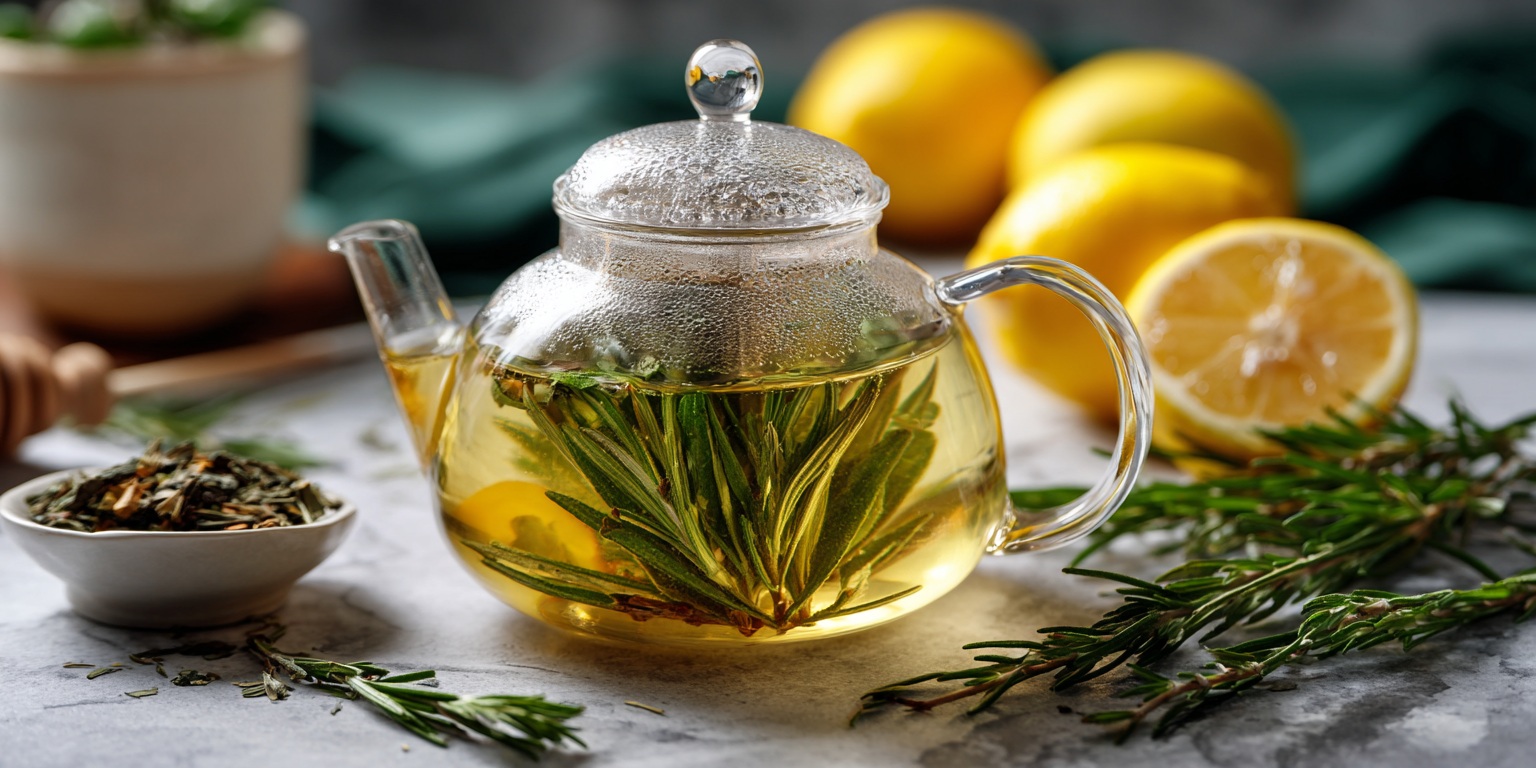
The Anti-Brain Fog Tonic
This quick remedy can clear mental fog in minutes:
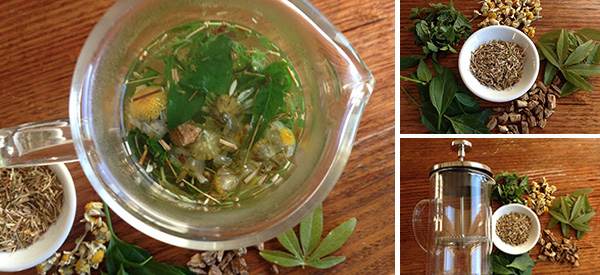
Combine all dried herbs in a tea infuser or directly in a cup
Pour hot water over the herbs
Steep for 5-10 minutes (or longer for a stronger effect)
Strain, add honey and lemon if desired
Drink while warm
Use this tonic whenever you feel brain fog creeping in. Many people find it particularly helpful in the mid-afternoon when mental clarity tends to dip.
The 2-Ingredient Memory Booster
Sometimes simple is best. This powerful combination uses just two herbs that many people already have:
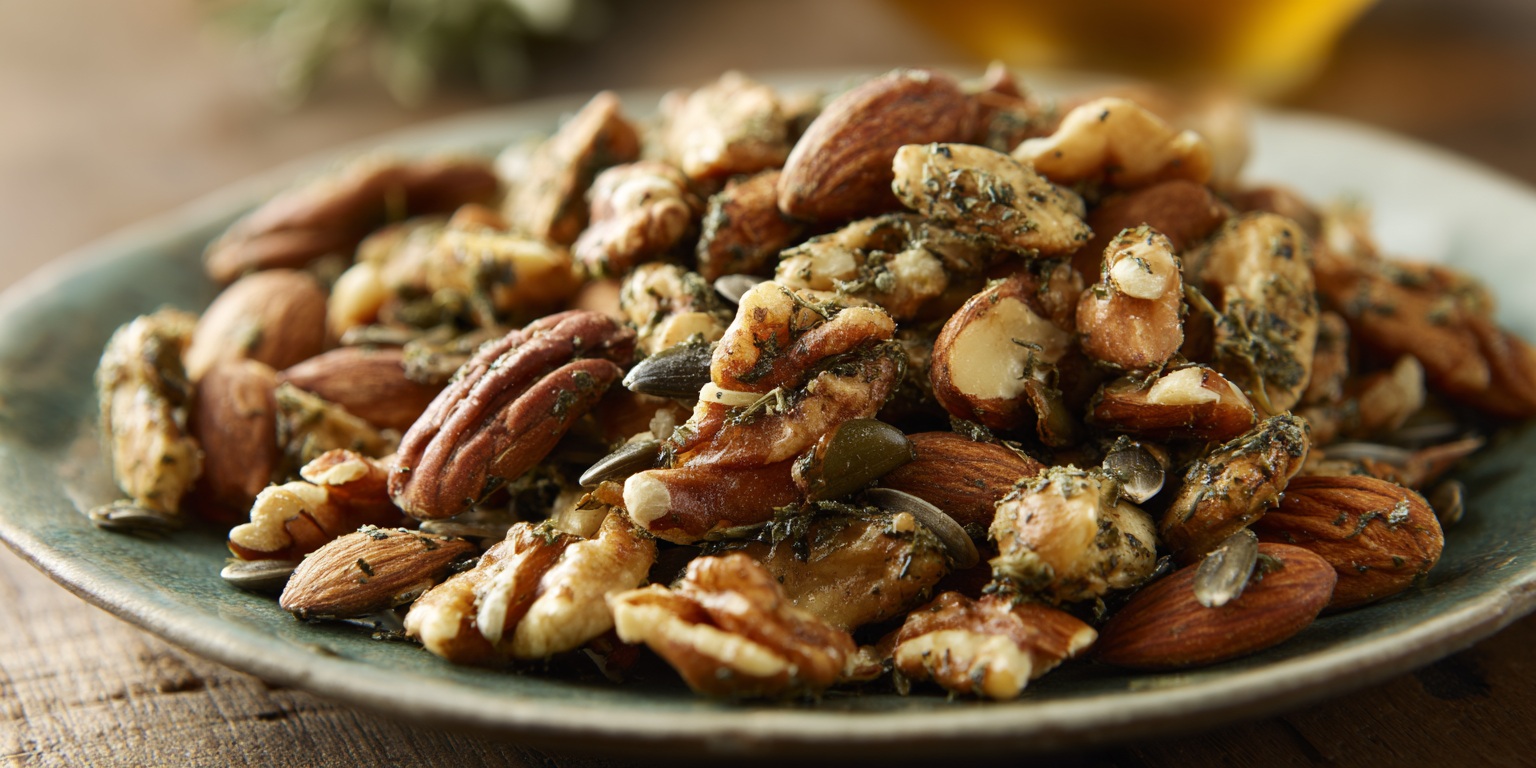
Spread on a baking sheet and roast for 15-20 minutes, stirring occasionally
Let cool completely before storing in an airtight container
Eat a small handful daily as a brain-boosting snack
Beyond Herbs: Supporting Your Brain Holistically
Herbs are powerful, but they work best as part of a comprehensive approach to brain health.
The Foundation: Sleep
Your brain consolidates memories and clears out cellular waste during sleep. No amount of herbs can compensate for chronic sleep deprivation.
Aim for 7-9 hours of quality sleep each night. Create a dark, cool sleeping environment. Avoid screens for at least an hour before bed. Consider using calming herbs like lemon balm, reishi, or California poppy if insomnia is an issue.
Hydration and Your Brain
Even mild dehydration impacts mental clarity and cognitive performance. Your brain is about 75% water, and it needs constant hydration to function optimally.
Drink water throughout the day. Add a pinch of mineral salt to enhance hydration at a cellular level. Herbal teas count toward your daily fluid intake while providing additional brain benefits.
Movement Matters
Exercise increases blood flow to the brain, promotes the growth of new brain cells, and helps reduce inflammation. Even a 20-minute walk can improve cognitive function for hours afterward.
Find movement you enjoy and do it regularly. Your brain will thank you.
Use adaptogenic herbs like ashwagandha, holy basil, and rhodiola. Practice deep breathing. Spend time in nature. Find what works for you and make it a non-negotiable part of your routine.
The Brain-Gut Connection
Your gut health directly impacts your brain health through the gut-brain axis. An unhealthy gut can contribute to brain fog, poor memory, and mood disorders.
Support your gut with fermented foods, prebiotic fiber, and probiotic-rich foods. Many brain herbs also support digestive health—another reason they’re so effective.
Foods That Feed Your Brain
Omega-3 fatty acids from wild-caught salmon, sardines, and walnuts are essential for brain structure and function.
Leafy greens like spinach and kale provide folate and antioxidants vital for cognitive function.
Berries are packed with flavonoids that improve memory and slow cognitive decline.
Dark chocolate (70% cacao or higher) contains flavonoids that improve blood flow to the brain.
Whole eggs provide choline, essential for memory and neurotransmitter production.
Combine these brain-healthy foods with your herbal protocol for maximum benefit.
What to Avoid: Brain Enemies
Knowing what harms your brain is as important as knowing what helps it.
Excessive Screen Time
The blue light from electronic devices disrupts your sleep cycle and can cause sensory overload. This contributes to poor focus and can trigger aggressive behavior in some people.
Limit screen time, especially before bed. Use blue light filters on your devices. Take regular breaks to rest your eyes and mind.
Noise Pollution
Exposure to excessive noise causes cognitive impairment and oxidative stress in the brain. The WHO recommends no more than 40 hours weekly of noise higher than 80 dB for adults and 75 dB for children.
Create quiet spaces in your day. Use noise-canceling headphones when needed. Seek out natural sounds—they actually support brain function rather than harming it.
Air Pollution
High levels of air pollution damage cognitive abilities in children and increase the risk of cognitive decline and depression in adults.
Use air purifiers in your home. Spend time in nature where air is cleaner. Support your body’s detoxification systems with herbs like dandelion.
Sugar and Processed Foods
High sugar intake causes inflammation, damages blood vessels, and impairs memory formation. Processed foods often contain additives that can negatively impact brain health.
Choose whole, unprocessed foods. If you eat sweets, choose dark chocolate or fruit instead of refined sugar.
Alcohol
While moderate consumption might not be harmful for most people, excessive alcohol consumption directly damages brain cells and impairs cognitive function.
If you drink, do so in moderation. Consider alcohol-free days. Many brain-supporting herbs can be taken as tinctures in alcohol, but the amount of alcohol consumed this way is minimal.
Putting It All Together: Your Brain Health Protocol
Ready to start? Here’s a simple, effective protocol you can begin today:
Morning Routine
Upon waking: 1 glass of water with a pinch of sea salt
With breakfast: Lion’s Mane tincture (1-2 droppers full)
Mid-morning: Rosemary tea or add fresh rosemary to your morning eggs
Afternoon Support
After lunch: Lemon balm and spearmint tea
If energy is low: Guayusa tea or Cordyceps tincture
Snack: Brain-boosting nut and seed mix
Evening Wind-Down
With dinner: Add sage and rosemary to your meal
Before bed: Gotu kola tea or Ashwagandha in warm milk
Bedtime: Reishi tincture for restful sleep
Weekly Practices
Prepare a fresh batch of anti-brain fog tonic to keep on hand
Make your brain focus fuel tincture (lasts months once made)
Include omega-3 rich fish 2-3 times per week
Get at least 30 minutes of movement daily
Spend time outdoors in nature
Monthly Check-Ins
Assess your mental clarity and focus
Adjust herb dosages as needed
Rotate herbs to prevent tolerance (cycle Ginkgo especially)
Note any improvements in memory, stress levels, or cognitive function
Special Considerations and Safety
While herbs are generally safe, especially when used as food or tea, there are some important considerations:
When to Avoid or Use Caution
Pregnancy and Nursing: Many herbs should be avoided during pregnancy and breastfeeding. Always consult with a qualified healthcare provider.
Medications: Some herbs interact with medications. Ginkgo, for example, can interact with blood thinners. If you’re on any medications, consult a healthcare provider before starting herbs.
Autoimmune Conditions: Some adaptogens and immune-supporting herbs may stimulate the immune system. If you have an autoimmune condition, work with a knowledgeable practitioner.
Surgery: Stop taking Ginkgo at least 2 weeks before any scheduled surgery due to bleeding risk.
Allergies: If you’re allergic to plants in the same family as any of these herbs, use caution and start with very small amounts.
Starting Slowly
When beginning any new herb:
Start with a lower dose than recommended
Introduce one new herb at a time
Give it at least 2-4 weeks before adding another
Keep a journal of any changes you notice
Listen to your body—it will tell you what works
Quality Matters
Not all herbs are created equal. For best results:
Choose organic herbs when possible
Buy from reputable suppliers
Look for third-party testing for mushroom supplements
Grow your own when you can
Properly identify wild-harvested herbs or work with someone experienced
When Herbs Aren’t Enough
If you’re experiencing severe memory loss, confusion, or cognitive decline, herbs should complement professional medical care, not replace it. See a healthcare provider if you notice:
Sudden changes in memory or cognitive function
Confusion about time, place, or people
Difficulty with familiar tasks
Problems with language or writing
Changes in mood or personality
Poor judgment or decision-making
These could be signs of serious conditions that require medical evaluation.
The Future of Your Brain Health
The herbs in this guide have supported human brain health for thousands of years. They’re not new, trendy discoveries—they’re time-tested allies that modern science is only now beginning to understand and validate.
What makes them so powerful is their gentle, multi-targeted approach. While synthetic drugs often work by forcing a single pathway, herbs support your brain’s natural ability to heal, adapt, and thrive.
But here’s the truth: herbs aren’t magic pills. They work best when combined with a lifestyle that supports brain health—quality sleep, good nutrition, regular movement, stress management, and mental stimulation.
The real magic happens when you make these practices part of your daily life. When rosemary becomes as automatic as your morning coffee. When you reach for ashwagandha tea instead of worrying yourself into stress-induced fog. When you grow Lion’s Mane and Gotu kola with the same care you give your houseplants.
This is the kind of self-reliance our great-grandparents knew well. They didn’t run to the pharmacy for every mental hiccup. They turned to the plants growing around them, the herbs passed down through generations, the simple remedies that worked.
That wisdom isn’t lost. It’s just been forgotten in our modern rush toward synthetic solutions.
But you can reclaim it. Starting today. With herbs that might be growing in your backyard, dismissed as weeds. With mushrooms that build new neural pathways while protecting the ones you have. With simple teas that clear the fog and sharpen your mind.
Your brain has an incredible ability to heal and regenerate—if you give it what it needs.
Now you know what to give it.
The plants are ready. The wisdom is here. The only question is: will you use it?
About The Lost Herbs
The remedies and practices in this guide represent the kind of time-tested wisdom we share every day at The Lost Herbs. Our mission is simple: to preserve and pass on the herbal knowledge that kept our ancestors healthy for thousands of years—before Big Pharma, before prescriptions, before we forgot that nature provides.
If you found this guide helpful, explore our collection of over 250 herbal remedies in The Lost Book of Herbal Remedies. Inside, you’ll find step-by-step instructions for making tinctures, salves, teas, and treatments for dozens of common ailments—all using plants that probably grow near you.
Because the best medicine doesn’t come from a laboratory. It grows in your backyard, waiting to be remembered.
Frequently Asked Questions
Q: How long does it take to see results from brain herbs?
A: It depends on the herb and what you’re trying to improve. Some effects are immediate—rosemary’s scent can sharpen focus within minutes. Others, like Lion’s Mane and Bacopa, build benefits over weeks. Most people notice improvements in 2-4 weeks with consistent use, but deeper benefits like improved memory formation may take 6-8 weeks or longer.
Q: Can I take multiple brain herbs together?
A: Yes, many brain herbs work synergistically and can be combined. The Brain Focus Fuel recipe in this guide combines several herbs for maximum effect. However, introduce herbs one at a time so you can gauge your individual response. Some people do better with certain combinations than others.
Q: Are these herbs safe for children?
A: Many herbs can be used safely in children, but typically at lower doses adjusted for body weight. Some herbs like Ginkgo should be avoided in children. Always consult with a qualified healthcare practitioner before giving herbs to children, especially if they’re on any medications.
Q: Do I need to take brain herbs forever?
A: Not necessarily. Some people use brain herbs as needed during particularly demanding times. Others incorporate them as long-term daily support, similar to taking a multivitamin. Adaptogenic herbs like ashwagandha often work best when cycled—use for several weeks, take a break, then resume.
Q: Can herbs replace my ADHD medication?
A: Herbs should not replace prescribed medications without careful planning and supervision from your healthcare provider. However, many people find that herbs help reduce their need for medication or improve their symptoms when used alongside medication. Always work with a qualified practitioner when making changes to medication regimens.
Q: Where can I find these herbs?
A: Many can be found at local health food stores, online herbal suppliers, or even your local grocery store (spearmint, rosemary, sage). For mushrooms, look for reputable suppliers that provide third-party testing. Better yet, grow your own—rosemary, lemon balm, sage, and holy basil all grow well in pots on a sunny windowsill.
Q: What if I’m on blood pressure medication?
A: Several brain herbs affect circulation and blood pressure. If you’re on any cardiovascular medications, consult your healthcare provider before starting herbs. Some combinations are safe, but others may require dosage adjustments or should be avoided.
Q: Can I use these herbs if I’m pregnant?
A: Many herbs should be avoided during pregnancy and breastfeeding. While some are considered safe in food amounts (like rosemary and sage), medicinal doses and certain herbs like Ginkgo should be avoided. Always consult with a qualified healthcare provider or midwife before using herbs during pregnancy or while nursing.
Q: Are fresh herbs better than dried?
A: Both have benefits. Fresh herbs often have more volatile oils (important for scent-based benefits like rosemary) but dried herbs are more concentrated and shelf-stable. For teas, dried herbs typically provide a more potent brew. Use what you have access to—both work.
Q: How should I store my herbs and tinctures?
A: Store dried herbs in airtight containers in a cool, dark place. They generally keep for 6-12 months. Tinctures last much longer—typically 3-5 years when stored in dark glass bottles away from heat and light. Label everything with the contents and date.
We use cookies to ensure that we give you the best experience on our website. If you continue to use this site, we will assume that you are happy with it.
Functional Always active
The technical storage or access is strictly necessary for the legitimate purpose of enabling the use of a specific service explicitly requested by the subscriber or user, or for the sole purpose of carrying out the transmission of a communication over an electronic communications network.
Preferences
The technical storage or access is necessary for the legitimate purpose of storing preferences that are not requested by the subscriber or user.
Statistics
The technical storage or access that is used exclusively for statistical purposes.The technical storage or access that is used exclusively for anonymous statistical purposes. Without a subpoena, voluntary compliance on the part of your Internet Service Provider, or additional records from a third party, information stored or retrieved for this purpose alone cannot usually be used to identify you.
Marketing
The technical storage or access is required to create user profiles to send advertising, or to track the user on a website or across several websites for similar marketing purposes.



 Lion’s Mane Mushroom (Hericium erinaceus): The Nerve Regenerator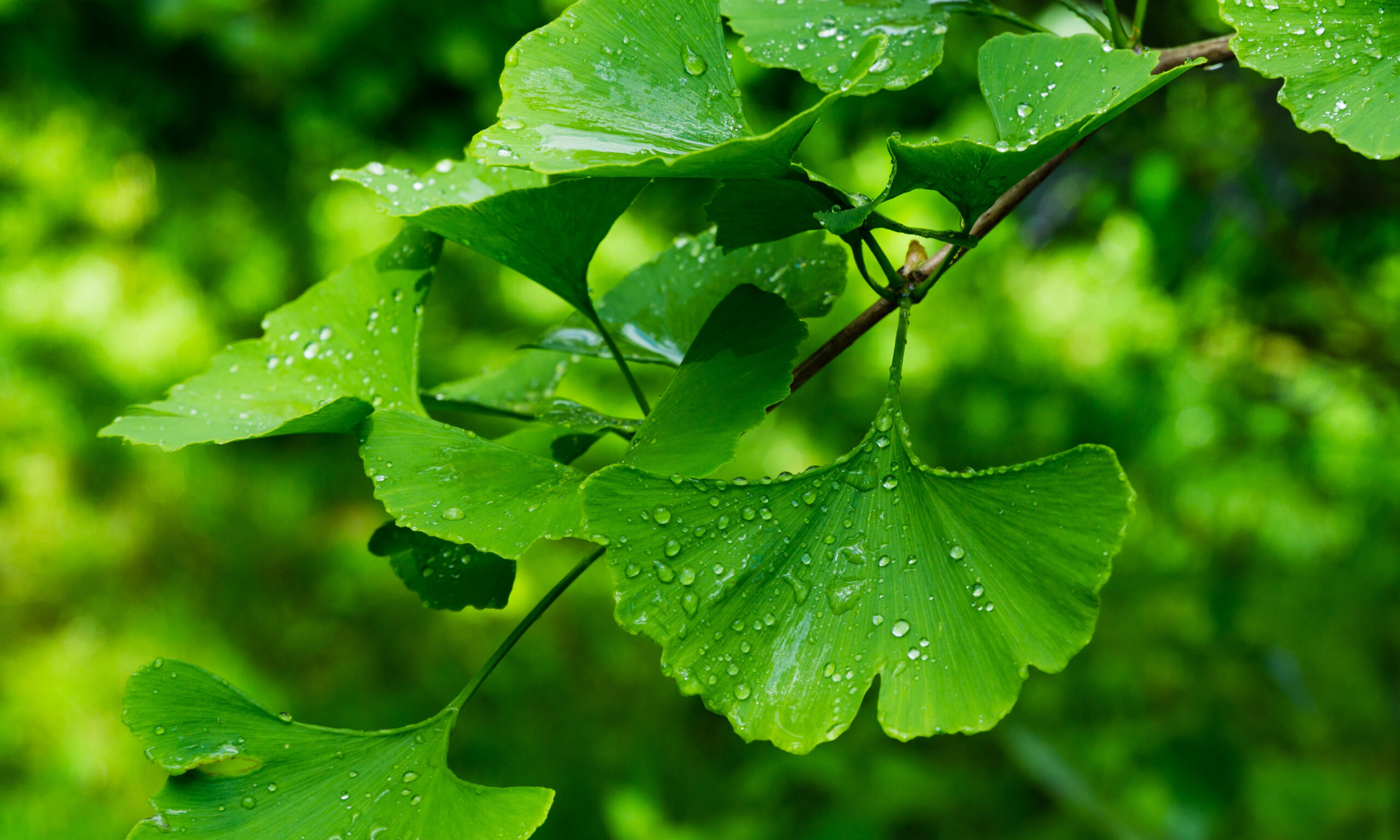
 Ginkgo Biloba: The Circulation Booster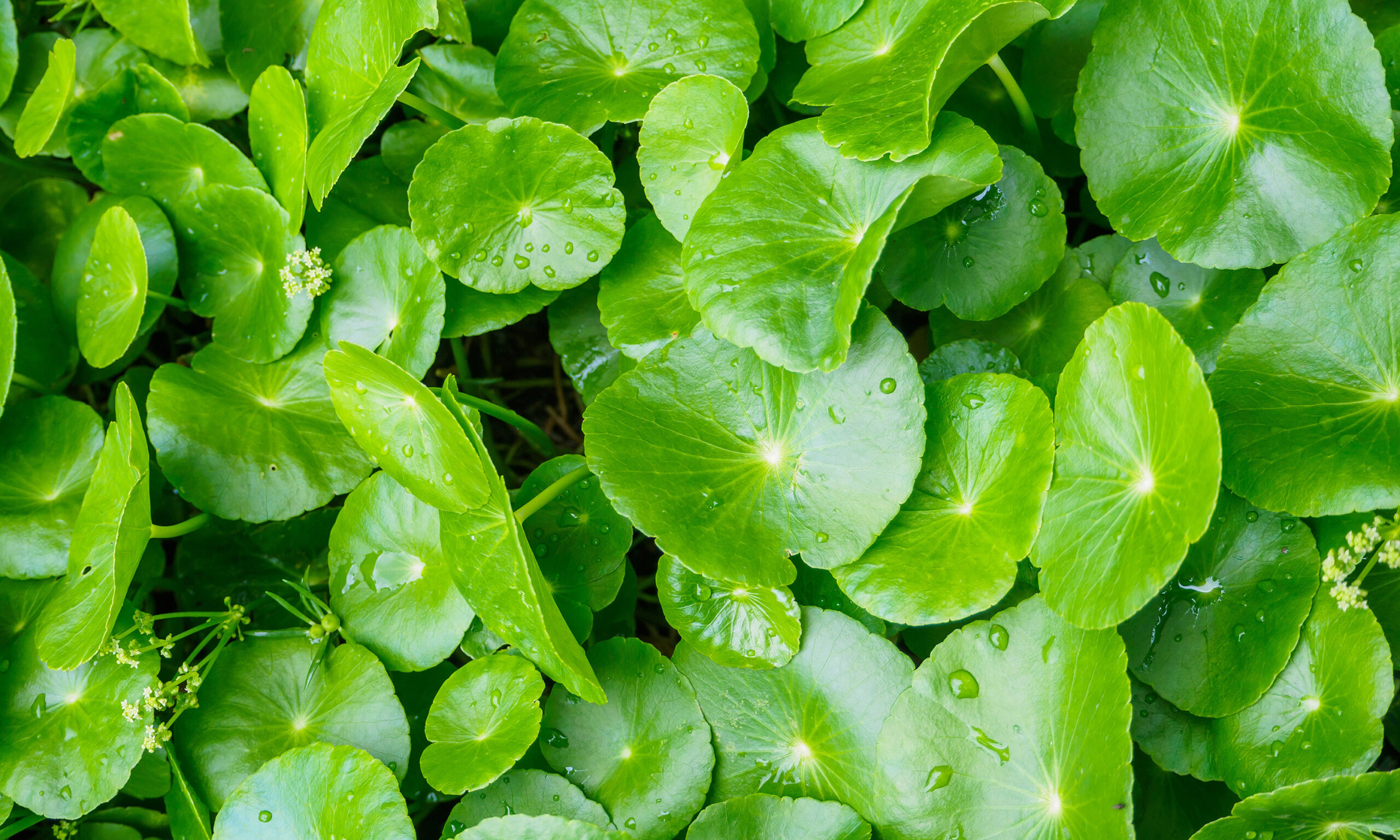
 Gotu Kola (Centella asiatica): The Fountain of Youth
 Dandelion (Taraxacum officinale): The Brain Protector

 The Anti-Brain Fog Tonic