

Chamomile: The Ancient Sleep Remedy That Works Better Than Counting Sheep
Over 40 million American adults suffer from anxiety disorders, and doctors write nearly 50 million prescriptions for benzodiazepines like Xanax and Ativan every year. But here’s what the pharmaceutical industry doesn’t advertise: these medications are highly addictive, cause memory problems, and create withdrawal symptoms worse than the original anxiety.
There’s a gentler solution that’s been working for over 2,000 years.
Chamomile—the humble plant with white petals and a yellow center growing in yards across America—is what ancient healers called “nature’s Valium.” Clinical studies show it significantly reduces anxiety symptoms without the side effects, addiction risk, or cognitive impairment of prescription drugs.
The Ancient Greeks used it as a cure-all. Modern research confirms they were onto something: chamomile contains over 120 active compounds that calm the nervous system, promote sleep, soothe digestive upset, and reduce inflammation.
But here’s what most people don’t know: there are multiple types of chamomile, and picking the wrong one means you’re wasting your time. If you’re allergic to ragweed, chamomile could trigger a severe reaction. And if you’re on certain medications, combining them with chamomile can be dangerous.
In this guide, you’ll learn exactly which chamomile to grow, how to use it safely, and when it’s powerful enough to replace—or complement—conventional treatments.
The History of Chamomile
The first records of Chamomile as herbal medicine go back over 2,000 years to when the Ancient Greeks used it. It was used as a panacea or cure-all because it was believed to be effective against a wide range of conditions and symptoms. It appears that in Ancient Rome it was especially valued as a treatment of female reproductive disorders.

This remarkable plant was used for, amongst other things, headaches, anxiety, muscle spasms, digestive upsets, gout and rheumatism, fever, insomnia, and gastric ulcers.
It was also used topically for bruises, minor wounds, acne, and irritated skin.
Today, Chamomile is considered the herbal version of Valium as it is believed to have calming effects, lower anxiety, and ease insomnia. In addition, it is used to soothe the stomach.
Where This Plant Is Found
Chamomile is native to parts of Europe and to western Asia. It has now been naturalized and is found throughout Europe including the UK, the US, Canada, regions in Africa, and in Australia.
Related: The Complete Map of Edible Plants: Find Out What You Have in Your Area! (Video)
How To Identify Chamomile
Although you can use either for herbal medicine purposes, German is preferable to Roman Chamomile (Chamaemelum nobile). Interestingly, Roman Chamomile is a true Chamomile and German is not. The differences are discussed in more detail in a later section.
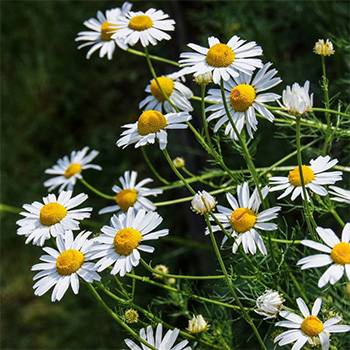
Looking specifically at German Chamomile, the identifying features are:
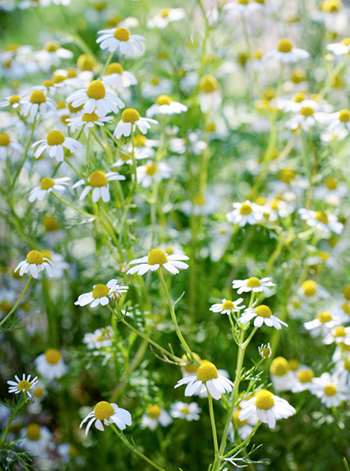
- Stems: The stems are upright, and these plants reach a height of 1 – 2 feet or 30 – 60 centimeters
- Leaf: the leaves are finely dissected/divided into multiple, narrow segments which gives them a feathery look
- Flower: the petals are white, and the center is yellow, hollow, and domed. Each flower is carried on a single stem. The petals point downwards as the bloom fades.
German Chamomile is self-seeding, grows vigorously, and flowers prolifically throughout the summer months.
How To Grow Chamomile
You can allow plants to self-seed, plant seeds, or buy young plants from a nursery or garden center. Whether you are using seeds or plugs, planting should be done in spring. Growing Chamomile is not difficult as they: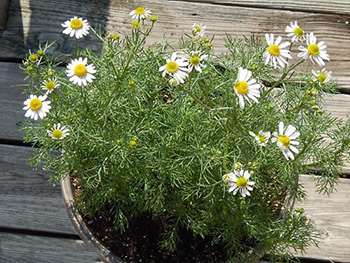
- Will grow in sun or part shade
- Like dry soil and are drought tolerant although not for an extended period
- Need little attention
- Don’t like fertilizer; it results in reduced flavor/potency and fewer blooms
- Are pest-resistant to a large degree
The seeds can simply be scattered over bare soil and germinate within two weeks of sowing. If allowed to self-seed, a few Chamomile plants will become dozens very quickly! A plant will usually bloom 6 – 10 weeks after the seed germinates and will continue to produce flowers until the first frosts arrive.
In terms of maintenance, if you plant Chamomile in containers rather than a garden they will need to be watered more often as the soil in pots dries out far more rapidly. Also, if plants are starting to look spindly or leggy, trim back some of the growth to encourage denser, more compact growth.
Get Your Own Chamomile Seeds, Last 30 Packs Left
How to Harvest And Process This Plant
Chamomile blooms for many months and produces large numbers of flowers. This allows you to harvest flowers every 10 – 14 days. As a bonus, plants that have their flowers picked will flower better and for longer.
Fully open, mature flowers that haven’t started to droop contain the highest levels of beneficial properties. The best time of day to pick the flowers is in the morning, but don’t harvest them if they are still wet with dew or from rain; leave them to dry naturally.
Only remove the flower head when you harvest Chamomile. Be careful when you do so as not to pull off stems or damage the plant. It’s best to nip them off with your fingernails or use scissors to cut through the stem immediately below the flower head. If you want to allow your Chamomile plant(s) to self-seed, or you want to collect seed to plant the following season, remember to allow leave some flowers to go to seed.
After picking the flowers, you can either wash them or gently shake them to remove any dirt or insects that may be present. If you wash them, you need to gently pat the blooms dry afterward. You have two options when it comes to drying:
1. You can allow the flowers to air dry by spreading them out in a single layer on a clean cloth or brown paper. Place them in a warm, dark place to dry for a week or two.
2. Alternatively, you can use a dehydrator or your oven. Be careful that you gently dry the flowers and don’t burn them; use the lowest possible setting and check the blooms frequently.

Correctly dried flowers can be stored in an air-tight jar for a year. However, if flowers are not properly dry, mold will develop, and you will have to throw the flowers away. Some people prefer to pick just enough flowers for a cup or pot of tea made with fresh rather than dried flowers.
Science-Backed Benefits of Chamomile
Chamomile isn’t just a pleasant-tasting tea—it’s one of the most researched medicinal herbs in existence. Here’s what the science actually says, with links to the studies.
1. Anxiety and Stress Relief (Primary Use)
This is chamomile’s most well-established benefit, and the research is increasingly robust.
What the science shows:
Multiple clinical trials demonstrate that chamomile significantly reduces anxiety symptoms, particularly for generalized anxiety disorder (GAD).
A landmark study published in the Journal of Clinical Psychopharmacology followed 179 patients with moderate to severe GAD for 8 weeks. Participants taking chamomile extract (1,500mg daily) experienced:
- Significant reduction in anxiety symptoms compared to placebo
- Reduced risk of relapse when continued long-term
- No serious adverse effects
- Effectiveness comparable to some pharmaceutical anti-anxiety medications
A 2016 randomized controlled trial found that chamomile extract was effective not just for treating anxiety, but also for preventing relapse in people with generalized anxiety disorder.
How it works:
Chamomile contains apigenin, a flavonoid compound that binds to benzodiazepine receptors in the brain—the same receptors targeted by drugs like Xanax and Valium.
The mechanism:
- Apigenin binds to GABA-A receptors in the brain
- GABA (gamma-aminobutyric acid) is the brain’s primary inhibitory neurotransmitter—it calms neural activity
- By enhancing GABA activity, chamomile produces anxiolytic (anti-anxiety) effects
- Unlike benzodiazepines, chamomile’s effect is gentler and doesn’t cause dependency
Other calming compounds in chamomile:
- Bisabolol: Anti-inflammatory and calming
- Chamazulene: Reduces inflammation and stress response
- Flavonoids: Multiple compounds that work synergistically
Best for:
- Generalized anxiety disorder (mild to moderate)
- Situational anxiety (before stressful events)
- Stress-related tension
- Anxiety that interferes with sleep
- People who want to avoid benzodiazepine dependency
Important distinction: Chamomile works best for chronic, ongoing anxiety. For acute panic attacks or severe anxiety disorders, it’s not sufficient as a sole treatment, though it may complement pharmaceutical interventions.
Realistic expectations:
- Effects are gentle and gradual, not immediate sedation
- Most effective with regular daily use over 2-4 weeks
- Won’t “knock you out” like Xanax
- Calms without impairing cognition or causing grogginess
2. Insomnia and Sleep Quality
Chamomile is perhaps best known as a bedtime tea, and research supports this traditional use.
What the research shows:
Studies published in BMC Complementary Medicine and Therapies found that chamomile extract significantly improved sleep quality in elderly adults with insomnia.
A clinical trial in postpartum women showed that drinking chamomile tea for two weeks:
- Reduced sleep inefficiency
- Decreased symptoms of depression (which often disrupts sleep)
- Improved overall sleep quality
How it works:
Chamomile’s sleep-promoting effects come from multiple mechanisms:
- GABA enhancement: Just like with anxiety, apigenin’s effect on GABA receptors promotes relaxation and drowsiness.
- Mild sedation: Unlike powerful pharmaceutical sedatives, chamomile produces gentle drowsiness without forcing unconsciousness.
- Anxiety reduction: Since anxiety is a major cause of insomnia, chamomile’s anxiolytic effects indirectly improve sleep.
- Muscle relaxation: Chamomile’s antispasmodic properties reduce physical tension that can prevent sleep.
Best for:
- Difficulty falling asleep due to racing thoughts
- Stress-related insomnia
- Mild to moderate sleep disturbances
- People who want to avoid sleeping pill dependency
- Those who wake frequently due to anxiety
NOT effective for:
- Severe insomnia (sleep onset taking hours)
- Sleep apnea or other physical sleep disorders
- Chronic insomnia unrelated to anxiety or stress
How to use for sleep:
- Drink 1-2 cups of strong chamomile tea 30-60 minutes before bed
- Use 2-3 teaspoons of dried flowers per cup
- Steep covered for 5-10 minutes (longer = stronger)
- Combine with good sleep hygiene for best results
Comparison to sleeping pills:
- Chamomile doesn’t cause next-day grogginess
- No risk of dependency or withdrawal
- Won’t impair memory like Ambien
- Gentler effect—promotes natural sleep rather than forcing unconsciousness
- Takes longer to work (30-60 minutes vs. 15-30 for pharmaceuticals)
3. Digestive Issues and IBS
Chamomile has been used for digestive complaints for millennia, and modern research validates this use.
What the research shows:
Clinical studies demonstrate that chamomile is effective for:
- Reducing stomach cramps and spasms
- Easing symptoms of irritable bowel syndrome (IBS)
- Treating indigestion and bloating
- Soothing gastric ulcers
- Reducing inflammation in the digestive tract
A study in Molecular Medicine Reports found that chamomile extract protected against gastric ulcers and reduced inflammation in the stomach lining.
How it works:
- Antispasmodic effects:
- Chamomile relaxes smooth muscle tissue in the digestive tract
- Reduces cramping, gas pains, and intestinal spasms
- Particularly effective for stress-related digestive issues
- Anti-inflammatory properties:
- Reduces inflammation in the gut lining
- Helps heal irritation from ulcers or gastritis
- Soothes inflamed intestines in IBS
- Carminative effects:
- Helps expel gas from the digestive system
- Reduces bloating and discomfort
- Eases flatulence
- Mild antimicrobial properties:
- May help balance gut bacteria
- Fights harmful bacteria that contribute to digestive upset
Best for:
- IBS with cramping and spasms
- Stress-related stomach upset
- Indigestion after meals
- Gas and bloating
- Mild gastritis or ulcers
- Nausea (especially from anxiety)
How to use for digestive issues:
- Drink 1 cup of chamomile tea after meals or when symptoms occur
- For chronic IBS: 2-3 cups daily
- Can be combined with other digestive herbs like peppermint or ginger
Research note: A study in the Journal of Agricultural and Food Chemistry found that chamomile’s anti-inflammatory effects persisted for up to two weeks after consumption, suggesting cumulative benefits with regular use.
4. Skin Conditions and Wound Healing (Topical Use)
Chamomile has been applied topically for thousands of years, and research confirms its effectiveness for various skin issues.
What the research shows:
Clinical studies published in Molecular Medicine Reports demonstrate that chamomile extract:
- Accelerates wound healing
- Reduces inflammation in skin conditions
- Provides antimicrobial benefits
- Soothes irritated, inflamed skin
Research in the European Journal of Medical Research showed that chamomile cream was effective for treating eczema and atopic dermatitis.
How it works:
- Anti-inflammatory compounds:
- Chamazulene and bisabolol reduce skin inflammation
- Decreases redness, swelling, and irritation
- Particularly effective for inflammatory skin conditions
- Antimicrobial properties:
- Fights bacteria that can infect wounds
- May help prevent infection in minor cuts and scrapes
- Useful for acne (bacterial component)
- Antioxidant effects:
- Protects skin from oxidative damage
- May accelerate healing process
- Helps repair damaged skin tissue
- Moisturizing and soothing:
- Helps retain moisture in skin
- Reduces itching and discomfort
- Calms irritated skin
Effective for:
- Minor wounds, cuts, and scrapes
- Eczema and dermatitis
- Mild acne and inflammatory skin conditions
- Sunburn and minor burns
- Diaper rash
- Skin irritation and rashes
- Dry, itchy skin
- Dark circles under eyes (chamomile compresses)
How to use topically:
Chamomile compress:
- Steep 2-3 tablespoons dried chamomile in 2 cups hot water for 10 minutes
- Strain and let cool to comfortable temperature
- Soak clean cloth in tea, wring out excess
- Apply to affected area for 10-15 minutes
- Repeat 2-3 times daily
Chamomile bath:
- Add 1 cup of strong chamomile tea to bathwater
- Or place 1/2 cup dried flowers in muslin bag and float in bath
- Soak for 15-20 minutes
- Effective for eczema, dry skin, general relaxation
Chamomile salve: (can be made at home or purchased)
- Apply to minor wounds, rashes, or irritated skin
- Use 2-3 times daily
Important safety note: Always do a patch test first. Despite chamomile’s reputation for soothing skin, people allergic to ragweed or other Asteraceae family plants can have severe allergic reactions to topical chamomile.
5. Blood Sugar Regulation (For Diabetics)
This is a lesser-known benefit, but research suggests chamomile may help manage blood sugar levels.
What the research shows:
A study in the Journal of Endocrinological Investigation found that chamomile tea consumed with meals helped lower blood sugar levels in people with type 2 diabetes.
Research published in Nutrition showed that chamomile extract:
- Reduced HbA1c levels (long-term blood sugar marker)
- Improved insulin sensitivity
- Reduced oxidative stress associated with diabetes
- May help prevent diabetic complications
How it works:
- Improved insulin sensitivity:
- Chamomile compounds may enhance the body’s response to insulin
- Helps cells take up glucose more effectively
- Inhibition of sugar absorption:
- May slow the absorption of sugars from the digestive tract
- Results in more gradual blood sugar rise after meals
- Antioxidant protection:
- Reduces oxidative stress that damages beta cells in the pancreas
- May protect the insulin-producing cells
- Helps prevent diabetic complications
- Anti-inflammatory effects:
- Chronic inflammation impairs insulin function
- Chamomile’s anti-inflammatory compounds may improve metabolic function
Best for:
- Type 2 diabetes (as complementary support, not replacement for medication)
- Pre-diabetes
- Blood sugar management in metabolic syndrome
How to use for blood sugar:
- Drink 1 cup of chamomile tea with meals, especially high-carbohydrate meals
- 3 cups daily showed benefits in studies
- Regular, consistent use is key
CRITICAL WARNINGS:
⚠️ Chamomile is NOT a replacement for diabetes medication. Never stop or reduce diabetes medications without doctor supervision.
⚠️ Monitor blood sugar carefully if combining chamomile with diabetes medications. The combined effect could cause hypoglycemia (dangerously low blood sugar).
⚠️ Inform your doctor that you’re using chamomile if you have diabetes or take blood sugar medications.
Signs of low blood sugar to watch for:
- Shakiness, sweating, confusion
- Dizziness, rapid heartbeat
- Extreme hunger
- Blurred vision
If you experience these symptoms, check blood sugar immediately and consume fast-acting carbohydrates if low.
What Chamomile Does NOT Do
It’s important to have realistic expectations:
Chamomile does NOT:
- Cure severe anxiety or panic disorders (requires professional treatment)
- Work immediately (takes 30-60 minutes for single dose, 2-4 weeks for full anxiety benefits)
- Replace necessary psychiatric medications
- Treat severe insomnia or sleep disorders like sleep apnea
- Cure diabetes (complementary support only)
- Work for everyone (some people are non-responders)
- Produce pharmaceutical-strength effects (it’s gentle medicine)
The Bottom Line on Benefits
Chamomile’s primary, well-established benefits are for anxiety, insomnia, and digestive issues. The research supporting these uses is solid and growing.
Secondary benefits for skin conditions and blood sugar management are also supported by research, though less extensively studied.
Key point: Chamomile is gentle medicine that works best for mild to moderate conditions, particularly when anxiety or stress is involved. It’s not a pharmaceutical replacement for severe disorders, but for many people dealing with everyday stress, poor sleep, or digestive upset, chamomile offers effective relief without the risks of conventional drugs.
Most importantly: These benefits only apply if you can safely use chamomile. If you’re allergic to ragweed, pregnant, or taking certain medications, the risks may outweigh the benefits.
Chamomile vs. Anxiety Medications Comparison
Chamomile vs. Anxiety Medications: An Honest Comparison
If you’re considering chamomile as an alternative to anti-anxiety medications, here’s a realistic, science-based comparison.
| Factor | Chamomile | Benzodiazepines (Xanax, Ativan, Klonopin) | SSRIs (Prozac, Zoloft, Lexapro) |
| Effectiveness | Effective for mild-moderate anxiety (60-70% improvement in studies) | Highly effective for moderate-severe anxiety (70-80%) | Effective for moderate-severe anxiety (60-70%) |
| Time to Work | 30-60 minutes for single dose; full effects after 2-4 weeks daily use | 15-30 minutes (immediate relief) | 4-8 weeks for full effect |
| Severity Best For | Mild to moderate generalized anxiety, situational stress | Moderate to severe anxiety, panic attacks | Moderate to severe anxiety, depression |
| Addiction Potential | None—not habit-forming | VERY HIGH—physical dependence in weeks | Low—not physically addictive |
| Withdrawal Symptoms | None | Severe—seizures, rebound anxiety, insomnia, tremors | Moderate—discontinuation syndrome (dizziness, “brain zaps”) |
| Tolerance | Minimal—maintains effectiveness | Significant—need increasing doses over time | Minimal |
| Side Effects | Minimal: mild drowsiness, rare allergic reactions | Severe: drowsiness, cognitive impairment, memory problems, coordination issues, depression | Moderate: sexual dysfunction, weight gain, emotional blunting, nausea |
| Cognitive Impairment | None | Significant—memory problems, confusion, impaired judgment | Minimal to moderate (varies by person) |
| Risk of Overdose | Virtually none | HIGH—can be fatal, especially with alcohol | Low—rarely fatal |
| Next-Day Effects | None—no hangover | Common “hangover”—lingering drowsiness, impairment | None |
| Can Be Used As Needed | Yes—safe for occasional use | Not recommended (builds dependency) | No—must be taken daily |
| Safe for Long-Term Use | Yes—no known tolerance or dependency issues | NO—high risk of dependence, cognitive decline | Generally yes, but dependency concerns exist |
| Pregnancy Safety | Not recommended (insufficient safety data) | Category D—harmful to fetus | Category C/D—risks to fetus, especially in 1st trimester |
| Cost | Pennies per cup ($5-15/month) | $10-50/month (varies by insurance) | $10-100/month (varies by insurance) |
Anxiety Severity Scale: What Works When
Understanding the severity of your anxiety is crucial to choosing the right treatment.
Mild Anxiety
Symptoms:
- Occasional worry or nervousness
- Stress related to specific situations (work presentations, social events)
- Physical tension but manageable
- Does not significantly interfere with daily life
Best treated with:
- ✅ Chamomile tea or extract
- ✅ Other lifestyle interventions (exercise, meditation, therapy)
- ✅ As-needed use for stressful situations
Medication usually not necessary.
Moderate Anxiety
Symptoms:
- Frequent worry that’s hard to control
- Physical symptoms (racing heart, sweating, muscle tension)
- Affects work, relationships, or daily functioning
- Sleep disruption
- Avoidance of some situations
Can be treated with:
- ✅ Chamomile as first-line treatment (give it 4-6 weeks)
- ✅ Cognitive-behavioral therapy (CBT)—highly effective
- ✅ Lifestyle changes (exercise, sleep hygiene, stress management)
- ⚠️ SSRIs if chamomile and therapy insufficient
- ❌ Benzodiazepines should be avoided if possible
Many people with moderate anxiety respond well to chamomile combined with therapy and lifestyle changes.
Severe Anxiety / Panic Disorder
Symptoms:
- Constant, overwhelming worry
- Panic attacks (intense fear, chest pain, feeling of dying)
- Significant impairment in functioning
- Inability to work or maintain relationships
- Suicidal thoughts
Requires professional treatment:
- ❌ Chamomile alone is NOT sufficient
- ✅ SSRIs or SNRIs (first-line pharmaceutical treatment)
- ✅ Cognitive-behavioral therapy (essential)
- ⚠️ Short-term benzodiazepines (only under close supervision for severe panic)
- ✅ Chamomile can be used as complementary support alongside medications
If you have severe anxiety or panic attacks, see a psychiatrist or therapist. Chamomile is not enough.
When to Choose Chamomile
Chamomile is the better choice when:
- ✅ Your anxiety is mild to moderate
- ✅ You want to avoid pharmaceutical side effects
- ✅ You’re concerned about addiction potential
- ✅ You want something you can use as needed without dependency
- ✅ Your anxiety is related to specific stressors (work, life transitions)
- ✅ You prefer natural approaches and have time to give it 4-6 weeks
- ✅ You’re not in crisis and can function in daily life
When Prescription Medication Is Necessary
Choose pharmaceutical treatment (under doctor supervision) when:
⚠️ Your anxiety is severe and interfering with basic functioning ⚠️ You have panic attacks that are disabling ⚠️ You have suicidal thoughts or severe depression ⚠️ Chamomile and therapy have failed after 6-8 weeks ⚠️ You need immediate relief for a crisis situation ⚠️ You have co-occurring conditions requiring medication
Important: Even if you need medications, chamomile can often be used as complementary support (with doctor approval). Many people successfully combine SSRIs with chamomile for additional anxiety relief.
The Honest Middle Ground
Chamomile is not as immediately powerful as Xanax. If you need anxiety relief right now for a crisis, chamomile won’t cut it.
But here’s what the pharmaceutical industry doesn’t advertise:
Benzodiazepines create dependency. What starts as occasional Xanax for anxiety often becomes daily use, then increasing doses, then an inability to function without it. Withdrawal from benzos can be more dangerous than heroin withdrawal—it can cause seizures and even death.
According to research, benzodiazepine prescriptions have skyrocketed, and so have addiction rates, overdoses, and cognitive impairment cases.
Chamomile offers a different approach: It doesn’t “knock out” your anxiety, but it gently calms your nervous system without the risks. For many people with mild to moderate anxiety, that’s exactly what they need.
Can You Take Both Chamomile and Anxiety Medications?
With benzodiazepines: Use caution. Both are sedating, and combined effects can cause excessive drowsiness. Always consult your doctor before combining.
With SSRIs: Generally safe. Chamomile and SSRIs work through different mechanisms and can complement each other. Many people use chamomile tea alongside their SSRI without problems. Still, inform your doctor.
With buspirone (BuSpar): Likely safe, but always check with your doctor.
The rule: Never combine chamomile with any anti-anxiety medication without your doctor’s knowledge and approval.
The Bottom Line
For mild to moderate anxiety, chamomile is a legitimate first-line treatment backed by research. It works through the same brain receptors as benzodiazepines but without the addiction, cognitive impairment, or withdrawal risks.
For severe anxiety or panic disorder, chamomile is not sufficient. You need professional care, likely including therapy and possibly medication.
But for the millions of people struggling with everyday stress and worry, chamomile offers a safe, effective, evidence-based alternative to pharmaceuticals that create dependency and cognitive problems.
The goal isn’t to demonize medications—they save lives when used appropriately. The goal is to recognize that chamomile can be powerful medicine for the right person with the right kind of anxiety.
Chamomile Seeds: Last Minute Deal
What Parts of The Plant Are Used in Remedies?
All parts of the Chamomile plant contain the valued essential oil. However, it is at its greatest concentrations in the flowers. The blooms are used to produce a range of remedies including essential oils and tea.
A DIY Chamomile Recipe
Even if the caffeine in coffee (or even tea) doesn’t keep you awake if you drink it late in the day, many people want to remove caffeine from their diets for health reasons. A number of these individuals have discovered – and enjoy – Chamomile tea.
However, there is another option for those who want a warm, frothy, caffeine-free drink: Chamomile Tea Latte. Here’s how to make one:
Ingredients
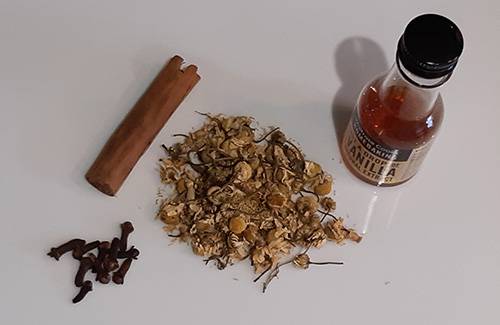
- 2 tablespoons of loose Chamomile flowers/tea
- 3 – 5 cloves
- 2 teaspoons of vanilla extract
- 2 cups of milk of your choice
- 1 cinnamon stick
- Ground cinnamon for garnish.
Method
- Put the milk, Chamomile, cloves, and cinnamon stick into a small saucepan


- Place the saucepan over a medium-low heat
- As soon as small bubbles begin to form along the sides, turn down the heat so the liquid is just simmering. Don’t let the milk boil!
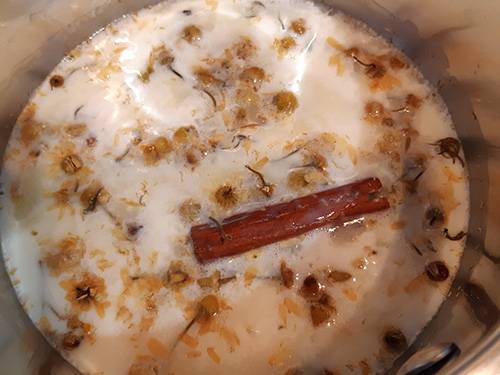
- After 2 – 3 minutes turn the heat off and leave the mixture to steep for 5 – 10 minutes
- Strain the liquid using a fine sieve into a French press


- Add the vanilla extract (and honey if you enjoy the extra sweetness)
- Move the plunger in and out 6 – 8 times. Be careful as the milk will almost double in volume


- Pour the frothy liquid into a cup or mug and garnish with a sprinkle of ground cinnamon if you want to.
Of course, you can experiment with flavoring until you find the combination that’s right for your palette.
Dosage
Given the lack of broad clinical research into Chamomile, it is not surprising that there are no set doses. In addition, it depends on the type of preparation that you are using and what problem you are treating.

However, generally, you should be guided by the directions on the packaging of bought remedies and/or by your healthcare practitioner.
You can also use Chamomile topically for swollen joints or irritated eyes:
What Plants Resemble Chamomile?
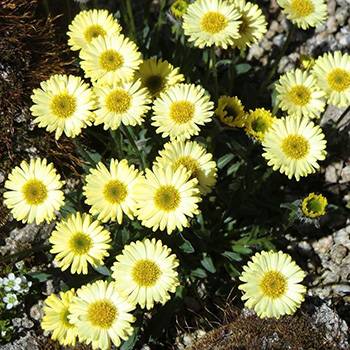
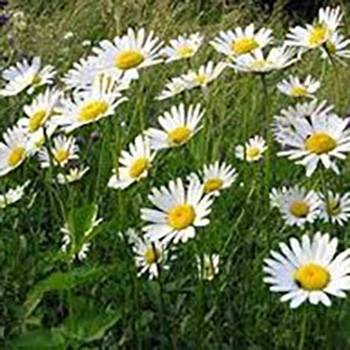
There are several plants that are confused with German Chamomile. Looking at the similarities and differences can help:
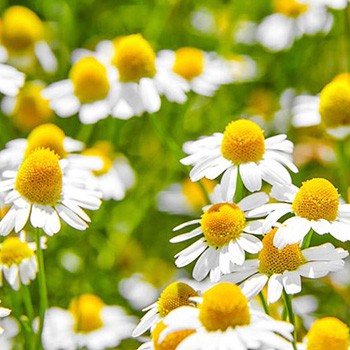
| Feature | German Chamomile Matricaria chamomilla / Chamomilla recutita | Roman Chamomile Chamaemelum nobile / Anthemis nobilis | Fleabane Erigeron aureus | Oxeye Daisy Leucanthemum vulgare |
|---|---|---|---|---|
 |  |  |  | |
| Growth | Upright stems | Creeping groundcover | Basal leaf clump and erect stem | Upright stems |
| Size | 1 – 2 feet / 30 – 60 cm in height | Low, compact groundcover | 4 - 8” / 10 – 20 cm in height | 1 – 2 feet / 30 – 60 cm in height |
| Leaves | Delicate, feathery; long, narrow lobes | Feathery; long, narrow lobes | Whole; lance-shaped / oblong; toothed; hairy | Whole; toothed / serrated edge |
| Flowers | White petals | Small flower, white petals | Flat head; long, thin petals; yellow | Large, long petals; white |
| Center of flower | Domed, hollow, yellow | Conical, yellow | Slight domed, sunken center, yellow | Disc-shaped, flat, sunken center, yellow |
If you are unsure of plant identification, it’s best not to harvest it for ingestion or topical application!
Add Chamomile to Your Backyard, Last 30 Packs Left!
Frequently Asked Questions About Chamomile
Q: How much chamomile tea can I drink per day? Is there a safety limit?
A: Chamomile is considered very safe, and most people can drink 3-5 cups daily without issues. However, there are some guidelines to consider.
General recommendations:
For anxiety/stress: 2-3 cups daily
- Morning, afternoon, and evening doses
- Spread throughout the day for sustained calming effects
For insomnia: 1-2 cups in the evening
- 30-60 minutes before bedtime
- Can add a midday cup if anxiety is interfering with sleep
For digestive issues: 1-3 cups as needed
- After meals for indigestion
- Or when symptoms occur
Safety considerations:
No established upper limit exists because chamomile is so safe. However:
Practical limits:
- Most studies use 3-4 cups daily, equivalent to about 400-1,600mg extract
- Beyond 5-6 cups daily, you’re mostly just drinking a lot of liquid
- More isn’t necessarily better—effects plateau after a certain dose
When to limit intake:
⚠️ If you’re pregnant: Avoid regular use or limit to 1 cup daily (see contraindications) ⚠️ If you’re on blood thinners: Limit to 1-2 cups daily and inform your doctor ⚠️ If you have ragweed allergies: Start with 1/4 cup and monitor for reactions ⚠️ If you experience side effects (drowsiness, nausea): Reduce amount
Long-term daily use:
Unlike some herbs that shouldn’t be used continuously, chamomile can be consumed daily for extended periods without known safety issues. Many people drink chamomile tea daily for years without problems.
However: If you find yourself needing increasing amounts to achieve the same effect, this may indicate:
- Your anxiety requires professional evaluation
- You’re developing psychological dependence on the ritual (not physical addiction to chamomile)
- Underlying health issues need addressing
The bottom line: 3-4 cups daily is safe for most people. If you want to drink more, it’s unlikely to cause harm, but check with your doctor if you have health conditions or take medications.
Q: Can I give chamomile to children? What age is safe, and how much?
A: Chamomile can be given to children, but age-appropriate dosing and precautions are essential.
Age guidelines:
Infants under 6 months: ❌ NOT RECOMMENDED
- Developing digestive and immune systems
- Risk of allergic reactions
- Insufficient safety data
6-12 months: ⚠️ Use only under pediatrician guidance
- Occasional use for colic or teething may be safe
- Very diluted tea only
- Start with 1-2 teaspoons
1-3 years: ⚠️ Use with caution
- 1/4 of adult dose
- Diluted tea: 2-4 ounces
- Not daily use without pediatrician approval
4-12 years: ✅ Generally safe
- 1/3 to 1/2 of adult dose
- 4-8 ounces of tea
- Can be used more regularly for appropriate conditions
Over 12 years: ✅ Can use adult dosing
Conditions chamomile may help in children:
Colic (infants over 6 months):
- Chamomile may reduce crying and digestive discomfort
- Use only under pediatrician supervision
- Very diluted tea (1 teaspoon chamomile per cup water, give 1-2 teaspoons)
Teething pain:
- Cooled chamomile tea on a clean cloth for baby to chew
- Or very small amounts of diluted tea
Anxiety and stress (school-age children):
- Mild anxiety related to school, social situations
- 1/2 cup weak tea before bed or before stressful situations
- Should be combined with behavioral strategies
Sleep issues:
- Bedtime routine with warm chamomile tea (age-appropriate dose)
- 30-60 minutes before bed
Stomach upset:
- Diluted tea for mild digestive issues
- After meals or when symptoms occur
Important safety considerations for children:
⚠️ Allergy risk: Children with family history of ragweed or plant allergies should be introduced to chamomile very cautiously. Start with tiny amounts.
⚠️ Never use as first-line treatment: Behavioral interventions, proper sleep hygiene, and addressing root causes should come first. Chamomile is complementary, not primary treatment.
⚠️ Honey warning: Don’t add honey to chamomile tea for infants under 12 months (botulism risk from honey, not chamomile).
⚠️ Monitor effects: Some children may have paradoxical reactions (becoming more wired instead of calm). Discontinue if this occurs.
⚠️ Not for serious conditions: Chamomile is not appropriate for:
- Severe anxiety or behavioral disorders (requires professional evaluation)
- Chronic sleep disorders
- Serious digestive conditions
When to see a pediatrician instead:
- Sleep problems persist despite good sleep hygiene
- Anxiety interferes with school or relationships
- Digestive issues are severe or chronic
- Child shows signs of depression
- Any serious behavioral or emotional concerns
Preparation for children:
Make it palatable:
- Weak tea (1 teaspoon per cup for young children)
- Add a small amount of honey (over 12 months only)
- Can mix with apple juice to mask taste
- Serve warm but not hot
Tea strength by age:
- 1-3 years: Very weak (1 tsp per cup)
- 4-8 years: Weak to moderate (1-2 tsp per cup)
- 9-12 years: Moderate (2 tsp per cup)
- 13+: Adult strength (2-3 tsp per cup)
The bottom line: Chamomile can be safe and beneficial for children over 1 year old when used appropriately. Always start with small amounts, watch for allergic reactions, and use it as part of a holistic approach that includes behavioral strategies and good health habits.
For infants and serious childhood conditions, always consult a pediatrician before using any herbal remedies.
Q: Can I drink chamomile tea if I’m allergic to ragweed? I’ve heard conflicting information.
A: This is one of the most important safety questions about chamomile, and the answer is: it depends on the severity of your allergy, but caution is essential.
The connection between ragweed and chamomile:
Chamomile and ragweed are both members of the Asteraceae (daisy) family. People allergic to ragweed may also react to other plants in this family through a phenomenon called cross-reactivity.
What is cross-reactivity?
Your immune system recognizes proteins in ragweed as threats. Chamomile contains similar proteins, so your immune system may mistakenly react to chamomile as if it were ragweed.
Not everyone with ragweed allergy reacts to chamomile—but many do.
Warning And Cautions
Just because a remedy or preparation is plant-based and therefore natural does not necessarily mean that it is 100% safe. Some individuals need to either avoid Chamomile or exercise caution:
- People who are allergic to members of the daisy family
- Pregnant and breastfeeding women
- Patients on blood-thinning medications
- Women suffering from hormone-sensitive conditions such as uterine fibroids or endometriosis
- Individuals scheduled for surgery should not use Chamomile in the 2 weeks prior.
The bottom line is that everyone, but particularly individuals with a medical condition they receive medication for, should consult their healthcare provider before using Chamomile or any new remedy or preparation.
You may also like:
 The 6 Best Bedtime Teas To Help You Sleep
Erratic Blood Sugar? Never Eat This Veggie(Video)
Soak Your Troubles Away with Homemade Tub Tea
30 Anti-Anxiety Remedies You Didn’t Know About
Get Rid of Headaches Right Now With This Tea


I love this plant. Thank you for sharing.
will pineapple weed work? I don’t have chamomile.
Hi Marian,
Yes, there are also many impressive health benefits of using pineapple weed for people suffering from fever, insomnia, parasitic infections, chronic pain, inflammatory conditions, skin irritation, wounds, indigestion, stress, anxiety, and a weak immune system.
Dry flower heads of pineapple weed are often used to brew an herbal tea, and this remains the most popular use of this herb. You only need 5-6 flower heads and can add honey to sweeten the flavor or dilute the taste of pineapple.
God bless!
When I take Chamomile it makes me nervous the complete opposite of what it’s supposed to do. Why is this?