
What Long-Term Stress Really Does to Your Organs (And How to Protect Them)
Your heart races. Your stomach churns. You can’t sleep. Your hair is falling out more than usual.
You think, “I’m just stressed. It’ll pass.”
But it doesn’t pass. The bills keep coming. Your family needs you. The news is relentless. Inflation hits harder when you’re on a fixed income. The worry becomes background noise… you’ve learned to live with it, but your body hasn’t.
Here’s what most people don’t realize: chronic stress isn’t just “in your head.” It’s physically damaging your organs. Your heart. Your gut. Your immune system. Your skin. Your brain.
When you face a threat, your body floods with adrenaline and cortisol—the fight-or-flight hormones. This is helpful in emergencies. The problem is when those hormones stay elevated for months or years. That’s when real damage happens.
Let me show you what’s happening inside your body when stress never turns off, and which herbal remedies can help you fight back. I’ll share plants that not only reduce stress itself but also protect your organs from the damage stress causes.
What Stress Does to Your Heart and Blood Vessels
Chronic stress hijacks your cardiovascular system. Adrenaline and cortisol keep your heart rate elevated and your blood pressure high. When those hormones stay elevated for months, they damage your blood vessels.
Research confirms that chronic stress contributes to high blood pressure and encourages the formation of artery-clogging plaques. Over time, this accelerates atherosclerosis—hardening and narrowing of the arteries, which raises your risk of heart attacks and stroke.
Your heart wasn’t designed to race constantly. When stress keeps it revved up day after day, the wear and tear accumulates. Heart disease isn’t just about cholesterol and genetics; chronic stress is a major player.
But sometimes it’s just as you feel the stress clogging your arteries. Chest tightness. Racing heart. That heavy feeling that won’t go away.
Also read: How to Grow Luffa and Turn Them Into Sponges
It’s called the Arterial De-Clogger recipe uses garlic, ginger, cinnamon, and lemon—ingredients proven to improve blood flow and reduce plaque buildup. Takes 15 minutes to make. Lasts a month.
My grandmother made something similar. She didn’t call it “arterial de-clogger.” She just said, “This is what keeps your heart strong.”
Click here for the complete recipe—exact measurements, photos, how to store it. 
You can make your own blends with heart-strengthening herbs… hunt down hawthorn, tulsi, fenugreek, and get the ratios right.
Or you can skip all that guesswork.
This one already combines everything your heart needs in the right balance: circulation, pressure, and inflammation, all covered in a few drops.
It’s simple, consistent, and honestly… easier to stick to.
I’ll leave it here if you want to support your heart without overcomplicating it.
What Stress Does to Your Digestive System
Stress sends your gut a signal to pause. In fight-or-flight mode, blood diverts away from digestion toward your muscles and vital organs. Your body thinks you need to run from danger, not digest lunch.
Even mild stress—like public speaking or a tense meeting—can briefly halt gut function, causing cramps, nausea, or that awful “butterflies” feeling. When this happens repeatedly over months, it contributes to chronic digestive problems.
Studies show that 35-70% of people experience functional digestive issues like IBS or acid reflux at some point, and stress is a known trigger. Your gut and brain are constantly communicating. When your brain is stressed, your gut suffers.
Bloating, cramping, constipation, diarrhea, heartburn—these aren’t separate problems. They’re often your gut responding to chronic stress.
You can try fixing your gut piece by piece…
One herb for bloating, another for inflammation, something else for digestion. But your gut doesn’t work in pieces. It’s all connected.
That’s why I like blends like this: multiple herbs working together instead of you trying to figure it out alone.
If your digestion’s been off for a while, Nicole Apelian developed a gut-supportive blend for daily use.
What Stress Does to Your Immune System
Cortisol normally helps control inflammation during emergencies. But chronically high cortisol suppresses your immune system instead of supporting it.
Research shows that prolonged stress creates an “aged” immune profile—fewer flexible immune cells and more exhausted ones. Your body’s defenses weaken. You catch every cold going around. Cuts heal slower. You feel run-down constantly.
Chronic stress has been linked to poorer infection response, slower wound healing, and higher disease risk overall. When your stress hormones stay elevated, your immune system can’t do its job properly.
You’re not imagining it when you get sick more often during stressful periods. Your immune system is genuinely compromised.
And this is where most people get it wrong.
When your immune system is run down like this, quick fixes won’t cut it. You need something consistent.
That’s why this stood out to me.
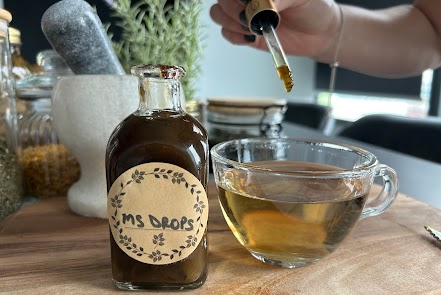 Nicole talks about a simple mushroom drops recipe she takes daily to support her immune system—something she credits as part of her shift from being wheelchair-bound to living an active life.
Not occasional. Daily. And she doesn’t just mention it… she shows you exactly how to make it HERE.
If your body feels like it’s always playing catch-up, this is worth looking into.
What Stress Does to Your Skin and Hair
Chronic stress shows up on the outside too. One of the clearest effects is hair loss.
Under high cortisol, hair follicles jump into a resting phase and shed many hairs at once. Research confirms that stress hormones actually shut off hair stem cells, stopping regrowth. Your body essentially decides, “Hair growth isn’t essential right now,” and redirects resources elsewhere.
The result can be noticeable thinning or patchiness that seems to come out of nowhere. It’s not aging—it’s stress.
Stress can also aggravate skin conditions like eczema, psoriasis, and acne. When your stress hormones are constantly elevated, inflammation in your skin increases, making these conditions flare.
Also Read: Top 10 Common Acid Reflux Triggers
When Stress Steals Your Hair, It Also Steals Your Confidence
You usually notice it in the shower first.
More strands than usual. Then your scalp starts showing a bit more. And before you know it, you’re adjusting your hair, avoiding mirrors, reaching for a hat more often than you’d like.
Doctors call it one thing… but when it’s happening to you, you just want it to stop.
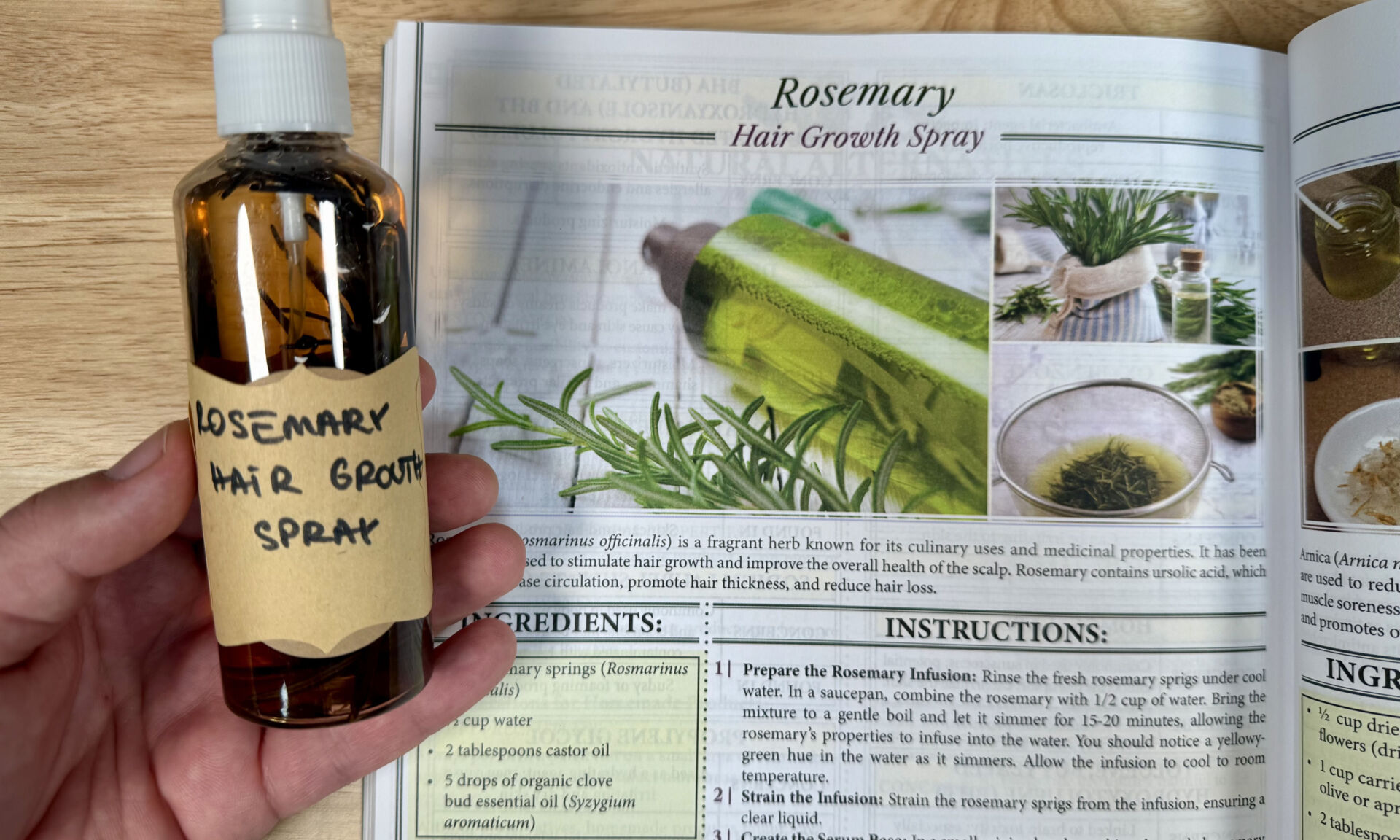
Rosemary is one of the few things that actually makes sense here. It helps wake up the follicles and bring life back to them.
You can just throw some rosemary into your shampoo… but that barely does much.
What worked better for me was using it properly, as a simple spray you apply right after a shower, consistently.
It takes about 10 minutes to make, uses ingredients people have relied on for generations, and actually gives your hair a real chance to recover.
I’ll leave the recipe here for you.
What Stress Does to Your Brain and Mood
Ongoing stress literally reshapes your brain. Repeated cortisol spikes alter the circuits responsible for emotion and memory.
Research shows that chronic stress causes brain changes that may contribute to anxiety, depression, and addiction. In everyday life, this shows up as mood swings, sleep troubles, difficulty concentrating, and that constant feeling of being “on edge.”
You might find yourself snapping at people you love. You can’t focus on simple tasks. You lie awake at 3am with your mind racing. You feel anxious about things that never used to bother you.
This isn’t weakness or failure—it’s your brain responding to chronic stress exposure. The physical structure of your brain changes when stress hormones stay elevated for too long.
Next time you see lemon balm growing, look closely at the yellow buds. Those tiny flowers are nature’s calmest gift.
My mom used to collect them each spring, dry them, and keep them in an old pill bottle. Whenever I felt overwhelmed, she’d give me three buds to chew.
I do the same now. Collect in May. Use all year. Free medicine growing in your yard.
You can try all the right herbs… but if stress is constant, one remedy won’t fix it.
That’s what I learned the hard way.
What actually helped was following a simple stress & anxiety protocol—what to do morning, day, and night—so my body finally had a clear path to calm down.
The more consistent I was, the more I felt it: better sleep, less tension, a quieter mind.
If you’ve been stuck in that constant “on” mode, I’ll leave it here for you.
Herbal Protection Against Stress Damage
Understanding how stress damages your body is one thing. Knowing what to do about it is another.
Several herbs have solid research backing their ability to counter stress and protect your organs. Folk medicine knew about these for centuries—modern science is finally catching up.
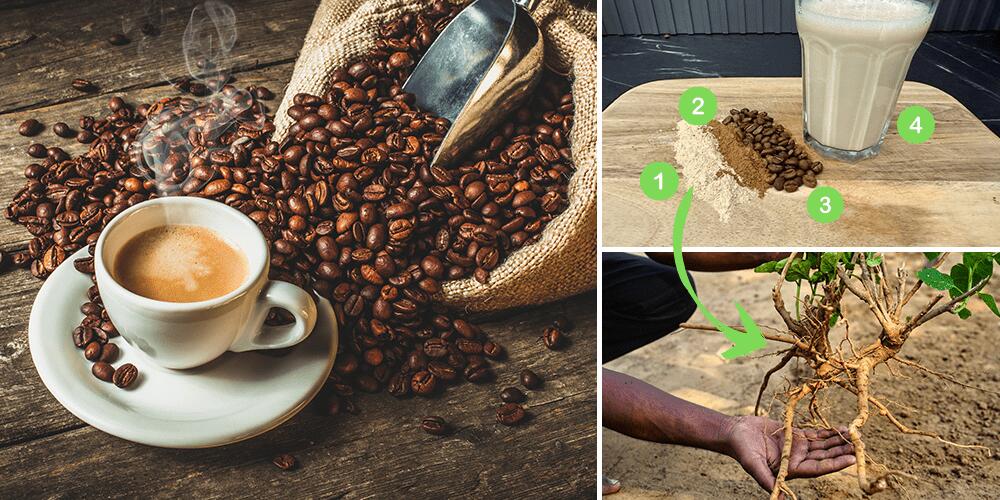
Ashwagandha: This adaptogenic root from Ayurveda has been used for stress relief for thousands of years. Studies now confirm it significantly reduces stress and lowers cortisol levels. People taking ashwagandha typically report feeling calmer within weeks. It helps your body adapt to stress rather than being overwhelmed by it.
Typical dose: 300-600mg daily of standardized extract. Generally well-tolerated short-term, but not recommended during pregnancy or if you have thyroid issues.
You can absolutely go the supplement route… bottles, capsules, guessing dosages.
Or you can take a more grounded approach.
What I like about this blend is that it’s not just ashwagandha thrown in a capsule. It’s combined with other adaptogens like reishi and lion’s mane—plants that work together, not alone.
It’s also dual-extracted, which means you’re not getting a weak version of the plant… you’re getting the full spectrum.
If you want something simple you can take daily without overthinking it, this is the one I keep coming back to. I’ll leave it here for you.
Holy Basil (Tulsi): Another adaptogen used in Ayurveda for stress resilience. Research shows it helps reduce stress-related symptoms and supports healthy cortisol patterns. It’s especially useful when stress is affecting your mood and energy.
Lemon Balm: This lemon-scented mint herb has been used for centuries for relaxation and digestive calm. Research confirms it soothes both anxiety and upset stomach—making it perfect when stress is hitting your nervous system and your gut at the same time.
It’s recognized as safe with no known liver toxicity. Many people sip lemon balm tea to ease nerves during stressful periods. It’s gentle, effective, and you can use it daily.
You can drink lemon balm tea…
But let’s be honest, it’s mild. And when stress is hitting both your stomach and your nerves, sometimes mild doesn’t cut it.
A tincture is just… different. More concentrated, faster acting, easier to actually stay consistent with.
What I like here is how clean it is. Just lemon balm, properly extracted. No fillers, no guessing.
A few drops, and you’re done.
If you want something you can rely on during those tense moments (instead of hoping a tea kicks in), you can check out the 100% organic Lemon Balm Tincture here.
Chamomile: The classic bedtime flower your grandmother recommended. Clinical trials confirm it can ease anxiety in many people. It works by gently activating calming neurotransmitters in your brain.
Chamomile tea is extremely safe. Side effects are rare aside from possible allergies in people sensitive to ragweed-family plants. It’s been used safely for generations, and now science backs up why it works.
Passionflower: Traditional calming herb with research support for reducing anxiety. It helps quiet the racing mind that keeps you awake at night or makes you feel constantly on edge.
You know that feeling… your body is tired, but your mind just won’t shut up.
The thing is, it also helps you sleep, and I mean, a restful sleep. It’s at night during sleep when your body regenerates, your brain especially. So if you don’t get enough quality sleep, passionflower should be your go-to plant.
That’s where herbs like passionflower actually shine.
But here’s the thing—on its own, it helps. Combined properly with valerian and chamomile? That’s when it really starts to work with your body instead of fighting it.
This blend is made exactly like that. Not random herbs mixed together, but a formula designed for that “wired but exhausted” state.
And honestly, it’s a lot safer than experimenting on your own—especially with stronger herbs like valerian.
If nights are when your stress hits hardest, this sleep blend right here is worth having on your shelf.
These aren’t magic bullets, but they genuinely help. They work best when combined with healthy sleep, regular movement, and moments of actual rest—not just scrolling your phone.
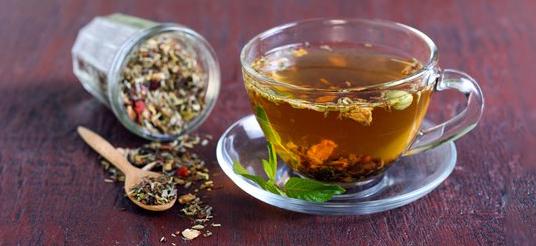
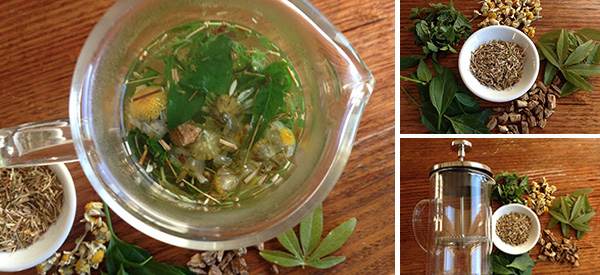
Calming Herbal Tea Recipe
This blend combines herbs that both folk medicine and modern research support for stress relief.
Ingredients:
- 1 teaspoon ashwagandha root powder (or 1–2 dropperfuls of a well-balanced Anxiety & Stress tincture if you want a more potent, ready-made option)
- 2 teaspoons dried lemon balm leaves (or a few drops of lemon balm tincture for a more concentrated effect without brewing tea)
- 1 teaspoon dried chamomile flowers
- Optional: pinch of dried lavender or holy basil
Instructions: Combine all herbs in a teapot or infuser. Pour 1 cup boiling water over the herbs. Steep for 5-10 minutes, then strain. Add honey or lemon to taste.
Sip slowly during a quiet moment—once daily or as needed. This ritual itself matters. Taking 10 minutes to sit quietly with warm tea tells your nervous system it’s safe to relax.
The Bottom Line
Chronic stress literally wears down your organs over time. It damages your heart and blood vessels. It disrupts your digestion. It weakens your immune system. It causes hair loss and skin problems. It changes your brain structure and mood.
But you’re not helpless. Herbs like ashwagandha, lemon balm, chamomile, holy basil, and passionflower have proven stress-relief effects. A daily cup of calming tea, combined with adequate sleep, regular movement, and real rest, can help protect your heart, gut, immune system, brain, and even your hair from stress’s toll.
Your body is resilient, but it needs support. Give it the herbal allies and lifestyle changes it’s asking for. Your organs will thank you.
Stop Delaying What Your Body Is Begging For
You know stress is killing you. You feel it every day. But you keep saying “I’ll deal with it later.”
Later becomes months. Then years. Then permanent damage.
Here’s what you can do today:
Learn from Nicole (35+ years of herbal knowledge, survived MS and 57 days alone in wilderness)
Get the recipes (250 remedies your great-grandparents used before Big Pharma)
Or grab ready-made (if you don’t have time to make them yourself)
But do SOMETHING. Because if you don’t take control of your health naturally, someone else will decide what you swallow, and it won’t be in your best interest.
You may also like:
 The ‘Nerve Oil’ You Should Use For Shaky Hands
The Mushroom That Can Regrow Brain Tissue
🌿 Join Our Private Herbal Community For Free. 👉 Click here!
Disclaimer: This article is for educational purposes only and does not provide medical advice. These remedies are not intended to diagnose, treat, cure, or prevent any disease. If you have chronic health conditions, take medications, are pregnant or nursing, consult your healthcare provider before using herbal supplements. Herbs can interact with medications—discuss with your doctor before starting new supplements.