

17 Plants Every Senior Should Have in Their Home Apothecary
As you get older, small discomforts can start taking up far too much space in your life.
A stiff knee may make you think twice before going for a walk. One restless night can leave you foggy and drained the next day. Sluggish digestion, fragile skin, or a seasonal cold can interfere with routines that once felt effortless.
That does not mean you need a cabinet crowded with supplements. A useful home apothecary is usually much simpler: a small collection of plants you understand and can reach for when everyday discomfort appears.
These 17 herbs, berries, seeds, and mushrooms may support digestion, seasonal wellness, joint comfort, sleep, mental clarity, circulation, and skin health.
Related: Herbal Glossary: Remedies For Your Stomach
Important safety note: Herbs can interact with prescriptions and affect bleeding, blood pressure, blood sugar, alertness, immune function, liver health, and medication absorption. Never stop, reduce, or replace prescribed medication with an herbal remedy unless your healthcare provider approves the change. Seniors taking regular medication should show the exact supplement label to a doctor or pharmacist before using it.
For Digestive Comfort and Regularity
Digestive problems can affect your appetite, sleep, energy, and willingness to leave home. These plants may help make digestion feel more comfortable and predictable.
Related: How To Make Your Own Mind Matrix Formula At Home
17. Marshmallow Root
Marshmallow root contains mucilage, a slippery plant fiber that forms a soothing texture when mixed with water. Herbalists traditionally use it for mild irritation in the stomach and digestive tract.
A cool infusion often draws out more mucilage than a hot tea. Because its mucilage could affect how some oral medicines are absorbed, separate it from medications and ask a pharmacist how much time to leave between them.
Also Read: Dandelion Lemonade for Gallbladder Health
16. Plantain Seed
Plantain may look like an ordinary lawn weed, but its seeds can absorb water and add bulk to the stool.
This may support easier, more regular bowel movements when reduced activity, diet changes, or medications leave digestion sluggish. Always take the seeds with plenty of fluid. Without enough water, swelling fibers can worsen constipation.
Related: How to Make Penicillin Soup
15. Psyllium
Psyllium is another member of the Plantago family and one of the better-supported natural options for constipation.
Its husks absorb liquid and form a soft gel that helps create a bulkier, easier-to-pass stool. Regular psyllium intake may also help maintain cholesterol and blood sugar levels already within a healthy range as part of an appropriate diet.
Also Read: DIY Recipes For Pain Relief, Detox, Memory, And More!
Take psyllium with a full glass of water. People with swallowing difficulties, severe abdominal pain, or a possible bowel obstruction should avoid it unless medically supervised.
Related: DIY Anti-Snoring Shot
Marshmallow, plantain, and psyllium all point to the same truth: as you age, digestion needs gentler support.
Most people try to do the right thing for their gut.
But unless you know where your herbs came from, you don’t really know what else came with them: pesticides, poor storage, weak quality, or rushed processing.
Related: I Ate 5 Dates Daily And This Is What Happened
That matters when you’re taking something for digestion.
Nicole’s Balance Gut Blend gives you the easier path: marshmallow, slippery elm, plantain, reishi, turkey tail, and lion’s mane in one ready-made tincture from a herbalist people trust.
Check out the trusted reviews here.
For Seasonal Immune and Respiratory Support
When cold season arrives, these traditional remedies may support comfort. They should not be treated as guaranteed protection against infection.
14. Usnea
Usnea is a pale, branching lichen traditionally included in seasonal wellness formulas.
You may know it as “Old Man’s Beard,” the pale green lichen that hangs from trees in wild places. Herbalists have traditionally used carefully prepared usnea products during the colder months to support general immune and respiratory wellness.
Related: If You See These White Spots on Your Plants, Don’t Touch Them
Usnea is not appropriate for casual or excessive use. Concentrated products containing usnic acid have raised liver-safety concerns, so follow product directions and consult a healthcare professional if you have liver problems or take regular medication.
13. Elderberry
Some research has explored properly prepared black elderberry products for upper-respiratory symptom support, although findings vary and elderberry should not be treated as a substitute for medical care.
It is most useful as seasonal support rather than a promise that you will avoid every cold or flu.
Related: People Weed Out These Plants, But Here’s What You Should Do Instead
Keep a correctly prepared product on hand so you are not trying to make one after symptoms begin. Never use raw or unripe elderberries, leaves, or stems. These parts may cause nausea, vomiting, and diarrhea.
Related: If You See This Weed Growing In Your Yard, Don’t Smell It – Here’s Why
Elderberry is one of those remedies you want ready before everyone around you starts coughing.
And with flu season getting closer, now is the smart time to stock up, not when your throat already feels scratchy and everyone else is buying the same things.
Nicole’s Elderberry Tincture is already prepared for you, using a more careful extraction process than the usual “elderberry syrup in a bottle” you see everywhere.
I won’t spoil the exact method here, because it’s worth seeing how she makes it.
Check out the Elderberry Tincture and how it’s made here.
For Heart and Circulatory Support
Your heart and blood vessels deserve steady daily support, but stronger cardiovascular herbs require caution, especially when prescriptions are already involved.
Related: The Natural Pain Management Protocol You Need
12. Hawthorn
Hawthorn has been studied for several aspects of cardiovascular function, but findings differ by preparation and it should not be used to self-manage a diagnosed heart condition.
Because hawthorn may interact with heart and blood-pressure medications, it should not be added casually to a senior’s routine.
Chest pain, irregular heartbeat, unusual breathlessness, dizziness, or ankle swelling require medical attention, not a stronger cup of herbal tea.
Also read: Kudzu: The Vine That Ate the South… and More
11. Bilberry
Bilberries contain anthocyanins, the deep blue-purple plant pigments also found in blueberries.
Anthocyanin-rich berries may support blood-vessel function and selected markers of cardiovascular and metabolic health. The simplest way to benefit is through food.
Add bilberries or blueberries to oatmeal, yogurt, smoothies, or an unsweetened fruit compote. You receive the pigments along with fiber and other nutrients, without relying on another concentrated capsule.
Hawthorn and bilberry are often included in traditional wellness routines, but preparing several herbs separately can become complicated.
Nicole’s blend combines hawthorn, bilberry, tulsi, and fenugreek in one ready-made tincture intended to complement a general wellness routine.
Because these herbs may interact with blood-pressure, blood-sugar, blood-thinning, and heart medications, show the complete ingredient list to your doctor or pharmacist before using it.
Get your Heart Health Blend here.
For Stiff Joints and Everyday Aches
Pain can quietly reduce your independence. When moving hurts, you may garden less, walk less, and avoid activities that help keep your body strong.
10. Arnica
Arnica belongs in the topical drawer, never in your teacup.
A properly formulated arnica gel may help relieve hand-joint discomfort. One clinical comparison found that a specific arnica preparation performed similarly to topical ibuprofen gel for hand osteoarthritis.
Apply it only to intact skin. Do not swallow herbal arnica or use it on cuts, ulcers, open wounds, or severely irritated areas.
Related: Why You Should Put Usnea in Your Socks
9. Cayenne
Cayenne contains capsaicin, the compound responsible for its intense heat.
Topical capsaicin creams may reduce osteoarthritis discomfort when used consistently. They do not always provide immediate relief, and warmth or burning is common during the first applications.
Wash your hands carefully after using capsaicin. Keep it away from the eyes and broken skin, and never combine it with a heating pad or tight bandage.
For stiff knees, sore hands, or achy joints, a rub-on remedy can make more sense than another capsule.
You could make one yourself with cayenne, arnica, calendula, St. John’s wort, cottonwood buds, frankincense, and helichrysum, but that means sourcing, infusing, straining, melting, and cleaning up.
Nicole already made the ready-to-use version. Click here to skip the work and get the finished salve.
8. Turmeric
Turmeric is one of the easiest herbs to include in everyday life.
Certain curcumin preparations may help reduce knee-osteoarthritis pain and stiffness, although products vary considerably. You can begin by using culinary turmeric in soups, eggs, rice, vegetables, and warming drinks.
Concentrated supplements require more caution. Highly absorbable curcumin formulas have sometimes been associated with liver injury, and turmeric may not be suitable for everyone using blood thinners or managing gallbladder problems.
For Calm Evenings and Better Sleep
Being exhausted does not always mean you can fall asleep. Sometimes your body is ready for bed while your thoughts remain wide awake.
7. Lemon Balm
Lemon balm has traditionally been used for mild stress, restlessness, and sleep support.
A cup of lemon balm tea may help you ease into the evening, particularly when tension keeps your mind active. It is not meant to knock you out. Its value lies in helping the nervous system slow down more naturally.
Make it part of a routine: dim the lights, put your phone aside, prepare the tea, and give yourself time to settle.
Persistent insomnia, sudden sleep changes, loud snoring, or breathing interruptions should be medically evaluated.
Lemon balm is one of the easiest calming herbs to grow yourself.
You can keep it in a small pot on your windowsill, trim a few leaves, and make a simple evening tea whenever your mind refuses to settle.
But some of you asked me for the ready-made version too, so just in case you don’t want to grow, dry, steep, or wait… You can get Nicole’s Lemon Balm Tincture here.
For Mental Clarity, Energy, and Healthy Aging
Medicinal mushrooms are often grouped together, but each one has different compounds, uses, and levels of evidence.
6. Turkey Tail
Turkey tail contains compounds that have attracted attention for their effects on immune activity.
Purified turkey-tail preparations have been used alongside conventional cancer treatment in Japan.
Turkey tail should never be presented as a standalone cancer treatment. Anyone receiving chemotherapy, radiation, immunotherapy, or immune-suppressing medication should consult their medical team before using it.
It’s honestly remarkable to see mushrooms like turkey tail being studied and used alongside conventional care in such serious situations.
That does not mean you should replace your treatment. Never. Anyone receiving chemotherapy, radiation, immunotherapy, or immune-suppressing medication should speak with their medical team before using it.
But it does remind you that supporting your body matters, and for some people, starting with a simple turkey tail tincture is one small way to take a more active role in their health. See a turkey tail tincture here.
5. Reishi
Reishi is frequently promoted for immunity, stress, heart health, and longevity.
Its traditional reputation is strong; it’s even called by some “The mushroom of immortality”.
Treat it as a concentrated supplement rather than an ordinary food. Species, extraction method, dose, and product quality all matter.

When a true herbalist keeps a mushroom like this close, that tells you it’s not just another trendy supplement.
Reishi has been respected for centuries, and this ready-made tincture gives you the easy version: carefully extracted, shelf-ready, and simple to use when you want steady support.
See a ready-made reishi tincture here.
4. Cordyceps
Cordyceps is traditionally associated with stamina and physical resilience.
A small study involving healthy older adults found that one specific cordyceps preparation improved certain measures of exercise performance.
It will not restore youthful energy overnight. However, it may offer support for seniors trying to remain active through walking, gardening, or gentle exercise.
Some people reach for coffee when they feel drained.
Others look for something that supports steadier energy without turning the day into a jittery roller coaster.
That’s where a cordyceps tincture may fit nicely, especially for seniors who still want to walk, garden, move, and keep their strength up.
3. Lion’s Mane
Lion’s mane is one of the most interesting mushrooms being studied for memory and cognitive function.
Some trials involving middle-aged and older adults have reported improvements in cognitive scores after regular use. However, results have not been consistent, and benefits may fade after supplementation stops.
Lion’s mane may support attention, memory, and mental clarity, but it should not be described as a treatment or preventive remedy for dementia.
Sudden confusion, major memory changes, or difficulty performing familiar tasks should always be medically assessed.
Lion’s mane is especially interesting because of its connection to NGF — nerve growth factor, a protein involved in the growth, maintenance, and survival of nerve cells.
That does not make it a miracle mushroom.
But when memory, focus, and mental clarity start feeling more precious with age, it makes sense to look at the mushroom being studied for exactly that kind of support.
A lion’s mane tincture like this one gives you the easy path: no powders, no mixing, no guessing about extraction.
The Smarter Way to Get Mushroom Support
You could buy these mushrooms one by one.
A turkey tail tincture. A reishi tincture. A cordyceps tincture. A lion’s mane tincture.
But that gets expensive fast.
The better option is the full 4-mushroom bundle, where you get all of them together for broader support: immune wellness, resilience, stamina, and mental clarity.
One shelf. Four mushrooms. Lower price than buying them separately.
Check out the 4-mushroom bundle here.
For Dry, Fragile, or Irritated Skin
Aging skin often becomes thinner, drier, and slower to recover. Having a gentle salve nearby may help you care for minor irritation before it becomes more troublesome.
2. Balm of Gilead
Balm of Gilead is traditionally made by infusing fragrant balsam-poplar buds into oil.
Herbalists use the finished salve for dry, chapped, or uncomfortable skin.
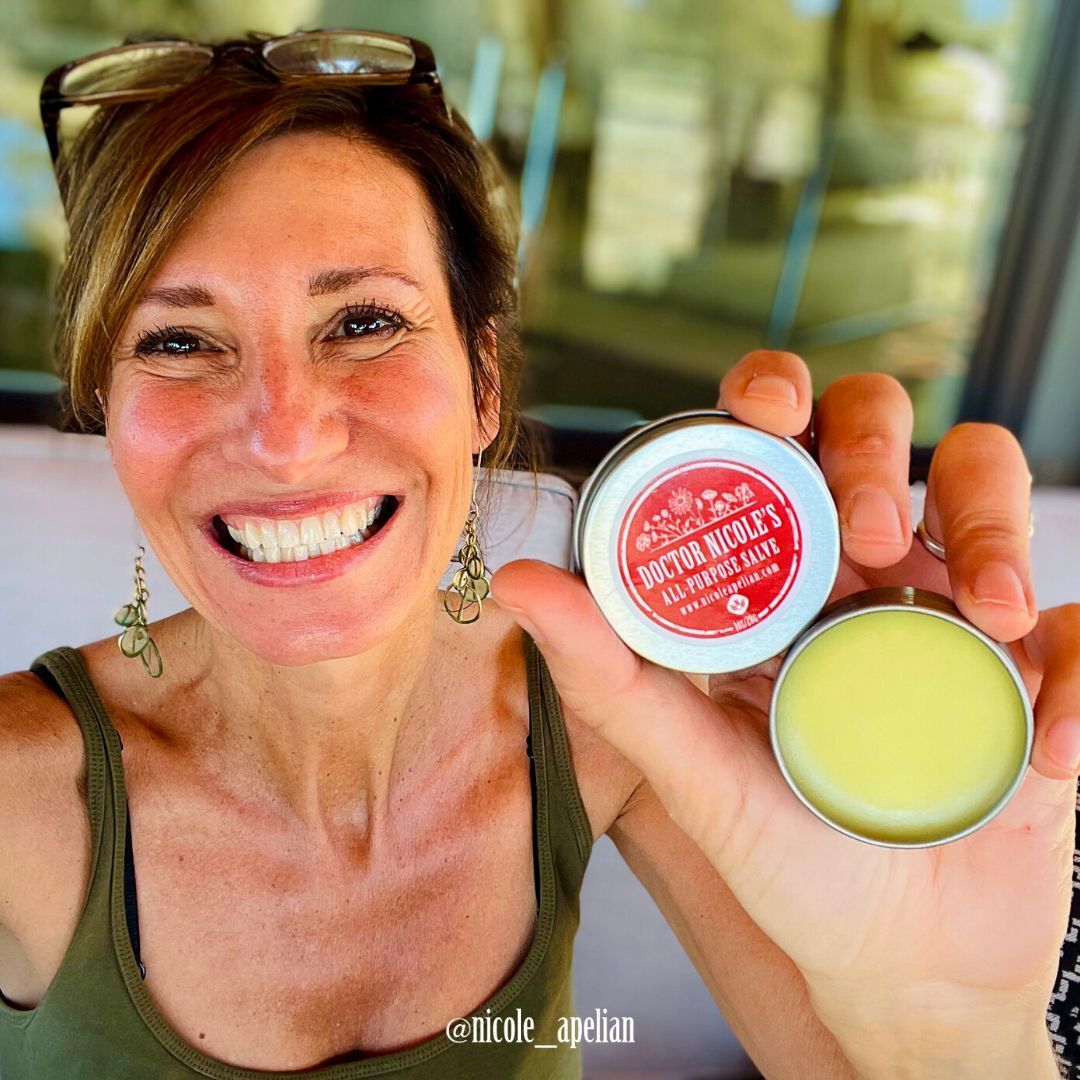
Balm of Gilead is one of those old skin remedies that still makes sense today.
I like it even more when it’s blended with other skin-supporting herbs like calendula, plantain, yarrow, arnica, and lavender.
That kind of salve earns its place in a senior home apothecary fast, for dry skin, chapped spots, garden scratches, bug bites, and small everyday irritations.
See the ready-made herbal skin salve here.
1. Calendula
Calendula may be the most broadly useful plant in a senior home apothecary.
Its bright flowers are infused into oils, salves, and creams for dry, irritated, or vulnerable skin. Calendula preparations may support healing in certain minor wounds, although study results vary by product and type of injury.
Keep a simple calendula salve nearby for dry hands, rough elbows, chafed skin, or small areas of uncomplicated irritation.
Patch-test it first if you are sensitive to plants in the daisy family. Deep cuts, severe burns, spreading redness, diabetic ulcers, or wounds that remain hot, swollen, draining, or slow to heal require professional care.
Calendula is one of the most beautiful plants you can grow, but it’s far more than decoration.
Traditionally, its bright flowers are used in oils, salves, washes, and skin preparations for dry, irritated, or vulnerable skin. It’s also valued by herbalists for gentle lymphatic support, which makes it even more useful in a home apothecary.
Get your calendula seeds here and plant a flower that does more than look pretty.
Build a Home Apothecary That Fits Your Life
You do not need to buy all 17 remedies.
Start with the concerns that affect you most. That might mean lemon balm for restless evenings, turmeric for everyday cooking, psyllium for regularity, calendula for fragile skin, or elderberry for seasonal support.
Choose one remedy at a time. Learn what part of the plant is used, how it should be prepared, and what medications may interact with it. Label homemade remedies clearly and write the preparation date on every jar.
Most importantly, pay attention to how your body responds.
You do not need to buy all 17 remedies today.
But you do need to know what to reach for when sleep gets rough, digestion slows down, skin gets fragile, joints feel stiff, or cold season starts moving through the house.
That is where The Forgotten Home Apothecary makes sense.
Nicole Apelian gathered 250+ old home remedies into one physical book, organized by body system, with step-by-step instructions, color pictures, measurements, and dosages.
So instead of searching online every time something feels off, you can open one book and find the remedy shelf that fits the problem in front of you.
That’s what a real home apothecary gives you: confidence, options, and less guessing.
Get The Forgotten Home Apothecary here.
A home apothecary should not force you to choose between plants and modern medicine. Used carefully, herbs can support the space between appointments, helping you care for everyday discomforts while protecting the treatments your long-term health depends on.
You may also like: 
The ‘Nerve Oil’ You Should Use For Shaky Hands
Never Do This Before Going To Sleep (Video)
Parasites 101: Signs, Dangers & Natural Remedies That Actually Work
The Mushroom That Can Regrow Brain Tissue
🌿 Join Our Private Herbal Community For Free. 👉 Click here!
References
General Safety
FDA — As You Age: You and Your Medicines https://www.fda.gov/drugs/information-consumers-and-patients-drugs/you-age-you-and-your-medicines
FDA — Mixing Medications and Dietary Supplements Can Endanger Your Health https://www.fda.gov/consumers/consumer-updates/mixing-medications-and-dietary-supplements-can-endanger-your-health
NCCIH — Using Dietary Supplements Wisely https://www.nccih.nih.gov/health/using-dietary-supplements-wisely
Elderberry
NCCIH — Elderberry: Usefulness and Safety https://www.nccih.nih.gov/health/elderberry
Elderberry for the Prevention and Treatment of Viral Respiratory Illness https://pubmed.ncbi.nlm.nih.gov/33827515/
Black Elderberry Supplementation for Upper-Respiratory Symptoms https://pubmed.ncbi.nlm.nih.gov/30670267/
Usnea and Usnic Acid
NIH LiverTox — Usnic Acid https://www.ncbi.nlm.nih.gov/books/NBK548493/
Review of Usnic Acid and Usnea barbata Toxicity https://pmc.ncbi.nlm.nih.gov/articles/PMC5739313/
Usnic Acid Pharmacology and Toxicity Review https://pubmed.ncbi.nlm.nih.gov/38904414/
Hawthorn and Anthocyanin-Rich Berries
NCCIH — Hawthorn https://www.nccih.nih.gov/health/hawthorn
Wild Blueberry Extract in Healthy Older Adults https://pubmed.ncbi.nlm.nih.gov/38674870/
Blueberries and Peripheral Vascular Function in Older Adults https://pubmed.ncbi.nlm.nih.gov/39593399/
Blueberries and Cardiovascular Risk Factors https://pubmed.ncbi.nlm.nih.gov/20660279/
Blueberries and Cardiometabolic Function https://pubmed.ncbi.nlm.nih.gov/31136659/
Turmeric, Capsaicin, and Arnica
NCCIH — Turmeric https://www.nccih.nih.gov/health/turmeric
Turmeric Extracts for Knee Osteoarthritis https://pubmed.ncbi.nlm.nih.gov/33511486/
Curcuma Extract Compared With Ibuprofen https://pubmed.ncbi.nlm.nih.gov/24672232/
Topical Capsaicin for Osteoarthritis https://pubmed.ncbi.nlm.nih.gov/38761115/
Topical Capsaicin Clinical Trial https://pubmed.ncbi.nlm.nih.gov/1954640/
Arnica Gel Compared With Ibuprofen Gel https://pubmed.ncbi.nlm.nih.gov/17318618/
NIH LiverTox — Arnica montana https://www.ncbi.nlm.nih.gov/books/NBK589897/
Lemon Balm
European Medicines Agency — Melissa Leaf https://www.ema.europa.eu/en/medicines/herbal/melissae-folium
Lemon Balm and Sleep Quality https://pubmed.ncbi.nlm.nih.gov/39683592/
Melissa officinalis Supplementation and Stress and Sleep https://pubmed.ncbi.nlm.nih.gov/29908682/
Lion’s Mane and Medicinal Mushrooms
Lion’s Mane and Mild Cognitive Impairment https://pubmed.ncbi.nlm.nih.gov/18844328/
Lion’s Mane and Cognitive Function https://pubmed.ncbi.nlm.nih.gov/31413233/
Acute Lion’s Mane Trial https://pubmed.ncbi.nlm.nih.gov/40276537/
National Cancer Institute — Medicinal Mushrooms https://www.cancer.gov/about-cancer/treatment/cam/hp/mushrooms-pdq
Cordyceps in Healthy Older Adults https://pubmed.ncbi.nlm.nih.gov/20804368/
Reishi and Cardiovascular Risk Factors https://pubmed.ncbi.nlm.nih.gov/25686270/
Turkey-Tail Extract as an Adjunct in Cancer Care https://pubmed.ncbi.nlm.nih.gov/22185453/
Marshmallow and Plantain
European Medicines Agency — Marshmallow Root https://www.ema.europa.eu/en/medicines/herbal/althaeae-radix
EMA — Marshmallow Root Assessment Report https://www.ema.europa.eu/en/documents/herbal-report/final-assessment-report-althaea-officinalis-l-radix_en.pdf
Plantago major Seed for Constipation https://pubmed.ncbi.nlm.nih.gov/34265576/
Fiber Supplementation for Chronic Constipation https://pubmed.ncbi.nlm.nih.gov/35816465/
MedlinePlus — Psyllium https://medlineplus.gov/druginfo/meds/a601104.html
FDA — Psyllium Product Choking Warning https://www.accessdata.fda.gov/spl/data/f80fa084-1371-35a0-e053-6394a90a0eb0/f80fa084-1371-35a0-e053-6394a90a0eb0.xml
Calendula and Balm of Gilead
Calendula for Wound Healing: Systematic Review https://pubmed.ncbi.nlm.nih.gov/31145533/
Calendula and Wound Healing https://pubmed.ncbi.nlm.nih.gov/25941793/
Calendula for Hand Wounds https://pubmed.ncbi.nlm.nih.gov/34674610/
Calendula and Radiation-Related Dermatitis https://pubmed.ncbi.nlm.nih.gov/15084618/
Calendula for Venous Leg Ulcers https://pubmed.ncbi.nlm.nih.gov/16372475/
Balsam-Poplar Bud Extract https://pmc.ncbi.nlm.nih.gov/articles/PMC8308992/
I am looking for ideas to keep my body healthy
Hi Kim! That’s a wonderful place to start.
You definitely don’t need to change everything at once. Simple habits like staying active, eating a varied diet, getting enough sleep, and choosing a few herbs or remedies that fit your particular needs can go a long way.
If you’re taking any medications, it’s also a good idea to check with your doctor or pharmacist before adding new herbs.
I hope the ideas in this article give you a few useful places to begin!
Let me know what other information you’d like to see on The Lost Herbs and I’m willing to do the research and give you answers to any questions you may have!