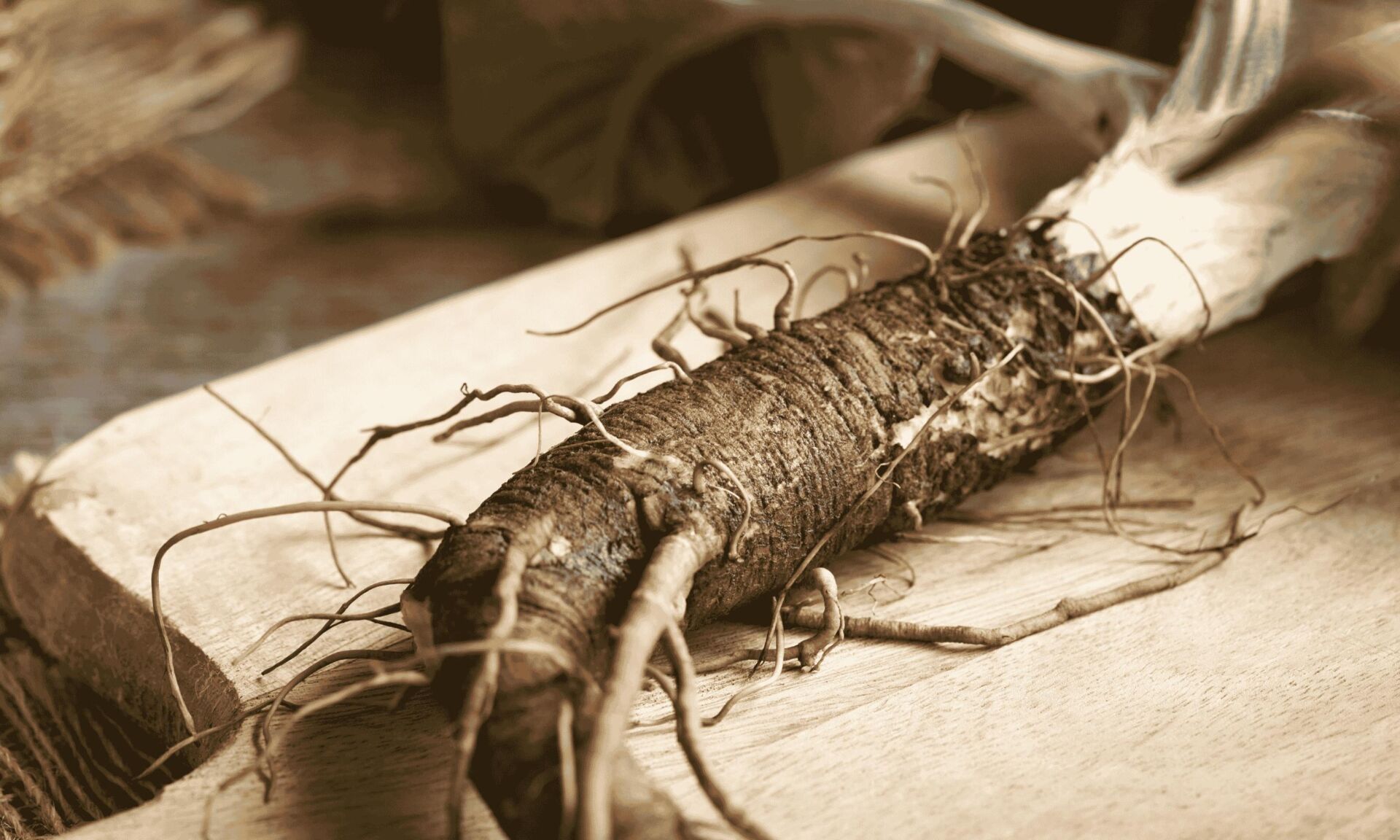
Your grandmother might have known about burdock root. She probably called it something simple like “blood purifier” or “spring tonic.”
She’d dig up the roots in early spring, simmer them into a dark tea, and drink it when she felt run down or heavy. She didn’t have fancy language for it. She just knew it helped her body feel cleaner from the inside.
Modern research is finally catching up with what she already understood.
Why This Matters to Your Generation
You grew up before plastic was in everything. Before processed food dominated grocery stores. Before tap water needed multiple filters. Your body adapted to a different world. Now it’s dealing with a chemical load that didn’t exist when you were young.
You can’t control what’s in the environment. But you can support the body that’s handling it. And that body deserves credit. It’s been filtering, transforming, and eliminating toxins for decades without you thinking about it.
Burdock root tea supports that work. It doesn’t replace it or magically override it. It simply gives your body’s natural cleanup systems the gentle support they need to keep doing what they’ve always done.
Microplastics may also find their way underground and infiltrate tap water. They are also present as particulate plastic or plastic dust, which is harmful when inhaled.
When you find out that plastic particles can slip into your bloodstream, it hits hard. At least it did for me. It sounds like sci-fi, but it’s not, it’s the world you live in. And once those particles are in your blood, they don’t just sit there. They start triggering chronic inflammation, oxidative stress, and long-term organ damage before you even feel a thing.
If you still believe you’re safe, that microplastics haven’t made their way into your system, you need to read this now. I found a guide that lays out the full list of symptoms you should be watching for, plus a complete Microplastics Detox Plan that tells you what to avoid, what herbs and foods to start using, and exactly when to take them during the day to support your liver, gut, and blood.
Burdock isn’t just an herb. It’s food. People in Japan eat it regularly as a vegetable called gobo. The root contains prebiotic fiber that feeds the beneficial bacteria in your gut, plus compounds like chlorogenic acids and quercetin that support your body’s antioxidant defenses.
Traditional herbalists called burdock a “purifier.” They didn’t understand the mechanisms, but they observed the effects. People felt lighter, clearer, less burdened.
In modern terms, that translates to three things: it supports healthy elimination through your digestive tract, helps maintain antioxidant balance when you’re dealing with environmental stress, and helps your body cope when toxic exposure happens.
Your digestive tract is one of the most important detox pathways you have. When waste moves through regularly, your body’s cleanup work flows smoothly.
Burdock’s prebiotic fiber supports that process naturally. Think of it as a quiet broom, gently sweeping what your body is ready to release.
Animal studies show burdock has protective effects against cadmium-related liver and kidney injury, and lead-related liver injury.
This doesn’t prove it removes metals from human tissue, but it does suggest burdock helps the body cope with toxic stress. Your grandmother would have said it “helps your body throw off what doesn’t belong.” She wasn’t wrong.
There are things we’re simply not allowed to say online anymore. Platforms flag it. Accounts get restricted. Posts get taken down.
But that doesn’t change what these plants actually do.
There’s a plant you put in your shoes that draws impurities and toxins out through your feet. There are 2 herbs that when combined work like Drano for your colon, flushing out heavy metals and toxins that have been stuck there for years.
There’s a tea made from 3 common plants that repairs a sluggish, struggling liver. And there’s an herb you can add to your morning coffee that empties your bowels effortlessly every single day.
No names here. But Nicole Apelian shows you all of it inside The Lost Remedies Academy.
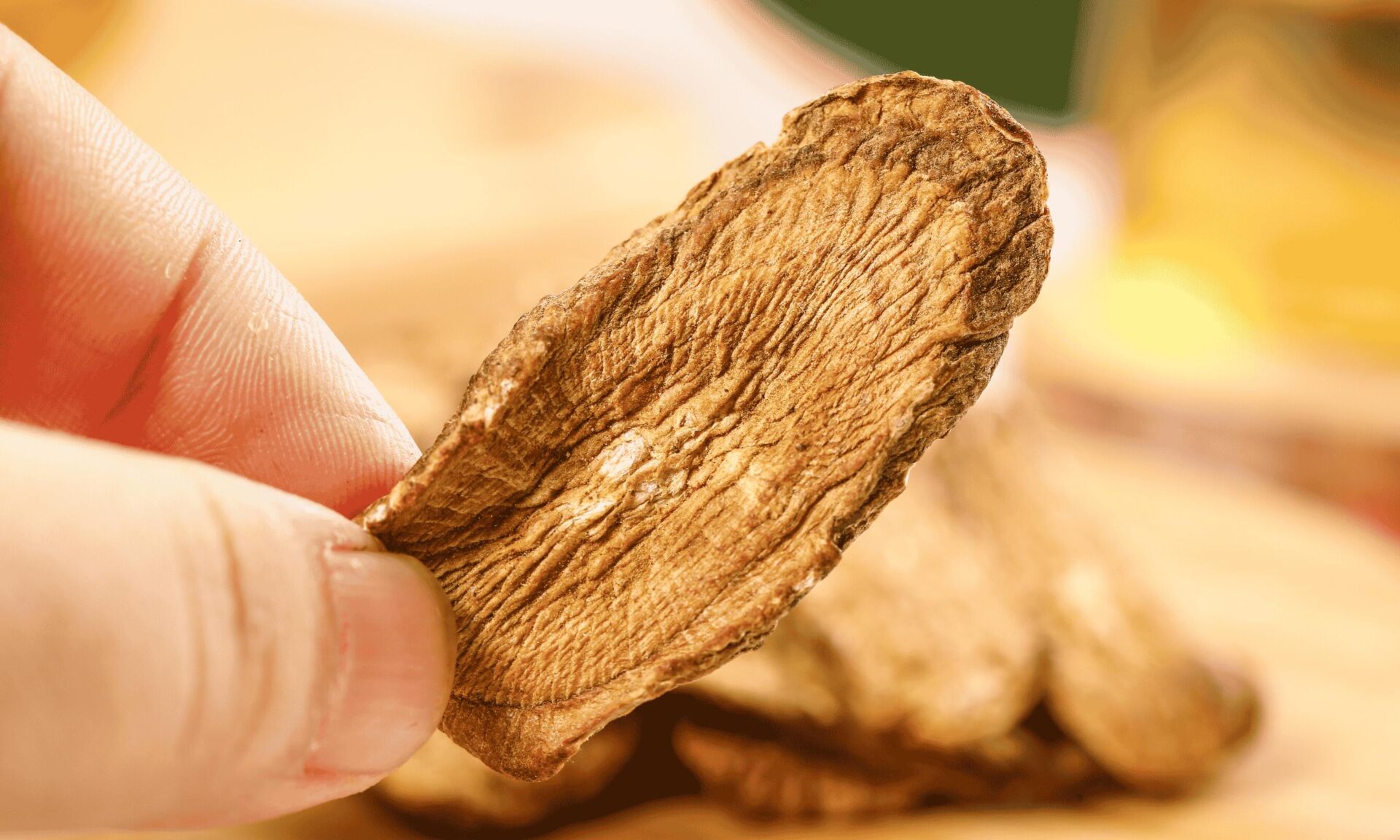
Each morning, simmer one to two teaspoons of dried burdock root in two cups of water for about fifteen minutes. Simmering extracts more than just steeping. Strain it into a jar or thermos. Drink one cup before breakfast to wake up your digestion, then save the second cup for mid-afternoon.
Continue this daily for two to four weeks, then take a week break before starting another cycle. This is how you can give your body gentle, consistent support. Pair it with plenty of plain water throughout the day, fiber-rich meals, regular movement, and good sleep.
What to Expect Realistically
Burdock won’t strip toxins from your tissue overnight. That’s not how the body works. What it will do is support the cleanup work your body already knows how to do.
You’ll probably notice better digestion first, then more regular bowel movements. Over weeks, you might feel lighter, clearer, less puffy. Some people say their thinking feels sharper. Others notice their skin clears up. After one to two weeks of consistent use, many people also notice less bloating after meals, more afternoon energy, less brain fog in the morning, and better sleep.
These small improvements add up to feeling like yourself again. If you’re dealing with true toxic exposure like lead poisoning, you need medical intervention. But for the everyday background chemical load we all deal with, burdock offers real support.
Burdock supports daily gentle cleansing. But if years of buildup have accumulated, a daily tea might not be enough to clear what’s already stuck.
Here’s something I found out that changed how I think about gut health. When your gut lining dries out, poop doesn’t just slow down. It hardens, gets stuck, and starts rotting in place. And once it sits there long enough, it starts breeding bad bacteria and feeding parasites. The bloated, heavy feeling you think is just “how you are now” is often years of that buildup sitting inside you.
Imagine drinking a scoop of something that actually contains Bentonite Clay, which acts like a magnet for heavy metals and toxic bacteria. Marshmallow root, which restores the slippery gut gel that makes everything move again. Slippery Elm, Fennel, and Cascara Sagrada, which have been used for centuries to flush out what’s been sitting there for years.
That’s BellyFlush. Thousands of people have cleared 5 to 10 pounds of built-up waste in the first week. Not water weight. Actual waste that had been sitting there.
Burdock is generally safe as food, but wisdom requires caution. If you’re pregnant, skip it entirely since we don’t have safety data. If you’re allergic to chrysanthemums, ragweed, or marigolds, test carefully since burdock is in the same plant family. Quality matters deeply, so buy from reputable sources that test their products. And if you take medications or have kidney issues, mention burdock to your doctor before making it a daily habit.
Your Grandmother Was Right
The old ways weren’t always right, but sometimes they were wiser than we give them credit for. Your grandmother didn’t know about prebiotic fiber or oxidative stress markers. She didn’t need to. She observed what worked. She trusted her body’s response. She knew that certain roots, simmered into tea and drunk consistently, helped people feel better.
Modern science is just catching up, using different language to describe what she already knew.
Your grandmother knew about marshmallow root. She knew about slippery elm. She probably knew about plantain too. Not the banana-like fruit. The backyard weed most people step on.
These three plants form a protective layer over your gut lining. They soothe inflammation, coat the intestinal walls, and help your digestive tract do exactly what it’s supposed to do. Your grandmother didn’t call it “gut lining integrity.” She just knew they worked.
Dr. Nicole Apelian spent 30 years studying this. She didn’t just read about these plants. She lived with the San Bushmen, one of the oldest cultures on Earth, and watched them use these exact remedies. Then she came home and started making them herself in small batches.
I tried her Balanced Gut Tincture, which contains marshmallow root, slippery elm, plantain, lion’s mane, reishi, and turkey tail. It’s the most natural, complete resource for gut health I’ve come across. Everything your grandmother knew, plus the medicinal mushrooms she didn’t have access to.
All wild-harvested or organically grown. Small batches. Tested and trusted.
And if you want to go deeper than gut support, The Forgotten Home Apothecary has an entire detox shelf I haven’t seen anywhere else.
We’re living in a world your grandmother never had to deal with. Microplastics in tap water. Heavy metals in soil. Radiation. Chemical residues on everything. Her spring tonic wasn’t built for this.
These remedies were:
Heavy Metal Detoxifier – Helps remove mercury, lead, and other toxins that accumulate over decades
Your body has been taking care of you for decades. It’s filtered out more toxins than you’ll ever know about. Burdock root tea is a way of saying thank you, a way of supporting the systems that have been supporting you all along.
It won’t magically erase decades of exposure, but it will give your body the gentle, consistent support it needs to keep doing its job. Make the tea. Drink it daily. Give it a few weeks. Notice how you feel. Trust what you observe.
Your body knows what to do with this humble root. It’s been waiting for this kind of support.
Disclaimer: This article is for educational purposes only and does not provide medical advice. Burdock root tea is not intended to diagnose, treat, cure, or prevent any disease. It does not remove heavy metals from the body or serve as a substitute for medical chelation therapy. If you have heavy metal poisoning, toxic exposure, or serious health conditions, seek immediate medical care. Pregnant women, people with plant allergies, and those with kidney conditions should consult a healthcare provider before using burdock.
References: Information drawn from research on burdock root’s prebiotic fiber and bioactive compounds, human trials on inflammatory and oxidative stress markers, animal studies on protective effects against toxicity, and traditional herbal medicine documentation.
We use cookies to ensure that we give you the best experience on our website. If you continue to use this site, we will assume that you are happy with it.
Functional Always active
The technical storage or access is strictly necessary for the legitimate purpose of enabling the use of a specific service explicitly requested by the subscriber or user, or for the sole purpose of carrying out the transmission of a communication over an electronic communications network.
Preferences
The technical storage or access is necessary for the legitimate purpose of storing preferences that are not requested by the subscriber or user.
Statistics
The technical storage or access that is used exclusively for statistical purposes.The technical storage or access that is used exclusively for anonymous statistical purposes. Without a subpoena, voluntary compliance on the part of your Internet Service Provider, or additional records from a third party, information stored or retrieved for this purpose alone cannot usually be used to identify you.
Marketing
The technical storage or access is required to create user profiles to send advertising, or to track the user on a website or across several websites for similar marketing purposes.






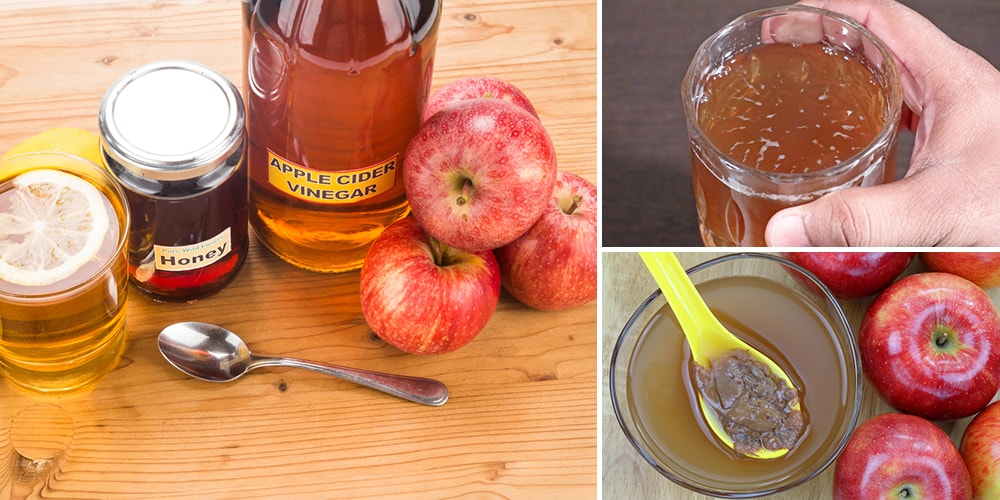
It definitely helped me, family and friends get relief from respiratory issues.