

Milk Thistle: A Time-Honored Herb For Liver And Whole-Body Wellness
If you’ve seen this plant in your backyard and wondered how to get rid of it faster, don’t rush. It may look like a weed, but you can make a powerful natural remedy from it.
Herbal Summary Box
- Milk Thistle (Silybum marianum)
- Primary Herbal Use:
Supports liver wellness and natural detoxification processes - Parts Traditionally Used:
Seeds, young leaves, stems, roots - Common Preparations:
Tea, tincture, powdered seeds, roasted seed beverage, culinary greens - Harvest Season:
Early to mid-summer when seed heads mature - Traditional Herbal Benefits:
Supports digestion
Encourages liver balance
Provides antioxidant plant compounds
May support skin clarity linked to internal wellness - Flavor Profile:
Seeds have a mild, slightly bitter and nutty flavor - Storage Tips:
Store dried seeds whole in airtight containers away from heat and sunlight
About Milk Thistle
Milk Thistle (Silybum spp.) is a popular herb of the Asteraceae family. It is native to Southern Europe but is also cultivated worldwide for medicinal purposes. This extremely invasive plant is thorny with grooved stems and prickly rosette leaves. It has a unique disk-shaped and fuzzy-looking flower with colors ranging from blue to purple or pink to red. As an invasive plant, it is considered a weed in some gardens. However, milk thistle is highly valuable for its potency in treating various ailments and diseases. That is why it is also considered in both conventional and alternative medicine.
Milk thistles grow in many countries and have different blooming seasons. The flowering season of milk thistle in the northern hemisphere starts from June to August. In the southern hemisphere, the pink-purple buds start to show around December to February.
You might want to learn how to make: Moon Milk 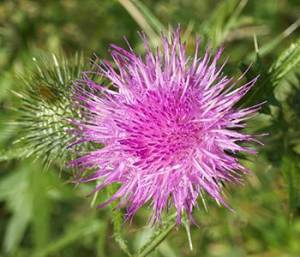
The invasive nature of the milk thistle makes it easy to flourish even in disturbed places and poor soil conditions. This plant is drought tolerant and can survive in normal rainfall. Cultivated mainly as medicine, milk thistle planting is considered illegal in some states. It is because of their toxicity in animals and their ability to spread that can destroy the balance of the ecosystem.
Aside from being a medicinal plant, the Saxons long ago used milk thistle in warding off snakes. It was also their antidote for bites of rabid animals and mushroom poisoning. Milk thistle was later cultivated as a vegetable in Europe and used as a substitute for spinach. Today, the plant is mostly cultivated as a medicinal herb.
Milk Thistle Through History
Milk thistle has been treasured for centuries by herbalists and traditional healers across many cultures. Its history reaches as far back as Ancient Greece, where physicians valued the plant for supporting liver and digestive wellness. Early herbal writings describe milk thistle as a protective herb often used during times when food quality or environmental exposure threatened overall health.
During the Middle Ages, milk thistle was cultivated in monastery gardens throughout Europe. Monks carefully preserved the seeds and prepared herbal tonics believed to cleanse and strengthen the body. The plant’s name is often linked to traditional folklore that associated the white marbling on its leaves with drops of sacred milk, giving the herb a spiritual and healing symbolism in many herbal traditions.
In rural European communities, milk thistle was not only used as medicine but also as food. Young shoots and leaves were prepared similarly to spinach, while roasted seeds were sometimes brewed into nourishing beverages. Over generations, this plant quietly remained a trusted ally in home herbal practices, passed down through families who relied on natural remedies long before modern pharmaceuticals became common.
Today, milk thistle continues to be valued by herbal practitioners around the world for its gentle yet meaningful support for the body.
Where This Plant Is Found
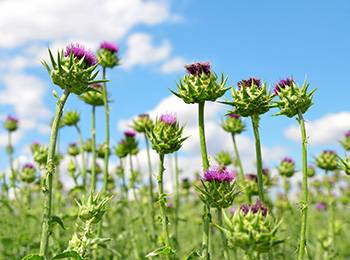 Milk thistles are tough plants that can survive even in anthropogenic or polluted environments. They are forgiving of climate and growing conditions and are hard to eradicate. However, milk thistle often thrives abundantly in places with temperate climates.
This plant is a native of Europe and early colonizers introduced it to North America. It is now cultivated in the regions of North Africa, the Middle East, eastern United States, Africa, Australia, Asia, and South America.
You may grow milk thistle in your garden and it will require almost no maintenance at all. However, you will need to consult with your local government regarding its legality. In some states like Washington, they are controlled and have very limited distribution.
Related: The Complete Map of Edible Plants: Find Out What You Have in Your Area! (Video)
How To Identify Milk Thistle
Milk thistles are biennial or annual plants with tall, branched stems. It has unique rosette leaves which are the plant’s primary identifying feature. These leaves are large with distinctive veining or marbling and spines along the edges. It also bears single, spiny disc-shaped flowers in pink-purple color at the end of its stem. A single flower can produce up to 200 seeds that can spread out into new plants and invade the garden. 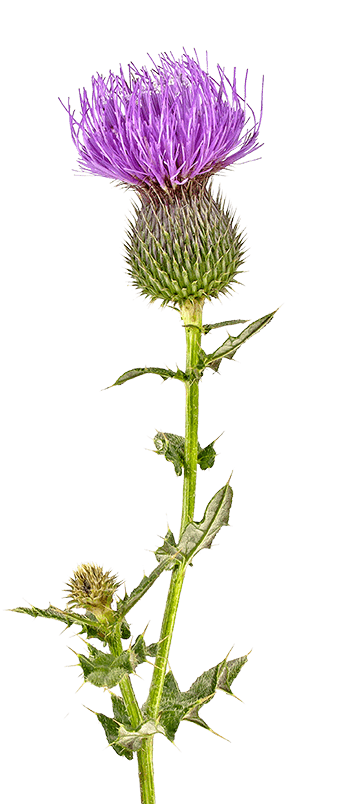
- Leaf. Milk thistle leaves are wedge-shaped that tapers to the base. It is also clustered tightly in a rosette structure and its edges have teeth and lobes. Milk thistle leaves are bright green with a waxy appearance. It has white marbling that runs from the base to the tip.
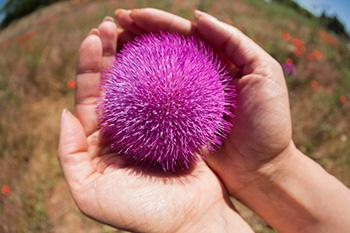
- Flower. Light pink-purple flowers about 4 to 12 cm in diameter will show up during the blooming season of the milk thistle. The disc-shaped flower grows solitarily in a single plant stem with spine-tipped bracts surrounding it underneath.
- Roots. Deep taproots hold the plant in place, which is thick and grows deep into the soil. It is densely branched, which makes it easy to spread and difficult to control. It is dark brown to almost black with a white to yellowish root marrow.
- Stem. Milk thistles have an erect stem that is branched and furrowed. As the leaves and flower bracts, the stems are also spiny but hairless. The plant can reach up to 6 ft tall and they can form dense or sturdy stands.
- Seeds. The seeds of the milk thistle are gray or black that are attached to pappus tuft with very fine hairs. Each flower contains numerous seeds wherein a single plant can produce as much as 6,000 in its lifetime.
Related: Plant Identification Guide – 400 Wild Plants That You Can Forage For (Video)
Varieties Of Milk Thistle
Milk thistle has two varieties: the silver milk thistle and blessed milk thistle. The latter is more common and popular among the two and used mainly for medicinal purposes.
- Silver Milk Thistle (Silybum eburneum): It is a pinnate plant with a faded and lighter purple flower. The flower is also solitary atop a stout stem with many spikes. This type of milk thistle grows in moderately moist soil. It is resistant to temperatures that it can even withstand up to -17°C of cold.
- Blessed Milk Thistle (Silybum marianum): Blessed milk thistle has a livelier appearance with its bright blooms and leaves. It may have bright purple, pale plum, or magenta flowers. It is also temperature-resistant and can stay in the garden for many years.
Related: Poisonous and Non-poisonous Plants: An Illustrated List (Video)
How To Grow Milk Thistle
A single milk thistle plant produces many seeds that remain viable for up to 9 years. You can propagate the plant through cuttings but the easiest way is through sowing seeds. The best month to plant milk thistle seeds is from March to April. 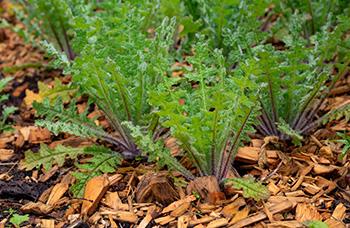
Since milk thistles reproduce aggressively, most gardeners who cultivate them prefer planting them indoors or in containers. This way, they cannot invade gardens. Removing them is quite painful due to their spikes. Hence, it is best to prevent unwarranted garden invasion while you can.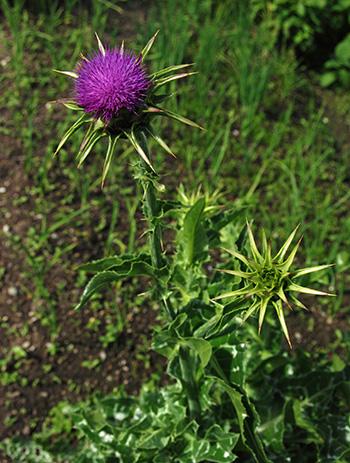
- Sow the seeds in seed trays with potting soil about ½ inch deep.
- Place the tray in a spot where it can receive full sun at 60°F.
- Water the tray regularly until the seeds germinate. It may take 18 to 21 days for the seedlings to appear.
- Replant the seedlings in a deep pot for container gardening. If in the field, plant the seedlings at least 40 cm away from each other.
- Milk thistle plants are tough and weather-resistant once established. If you want to increase plant yield, you may apply nitrogen and potassium fertilizer into it.
Related: 10 Plants That You Should Never Plant Together (Video)
Milk thistles will survive in all types of soil and can grow even in disturbed areas. It prefers dry conditions so watering it is not necessary unless in extreme drought. It can survive cold winter, but biennial milk thistles will survive better when covered with mulch.
How To Harvest Milk Thistle
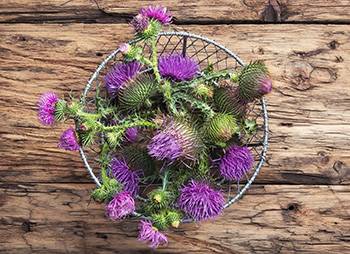 The seeds are the most valuable part of the plant that are harvested for medicinal use. You can harvest the flower heads when white pappus tufts or circles of hair crowns begin to replace the flowers. When left alone, these tufts get carried by the wind and new plants will sprout in unwanted places. You will know that the seeds are mature when it is already brown instead of green.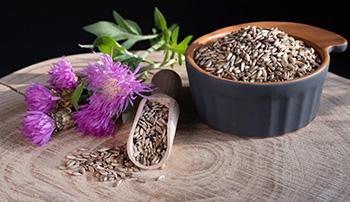
The best time to harvest milk thistle seeds is in early summer. But before harvesting, make sure to wear durable work gloves and thick clothing. The prickly thorns on its stem and leaves are not very forgiving. Snip the flower head with about 1-inch of the stem with your hand or scissors. Place it on a bag, sack, or any container that can prevent the wind from carrying the pappus away.
Leave these flower heads inside the bag in an airy room to allow them to ripen fully. You can also use a dehydrator using the herb setting and allow it to dry for 5 hours. When it is completely dry, shake or press the flower head to separate them from the pappus. Put the seeds in an airtight container in a cool and dry place for future use.
Related: Roasted Milk Thistle Roots Recipe (Video)
How To Prepare Milk Thistle Seeds For Maximum Potency
The seeds of milk thistle contain the highest concentration of its beneficial compounds. Proper preparation ensures that these natural properties remain active and easily absorbed by the body.
Freshly harvested seeds should first be dried completely in a warm, well-ventilated area away from direct sunlight. Once fully dried, the seeds can be stored whole or gently crushed before use. Crushing the seeds shortly before preparing remedies helps release the plant’s beneficial compounds more effectively.
Many herbalists prefer grinding small batches of seeds using a mortar and pestle or spice grinder. This method helps preserve freshness and prevents the delicate plant oils from degrading over time. Ground seeds may be used in teas, tinctures, or blended into herbal powders.
When preparing milk thistle tea or decoctions, lightly crushing the seeds allows water to draw out their beneficial components more efficiently. Taking time to prepare the seeds thoughtfully helps ensure that the plant offers its fullest herbal potential.
What Milk Thistle Is Good For And Natural Remedies Made From It
 For a long time, milk thistle has had a valuable contribution to the treatment of alcohol-related liver diseases. It is mainly because of the plant’s silymarin content. It helps in detoxifying and cleansing the blood. Cumulatively, a healthy liver may clear skin problems like acne and dermatitis. Milk thistle is also equally useful in the treatment of alcoholism.
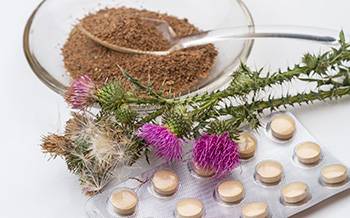 The milk thistle extract, in combination with turmeric extract, has the capacity of reducing blood glucose. Thus, they are considered beneficial in the treatment of diabetes. The recommended dose is 210-600 mg of milk thistle extract a day in reducing blood sugar levels.
Aside from silymarin, milk thistle also contains the antioxidant silibinin. It is not only used in the treatment of cancer but also in Death Cap mushroom poisoning. Hence, they are traditionally known as an antidote for mushroom poisoning and animal bites. Externally, milk thistle can also cure boils and skin irritations. Folk medicines use powdered seeds for sprinkling in leg ulcers. Related: The Unnoticed Symptom That May Point to an Internal Inflammation (Video)
What Parts Of Plants Are Used For Remedies
Milk thistle is marketed as a food supplement in the form of capsule or liquid extracts. But this edible plant also makes a great addition to salads and can be eaten raw. Everything about the milk thistle from its young stalks, leaves, flower buds, and roots is edible. 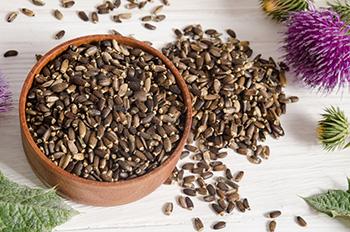
The leaves of milk thistle make a good substitute for spinach, asparagus, or rhubarb. You simply need to remove the sharp edges and add them to salads. Milk thistle leaves can be eaten cooked or raw. Its stems and roots, however, are best cooked and soaked first to reduce its bitter tang.
The maximum concentration of medicinal properties is in the milk thistle seeds. It is processed into a tincture, powdered extract, or made into a decoction for oral administration. The milk thistle seeds can also be roasted and used as a coffee substitute.
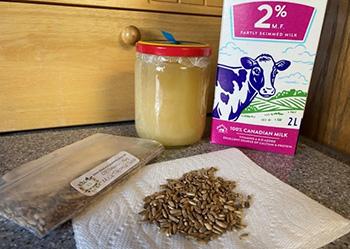
Milk Thistle Tea
Ingredients:
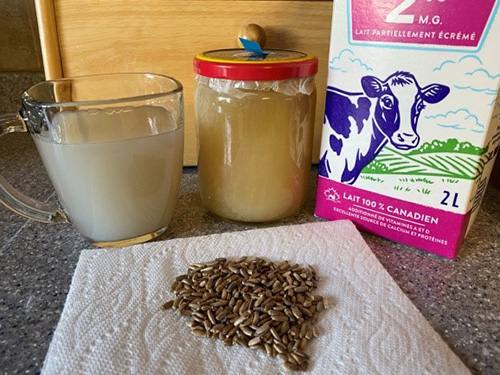
- 1 tbsp. dried milk thistle seeds
- 1 tsp honey (optional)
- 1 tsp milk (optional)
- 1 cup water
Steps:
- In a small pan, bring 1 cup of water to a boil. Once boiling, remove from heat.


- Add milk thistle seeds and steep for 5 to 10 minutes.
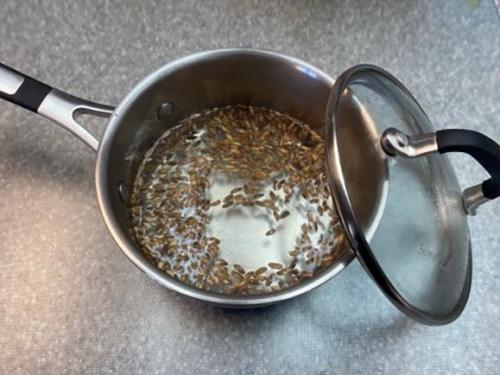

- Run the tea through a strainer to remove any solid particles.
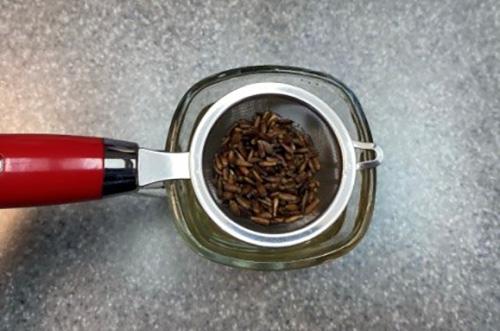

- Add honey and milk to taste and give a creamier texture, if desired.
How To Use The Remedy
Drink milk thistle tea moderately, and not more than 5 cups a day. Some side effects you may encounter after drinking the tea include nausea, headache, diarrhea, gas, and bloating. People who are allergic to milk thistle, ragweed, artichokes, and any other plants in the aster family should not drink milk thistle tea.
Storage & Shelf Life
Proper storage helps preserve the strength and effectiveness of milk thistle seeds for long-term herbal use.
Whole dried milk thistle seeds can remain potent for approximately two to three years when stored correctly. The best storage method is to place seeds in airtight glass jars or sealed containers kept in a cool, dry, and dark location. Exposure to heat, moisture, and sunlight may gradually reduce their herbal properties.
Ground milk thistle seeds tend to lose potency more quickly. For this reason, it is often recommended to grind seeds in small quantities as needed rather than preparing large batches in advance.
If preparing milk thistle tinctures, they typically maintain effectiveness for several years when stored in dark glass bottles and kept away from direct sunlight. Proper labeling with preparation dates can help maintain organization within a home herbal apothecary.
What Plants Resemble Milk Thistle
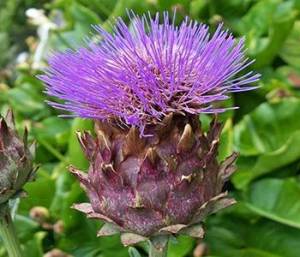
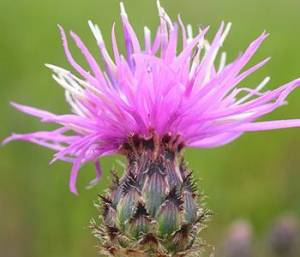
| Feature | Milk Thistle (Silybum) | Artichoke Thistle (Cynara cardunculus) | Spotted Knapweed (Centaurea stoebe) |
|---|---|---|---|
|  |  | |
| Size | Height: 2 to 6 ft. Width: about 3 ft. | Height: 3 to 6 ft. Width: 2 to 3 ft. | Height: 1 to 2 ft. Width: 1 to 2 ft. |
| Leaves | Oblong to lanceolate; lobate or pinnate with prickly edges; green leaves with white marbling | Jagged and deeply-lobed leaves; bright silver-gray | Deeply-lobed petiolate leaves with hairs; green/silver-gray |
| Flowers | Disc-shaped flower head with spiny bracts; purple; 7 cm wide | Large and spiky thistle-like purple flowers; 5 cm wide | Vibrant lavender flower head with prickly bract; 5 cm wide |
| Stem/Trunk | Herbaceous; branched; with spikes | Stout green stalks with sharp prickles | Erect hairy stems with branching |
| Scent | Unscented | Unscented | Floral scent |
Warnings and Cautions
Milk thistle is a plant related to ragweed and may trigger allergic reactions. People with allergies to daisies, chrysanthemums, or marigolds should avoid using them.
There is no reliable information on its safety for pregnant and breastfeeding women. Thus, people in this age group should take precautions when using the product. Milk thistle may also decrease the effectiveness of estrogen or oral contraceptive pills.
Milk thistle is safe in limited doses, but it may cause side effects like diarrhea, bloating, and itching. People with hormone-sensitive conditions like cancer, endometriosis, or uterine fibroids should not consume milk thistle without a doctor’s supervision.
If you are taking medications, you should consult the doctor before using milk thistle products. It may interact with liver and cholesterol drugs and could either increase or decrease their effectiveness. When taking milk thistle extract, you should also avoid ingredients like ethanol and sugar substitutes.
Milk thistle is also toxic to animals and should not be planted near pastures and grazing fields.
Frequently Asked Questions
- Is milk thistle safe for daily herbal use?
Milk thistle is traditionally considered gentle when used in moderate amounts. Many herbalists recommend using it in cycles rather than continuously, allowing the body time to respond naturally.
- Can milk thistle be eaten as food?
Yes. Young milk thistle leaves, stems, and roots have been used historically as vegetables. Removing the sharp edges from leaves allows them to be prepared in salads or cooked dishes.
- How long does milk thistle tea remain effective?
Freshly prepared tea is best consumed within the same day. Storing prepared tea in the refrigerator for up to twenty-four hours may help maintain its freshness.
- What is the best part of the plant for herbal remedies?
The seeds are widely regarded as the most concentrated source of the plant’s beneficial compounds, making them the most commonly used part in herbal preparations.
- Can milk thistle grow easily in home gardens?
Milk thistle is known for being resilient and adaptable. It grows well in many soil conditions but should be managed carefully due to its strong spreading nature.
Closing Thoughts & Invitation To Rediscover Herbal Wisdom
Plants like milk thistle remind us that nature quietly offers support in ways that modern life sometimes overlooks. Learning how to identify, harvest, and prepare traditional herbal remedies helps preserve knowledge that has guided families for generations.
If you find joy in discovering healing plants and learning how to prepare remedies at home, you may enjoy exploring deeper traditional herbal knowledge. Many forgotten remedies, preparation methods, and plant traditions have been carefully preserved and shared by herbal educators dedicated to keeping ancestral plant wisdom alive.
Learn How To Build Your Own Home Herbal Apothecary
If you would like to expand your understanding of traditional remedies and learn how to prepare natural herbal solutions safely at home, Forgotten Home Apothecary offers step-by-step guidance rooted in time-honored herbal practices.
Inside, you will discover:
- Traditional remedy recipes passed down through generations
• Clear preparation instructions for tinctures, teas, oils, and salves
• Guidance on harvesting and storing medicinal plants
• Herbal solutions that support everyday wellness naturally
• Easy-to-follow instructions designed for beginners and experienced herbalists alike
You may also like:
7 Natural Remedies for Fibromyalgia Pain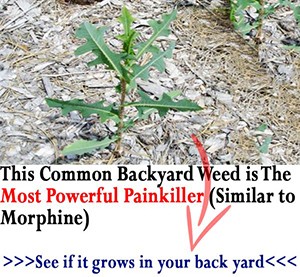
15 Common Wild Plants You Never Thought Were Edible (Video)
Natural Remedies with Risky Drug Interaction
15 Common Wild Plants You Never Thought Were Edible
When Painkillers Won’t be Available, Try This

I hadn’t heard it was toxic to animals before, I know my niece used it in conjunction with other veterinary meds to save her dog’s life after being bitten by several rattlesnakes. He just wasn’t getting better until he received it, then he really started making progress, and did live.
Great information thank you
A few years ago I saw milk thistle work for a man on hospice care dying from his boozing past. His caregiver started giving him milk thistle twice a day at about 200 to 250 mg. It apparently cleared up his toxic liver, his liver enzymes became normal, he felt better, and was discharged out of hospice care to his previously referring hcp. He had also stopped drinking alcohol.
my horses love eating the flowers of this plant so which animals is it toxic to. with them eating the flowers I never have them get out of control
I’ve used this for over 20 years. My medical Dr gave me this herb. It thins the bile in the organs, all the bile in all the organs. It is better than advil or any other for the pain of gall bladder.
Sheep leave them to reproduce. One goat placed in the herd will eat thistles and poison ivy with no problems. It is amazing to watch them nibble at the thorns all day and leave the grass to the sheep.
Hello. Where can I find your liver tonic blend instructions? My grandma just found out she has liver cirrhosis and Id like to have her try that. I read it in your The Lost Book of Herbal Remedies book under the Dandelion section.
Hi Briana,
Thank you for your interest in our work.
I am sorry about this, however, the Liver Tonic Blend is not available for sale at the moment.
The blend is simply dandelion root and milk thistle seeds made into a tincture.
You will need 1/2 milk thistle seeds, 1/2 cup dandelion root, 1 cup vodka or other alcohol, 80 proof or higher. Place the crushed seeds and roots into a sterile pint-sized (500ml) jar with a tight-fitting lid. Pour 1 cup of vodka over and stir well to mix the ingredients. Cap the jar tightly and place it in a cool, dark place for 6 to 8 weeks, shaking the jar daily. Strain the mixture and reserve the liquid. Store your ex-tract tightly covered in a cool, dark place.
I hope this helps!
Many blessings and good health!
What is the dosage of the dandelion root and milk thistle seeds tincture?
A mild reprimand: As someone who has lived in Oregon all my life, I’m a bit frustrated when I see articles by those in northern or eastern states say ‘this or that’ herb only grow in those states, but not the Pacific Northwest…You say Milk thistle grows in “eastern United States,”, but I know for a fact it grows in Oregon! Please make sure you are correct in your articles, from the Latin names, animal issues (you say toxic to animals, readers disagree), locations found…hey, remember Washington, Oregon, California are in the USA also!
Thank you for the post, interesting reading of a plant I have growing in my pasture
I do believe in the article it said it is regulated in Washington State there are several states where it is regulated. They specifically said check with your local government
Returning a mild reprimand: It might benefit you to Re read the first portion of the article , it clearly states “ You may grow milk thistle in your garden and it will require almost no maintenance at all. However, you will need to consult with your local government regarding its legality. In some states like Washington, they are controlled and have very limited distribution.”
Thank you for sharing your wear a-bouts, it explains why your so Touchy.
I had ringworm on my leg and a friend came over and took this weed which was called milk thistle and at the time I didn’t know and broke the leaf and told me to put the milk on the ringworm. I forgot about it in 4 hours later I looked down and it was completely gone
Several reputable sources say that water will NOT extract the beneficial ingredients in Milk Thistle, and that decoctions (tea) is completely void of medicinal benefits