You can’t control what’s in the environment. You can’t control the sun’s intensity or how the seasons shift. You can’t control whether mosquitoes and ticks show up on your porch at dusk. But you can control what you put on your skin to protect it.
That is where things get complicated.
You stand in the store looking at sunscreens filled with chemicals you can’t pronounce.
You look at bug sprays with ingredients that feel toxic.
You wonder if there’s another way, something that actually works but doesn’t come with a side of worry.
There is. And it’s been growing in gardens and wild places for centuries, waiting for you to remember it.
Keep reading, and I’ll tell you everything about it.
The Truth About Sun Care
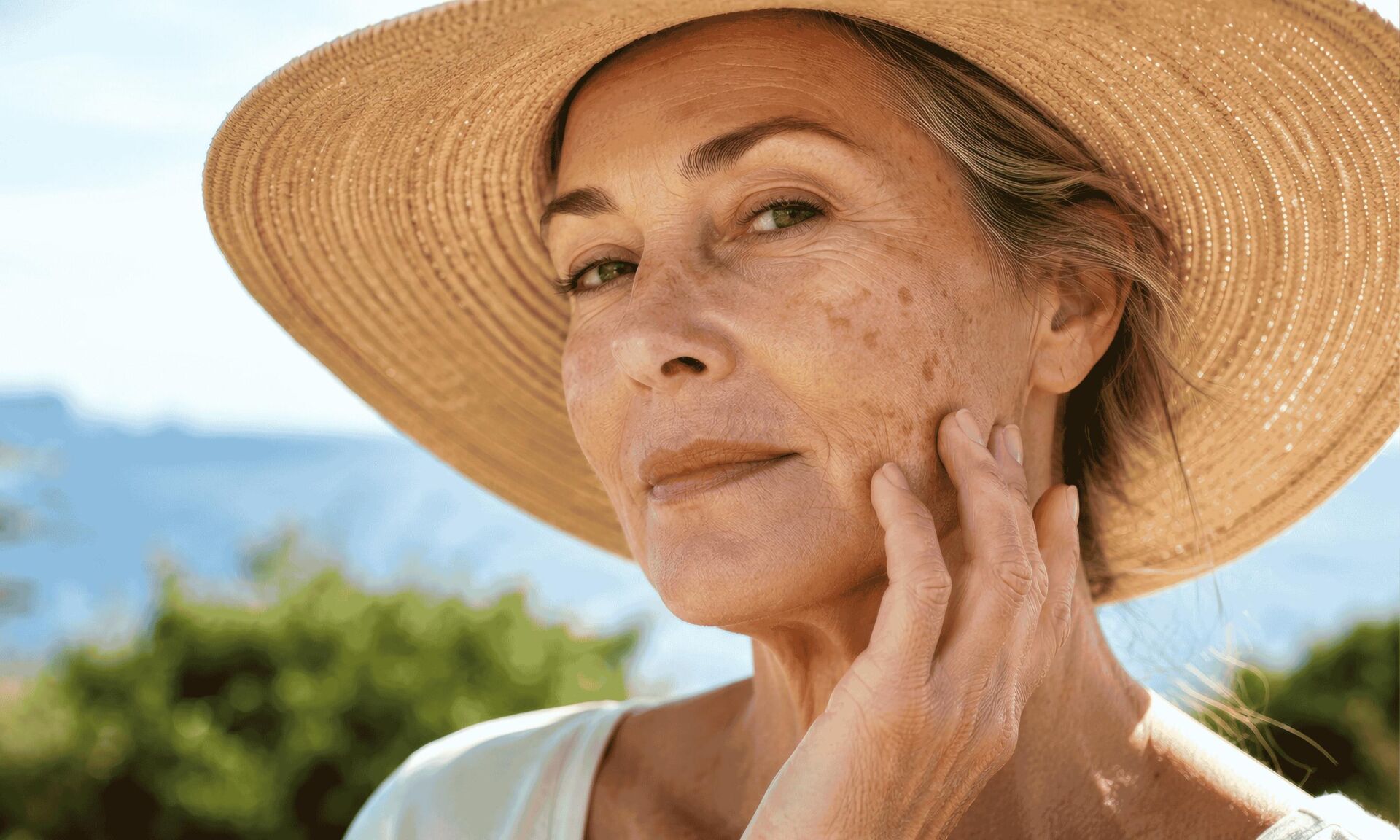
Summer should feel like freedom, and your skin deserves a little extra care while you enjoy it. Even when you cannot see the effects right away, the sun can leave a lasting mark.
Too much exposure can speed up visible aging, contribute to skin damage, and increase more serious risks over time. Changes in a mole’s shape or colour, or patches that begin to spread, deserve attention.
Herbal skincare can add another useful layer of support to your summer routine.
Many plants contain polyphenols and flavonoids, natural compounds that may help the skin handle some of the oxidative stress caused by UV exposure. In simple terms, they can help your skin feel calmer and more supported after time in the sun.
Green tea is especially interesting. When used in well-made topical products, its polyphenols may help reduce UV-related inflammation and damage. Your skin may feel calmer, more comfortable, and better cared for after a day outdoors.
Aloe vera is another summer favourite for good reason. It cools, hydrates, and softens skin that feels hot, tight, or overworked.
Calendula works beautifully alongside it. Its gentle, soothing qualities make it a comforting choice when your skin feels flushed, rough, or irritated. Together, aloe and calendula offer cooling, calming support for tender summer skin.
The best approach is to protect your skin in several ways. Wear a hat, seek shade, cover exposed areas, and use herbal skincare to support comfort and recovery.
Plants can support healthy skin, but broad-spectrum sunscreens with SPF 15 or higher are clinically proven to reduce skin cancer risk. Herbal products should be used alongside proven sun protection. Always watch for changes in your skin, and speak with a dermatologist if a mole changes.
And if the sun already got you, I’d keep a small herbal salve close. Not as sunscreen. Not instead of SPF.
But for skin that feels hot, tight, dry, or irritated after too much time outside, Nicole’s All-Purpose First Aid Salve makes sense.
It contains skin-loving herbs like yarrow, calendula, plantain, arnica, balm of Gilead, and lavender, all in a simple tin you can reach for when your skin needs calming support.
Summer skin gets punished fast.
This is the kind of thing I’d rather have before I need it.
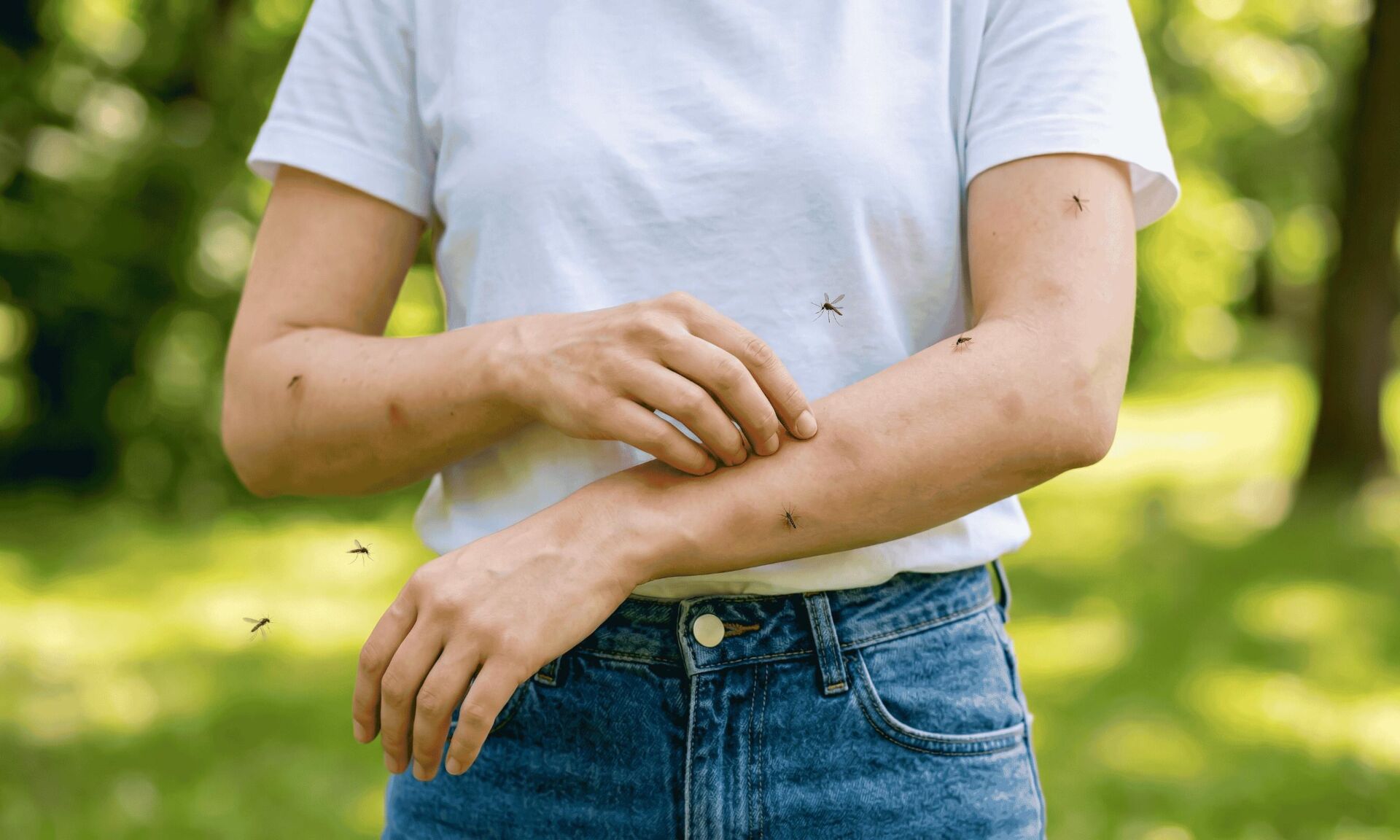
Some plant-based bug repellents offer more than a pleasant herbal scent. Certain ingredients have been tested, recognised, and shown to provide reliable protection.
Oil of lemon eucalyptus, also known as OLE, and PMD are two of the strongest options. Both are recognised by the CDC and EPA as effective repellent ingredients.
Products with an EPA registration number have been properly formulated and tested, so you know the protection is backed by evidence.
Another useful ingredient is 2-undecanone, a plant-derived repellent originally found in wild tomatoes. It may sound unusual, but it has proven repellent properties.
Citronella can still be useful for shorter evenings on the porch. Its fresh scent helps mask the natural odours insects use to locate you. Catnip oil is another interesting option, since research suggests certain insects naturally avoid it.
When choosing a repellent, check the label for an EPA registration number. Homemade essential oil blends may smell lovely, but their strength and protection can vary. A registered plant-derived formula gives you a much more dependable option.
Products containing OLE or PMD should not be used on children under three. Always read and follow the directions on the label.
This is exactly why I like having a real home apothecary book nearby in summer.
Because bug season is not just “mosquitoes.”
It’s bites, stings, rashes, scratches, fungal skin problems, sun-stressed skin, burns, itchy spots, and those little outdoor annoyances that show up when you least expect them.
Inside The Forgotten Home Apothecary, the Skin Problems and Wounds shelf includes remedies like Anti-Mosquito Salve, Anti-Itch Plantain Band-Aid, Cooling Herbal Gel for Burn Relief, Bug-Off Spray, Black Drawing Salve for Boils, Splinters, and Tick Bites, Antiseptic Balm, Calendula and Comfrey Skin Salve, and more.
And you don’t have to guess.
The book gives you step-by-step instructions, color pictures, measurements, and dosages, with 250+ remedies organized by the problem you’re dealing with.
The bite has happened, and now your skin feels hot, itchy, and impossible to ignore.
We’re talking about common insect bites, not reactions involving trouble breathing, swelling of the face or throat, faintness, or a widespread rash. If any of those symptoms appear, seek urgent medical help.
For mild, local reactions, gentle herbs may offer welcome comfort.
Aloe vera is a simple choice for skin that feels warm and irritated. Its cooling texture may provide temporary comfort, helping the area settle and feel more comfortable.
Yarrow is especially valued for its anti-inflammatory properties, while human research suggests plantain may offer soothing, antiseptic, and pain-relieving benefits.
Yarrow is one of those plants every herbal person should know.
But I wouldn’t tell a beginner to run outside and grab the first white-flowered plant they see.
Yarrow has feathery leaves and clustered flowers, but proper identification still matters. And when you’re dealing with bites, irritated skin, or summer discomfort, guessing is not ideal.
That’s why a ready-made yarrow tincture is amazing.
Nicole’s Yarrow Tincture gives you the plant without the harvesting, drying, or identification stress — and yarrow is useful far beyond bug bites.
Calendula offers soothing, anti-inflammatory support, while lavender can help calm both the skin and the restless feeling that often comes with persistent itching.
Plantain and yarrow are two traditional herbs worth keeping close. Both have a long history of use for tender, reactive skin and work well in salves, infused oils, and cooling compresses.
Your routine matters too. Keep aloe gel chilled in the fridge, calendula balm within reach, and a reliable plant-derived repellent in your bag before you head outside.
A few trusted herbal remedies can make summer feel calmer, more comfortable, and far less itchy.
If You Keep One Skin Remedy Close, Make It This
If I had to keep only one summer skin remedy in my purse, it would be this.
Nicole’s All-Purpose First Aid Salve is basically a tiny herbal first-aid tin for your skin.
And the ingredient list is exactly what you’d want: yarrow, arnica, calendula, plantain, balm of Gilead, lavender essential oil, olive oil, beeswax, and vitamin E.
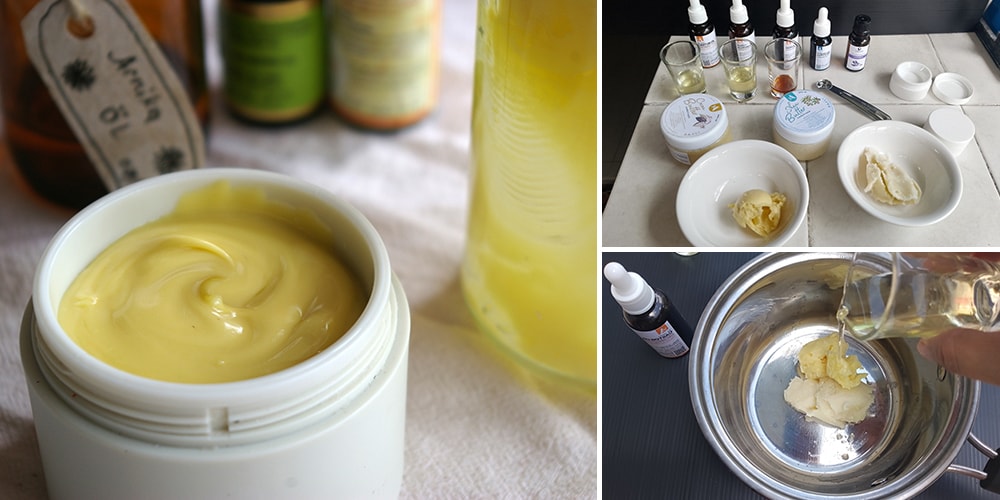
Could you make something like this yourself? Sure.
But buying all the herbs, infusing the oil, melting the beeswax, straining everything, and cleaning the mess takes time and costs more than people expect.
This version is already made, trusted, and easy to keep in your bag all summer.
Summer can still feel easy, enjoyable, and free while you care for your skin. Plants give you a gentler way to support it, with familiar ingredients you can feel good about using.
Their value comes from using them wisely, consistently, and as part of a complete routine. A few trusted herbal products, combined with proven sun protection, can help you feel more prepared every time you step outside.
Grow the Remedies Before You Need Them
The easiest way to trust your remedies is to know exactly where they came from.
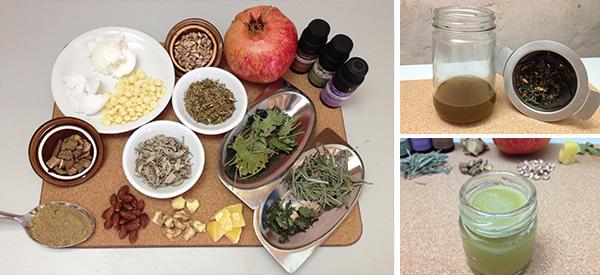
That’s why growing a few medicinal plants at home makes so much sense. You plant the seeds, care for them as they grow, then harvest them when they’re ready and turn them into simple teas, salves, oils, poultices, or tinctures.
And you don’t need a giant garden.
A few pots, a sunny corner, or a small backyard space can be enough to start.
Nicole’s Medicinal Garden Kit includes seeds for 10 useful medicinal plants: chicory, yarrow, California poppy, marshmallow, chamomile, evening primrose, lavender, echinacea, calendula, and feverfew.
For this summer skin routine, yarrow, calendula, lavender, and chamomile are especially useful to have close. They can be turned into soothing oils, salves, compresses, baths, and gentle skin-support remedies.
But the kit goes far beyond summer skin. Some of these plants are traditionally used for digestion, sleep support, seasonal wellness, throat comfort, occasional aches, and everyday home care.
Nature does not need exaggerated promises to be powerful. It simply needs respect, good judgement, and the right place in your routine.
Important Disclaimer: This article is for educational purposes only. SPF claims and broad-spectrum protection are regulated by the FDA and require formal testing. Plants may support skin health, but they are not proven replacements for sunscreen. Always follow dermatological guidance for sun protection.
Check the product label carefully. Some OLE or PMD repellents should not be used on children under three, and label directions always take priority. If a mole changes in shape, colour, size, or appearance, speak with a healthcare provider. The National Cancer Institute lists asymmetry, irregular borders, uneven colour, changes in diameter, and evolution over time as warning signs of melanoma.
CDC — Sun Safety Facts https://www.cdc.gov/skin-cancer/sun-safety/index.html FDA — Sunscreen: How to Help Protect Your Skin from the Sun https://www.fda.gov/drugs/understanding-over-counter-medicines/sunscreen-how-help-protect-your-skin-sun FDA — Tips to Stay Safe in the Sun: From Sunscreen to Sunglasses https://www.fda.gov/consumers/consumer-updates/tips-stay-safe-sun-sunscreen-sunglasses National Cancer Institute — Common Moles, Dysplastic Nevi, and Risk of Melanoma https://www.cancer.gov/types/skin/moles-fact-sheet National Cancer Institute — Moles to Melanoma: Recognising the ABCDE Features https://moles-melanoma-tool.cancer.gov/ PMC — Efficacy and Safety of Oral Green Tea Preparations in Skin Ailments https://pmc.ncbi.nlm.nih.gov/articles/PMC9370301/ PMC — Protective Mechanisms of Green Tea Polyphenols in Skin https://pmc.ncbi.nlm.nih.gov/articles/PMC3390139/ PubMed — A Randomized Controlled Trial of Green Tea Catechins in Protection Against UV Radiation-Induced Cutaneous Inflammation https://pubmed.ncbi.nlm.nih.gov/26178731/ PMC — Pomegranate Juice and Extract Consumption Increases the Resistance of the Skin to UVB-Induced Erythema https://pmc.ncbi.nlm.nih.gov/articles/PMC6787198/ PMC — Up-to-Date Overview of the Use of Natural Ingredients in Sunscreens https://pmc.ncbi.nlm.nih.gov/articles/PMC8949675/ CDC — Preventing Mosquito Bites https://www.cdc.gov/mosquitoes/prevention/index.html CDC — Preventing Tick Bites https://www.cdc.gov/ticks/prevention/index.html CDC Yellow Book — Mosquitoes, Ticks, and Other Arthropods https://www.cdc.gov/yellow-book/hcp/environmental-hazards-risks/mosquitoes-ticks-and-other-arthropods.html EPA — Using Insect Repellents Safely and Effectively https://www.epa.gov/insect-repellents/using-insect-repellents-safely-and-effectively PubMed — Efficacy of the New Repellent BioUD Against Three Species of Ticks https://pubmed.ncbi.nlm.nih.gov/19140016/ PMC — Essential Oils as Repellents Against Arthropods https://pmc.ncbi.nlm.nih.gov/articles/PMC6189689/ PubMed — Effectiveness of Citronella Preparations in Preventing Mosquito Bites https://pubmed.ncbi.nlm.nih.gov/21481108/ PubMed — Sustained Efficacy of the Novel Topical Repellent TT-4302 Based on Geraniol https://pubmed.ncbi.nlm.nih.gov/26614394/ PubMed — Evaluating Repellence Properties of Catnip Essential Oil https://pubmed.ncbi.nlm.nih.gov/38280895/ PubMed — Repellent Efficacy of 20 Essential Oils on Aedes aegypti Mosquitoes and Ixodes scapularis Ticks https://pubmed.ncbi.nlm.nih.gov/36717735/ PubMed — A Systematic Review of Calendula officinalis Extract for Wound Healing https://pubmed.ncbi.nlm.nih.gov/31145533/ PMC — Soothing the Itch: The Role of Medicinal Plants in Alleviating Itch https://pmc.ncbi.nlm.nih.gov/articles/PMC11677410/ PMC — Antimicrobial and Other Biomedical Properties of Extracts from Plantago major https://pmc.ncbi.nlm.nih.gov/articles/PMC10458736/ PubMed — The Effect of Plantago major Hydroalcoholic Extract on Wound Healing https://pubmed.ncbi.nlm.nih.gov/35044254/ PMC — Achillea Species as Sources of Active Phytochemicals https://pmc.ncbi.nlm.nih.gov/articles/PMC8018854/ PMC — Anti-Inflammatory Properties of Plants from Serbian Traditional Medicine https://pmc.ncbi.nlm.nih.gov/articles/PMC10146037/ CDC Yellow Book — Travel Health Kits https://www.cdc.gov/yellow-book/hcp/preparing-international-travelers/travel-health-kits.html PMC — The Effect of Aloe Vera Clinical Trials on Prevention and Healing of Skin Wound https://pmc.ncbi.nlm.nih.gov/articles/PMC6330525/ NCCIH — Lavender: Usefulness and Safety https://www.nccih.nih.gov/health/lavender CDC — What to Do After a Tick Bite https://www.cdc.gov/ticks/after-a-tick-bite/index.html CDC/NIOSH — Insects and Scorpions at Work https://www.cdc.gov/niosh/outdoor-workers/about/insects-and-scorpions.html
We use cookies to ensure that we give you the best experience on our website. If you continue to use this site, we will assume that you are happy with it.
Functional Always active
The technical storage or access is strictly necessary for the legitimate purpose of enabling the use of a specific service explicitly requested by the subscriber or user, or for the sole purpose of carrying out the transmission of a communication over an electronic communications network.
Preferences
The technical storage or access is necessary for the legitimate purpose of storing preferences that are not requested by the subscriber or user.
Statistics
The technical storage or access that is used exclusively for statistical purposes.The technical storage or access that is used exclusively for anonymous statistical purposes. Without a subpoena, voluntary compliance on the part of your Internet Service Provider, or additional records from a third party, information stored or retrieved for this purpose alone cannot usually be used to identify you.
Marketing
The technical storage or access is required to create user profiles to send advertising, or to track the user on a website or across several websites for similar marketing purposes.