A sore throat can hit suddenly and linger for days, making it painful to swallow, speak, or even rest comfortably. Before reaching for the medicine cabinet, consider what herbalists and traditional healers have known for centuries: the right herbal drink for sore throat can ease pain, reduce inflammation, and support your immune system using ingredients you may already have at home.
This guide walks you through the most effective herbal teas and infusions backed by both traditional use and modern research, so you can find relief the natural way.
Why Choose an Herbal Drink for Sore Throat?
Pharmaceutical throat lozenges and sprays often contain numbing agents that mask symptoms without addressing the root cause. Herbal drinks work differently. Many herbs contain compounds that are antimicrobial, anti-inflammatory, and demulcent, meaning they coat and soothe irritated mucous membranes rather than simply dulling the pain signal.
Hot liquids also provide mechanical relief. The warmth increases blood flow to the throat tissues, helping immune cells reach the site of infection faster. Steam from a hot cup opens nasal passages, reducing postnasal drip that can worsen throat irritation.
When you combine heat with therapeutic plant compounds, you get a remedy that works on multiple levels at once.
1. Ginger and Honey Tea
If there is one herbal drink for sore throat that has earned its place in almost every culture on earth, it is ginger and honey tea. This pairing is not just comforting folklore. Both ingredients carry scientifically studied properties that make them genuinely effective.
Ginger contains gingerols and shogaols, bioactive compounds that inhibit inflammatory pathways in the body. A 2015 study published in the Journal of Ethnopharmacology found that ginger extract demonstrated significant antimicrobial activity against Streptococcus pyogenes, the bacterium responsible for strep throat. (Source)
Raw honey is one of nature’s most well-documented antimicrobial agents. It produces hydrogen peroxide and contains defensin-1, a protein with potent antibacterial action. A clinical review published in Asian Pacific Journal of Tropical Biomedicine confirmed honey’s effectiveness against a wide range of throat pathogens. (Source)
Slice a 1-inch piece of fresh ginger root and simmer it in 2 cups of water for 10 minutes. Strain into a mug, allow it to cool slightly so the honey’s enzymes are not destroyed by excessive heat, and stir in 1 to 2 teaspoons of raw, unfiltered honey. Add a squeeze of fresh lemon for vitamin C and additional antibacterial action.
Drink 2 to 3 cups per day at the first sign of throat irritation.
2. Slippery Elm Bark Tea
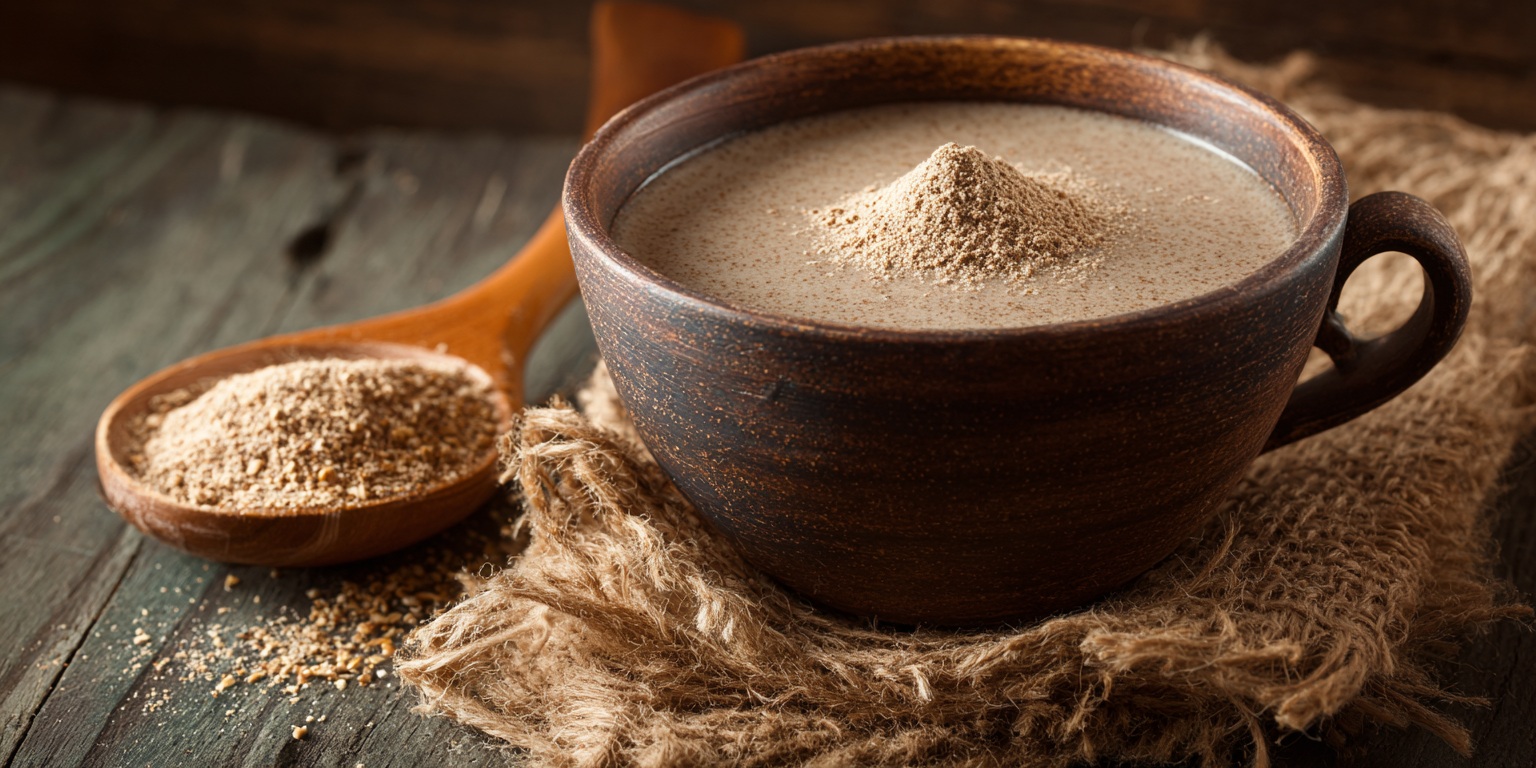
Slippery elm (Ulmus rubra) is one of the most respected demulcent herbs in North American botanical medicine. When its inner bark is mixed with water, it forms a thick, gel-like mucilage that coats the throat and creates a soothing barrier over inflamed tissues.
This makes slippery elm bark tea particularly valuable for sore throats caused by dryness, acid reflux, or excessive coughing rather than infection alone.
The FDA has recognized slippery elm as a safe and effective oral demulcent for soothing throat and mouth irritation, a rare acknowledgment from a regulatory body toward an herbal remedy. (Source)
How to make it:
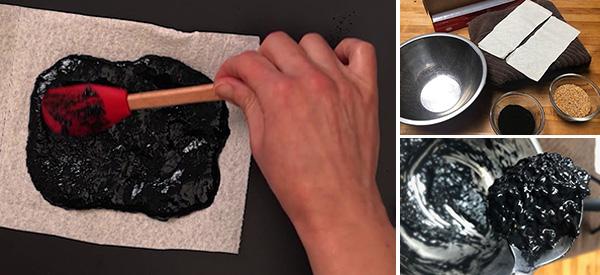
Mix 1 tablespoon of slippery elm bark powder into a cup of warm water, stirring well as it thickens. You can sweeten with honey and add a pinch of cinnamon. Some people prefer to blend it with oat milk for a creamier texture. Drink slowly to allow the mucilage to coat the full length of the throat.
3. Licorice Root Tea
Licorice root (Glycyrrhiza glabra) has a long history in both Western herbalism and Traditional Chinese Medicine as a remedy for throat conditions. Its active compound, glycyrrhizin, is a powerful anti-inflammatory and antiviral agent.
A study published in Anesthesia and Analgesia found that gargling with licorice root solution before surgery significantly reduced postoperative sore throat compared to a placebo, with the licorice group reporting 50% less throat pain. (Source)
Licorice root tea has a naturally sweet flavor that makes it pleasant to drink without needing additional sweeteners.
How to make it:
Simmer 1 teaspoon of dried licorice root in 2 cups of water for 15 minutes. Strain and drink warm. You can combine it with slippery elm and marshmallow root for a powerful triple-demulcent blend.
Caution: Licorice root should not be consumed in large quantities by people with high blood pressure, kidney disease, or those who are pregnant. Do not use for more than 4 to 6 weeks consecutively without consulting a healthcare provider.
4. Marshmallow Root Infusion
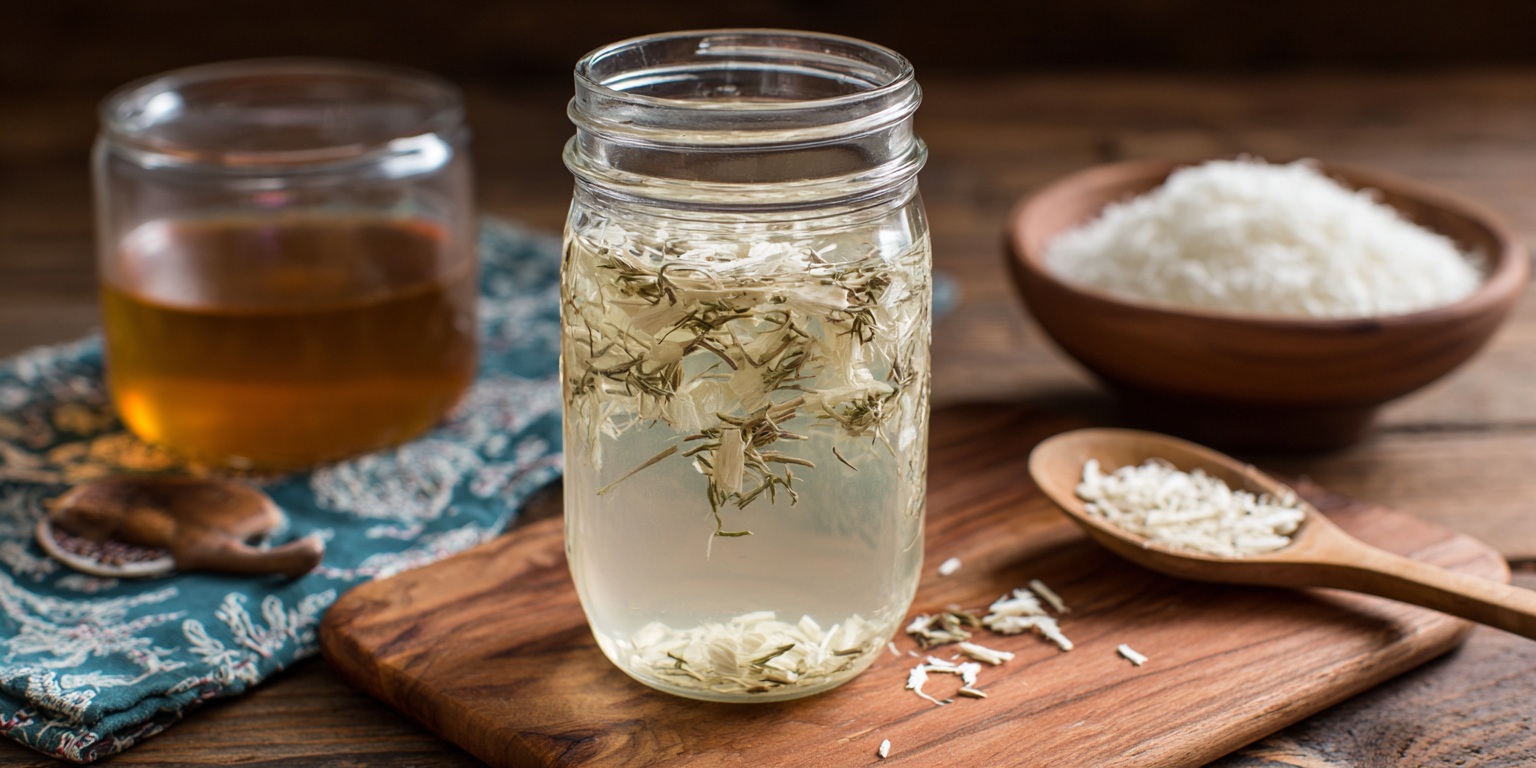
Marshmallow root (Althaea officinalis) is another outstanding demulcent herb, and unlike many herbal remedies, it works best as a cold infusion rather than a hot tea. Heat can actually break down the mucilage compounds you want to preserve.
The mucilage in marshmallow root forms a protective coating over the mucous membranes of the throat, reducing friction and irritation with every swallow. It is especially helpful for dry, scratchy throat pain and chronic throat irritation.
Research published in Complementary Medicine Research found that a marshmallow root syrup significantly reduced throat irritation in patients with dry cough and throat irritation, with 86% of participants reporting good or very good tolerability. (Source)
How to make it:
Add 1 to 2 tablespoons of dried marshmallow root to a jar with 1 quart of cold water. Let it steep overnight, at least 8 hours, in the refrigerator. Strain and sip throughout the day at room temperature or gently warmed.
5. Thyme and Lemon Tea
Thyme (Thymus vulgaris) is far more than a kitchen herb. It contains thymol and carvacrol, two potent phenolic compounds with proven antimicrobial and antispasmodic properties that make it one of the most effective herbal drinks for sore throat accompanied by cough.
A clinical study published in Arzneimittelforschung found that a thyme-ivy combination syrup was as effective as the conventional expectorant medication ambroxol for treating acute bronchitis, with an even better tolerability profile. (Source)
How to make it:
Steep 1 tablespoon of fresh thyme (or 1 teaspoon dried) in 1 cup of just-boiled water for 10 minutes, covered to retain volatile oils. Strain, add a generous squeeze of lemon juice, and sweeten with honey. The lemon adds vitamin C and citric acid, which can help break up mucus and further soothe the throat.
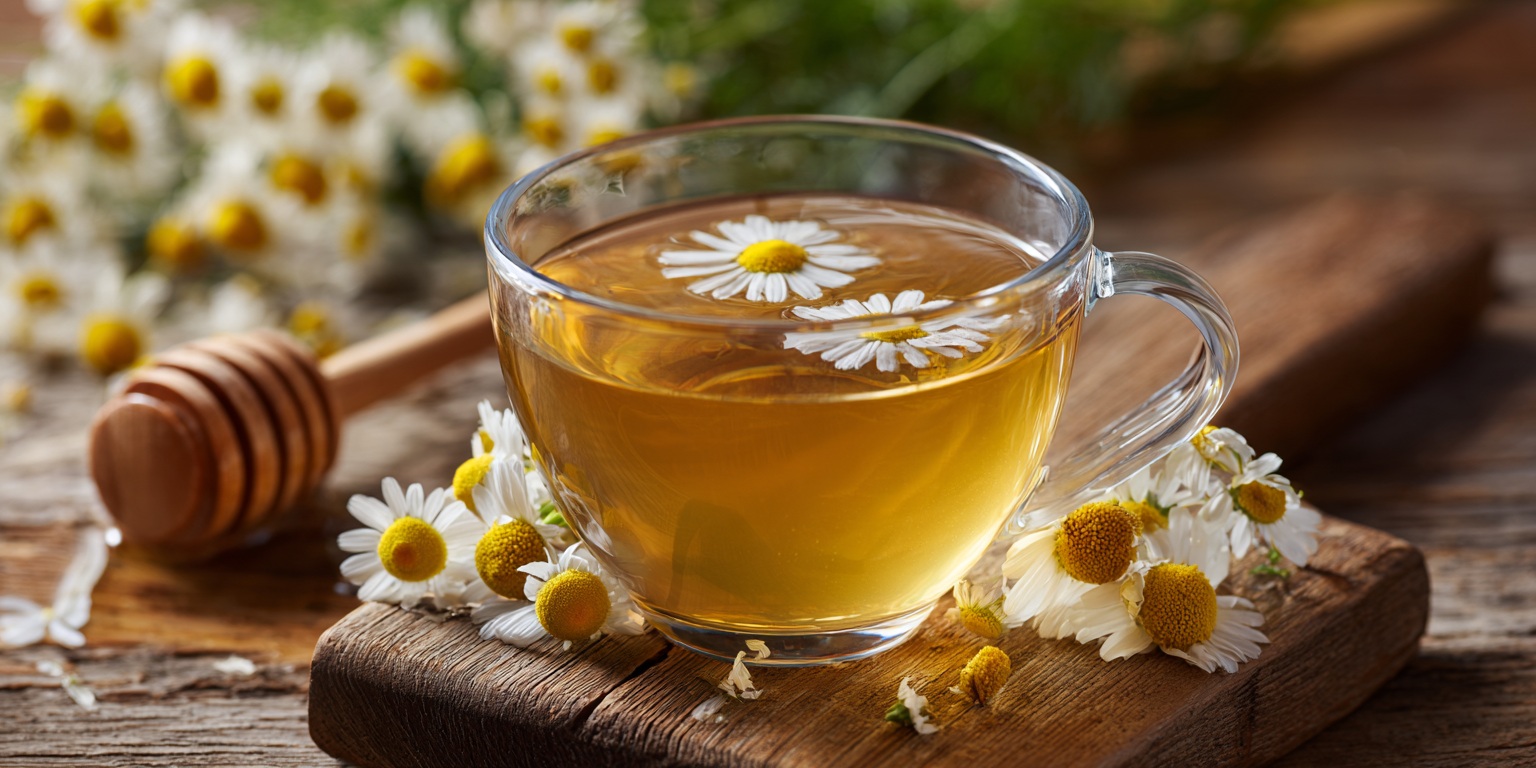
6. Chamomile Tea with Apple Cider Vinegar
Chamomile (Matricaria chamomilla) has well-documented anti-inflammatory and mild antimicrobial properties. Its flavonoids, particularly apigenin, inhibit the release of pro-inflammatory cytokines that contribute to throat swelling and pain.
A study in Life Sciences journal confirmed chamomile’s ability to significantly reduce markers of inflammation in clinical settings. (Source)
The addition of raw apple cider vinegar introduces acetic acid, which creates an inhospitable environment for many throat bacteria, while also helping to thin mucus secretions.
How to make it:
Brew a strong cup of chamomile tea using 2 tea bags or 2 tablespoons of dried flowers. Once slightly cooled, stir in 1 teaspoon of raw apple cider vinegar and 1 teaspoon of honey. Gargle with the first few sips before swallowing for maximum throat contact.
7. Elderberry and Echinacea Tea
When a sore throat is part of a broader cold or flu picture, you need herbs that go beyond soothing and actually mobilize the immune system. Elderberry (Sambucus nigra) and echinacea (Echinacea purpurea) are two of the most clinically researched immune-supportive herbs available.
Elderberry has been shown to reduce the duration of cold and flu symptoms by an average of 4 days compared to placebo. A 2016 randomized trial published in Nutrients confirmed its antiviral and immune-modulating effects. (Source)
Echinacea has been found to reduce the incidence of upper respiratory infections and shorten their duration, with meta-analyses consistently showing statistically significant benefits. (Source – NIH)
How to make it:
Combine 1 teaspoon of dried elderberries and 1 teaspoon of dried echinacea root in 2 cups of cold water. Bring to a simmer and cook gently for 20 minutes. Strain, add honey and lemon to taste, and drink 1 to 2 cups daily during illness.
Tips for Getting the Most Out of Your Herbal Sore Throat Drink
Getting the preparation right matters as much as choosing the right herb. Here are a few principles worth keeping in mind:
Always cover your mug while steeping aromatic herbs like thyme and ginger. Volatile medicinal oils evaporate easily, and a lid keeps them in your cup rather than floating into the air.
Use filtered water when possible. Chlorine in tap water can interfere with some of the more delicate plant compounds.
Add honey only after the liquid has cooled to below 140 degrees Fahrenheit. Temperatures above that threshold begin to degrade honey’s active enzymes and antimicrobial proteins.
Drink your herbal tea slowly and let it linger briefly at the back of the throat before swallowing. This increases direct contact time with the inflamed tissues.
Stay consistent. Most herbal remedies work cumulatively. Three to four cups per day throughout the illness produces better results than one large cup.
When to See a Doctor
Herbal drinks are excellent supportive care, but they are not a replacement for medical evaluation in certain situations. Seek professional care if your sore throat is accompanied by a fever above 103 degrees Fahrenheit, difficulty breathing or swallowing, swollen lymph nodes in the neck, white patches on the tonsils, or if symptoms persist beyond 7 to 10 days without improvement.
A rapid strep test at an urgent care clinic takes minutes and can confirm whether antibiotic treatment is necessary. Using herbal remedies alongside prescribed antibiotics is generally safe, though it is always wise to inform your healthcare provider about any supplements or herbal preparations you are using.
Final Thoughts
Nature’s pharmacy offers remarkable options for soothing and healing a sore throat. Whether you reach for the warming punch of ginger and honey, the silky coating of marshmallow root, or the immune-boosting power of elderberry and echinacea, each of these herbal drinks brings something valuable to your recovery.
The best approach is to match the herb to your specific symptoms. Dry and scratchy throat? Reach for slippery elm or marshmallow root. Infection and inflammation? Ginger, thyme, and elderberry. Cough alongside the sore throat? Thyme and licorice root are your allies.
Keep these herbs stocked in your pantry, and you will never be caught unprepared when a sore throat strikes.
Discover the Complete Home Herbal Medicine Cabinet
The soothing teas and infusions in this guide show just a small glimpse of what plants can do. For centuries, families relied on herbs not just for sore throats, but for coughs, digestive problems, infections, skin issues, pain, sleep troubles, and dozens of other everyday ailments. The knowledge of which plant to use, how to prepare it, and how to store it safely was once considered basic household wisdom.
Unfortunately, much of that practical knowledge has been lost.
That’s exactly why The Forgotten Home Apothecary has become such a valuable resource for people interested in natural health and self-reliance.
Inside this beautifully illustrated guide you’ll discover 250+ traditional herbal remedies that can be prepared at home using simple ingredients. The book walks you step-by-step through how to create tinctures, salves, syrups, infusions, poultices, and medicinal teas using plants that grow in gardens, forests, and even your own backyard.
More importantly, it shows you how to build a real home apothecary so you’re not scrambling to find solutions when illness strikes.
Here are just a few of the remedies you’ll learn how to make:
Herbal syrups that calm coughs and sore throats
Immune-boosting tinctures for cold and flu season
Anti-inflammatory salves for joint and muscle pain
Digestive tonics that soothe stomach problems naturally
Herbal extracts that support sleep, stress relief, and energy
Natural antibiotic alternatives used in traditional medicine
Instead of relying entirely on pharmacy shelves, you’ll gain the knowledge to create powerful plant remedies yourself.
If this article sparked your interest in herbal drinks and natural healing, you’ll likely find The Forgotten Home Apothecary fascinating. It expands far beyond teas and shows how everyday plants can become a complete natural medicine cabinet.
Many readers keep it right in their kitchen or herbal workspace as a reference for everyday natural remedies—the kind of practical knowledge our grandparents once took for granted.
And once you have it, you’ll never look at the plants around you the same way again. 🌿
We use cookies to ensure that we give you the best experience on our website. If you continue to use this site, we will assume that you are happy with it.
Functional Always active
The technical storage or access is strictly necessary for the legitimate purpose of enabling the use of a specific service explicitly requested by the subscriber or user, or for the sole purpose of carrying out the transmission of a communication over an electronic communications network.
Preferences
The technical storage or access is necessary for the legitimate purpose of storing preferences that are not requested by the subscriber or user.
Statistics
The technical storage or access that is used exclusively for statistical purposes.The technical storage or access that is used exclusively for anonymous statistical purposes. Without a subpoena, voluntary compliance on the part of your Internet Service Provider, or additional records from a third party, information stored or retrieved for this purpose alone cannot usually be used to identify you.
Marketing
The technical storage or access is required to create user profiles to send advertising, or to track the user on a website or across several websites for similar marketing purposes.




 2. Slippery Elm Bark Tea