Getting out of bed takes longer. Your knees protest when you climb stairs. You wake up at 3 AM and can’t fall back asleep. The medications are piling up on your counter. Your doctor keeps adding new prescriptions while you’re losing the energy and strength you took for granted just a few years ago.
Here’s what they don’t tell you: none of this is inevitable.
Studies estimate that 10% of people over 60 have sarcopenia—age-related muscle loss. About 30% of those over 70 struggle with basic mobility like walking or standing from a chair. Up to 50% report insomnia-like issues. By the time you’re in your 70s, cardiovascular disease, diabetes, and cognitive decline become serious threats.
But here’s the truth that changes everything: research shows you can reverse much of this decline in just 90 days with targeted, science-backed interventions.
Not with expensive programs or complicated protocols. With simple, measurable steps that address what’s actually breaking down—your muscle mass, metabolism, sleep quality, and mental sharpness.
Let me show you exactly how to do it.
Why Your Body Changed After 60 (And Why It Matters)
Your metabolic rate has been declining since your 30s—about 100-200 calories per decade. You’re gaining fat on fewer calories than you ate at 40. Your muscle mass is shrinking, making everything from carrying groceries to getting off the toilet harder.
Your sleep patterns shifted. You’re waking up multiple times per night, feeling exhausted during the day. Your immune system is experiencing “senescence”—meaning infections that barely slowed you down at 50 can now put you in the hospital.
And then there’s the polypharmacy problem. You’re taking medications that cause side effects, which require more medications, which cause more side effects. The average person over 65 takes 4-5 prescription drugs daily.
This is what happens when you let aging happen to you instead of actively resetting your body.
What “Resetting” Actually Means
A reset isn’t about turning back time. It’s about measurable improvements in 90 days:
Strength & Mobility: Being able to do 10 bodyweight squats, rise from a chair without using your hands, walk a block without getting winded.
Metabolic Health: Stable weight, waist circumference under 40 inches (men) or 35 inches (women), normal blood sugar and cholesterol levels.
Sleep Quality: 7-8 hours of restful sleep nightly instead of fragmented, anxious nights.
Gut Health: 25-30g of fiber daily, regular bowel movements, no more constant bloating.
Mental Clarity: Reduced brain fog, better mood, less anxiety.
Reduced Medications: Working with your doctor to lower or eliminate unnecessary drugs.
These aren’t vague wellness goals. They’re specific markers that predict longevity better than your BMI ever could.
Exercise That Rebuilds Your Body
Exercise is non-negotiable. The research is overwhelming—it’s the single most powerful intervention for healthy aging.
You need three types:
Resistance Training (2-3x weekly): This rebuilds the muscle you’re losing. Bodyweight squats, push-ups against a counter, resistance bands. Even moderate resistance—10-15 reps—can reverse sarcopenia. The CDC recommends 150 minutes of moderate activity plus muscle-strengthening twice weekly.
Aerobic Exercise (5+ days weekly): Brisk walking, cycling, swimming for 30 minutes. The National Institute on Aging found that 8,000+ steps daily (vs. 4,000) cuts mortality risk by 50%. Fifty percent.
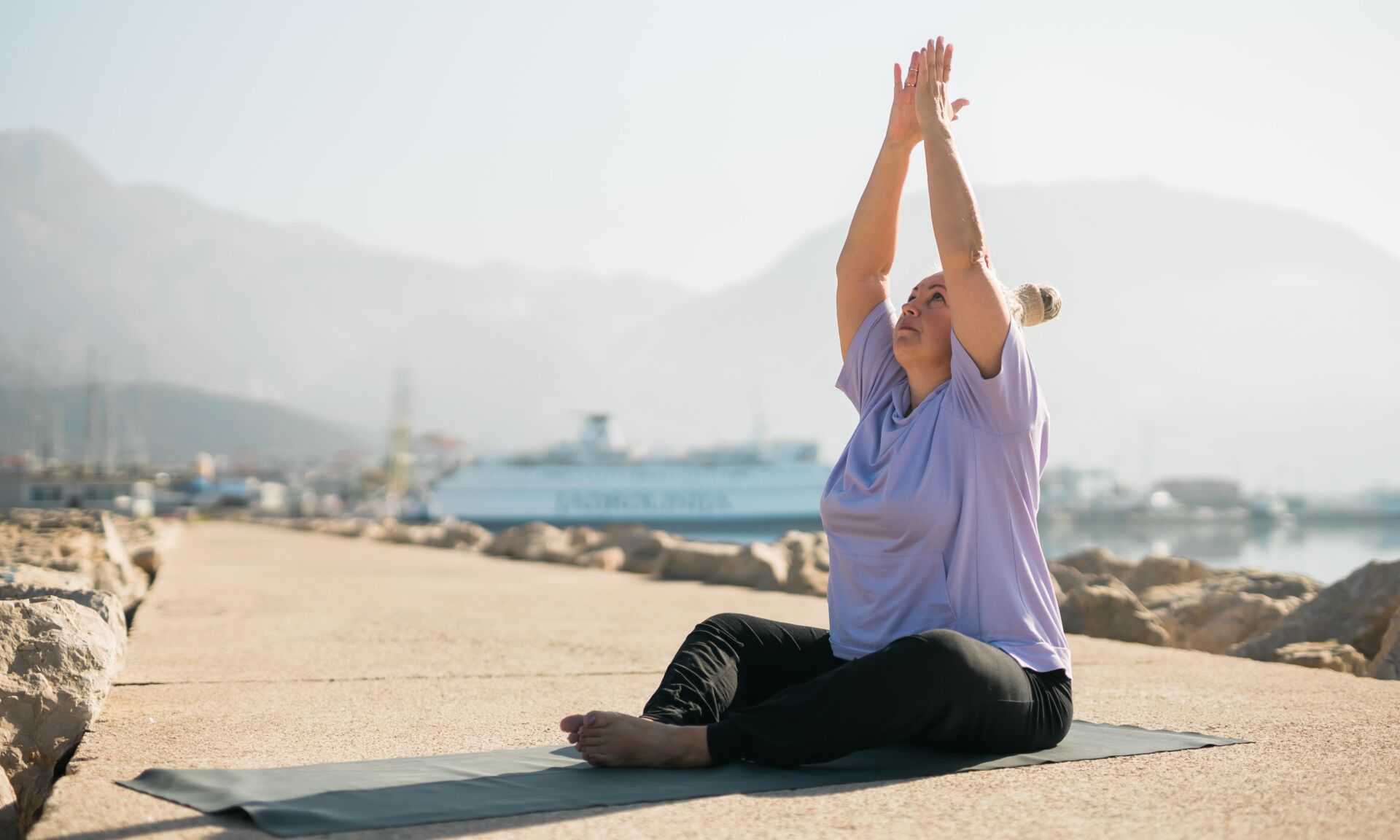
Balance & Flexibility (daily): Tai chi, yoga poses, stretching. This prevents the falls that put so many older adults in nursing homes.
A 2019 meta-analysis found that moderate aerobic exercise combined with resistance training in older adults significantly lowered blood pressure and improved insulin sensitivity. It also improved sleep quality and mood.
What this means for you: Start with 5-10 minute walking sessions. Build to 30 minutes. Add light strength work twice weekly. Your body will respond faster than you think.
If you can’t do exercise—especially for the first time in a long time—you might need this first.
I couldn’t even think about squats without dreading the pain. My knees felt like they needed oil just to bend.
Then I tried the Joint & Movement Salve. It’s cayenne-based and warms up your joints before you move. I rub it on 10 minutes before exercising, and I can actually feel the heat increasing blood flow and loosening everything up.
Considered a miracle worker by many—and I understand why now. It got me moving again when I thought my workout days were over.
But here’s the critical piece most people miss: You need MORE protein after 60, not less. Aim for 1.0-1.2g per kg of body weight daily—roughly 80-100g for a 155-pound person. That’s 3-4 ounces of fish or lean meat per meal, plus eggs, dairy, or legumes. Spread it across meals.
Without adequate protein, you’ll lose muscle even if you’re exercising.
Add 25g+ of fiber daily for digestive health. Your calorie needs have dropped 100-200 calories per decade, so focus on nutrient density—every calorie should deliver vitamins, minerals, and protein.
If you’re overweight, losing just 5-10% of your body weight significantly reduces blood pressure and diabetes risk. But lose it slowly—1-2 pounds weekly maximum—while preserving muscle.
You need more protein. More fiber. More nutrients. But here’s the problem: it’s impossible to eat everything your body needs every single day.
Or… can you?
The only supplement I’ve seen actually work on someone is this plant-based one. And here’s WHY: It packs 48 fat-burning plants, superfoods, and probiotics into one scoop. Ginger (thermogenic), green tea (fat extraction), alfalfa (fat-binding), cinnamon (calorie burn), turmeric (anti-inflammatory), ashwagandha (stress/cortisol control), spirulina (thyroid support).
Plus 27% fiber, probiotics optimized for weight loss, and zero chemicals.
One scoop = everything your body needs to turn into a calorie-burning machine.
Follow CDC guidance religiously: consistent bedtime and wake time, dark cool bedroom, no screens 30 minutes before bed, no caffeine or large meals in evening.
Meditation or stretching before bed improves sleep onset. Avoid heavy exercise within 2 hours of bedtime.
Better sleep isn’t just about feeling rested—it lowers heart disease risk and improves metabolism. When you’re not sleeping, your body can’t repair itself or regulate blood sugar properly.
If you suspect sleep apnea or restless legs, get evaluated. These conditions destroy sleep quality and increase cardiovascular risk.
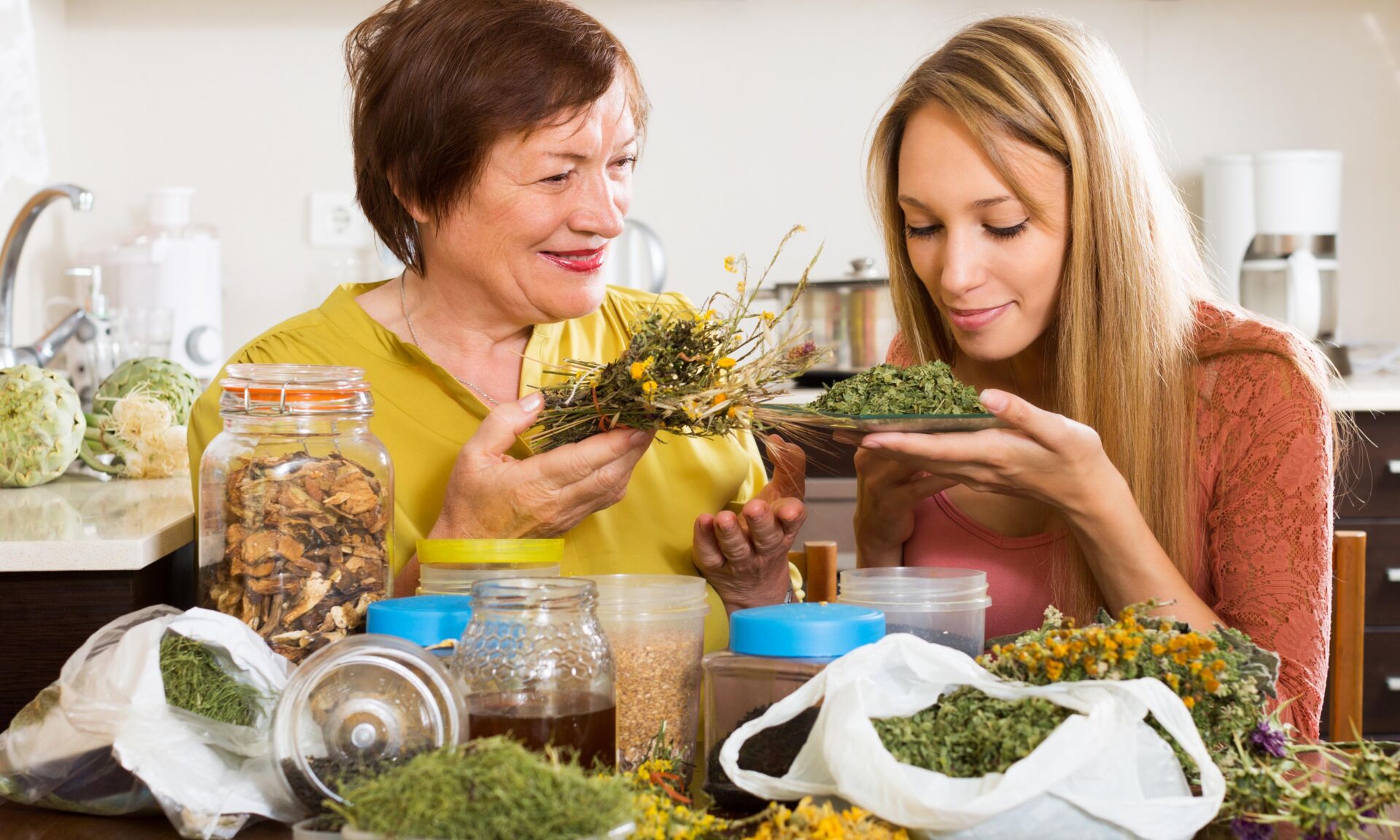
Add calming herbal infusions like teas to your evening routine. One of the most powerful would be valerian, but you can also try chamomile, hops, German chamomile, and passionflower.
These herbs calm the nervous system, reduce cortisol, and help you fall asleep faster and stay asleep longer.
I learned about this combination from Nicole Apelian, who made a tincture from all these ingredients—this Sleep BlendTincture—for people who struggle with restful, long sleep.
Just 20 drops in your evening tea, and your body shifts into rest mode within minutes.
Selective herbs can complement lifestyle changes. These have clinical trial evidence in older adults:
Curcumin (500-2,000mg daily): Potent anti-inflammatory. Randomized controlled trials show it reduces joint pain and stiffness in knee osteoarthritis, improves fatty liver markers, and helps with glucose control. Caution: Can thin blood—use carefully with anticoagulants.
Ginger (250-500mg extract, 2-3x daily): Eases digestive discomfort and reduces inflammation. Studies show it relieves nausea and modestly improves knee osteoarthritis pain. Caution: May amplify blood thinners and lower blood sugar.
Ashwagandha (300-600mg daily): Adaptogenic herb that reduces stress and improves sleep. Small trials found it lowered cortisol and improved sleep quality in older adults after 2-4 months. Caution: Can cause drowsiness; avoid if on thyroid medications.
An Ashwagandha Tincture I always trust and have in my cabinet is this one right here.
If you don’t have ashwagandha from a trustworthy source, this is the one I recommend.
Ginkgo Biloba (120-240mg daily): Mixed evidence for cognitive support in dementia, but some studies show modest improvements in memory and processing. Caution: Increases bleeding risk—stop 1-2 weeks before surgery.
Always discuss herbs with your doctor. They interact with medications, especially blood thinners.
Continue effective herbs; discontinue anything causing side effects
Final measurements: weight, blood pressure, lab results
Celebrate progress and plan maintenance with your doctor
This is just one protocol your body needs after 60. But throughout your life, you’ll face other ailments too—even serious ones—and your body needs complete systems to fight them.
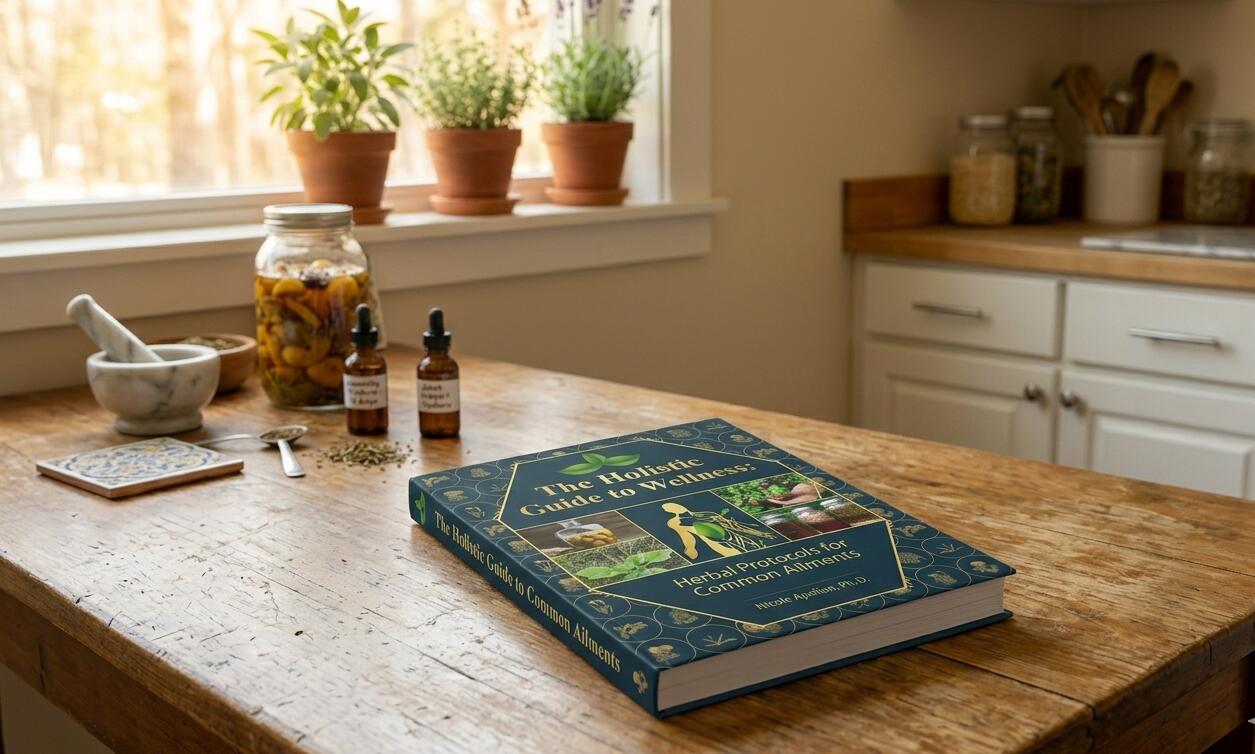
The Holistic Guide to Wellness contains 45 complete protocols for:
Heart Health (circulation, blood pressure, cholesterol)
Type 2 Diabetes (blood sugar regulation, insulin sensitivity)
Herbs interact with medications. Turmeric and ginger can potentiate anticoagulants. Ginkgo raises bleeding risk. Valerian interacts with sedatives. Tell your doctor or pharmacist about every herb you’re taking.
Buy quality ready-made tinctures only from trustworthy sources—like the ones mentioned above—that clearly label their products as 100% organic and non-GMO.
Monitor for problems. If you experience muscle pain, excessive fatigue, abnormal bruising, or worsening health, stop supplements immediately and seek medical advice.
This isn’t a quick fix. It’s a structured lifestyle overhaul requiring consistency and monitoring.
The Bottom Line
You have a choice. Accept that aging means becoming weaker and more dependent on medications. Or spend 90 days resetting your body with what actually works.
The science is clear: resistance training rebuilds muscle. Mediterranean diets improve metabolism. Sleep hygiene restores rest. Select herbs reduce inflammation.
This isn’t about perfection. It’s about measurable progress. One more squat than last week. An extra hour of sleep. A 5-point drop in blood pressure.
Small improvements compound over 90 days into transformative change.
Your body at 60, 70, or 80 is still capable of remarkable adaptation. Start with one thing today—a 10-minute walk, an extra serving of protein, a consistent bedtime.
The reset starts now. Ninety days from now, you could be stronger, sharper, and healthier—or exactly where you are today, just three months older.
Buy quality tinctures only from trustworthy sources that clearly label products as 100% organic and non-GMO—like the ones mentioned above.
But if you want to learn how to make these remedies yourself—and understand exactly why they work—The Lost Remedies Academy teaches you on video, step by step.
Nicole shows you:
How to make Nature’s Ibuprofen
How to make Herbal Sleeping Pills
How to make Lubricating Joint Juice
How to make Medicinal Juice for Blood Pressure
How to make Fatty Liver Repair Tea
How to extract compounds properly so remedies actually work
You learn by doing—the way your grandmother would have taught you. When you graduate, you get a diploma certifying your knowledge.
We use cookies to ensure that we give you the best experience on our website. If you continue to use this site, we will assume that you are happy with it.
Functional Always active
The technical storage or access is strictly necessary for the legitimate purpose of enabling the use of a specific service explicitly requested by the subscriber or user, or for the sole purpose of carrying out the transmission of a communication over an electronic communications network.
Preferences
The technical storage or access is necessary for the legitimate purpose of storing preferences that are not requested by the subscriber or user.
Statistics
The technical storage or access that is used exclusively for statistical purposes.The technical storage or access that is used exclusively for anonymous statistical purposes. Without a subpoena, voluntary compliance on the part of your Internet Service Provider, or additional records from a third party, information stored or retrieved for this purpose alone cannot usually be used to identify you.
Marketing
The technical storage or access is required to create user profiles to send advertising, or to track the user on a website or across several websites for similar marketing purposes.