

Personalized Herbal Blends Based On Your Blood Type
You know your blood type. Maybe it’s on your medical bracelet. Or maybe you’ve wondered if there’s actually something to all that talk about blood types and health.
Here’s what’s interesting: while a lot of the popular blood type diet claims haven’t held up well in research, scientists HAVE found some real patterns. Things like how your blood clots, certain health tendencies, and where you might want to pay a little extra attention based on your type.
Your blood type isn’t your destiny. But it IS a genetic marker that gives us clues about how your body works. Small differences that show up consistently in medical research.
So instead of telling you what to eat based on your type (that’s where the evidence gets shaky), I’m going to show you what research actually reveals about each blood type’s tendencies. Then we’ll match those patterns with herbs that have real clinical studies behind them.
Not pseudoscience. Not guessing. Just using what we actually know about blood type biology to guide smarter wellness choices.
Let me show you what blood type really tells us, and how to use that information in a way that makes sense.
What Your Blood Type Actually Means
Your blood type—A, B, AB, or O—is determined by proteins on your red blood cells. It’s one of those things doctors keep in your medical records.
But here’s where it gets interesting: blood type shows up in medical research, especially around blood clotting. People with type O have about 25% lower levels of something called von Willebrand factor compared to types A, B, and AB. This matters because if you’re NOT type O, you have about 1.8 times higher odds of developing a blood clot.
Blood type has also been linked to heart disease risk (non-O types show slightly higher risk), peptic ulcers (type O shows higher risk), stomach issues (type A shows higher association), and type 2 diabetes (some studies show higher risk in type B).
Important reality check: These are tiny nudges in risk, not guarantees. Your blood type is like a small steering wheel, not the whole car. 
Type O: The Gut-Focused, Stress-Aware Type
I spent a summer with a family in rural Greece. The grandmother there—tiny woman, probably 80 years old—had type O blood and swore by her evening ritual: chamomile tea with lemon balm from her garden. She’d had stomach troubles her whole life, and this was what kept her comfortable.
Type O has lower clotting factors and has been associated with higher peptic ulcer risk. What this means: focus on digestive comfort and stress management without overdoing blood-thinning supplements.
For Stress and Sleep: Ashwagandha genuinely lowers cortisol in stressed adults—clinical trials prove it. Pair it with lemon balm (multiple studies show it improves anxiety and sleep) and chamomile (reduces moderate-to-severe anxiety in trials).
Also Read: Blue Milk
Important: if you’re on blood thinners, talk to your doctor about chamomile—it may increase bleeding risk.
I grow lemon balm and chamomile in my garden. Every spring I harvest, dry, and store them.
But here’s the reality: it takes months to have enough. And I still don’t have valerian or hops.
A friend gave me a tincture with valerian, hops, chamomile, and passionflower. I took it one night when my mind wouldn’t stop. Twenty minutes later, my shoulders dropped. I slept through the night.
When you extract these herbs properly—not just as tea—you get compounds that actually shift your nervous system.
Click here to see the blend that worked when my garden herbs weren’t enough.
For Your Gut: Reishi, turkey tail, and lion’s mane together support gut wellness. They’re gentle and well-tolerated. Slippery elm and marshmallow root coat and calm. Ginger helps nausea. Aloe vera syrup (short-term) may help reflux.
Reishi calms inflammation. Turkey tail supports gut bacteria. Marshmallow coats the gut lining.
But which one does Type O actually need? In what ratio?
I bought reishi. Took it for two weeks. Felt… like its working. So I then bought turkey tail. Started that. Forgot the reishi. Got overwhelmed and quit both.
Then I found a blend someone had already figured out. Medicinal mushrooms with gut-soothing herbs. One dropper, twice a day. My digestion evened out.
The hard part isn’t finding herbs—it’s knowing which ones work together. It’s so simple like this.
Click here for the gut blend that takes the guesswork out.
What to Watch: Type O already has lower clotting factors, so be careful with garlic supplements. Culinary amounts are fine—just avoid concentrated supplements.
Type A: The Heart-Health-Focused Type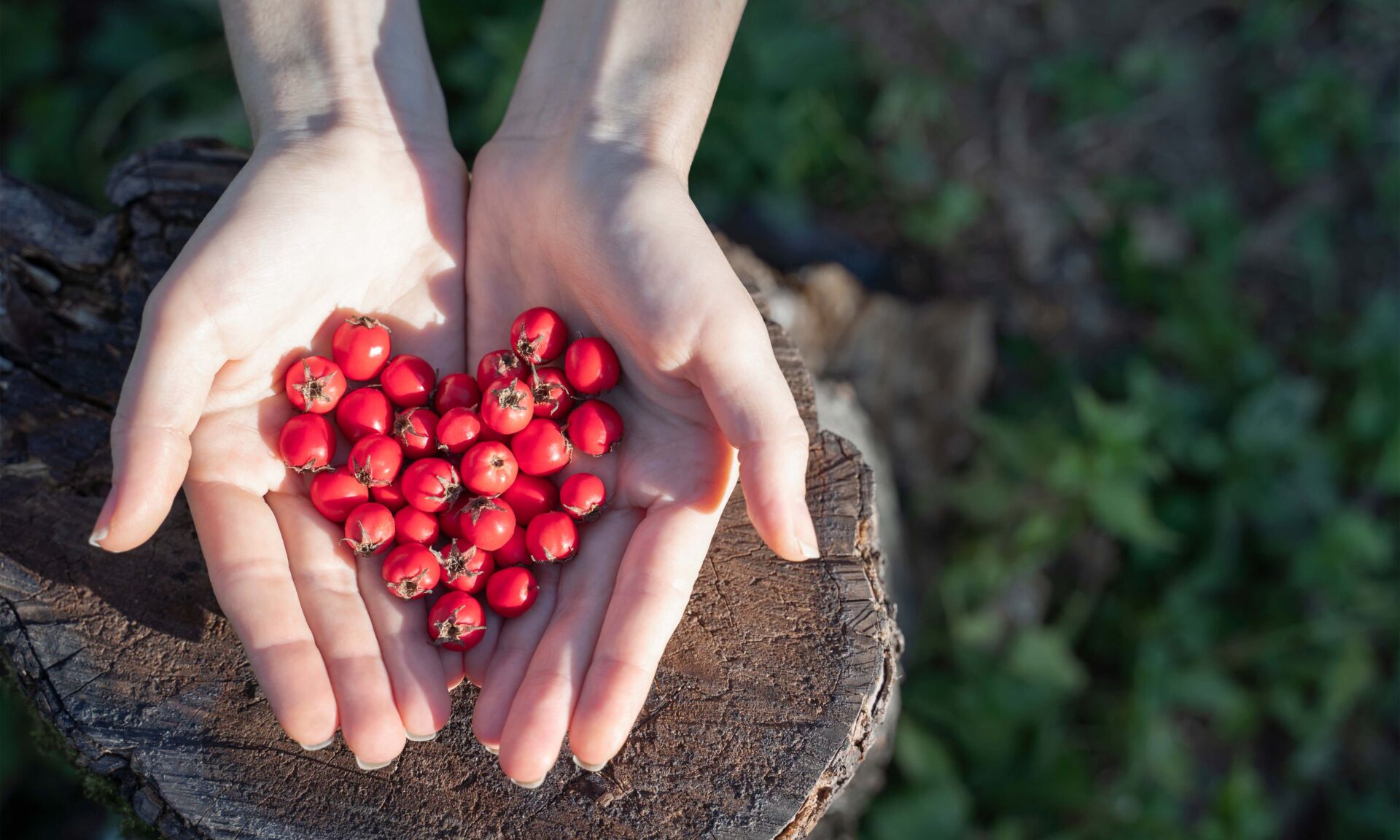

A woman at a North Carolina farmer’s market who’d been drinking hibiscus tea every morning for years. “My blood pressure was creeping up,” she said, “and I wasn’t ready for medication. Hibiscus worked.”
She has type A. The research shows hibiscus genuinely lowers blood pressure in mild hypertension.
Type A is non-O, meaning higher clotting factors and slightly higher cardiovascular risk. Focus on cardiovascular wellness, stress management, and gentle gut protection.
For Heart and Blood Pressure: Hawthorn, tulsi, fenugreek, and bilberry work beautifully together. Hawthorn has heart failure studies behind it (not a med replacement). Tulsi supports stress and metabolism. Fenugreek may help blood sugar. Bilberry supports vascular health. Add hibiscus tea in the morning.
Hawthorn strengthens heart muscle. Tulsi manages stress that damages your cardiovascular system. Fenugreek regulates blood sugar. Bilberry protects blood vessels.
Type A has slightly higher clotting factors. You need herbs that support circulation without thinning blood dangerously.
I could grow tulsi. Maybe find hawthorn. But fenugreek? Bilberry? I’d be driving to three herb shops, hoping they’re in stock, trying to figure out ratios myself.
Or I could use a blend where someone’s already done that math.
Click here to see the heart blend with all four herbs Type A needs.
Lemon balm paired with cordyceps calms your nervous system while supporting energy and circulation.
For Stress: Ashwagandha lowers cortisol. Combine it with lemon balm and reishi for powerful stress reduction.
For Gut Protection: Chamomile tea provides gentle digestive support and relaxation.
Important: Don’t use hawthorn as a medication replacement. If you’re on cardiac meds, talk to your doctor first.
Type B: The Metabolic-Awareness Type
Nicole Apelian, one of the most well-known herbalists in the world, introduced me to fenugreek for blood sugar support.
Type B is non-O (higher clotting factors), and some studies show higher type 2 diabetes risk. Pay attention to blood sugar, stress, and cardiovascular health.
For Metabolic Support: Fenugreek has some blood glucose evidence (quality varies). Tulsi shows promise for stress and metabolic markers. Reishi, turkey tail, and cordyceps support metabolic health and energy.
Cinnamon has conflicting glucose evidence—use culinary amounts but don’t rely on it. Berberine shows glucose-lowering effects but needs medical supervision due to drug interactions.
For Stress and Energy: Ashwagandha and lemon balm reduce stress (which affects blood sugar) and improve sleep. Cordyceps and lion’s mane provide energy and mental clarity without jitters.
I didn’t realize how much stress was affecting my blood sugar until I started tracking both.
Stressful day? Blood sugar spiked—same breakfast. Anxious about a deadline? Spiked again. My body was turning stress into glucose.
For Type B, managing stress isn’t about feeling calm. It’s about protecting your metabolic health.
I tried a blend with ashwagandha (lowers cortisol), lemon balm (calms nervous system), reishi (helps handle stress), and lion’s mane (clears brain fog).
Two weeks later, my blood sugar stopped spiking on stressful days. I felt steady.
Click here for the stress blend that helped my blood sugar stop reacting to anxiety.
For Heart: Hawthorn and tulsi offer gentle cardiovascular support.
To get all the compounds your metabolism needs—ginger, green tea, spirulina, ashwagandha, cinnamon, turmeric—you’d have to eat 48 different plants every single day.
That’s physically impossible.
I tried adding superfoods. Bought spirulina (tasted like pond water). Added turmeric to everything (yellow cutting board). Gave up after a week.
Then I found this green blend. 48 plants in one scoop.
Here’s what matters for Type B: it burns fat without losing muscle. You know that achy, weak feeling when you diet too hard? This doesn’t do that. The fiber, probiotics, and metabolism-boosting herbs target fat—not muscle.
Click here to see how one scoop replaces what you’d never eat in a day.
Safety Note: Fenugreek can cause digestive upset and may lower blood sugar. Monitor closely if you’re on diabetes meds. Not safe in pregnancy above food amounts.
Type AB: The “Cover All Your Bases” Type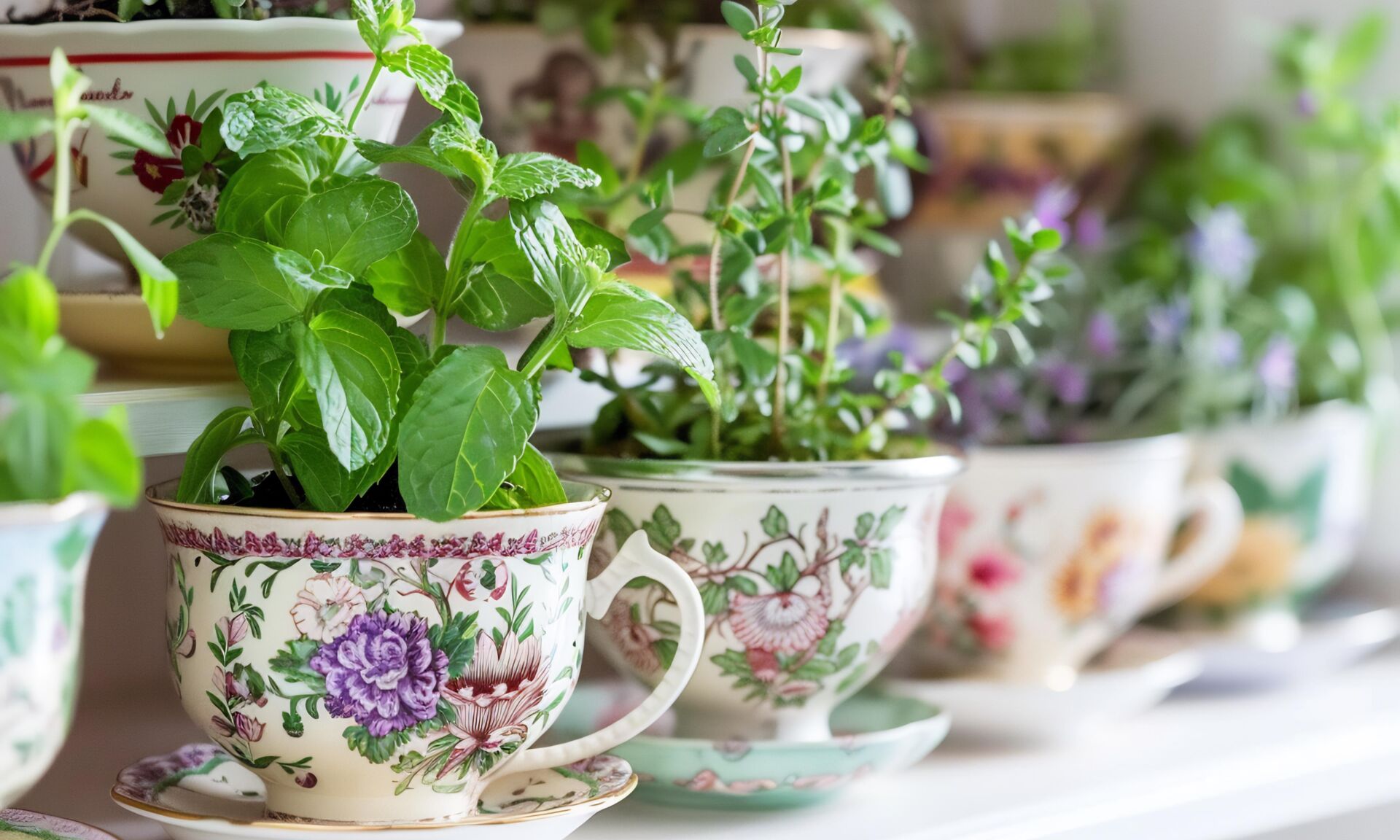
You’re the rarest type. Type AB is non-O (higher clotting factors), and some studies show higher diabetes risk. Focus on cardiovascular health, metabolic support, and stress management all at once.
Your Approach: Hawthorn, tulsi, fenugreek, and bilberry cover cardiovascular and metabolic bases. Add hibiscus for blood pressure. Ashwagandha, lemon balm, lion’s mane, and reishi calm your nervous system while supporting cognitive function. The mushroom trio—reishi, turkey tail, cordyceps—provides immune and metabolic support.
Digestive Calm: Chamomile and lemon balm tea for relaxation and gut comfort. Add ginger for nausea or peppermint oil capsules for IBS symptoms.
Energy: Lion’s mane with cordyceps for cognitive support and gentle energy.
Brain fog makes you feel underwater. You forget words mid-sentence. You walk into a room and can’t remember why. You read the same paragraph three times.
It’s not just frustrating—it’s scary.
Lion’s mane stimulates nerve growth factor (NGF), which helps your brain repair and regenerate neurons. It’s not a stimulant. It’s supporting your brain’s natural ability to heal itself.
I take it when I need to manage multiple health factors at once. It helps me think clearly without feeling wired.
Click here for the mushroom that helps your brain like nothing does.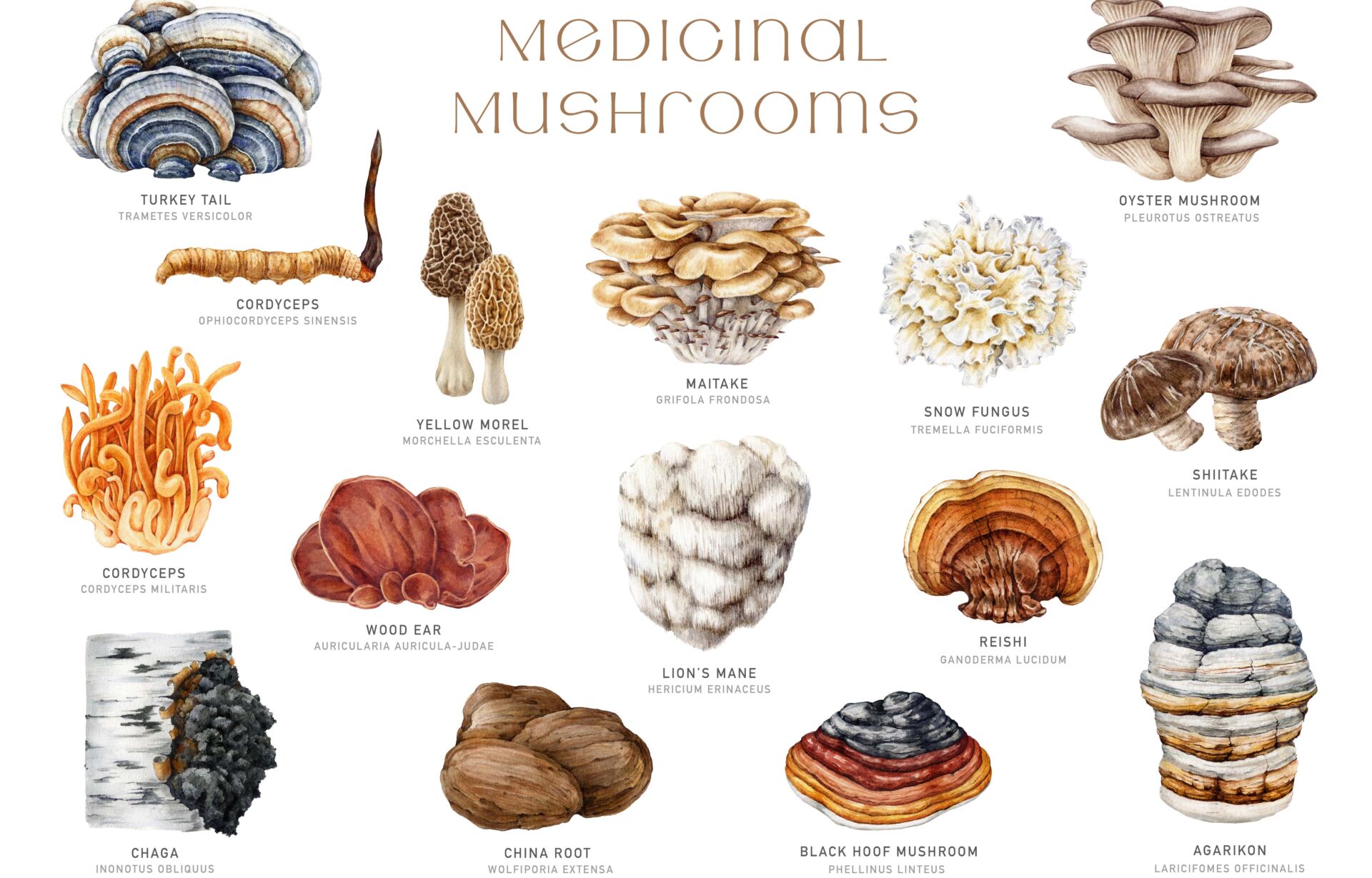
For Everyone: When the Seasons Change
Elderberry at the first sniffle may reduce cold and flu symptom duration. Reishi, turkey tail, and cordyceps provide immune resilience throughout cold season. During allergies, stinging nettle shows benefit in studies, and reishi may help modulate immune response.
Elderberry works at the first sniffle. But if you wait until you’re sick, you’ve missed the window.
I keep a bottle in my kitchen. Every morning during cold season, I take 20 drops. That’s it. I haven’t been knocked out by a cold in over a year.
It’s dual-extracted—full spectrum of compounds. Elderberry is one of Nicole’s go-to herbs for immune support, safe even for autoimmune conditions.
One bottle is $16. That’s 30 servings. About 53 cents a day to not spend three days in bed.
Click here for the immune support that costs less than your morning coffee.
Safety Notes
“Natural” doesn’t mean “safe for everyone.” If pregnant or nursing, avoid ashwagandha, fenugreek (above food amounts), and passionflower. On blood thinners? Be cautious with chamomile, fenugreek, and high-dose garlic—tell your doctor about ANY herbs. On heart meds? Talk to your doctor before adding hawthorn.
Reishi has rare liver injury reports. Ashwagandha may affect thyroid meds. Fenugreek can increase low blood sugar risk with diabetes meds. Chamomile and lemon balm may increase drowsiness with sedatives.
Start low and slow—one new herb at a time.
The Complete Heart Health Recipes Your Blood Type Actually Needs
Your blood type gives you clues. The herbs I mentioned can help. But here’s what most people don’t realize: knowing which herb to use is only half the battle.
The other half? Knowing how to prepare it properly.
I’ve tried making heart tonics from online recipes. Some were too weak to do anything. Others were so strong they gave me heartburn. I didn’t know the right ratios, the proper extraction methods, or how long to steep them.
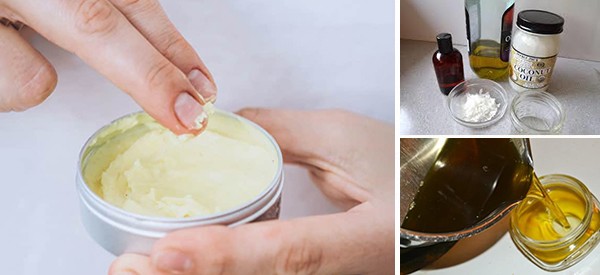
That’s when I found a collection where someone had already done all the trial and error. All the cardiovascular and heart-health remedies—complete recipes with measurements, photos, and dosages.
No guessing. No wasting herbs. Just step-by-step instructions that actually work.
Here are all the heart and circulation remedies inside:
– Arterial De-Clogger
– Bilberry Heart-Drops
– Cooling Gel for Varicose Veins
– Circulation Reboot Tonic
– Clot-Dissolving Syrup
– Cinnamon Infusion for Blood Pressure
– Turmeric and Cayenne Warming Balm
– Garlic and Lemon Tonic for Cholesterol
– Hibiscus Tea for Cardiovascular Support
– Beetroot and Aronia Juice for Circulatory Health
Each recipe includes:
- Exact measurements (teaspoons, tablespoons, cups—no guessing)
- Full-color photos (you see exactly what it should look like at each step)
- Proper dosages (how much to take, when to take it, how often)
- Safety notes (which medications interact, who should avoid it, side effects to watch for)
These aren’t just herb names or suggestions. They’re complete, tested recipes you can make in your kitchen.
Click here for all 250 remedies—including every heart recipe your blood type needs.
The Bottom Line
Your blood type points to patterns. Use them wisely: Type O focuses on gut comfort and stress. Type A supports cardiovascular health. Type B watches metabolic markers. Type AB does all of it.
These herbs won’t cure disease or replace medications. But they might support your body’s natural tendencies. Use them wisely, use them safely, and remember—your blood type is one piece of information, not your whole story.
Disclaimer: This article is for educational purposes only and does not provide medical advice. These herbal blends are not intended to diagnose, treat, cure, or prevent any disease. Herbs can interact with medications. If you are pregnant, nursing, have chronic medical conditions, or take prescription medicines, consult your healthcare provider before using herbal supplements.

I never saw any clinical evidence about blood types. Only how blood reacts with different substances in vitro.