
DIY Herbal Elixir To Keep Your Brain Young
You misplace your phone. You lose track of what you were saying mid-sentence. You brush it off as “just getting older.”
But it’s not just aging. It’s a warning sign.
Brain decline doesn’t announce itself, it sneaks up slowly. It starts with mental fog. Then comes irritability, worry, even low mood. All connected to your brain actually shrinking.
Your digestion suffers too. The connection between your brain and gut is real—when one struggles, the other does too. An unhealthy gut makes memory and concentration worse.
Sleep becomes a problem. And without proper rest, harmful waste accumulates in your brain. Studies show poor sleep in your middle years can age your brain prematurely—sometimes by several years.
You catch every bug going around. Your coordination falters. Simple trips and stumbles become frequent. This isn’t the natural aging process—it’s your brain gradually failing.
Sage: More Than a Kitchen Herb
Sage isn’t just for Thanksgiving stuffing. A study in people with mild-to-moderate Alzheimer’s disease found benefits on cognitive outcomes with sage extract. Other research shows improvements in memory, attention, and reduced mental fatigue with standardized sage extracts.
Related: DIY Vitamin Gummies For The Whole Family
Important note: the research uses extracts, not just home-brewed tea. Tea is gentler and less predictable but still worth trying for mild support.
Use sage extract supplements as directed, or drink sage tea made from 1-2 teaspoons dried sage steeped for 10 minutes. Don’t overdo it—very high amounts of sage essential oil can be problematic, but culinary and tea amounts are safe.
Lion’s Mane: The Memory Mushroom
Lion’s mane is a shaggy white mushroom that looks like, well, a lion’s mane. And it has some of the most interesting research for memory support.
A study with adults who had mild cognitive impairment found that cognitive scores improved during 16 weeks of taking lion’s mane. When people stopped taking it, scores dropped again—suggesting it needs ongoing use to maintain benefits.
Lion’s mane appears safe with no liver problems reported in studies. It’s gentle and well-tolerated.
Most research uses concentrated extracts rather than just eating the mushroom, so supplement forms are more predictable than cooking with fresh lion’s mane.
Take as directed on quality supplements, typically 500-1000mg daily of extract.
You can find Lion’s Mane in many forms—powders, pills, teas, even gummies—but tinctures are in a class of their own.
Here’s why: They’re double-extracted using both alcohol and water, which pulls out the full spectrum of beneficial compounds (water-soluble polysaccharides AND alcohol-soluble terpenoids). Most other forms only extract one or the other.
Read: What Your Tongue Says About Your Health
Plus, tinctures deliver these compounds directly into your bloodstream through the mucous membranes in your mouth—meaning faster absorption and better bioavailability than capsules that have to break down in your gut first.
I keep a bottle of Lion’s Mane Tincture on hand because it’s so versatile. A few drops in my morning coffee, tea, or even water—and I’m getting therapeutic doses without any brewing, steeping, or measuring powder.
You could make your own at home if you have the time, patience, and equipment. But it takes 6-8 weeks of extraction, quality dried mushrooms, and the right alcohol ratio to do it properly.
👉 Get the Lion’s Mane Tincture here if you want brain-boosting power without the DIY hassle.
Bacopa: The Traditional Memory Herb
Bacopa (also called brahmi) has been used in Ayurvedic medicine for centuries. A study with people experiencing age-related memory issues found improved outcomes in logical memory and paired learning after 12 weeks with a standardized extract.
Research uses standardized extracts, so homemade preparations are gentler and less predictable. Bacopa typically takes weeks to months to show benefits—it’s not a quick fix.
Take standardized extracts as directed, usually 300mg daily. Be patient—this one works slowly.
Lemon Balm: For Calm Focus
Lemon balm is a gentle herb from the mint family. Studies show it can influence mood and cognitive performance, especially under stress. It improves calmness and processing speed in some people, and broader reviews show promise for anxiety, sleep quality, and focus.
Lemon balm is especially useful if your brain fog comes with stress or poor sleep—it addresses both at once.
It’s generally safe with low risk for side effects. You can use it as tea, tincture, or capsules.
Lemon balm tea: Steep 1-2 teaspoons dried lemon balm in hot water for 10 minutes. Drink 2-3 cups daily, especially in the afternoon or evening.
Why Most Lemon Balm Remedies Fail—And This One Doesn’t
You’ve seen the research. Lemon balm influences mood and cognitive performance, especially under stress. The problem? Most people never get enough of the active compounds to feel a difference.
Store-bought capsules use oxidized, low-quality leaf powder. Homemade tea extracts maybe 15% of what you need. Dried herbs you bought six months ago? The volatile oils have evaporated.
This Lemon Balm Tincture uses dual-extraction—both alcohol and water—to capture the full range of therapeutic compounds that cheap methods miss. Dr. Nicole Apelian wild-harvests the plants at peak potency, then extracts them immediately.
Take 1-2 dropperfuls under your tongue. You’re getting the same concentration used in clinical trials—the kind that actually reduces anxiety and quiets nervous system overactivity.
This isn’t guessing how strong your tea is. This is consistent, measurable results every time.
Get the Lemon Balm Tincture here—because trembling hands need real medicine, not wishful thinking.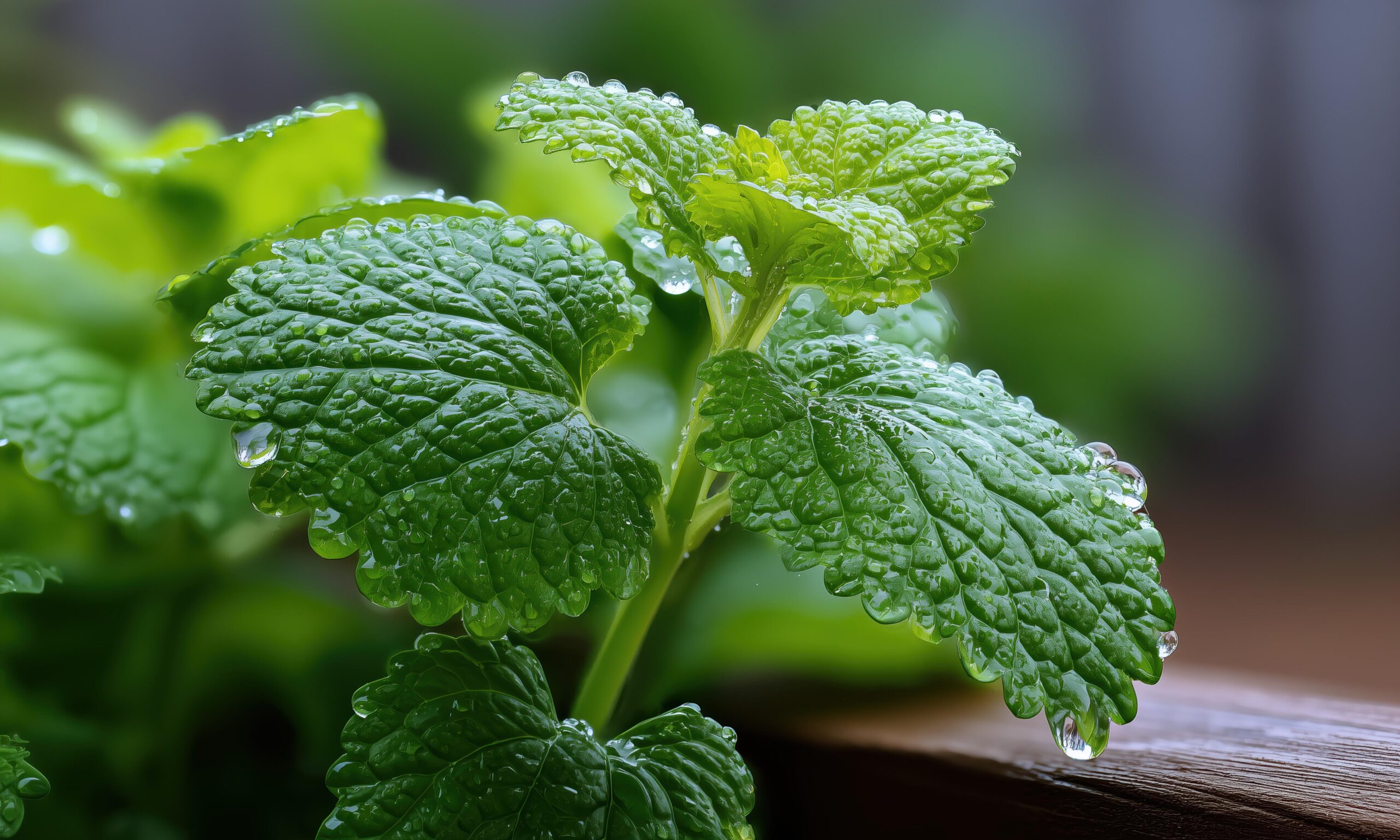
Ashwagandha: Powerful but Use Carefully
Studies show ashwagandha can improve memory and executive function in people with mild cognitive impairment. It’s also well-known for reducing stress, which indirectly supports brain function.
But here’s the important part: ashwagandha has significant cautions. Avoid it if you’re pregnant or breastfeeding, have thyroid or autoimmune conditions, or take sedatives, immunosuppressants, diabetes medications, or blood pressure drugs. Rare liver injury cases have been reported.
If you have health conditions or take medications, talk to your doctor before using ashwagandha.
For healthy adults without those concerns, typical doses are 300-500mg once or twice daily of standardized extract.
The Ultimate Internal Solution (Stock Up Now)
Your DIY herbal elixir helps keep your brain young. But stress ages your brain faster than time does.
Chronic stress floods your brain with cortisol, shrinks your hippocampus, and accelerates cognitive decline. You need to calm your nervous system from the inside to protect your brain from this silent aging.
The Anxiety & Stress Tincture—with lemon balm, ashwagandha, lion’s mane, and reishi—is the internal complement to your brain-boosting elixir.
Dr. Nicole Apelian spent years perfecting this blend. She tested countless ratios, sourced the highest quality herbs, and double-extracted for maximum potency. This is a precisely crafted formula that thousands rely on for brain protection.
Here’s why you should act now: Prices are increasing in 2026. Raw material costs are rising. If you wait, you’ll pay more for the exact same product.
Many customers buy 3-6 bottles at a time because they know this works and don’t want to be caught short.
Secure your supply at current prices here—before summer 2026 price increases hit.
Green Tea: For Immediate Focus
If you want something you can actually feel working, green tea is your best bet. The combination of caffeine and L-theanine (an amino acid in tea) improves attention during demanding tasks. Studies show it helps with acute focus and alertness.
This isn’t about long-term memory improvement—it’s about feeling sharper right now. If you need to concentrate on something, a cup of green tea helps.
Drink 1-3 cups daily. The caffeine matters, so don’t expect the same effect from decaf. Avoid it late in the day if it interferes with your sleep.
Cordyceps and Reishi: The Indirect Helpers
Cordyceps doesn’t directly improve memory, but it supports exercise tolerance and physical performance—especially in older adults. And movement and cardiovascular fitness are strongly linked with brain health. So cordyceps helps your brain by helping your body move better.
Reishi is similar—it’s more about quality of life, fatigue, and mood than direct cognitive enhancement. It supports overall resilience.
Both mushrooms are generally well-tolerated with no major liver concerns reported. They work best as part of a broader approach rather than solo supplements.
Take as directed on quality products, typically 500-1500mg daily of extracts.
Three Brain-Killers Hiding in Plain Sight
Before you reach for any brain-boosting remedy, understand this: these three factors accelerate brain aging more than anything else.
Sleep debt: Poor sleep disrupts brain function and impairs memory and focus. If you’re not sleeping well, herbs won’t fix it. Prioritize 7-9 hours of quality sleep.
Dehydration: Even mild dehydration causes brain fog and low mental energy. Drink water throughout the day—aim for 8 glasses.
Chronic stress: Stress changes attention, memory, and sleep quality. Herbs like lemon balm and ashwagandha help with stress, but they work best when you’re also addressing the source of stress.
These aren’t sexy. But they’re foundational.
These are just 3 triggers that make your brain degenerate. Here’s a complete list of triggers for dozens of ailments—so you know exactly which little things to change for drastic life improvements. 👉 Check them out here
A Brain-Support Daily Brew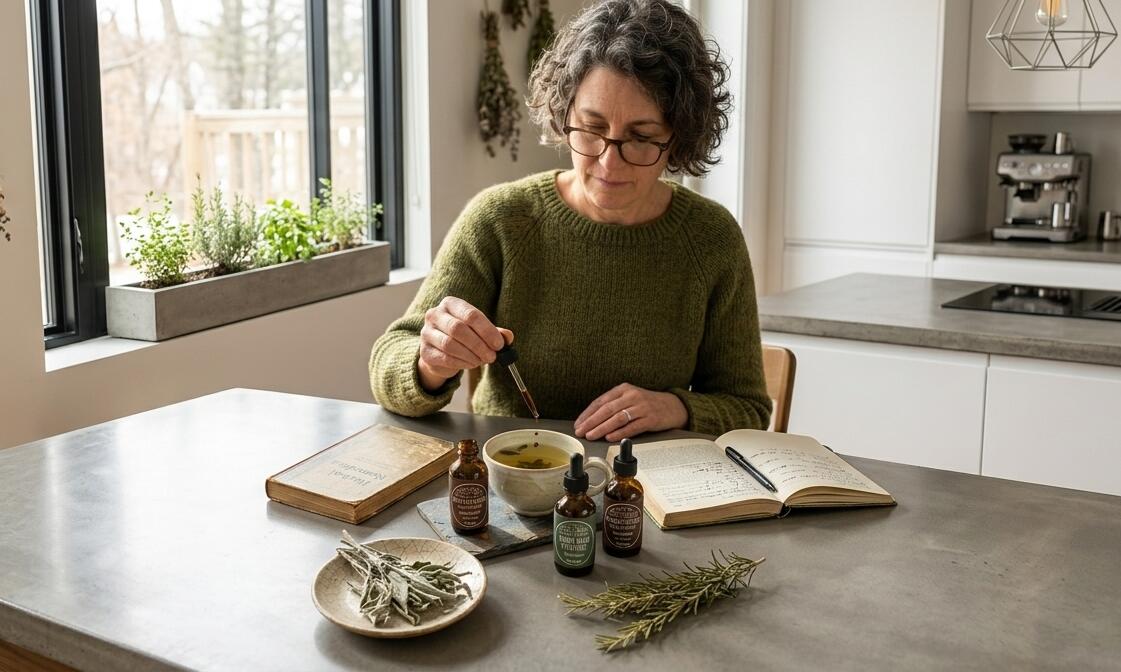

Here’s a practical recipe that combines several research-backed herbs. It’s gentler than concentrated supplements and easy to make part of your daily routine.
Ingredients (choose 4-6):
- 1-2 dropperfuls lemon balm tincture (calm focus)
- 1 teaspoon dried sage or rosemary (memory support)
- 1-2 dropperfuls lion’s mane tincture (nerve regeneration)
- 1 cup green tea (attention support)
- Optional: 1-2 dropperfuls of cordyceps tincture (mental energy)
If you are in a hurry, here is a video of how to make this recipe:
Method: If using mushroom powders (lower potency), simmer them gently in 2 cups water for 10 minutes. Remove from heat and add the leaf herbs (lemon balm, sage, green tea). Steep for 10 minutes. Strain and drink.
If not using mushrooms, just steep all herbs in hot water for 10 minutes.
Drink 1-2 cups daily, preferably in the morning or early afternoon (the green tea has caffeine). Track how you feel over 2 weeks—subtle changes in focus, sleep quality, or stress levels.
I learned so much about brain-boosting plants ever since I completed Nicole Apelian’s lessons in her academy. She explained everything about lemon balm, lion’s mane, dried sage, rosemary, and green tea—how each one works differently in the brain, which ones to combine, and which ones NOT to mix. I’ve been using them constantly, and I can feel it in my calmness and mental clarity.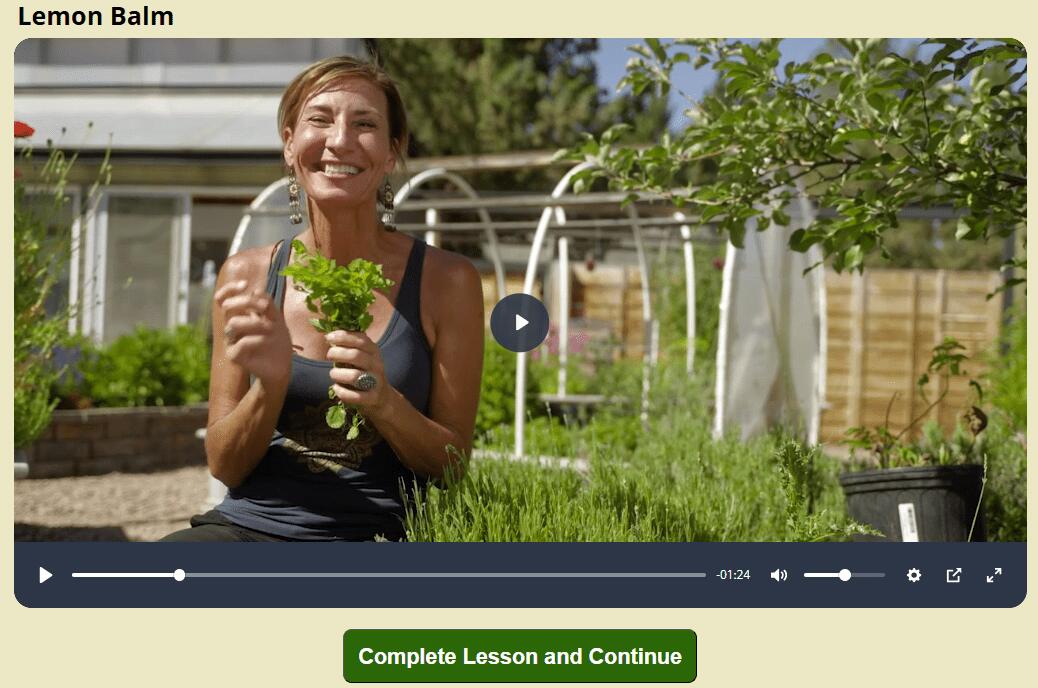
I made it myself a couple of times following her Brain Boost Blend recipe walkthrough video. But below, I’ll show you what Nicole prepared for people who want the complete brain health solution without the time or effort of making it themselves.
Safety Notes
Talk to your doctor before adding herbs if you take medications. Ginkgo increases bleeding risk with blood thinners. Ashwagandha should be avoided in pregnancy, breastfeeding, and certain health conditions. Turmeric/curcumin can cause stomach upset, and some high-absorption formulas have rare liver injury reports.
Start with one herb at a time so you know how your body responds. Don’t expect overnight miracles—most cognitive herbs take weeks to months to show benefits.
Give Your Brain the Support It’s Been Asking For
You don’t need a complete lifestyle transformation tomorrow. You just need to stop ignoring the early warning signs today.
That mental fog creeping in? That’s your brain telling you something’s wrong. The forgetfulness, the lack of focus, the feeling like you’re running on fumes—those aren’t just “getting older.” They’re damage signals.
Here’s the hard truth: Once cognitive decline starts, you can’t turn back the clock. But you can stop the bleeding and start rebuilding.
That’s exactly why the Healthy Brain Bundle exists. It brings together three of nature’s most powerful brain-restoring compounds:
- Lion’s Mane — stimulates nerve growth factor to repair damaged neurons and restore memory
- Reishi — reduces brain inflammation and protects against stress-induced cognitive damage
- Cordyceps — delivers oxygen and energy to brain cells, fighting mental fatigue at the source
Think of them as a repair crew for your nervous system—fixing what stress, aging, and inflammation have slowly broken down.
👉 Get the Healthy Brain Bundle here and stop letting your brain deteriorate while you wait for “the right time.”
The research backs it up. The urgency is real. And whether you act or ignore this? That choice determines where your brain is in 5 years.
The Bottom Line
Brain fog is often your body’s “check engine light”—it’s telling you something needs attention. Address the basics first: sleep, hydration, stress management, and movement.
Then consider herbs with real research behind them. Lion’s mane, lemon balm, sage, and bacopa have the strongest evidence for memory and focus support. Green tea helps with immediate attention. Cordyceps and reishi support overall resilience and physical health that indirectly benefits your brain.
Don’t waste money on ginkgo for dementia prevention—the evidence doesn’t support it.
And remember: if brain fog is persistent or worsening, see your doctor. It can be a symptom of underlying health issues that need proper diagnosis, not just another cup of something.
Your brain deserves support. Now you know what actually helps.
You may also like: 
The ‘Nerve Oil’ You Should Use For Shaky Hands
45 Herbal Protocols You Need In Your Bookshelf (Video)
Parasites 101: Signs, Dangers & Natural Remedies That Actually Work
The Mushroom That Can Regrow Brain Tissue
🌿 Join Our Private Herbal Community For Free. 👉 Click here!
Disclaimer: This article is for educational purposes only and does not provide medical advice. These herbs are not intended to diagnose, treat, cure, or prevent any disease. They do not prevent or treat dementia or Alzheimer’s disease. If you have persistent memory problems, confusion, or cognitive decline, consult your healthcare provider. Herbs can interact with medications—discuss with your doctor before starting new supplements.