

Medicinal Plants That Clean Your Arteries Like a Drain Snake
No one wants to live with fat, cholesterol, and calcium buildup — especially not on their arterial walls. But the truth is, many of us are already dealing with it. Medicinal Plants That Clean Your Arteries Like a Drain Snake may sound dramatic, but it’s exactly what some people need to reverse years of invisible damage.
Before we go further, an essential note: the herbs in this article are supportive tools that work alongside cardiovascular health practices, not replacements for medical treatment. If you have been diagnosed with atherosclerosis, coronary artery disease, high blood pressure, or any related cardiovascular condition, work with your physician before adding any of these herbs to your routine. Several of them interact with common medications including blood thinners, statins, and antihypertensives in ways that require monitoring. This article is educational. It is not a treatment protocol and should not be used as one. Herbal support for cardiovascular health is most effective as part of a comprehensive approach that includes medical oversight, dietary change, and consistent lifestyle practice. Use the information here to have a more informed conversation with your healthcare provider, not to replace that conversation.
Most symptoms of clogged arteries are subtle, particularly in the early stages. This quiet buildup can go unnoticed for years until it turns into something life-threatening.
Also read: So-Called Medicinal Plants that Are Actually Dangerous
As plaque accumulates in the arteries, it restricts blood flow and raises the risk of serious events like strokes and heart attacks.
While a healthy diet, regular exercise, and quitting smoking can help prevent further buildup, most people don’t realize the damage has already started.
And while there’s no magic fix to dissolve plaque overnight, the right medicinal herbs can support your body in shrinking and flushing these deposits before they do more harm.
What Causes Clogged Arteries?
The blood that circulates in our body carries substances like cholesterol, fat, calcium, and other cellular wastes. These substances, particularly LDL or what we commonly call bad cholesterol, can adhere to the arterial wall.
Eventually, the substances build up in the arteries. In hindsight, arteries are small blood vessels with diameters ranging from less than 0.1 mm (100 micrometers) to 10 to 25 mm, with the aorta being the largest.
Small deposits require time to develop but can advance quickly due to lifestyle and health factors. Minor plaque in the arteries typically does not present early symptoms.
When the arteries are significantly clogged, chest pain, fatigue, and shortness of breath may occur. This leads to the hardening and narrowing of the arteries, medically known as atherosclerosis.
Risk of Atherosclerosis
Atherosclerosis disrupts blood flow, which impairs vital organs if they receive a low blood and oxygen supply. Clogged arteries may cause ischemic heart disease or coronary artery disease. Kidney failure and brain damage may also occur when these organs are affected.
The seriousness of the disease depends on the degree of deposition and blockage. At worst, the artery can rupture or be blocked entirely, leading to a heart attack, stroke, or aneurysm.
Atherosclerosis is sometimes genetic or caused by underlying health conditions, such as vascular smooth muscle cell infection, diabetes, hypertension, and inflammation. Unhealthy lifestyles are significant contributors to arterial plaque.
Early Warning Signs Your Arteries May Already Be Under Stress
The most dangerous aspect of arterial buildup is not that it is severe. It is that it is silent for so long that most people have no idea it is happening until a serious event forces the issue. But the body does send early signals, and recognizing them gives you a window to act before the situation becomes critical.
Unexplained fatigue that is disproportionate to your activity level is one of the earliest and most commonly overlooked signs. When arteries narrow even partially, the heart works harder to maintain adequate circulation. That extra cardiac workload produces a systemic energy drain that most people attribute to age, stress, or poor sleep rather than cardiovascular compromise. If you are consistently tired despite adequate rest and your fatigue does not respond to the usual lifestyle adjustments, cardiovascular health warrants investigation.
Shortness of breath during mild exertion that would not previously have caused it is a meaningful signal. Walking up a flight of stairs, carrying groceries, or moving at a brisk pace should not produce significant breathlessness in a healthy cardiovascular system. When arteries are narrowed and cardiac output is reduced, the body struggles to deliver adequate oxygen during even modest physical demand, producing shortness of breath that was not present before.
Cold hands and feet, particularly when the rest of the body is warm, can indicate reduced peripheral circulation caused by arterial narrowing. The extremities are the furthest points from the heart and the first to show the effects of compromised blood flow. Persistent coldness in the hands and feet that does not resolve with warming is worth discussing with a physician.
Jaw pain, left shoulder pain, or upper back discomfort that appears during physical exertion and resolves at rest is a classic referred pain pattern from the heart. Many people experiencing these symptoms dismiss them as muscular soreness. When pain in these areas consistently appears with exertion and disappears with rest, it deserves immediate medical evaluation regardless of age or fitness level.
Occasional dizziness, brain fog, or brief episodes of visual disturbance can indicate transient reductions in cerebral blood flow caused by arterial compromise. These symptoms should never be ignored or self-managed with herbs. They warrant prompt medical attention.
According to the National Heart, Lung, and Blood Institute, many people do not know they have atherosclerosis until a heart attack or stroke occurs, which is precisely why understanding early signals and pursuing testing before symptoms become severe is so important.
⚠️ Your Heart Is Your Ticker—And It Might Be Begging for Help
You don’t see it. You don’t feel it.
But your arteries could already be narrowing… your heart overworking just to keep you standing.
Your heart is your ticker—it’s literally the one thing keeping you alive.
So why don’t we treat it like it matters?
Most people wait until they feel chest pain to act. But there are subtle signs that your arteries are in trouble long before that.
And if you knew what to avoid, what to stop eating, and what small daily habits make the biggest difference… you could prevent something life-threatening before it starts.
That’s why I keep The Holistic Guide to Wellness close.
It doesn’t just throw herbs at the problem—it gives you a step-by-step protocol for:
- spotting early red flags in your cardiovascular health
- reducing arterial inflammation the natural way
- and creating a simple daily routine that supports your heart, even if the system fails
👉 Grab the guide here—and start protecting your heart before it’s too late.
10 Medicinal Herbs to Unclog Arteries
Statins are prescription drugs that lower blood cholesterol levels and prevent further plaque buildup. Examples are simvastatin, atorvastatin, fluvastatin, pravastatin, and other cholesterol-inhibiting statins.
Blood thinners are also used medically to reduce the possibility of a blood clot.
Unfortunately, no single medication will completely remove an existing arterial plaque. Since it does not exhibit symptoms, you never know your risks unless you undergo a test called a coronary angiogram.
Fortunately, minor blockages can be prevented and managed using therapeutic herbs. Alternative and natural statins include herbs with excellent anti-inflammatory and antioxidant properties, such as:
Garlic
Garlic (Allium sativum) is well-known for its antihypertensive action and excellent ability to prevent cardiovascular plaque deposition. It contains allicin, an enzyme that reduces blood cholesterol, triglycerides, and glucose levels.
While garlic reduces bad cholesterol (LDL), it also increases good cholesterol (HDL), influencing cholesterol metabolism. HDL removes excess cholesterol in the arteries and carries it back to the liver, cleaning the plaque and preventing its buildup.
Adding garlic to your daily diet refines blood circulation. Eating 2 to 3 cloves of raw garlic can reduce the risk of atherosclerosis. However, it must not be taken with blood-thinning medications.
Ginger
A study on a non-human model in a clinical trial using ginger showed significant development in atherosclerosis. Garlic (Zingiber officinale) may prevent aortic atherosclerosis by reducing plasma LDL levels and oxidation.
Ginger’s anti-inflammatory nature prevents inflammation that may otherwise contribute to the narrowing and hardening of the arterial wall.
To prevent coronary diseases, include ginger in your diet by taking it as a tea or adding it to your daily diet.
Hawthorn
Hawthorn berry (Crataegus oxycantha) is a traditional herbal remedy for treating heart-related diseases. Hawthorn extract may increase oxygenation to regulate coronary blood flow. It also normalizes blood pressure to prevent both low and high blood pressure, which may contribute to arterial plaque.
Hawthorn may increase the integrity of the blood vessel wall and regulate the heartbeat, which is beneficial against arrhythmia.
But here’s the thing… if you’re not using it consistently, you won’t see the full benefit. And let’s be honest… most people don’t have time to forage berries or brew daily decoctions.
That’s why I keep the Heart Health Blend Tincture on hand. It’s a hawthorn-based formula that’s been carefully enhanced with Tulsi, Fenugreek, and Bilberry—herbs that help lower LDL, regulate blood sugar, and improve blood flow all at once.
You get the heart-toning effects of hawthorn, plus the added support for your arteries, pressure, and cholesterol—without having to lift a pot.
If your energy has been dipping lately, if you’ve felt your heart working harder than it used to, or if you simply want to support your ticker before it’s too late, this blend is worth looking into.
👉 Click here to try the Heart Health Blend Tincture.
Turmeric
The roots of turmeric (Curcuma longa) contain curcumin, a polyphenol with a potent anti-inflammatory effect. In a randomized controlled trial in obese diabetic patients, curcumin also showed a positive effect on reducing atherogenic risks.
A clinical study in non-human models of atherogenic Western diets observed turmeric’s protective properties. Administration of turmeric extract reduces atherosclerotic lesions, which has a promising impact on treating cardiovascular diseases.
Rosehip
Dietary rosehip and rosehip extract are excellent herbal remedies for cleansing the arteries. Rosehip contains phenolic compounds with potent antidiabetic, anti-inflammatory, anti-obesity, and cholesterol-lowering properties.
Rosehip supplementation can decrease atherosclerotic plaque formation by reducing the total cholesterol and regulating blood pressure levels.
Rosehips (Rosa canina) may be taken fresh or dried, often in the form of tea and jelly. They are best prepared whole to avoid the hairs in their seeds, which may irritate. If you must cut rosehips, scoop out the seeds or strain the tea before consuming them.
Ginkgo
Ginkgo biloba is a prized herbal medicine for cardiovascular protection. It improves blood flow to increase the oxygen supply for the whole body. It tones the elasticity of the blood vessels and restores blood flow, where fat and cholesterol accumulate.
Ginkgo is an effective blood thinner, but it must not be used by patients with bleeding disorders or those taking blood-thinning medications.
When taking ginkgo extract, contact your doctor for the proper dosage to avoid overdose and potential toxic interaction with Vitamin B6 in prolonged use.
Cranberry
Cranberries (Vaccinium macrocarpon) contain flavonoids and polyphenolic compounds that inhibit LDL oxidation to decrease cardiovascular disease risk.
Consuming cranberry juice may induce vasorelaxation of clogged and narrowed blood vessels. By improving blood flow, it prevents further plaque deposition on the blood vessel wall.
Drinking fresh cranberry juice cleanses the arteries and prevents blood clots.
Green Tea
Green tea (Camellia sinensis) has a high polyphenol content, including catechins, flavonoids, lignans, and saponins. These tea constituents inhibit plaque deposits in the arteries and improve the function of the cells in the blood vessel lining.
Daily consumption of green tea prevents cholesterol accumulation in the arteries and lowers triglycerides. Thus, it prevents the progression of artery hardening and narrowing, reducing the risk of coronary diseases.
Cayenne Pepper
Cayenne pepper (Capsicum annuum) contains capsaicin, a compound with well-documented cardiovascular benefits that make it one of the most practically accessible herbs on this list given its presence in most kitchens. Capsaicin reduces LDL cholesterol oxidation, which is the specific process that drives plaque formation in the arterial wall. Oxidized LDL is significantly more atherogenic than unoxidized LDL, meaning the rate at which it adheres to and builds up in arterial walls is higher. By inhibiting this oxidation process, cayenne addresses one of the primary mechanisms of plaque progression.
Capsaicin also supports healthy circulation by reducing platelet aggregation and promoting vasodilation, the widening of blood vessels that allows blood to flow more freely. A review of capsaicin’s cardiovascular effects published in the journal Nutrients identified multiple pathways through which regular consumption reduces cardiovascular risk factors in human clinical studies.
For daily use, adding cayenne to food is the most sustainable approach. A quarter teaspoon of cayenne in warm water with lemon taken in the morning is a traditional cardiovascular tonic preparation. Cayenne tincture is available for those who prefer a measured supplemental dose. Avoid cayenne in therapeutic doses if you have active gastrointestinal conditions including ulcers or irritable bowel syndrome, as capsaicin can exacerbate these conditions.
Berberine
Berberine is an alkaloid compound found in several plants including goldenseal (Hydrastis canadensis), barberry (Berberis vulgaris), and Oregon grape (Mahonia aquifolium). It has one of the strongest clinical evidence bases of any plant compound for cardiovascular and metabolic health, with multiple human randomized controlled trials supporting its effects on LDL cholesterol, triglycerides, blood glucose, and arterial inflammation.
A meta-analysis published in the journal Phytomedicine examining 27 randomized controlled trials found that berberine supplementation produced significant reductions in total cholesterol, LDL cholesterol, and triglycerides, with effect sizes comparable to some pharmaceutical lipid-lowering agents. Its mechanism involves activation of an enzyme called AMP-activated protein kinase (AMPK), which regulates both glucose and lipid metabolism, producing downstream reductions in the metabolic drivers of atherosclerosis.
Berberine is available as a standardized extract, typically in capsule form at 500 mg doses taken two to three times daily with meals. It should not be taken during pregnancy. It interacts with diabetes medications and can lower blood glucose significantly when combined with metformin or other antidiabetic drugs. As with several other herbs on this list, it has blood-thinning properties that require awareness in people on anticoagulant therapy.
Barberry, one of the primary berberine-containing plants, can be grown in temperate gardens and its roots and bark used to prepare a decoction or tincture for home use.
🧠 If You Don’t Learn This Now… You’ll Wish You Had When It’s Too Late
You just read about 10 powerful herbs that can help clear your arteries and support your heart.
But let’s be honest—will you actually remember how to use them tomorrow? Or next week?
That’s the problem.
Knowing the herbs means nothing… unless you know how to identify them, prepare them, and use them correctly.
And that’s exactly what you’ll learn inside The Lost Remedies Academy.

It may look like a smoothie, but it’s actually a medicinal juice for blood pressure made from simple, powerful plants.
This is just one of the many blood-cleansing, heart-supportive remedies Nicole teaches you inside the Academy.
If you’ve ever felt your blood pressure creeping up…
If you have a family history of stroke, heart attacks, or cholesterol problems…
Then this recipe—along with dozens more—could be the difference between prevention and crisis.
Inside the Academy, you’ll also discover:
- How to make heart-restoring remedies from wild plants growing around your home
- What she calls the Doxycycline of the Woods—a powerful natural antibiotic
- A full-body herbal map to know exactly what to use and when
- How to brew anti-inflammatory teas, salves, and tinctures—even if you’ve never made a remedy before
These are the skills that keep you and your family safe when pharmacies go dry, or when help isn’t coming.
👉 Click here to join The Lost Remedies Academy now—before you need what’s inside.
Drug Interactions: What to Know Before Combining These Herbs with Medications
Several of the herbs in this article have documented interactions with common cardiovascular medications that range from mildly significant to potentially dangerous. This is not a reason to avoid these herbs. It is a reason to approach them with the same care you would any active therapeutic compound, because that is what they are.
Garlic in therapeutic doses, meaning more than culinary amounts and particularly in concentrated extract or supplement form, has meaningful blood-thinning properties through its effect on platelet aggregation. Combined with anticoagulant medications such as warfarin, clopidogrel, or aspirin therapy, garlic can amplify anticoagulant effects and increase bleeding risk. If you are on any anticoagulant medication, discuss garlic supplementation with your prescribing physician before adding it. The culinary use of garlic in normal cooking quantities carries a much lower interaction risk than supplemental doses.
Ginkgo biloba is among the most potent herbal blood thinners available and carries the most significant interaction risk of any herb on this list. Combined with warfarin, aspirin, clopidogrel, or other anticoagulants, ginkgo can produce additive blood-thinning effects that substantially raise bleeding risk. It also interacts with some antidepressants and seizure medications. Do not combine ginkgo with any anticoagulant or antiplatelet medication without physician supervision. The article has already noted this for bleeding disorders, but the interaction with medications requires equal emphasis.
Ginger at supplemental doses shares blood-thinning properties with garlic and ginkgo through its effect on platelet function. A person taking warfarin, aspirin therapy, or other blood thinners who also supplements with ginger and garlic simultaneously is stacking multiple anticoagulant effects that can produce a combined impact significantly greater than any single agent. This combination requires monitoring.
Green tea at high supplemental doses interacts with warfarin in a complex and somewhat unpredictable way. Some research suggests high-dose green tea catechins may reduce warfarin effectiveness while other research points to additive anticoagulant effects. The inconsistency in the evidence makes this interaction particularly important to flag with a physician rather than self-manage.
Turmeric and curcumin supplements interact with blood thinners, certain chemotherapy drugs, and diabetes medications. At culinary doses the interaction risk is low. At the standardized extract doses used in clinical research, which are significantly higher than food-based intake, the interactions become clinically relevant.
Hawthorn interacts with digoxin, a cardiac glycoside used for heart failure and arrhythmia, and may amplify its effects to the point of toxicity. It also interacts with blood pressure medications, potentially lowering blood pressure further than intended. Anyone on digoxin should not take hawthorn without explicit physician guidance.
The critical principle across all of these interactions is that combining multiple blood-thinning herbs simultaneously compounds the anticoagulant effect even when each individual herb is within a safe standalone dose. A reader who begins taking garlic, ginkgo, ginger, and green tea together, all of which appear on this list, is stacking four separate anticoagulant mechanisms. That combination warrants medical awareness regardless of whether prescription medications are also involved.
According to the NIH National Center for Complementary and Integrative Health, herb-drug interactions are a significant and underreported area of concern, and patients are encouraged to disclose all supplement use to their healthcare providers.
The Lifestyle Foundation That Makes These Herbs Work
Herbs work best when they are supporting a body that is already moving in the right direction. Using any of the plants in this article while continuing the dietary and lifestyle patterns that drive arterial buildup is like bailing out a boat with a bucket while leaving the hole in the hull open. The herbs can help meaningfully, but they cannot overcome an ongoing inflammatory and atherogenic environment on their own.
Diet is the most powerful lever. The specific dietary pattern with the strongest evidence base for reducing arterial plaque progression is one that emphasizes whole plant foods, limits refined carbohydrates and added sugars, replaces saturated fats from processed sources with monounsaturated fats from sources like olive oil and avocado, and significantly reduces sodium intake. This is not the same as a zero-fat or zero-animal-food diet. It is a pattern that reduces the primary dietary drivers of LDL oxidation and arterial inflammation. Processed seed oils including soybean, corn, and canola oil in high quantities contribute to the oxidative environment that accelerates plaque formation. Replacing these with extra virgin olive oil, which contains oleocanthal with anti-inflammatory properties comparable to low-dose ibuprofen, produces measurable cardiovascular benefit.
The specific foods that work synergistically with the herbs in this article include oily fish rich in omega-3 fatty acids, which reduce triglycerides and arterial inflammation through mechanisms that complement the anti-inflammatory action of turmeric, ginger, and rosehip. Leafy greens provide dietary nitrates that support nitric oxide production, which drives vasodilation and is enhanced by the circulation-supporting effects of ginkgo and cranberry. Berries of all types provide anthocyanins that protect against LDL oxidation through pathways that overlap with the mechanisms of green tea catechins and cranberry polyphenols.
Movement is the second major lever. Regular aerobic exercise raises HDL cholesterol, the mechanism by which the body clears arterial plaque, more effectively than any herb or supplement. Thirty minutes of moderate-intensity aerobic activity on most days of the week produces HDL increases of 3 to 9 percent in clinical studies, which is a meaningful contribution to the cholesterol clearance process that garlic and hawthorn also support. The combination of regular movement and herbal support produces greater HDL benefit than either alone.
Sleep quality is underrecognized as a cardiovascular variable. Consistently poor sleep raises cortisol and inflammatory markers including C-reactive protein and interleukin-6, both of which accelerate plaque formation. The anti-inflammatory herbs in this article including turmeric, ginger, and hawthorn are working against an ongoing inflammatory driver when sleep is poor. Addressing sleep quality removes that driver and allows the anti-inflammatory herbs to produce their benefit on a more receptive physiological foundation.
Smoking cessation produces more rapid improvement in arterial health than any single dietary or herbal intervention and should be prioritized above everything else in this article for any reader who smokes.
According to the American Heart Association, lifestyle modification including diet, exercise, and smoking cessation remains the foundational intervention for cardiovascular health, with herbal and supplemental support most effective when these foundations are in place.
How to Combine These Herbs Safely
The herbs in this article share several mechanisms, most notably anti-inflammatory action, antioxidant activity, and anticoagulant or antiplatelet effects. This overlap means that combining multiple herbs from this list produces compounding effects that require awareness and intention rather than casual stacking.
The most important combination rule is the anticoagulant stack. Garlic, ginkgo, ginger, green tea, cayenne, and berberine all have blood-thinning properties to varying degrees. Taking all six together in therapeutic doses creates a cumulative anticoagulant effect that can significantly reduce the blood’s clotting capacity. For the vast majority of healthy people, this combined effect is not dangerous and may even be beneficial for cardiovascular risk reduction. However, for anyone on anticoagulant medications, anyone scheduled for surgery, or anyone with a clotting disorder, this combination requires physician awareness. As a practical guideline, if you are incorporating multiple herbs from this list, start with one or two and add others gradually while monitoring for unusual bruising, prolonged bleeding from minor cuts, or nosebleeds, which are the practical signs of excessive anticoagulant effect.
Combinations that work particularly well together and are supported by traditional use and mechanistic research include the following.
Garlic and turmeric together address LDL reduction and oxidation inhibition through complementary pathways. Garlic acts primarily on cholesterol metabolism while turmeric’s curcumin addresses the inflammatory component of plaque formation. These two address different aspects of the same problem and combine safely for most people.
Hawthorn and rosehip together, as in the tea recipe provided in this article, is a well-established traditional combination with synergistic cardiovascular effects. Hawthorn tones the cardiac muscle and supports blood vessel integrity while rosehip provides polyphenols that address cholesterol levels and blood pressure. The recipe at the end of this article reflects this traditional pairing accurately.
Ginger and green tea together provide complementary antioxidant profiles, with ginger’s gingerols and shogaols working on inflammatory pathways and green tea’s catechins targeting LDL oxidation. Both are well tolerated in combination and their combined anticoagulant effect is modest compared to the garlic-ginkgo combination.
The combination to approach most cautiously is ginkgo combined with garlic combined with any pharmaceutical blood thinner. This three-way stack produces the highest cumulative anticoagulant risk of any combination on this list and should only be undertaken with physician knowledge and monitoring.
A practical approach to building a multi-herb cardiovascular protocol is to choose a foundation of two or three herbs that address your specific primary concern, add them one at a time over several weeks, observe how your body responds, and only expand the protocol once you have established a stable baseline with the initial herbs. More is not better in herbal cardiovascular support. Targeted and consistent use of a small number of well-matched herbs produces better outcomes than an unfocused collection of everything on the list taken simultaneously.
Heart Supportive Hawthorn and Rosehip Tea
This heart tonic is an excellent herbal alternative for maintaining blood pressure.
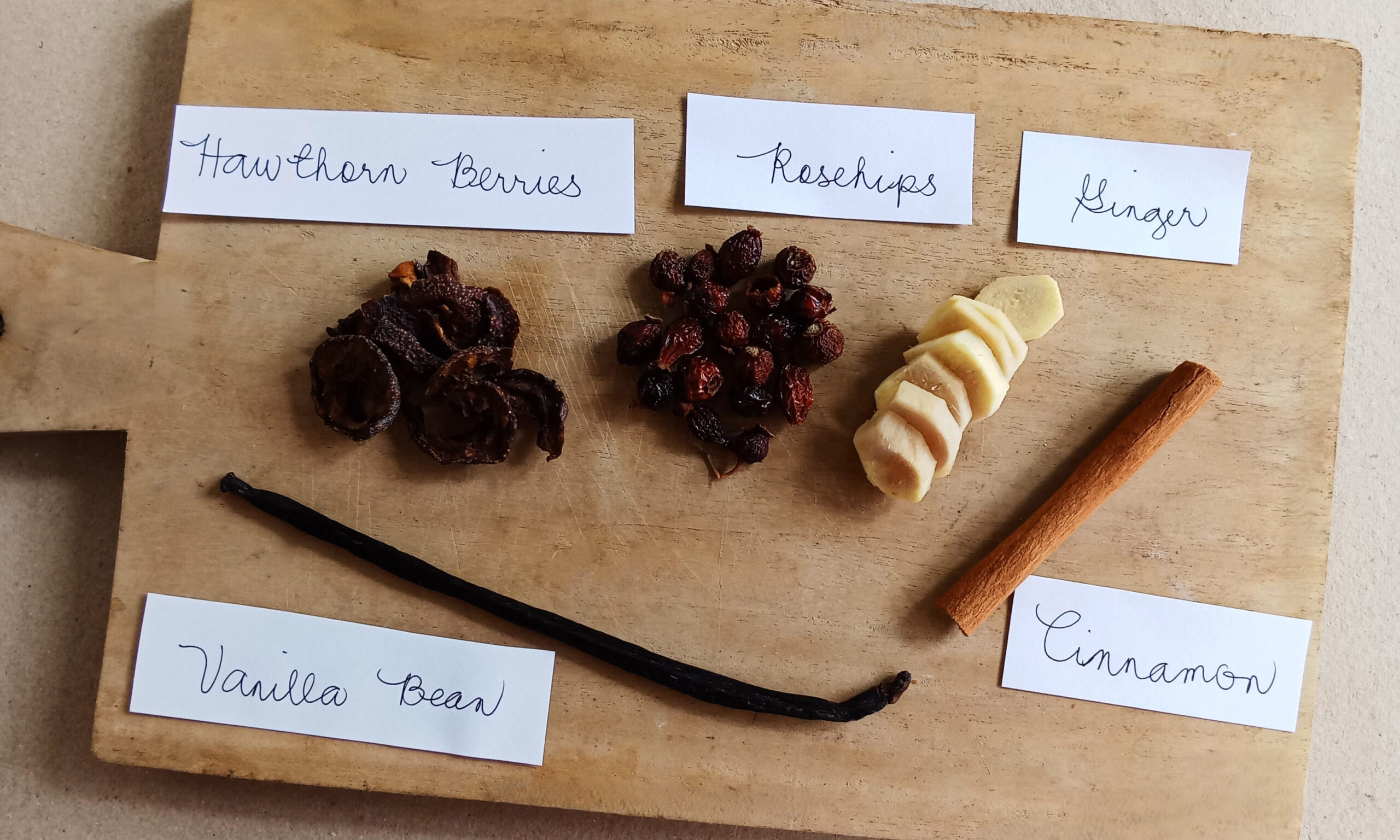
You may use fresh hawthorn and rosehips for this recipe, but dried ones also work. I suggest using the rosehip whole to avoid exposing its irritating hairs.
It includes other ingredients like ginger rhizome and cinnamon stick, which also possess heart-supportive properties.
You may add a vanilla bean and honey, but these are optional. Vanilla beans add a subtle flavor, or you may split the pod in half if you want a stronger essence.
Hawthorn and Rosehip Tea
Ingredients
- 2 cups water
- 1 tablespoon hawthorn berries, sliced
- 1 tablespoon rosehips
- 1 thumb-sized ginger, sliced
- ½ cinnamon stick
- 1 vanilla bean pod (optional)
- Honey or choice of sweetener (optional)
 Steps
Steps
- Add hawthorn berries, rosehips, and ginger to a pot of water and boil. Lower the heat and simmer for about 15 to 20 minutes.
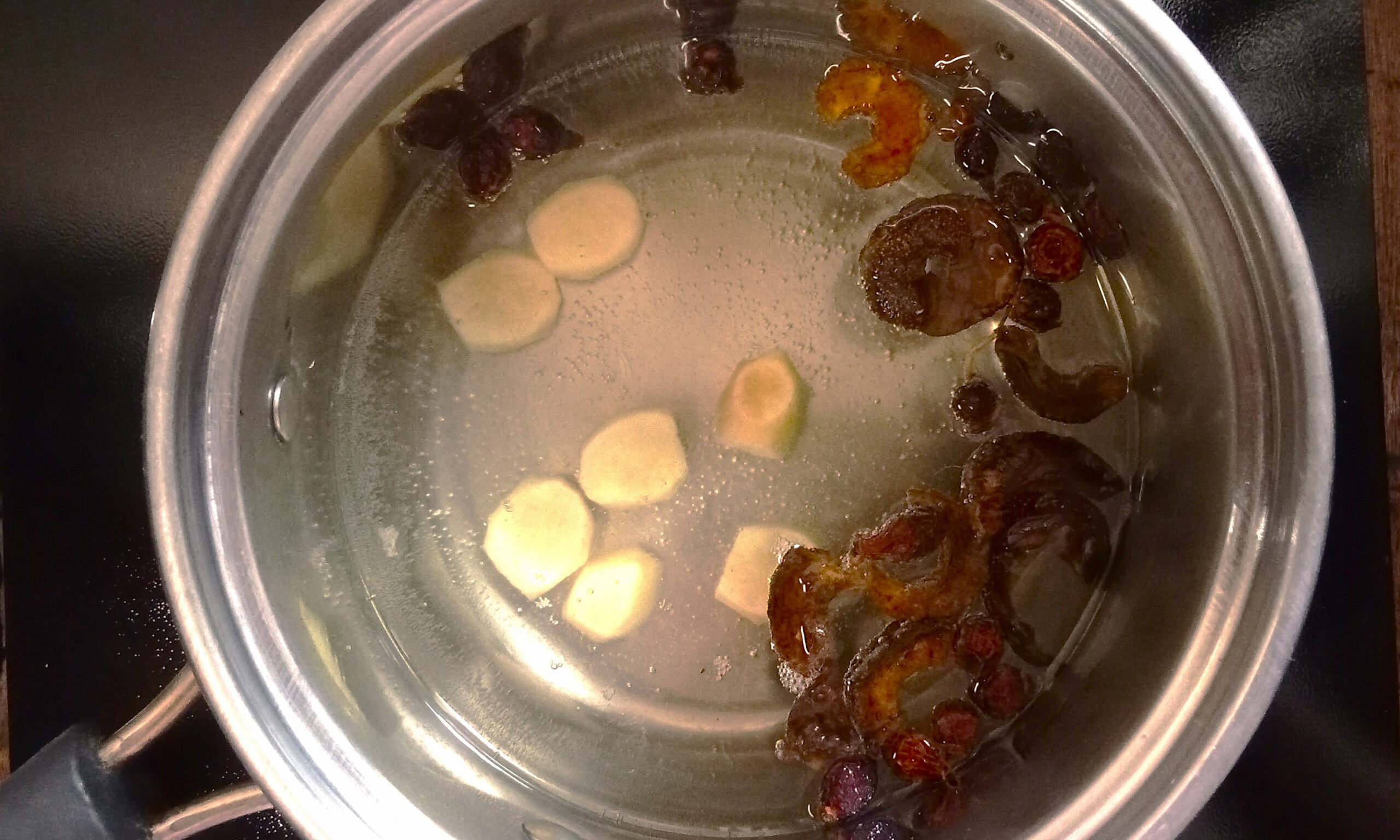
- Remove from the heat and drop in the cinnamon stick and vanilla bean. Cover and steep for 10 more minutes.
- Pour into cups and sweeten to the desired taste.
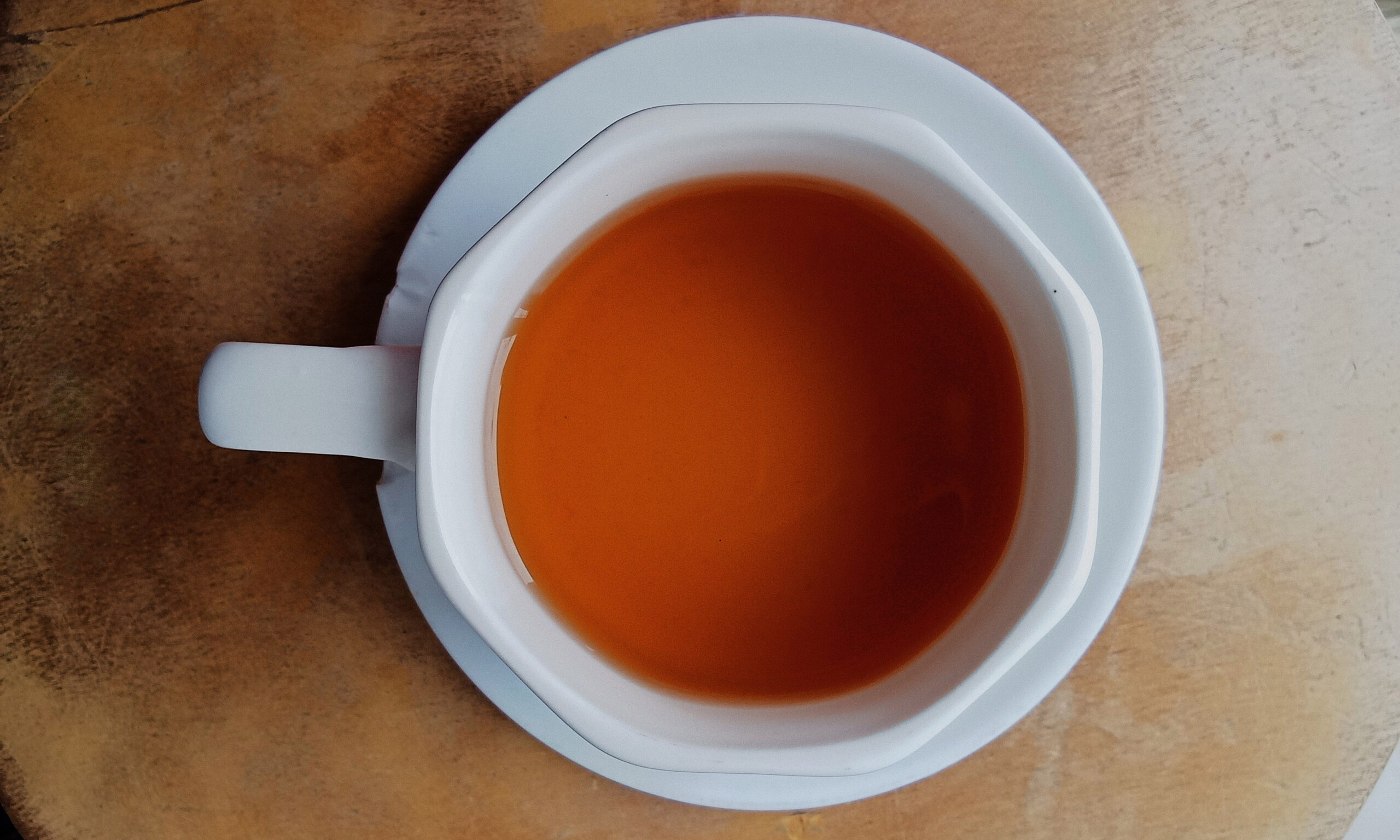
To use: Take 1 to 2 cups of the hawthorn-rosehip tea daily for no more than 16 weeks. Consult your doctor if you are taking other medications or experiencing certain medical conditions.
❤️ Or… Skip the Kitchen and Grab the Full Heart-Support Bundle
Let’s be honest—this tea is powerful. But will you really brew it every day for the next 16 weeks?
Most people don’t.
Life gets busy. You forget ingredients. You fall off the routine.
That’s why I always keep the Heart, Blood Pressure & Blood Sugar Bundle stocked.
It takes all the heart-loving herbs we just talked about—including hawthorn—and boosts them with:
- Cordyceps, Reishi, and Turkey Tail Mushrooms to lower inflammation, balance blood sugar, and support circulation
- Lemon Balm Tincture for stress and blood pressure control
- Heart Health Blend Tincture with hawthorn, tulsi, fenugreek, and bilberry to support your ticker on all fronts
No chopping. No simmering. No skipping days.
You just take a few drops, and your heart gets everything it needs to keep beating strong, without depending on pills or patchy routines.
👉 Click here to get the full Heart, Blood Pressure & Blood Sugar Bundle now.
🏥 When Pharmacies Go Quiet… This Book Will Still Speak Loud
You just learned how dangerous clogged arteries can be—and how powerful nature is when it comes to cleaning them out.
But this is just one piece of the puzzle.
What happens when it’s not your heart, but your gut? Or your lungs? Or your immune system that starts breaking down?
That’s why I keep The Forgotten Home Apothecary within arm’s reach.
Inside, you’ll find over 250 powerful herbal remedies, all organized by body part—so you’ll know exactly what to grab when something goes wrong.
You’ll learn how to make:
- A Painkiller in a Jar using wild lettuce (stronger than Tylenol)
- The Memory Elixir made with rosemary to keep your brain sharp
- A Herbal Parasite Flush in case your fatigue or bloating is from something darker
- The Herbal Sleeping Pill, Migraine Syrup, Lung Shield, and more—ready in minutes
And yes… it also includes the Hair Growth Serum and other heart and blood remedies that you won’t find in any store.
If you want to be ready—really ready—this isn’t just a book. It’s your lifeline.
👉 Click here to get your copy of The Forgotten Home Apothecary before it runs out.
I have these herbs except the vanilla bean, can I use the vanilla extract?
Yes! You can use vanilla extract instead—just add it at the end after the tea cools slightly. Start with a few drops and adjust to taste.
2021 i was hit hard by “C-19”; i felt like i was literally going to die everyday for atleast 3yrs! i almost literally took every remedy i could find (no vax, never!). after yrs of research and yes buying all of Nicoles books lol, i got better! But now im having to deal with this new problem “atherosclerosis”… but these tips will help! ive read that EDTA is really good for this problem! Iv’s are the best way to go but can take a while… and is super expensive!!! the second best way is EDTA suppositories. another remedy is CDS and STONE BREAKER. i also read that TURP3NTIN3 can do alot of good. TELEGRAM is an amazing place for info and dosage. Goodluck my friends!
Wow, that’s a powerful journey. So glad you’re feeling better! And yes, atherosclerosis can be another beast. Keep listening to your body, and combining natural support with research like you’re doing is already a huge win.
At present I do have ‘Coronary Artery Disease’ and have 3(three) stents, to prove it.
In this article you mentioned 10 powerful herbs… but only described 8, What are the other 2 ???
“If You Don’t Learn This Now… You’ll Wish You Had When It’s Too LateYou just read about 10 powerful herbs… Garlic, Ginger, Hawthorn, Turmeric, Rosehip, Ginkgo, Cranberry and Green Tea.”
Are there any specific protocols in the Holistic Guide to Wellness, or recipes or products in The Forgotten Home Apothecary, that you might recommend?
Has anyone tried “Gundry MD, Polyphenol-Rich Olive Oil” ?
I had an heart attack in March. The Drs are telling me there is nothing I can do to change my LDL without their medication and the functional treatments and suppliments won’t work. They tell me that it is hereditary. I have been taking garlic for 20 years and Ginger, Hawthorn, Turmeric, Rosehip, for a few years. Very little sugar and carbs. I’m adding the ginkgo cranberry. I eat well and also take cod liver oil and drink clove tea.
I’m so confused. I don’t wanna take the meds. But I still had the heartattack. I have tried a few of Dr Gundrys supplements but I can’t afford them.
If you don’t have the money you have to trust big pharma. Sadly
Your frustration is totally valid. You’re doing so much right already. Sometimes genetics play a role, but that doesn’t mean natural support is useless. Keep tracking how you feel, stay informed, and don’t lose hope—your effort does matter, even if it’s not instant. 💚
Mari, you might try taking a Solaray Cool Cayenne capsule after eating. It helps our blood flow, a natural blood thinner, works well with ginger. Taking it with other healers helps them to be more effective. Swanson Vitamins has reasonable supplements that really work! I post truth publicly on MeWe.
Great catch! You’re right—only 8 were described in detail. The other two are cinnamon and vanilla, both featured in the tea recipe. And yes, both books contain protocols and remedies focused on heart, blood pressure, and inflammation—worth checking out if you’re managing stents.
You can check out the Heart Health Protocol on page 42, under the Circulatory System chapter for more information.
And yes—The Forgotten Home Apothecary actually has an entire chapter on cardiovascular health. Just to name a few remedies from there:
So if you’re already dealing with stents, these might be great gentle supports alongside your doctor’s plan.
Stay strong—you’re not alone in this.