
What Happens When You Add Activated Charcoal to Lemon Balm Tea
Your stomach is bubbling. Bloated. Cramping. You feel like you swallowed a balloon and it’s expanding by the minute.
You’ve tried antacids. You’ve tried lying very still. Nothing’s helping, and you’re starting to panic about whether this is something serious or just your digestive system throwing a tantrum.
Here’s what most people don’t know: a simple herbal tea can calm your gut faster than most over-the-counter remedies. And when you add a tiny bit of activated charcoal to it? That’s when things get interesting.
Let me show you the gut tea that actually works: what’s in it, why it helps, and how to make it safely.
Why Your Gut Needs This
When your belly feels like a bubbling cauldron, you need something that soothes inflammation, relaxes cramping muscles, coats irritated tissue, and helps trapped gas escape.
This tea does all four. It combines lemon balm (for cramps and anxiety), fennel seeds (for trapped gas), slippery elm bark (to coat and protect), and a pinch of activated charcoal (to absorb excess gas).
Related: How to Make an Activated Charcoal Poultice
Each ingredient has been used for generations. And each one has research backing up why it works.
Lemon Balm: The Cramp Calmer
Lemon balm is a minty herb that smells like fresh citrus. It’s been used as a mild relaxant for centuries, and research shows it can ease stomach spasms and colic, the kind that causes bloating and gas pains.
But here’s what makes it special: lemon balm also calms your nervous system. It raises GABA, a relaxing brain chemical that reduces anxiety. Lower stress means a calmer gut, because anxiety tightens your abdominal muscles and makes digestive problems worse.
Related: What Happens If You Mix Lemon with Bay Leaves?
When you’re stressed about your gut, your gut gets more stressed. Lemon balm breaks that cycle.
What most people don’t realize is that your gut and your brain are in constant conversation. When one is inflamed, the other feels it within minutes.
Related: How to Make Medicinal Blooming Tea
That’s what makes lemon balm such a quiet powerhouse — it works on both ends of that conversation at once. It calms the nervous system that’s tightening your gut, and it calms the gut that’s feeding anxiety back up to your brain. Two problems, one herb.
Related: Easy DIY Tiger Balm
I love foraging lemon balm, it grows wild in a lot of places and the fresh leaves have an unmatched smell. But most people don’t have the time or the patch of land to make that practical. If that’s you, the next best thing is a properly extracted tincture.
Nicole Apelian’s Lemon Balm Tincture is the one I reach for when I don’t have fresh leaves on hand: organic, dual-extracted, and absorbed faster than any tea because it goes straight under the tongue.
A few drops does the work of a whole cup.
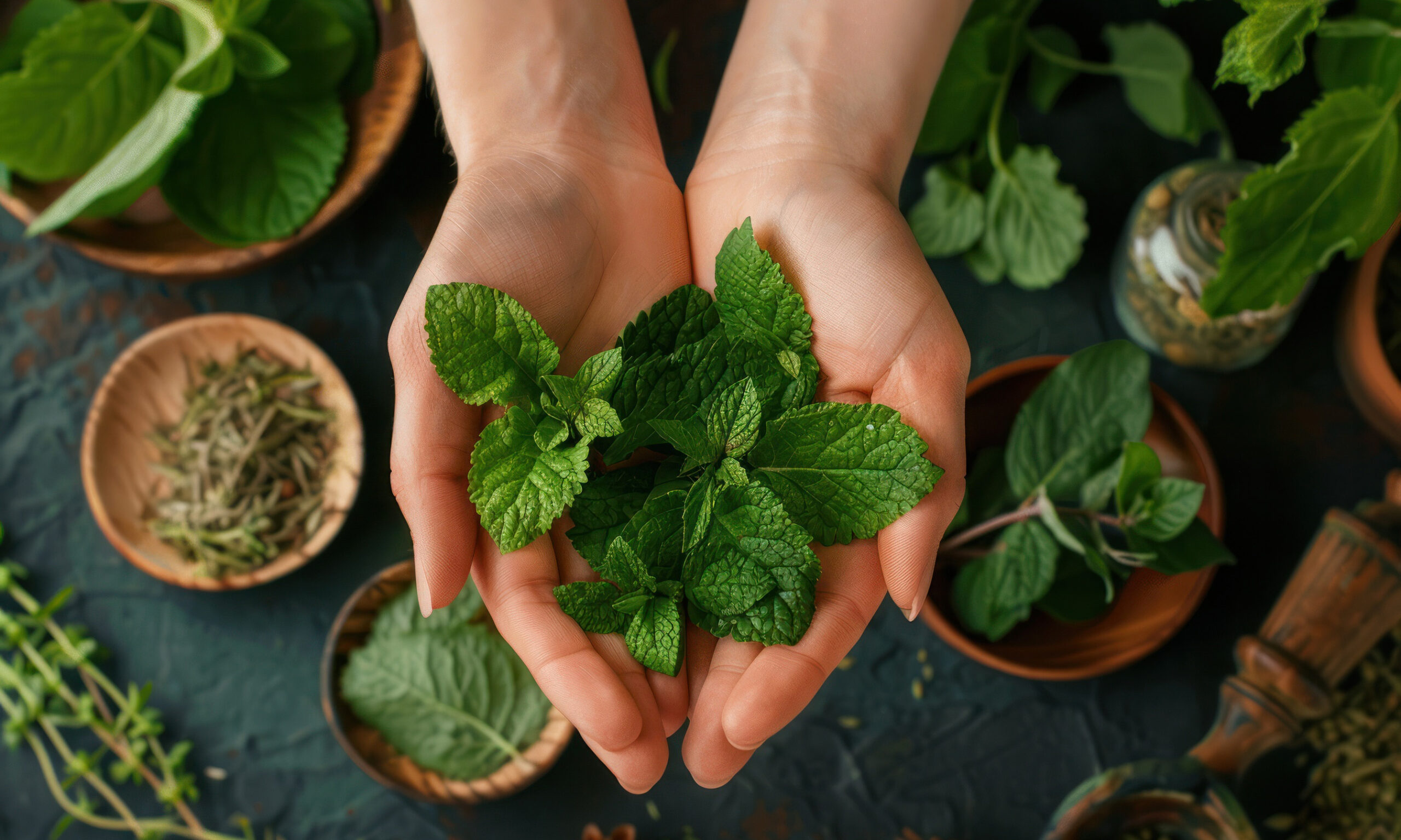

Sipping 1-2 cups of lemon balm tea daily is considered safe for most people. This gentle herb quietly loosens cramps and helps your belly settle.
Fennel Seeds: Nature’s Gas-Buster
Fennel seeds are the classic after-dinner treat in many cultures—not just for fresh breath, but to calm the belly.
They contain oils that relax the smooth muscles in your intestines. When those muscles relax, trapped gas can pass and bloating eases. Traditional medicine calls fennel a “carminative”—basically a gas-buster.
Research backs this up. Studies found fennel seed extract strengthened gut lining and improved its barrier function. Animals with gut inflammation had significantly less damage when given fennel extract. It appeared to protect the gut wall and soothe inflammation.
Also Read: What Happens If you Drink Celery Juice for 30 Days?
How to use: Chew a teaspoon of fennel seeds after meals, or steep 1-2 teaspoons crushed seeds in hot water for tea. The tea smells lightly of licorice and is generally safe.
Important caution: Fennel has mild estrogen-like effects. If you’re pregnant or have hormone-sensitive conditions, avoid large amounts. Most people can enjoy a cup of fennel tea safely, especially after heavy meals. 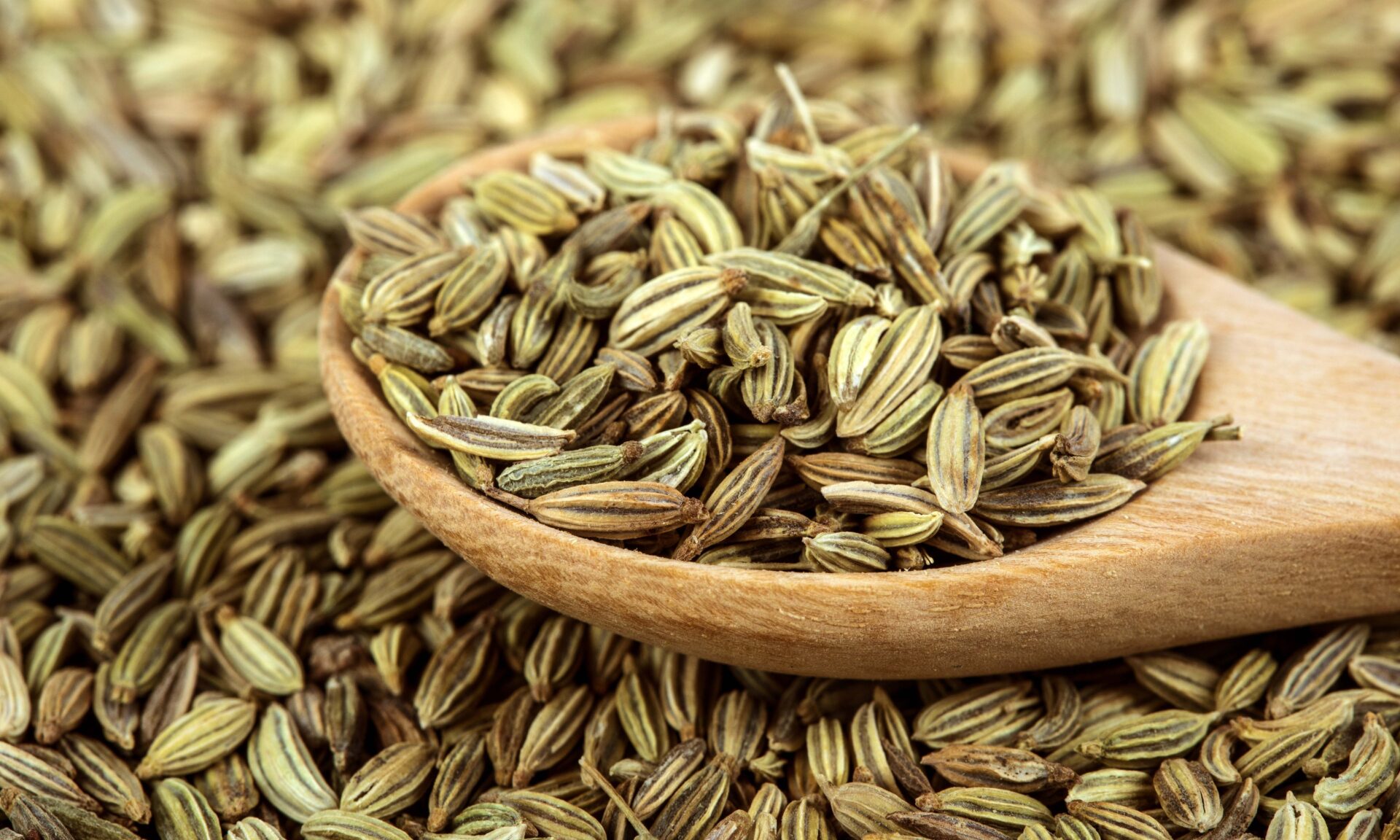
Slippery Elm Bark: The Soothing Coat
Slippery elm bark is like nature’s tummy blanket. It’s rich in mucilage—a fiber that turns into a soothing gel when mixed with water.
When you drink slippery elm tea, that gel coats your stomach and intestines, calming irritation. Think of it like coating a sore throat with honey, but for your entire digestive tract.
Native Americans used slippery elm for digestive upset, and modern research confirms why it works. The mucilage stimulates protective mucus production and coats irritated tissue, helping protect and calm your gut lining.
It’s been studied for acid reflux and inflammatory bowel conditions, showing promise for reducing inflammation. Health experts note that slippery elm powder is typically taken by the tablespoon mixed in water or tea, up to a few times daily.
Also learn about: Yaupon: America’s Forgotten Tea
A lot of you have asked me about herbal synergies. Meaning, which plants work better together, which combinations amplify each other. It’s a great question, because herbs rarely work alone. Think of how black pepper boosts turmeric absorption by something like 2,000%. Same principle applies across the board.
Slippery elm has three herbs that pair with it beautifully: marshmallow root and plantain (both mucilage-rich, reinforcing the soothing coat), and reishi mushroom (anti-inflammatory and supports the gut-immune connection).
Together, these four form one of the most effective gut-calming combinations I’ve come across.
And I’m not the one making that claim; it’s the thousands of people who’ve used this exact blend and keep coming back to it.
Nicole Apelian formulated it herself, and that alone is why it got so popular. Get your Balanced Gut Tincture here.
Safety: Slippery elm is extremely mild and considered “generally recognized as safe.” The main caution? Its coating action may slow absorption of medications or nutrients. Take your pills an hour or so apart from slippery elm tea.
Activated Charcoal: The Gas Magnet
Here’s where this tea gets interesting. Activated charcoal is famous for treating poisonings because it grabs onto toxins. In this tea, we’re using it on a much gentler level—a pinch of charcoal can trap excess gas in your gut and shuttle it out.
Charcoal’s porous nature literally traps gas molecules, reducing the bloating. Studies found charcoal combined with anti-gas medications was even more effective than either alone. Many herbalists suggest taking a few hundred milligrams after a very gas-forming meal to ward off flatulence.
But here’s the catch: Charcoal doesn’t discriminate. It can also bind vitamins, nutrients, and medications you’ve taken. That means you need to keep charcoal intake separate from any supplements or prescriptions.
Overdoing charcoal can cause black tongue or stools (temporary and harmless, but startling) and even constipation. In rare cases of heavy use, it could contribute to intestinal blockages.
How to use safely: A tiny dash goes a long way. Use about ¼-½ teaspoon activated charcoal powder stirred into your cooled tea. That’s roughly 400-600mg. Don’t use charcoal every day—treat it like a short-term fix for occasional bloat.
If you want to get more familiar with activated charcoal without going overboard, I recommend the little-known recipe called Black Milk. Nondairy milk, a teaspoon of activated charcoal, vanilla, and honey.
It looks striking, tastes creamy, and it’s been used traditionally for occasional bloating and stomach discomfort. You drink it on an empty stomach, first thing in the morning, at least two hours away from any medications or supplements.
That’s one recipe. The same place I found the DIY Black Milk Recipe has plenty more for when your gut needs a different kind of support: soothing infusions, bitter tonics, parasite flushes, and all with pictures and step-by-step instructions. Check out this amazing medicinal recipe book here! 
Always drink plenty of water when using charcoal. And if you’re on medications, consult your doctor or pharmacist to avoid unwanted interactions.
The Complete Gut Tea Recipe
This simple recipe brings it all together. Use organic or high-quality ingredients if possible.
Ingredients (per cup):
- 1 tablespoon dried lemon balm (Or skip the dried lemon balm and add 20 drops of Nicole’s Lemon Balm Tincture to a chamomile tea instead. Same soothing effect, faster absorption, and pairs perfectly with chamomile for boosted synergy )
- 1 teaspoon fennel seeds, lightly crushed
- 1 tablespoon slippery elm bark powder (Or skip the slippery elm powder and add 20 drops of Balanced Gut Tincture. It’s already in the blend with marshmallow, plantain, and reishi for full synergy)
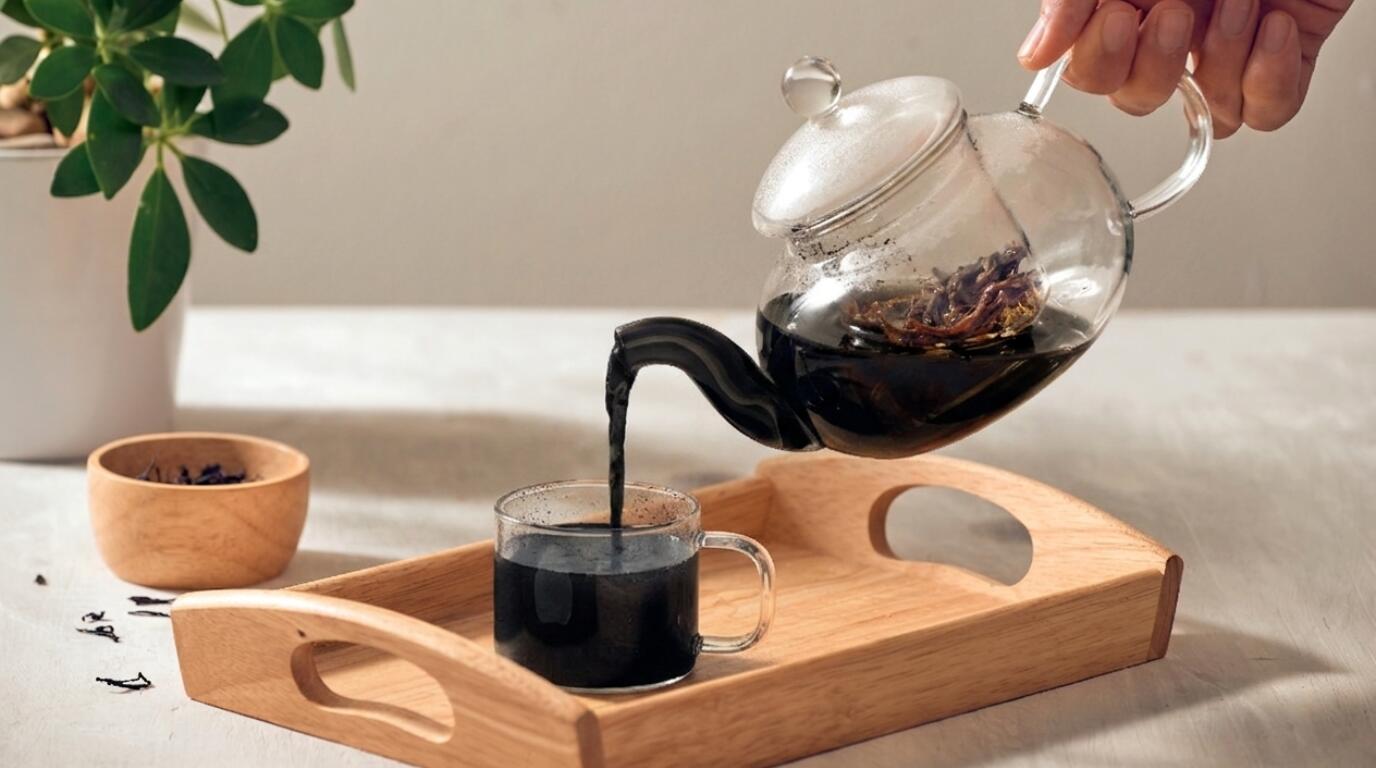
- ¼ teaspoon activated charcoal powder (optional, added after steeping)
 Directions:
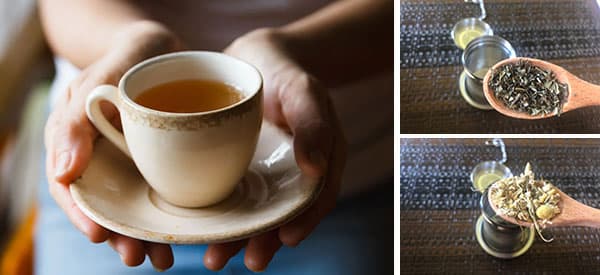
- Steep the lemon balm, fennel, and slippery elm together in hot water for 5-10 minutes.
- Strain into your mug.
- Stir in the activated charcoal if using (warning: it’s messy and stains, so be careful).
- Sip slowly.
You can drink this 1-2 times daily when needed. Add honey or stevia to sweeten if you like. A bit of fresh ginger or lemon won’t hurt either. The goal is a calm, tasty cup that your gut thanks you for—not a shot of something you have to choke down.
If you’re making this tea for occasional bloating, great. But if your gut problems show up more often than they don’t, you’re past the tea-and-wait stage. That’s where the Balanced Gut Tincture earns its place in the cupboard.
I mentioned it earlier for slippery elm synergy. But here’s the other reason I use it: it’s concentrated. A few drops under the tongue does what a full cup of tea takes 20 minutes to do. When you’re mid-flare and can’t wait for water to boil, that matters. It lives on my kitchen counter next to my salt shaker. That’s how often I reach for it.
Safety Notes You Need to Know
These ingredients are well-tolerated by most people, but use common sense:
Medications: Both slippery elm and charcoal can block drug absorption. Take them hours apart from your medications, and consult your doctor if you’re on prescriptions.
Pregnancy: Pregnant or nursing women should avoid fennel tea in medicinal doses due to mild hormone effects. Lemon balm and slippery elm in tea amounts are generally safe, but check with your healthcare provider first.
Allergies: If you have ragweed, daisy, or aster allergies, lemon balm could possibly trigger mild reactions. Fennel might cause issues for people allergic to carrots or celery. Slippery elm allergies are rare but documented.
Duration: These herbs are meant for short-term relief. If your gut troubles persist after a week or two, see a doctor. Herbal tea can soothe symptoms, but you need to find out why you’re having problems.
The Bottom Line
When your belly’s churning and nothing else is helping, this tea blend offers real relief. Lemon balm calms cramps and anxiety. Fennel releases trapped gas. Slippery elm coats and protects irritated tissue. Activated charcoal absorbs excess gas.
It’s gentler than endless pills and taps into centuries of herbal wisdom. But it’s not magic—it works because each ingredient addresses a specific cause of digestive discomfort.
Use it wisely. Start with small amounts and see how you feel. Keep it separate from medications. Don’t use charcoal every day.
Next time your stomach feels like a balloon ready to pop, brew a cup, breathe deep, and let these gentle remedies do their work. Your gut—and your mood—may relax as the herbs soothe what’s churning inside.
One last thing worth mentioning: if your gut issues are persistent and nothing seems to help long-term, it’s worth considering whether parasites are part of the picture. If you’ve ever grabbed a doorknob, played with your pet, or walked barefoot in grass, there’s a real chance you’re carrying something you’re not aware of — and most people are.
The Forgotten Home Apothecary has a recipe called the Herbal Parasite Flush that uses papaya seeds and raw honey — dead simple, and papaya seeds have been used traditionally for exactly this purpose for generations. There’s also an Anti-Parasitic Black Walnut tincture in the book, which targets intestinal worms specifically.
Both recipes are in the digestive shelf with step-by-step instructions. If you’ve been chasing gut symptoms without finding answers, this is one angle most people never check.
Get Your Book 70% Off This Week.
You may also like: 
Parasites 101: Signs, Dangers & Natural Remedies That Actually Work
Never Do This Before Going To Sleep (Video)
The Mushroom That Can Regrow Brain Tissue
🌿 Join Our Private Herbal Community For Free. 👉 Click here!
Disclaimer: This article is for educational purposes only and does not provide medical advice. These remedies are not intended to diagnose, treat, cure, or prevent any disease. If you have persistent digestive problems, severe pain, bloody stools, or symptoms that worsen, seek medical attention. Herbs can interact with medications—discuss with your doctor before using herbal supplements, especially activated charcoal.
References: Information drawn from Cleveland Clinic resources on lemon balm and digestive remedies, peer-reviewed research on fennel’s gut-protective effects (PLOS ONE), NIH LiverTox monograph on slippery elm, UCLA Health and University of Utah resources on activated charcoal, and PeaceHealth holistic health guidelines.