

Recipe: Nettle & Black Coffee Liver Tonic
Your liver is working overtime. Every bite of processed food. Every sip of alcohol. Every medication you take. Air pollution. Stress hormones. Your liver filters it all, day in and day out, without complaint.
Until one day you wake up exhausted, foggy, sluggish. Your metabolism feels stuck. Your skin looks dull. You can’t shake the feeling that something’s off.
Your liver is tired. And it’s asking for help.
Here’s the good news: two simple ingredients: one that you already love, coffee, and stinging nettle. They can give your liver the support it desperately needs. This isn’t trendy wellness nonsense. Both have solid research backing their liver-protective effects.
Let me show you how to make a daily liver tonic that actually works.
Why Your Liver Deserves Better
Your liver does more than you realize. It processes everything you eat and drink. It filters toxins and drugs from your blood. It regulates blood sugar. It produces bile for digestion. It stores vitamins. It breaks down old red blood cells.
Modern life makes this job harder than ever. Excess sugar stresses your liver. Alcohol damages it. Hidden toxins in food, water, and air force it to work overtime. Processed foods full of inflammatory fats overwhelm it.
Over time, this leads to fatigue, brain fog, sluggish metabolism, weight gain around your middle, and in serious cases, fatty liver disease or liver inflammation.
Related: How to Cook Spring Nettles
Instead of feeling defeated, here’s what you can do: a single daily drink can help lighten that load. Coffee and nettle together flood your body with antioxidants and natural compounds that support your liver’s detox work.
Before we get into coffee and nettle, there’s something from Dr. Nicole Apelian’s Liver Health Protocol worth knowing first.
She recommends starting with 16 ounces of lemon water every morning before anything else — not for the trend, but because it flushes what your liver processed overnight and activates bile production before food hits. Thirty seconds, costs nothing.
Related: Liver-Damaging Foods You’re Eating Right Now
Then there’s a section that surprised me: a list of everyday household items quietly overloading your liver — and it’s not what you’d expect. Cookware. Cleaning products. Makeup. She names them specifically and tells you what to replace them with.
And there’s a list of herbs most people think are good for the liver that Nicole actually flags as ones to avoid. A few are surprisingly common.
The full protocol — diet, herbs, supplements, day-by-day plan — is here →
Coffee: Your Liver’s Best Friend
Coffee isn’t just about the morning jolt. Decades of research show coffee is one of the single best dietary habits for liver health.
Regular coffee drinkers have far lower rates of fatty liver, cirrhosis, and even liver cancer compared to people who don’t drink coffee. In a large study with 500,000 people, just one cup daily was linked to about 20-21% lower risk of chronic liver disease and nearly 50% lower risk of dying from liver disease. Drinking more—up to 3-4 cups—gave even greater protection.
Even decaf coffee showed benefits, so it’s not just the caffeine. It’s all those compounds in coffee that do the work.
Coffee is loaded with antioxidants like chlorogenic acid and caffeic acid. These compounds activate your body’s own antioxidant defenses and dial down inflammation. In practical terms, your liver cells get extra protection against damage and stress.
Coffee also helps prevent the scar-tissue buildup that leads to cirrhosis. It even supports your gut microbiome in ways that keep toxins from leaking into your bloodstream.
A cup of black coffee each day is like a mini spa treatment for your liver.
How To Lose Weight With Coffee
Nettle is a great start. But what if your morning coffee could also quietly support your metabolism at the same time?
Certain plants — when combined correctly — do something interesting: they support your body’s ability to break down fat more efficiently while also helping clear the buildup that slows your liver down. Not one or two plants. Think closer to 48, all working together.
I started adding a small herbal blend to my morning coffee a while back. Just a tiny spoon. No flavor change, no fuss. The first thing I noticed wasn’t dramatic — it was subtle. Less bloating. Steadier energy.
Then, over a few weeks, the numbers on the scale started moving in a direction I hadn’t seen in a long time.
I won’t make promises about what this green herbal mix does for you, but I haven’t skipped a morning since. 100% organic, nothing synthetic.

Nettle: The Underdog Herb
Stinging nettle has been used for centuries in herbal medicine. Modern research is finally catching up to why.
Nettle is rich in polyphenols, vitamins (especially C and B vitamins), and minerals—all liver-friendly. Its potent antioxidant power shields the liver from toxins, heavy metals, and inflammation.
In studies, nettle helped protect liver cells against chemical damage. Animals given nettle while exposed to mercury showed much higher levels of glutathione—your body’s top cell-protecting antioxidant—in their livers. Nettle helps mop up free radicals and supports your body’s own detox pathways.
Besides being anti-inflammatory and antioxidant, nettle is a gentle diuretic. It helps flush out excess fluid and waste, taking strain off the liver. It’s also traditionally used to support digestion and ease arthritis pain.
Dried or cooked nettle is very safe for daily use with no liver harm reported in studies. Important: only drink nettle as tea or extract—raw fresh nettle leaves sting your skin. Brew it first.
You can absolutely make a nettle tincture yourself. The plant is easy to find and the process is straightforward in theory.
The catch is that nettle needs to be harvested at the right time, dried properly, and extracted at the right alcohol percentage to preserve its active compounds. Get any of that wrong and you’re either wasting your time or ending up with something that’s gone off. It’s more finicky than most people expect.
Nicole Apelian has been making her own tinctures for over 30 years and she knows exactly when to harvest, how to process, and what a properly made nettle tincture should look and taste like.
If you want the benefits without the learning curve, click here for the one I’d reach for. → 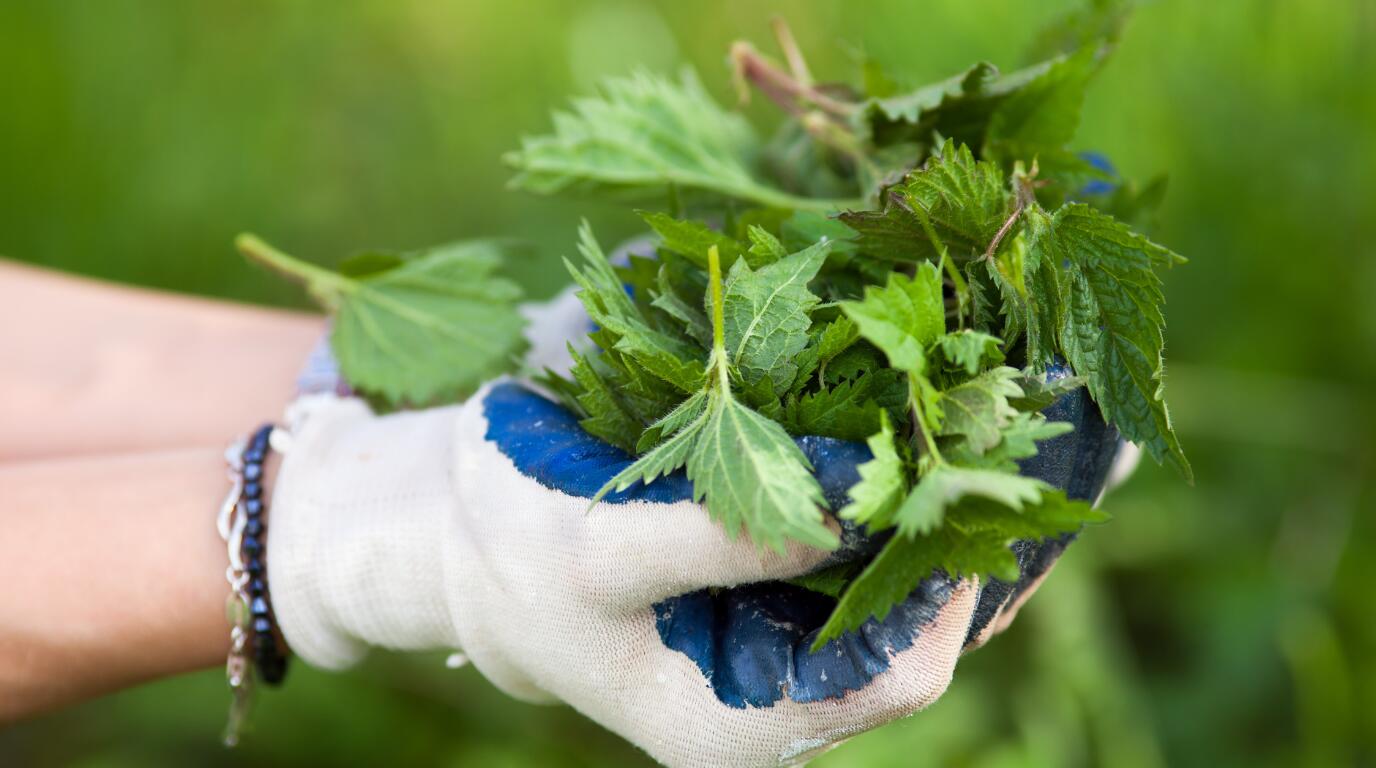
Nettle adds plant power—antioxidant, anti-inflammatory, and nutrient-rich—to every sip. It’s telling your liver, “I’ve got your back.”
Why Coffee & Nettle Work Better Together
Blending coffee with nettle isn’t random—it’s smart synergy. Here’s why this combo is powerful for liver health:
Double antioxidant blast. Coffee brings chlorogenic acids. Nettle brings caffeic acids, vitamins C and K, and flavonoids. Together they create multi-layered defense against oxidative stress.
Hit inflammation from two sides. Coffee and nettle each reduce inflammation through different plant compounds. This helps calm liver irritation and keeps cells healthy.
Metabolism support. Nettle boosts metabolism and fat breakdown. Coffee slightly raises metabolic rate too. Together they help your body handle excess fats that would otherwise overload the liver.
Gentle detox. Both are mildly diuretic—they encourage flushing toxins through kidneys and skin, lightening your liver’s workload.
Steady energy. You get the lift from coffee plus calming nutrients from nettle (magnesium, B-vitamins). Steady energy without jitters.
Over weeks, many people report clearer skin, fewer sugar cravings, and extra energy—signs your liver is thanking you.
Also read: What Happens When You Put Butter In Your Coffee?
Additional Liver Herbs For Extra-Support
One thing worth mentioning here: if you really want to understand what liver support looks like at its most complete, pay attention to three herbs — dandelion root, milk thistle seed, and schisandra berry.
They’ve been used in herbal medicine for centuries specifically for the liver, and modern research keeps confirming why.
Dandelion root stimulates bile production and supports the liver’s filtration work. Milk thistle contains silymarin — one of the most studied liver-protective compounds in herbal medicine. Schisandra berry does something most herbs don’t: it works on all five phases of liver detoxification simultaneously.
Together, these three are what serious herbalists reach for when they mean business about liver health. Keep that in mind. You probably have at least milk thistle around your property. Dry it and add it to your tea if you can.
DIY Liver Tonic Recipe
This is ridiculously simple. You only need a few ingredients and 10 minutes. 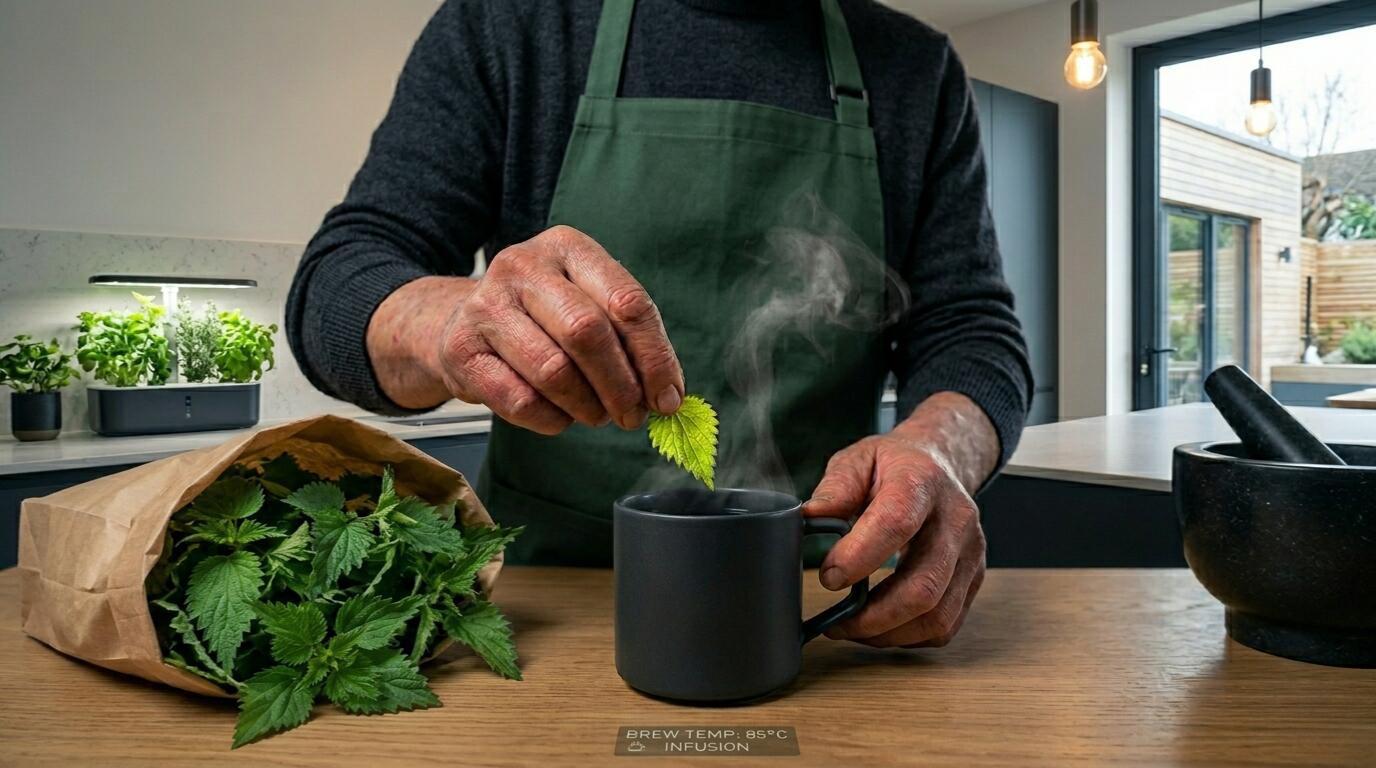
Ingredients:
- 1 strong cup black coffee (freshly brewed)
- 1 cup nettle tea (made from 1-2 teaspoons dried nettle leaves or a tea bag, steeped 5-10 minutes, or skip the steeping entirely and add a few drops of Stinging Nettle Tincture directly to your coffee)
- Optional: cinnamon stick or dash of ginger for extra flavor and anti-inflammatory benefits
Directions:
- Brew your coffee strong. French press or stovetop is great, but any method works.
- Separately, steep dried nettle leaves (or bag) in just-boiled water for 5-10 minutes. Strain out the leaves.
- Mix them together: pour the nettle tea into the coffee. Add a pinch of cinnamon or a slice of fresh ginger if you like.
- Sip slowly in the morning (or whenever you normally have coffee). Add a little non-dairy milk or a drop of honey if you prefer.
How to use:
Drink 1-3 cups of this tonic per day. Studies suggest benefits increase with up to 3-4 cups, but listen to your body and avoid extra caffeine if you’re sensitive.
If you prefer decaf, the liver benefits still hold. Always drink nettle as tea—raw leaves sting.
Make it a daily ritual. Your liver does dozens of jobs every day, from filtering blood to managing hormones. Investing 10 minutes every morning to support it is a small price to pay.
If you want the most complete version of everything we’ve talked about — dandelion root, milk thistle, schisandra, all properly extracted and ready to go — Nicole Apelian’s Liver Blend Tincture is exactly that.
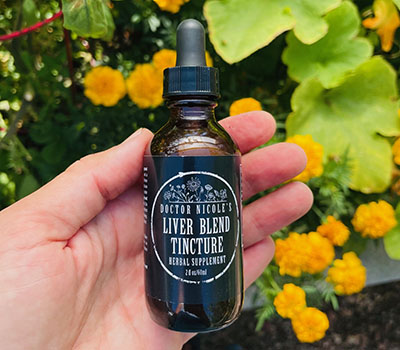
No sourcing three separate herbs, no guessing ratios, no waiting weeks for an infusion. Just the herbs that matter, done properly, in one bottle.
Add it to your coffee alongside nettle and you’ve covered every angle — the antioxidant protection of coffee, the anti-inflammatory support of nettle, and the full liver-regenerating power of all three herbs together. That combination is hard to beat. I’ll leave a link for you here.
What to Expect
This isn’t magic, but it’s close for a kitchen remedy. Consistent use helps your liver handle life’s excesses without protest.
Over time, you might notice:
- More energy throughout the day
- Clearer thinking (less brain fog)
- Better digestion
- Clearer skin
- Fewer sugar cravings
- Weight loss around your middle (where liver stress shows up)
These are signs of a happier, healthier liver doing its job better.
After just a few days, you’ll feel the difference. Your morning coffee break becomes the best part of your day—and it’s actually helping your body heal.
Safety Notes
Both coffee and nettle are safe for most people when used responsibly. A few cautions:
Caffeine sensitivity: If you get anxious or have heart palpitations, stick to 1-2 cups or switch to decaf. Excess caffeine can cause jitters.
Medications: Nettle can amplify diuretics or blood pressure meds. Check with your doctor if you take prescription drugs.
Pregnancy: Avoid nettle—it can stimulate contractions. Keep coffee modest if you’re pregnant.
In general, this tonic is milder than most supplements. If your only side effect is more energy and clearer skin, that’s a win.
The Bottom Line
Your liver works harder than almost any other organ. It deserves support, not more stress.
This Nettle & Black Coffee Liver Tonic is backed by real science. It’s a positive, proactive step to protect your health. Even if you’re juggling work, family, and life’s chaos, making this recipe a daily ritual is doable.
Your liver will thank you by working more smoothly. You’ll feel it in your energy, your clarity, your digestion, and your overall sense of well-being.
If you love your body, brew this tonic daily. Ten minutes in the morning for decades of better liver health? That’s a trade worth making.
I learned how to make the Fatty Liver Repair Tea inside Nicole’s Lost Remedies Academy. Milk thistle, licorice, and dandelion root — the same herbs we’ve been talking about this whole article. But Nicole doesn’t just give you a recipe. She takes you outside first. Shows you what these plants actually look like, how to tell them apart from lookalikes, when to harvest them, and how to extract them properly so you’re getting the real medicinal compounds and not just flavored water.
There was also a lesson that completely changed my morning routine — an herb you can add directly to your coffee that helps your gut move waste out effortlessly every day. For a liver that’s already working overtime, that matters more than most people realize.
Everything I know about supporting my liver naturally, I learned there. If you want the same foundation, you can find the Academy here →
You may also like: 
The ‘Nerve Oil’ You Should Use For Shaky Hands
Doctors BEG People To Grow These 10 Plants (Video)
Parasites 101: Signs, Dangers & Natural Remedies That Actually Work
The Mushroom That Can Regrow Brain Tissue
🌿 Join Our Private Herbal Community For Free. 👉 Click here!
Disclaimer: This article is for educational purposes only and does not provide medical advice. These remedies are not intended to diagnose, treat, cure, or prevent any disease. If you have liver disease, take medications, are pregnant or nursing, consult your healthcare provider before using herbal supplements. Herbs can interact with medications—discuss with your doctor before starting new supplements.
References: Research cited includes studies from LiverTox (NIH), large-scale epidemiological studies on coffee and liver disease, animal studies on nettle’s hepatoprotective effects, and peer-reviewed research on antioxidant and anti-inflammatory mechanisms.

Incredible infomation….just exactly what I needed…….many thanks
I love my nettles and coffee. Add a pinch of coarsely ground cloves and it is perfect. I find I drink less coffee when I make my coffee this way. Nettles alleviates the depression that is my companion day to day. Just a little goes a long way.
I m looking forward to trying this. Most herbal liver tonics have ingredients I’m allergic to. Thanks for this idea.
Evan rhymes
Can one use nettle tea to brew coffee instead brewing separately?