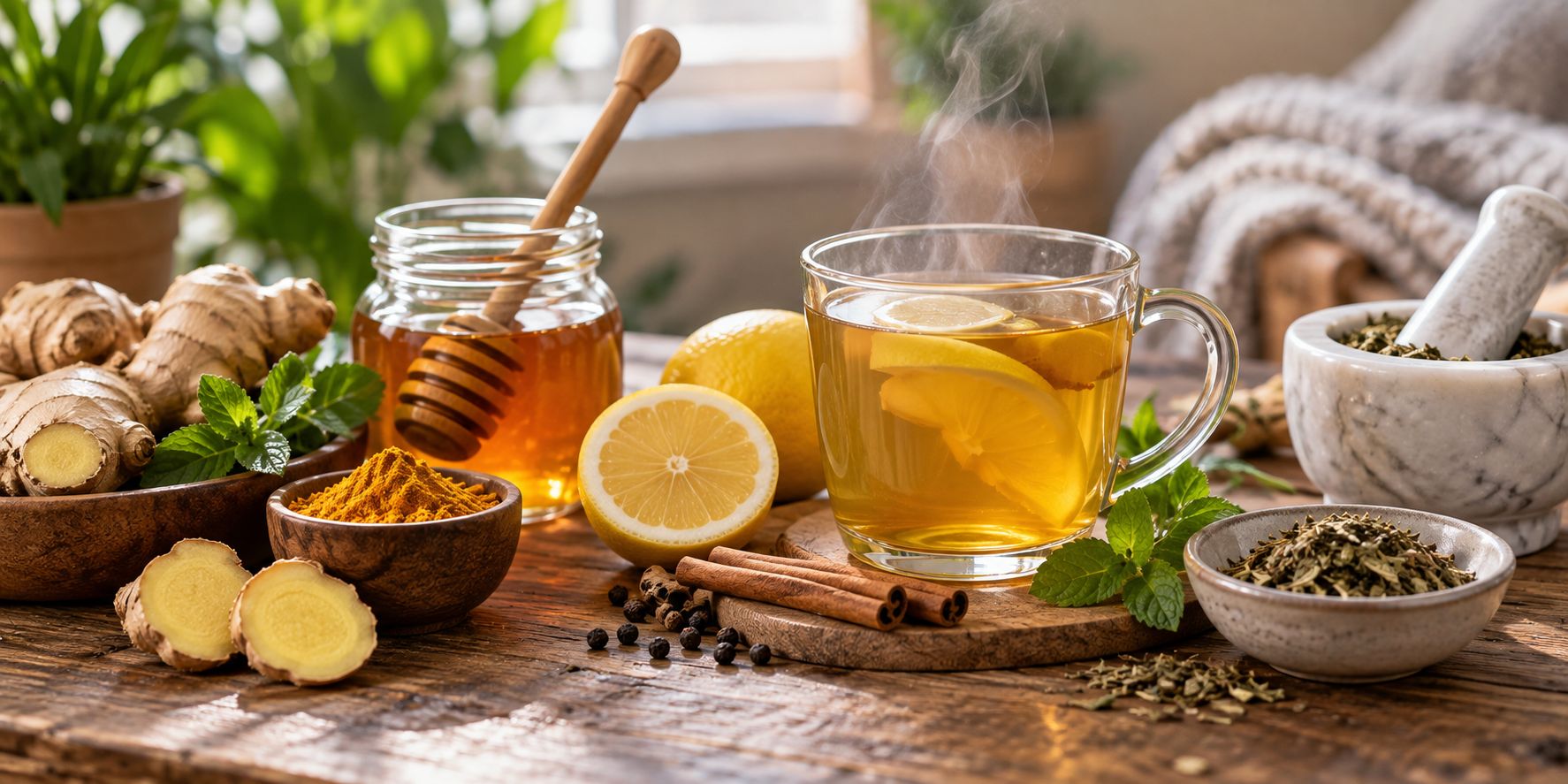
Long before hot toddies became a cold-weather cocktail, they were medicine. The combination of warming spices, soothing honey, sharp citrus, and hot liquid existed in kitchens across cultures for centuries precisely because it worked. The whiskey came later, and if we’re honest, it was never the part doing the heavy lifting.
This non-alcoholic hot toddy recipe keeps everything that matters: the ginger that opens your sinuses and warms your chest, the honey that coats an irritated throat, the lemon that cuts through congestion, the cloves and cinnamon that bring deep warming and antimicrobial properties. What it drops is the alcohol, which means this version is genuinely appropriate for the whole family, safe during pregnancy, and actually better for your body when it’s fighting something off. Alcohol is dehydrating. When you’re sick, you need fluids. These two things do not mix well.
Below you will find the classic base recipe, a full breakdown of why each ingredient works, and five herbal variations you can tailor to your specific symptoms. For the regular hot toddy recipe you can click here. Whether you’re dealing with a cough, congestion, a sore throat, or you simply need something warm and comforting on a cold night, there is a version here for you.
A Brief History of the Hot Toddy
The hot toddy has a contested but genuinely interesting origin story. The word itself may derive from Tod’s Well, a spring in Edinburgh that was one of the city’s early water supplies, though it also has connections to the Hindi word taddy, referring to a fermented palm sap drink used medicinally in India. An Irish physician named Robert Bentley Todd is sometimes credited with popularizing a hot brandy-based drink in the 18th century as a prescription for patients with fever and respiratory illness.
What all of these threads share is the same core insight: hot liquid infused with warming spices and sweetened with honey has been used as a remedy for colds, chills, and respiratory complaints across cultures and centuries. Herbalists working from European, Ayurvedic, and traditional Chinese frameworks all arrived at similar combinations, which tells you something important. When multiple independent traditions land on the same remedy, it tends to mean something real is happening.
The alcohol-free version of this drink is, in many ways, the most historically accurate. Many of the oldest preparations used simple hot water, herbal decoctions, or fruit juice as the base. The shift toward whiskey and brandy reflected cultural preference and the preservation properties of alcohol, not necessarily a therapeutic improvement. As the Herbal Academy notes, the tannins in hot tea provide astringency that helps tonify irritated mucous membranes, the lemon acts as an expectorant, and honey brings soothing, vulnerary, and antimicrobial properties to the cup. The alcohol was an add-on. The herbs were always the medicine.
The Classic Non-Alcoholic Hot Toddy Recipe
This is the foundational recipe. It comes together in under five minutes, uses ingredients you likely already have on hand, and delivers every bit of the comfort and warmth of the traditional version without the drawbacks.
What You Need
8 ounces of freshly boiled water (or a strongly brewed herbal or black tea)
1 to 2 tablespoons of raw honey (more for a sweeter, thicker coating effect)
Juice of half a lemon, freshly squeezed (approximately 1 to 2 tablespoons)
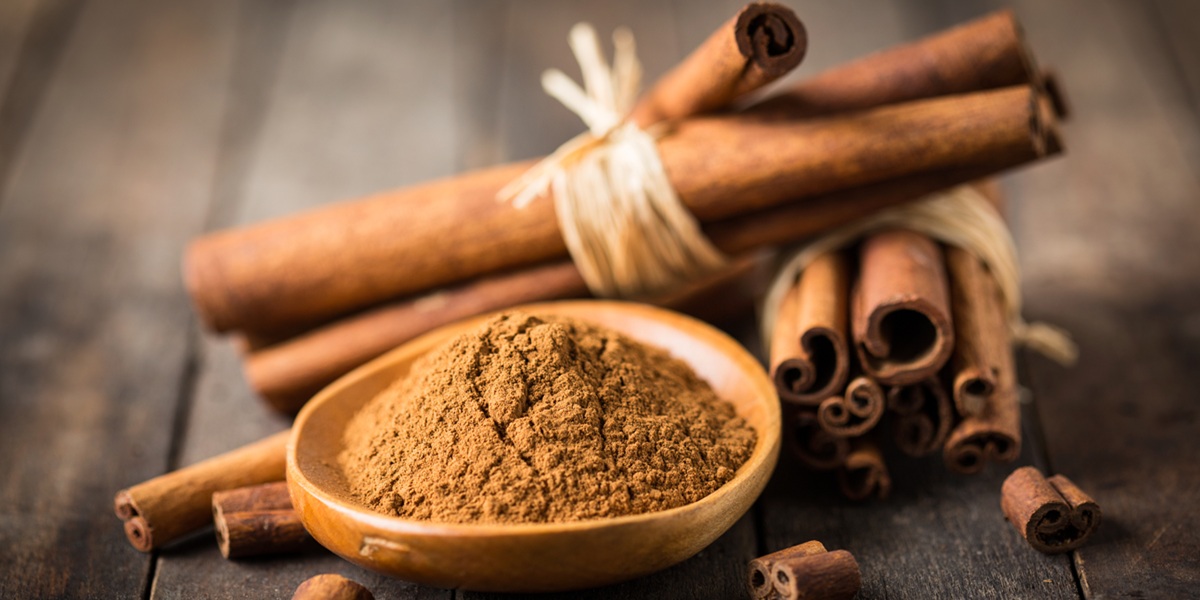
1/4 teaspoon ground cinnamon or one cinnamon stick
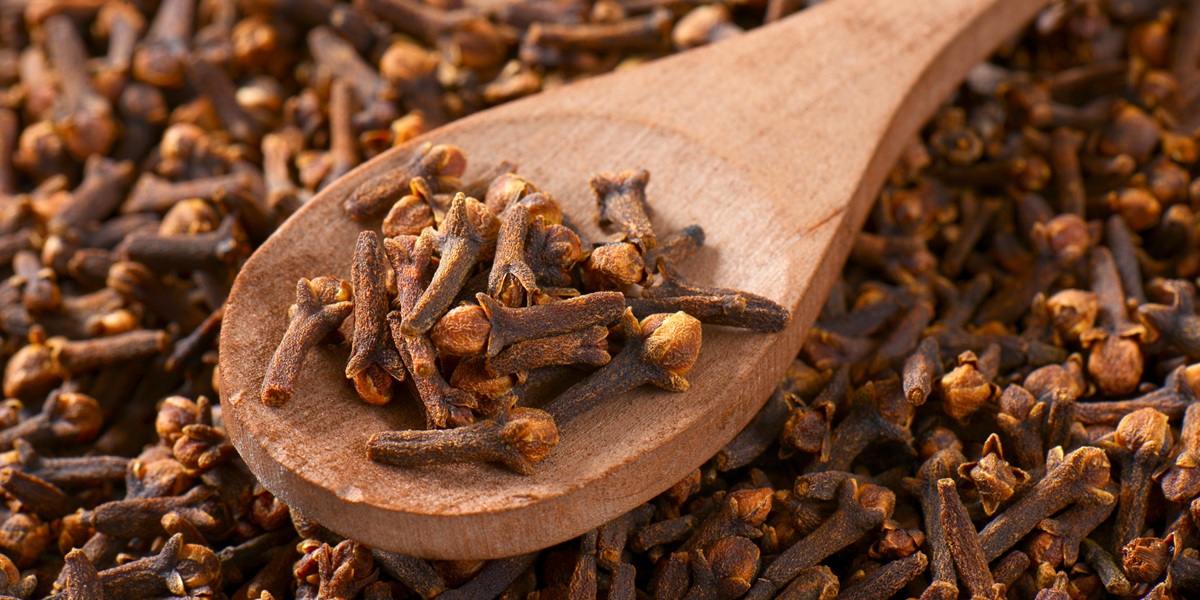
Pinch of ground cloves (no more than 1/8 teaspoon)
1 to 2 thin slices of fresh ginger root, or 1/4 teaspoon ground ginger
Optional: pinch of ground nutmeg, star anise pod, or orange slice for garnish
How to Make It
Bring your water to a boil. If using a tea base, steep it now for 3 to 5 minutes, then remove the bag or strain the leaves.
If using fresh ginger slices, you can let them steep directly in the hot water for 5 minutes before proceeding, then remove or leave in the cup as you prefer.
Add the ground spices (cinnamon, cloves, nutmeg if using) and stir well.
Squeeze in the fresh lemon juice.
Let the drink cool slightly, then stir in the honey. Adding honey to boiling liquid does degrade some of its more delicate compounds, so letting the temperature drop to very warm rather than scalding before adding honey preserves more of its therapeutic properties.
Taste and adjust. More lemon for brightness and a stronger expectorant effect. More honey for throat coating and sweetness. More ginger for heat and sinus-clearing action.
Garnish with a cinnamon stick, a lemon slice, or a few whole cloves floating on top. Serve immediately while still very warm.
Makes one generous mug. Drink while hot, and make a fresh batch when you’re ready for another rather than letting it sit.
Why Every Ingredient in This Recipe Earns Its Place
This is not a recipe that was assembled for aesthetics. Each component has a documented role and a reason it appears in traditional remedies across cultures. Understanding what each ingredient does lets you adjust the recipe intelligently based on your specific symptoms.
Honey
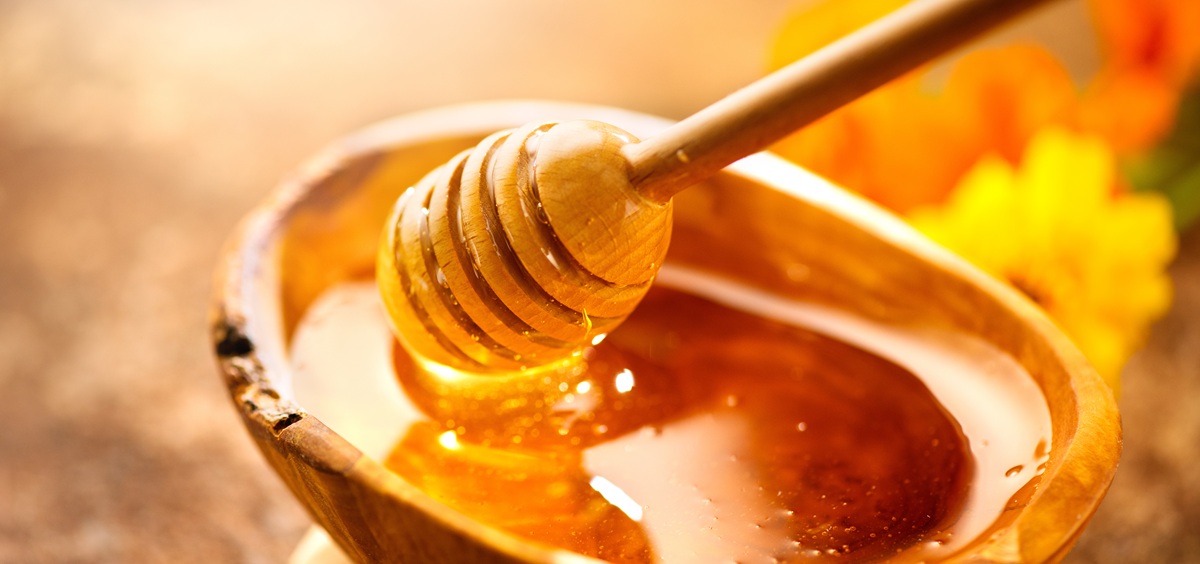
Honey is the heart of any hot toddy, alcoholic or not, and it deserves more respect than it typically gets as a sweetener. Raw honey is antimicrobial, demulcent (meaning it forms a soothing coating over irritated mucous membranes), and hygroscopic (it draws moisture and holds it, which helps keep tissues from drying out). For a raw throat, that coating action alone provides real, immediate relief.
Multiple randomized controlled trials published in peer-reviewed literature have examined honey’s effect on cough. A Cochrane review published in PubMed found that honey probably reduces cough frequency better than no treatment or placebo in children with upper respiratory tract infections, with moderate-certainty evidence. It also compared favorably to dextromethorphan, a common over-the-counter cough suppressant. The research is not without nuance, and some individual trials have shown smaller or mixed effects, but the overall body of evidence supports what traditional herbalists have said for centuries: honey is a legitimate first-line remedy for cough and sore throat.
Choose raw, unfiltered honey over processed honey whenever possible. Processing removes pollen, enzymes, and some of the very compounds that give raw honey its antimicrobial activity. Local raw honey is an excellent choice. Manuka honey, sourced from New Zealand, is particularly well-studied for its antibacterial potency. One important caution: never give honey to infants under one year of age due to the risk of infant botulism.
Fresh Ginger
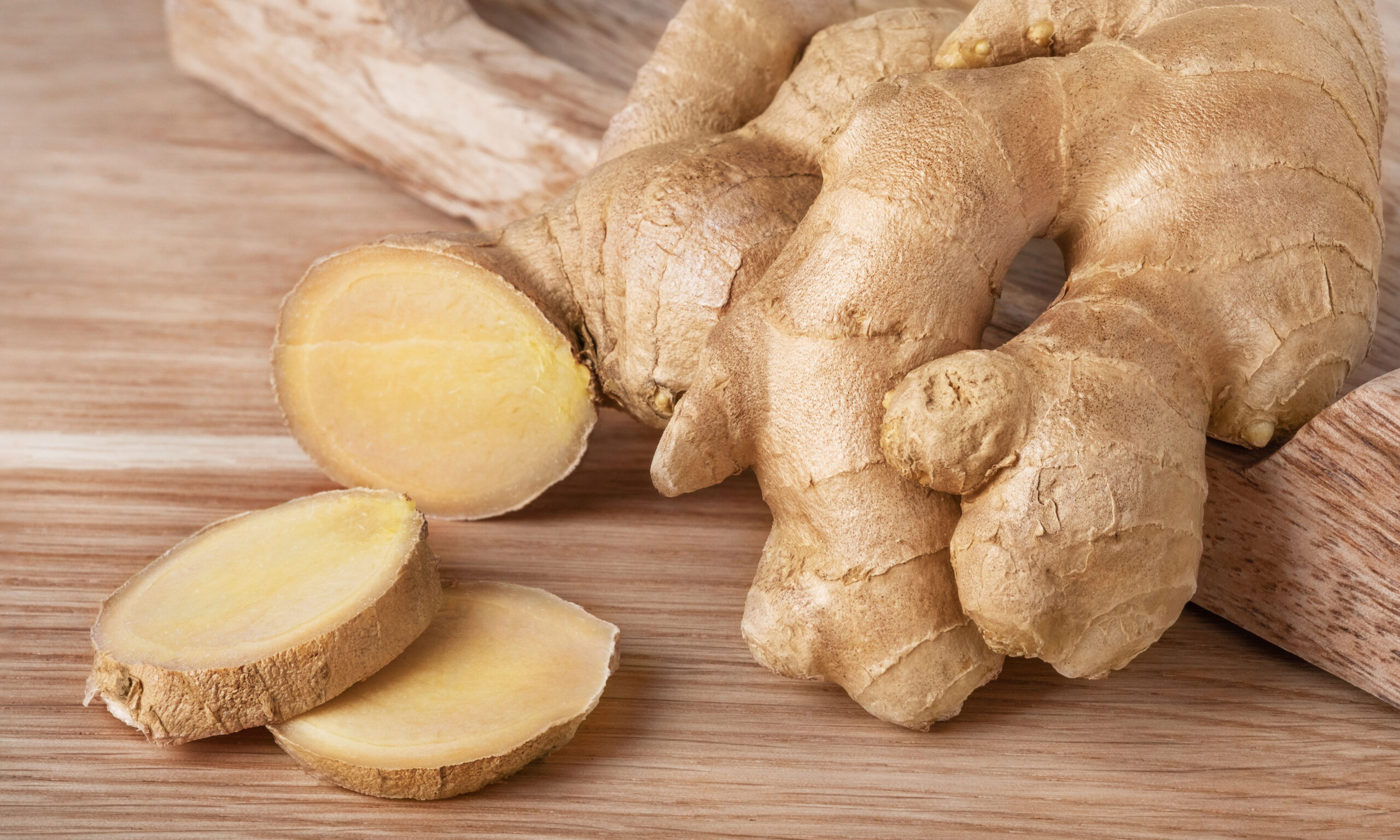
Ginger (Zingiber officinale) is one of the most thoroughly studied medicinal plants in the world, and its inclusion in this recipe is not decorative. Ginger is a diaphoretic, meaning it promotes perspiration, which supports the body’s own process of breaking a fever. It is also anti-inflammatory, antimicrobial, and a potent circulatory stimulant. That warming sensation you feel when you drink ginger is not incidental: it is vasodilation happening in real time, opening blood vessels and improving circulation to areas that need it.
For respiratory symptoms specifically, ginger acts as an expectorant and helps thin mucus, making it easier to clear congestion. Fresh ginger is significantly more potent than dried for these purposes. When you’re using it to support your body during a cold, fresh ginger root simmered in water or steeped in boiling water for several minutes will give you a noticeably more powerful effect than reaching for the spice jar.
Lemon
Fresh lemon juice contributes vitamin C and organic acids to the recipe. The citric acid acts as an expectorant, helping break down and thin mucus so your body can clear it more easily. The sour, bright flavor also stimulates salivation, which helps keep the throat and mouth from drying out.
There is a common concern about vitamin C degrading in heat, and this is worth addressing. Vitamin C is water-soluble and does degrade with prolonged heat exposure. For a hot toddy that you’re going to drink within the next twenty minutes, the loss is minimal, and the expectorant and pH-modifying benefits of the lemon juice remain fully intact regardless. Using freshly squeezed lemon rather than bottled lemon juice makes a meaningful difference in both flavor and nutrient content.
Cinnamon
Ceylon cinnamon (Cinnamomum verum) is the variety most appropriate for frequent internal use, as it contains very low levels of coumarin compared to the more common Cassia cinnamon. Cinnamon is warming and carminative (it eases digestive discomfort), and it has documented antimicrobial and anti-inflammatory properties. In a hot toddy, it contributes to the overall warming effect and adds depth of flavor that rounds out the sharpness of the lemon and ginger.
A cinnamon stick steeped in hot water releases its essential oils gradually and gives you a gentler, more nuanced cinnamon flavor than ground cinnamon. Both work; the stick is worth using if you have one.
Cloves
Cloves (Syzygium aromaticum) contain eugenol, a compound with well-documented pain-relieving and antiseptic properties. Eugenol is actually the active component in clove oil that dentists have used for generations to soothe toothache, and its pain-numbing effect applies to a sore throat just as usefully. Cloves also have strong antimicrobial activity and are traditionally used to support respiratory tract health. A small pinch of ground cloves goes a long way in terms of flavor. More than 1/8 teaspoon can easily overpower the rest of the drink.
Hot Water (or Herbal Tea)
The hot liquid base is not a neutral component. Steam itself helps open nasal passages and adds moisture to dry, irritated airways. The heat dilates capillaries slightly, which can ease sinus congestion. Hydration when your body is fighting an infection is genuinely important: fluids replace what is lost through fever and respiratory evaporation, and they help thin mucus throughout the system.
Using a strongly brewed herbal tea instead of plain water as your base adds another layer of therapeutic activity, which leads directly into the variations below.
Five Herbal Variations to Match Your Symptoms
Once you understand the base recipe, the real versatility of this drink opens up. Different herbs bring different actions, and tailoring your hot toddy to your specific symptoms turns it from a generic comfort drink into something genuinely targeted.
1. The Sore Throat Soother: Thyme and Honey
Thyme (Thymus vulgaris) is one of the most underrated medicinal herbs in the kitchen cabinet. It is antiseptic, antispasmodic, and expectorant. Herbalists have long used it specifically for throat and chest infections because it targets exactly the tissues that need support during a cold. Thyme tea has a rich, earthy flavor that pairs beautifully with honey and lemon.
To make this variation: steep 1 tablespoon of dried thyme (or a generous fresh sprig) in 8 ounces of boiling water for 5 to 7 minutes. Strain, then add honey, lemon juice, and a pinch of ground cloves. Drink warm. This version is particularly useful when your primary symptom is a raw, scratchy, or painful throat, or when you have a persistent cough.
2. The Congestion Cutter: Triple Ginger with Lemon
When congestion is your main complaint, go heavy on the ginger. This variation uses fresh ginger simmered rather than simply steeped, which extracts significantly more of the active gingerols and shogaols that do the real work.
Bring 2 cups of water to a boil with 4 to 6 thin slices of fresh ginger root. Reduce heat and simmer, covered, for 10 minutes. Strain into your mug, then add the juice of a full lemon, 1 to 2 tablespoons of honey, and a small pinch of cayenne pepper if you can tolerate spice. Cayenne is a powerful decongestant that triggers a clearing response in the sinuses almost immediately. Start with just a tiny pinch. You can always add more.
3. The Bedtime Blend: Chamomile and Honey
When you need to sleep and your body needs rest to heal, this is the version to reach for. Chamomile (Matricaria chamomilla) is a gentle nervine that promotes relaxation and supports sleep without any grogginess the next morning. It is also mildly anti-inflammatory and helps ease digestive discomfort that sometimes accompanies illness.
Steep a strong chamomile tea (two tea bags or two tablespoons of dried flowers) in 8 ounces of boiling water for 5 minutes. Add honey generously, a squeeze of lemon, and a cinnamon stick. Omit the cloves and ginger for this version if you find them stimulating rather than soothing before bed. Sip slowly in the half hour before you intend to sleep.
4. The Immune-Forward Brew: Elderberry and Ginger
Elderberry (Sambucus nigra) has become one of the most researched herbs for immune support over the past two decades. Its dark, tart berries are rich in anthocyanins and have shown antiviral activity in laboratory and clinical research. This variation works best if you have dried elderberries on hand or a bottle of high-quality elderberry syrup, which you can stir directly into your finished hot toddy base.
To make the elderberry base: simmer 2 tablespoons of dried elderberries with 2 cups of water and 3 to 4 slices of fresh ginger for 15 to 20 minutes. Strain well. Add honey, lemon juice, and a cinnamon stick to the warm liquid in your mug. The resulting drink is deep purple, slightly tart, warming, and genuinely beautiful. If you already have elderberry syrup made, simply stir 1 to 2 tablespoons into your finished base recipe.
5. The Digestion Companion: Ginger, Cardamom, and Cinnamon
Illness often disrupts the digestive system alongside respiratory symptoms. Appetite disappears, the stomach feels unsettled, and eating anything seems unappealing. This variation, inspired by traditional chai formulations, supports digestion while still providing all the warming and soothing benefits of the base recipe.
Add 1/4 teaspoon of ground cardamom to the base recipe alongside the cinnamon and cloves. Cardamom is carminative, meaning it relieves gas and digestive spasm, and it adds a floral, slightly eucalyptus-like note that complements ginger beautifully. You can also add a small piece of dried licorice root or a drop of anise extract if you want a sweeter, deeper base. This version works particularly well as a black tea toddy rather than plain water, using Assam or masala chai as the liquid base.
Choosing Your Tea Base
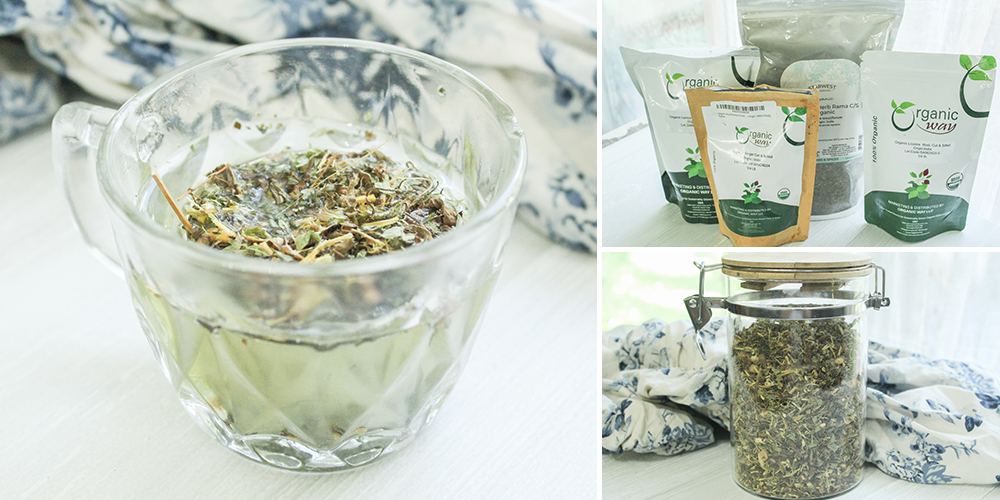
The choice of hot liquid matters more than most people realize. Plain hot water works perfectly well and keeps the herbal flavors clear and uncomplicated. But different tea bases add their own therapeutic dimension.
Black tea: robust tannins provide astringency that helps tonify mucous membranes. Assam or English Breakfast work particularly well. The caffeine is moderate enough for most people to enjoy in the evening.
Chai tea: amplifies the warming spice profile significantly. Since masala chai already contains cinnamon, cardamom, ginger, and black pepper, it creates an intensely warming drink that is almost medicinal in its depth.
Chamomile: the obvious choice for a relaxing, bedtime-oriented toddy. Gentle, floral, and completely caffeine-free.
Peppermint: adds a menthol-like cooling sensation that creates a helpful contrast with the warming spices and genuinely supports sinus clearing. Good for congestion when combined with the ginger variation.
Rooibos: naturally sweet, caffeine-free, and high in antioxidants. A good neutral base that lets the honey and spices shine without adding complexity.
Lemon balm: mildly sedative and antiviral, lemon balm tea makes an excellent base when you want something that supports both sleep and immune function simultaneously.
Sweetener Notes and Substitutions
Raw honey is the gold standard for this recipe for reasons that go beyond sweetness. If honey is unavailable or not appropriate (for vegans, or in households with infants who might accidentally have access to the drink), there are alternatives.
Pure maple syrup works well and contributes its own mild minerals and antioxidant compounds. It dissolves easily in hot liquid and provides a deeper, slightly caramelized sweetness. Agave nectar dissolves quickly and has a neutral flavor that lets the herbs come forward. Coconut sugar can be used but dissolves less readily in warm rather than boiling liquid, so stir well. Raw honey from your local area remains the most therapeutically active option for everything we’re trying to accomplish here, but the recipe is flexible.
Who This Recipe Is For
One of the significant advantages of an alcohol-free hot toddy is how broadly it can be shared. The traditional version is limited to adults, cannot be given to pregnant women or people taking certain medications, and is contraindicated during illness for anyone who needs to drive or care for children.
This version, with appropriate honey precautions, can be shared across the whole family. Children over the age of one year can safely have small amounts, and the soothing combination of warm liquid, honey, and lemon is often easier for sick children to drink than plain water or herbal tea alone. For older children, reduce the amount of ginger and omit the cloves to make the flavor gentler.
For pregnant women, the base recipe is generally considered safe, with ginger having substantial traditional use for nausea during pregnancy. Herbal additions like elderberry, thyme, and echinacea are best checked with a midwife or herbalist before including them during pregnancy, as recommendations vary. For anyone on prescription medications, a quick check on herb-drug interactions is always worthwhile before adding concentrated herbal additions like elderberry syrup or echinacea tincture.
Practical Tips for Getting the Most from This Remedy
A few small choices make a meaningful difference in how effective this drink is.
Use freshly squeezed lemon rather than bottled. The difference in flavor is dramatic, and fresh juice contains more of the volatile compounds that contribute to its expectorant action.
Add honey after the liquid has cooled slightly from boiling. You do not need to wait until the drink is barely warm, but avoiding the full boiling point when the honey goes in preserves more of its enzymatic activity.
If using fresh ginger for congestion, simmer it rather than just steeping it. Ten minutes at a low simmer extracts significantly more active compounds than five minutes of steeping in boiling water.
Drink it slowly and breathe in the steam as you sip. The steam itself provides benefit by moistening dry nasal passages and airways, and the aromatic compounds from cinnamon and cloves become partially airborne in the steam, where they can reach irritated tissue directly.
Make a fresh cup each time rather than preparing a large batch that sits. The aromatic volatile compounds in the spices, and particularly the ginger and lemon, begin to dissipate as the drink cools.
Rest after drinking it. This sounds obvious, but the full benefit of a warming, relaxing herbal drink is realized when you actually stop moving and let your body use the warmth for healing rather than activity.
The Forgotten Remedies That Kept Families Healthy Before Pharmacies Existed
A hot toddy like this is more than a comforting drink. It is part of a much larger tradition of home-based herbal medicine that families relied on for generations before modern drugstores existed.
Long before cough syrups, cold tablets, and over-the-counter sleep aids filled pharmacy shelves, people used ginger, honey, thyme, elderberry, cloves, lemon balm, mullein, garlic, and dozens of other medicinal plants to support the body naturally during illness. Many of those remedies still work remarkably well today — most people have simply forgotten them.
That is exactly why Forgotten Home Apothecary has become so popular among herbalists, homesteaders, and preparedness-minded families.
Inside this beautifully illustrated guide, you will discover hundreds of traditional remedies, herbal recipes, tinctures, syrups, teas, salves, and old-world medicine cabinet preparations that helped previous generations handle coughs, fevers, congestion, digestive problems, infections, inflammation, stress, poor sleep, and dozens of everyday health problems using plants and ingredients they already had at home.
Inside Forgotten Home Apothecary, You’ll Learn:
How to build a real home herbal medicine cabinet
Herbal remedies for coughs, colds, congestion, and sore throats
Traditional immune-support recipes using elderberry, garlic, ginger, and more
Natural teas, syrups, and tinctures for sleep, stress, pain, and digestion
The medicinal uses of common kitchen herbs and spices
Step-by-step instructions with full-color illustrations and preparation methods
If recipes like this non-alcoholic hot toddy fascinate you, Forgotten Home Apothecary will open the door to an entire world of practical herbal medicine knowledge that most modern families no longer have.
There is something quietly powerful about making your own medicine from ingredients that have been used for this exact purpose for centuries. This non-alcoholic hot toddy recipe is not sophisticated in the way that pharmaceutical preparations are sophisticated. It doesn’t require a prescription, a laboratory, or anything you can’t find in a well-stocked kitchen.
What it does require is real ingredients and a willingness to slow down. Research published by the National Institutes of Health has confirmed what generations of grandmothers already knew: honey before bed reduces cough and improves sleep quality in children with upper respiratory infections, comparing favorably even to common over-the-counter preparations. Ginger, cinnamon, and cloves have centuries of documented use and growing bodies of laboratory research behind them. Lemon juice has been expectorant medicine since long before anyone called it that.
The five-minute investment to make this drink when the first signs of illness appear, and then to make it again two or three times throughout the day, is one of the more effective things you can do for your comfort while your immune system does the real work of fighting off whatever has settled in. It keeps you hydrated. It keeps your throat coated. It keeps your sinuses moving. It warms your body from the inside out.
That is what traditional plant medicine has always done at its best: it meets the body where it is and supports the processes already underway. No whiskey required.
We use cookies to ensure that we give you the best experience on our website. If you continue to use this site, we will assume that you are happy with it.
Functional Always active
The technical storage or access is strictly necessary for the legitimate purpose of enabling the use of a specific service explicitly requested by the subscriber or user, or for the sole purpose of carrying out the transmission of a communication over an electronic communications network.
Preferences
The technical storage or access is necessary for the legitimate purpose of storing preferences that are not requested by the subscriber or user.
Statistics
The technical storage or access that is used exclusively for statistical purposes.The technical storage or access that is used exclusively for anonymous statistical purposes. Without a subpoena, voluntary compliance on the part of your Internet Service Provider, or additional records from a third party, information stored or retrieved for this purpose alone cannot usually be used to identify you.
Marketing
The technical storage or access is required to create user profiles to send advertising, or to track the user on a website or across several websites for similar marketing purposes.



 Fresh Ginger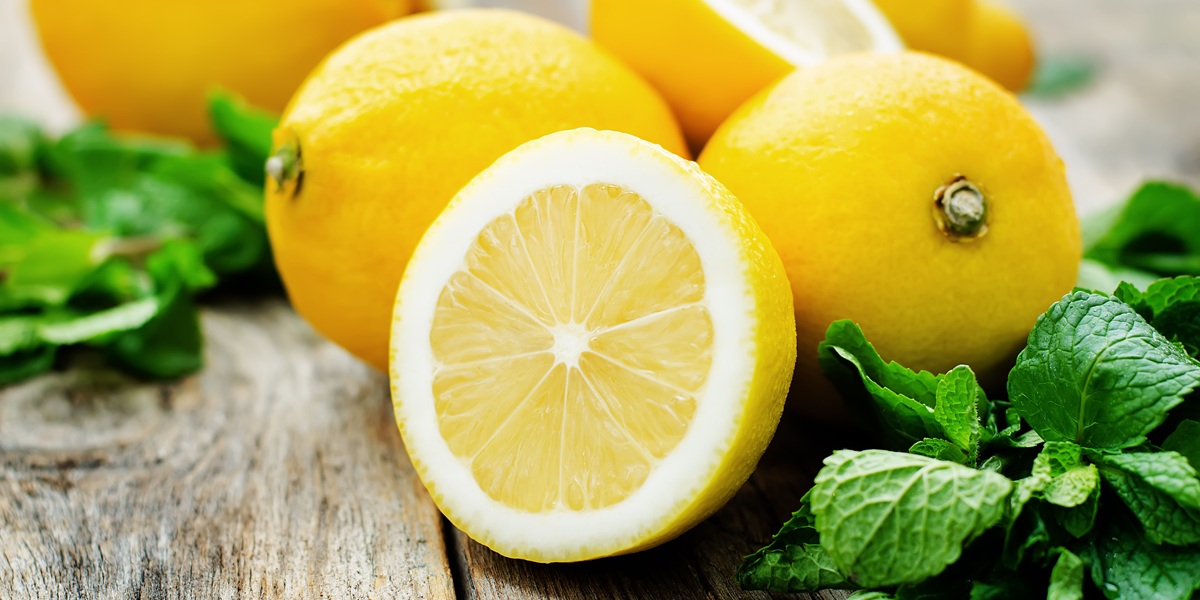
 Lemon
Lemon