

How to Reset Your Cortisol Levels in 14 Days
You’re exhausted but can’t sleep. The belly fat won’t budge. You feel anxious, foggy-brained, irritable—and your doctor just shrugs, says “it’s menopause,” and hands you a prescription.
But here’s what they’re missing: There’s a hormone running wild in your body right now, and it’s not estrogen.
It’s cortisol—your stress hormone—and after 50, it wreaks absolute havoc. High cortisol is linked to heart disease, diabetes, bone loss, stubborn belly fat, memory problems, and even Alzheimer’s risk. Research shows women with consistently elevated cortisol have more metabolic problems, higher blood pressure, and shorter cancer survival times.
This isn’t “just stress.” This is your body under siege.
The frustrating part? Your doctor knows cortisol matters, but medical training focuses on treating symptoms with pharmaceuticals, not addressing the root cause naturally. Here’s the good news: You can reset your cortisol levels in 14 days using evidence-backed herbs and simple lifestyle changes.
Let’s fix this.
Why Cortisol Is Destroying Your Body Right Now
Cortisol isn’t evil—you need it for energy, blood pressure regulation, and stress response. But when it stays elevated from chronic stress (work, caregiving, poor sleep), it’s like a fire alarm that never stops.
Here’s what constantly high cortisol does:
Stubborn belly fat? Cortisol drives fat storage deep in your abdomen—that “meno-pot” belly is often cortisol’s fault. It also raises blood sugar and diabetes risk.
Weakening bones? Long-term high cortisol accelerates bone density loss, compounding your osteoporosis risk.
Rising blood pressure? Chronic cortisol leads to hypertension, straining your heart when you need to protect it most.
Brain fog and anxiety? High cortisol causes mood swings, memory problems, and is linked to increased Alzheimer’s risk in postmenopausal women.
Tired but wired? Cortisol keeps you exhausted during the day but unable to sleep at night—then poor sleep raises cortisol further. It’s a vicious cycle.
Managing cortisol isn’t optional—it’s essential for aging well.
The Herbs That Actually Lower Cortisol (Science-Backed)
Ashwagandha: The Gold Standard
Clinical studies show ashwagandha reduces cortisol by 20-30% in chronically stressed people. The NIH reports that across multiple trials, users had lower cortisol, less anxiety, and better sleep after 6-8 weeks. One study found even 225 mg daily lowered cortisol and stress-eating in just 4 weeks.
What this means for you: Take 500-600 mg daily. It normalizes your stress response without sedating you. Give it two weeks to feel the full effect.
Lemon Balm: The Cortisol Spike Blocker
In a placebo-controlled study, people who took lemon balm before a stressful test didn’t experience the typical cortisol surge. The placebo group’s cortisol jumped—the lemon balm group stayed calm.
What this means for you: Evening lemon balm tea helps you unwind, sleep better, and lowers nighttime cortisol for restorative rest.
I learned so much about lemon balm ever since I completed Nicole Apelian’s lemon balm lesson in her academy. She explained everything about lemon balm, and I’ve been using it constantly—I can feel it in my calmness.
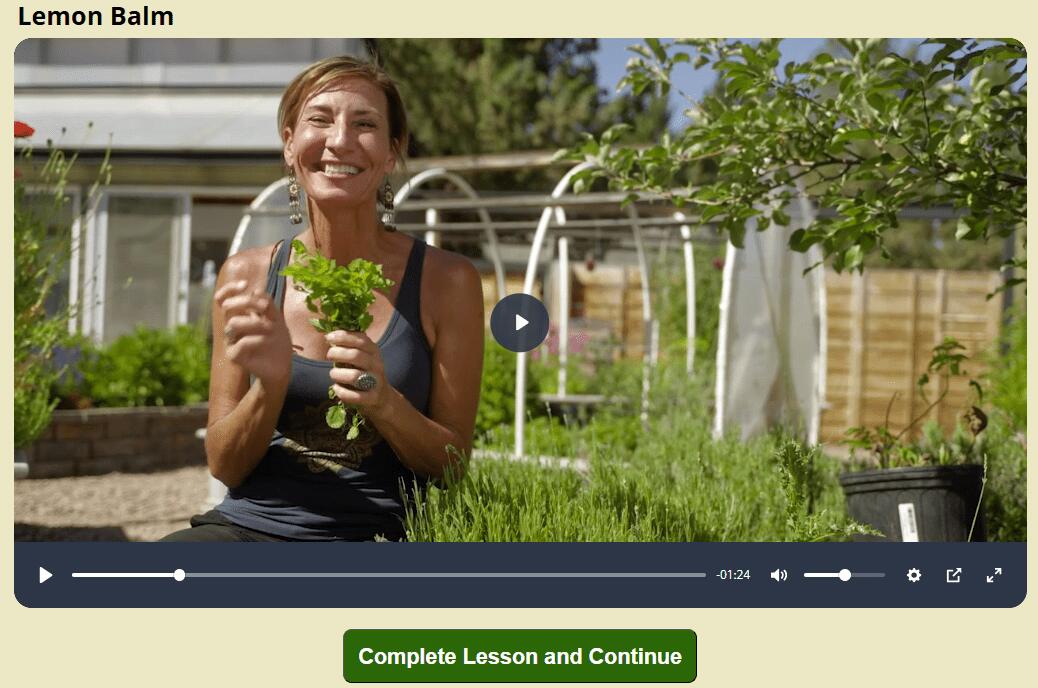
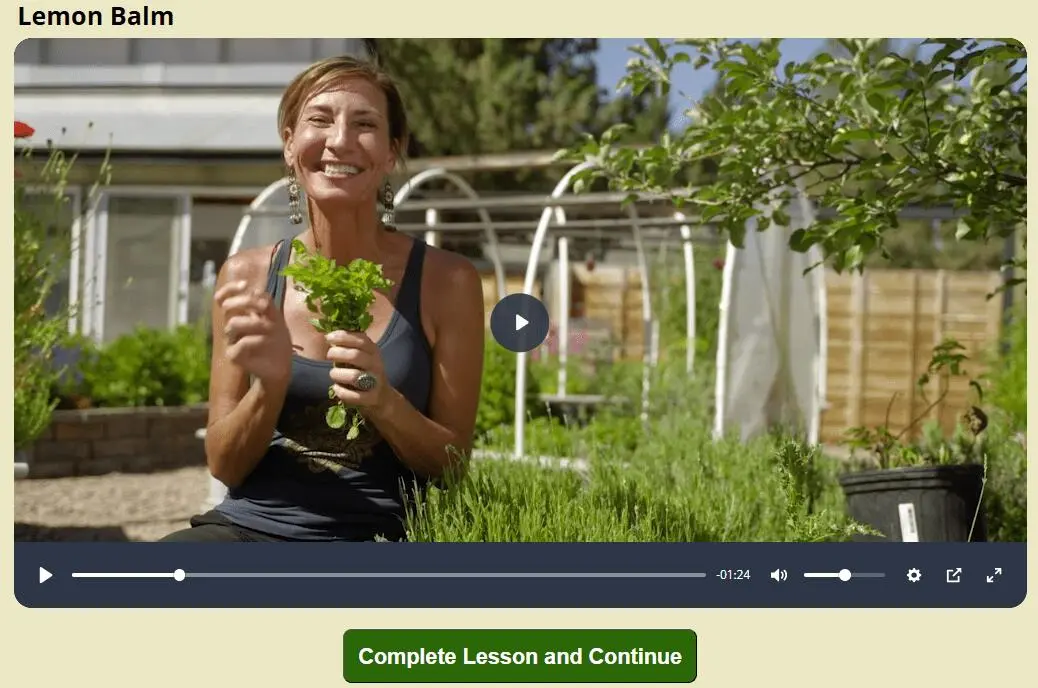
I made it myself a couple of times following her Brain Boost Blend recipe walkthrough video, but honestly, you can also get it ready-made by her from here if you don’t want to wait 6 weeks for it to infuse.
Click here for Nicole’s lemon balm tincture that keeps my cortisol in check.
Holy Basil (Tulsi): The Stress Response Regulator
Adults taking Holy Basil extract for 8 weeks had significantly lower cortisol—both during stress tests and in overall output. Their bodies simply didn’t produce as much cortisol under pressure. Participants also reported better mood and sleep.
What this means for you: Sip tulsi tea daily or take supplements. Within two weeks, you’ll feel more even-keeled. Bonus: it supports blood sugar and immunity.
Rhodiola: The Burnout Fighter 

This adaptogen reduces elevated cortisol and helps your body return to balance. Studies show Rhodiola improved concentration and mood while lowering morning cortisol response in people with burnout.
What this means for you: Take 200-400 mg in the morning for subtle energy and stress-buffering. Many feel less drained by day’s end.
Lion’s Mane: The Brain-Boosting Buffer
This medicinal mushroom improves mental function while reducing stress, irritability, and anxiety. A study in menopausal women found improved mood after just one month.
What this means for you: Mix Lion’s Mane powder into morning coffee for brain support without jitters.
Inside Lion’s Mane are rare compounds called hericenones and erinacines, and they do something no pharmaceutical has ever mastered:
They stimulate Nerve Growth Factor (NGF)—a natural compound your brain uses to grow new neurons and repair the old ones.
Lion’s Mane doesn’t just protect your brain. It helps regrow it.
This 100% pure Lion’s Mane tincture comes straight from a herbalist herself. Trustworthy. Potent. Ready to use.
Get it here and regrow your brain.
The Lifestyle Changes That Amplify Results
Sleep: Get 7-9 hours consistently. Poor sleep drives cortisol up; good sleep naturally lowers it. Create a bedtime routine with dim lights, no screens, and herbal tea.
Morning Light: Get natural light immediately upon waking. This reinforces healthy cortisol rhythm (high morning, low night). Add 20-30 minutes of gentle movement.
Tame Sugar and Caffeine: High sugar and heavy caffeine keep cortisol elevated. Cut back on afternoon coffee—replace with herbal tea. Swap sweet snacks for nuts or dark chocolate.
Deep Breathing: Slow, deep breathing lowers cortisol in minutes. Try this twice daily: inhale 4 seconds, exhale 6-8 seconds, repeat. 
Your 14-Day Reset Protocol
If you want protocols explained in more detail—complete daily roadmaps, not just outlines—check out the most comprehensive wellness guide available.
Morning (Days 1-14):
- Get natural light immediately—open windows or step outside
- Take ashwagandha or drink Rhodiola tea instead of second coffee
- Add Lion’s Mane to your beverage for mental clarity
- Eat protein and fiber breakfast—skip sugary pastries
Mid-Day (Days 1-14):
- Brew Holy Basil or lemon balm tea (or 20 drops of this lemon balm tincture for boosted potency)
- Take a 10-minute outdoor walk after lunch
- Practice 10 slow, deep breaths
- Eat balanced lunch with veggies, protein, healthy fats
Evening (Days 1-14):
- One hour before bed: dim lights, put away electronics
- Brew lemon balm + chamomile tea
- Journal briefly—dump worries, list three gratitudes
- Light stretches or soothing music
- Bed before 11 PM for 7-8 hours sleep
Throughout:
- Stay consistent with herbs (ashwagandha 500mg daily, tulsi tea twice daily, lemon balm nightly)
- Limit alcohol—it raises cortisol as it’s metabolized
- Avoid binge-eating sweets or processed foods
- Make sleep non-negotiable
Sleep is non-negotiable. But what if you can’t fall asleep no matter how hard you try?
Valerian is known for its sleep-boosting, calming properties. This tincture combines valerian with other calming medicinal plants, making it a very potent sleeping blend.
Click here to start sleeping restfully starting tonight.
What to Expect 
By day 14, you’ll notice:
- Sleeping through the night more often
- Waking with more energy
- Feeling less on edge
- More patience and better mood
- Clearer thinking
- That afternoon headache gone
These are signs your cortisol is balancing. Studies show even partial improvements lead to measurable cortisol drops—every bit helps.
You’re Not at the Mercy of Your Hormones Anymore
Fourteen days is your foundation. Going forward, continue what works—maybe ashwagandha for months, nightly lemon balm tea, morning walks.
Stress management isn’t about eliminating all stress. It’s about strengthening your resilience. There will be rough days, but now you have tools to bring yourself back to center.
Science confirms that lowering chronic cortisol leads to better energy, mood, weight control, and cognitive health. More importantly, you’ll feel the difference in daily life as you become calmer and more resilient.
Everything we just discussed—ashwagandha, lemon balm, Lion’s Mane, Reishi—is combined in Nicole’s Anxiety & Stress Tincture.
This is your premium, daily nervous system wellness ritual. Non-GMO and vegan. 12,000+ reviews can’t be wrong.
Instead of buying each herb separately and guessing at dosages, you get all of them in one bottle—formulated by a herbalist who knows exactly how they work together.
Click here for the Anxiety & Stress Tincture that combines everything your nervous system needs.
Give yourself these 14 days. You deserve it. Your cortisol levels don’t control you—starting today, you control them.
When Cortisol Has Destroyed Too Much for Too Long
Fourteen days resets your cortisol. But what about the damage already done?
Years of high cortisol weaken your brain, exhaust your adrenals, disrupt your sleep, and wreck your mood. A 14-day protocol helps—but complete recovery needs more.
Here are the remedies that rebuild what stress destroyed:
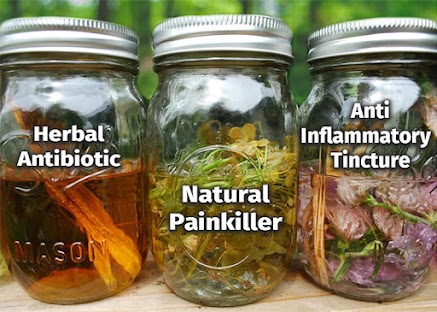
- Memory Elixir – Improves memory by up to 75%
- Stress-Free Elixir – Calm down naturally whenever you need it
- Herbal Sleeping Pills – Knock you out without a hangover
- Natural Brain Booster – Take before any big test or meeting
- Deep Sleep Banana Tea – Use banana peels you’d throw away
- Herbal Capsules for Cortisol Balance – Calm overactive adrenals, lower stress hormones
Plus 244 more remedies organized by body system—flip straight to what you need when chronic stress has taken its toll.
Click here for the 250+ remedies that repair what cortisol destroyed.
What about men? Will this help us?
Hi Keith! Great question — yes, the strategies in this article can absolutely support men as well.
Cortisol functions the same way in both men and women, and many of the herbs mentioned (like ashwagandha, rhodiola, and holy basil) have been studied in mixed or male populations. The reason the article highlights women over 50 is because cortisol dysregulation becomes especially common during and after menopause.
But the lifestyle steps and herbal support can benefit anyone dealing with chronic stress.
Appreciate you being here!
Didn’t you mean “why cortisol MAY be destroying your body right now?” big difference. However, good remaining article. I don’t like fearmongering. Thanks.
Hi Kimberly — thank you for the thoughtful feedback, I really appreciate it.
You’re absolutely right that wording matters. The intention wasn’t to create fear, but to highlight how chronically elevated cortisol can impact the body when it remains high over time — something well documented in the research.
I’m glad you found the rest of the article helpful, and I truly appreciate you keeping the conversation balanced and constructive.
Thanks again for reading and sharing your perspective!