Antibiotic resistance is growing. The WHO reports that drug-resistant infections caused over a million deaths in 2019 alone.
Doctors are running out of antibiotics that work. Bacteria are getting smarter. And many people are realizing they need a backup plan.
That’s where plants come in.
Herbs like garlic, ginger, and elderberry have been fighting infections for centuries. And modern science is finally catching up, proving what grandmothers already knew: these plants work.
We’re not saying skip the doctor or throw out antibiotics. Antibiotics save lives. But it’s empowering to know that nature has options when modern medicine runs short.
Why Plants Work Against Infections
Many everyday herbs are packed with compounds that kill bacteria, fight viruses, and boost your immune system.
Garlic contains sulfur compounds that puncture bacterial membranes. Ginger has antimicrobial oils that fight bacteria, viruses, and fungi. Oregano and thyme contain powerful oils that shut down pathogens.
Even honey isn’t just for soothing sore throats. Medical-grade manuka honey is used in hospitals to kill drug-resistant staph on wounds.
Just… think of this: our forefathers didn’t have hospitals or pharmacies. So how did they survive infections before modern medicine? They used plants. Hundreds of them.
What I’m showing you here is just a handful. But what about the other thousands of plants with medicinal properties?
If you want the full resource, and you want it safe from big companies taking it down or weak internet connections, you can have everything printed and in your hands. Hundreds of recipes and plants, on paper, with high-quality step-by-step images.
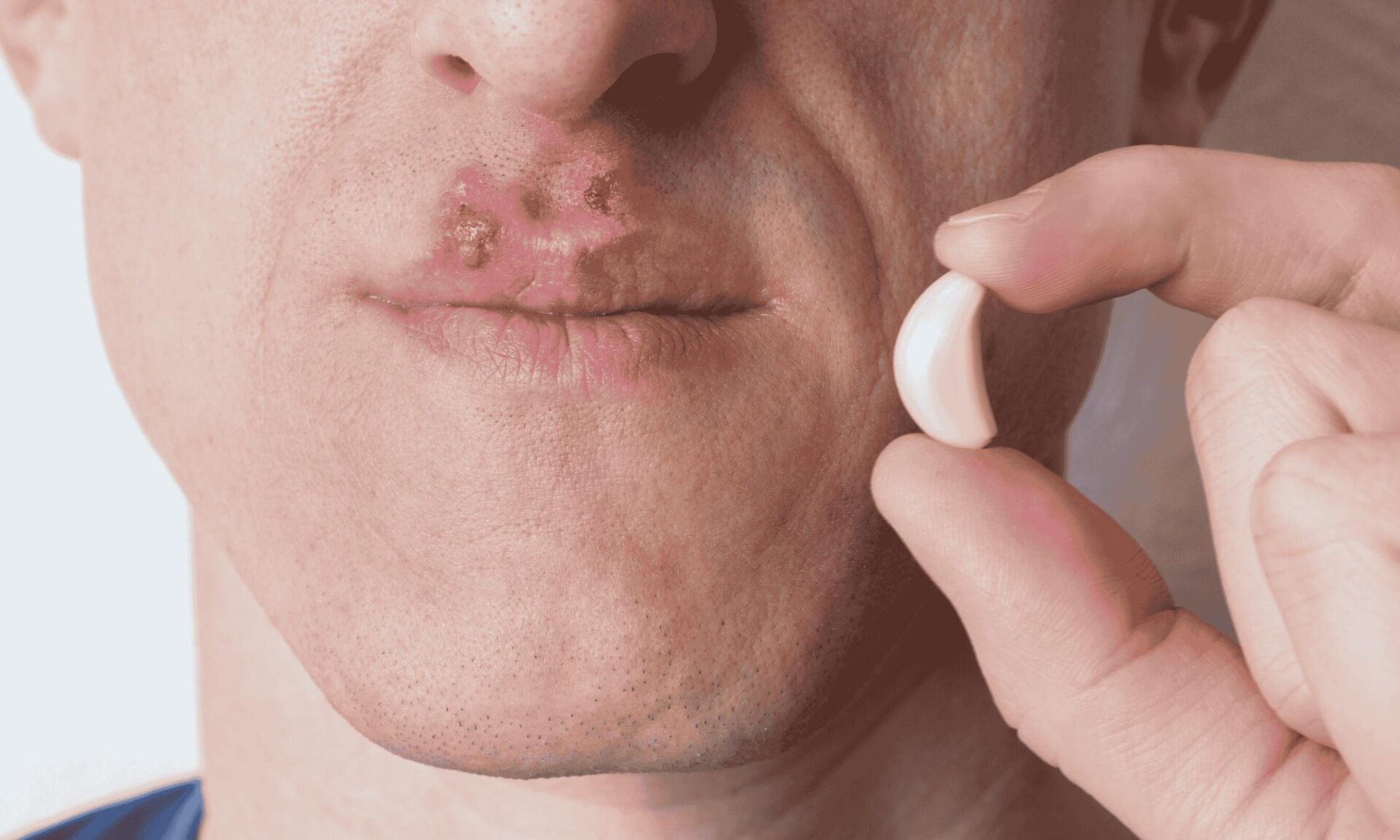
Garlic has been called “nature’s penicillin” for good reason. It kills a broad spectrum of bacteria in laboratory studies, including drug-resistant strains.
It also breaks down the protective layers bacteria hide behind.
Research shows garlic can even make regular antibiotics work better. When combined with standard antibiotics in studies, garlic doubled the effectiveness against certain bacteria.
Use fresh garlic in cooking daily. Crush it and let it sit for 10 minutes before cooking to activate its antimicrobial compounds. Or take aged garlic extract during cold season.
Ginger isn’t just warming. It’s antimicrobial. The compounds in ginger fight bacteria, viruses, and fungi.
Ginger also reduces inflammation, which helps your body heal faster from infections.
Make fresh ginger tea when you feel something coming on. Slice fresh ginger, simmer in water for 10 minutes, add honey and lemon.
Usnea: Some Call It “Nature’s Doxycycline”
Usnea (also called Old Man’s Beard) is a lichen that grows on trees. It contains usnic acid, a powerful antimicrobial and antifungal compound that fights bacteria, fungi, and even some viruses.
Traditionally, usnea has been used for respiratory infections, throat infections, and skin issues. The antimicrobial action works on contact, which is why it’s so effective as a spray.
How to make your own usnea spray:
Find usnea growing on trees (the grayish-green stringy lichen). Harvest a handful, making sure it’s clean and from unpolluted areas. Chop it roughly and pack it into a small jar. Cover completely with high-proof alcohol (vodka or grain alcohol). Let it sit for 4-6 weeks, shaking daily. Strain through cheesecloth. Pour the tincture into an old spray bottle.
Spray it between your toes for fungal infections. Deep in your throat for sore throats and respiratory infections. On cuts and scrapes to keep bacteria away.
Or skip the 6-week wait and get the Usnea Tincture Spray already made, properly extracted, and in a spray bottle ready to use. Get it here.
Turmeric: The Anti-Inflammatory Fighter
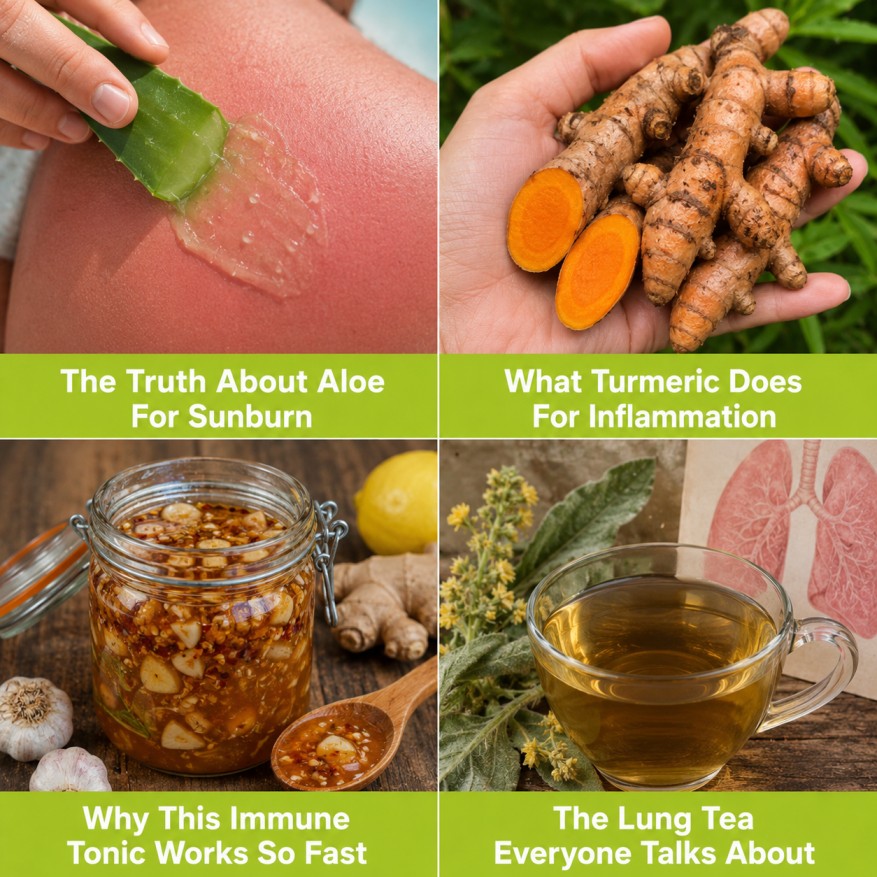
Turmeric works similarly to ginger. It has broad antimicrobial action and powerful anti-inflammatory properties.
Add turmeric to warm milk, soups, or take it as a supplement. It works best when combined with black pepper.
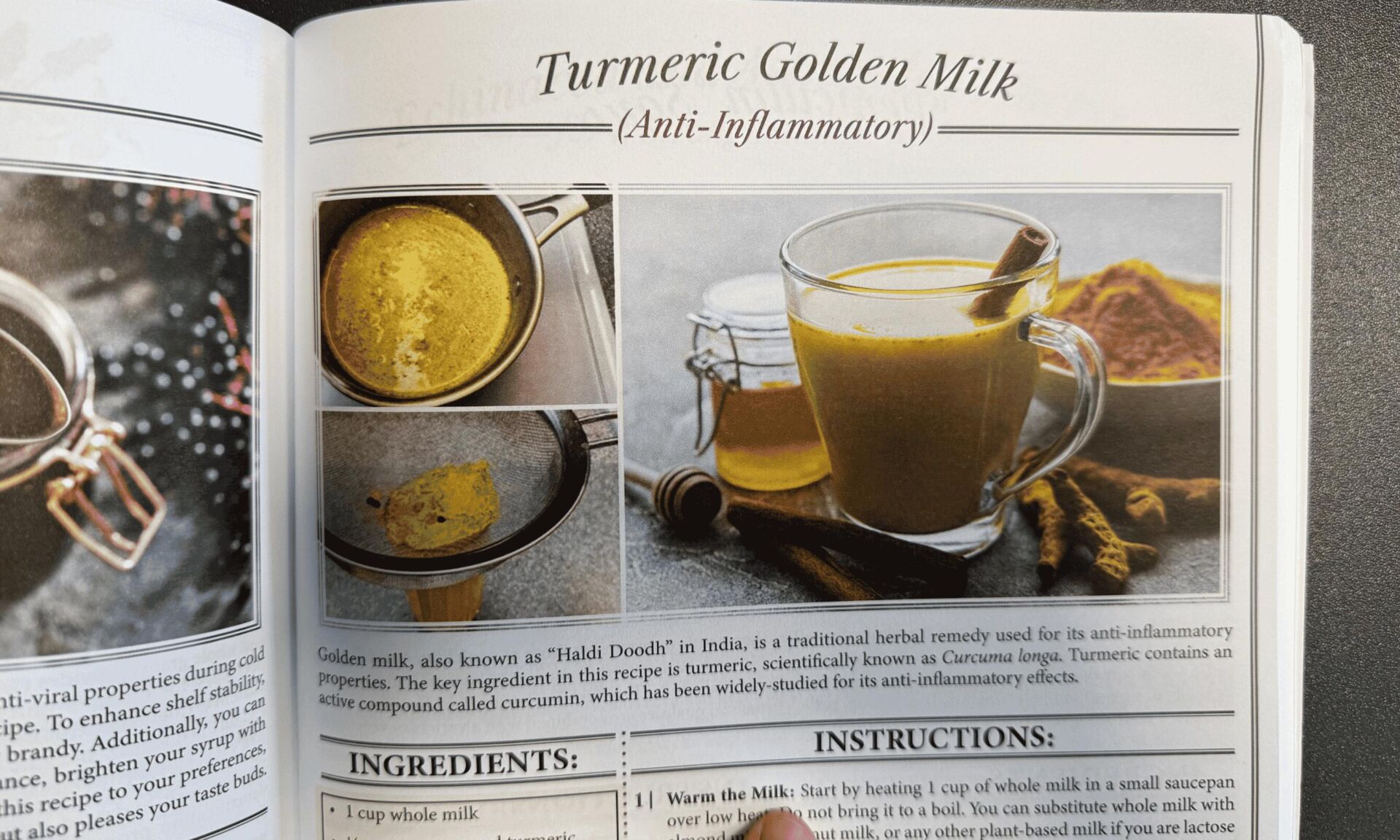
There’s a traditional Indian recipe called haldi doodh (turmeric golden milk) that combines turmeric with warm milk, black pepper, and honey. It’s been used for centuries to fight infections and inflammation from the inside out.
The black pepper activates the turmeric’s compounds, making them up to 2,000% more bioavailable. The warm milk soothes while the turmeric fights. You can find the complete haldi doodh recipe inside here.
Oregano, Thyme, and Cloves
The essential oils in these herbs shut down common pathogens in research studies. You might already use them in cooking, but they’re also powerful medicine.
Oregano oil is particularly strong. A few drops in water at the first sign of illness can help stop infections before they take hold.
Honey: The Wound Healer
Raw honey (especially manuka honey) has documented antimicrobial and wound-healing power. Hospitals use medical-grade honey on infected wounds because it kills bacteria that antibiotics can’t touch.
Keep raw honey on hand for cuts, burns, and sore throats. Take a spoonful straight or mix into warm tea.
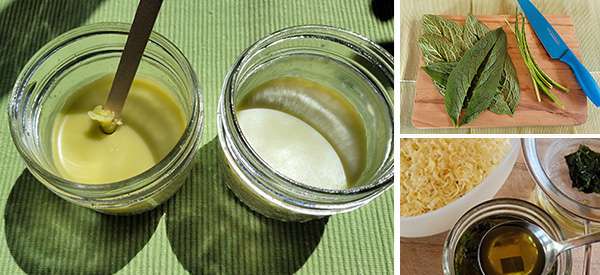
If you want honey’s healing power in a form that stays on cuts and scrapes without running off, try a salve made with beeswax. It can be used daily and it combines beeswax with healing herbs that support skin repair and keep bacteria at bay.
It’s great for cuts, burns, scrapes, dry skin, and minor infections. The beeswax creates a protective barrier while the herbs do the healing work. Get it here.
Bee Propolis: The Immune Shield
Bee propolis (the resin bees make) blocks bacteria and boosts immunity. It’s been used for centuries to fight infections and support healing.
Propolis comes as tinctures, capsules, or throat sprays. Use it at the first sign of a sore throat or respiratory infection.
Elderberry: The Viral Fighter
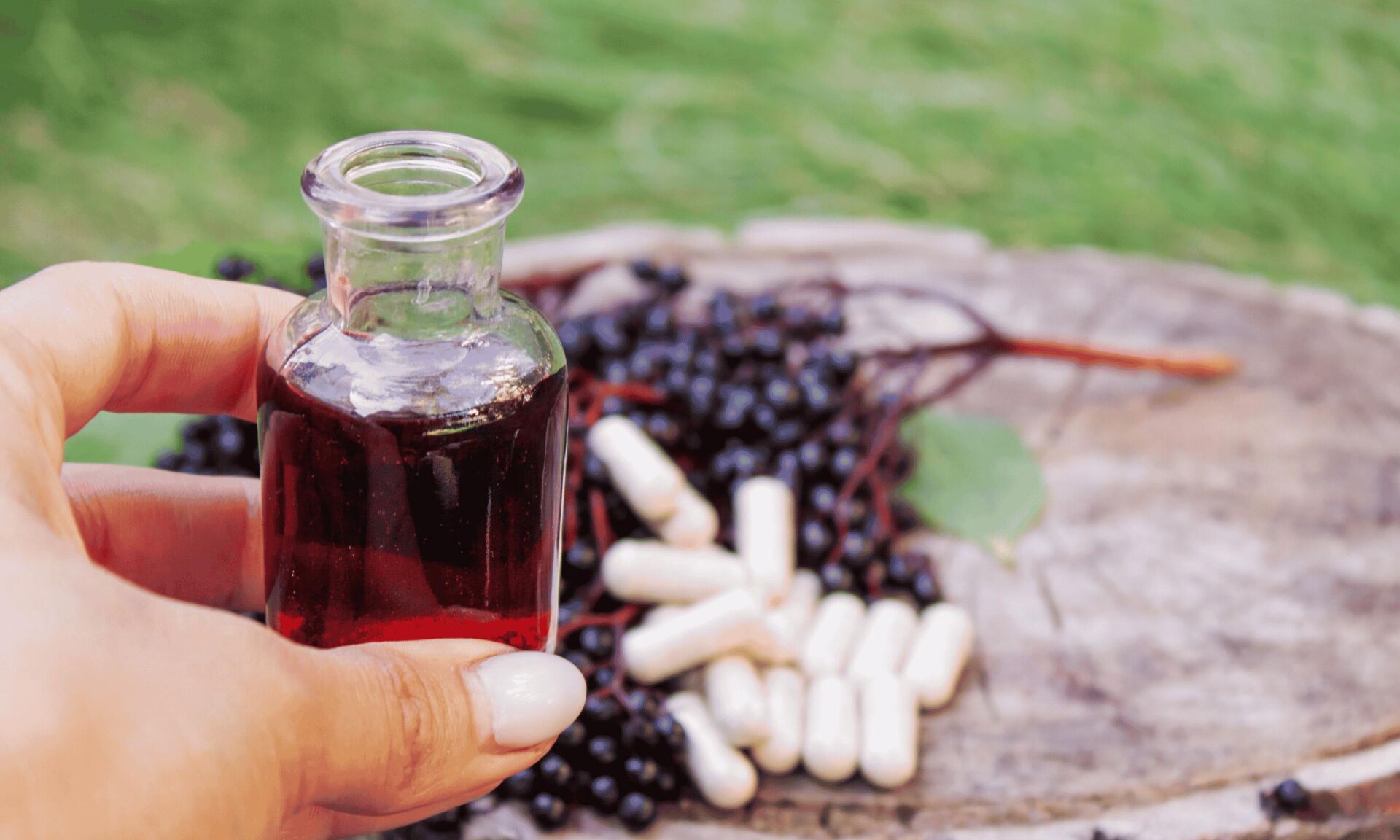
Elderberry syrup helps your body fight infections, especially viral ones. Studies show elderberry eases flu symptoms several days faster than doing nothing.
People keep elderberry syrup in the fridge and take it at the first sign of illness.
Elderberry is one of those remedies grandmothers kept in the cupboard and reached for at the first sniffle. The dark purple syrup that tasted sweet but worked fast. You didn’t question it. You just took it and felt better.
The problem with most store-bought elderberry is you don’t know where the berries came from or how they were processed. Elderberry Tincture uses organic, wild-harvested elderberries from clean sources, extracted properly to preserve the compounds that studies show work fast—but only if you catch it early.
At the first sign of illness, a few drops under the tongue. That’s it. Get it here.
Echinacea: The Cold Preventer
Echinacea reduces the number and duration of colds. Large trials show it works without added side effects.
Take echinacea at the first sniffle. Use it for a week or two when you’re fighting something off, not continuously year-round.
Uva Ursi (Bearberry): For Urinary Tract Infections
Uva ursi is traditionally used for bladder and urinary tract infections. A German trial found women with simple UTIs who took bearberry extract needed far fewer antibiotic courses compared to those who went straight to antibiotics.
It’s not a magic bullet. Some women still needed antibiotics eventually. But it can delay or reduce antibiotic use in mild cases.
When to Use Nature’s Remedies
These herbs work best in gentler scenarios: early or mild infections, or as preventive support.
For sore throats and coughs: Gargle with salt water, honey, and lemon. Take elderberry syrup or echinacea. Sip hot ginger tea with honey.
For skin cuts or wounds: Apply raw honey or aloe vera gel to keep bacteria away while you heal.
For prevention during cold season: Eat more garlic in your cooking. Add turmeric to your meals. Take elderberry or echinacea daily.
For early UTI symptoms: Try bearberry extract or cranberry supplements. Drink lots of water.
For general immune support: Keep your defenses strong with garlic, ginger, turmeric, and medicinal mushrooms in your daily routine.
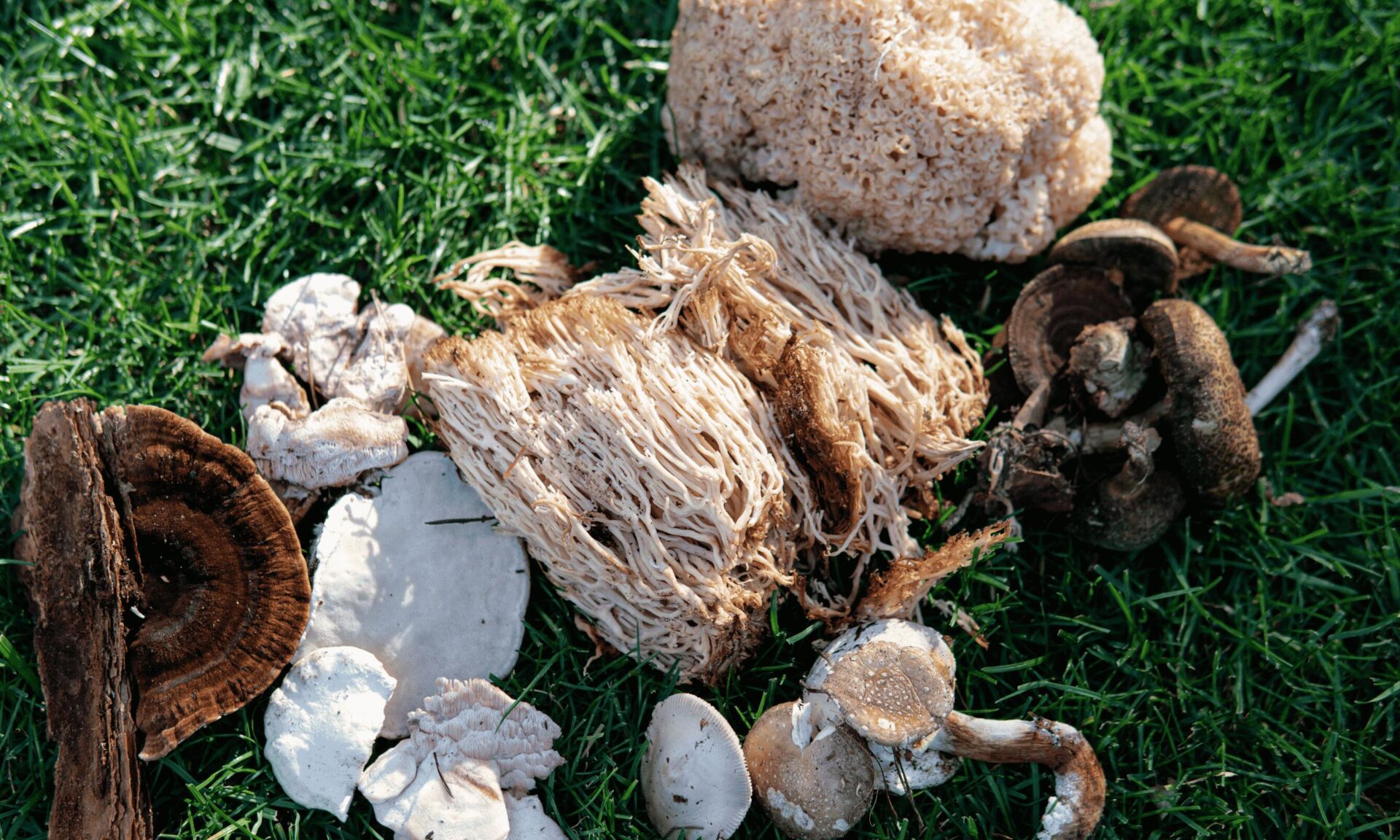
Medicinal mushrooms are some of the most powerful immune modulators in nature. Turkey Tail is so effective it’s used in Japanese hospitals as part of cancer therapy. Reishihas been called the “mushroom of immortality” for its ability to strengthen immunity and reduce inflammation. Cordycepssupports lung function and helps your body fight off respiratory infections.
These three work synergistically. Turkey Tail activates your immune response. Reishi calms excessive inflammation. Cordyceps strengthens your lungs and energy. Together, they create a complete immune defense. If you want to stockpile some, you can get them separately or as a bundle here.
Herbs Can Work Alongside Antibiotics
Plant remedies work on their own or alongside antibiotics. Studies show garlic extract makes antibiotics more effective, and women with UTIs who used bearberry extract needed fewer antibiotic courses than those who went straight to antibiotics.
Simple diet tweaks help too. More garlic in your cooking. Turmeric in your milk. Oregano on your food. These raise your body’s defenses naturally.
Think of Herbs as Allies
Many herbs and foods have real antimicrobial and immune-modulating properties. Think of them as reliable friends in your pantry.
Garlic and ginger are your front-line defenders. Turmeric and oregano are heavy artillery in spice form. Echinacea and elderberry are your immune system’s cheerleaders.
Modern research is catching up with tradition. Scientists tested oak bark and poplar leaf extracts (from Civil War medicinal lore) and found they could inhibit drug-resistant wound bacteria in the lab.
That’s proof that nature’s old remedies often have a scientific basis.
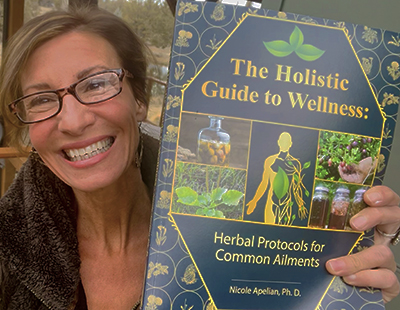
If you want to go beyond just using herbs and actually learn how to identify them in the wild, harvest them properly, and make your own tinctures, salves, and remedies from scratch, Nicole teaches this hands-on in her videos.
You’ll learn how to find the most powerful medicinal plants growing in your area, how to tell them apart from lookalikes, and how to extract their healing compounds the right way. The same way your grandmother would have taught you. Discover more here.
Practical Steps When You Feel Under the Weather
If you feel something coming on, try these easy steps. They’re low-risk and might keep antibiotics at bay. Stay hydrated. Rest. Reach for garlic-rich soup or ginger tea.
Consider daily echinacea tincture or elderberry syrup during cold season. Rub honey on that scratch or dab with aloe vera gel.
You’re giving nature’s remedies a chance. And if you need antibiotics later, you’ll be taking them smarter and maybe less often.
Herbs help. But they’re just one piece of immune support. Your body needs the right foods, sleep patterns, stress management, movement, and nutrient balance to keep infections at bay before they start.
Nicole’s wellness guide has complete immune-strengthening protocols that go beyond herbs. It tells you what to eat (and what to avoid), which supplements actually work, how to support your gut where 70% of immunity lives, stress-relief practices that lower cortisol, and daily routines that keep your defenses strong so you don’t need antibiotics in the first place.
This is the protocol approach that helped Nicole manage MS for over 20 years without medication. Get it here for 70% off.
The Bottom Line
Antibiotic resistance is real. Bacteria are outsmarting our drugs.
But nature has been fighting infections for millions of years. The plants that survived developed powerful antimicrobial compounds to protect themselves.
We can use those same compounds to protect ourselves. These herbs are meant to support wellness, not replace a doctor’s judgment.
Garlic, ginger, turmeric, oregano, honey, elderberry, echinacea. These aren’t expensive. They’re not hard to find. They’re sitting in your kitchen or growing in your garden.
Use them wisely. Use them early. Use them often.
And when you really need antibiotics, you’ll be using them from a position of strength, not desperation.
We use cookies to ensure that we give you the best experience on our website. If you continue to use this site, we will assume that you are happy with it.
Functional Always active
The technical storage or access is strictly necessary for the legitimate purpose of enabling the use of a specific service explicitly requested by the subscriber or user, or for the sole purpose of carrying out the transmission of a communication over an electronic communications network.
Preferences
The technical storage or access is necessary for the legitimate purpose of storing preferences that are not requested by the subscriber or user.
Statistics
The technical storage or access that is used exclusively for statistical purposes.The technical storage or access that is used exclusively for anonymous statistical purposes. Without a subpoena, voluntary compliance on the part of your Internet Service Provider, or additional records from a third party, information stored or retrieved for this purpose alone cannot usually be used to identify you.
Marketing
The technical storage or access is required to create user profiles to send advertising, or to track the user on a website or across several websites for similar marketing purposes.






Thank you for this well written – well rounded – thorough (for the length of the piece) and seemingly accurate article ~ Robert Greenwood ~
Cheers