

Why Your Body Stops Absorbing Nutrients After 50
You eat the same healthy meals you’ve always eaten. Plenty of vegetables. Good protein. Whole grains. You take your vitamins.
But something feels off.
You’re tired in a bone-deep way that sleep doesn’t fix. Your nails are brittle. Your hair is thinning more than it should. You feel foggy, forgetful, weaker than you used to be. Your muscles don’t respond to exercise the way they once did.
Your doctor runs tests. “Everything looks normal,” they say. Or maybe they find low B12, low iron, low vitamin D—and they can’t quite explain why.
Here’s what’s often happening: your body isn’t absorbing nutrients the way it used to.
Not because you’re doing anything wrong. Not because you’re eating poorly. But because after 50, digestion becomes less efficient in ways most people never see coming.
Let me show you what’s changing, why it matters, and the food-first and herbal supports that may actually help.
What Really Changes After 50
Turning 50 doesn’t mean your body gives up on nourishment. It means your margin for error gets smaller.
A little less stomach acid. A little slower digestion. A few more medications. A little less resilient gut lining. And suddenly the same meals that once fueled you beautifully now leave you bloated, tired, foggy, or oddly unsatisfied—like your body isn’t getting the message.
Related: How to Cook Spring Nettles
That feeling is real. And it’s not hopeless.
Your Stomach Produces Less Acid
One of the biggest shifts happens in your stomach. Many older adults produce less stomach acid, and atrophic gastritis (inflammation that damages acid-producing cells) becomes more common with age.
Why does this matter? Vitamin B12 from food must first be released from protein by stomach acid before it can be absorbed further down your digestive tract.
When stomach acid drops, that first critical step fails. B12 stays locked in the protein you ate and passes right through without being absorbed.
Also Read: Dandelion Lemonade for Gallbladder Health
This is why B12 deficiency is so common after 50, and why it masquerades as “just getting older” with symptoms like crushing fatigue, weakness and shakiness, numbness or tingling in hands and feet, poor memory and brain fog, and balance problems.
Acid-blocking medications (PPIs like omeprazole, or H2 blockers) make this worse. So does metformin, a common diabetes drug.
Related: How to Use Onions for Hair Growth
Certain everyday foods and habits are quietly slowing down your digestion and stomach acid production even further. Click here to see which common foods make nutrient absorption worse after 50.
Your Stomach Empties More Slowly
Food sits in your stomach longer with age. Mixing becomes less efficient. Meals that once felt normal now bring:
- Early fullness (you can’t finish a normal-sized meal)
- Heaviness and bloating
- Reflux or heartburn
- Nausea after eating
This slower gastric emptying means nutrients spend less time in the optimal absorption zone of your small intestine.
Your Digestive Enzymes Decline
Some older adults develop reduced pancreatic enzyme output. Your pancreas makes enzymes that break down proteins, fats, and carbohydrates. When enzyme production drops, you can’t fully digest what you eat.
Signs of pancreatic insufficiency include greasy, foul-smelling stools, diarrhea, bloating, and unexplained weight loss. This needs medical attention—it’s not something herbs can fix.
Bile production and gallbladder function also shift with age. This is why richer, fattier meals can feel less forgiving than they used to.
Your Gut Microbiome Changes
Aging is associated with shifts in gut bacteria, usually toward less diversity and more inflammatory species. Research also shows age-related weakening of the intestinal barrier.
This doesn’t mean everyone develops “leaky gut.” But it does mean the terrain becomes more inflamed, less resilient and less efficient at processing food.
When this happens alongside slower motility or a restricted diet, nutrient deficiencies become easier to develop and harder to notice until your body waves a bigger red flag.
Related: Why Put Onions in Your Socks Before Sleeping
Your Medications Interfere
Proton-pump inhibitors and H2 blockers reduce B12 absorption by lowering stomach acid. Metformin interferes with B12 absorption in the intestines.
Some nutrient issues blamed on “aging” are actually age + prescriptions + time.
That’s an important distinction. It means a thoughtful medication review with your doctor can be just as valuable as a shelf full of supplements.
The Nutrients Most Affected
Vitamin B12 – Absorption from food depends on stomach acid. Deficiency is extremely common after 50.
Calcium – Vitamin D drives calcium absorption, and calcium carbonate (the form in many supplements) absorbs poorly with low stomach acid. Calcium citrate is better tolerated.
Iron – Atrophic gastritis and low stomach acid impair iron absorption. Iron deficiency causes fatigue, weakness, and anemia.
That’s exactly why I daily take nettle tincture. I drink coffee (a lot of it), and coffee actually depletes iron over time. Nettle is one of the richest plant sources of absorbable iron, so a few drops daily keeps my levels up without having to take synthetic iron supplements that wreck my stomach.
Protein – Older adults absorb amino acids from meals more slowly, and muscles become less responsive to them. This accelerates age-related muscle loss.
Vitamin D – Deficiency is common after 50, but usually not because of poor gut absorption. The bigger culprits are reduced skin production (you make less vitamin D from sun exposure as you age), lower dietary intake, and fat malabsorption when present.
You can actually get vitamins from plants, if you know which plants to look for and how to use them properly.
I could list a few here, but what happens when this article isn’t in front of you and you need to know which plant does what? That’s why hundreds of thousands of people have grabbed Nicole Apelian’s most popular book. The Lost Book of Herbal Remedies I and II.
The complete plant identification guides with over 1000 medicinal plants, what they look like, what nutrients they contain, and how to use them safely.
What Actually Helps: Food and Herbs That May Support Digestion
Let’s be honest upfront: herbs won’t magically reverse nutrient malabsorption. They won’t cure atrophic gastritis or replace pancreatic enzymes.
But some may help support digestive function, ease symptoms, and create a better environment for nutrient absorption.
Ginger: The Best Evidence
For sluggish digestion and slow gastric emptying, ginger has the cleanest human evidence.
Studies show ginger can speed gastric emptying and increase stomach contractions in both healthy adults and people with functional dyspepsia (chronic indigestion). It helps food move through at a better pace.
How to use: Take 1-1.2 grams of powdered ginger in capsules, or drink strong fresh ginger tea, 10-15 minutes before your heaviest meal of the day.
Dandelion Root: Traditional Bitter, Limited Evidence
Dandelion root has been used traditionally to stimulate appetite, ease indigestion, and support bile flow. It’s a gentle bitter herb.
But here’s the truth: direct human evidence that it improves nutrient absorption is limited. It may help some people feel less full and bloated, but don’t expect miracles.
How to use: Dandelion root tea or tincture before meals. Dosing varies widely by product.
You can absolutely make your own dandelion root tincture at home if you have access to clean dandelion roots and the time to extract them properly (usually 4-6 weeks in alcohol).
But if you want something ready to use right now, Nicole’s dandelion root & milk thistle tincture, two herbs that work together to support bile flow and liver function. This is the one I keep on my shelf for after heavy meals when my digestion feels sluggish and my liver needs support.
It’s already extracted, concentrated, and ready to go. Check it out here. 
Artichoke Leaf: For Fullness and Bloating
Artichoke leaf has actual human trial data for dyspepsia (indigestion) and has been traditionally used for fullness, bloating, and sluggish digestion.
It may support bile flow and help your body handle fats more comfortably.
How to use: Artichoke tea (3-6 grams of dried leaf daily) or standardized extract (400-1800mg daily, depending on product). Take before meals.
Marshmallow Root and Slippery Elm: For Irritated Digestion
These demulcent herbs don’t fix B12 or iron malabsorption. But they may calm irritated stomach and intestinal lining so food can pass more comfortably.
If your digestion feels raw, burning, or overly sensitive, these soothing herbs might help.
How to make it at home:
Marshmallow root: Steep 3-5 grams in cold water (not hot, cold water pulls out the mucilage better) for several hours. Drink 1-3 times daily.
Slippery elm: Mix 1-2 tablespoons powder in warm water to make a soothing gruel. Take between meals.
However, if you don’t have the time, the tools, or the place where you can source your ingredients from, you can purchase the ready-made gut blend with the same ingredients above.
It’s made by one of America’s top herbalists, and all the herbs in it are either wild-harvested or organically grown, which not a lot of supplements can claim! Get it here.
This gut-soothing blend might just become one of the most sought-after remedies once a crisis strikes, pharmacies get looted, and hospitals are overcrowded. 
Prebiotic Foods: Feed Your Good Bacteria
Some of the most powerful “herbs” are actually foods.
Prebiotic roots and vegetables feed beneficial gut bacteria. Research shows prebiotic inulin-type fibers improved calcium absorption in postmenopausal women.
Best sources:
- Chicory root
- Jerusalem artichoke
- Onions, leeks, garlic
- Dandelion greens
- Asparagus
How to use: Start small. Add a little to meals gradually. Your gut needs time to adapt or you’ll end up with gas and bloating.
Also, there’s a plant that contains rare prebiotic fiber. This fiber helps the good bacteria in your gut flourish, creating a healthy bowel movement naturally.
That means you’re more protected against leaky gut, you’ll eliminate intestinal parasites faster, and it’s easier to prevent the growth of bowel and colon polyps.
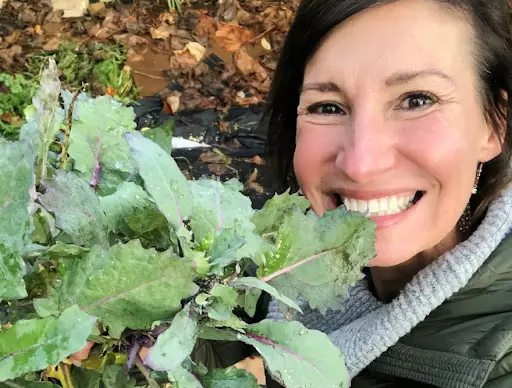 Nicole shows you the exact plant in this video. You can see it up close, what it looks like, where it grows, how to harvest it, and how much to eat.
She also shows you the 2-herb combination that unblocks your bowels instantly (works like Drano for clogged sinks), and the herb you add to your morning coffee, just 3 to 5 leaves, to empty your bowels effortlessly each morning.
You learn by doing, the way your grandmother would have taught you.
Click here to see which plant fertilizes your gut, and learn how to use it properly.
Fermented Foods: Rebuild Microbiome Diversity
Fermented foods don’t cure malabsorption. But controlled human studies show they increase microbiome diversity and lower inflammatory markers.
Best options:
- Sauerkraut
- Kimchi
- Live-culture yogurt or kefir
- Fermented pickles (not vinegar pickles)
How to use: Start with a forkful of sauerkraut or a few spoonfuls of yogurt daily. Increase slowly. Your gut bacteria will thank you for the gradual approach.
If you don’t know how to make sauerkraut (which is honestly one of the simplest fermented foods), click here for the step-by-step recipe. 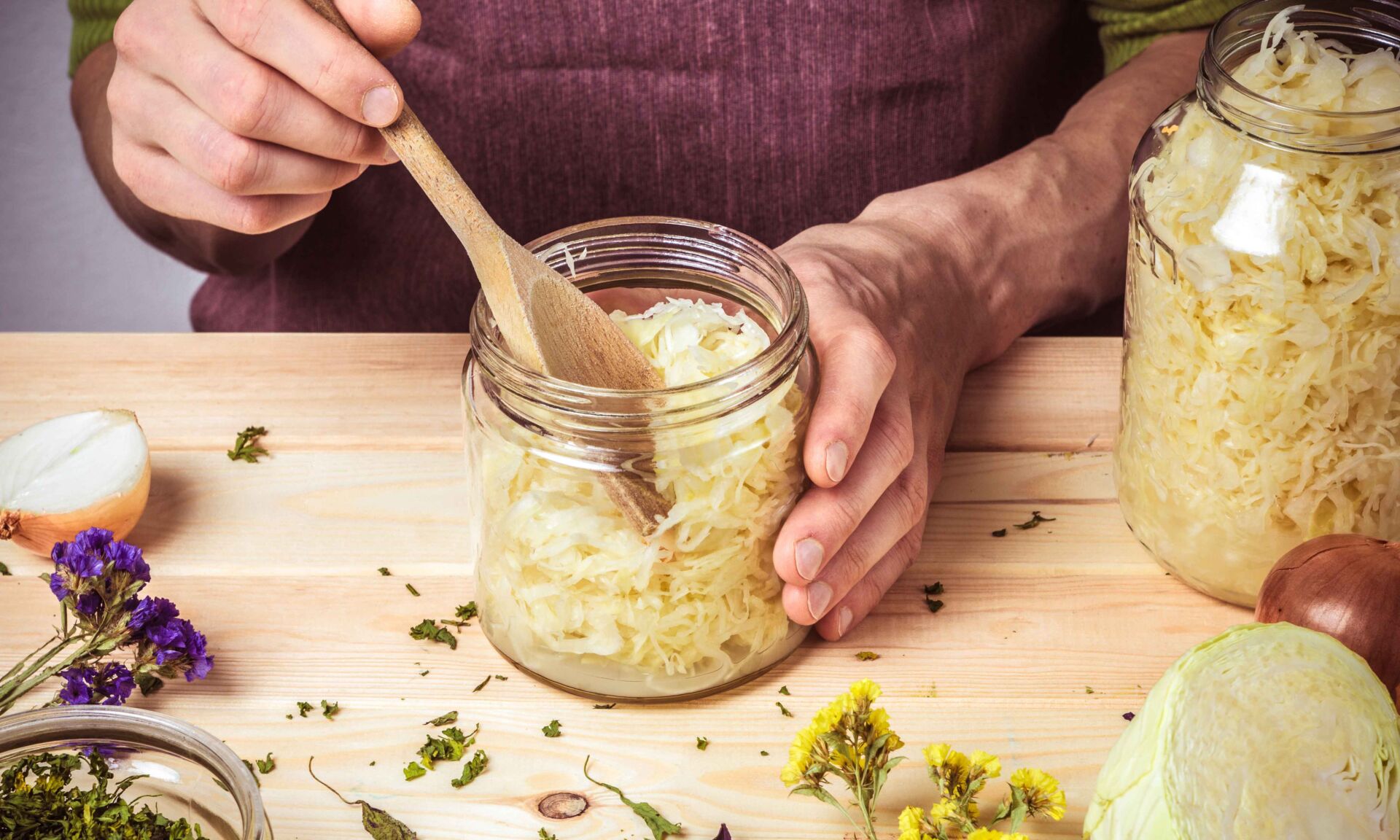
A Practical Protocol That Makes Sense
Here’s a sensible approach:
Before your main meal (10-15 minutes): Take ginger capsules or drink ginger tea. Or try a gentle bitter like dandelion root tea or artichoke extract.
During meals: Eat protein deliberately. Chew thoroughly. Don’t rush. Your digestion needs more time and attention now.
Daily: Include small servings of fermented foods and prebiotic vegetables.
As needed: Use marshmallow root or slippery elm on days when your gut feels irritated, raw, or sensitive.
Get tested: If you take acid blockers, metformin, or have symptoms like fatigue, tingling, brittle nails, bone loss, or unexplained weakness, ask your doctor to check B12, iron, and vitamin D levels. Don’t guess.
This is the very short version. If you want a way more comprehensive protocol, the kind that tells you exactly what to take, when to take it, what foods support it, and how long to follow it, Dr. Nicole Apelian has a complete Leaky Gut Protocol that addresses everything we just talked about.
Nicole has managed her MS for over 20 years without pharmaceuticals using herbal remedies and well-researched protocols like this one. The Leaky Gut Protocol walks you through:
- Supporting your intestinal barrier naturally
- Rebuilding microbiome diversity
- Addressing food sensitivities that trigger inflammation
- Supporting digestion and nutrient absorption
- Reducing gut inflammation that blocks nutrient uptake
She also includes protocols for IBS, Constipation, Acid Reflux, and Bloating, all the digestive issues that make nutrient absorption worse as you age.
Each protocol has a daily action plan, morning, afternoon, and evening, so you’re never guessing what to do next. Click here to see Nicole’s story and what’s inside.
The Honest Truth About “Fixing” Absorption
You can’t turn back the clock. Your stomach won’t suddenly produce more acid. Your pancreas won’t magically make more enzymes.
But you can:
- Support what’s still working
- Reduce symptoms that make eating uncomfortable
- Create a better environment for nutrient absorption
- Work with your doctor to address medication-related deficiencies
- Choose supplement forms that bypass the need for stomach acid (like methylcobalamin B12 or calcium citrate)
Herbs aren’t magic. They’re support. And sometimes, support is exactly what your body has been asking for.
You may also like: 
The ‘Nerve Oil’ You Should Use For Shaky Hands
Restoring Your Gut Health Helps With Nutrient Absorption (See Which Remedies Help)

This article says “Nicole shows you the exact plant in this video. You can see it up close, what it looks like, where it grows, how to harvest it, and how much to eat.
She also shows you the 2-herb combination that unblocks your bowels instantly (works like Drano for clogged sinks), and the herb you add to your morning coffee, just 3 to 5 leaves, to empty your bowels effortlessly each morning.” No such information in the video.