Zepbound is the brand name for tirzepatide, a prescription injectable medication that activates two hormonal pathways in the body: GLP-1 (glucagon-like peptide-1) and GIP (glucose-dependent insulinotropic polypeptide). These pathways regulate appetite signaling, slow gastric emptying, improve insulin sensitivity, and influence how the body stores and uses energy. The drug has shown significant weight-loss results in clinical trials, which has driven substantial interest in whether any natural foods, herbs, or compounds work on similar mechanisms.
The honest answer is that nothing in the natural world replicates pharmaceutical-grade tirzepatide. The drug is engineered to bind to specific receptors with a precision that plants simply do not match. However, several well-researched herbs and whole foods do interact with the same underlying hormonal and metabolic pathways in meaningful, documented ways. This article explores those natural options, explains what the research actually shows, and offers practical ways to incorporate them.
Understanding the Pathways Zepbound Targets
To understand what natural compounds might support, it helps to briefly understand what tirzepatide does. GLP-1 is a hormone produced in the gut after eating. It signals the pancreas to release insulin, tells the brain that the stomach is full, and slows the rate at which food empties from the stomach. GIP works alongside GLP-1 to improve insulin response and may play a role in how fat tissue is regulated. Tirzepatide acts as an agonist for both receptors simultaneously, which is what distinguishes it from earlier GLP-1-only drugs.
Natural strategies that may support these pathways generally fall into a few categories: compounds that stimulate GLP-1 secretion from gut cells, compounds that slow gastric emptying or reduce post-meal blood sugar spikes, adaptogens that improve insulin sensitivity, and anti-inflammatory herbs that reduce the low-grade chronic inflammation associated with metabolic dysfunction. The National Institute of Diabetes and Digestive and Kidney Diseases notes that improving insulin sensitivity is a central goal in managing the metabolic conditions that drive weight gain, and several plant-based compounds have been studied for exactly this effect.
Berberine: The Most Studied Natural Metabolic Compound
Berberine is an alkaloid found in several plants including goldenseal (Hydrastis canadensis), barberry (Berberis vulgaris), and Oregon grape (Mahonia aquifolium). It is the most extensively studied natural compound for metabolic support, and its mechanisms overlap meaningfully with the pathways that Zepbound targets.
Berberine activates AMPK (AMP-activated protein kinase), an enzyme often described as the body’s metabolic master switch. AMPK activation improves glucose uptake, reduces hepatic glucose production, and enhances insulin sensitivity. Separately, berberine has been shown in some studies to increase GLP-1 secretion from intestinal L-cells, the same cells that produce the hormone tirzepatide mimics.
A 2012 meta-analysis published in the journal Evidence-Based Complementary and Alternative Medicine reviewed multiple randomized controlled trials and found berberine significantly reduced fasting blood glucose, postprandial blood glucose, and HbA1c in people with type 2 diabetes, with effects comparable to metformin in some studies. Effects on weight were modest and variable.
Typical doses in research have ranged from 900 mg to 1,500 mg per day, divided into two or three doses taken with meals. Berberine can interact with medications including blood sugar lowering drugs, cyclosporine, and certain antibiotics. It is not recommended during pregnancy or breastfeeding. Anyone on prescription medication should consult a healthcare provider before using berberine.
Bitter Melon (Momordica charantia): A GLP-1 Influencing Food
Bitter melon is a tropical fruit used medicinally across Ayurvedic, Chinese, and Caribbean herbal traditions. It contains several bioactive compounds including charantin, vicine, and polypeptide-p, all of which have demonstrated hypoglycemic activity in laboratory and animal studies.
Of particular relevance here, a study published in the Journal of Nutritional Biochemistry found that bitter melon extract increased GLP-1 secretion in intestinal cell lines and improved glucose tolerance in animal models. Human clinical evidence remains limited and mixed, with some trials showing modest blood sugar improvements and others showing no significant effect.
Bitter melon is most commonly prepared as a juice (30 to 60 ml per day in traditional use), eaten as a cooked vegetable, or taken as a standardized extract. It has a strongly bitter flavor that many people find challenging. People with G6PD deficiency should avoid it, as it may trigger hemolytic anemia. It can potentiate the effects of blood sugar medications, increasing the risk of hypoglycemia if not monitored.
Fenugreek (Trigonella foenum-graecum): Slowing Digestion and Improving Satiety
Fenugreek seeds are rich in soluble fiber, particularly galactomannan, a viscous fiber that slows gastric emptying and blunts post-meal blood sugar spikes. This mechanism is directly relevant to one of the key effects of GLP-1 receptor activation: delaying how quickly food leaves the stomach, which extends the feeling of fullness and reduces caloric intake over time.
A randomized controlled trial published in Phytotherapy Research found that 10 grams of fenugreek seed powder added to meals significantly reduced postprandial blood glucose levels in people with type 2 diabetes. Separate research has shown reductions in appetite and caloric intake when fenugreek fiber is consumed before meals.
Fenugreek can be incorporated practically by adding whole seeds or ground powder to cooking. One to two teaspoons of ground fenugreek per day is a commonly used culinary and therapeutic amount. Seeds can be soaked overnight and eaten, or brewed into a tea. Fenugreek is generally well tolerated but can cause gastrointestinal discomfort at higher doses. It may interact with anticoagulant medications and should be avoided in pregnancy due to potential uterine-stimulating effects.
Gymnema Sylvestre: The Sugar Destroyer Herb
Gymnema sylvestre is a woody climbing plant native to tropical forests in India, Africa, and Australia. Its traditional use in Ayurvedic medicine for managing blood sugar has attracted significant research attention. The herb’s active compounds, gymnemic acids, work by two distinct mechanisms: they temporarily block sweet taste receptors on the tongue, reducing the sensory reward of eating sugar, and they inhibit glucose absorption in the intestine.
Research published in the Journal of Ethnopharmacology found that Gymnema sylvestre leaf extract reduced fasting and postprandial blood glucose in people with type 2 diabetes and reduced the amount of insulin required, suggesting improved pancreatic function and insulin sensitivity. Some animal research has indicated effects on GLP-1 levels, though robust human evidence for this specific pathway is still developing.
Standard doses in research have ranged from 200 mg to 400 mg of standardized extract per day. Gymnema should not be combined with diabetes medications without medical supervision, as it may produce additive blood sugar lowering effects. People with maple syrup urine disease should avoid it.
A Practical Daily Herbal Metabolic Support Recipe
The following recipe is designed to incorporate several of the ingredients discussed above into a manageable daily routine. It is not a pharmaceutical intervention, and results will vary widely depending on diet, activity level, and individual metabolic health. This is one way to use evidence-informed natural ingredients together as part of a broader wellness approach.
Optional: small amount of raw honey to offset bitterness
Method:
Bring water to a warm (not boiling) temperature.
Add fenugreek, cinnamon, and ginger directly to the water or tea.
Stir well, then add apple cider vinegar.
Drink 15 to 20 minutes before your largest meal of the day.
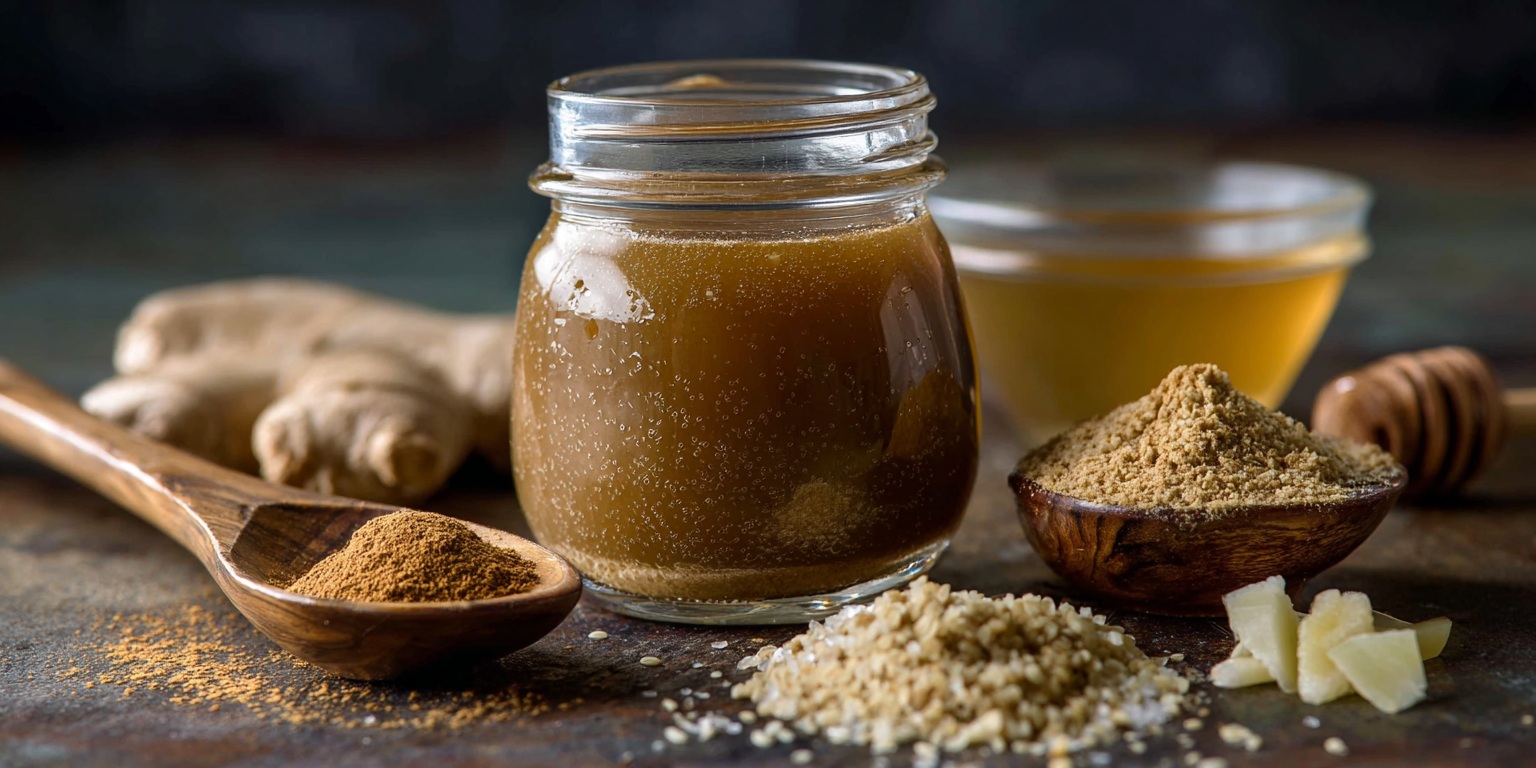
The rationale behind each ingredient in this tonic: fenugreek fiber slows gastric emptying, cinnamon has been studied for its effects on insulin sensitivity, ginger has demonstrated GLP-1 stimulating activity in some research, and apple cider vinegar (acetic acid) has shown modest effects on post-meal blood sugar in several small clinical trials. None of these replace a balanced diet or prescribed medication, but used consistently alongside dietary changes, they represent a researched-backed approach to metabolic support.
Adding Berberine as a Supplement
For those who want to go beyond the culinary tonic, berberine is the natural compound with the most robust evidence for metabolic support. A practical protocol based on research dosages would be 500 mg taken with breakfast and 500 mg taken with dinner, totaling 1,000 mg daily. Some studies have used up to 1,500 mg per day, divided into three doses.
Berberine should be cycled in many practitioners’ experience, commonly used for 8 to 12 weeks followed by a break of 4 weeks, though this cycling protocol is based on clinical observation rather than definitive trial evidence. It should not be combined with tirzepatide, metformin, or other glucose-lowering agents without direct physician oversight.
The National Institutes of Health Office of Dietary Supplements maintains a comprehensive database of dietary supplement research. Reviewing the available evidence for any supplement before adding it to a health regimen is a sound practice, and that database is a reliable starting point.
What to Realistically Expect from Natural Approaches
Managing expectations here is important. Tirzepatide in clinical trials produced an average weight loss of approximately 15 to 20 percent of body weight over 72 weeks when combined with lifestyle changes, according to results published in the New England Journal of Medicine. No natural compound or recipe produces effects of this magnitude.
What natural approaches can realistically support: modest improvements in fasting and post-meal blood sugar, mild reductions in appetite when taken consistently before meals, and gradual improvements in insulin sensitivity over weeks and months. These effects are meaningful for metabolic health but are not equivalent to pharmaceutical intervention.
They are best understood as a complement to diet and lifestyle changes, not as a replacement for either prescription treatment or the fundamental work of improving food quality, sleep, stress management, and physical activity.
Safety Considerations and Contraindications
Before starting any herbal protocol for blood sugar or weight management, the following safety points apply:
Do not combine multiple blood-sugar-lowering herbs with prescription diabetes medications without medical oversight. Additive hypoglycemic effects can be dangerous.
Berberine should not be used during pregnancy or breastfeeding.
Fenugreek should be avoided during pregnancy due to potential uterine-stimulating effects.
Bitter melon is contraindicated in G6PD deficiency.
People with liver disease should use caution with berberine and consult a physician before use.
If you have been diagnosed with diabetes or any metabolic condition, work with your healthcare provider before introducing any of these supplements, as they may require medication adjustment.
If you are currently taking Zepbound or any GLP-1 based medication, do not add herbal metabolic supplements without your prescribing physician’s knowledge and approval.
Natural herbs and whole foods offer genuine, researched support for the metabolic pathways involved in appetite regulation and blood sugar control. They work differently, more slowly, and less powerfully than pharmaceutical options, but for many people they are a meaningful part of a holistic approach to metabolic health. Use them thoughtfully, dose conservatively, and treat any significant health goal with the professional support it deserves.
We use cookies to ensure that we give you the best experience on our website. If you continue to use this site, we will assume that you are happy with it.
Functional Always active
The technical storage or access is strictly necessary for the legitimate purpose of enabling the use of a specific service explicitly requested by the subscriber or user, or for the sole purpose of carrying out the transmission of a communication over an electronic communications network.
Preferences
The technical storage or access is necessary for the legitimate purpose of storing preferences that are not requested by the subscriber or user.
Statistics
The technical storage or access that is used exclusively for statistical purposes.The technical storage or access that is used exclusively for anonymous statistical purposes. Without a subpoena, voluntary compliance on the part of your Internet Service Provider, or additional records from a third party, information stored or retrieved for this purpose alone cannot usually be used to identify you.
Marketing
The technical storage or access is required to create user profiles to send advertising, or to track the user on a website or across several websites for similar marketing purposes.