
Why I Stopped Buying Collagen
For a while, I genuinely believed collagen powder was one of those little things I should be taking.
You know the promises: smoother skin, stronger nails, healthier joints, fewer wrinkles. Just add a scoop to your coffee and supposedly your body starts rebuilding itself from the inside out.
It sounds almost too easy.
And that was exactly what made me stop and look closer.
I didn’t stop believing in collagen completely. I stopped buying it blindly. Once I looked past the polished labels, I realized that many products promise far more than they can realistically deliver.
The good news is that collagen powder is not your only option. Certain foods and herbs may help support the very things people buy collagen for in the first place, including joint comfort, skin health, and the nutrients your body uses to make collagen naturally.
Related: Indian Tobacco
Keep reading, because I’ll show you which herbal options may actually deserve a place in your daily routine, and what I now look for when I do choose a collagen supplement.
Your Body Doesn’t Send Collagen Straight to Your Wrinkles
When you swallow collagen, your body doesn’t carry it directly to your skin, knees, hair, or nails.
First, your digestive system breaks it down into smaller peptides and amino acids, just as it does with other proteins. Your body then decides where those building blocks are needed.
That doesn’t mean collagen supplements can never help. Some small trials have reported improvements in skin moisture, elasticity, and the appearance of wrinkles.
The problem is that many of those products also contained vitamins, minerals, antioxidants, hyaluronic acid, coenzyme Q10, or other ingredients. That makes it difficult to know how much of the result came from the collagen itself.
Related: How to Make Penicillin Soup
Hair and nail promises are even less convincing.
One small study involving people with brittle nails reported improvements after collagen use, but it had no placebo group. Evidence for thicker, shinier, or faster-growing hair is still extremely limited.
So when a product promises that one scoop will transform your skin, hair, nails, and joints, it may be selling you a much simpler story than your body actually follows.
Hibiscus is sometimes nicknamed the “Botox plant” because herbalists love using it in age-supporting skin preparations, and it shows a lot of promise in boosting hyaluronic acid. When combined with rosehip oil, another plant nicknamed sometimes “collagen-booster”, it makes a rich botanical body butter that can leave mature skin feeling softer, smoother, and deeply nourished. Keep reading for the full recipe.
You might want to learn about Nature’s Candy: Jujube
Speaking of natural alternatives to Botox—there’s a recipe called Better Than Botox that’s renowned for reducing the appearance of fine lines and wrinkles without the use of synthetic chemicals.
Its natural ingredients help moisturize, soften, and temporarily improve the appearance of dry, tired-looking skin, without needles.
If you’d love smoother, fresher-looking skin that may help you appear years younger without needles or harsh chemicals, click here to see the full Better Than Botox recipe.


The Joint Benefits Are More Promising, But Still Not Magic
Collagen appears more encouraging when it comes to osteoarthritis and joint health.
Some reviews have found modest reductions in pain and stiffness, while others suggest collagen may support cartilage. That matters if getting out of bed, walking downstairs, gardening, or opening a stubborn jar has started to feel more difficult than it once did.
But the evidence still has limitations.
Many trials are small, some are funded by supplement manufacturers, and results vary between products. The supplement on your kitchen counter may not contain the same type, dose, or formulation used in a positive clinical trial.
Related: This is How Grandma Made Painkillers
That was the turning point for me.
I realized I did not need to give up on collagen completely. I needed to stop treating every collagen product as if it were interchangeable.
The problem was not necessarily collagen itself. It was that I had been buying products without knowing enough about their source, formulation, dose, or quality.
You May Not Know Exactly What You’re Buying
Dietary supplements do not go through the same premarket approval process as prescription drugs.
Manufacturers are responsible for the safety and labeling of their products, but the FDA does not test every collagen powder for effectiveness before it reaches the shelf.
Some collagen products also lack clear ingredient information or independent third-party testing. Marine collagen deserves extra attention because poorly sourced seafood ingredients may carry a risk of contamination with substances such as mercury.
This does not mean every collagen supplement is contaminated. Independent testing has found that many products contain what their labels claim.
Related: What Happens When You Pour Milk Over Garlic?
Still, I began asking myself a simple question:
Why was I spending so much money on a processed powder when my body already knows how to build collagen—provided I give it the right materials?
Here’s the reality: What I’m about to share comes from the only wellness resource I truly trust—written not by a copywriter, but by herbalist Nicole Apelian, who survived excruciating pain from MS and managed it completely through holistic protocols.
Inside The Holistic Guide to Wellness, she reveals her complete Anti-Aging Protocol, the exact foods that rebuild collagen (and the common ones that destroy it), the remedies she makes at home, and a day-by-day action plan so you’re never guessing what to do next.
Nicole shares every piece of information you need in a free video that breaks down how these protocols actually work. Click here to watch it and discover what’s really possible when you address the root cause instead of just managing symptoms. 
I Didn’t Give Up on Collagen, I Became Pickier
Not all collagen products are the same. They can differ in source, collagen type, dose, added ingredients, and quality testing.
Now, I look past the front label. I want clear sourcing, a transparent formula, a meaningful serving size, and credible testing information.
That does not guarantee dramatic results. But it gives you a better chance of choosing a product based on substance rather than promises.
Below, I’ll show you the herbal and food-based options I use to support collagen naturally. But if you prefer the convenience of a supplement, you can stick with the one I mentioned above—it’s the only collagen product I’ve found that I personally feel is worth using.
The Dirty Secret Behind Collagen Supplements
Walk into any health store and you’ll see shelves packed with collagen powders promising miraculous results. But let me pull back the curtain on this billion-dollar industry.
First, the FDA doesn’t review these supplements for safety or effectiveness. Manufacturers can slap any claim on the label without proving a thing. Those “clinical studies” you see advertised? Most are industry-sponsored and show minimal benefits at best.
Related: The Natural Pain Management Protocol You Need
Here’s the kicker: Collagen supplements sourced from fish, cows, and pigs can contain hazardous levels of chromium, cadmium, lead, and arsenic. Cadmium destroys your bones and kidneys. Lead damages your nervous system and heart. Arsenic disrupts your cellular function. You’re literally paying to ingest toxins.
Making your own skin salve takes time most of us don’t have. If you’re buying one, choose 100% organic, non-GMO ingredients your skin can recognize. My wife and I personally use this calendula salve for cracked skin, cuts, insect stings, and minor burns.
It works faster than drugstore ointments, smells like actual herbs (not synthetic fragrance), and costs less than chemical-loaded “healing creams.” Sometimes the smartest move is letting expert herbalists do what they do best.
I Started Supporting My Body Instead
Your body makes its own collagen from amino acids, vitamin C, zinc, copper, and other nutrients.
That means your everyday food choices may matter more than the latest beauty powder.
Protein-rich foods such as fish, eggs, meat, beans, and lentils provide amino acids. Bell peppers, berries, citrus fruits, broccoli, and leafy greens provide vitamin C, which your body needs for normal collagen formation.
Bone broth may also provide protein and amino acids, but I don’t treat it like a miracle cure. There is no strong evidence that bone broth offers benefits far beyond other nutritious broths.
Still, a homemade broth can be warming, nourishing, affordable, and easy to enrich with herbs. Sometimes the best remedies do not need a dramatic promise to deserve a place in your kitchen.
Herbal Support for Stiff, Aching Joints
Collagen is often sold as the answer to joint discomfort. But several plants may help you approach that discomfort from another direction by supporting a healthy inflammatory response or influencing pain signals.
Turmeric
Curcumin, one of turmeric’s best-known compounds, has shown promising results for osteoarthritis pain and stiffness.
However, sprinkling a little turmeric over dinner is not equivalent to taking the concentrated, specially formulated extracts used in many trials. Curcumin is also poorly absorbed on its own.
You can still use turmeric regularly in soups, teas, curries, and golden milk. Just keep your expectations realistic.
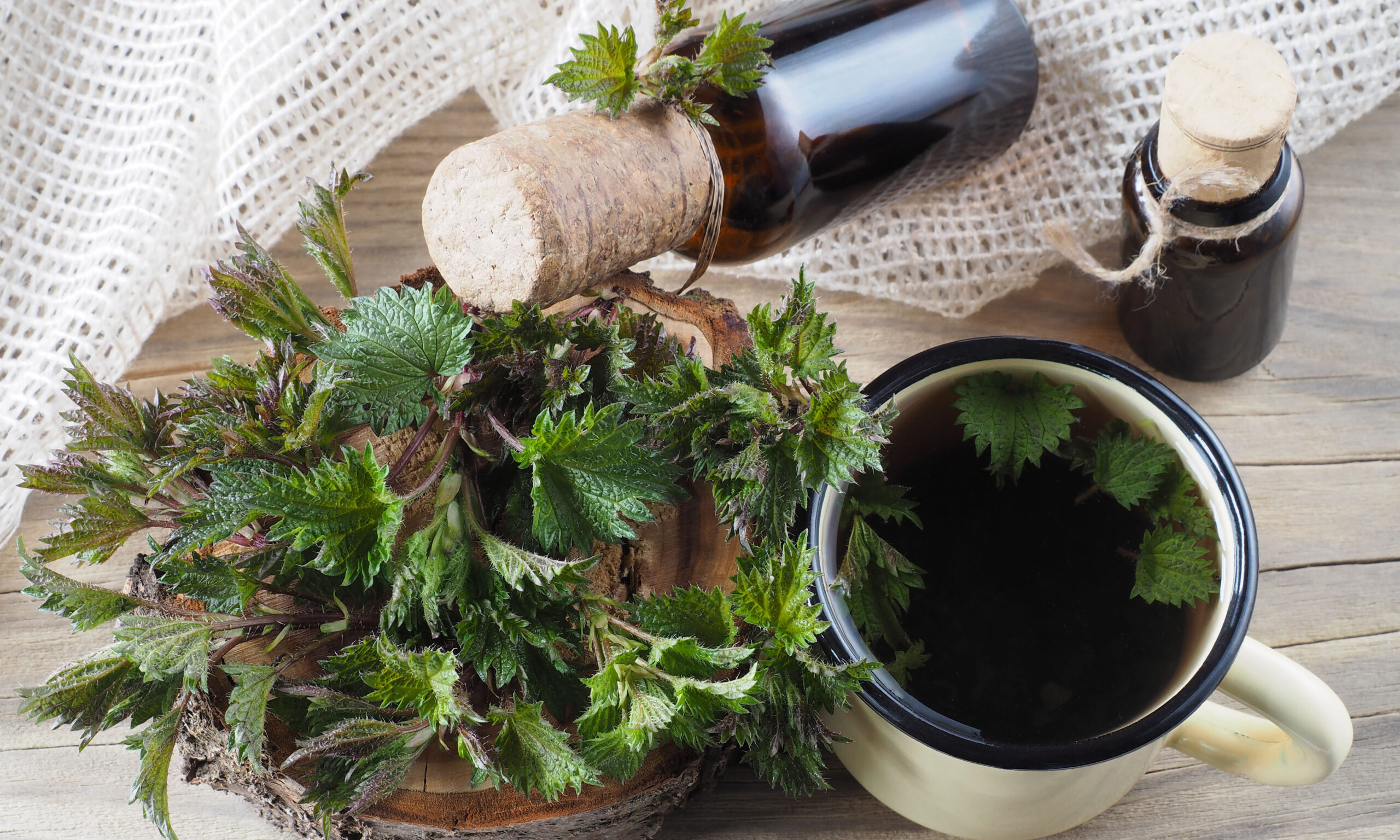
Stinging Nettle
Stinging nettle has a long history of traditional use for aching joints.
A small trial found that applying fresh nettle leaves provided short-term relief for some people with thumb arthritis. However, deliberately stinging the skin may cause irritation and is not suitable for everyone.
A gentler approach is to enjoy dried nettle as a tea or food, although this has not been proven to produce the same effect.
Now let’s talk about working with nettles… because it’s not for the faint of heart. Beyond the sourcing challenges every herb presents, nettles have a special gift: they sting like hell.
It’s almost impossible to harvest, wash, or process fresh nettles without getting zapped, and those stings kill your motivation instantly. I know people who’ve abandoned this miraculous plant entirely because they refuse to deal with the pain. And honestly? I get it. Getting stung while trying to make medicine is the opposite of zen.
But here’s your workaround: let a professional herbalist do the dirty work for you. For years, Nicole Apelian, a survival expert and master herbalist, has been providing her potent stinging nettle tincture to people who want the benefits without the battle scars.
I use it monthly in recipes and remedies, and the results speak for themselves. All the respect for the craft, none of the suffering. Sometimes the smartest thing you can do is let nature’s experts handle nature’s defenses.
Ginger
Ginger may offer mild support for joint discomfort and inflammation.
Try steeping fresh ginger slices in hot water, adding grated ginger to meals, or combining it with turmeric in a warming tea. The evidence is mixed, but ginger remains one of the easiest herbs to work into daily life.
Cayenne
Capsaicin, the fiery compound in cayenne peppers, is one of the better-studied natural options for localized joint pain.
Topical capsaicin creams may gradually reduce the intensity of pain signals. They can cause burning or tingling at first, so follow product directions carefully, wash your hands afterward, and keep them away from your eyes and broken skin.
If you need relief for stiff knees, aching shoulders, lower back pain, or arthritis—there’s a salve that works in seconds, not weeks.
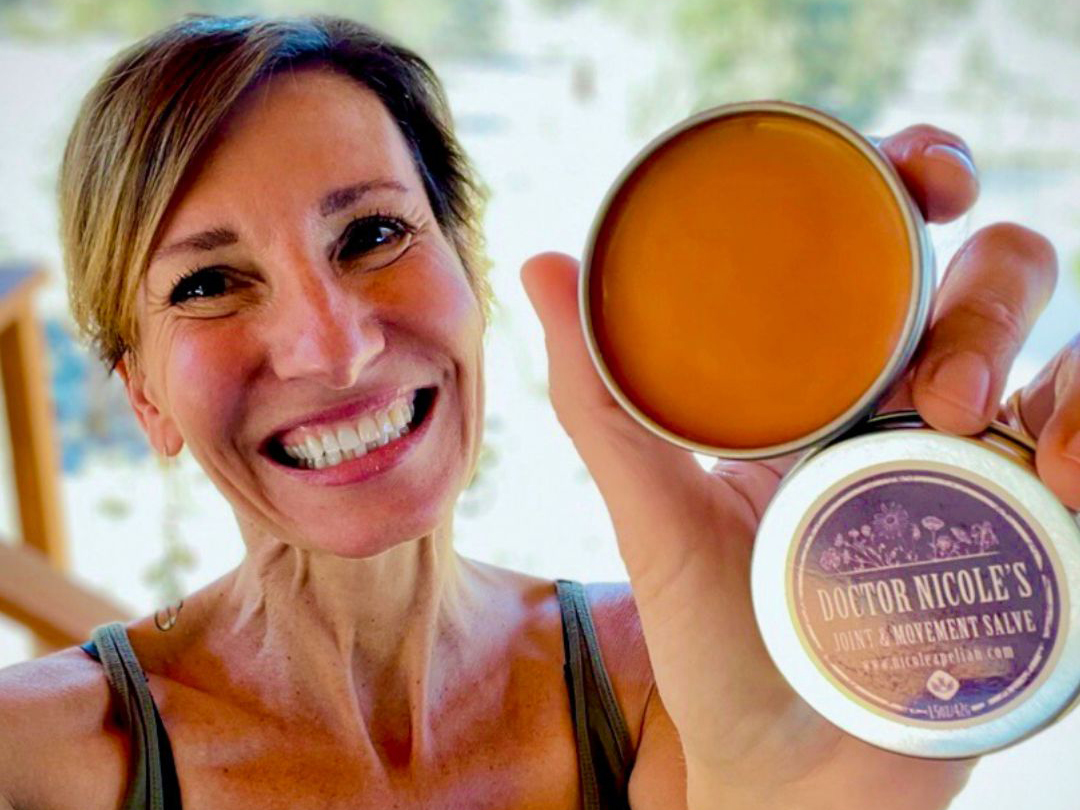 It combines arnica (pain relief and bruising), calendula (tissue repair), St. John’s Wort (nerve pain), cayenne (deep warming circulation), Solomon’s seal (joint flexibility), and frankincense (inflammation).
Each herb targets a different aspect of joint health.
Together, they deliver relief faster than most oral supplements—and you feel it within seconds of applying.
Winter stiffens joints and makes every movement hurt. Rub this on your knees, wrists, ankles, lower back—anywhere that aches.
Click here for the Joint & Movement Salve that delivers fast, powerful relief.
What I Do Now
These days, I focus less on chasing collagen and more on supporting the systems that protect my skin and joints.
I eat enough protein. I include vitamin C-rich plants. I use ginger and turmeric in my cooking. I stay active, protect my skin from excessive sun, and try not to expect one powder to undo years of stress, aging, or wear.
Collagen supplements may help some people. But they are not a shortcut, and they are certainly not the only option.
Sometimes your body does not need another expensive promise.
Sometimes it needs better raw materials, regular movement, nourishing food, and a few carefully chosen herbs.
The Truth About Collagen (And Why Big Pharma Doesn’t Want You Making Your Own)
You can’t rub collagen on your face and expect it to work. The molecules are too big. They sit on top of your skin and do nothing except make $200 creams feel luxurious.
But you can give your body the tools it needs to make its own collagen, using plants that are probably already in your kitchen.
Turmeric. Ginger. Rosehips. Nettle. Aloe. Most of these are sitting in your spice rack or growing in your yard right now. You just don’t know what to do with them.
Maybe you’re afraid of using the wrong amount. Maybe you don’t know how to extract the active compounds. Maybe you’re worried about hurting yourself rather than helping.
That’s exactly what Big Pharma is counting on. They want you dependent on their $50 collagen pills and $200 serums. They need you to believe plants are too complicated, too risky, too “folk medicine” to actually work.
Here’s what makes The Forgotten Home Apothecary so useful: it brings together 250 herbal remedies in one easy-to-navigate book, with step-by-step instructions, color pictures, measurements, and dosages.
Instead of searching for a different recipe every time something feels off, you can open the book, choose the appropriate “shelf,” and find the remedy you want to prepare.
Here are just a few of the remedies waiting inside:
- The Mucus Buster — designed to help break up chest congestion and support easier breathing
- Painkiller in a Jar — created for occasional muscle aches and joint discomfort
- The Natural Brain Booster — a remedy you can prepare before an important test, meeting, or mentally demanding day
- Penicillin Soup — an immune-supporting broth made to help your body during seasonal challenges
- Amish Amoxicillin — one of the book’s strongest traditional immune-remedy recipes
- The Herbal Parasite Flush — created to support the body’s natural process of expelling unwanted intestinal organisms
- The Gut-Healing Elixir — a traditional preparation for people who want to give their digestive system extra support
- Heavy Metal Detoxifier — designed to support the body’s natural detoxification pathways
- Bilberry Heart-Drops — made to support capillary strength and everyday cardiovascular wellness
- Stress-Free Elixir — a few calming drops for the evenings when you need help slowing down
And these are only a small glimpse of the 250 remedies organized inside your new home apothecary.
You already have most of the ingredients. You just need the recipes.
Here’s the reality: Pharmacies run out. Prescriptions get denied. But plants don’t abandon you when systems fail.
This book is printed in limited edition. Once these copies are gone, there’s no guarantee they’ll reprint. The content is too powerful. The remedies work too well. And Big Pharma doesn’t want you making your own medicine for pennies when they can charge you $500/month for the synthetic version.
Dr. Nicole Apelian poured 30 years of knowledge into this book. This isn’t theory. Her remedies work because nature works.
At the time of writing this, only 54 copies left at this price. The best time to build your home apothecary was yesterday. The second-best time is now.
Get your copy of The Forgotten Home Apothecary before it’s gone. Your future self will thank you when the remedy you need is on your shelf instead of out of stock at the pharmacy.
You May Also Like: 
Flu, Viral, and Immune System Protocol (Video)
What People Are Saying About The Lost Book of Herbal Remedies II
This Is Why You’re Not Losing Weight (It’s Not You)
References
- Harvard Health Publishing — Considering Collagen Drinks and Supplements https://www.health.harvard.edu/blog/considering-collagen-drinks-and-supplements-202304122911
- American Academy of Dermatology — Supplement Secrets Unveiled: Debunking Common Myths About Beauty Boosters https://www.aad.org/news/supplements-debunking-common-myths
- Arthritis Foundation — Are Collagen Supplements Helpful for Arthritis? https://www.arthritis.org/health-wellness/treatment/complementary-therapies/supplements-and-vitamins/can-collagen-supplements-help-arthritis
- Arthritis Foundation — Turmeric Probably Won’t Help Your Arthritis, but Curcumin Might https://www.arthritis.org/health-wellness/healthy-living/nutrition/anti-inflammatory/turmeric-wont-help-arthritis
- Arthritis Foundation — Benefits of Ginger for Arthritis https://www.arthritis.org/health-wellness/treatment/complementary-therapies/supplements-and-vitamins/health-benefits-of-ginger
- Versus Arthritis — Capsaicin https://www.versusarthritis.org/about-arthritis/complementary-and-alternative-treatments/types-of-complementary-treatments/capsaicin/
- Versus Arthritis — Stinging Nettle https://www.versusarthritis.org/about-arthritis/complementary-and-alternative-treatments/types-of-complementary-treatments/stinging-nettle/
- Cedars-Sinai — Bone Broth: Is It Good for You? https://www.cedars-sinai.org/stories-and-insights/expert-advice/bone-broth