
How to Make an Herbal Evening Routine for Stiff Muscles and Tired Joints
After a long day, it is common to feel tightness in the shoulders, heaviness in the legs, or stiffness around the joints. Some people notice it after sitting at a desk for hours. Others feel it after standing, driving, exercising, gardening, or doing housework. By evening, the body may feel like it needs more than just sleep.
An herbal evening routine can be a gentle way to help the body slow down and prepare for rest. It is not about using herbs as a quick cure for every ache. It is more about creating a calm routine that supports relaxation, warmth, circulation, and daily recovery. When repeated regularly, small evening habits can help the body feel less tense and more comfortable.
The best part is that this kind of routine does not have to be complicated. You do not need expensive equipment or a long list of products. A warm herbal tea, a simple soak, gentle stretching, and a quiet moment before bed can be enough to create a peaceful reset.
For long-term comfort, herbal care works best when it is combined with simple body habits such as movement, hydration, good sleep, and postural awareness. Herbs may support the routine, but the way you use your body throughout the day also matters.
Start by Creating a Calm Evening Space
Before preparing herbs or stretching, it helps to create an environment that tells your body the day is winding down. Many people stay in a busy mode right up until bedtime. They answer messages, watch videos, scroll on their phone, or think about tomorrow’s tasks. This can keep the mind active and the body tense.
Try setting aside at least 30 minutes in the evening for your routine. Dim the lights, put your phone away, and choose a quiet place where you can relax. You can play soft music, light a candle, or simply sit in silence. The goal is to move from stress into rest.
Make a Warm Herbal Tea
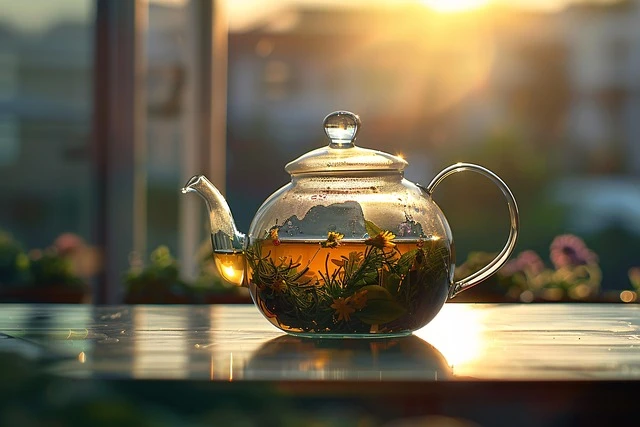
Tea is one of the easiest ways to bring herbs into an evening routine. A warm drink can feel comforting after a long day, especially when the body feels stiff or tired. Some common evening herbs include chamomile, ginger, turmeric, lemon balm, and passionflower.
Related: Indian Tobacco
Chamomile is often chosen for relaxation. Lemon balm may be a good option when stress is part of the day. Ginger can bring warmth, especially when the body feels cold or heavy. Turmeric is commonly used in wellness routines connected with inflammation, although it may not be suitable for everyone in large amounts.
Related: DIY Anti-Cellulite Body Cream
A simple evening tea can be made with one or two herbs. For example, chamomile and ginger can be a nice combination. Steep the herbs in hot water for 5 to 10 minutes, then sip slowly. Avoid making it too strong if you are new to herbal teas. A mild cup is usually enough for a gentle evening habit.
Try an Herbal Foot Soak
A warm foot soak can be relaxing, especially if your legs and feet feel tired. You only need a basin of warm water, a towel, and a few natural additions.
You can add dried lavender, rosemary, chamomile, or a small amount of Epsom salt. Lavender gives the soak a calming scent, while rosemary has a fresh herbal aroma that many people enjoy. The warmth of the water is often the most important part because it helps the feet and lower legs relax.
Soak your feet for about 10 to 15 minutes. Keep the water warm, but not too hot. After soaking, dry your feet well and put on comfortable socks. This small habit can make the body feel grounded and ready for sleep.
 Use a Gentle Herbal Oil or Balm
After a shower or foot soak, you may want to use an herbal oil or balm on areas that feel tight. This can be part of a soothing massage routine. The goal is not to press hard or force the muscles to release. Gentle, slow movements are usually better in the evening.
Herbal oils may include ingredients like lavender, arnica, calendula, rosemary, or peppermint. If using essential oils, they should always be diluted properly in a carrier oil such as coconut oil, olive oil, almond oil, or jojoba oil. Essential oils are strong and should not be applied directly to the skin without dilution.
Related: This is How Grandma Made Painkillers
Apply a small amount to the shoulders, neck, hands, knees, or calves. Massage in circular motions and breathe slowly while doing it. This can help you notice where you are holding tension.
Add Light Stretching
Herbs can support relaxation, but movement is still important. Gentle stretching in the evening can help reduce the tight feeling that builds up from sitting or repeating the same movements during the day.
You do not need a difficult routine. Try slow neck rolls, shoulder circles, calf stretches, hamstring stretches, or a gentle child’s pose. Hold each stretch for a short time and never push into sharp pain. Evening stretching should feel calming, not like a workout.
Related: The Danger of Having Cold Feet
Pair stretching with slow breathing. Inhale through the nose and exhale slowly through the mouth. This can help the body release tension and prepare for sleep.
Take a Warm Herbal Bath
If you have more time, a warm herbal bath can be a deeper way to relax. Add a cloth bag filled with dried herbs such as lavender, chamomile, rosemary, or calendula. Let the herbs steep in the bathwater like a large tea bag.
The warmth can help the muscles feel less tight, while the herbs create a peaceful scent. Keep the bath comfortable and avoid staying in too long, especially if hot water makes you feel lightheaded. After the bath, drink water, wear comfortable clothes, and keep the evening calm.
Be Careful With Strong Herbs and Supplements
Herbs may be natural, but that does not mean they are always safe for everyone. Some herbs can interact with medications, affect sleepiness, irritate the stomach, or cause allergic reactions. This is especially important for people who are pregnant, nursing, taking blood thinners, using sedatives, or managing a health condition.
For an evening routine, it is usually better to start simple. A mild tea or a diluted topical oil is often enough. Avoid mixing many herbs at the same time, especially if you are unsure how your body responds to them.
If you are taking medications or dealing with ongoing pain, it is wise to ask a qualified healthcare professional before using herbal supplements regularly.
Keep the Routine Consistent
The value of an herbal evening routine comes from consistency. Doing it once may feel nice, but repeating it several times a week can help your body connect the routine with rest. Over time, your mind may begin to relax as soon as you start making tea or preparing your foot soak.
You can keep the routine short on busy nights. Drink tea, stretch for five minutes, and go to bed. On slower nights, add a bath, massage, or longer quiet time. The routine should support your life, not become another stressful task.
A Simple Evening Reset
Stiff muscles and tired joints are often the body’s way of asking for attention. An herbal evening routine can be a gentle and comforting way to respond. With warm tea, soothing scents, light stretching, and quiet time, you can create a simple habit that helps the body settle after a long day.
The key is to keep it realistic. Choose herbs you enjoy, move slowly, and listen to your body. When evening care becomes part of your lifestyle, rest may feel easier and mornings may feel a little lighter.
You may also like:

Join Our Private Facebook Group NOW!
The Most Powerful Painkiller That We Lost To History (Video)
Better Than Chips (Cellulite-Busting Balm Recipe Included)
Safe Herbal Remedies for Your Baby
You’ve Been Drinking Water Wrong
Spice That Tastes Like Licorice
What Is a Nervine? The Complete Guide to Herbs That Support Your Nervous System